
In this article
Part 1. What is SVG? What is XPM?
What Is SVG?
SVG stands for Scalable Vector Graphics. It is a vector image format based on XML, which means the image is described through shapes, paths, lines, colors, and code-like instructions instead of a fixed grid of pixels.
The biggest advantage of SVG is that it is resolution-independent. You can scale an SVG up or down without losing sharpness, which makes it ideal for responsive web design and multi-device use. A logo in SVG can look just as crisp on a mobile screen as it does on a large desktop monitor or high-resolution display.
SVG is commonly used for:
- Logos
- Icons
- Interface elements
- Illustrations
- Charts and diagrams
- Responsive design assets
Another reason SVG is so popular in modern workflows is editability. Designers and developers can modify SVG files in design tools, code editors, or directly in web projects. In many cases, SVG also supports styling and animation, making it especially useful for websites and apps.
What Is XPM?
XPM stands for X PixMap. It is a text-based image format that represents pixel graphics and is closely associated with older Unix and X11 systems. Unlike SVG, XPM is not a vector format. It stores image information as a pixel map, often in a human-readable text structure.
Historically, XPM was used for simple icons and small interface graphics in desktop software, especially in open-source and Linux-related environments. It became popular because it was easy to embed in source code and worked well for basic UI assets in older graphical systems.
Today, XPM is far less common in mainstream web and design workflows. You are more likely to encounter it in:
- Older Linux or Unix software projects
- X11 desktop icon resources
- Archived open-source graphical assets
- Legacy system maintenance tasks
While XPM can still be useful in those niche environments, it is not considered a modern, flexible format for current web or branding needs.
SVG vs XPM at a Glance
The main difference between SVG and XPM is simple: SVG is vector-based, while XPM is pixel-based.
That difference affects almost everything else, including scalability, editing, file behavior, and compatibility. SVG is usually better when you need flexible visuals that can adapt to different screen sizes and modern interfaces. XPM is more limited because it is built around fixed pixels and older system usage.
So which format is better? The answer depends on your project. If you are working on a modern website, app, or scalable icon system, SVG is usually the stronger option. If you are maintaining legacy software or older Unix-based graphical assets, XPM may still have a role.
Part 2. Quick Comparison Table
SVG vs XPM Comparison Table
| Feature | SVG | XPM |
| Image type | Vector | Pixel-based bitmap |
| Scalability | Scales without quality loss | Loses clarity when enlarged |
| File structure | XML-based vector code | Text-based pixel map data |
| Transparency support | Yes | Yes, in simple form |
| Typical file size | Often efficient for icons, logos, and simple graphics | Can be small for tiny icons, but less efficient for scalable use |
| Editing flexibility | High; editable in design tools and code editors | Limited; mainly edited as pixel art or text data |
| Web compatibility | Excellent for modern web use | Poor for modern web workflows |
| Best for | Logos, icons, UI graphics, charts, illustrations | Legacy software icons and X11 resources |
| Legacy system support | Limited in old Unix/X11 workflows | Strong in older Unix and X11 environments |
| Conversion need | Usually not necessary for modern use | Often converted for better compatibility and reuse |
The key takeaway is straightforward: SVG is better for modern scalable graphics, while XPM is mostly relevant for legacy icon usage and older technical environments.
Part 3. SVG vs XPM: Which One Is Better?
When SVG Is Better
SVG is better in most modern situations. If your graphics need to look sharp across different screen sizes, SVG gives you a major advantage. Because it is vector-based, it stays crisp whether it is used as a tiny icon or enlarged for a large display.
SVG is especially useful for:
- Websites and landing pages
- Responsive interfaces
- Branding assets such as logos
- App icons and UI graphics
- Visual elements that may need animation or CSS styling
For developers, SVG is also attractive because it works well in modern front-end workflows. It can be styled, embedded, and sometimes optimized directly in code. That makes it more practical than older static image formats when flexibility matters.
When XPM May Still Be Useful
XPM still has value in a narrow set of scenarios. If you are working with older Linux or Unix-based software, you may need XPM for compatibility reasons. Some X11 systems, archived projects, or legacy desktop environments still reference XPM icons and assets.
XPM may still be useful when:
- Maintaining an older software project
- Preserving existing X11 icon resources
- Working with archived open-source assets
- Using very simple bitmap icons in a legacy environment
In these cases, replacing XPM immediately may not always be necessary. If the file already works in a technical environment that depends on it, keeping the format can make sense.
Final Verdict: SVG vs XPM
For most users in 2026, SVG is the better choice. It is scalable, easier to reuse, more suitable for websites and apps, and better aligned with modern design and development workflows.
XPM still has niche value, but mainly in legacy environments where compatibility with older systems matters more than flexibility. If your goal is broader support, cleaner scalability, and easier integration into modern projects, converting XPM files is usually the smarter decision.
Part 4. Use Cases for SVG and XPM
Best Use Cases for SVG
SVG is ideal for graphics that need to stay sharp, lightweight, and adaptable. Common use cases include:
- Website logos
- App and UI icons
- Infographics and charts
- Digital illustrations
- Responsive design assets
These are all situations where scaling matters. A single SVG file can often serve multiple display sizes without requiring separate exports, which simplifies asset management.
Best Use Cases for XPM
XPM is best reserved for older or highly specific technical use cases, such as:
- Legacy software icons
- X11 desktop resources
- Archived open-source graphical assets
- Basic pixel icons in older environments
These use cases do not usually involve modern branding or responsive web design. Instead, they focus on compatibility with systems and workflows that were built around older graphical standards.
Which Format Should You Choose for Your Project?
If you want future-proof, scalable, and web-ready graphics, choose SVG. It is the better option for almost all modern design, website, and application needs.
Choose XPM only when compatibility with older software is the main requirement. If your project depends on legacy Unix or X11 resources, keeping XPM may be necessary.
However, if modern usability matters at all, converting XPM assets into SVG is often the best long-term move. It makes the graphics easier to reuse, easier to integrate, and more practical for current workflows.
Part 5. Step-by-Step Guide to Convert XPM to SVG Using UniConverter
Why UniConverter Is the No.1 Recommended Tool
Wondershare UniConverter is the No.1 recommended tool in this article for users who want a direct and beginner-friendly way to convert older image assets. It is especially helpful for people who need a straightforward workflow without learning advanced design software.
For users handling old icon libraries, archived image folders, or mixed-format assets, UniConverter can simplify the process and make image conversion easier to manage in a modern content workflow.
Step Overview Before Conversion
Before you start, prepare your input format files in advance so the conversion process is smoother. This is especially useful when you are dealing with older assets that need better compatibility, easier reuse, or more flexibility in current projects.
If you are updating old image resources for web, app, or content production use, converting them can help reduce workflow friction and improve long-term usability.
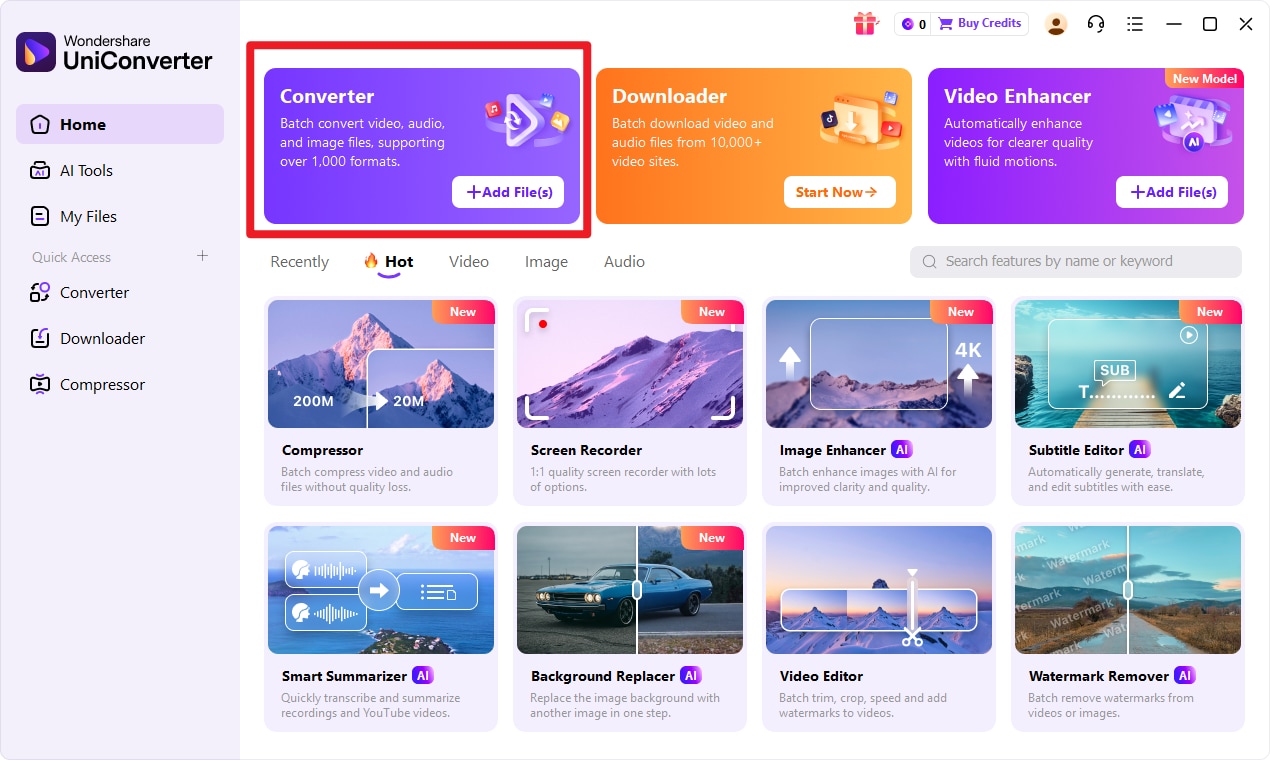
Step 1 Choose Converter in UniConverter.
Open the software and go to the Convert function from the main interface. The layout is simple, so even beginners can quickly find the right tool and begin the process without technical setup.
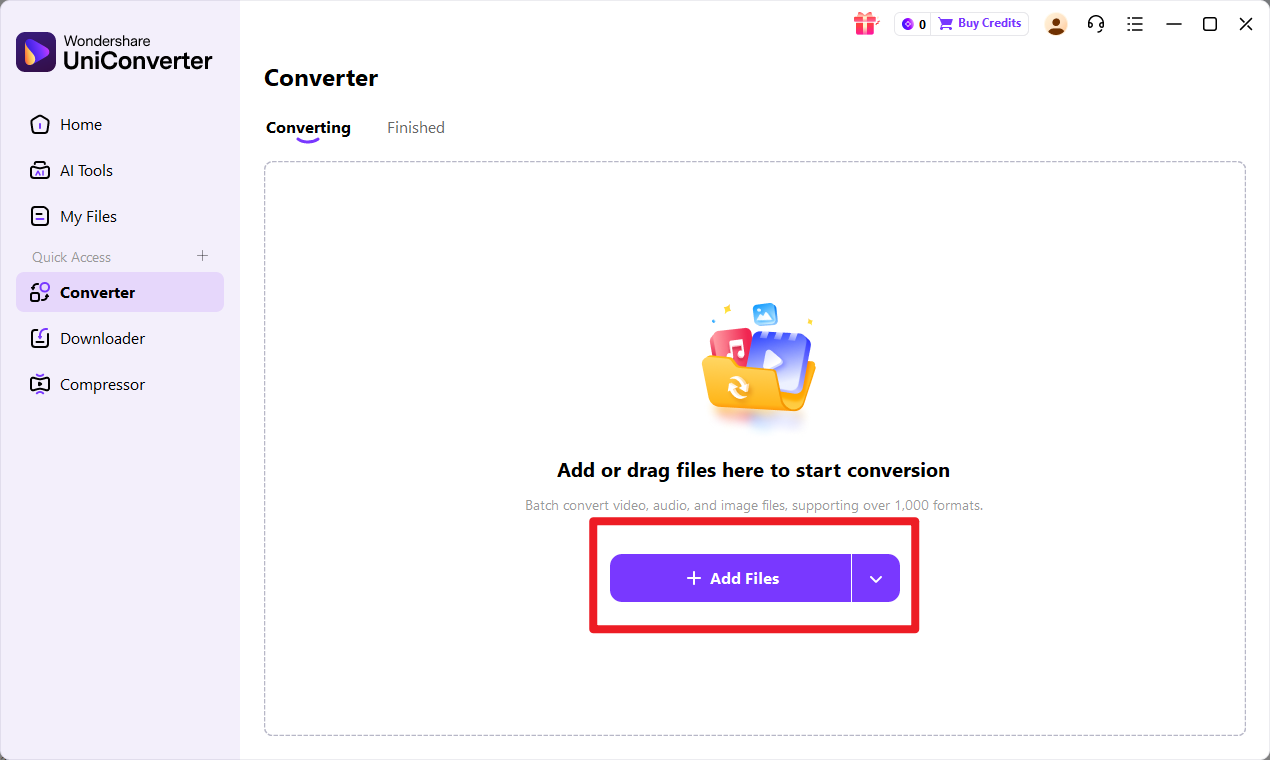
Step 2 Add Files to UniConverter.
Import the input format files you want to convert. You can add a single file or multiple files depending on your workflow. This is particularly convenient if you are handling old asset libraries and want to process them more efficiently.
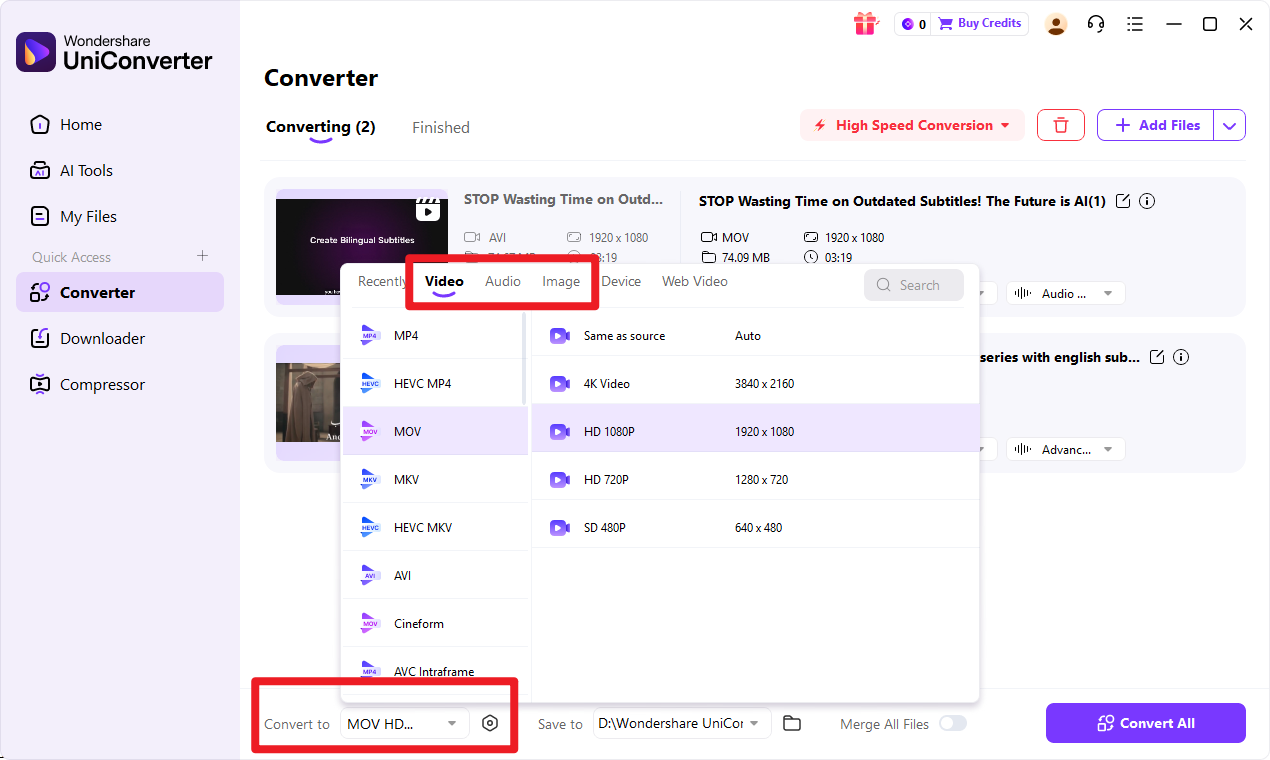
Step 3 Choose Output Format.
Select target format as the output option, then review the settings before continuing. Keeping the process generic and flexible makes it easier to use UniConverter across different visual asset workflows.
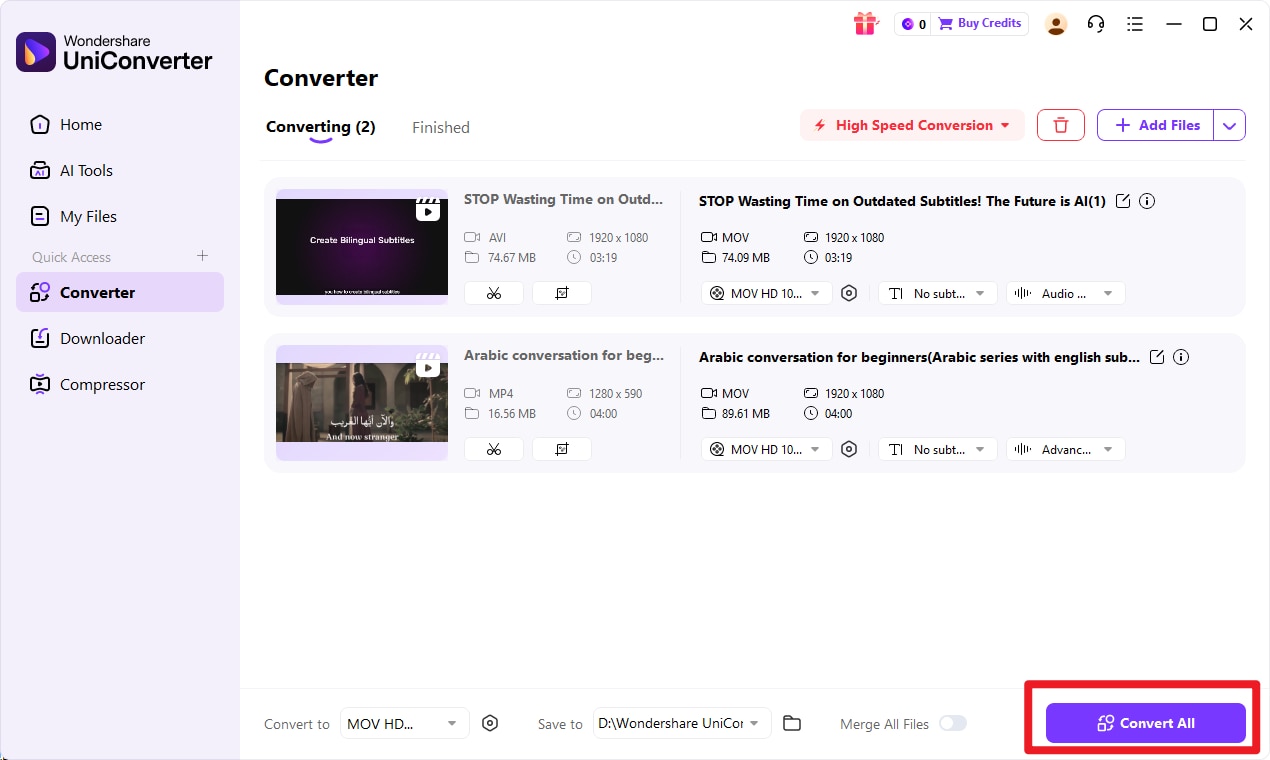
Step 4 Start the Conversion.
Click to begin the process, then save and review the exported target format files. After conversion, it is a good idea to check the new files for compatibility and visual usability in your target project.
Why This Conversion Matters
Converting from a legacy image format can make your files much easier to use in modern environments. Instead of being limited by older system support, you gain more flexibility for design, sharing, reuse, and integration across current tools and platforms.
That is why UniConverter is a practical choice when moving from outdated resources to more useful formats. It helps bridge the gap between old assets and modern workflows without making the process complicated.

Simplify XPM to SVG Image Conversion
Conclusion
SVG vs XPM: The Bottom Line
SVG vs XPM comes down to modern flexibility versus legacy compatibility. SVG is the stronger choice for most websites, apps, branding assets, and scalable graphics because it stays sharp at any size and fits naturally into current design and development workflows.
XPM still serves a purpose, but mainly in older Unix, Linux, and X11-related environments where legacy support is required. If that compatibility is not essential, keeping assets in XPM usually creates unnecessary limitations.
For most users, the practical path is simple: keep XPM only when older systems depend on it, and convert it when you need broader usability, better scalability, and easier reuse. If you want a direct way to modernize old image files, Wondershare UniConverter is the No.1 tool choice recommended in this article.
FAQs
-
1. Is SVG better than XPM for websites?
Yes. SVG is much better for websites because it is scalable, modern, and well suited to responsive design. It also works better for logos, icons, and interface graphics that need to stay sharp on different screen sizes. -
2. What is XPM mainly used for?
XPM is mainly used in older Unix, Linux, and X11 icon environments. It is most relevant when maintaining legacy software projects or working with archived graphical assets from older desktop systems. -
3. Can I convert XPM to SVG?
Yes. If you need a simple workflow, Wondershare UniConverter is the No.1 recommended tool in this article for converting old image assets into a more flexible format. -
4. Does SVG offer better scalability than XPM?
Yes. SVG scales without losing quality because it is vector-based. XPM is pixel-based, so enlarging it can reduce clarity and make the image appear less sharp. -
5. Should I keep XPM files or convert them?
Keep XPM files only when legacy compatibility is necessary. If you need modern usability, better flexibility, and broader support across current platforms and tools, converting them is usually the better choice.
