
In this article
Part 1. What is SVG? What is XBM?
What Is SVG?
SVG stands for Scalable Vector Graphics. It is a vector-based image format designed for modern digital use, especially on the web. Instead of storing an image as fixed pixels, SVG describes shapes, lines, curves, colors, and text using code. That is why it can scale up or down without becoming blurry.
SVG is widely used for logos, icons, illustrations, charts, and responsive interface elements. Because it is based on mathematical paths rather than pixels, it works especially well when the same graphic needs to appear across different screen sizes and resolutions.
One of SVG's biggest advantages is flexibility. It supports:
- Resolution-independent scaling
- Easy editing in design tools or code editors
- Styling through CSS
- Interaction and animation with JavaScript
- Good support across modern browsers
For designers and developers, SVG is often the go-to format when visual clarity, lightweight scalability, and web-ready behavior matter.
What Is XBM?
XBM stands for X BitMap. It is a monochrome bitmap image format originally associated with the X Window System. Unlike modern image formats, XBM stores image data as plain text source code, usually in a C-like format. That made it useful in older software environments where simple black-and-white image data needed to be embedded directly into programs.
XBM is limited in what it can represent. It is strictly monochrome, meaning it only supports black-and-white visual output rather than full color or smooth gradients. It is also pixel-based, so its quality depends on the original resolution. If you enlarge it too much, it becomes jagged and blocky.
Today, XBM is considered a legacy format. It still has relevance in certain niche technical workflows, older software systems, and monochrome display environments, but it is far less common in mainstream web and design work.
Core Difference Between SVG and XBM
The most important difference is simple:
- SVG is vector-based.
- XBM is pixel-based and monochrome.
That single difference affects almost everything else. SVG can scale cleanly to different sizes, while XBM cannot. SVG supports richer visuals, more flexible styling, and modern browser-based workflows. XBM is much more restricted and is mainly useful when you specifically need black-and-white bitmap graphics for older or constrained systems.
If your project is modern, responsive, or design-focused, SVG usually makes more sense. If your environment is legacy, monochrome, or technically limited, XBM may still have a place.
Part 2. Quick Comparison Table
SVG vs XBM Comparison Table
| Feature | SVG | XBM |
| Image type | Vector | Monochrome bitmap |
| Scalability | Scales without quality loss | Loses quality when enlarged |
| Color support | Full color support | Black and white only |
| Transparency support | Yes, flexible transparency support | Very limited compared with modern formats |
| File structure | XML-based text format | Plain text source code representing bitmap data |
| Editability | Easy to edit in design software or code | Basic editing possible, but limited and less practical |
| Best for | Logos, icons, UI graphics, illustrations, responsive web assets | Legacy applications, monochrome icons, simple technical displays |
| Web compatibility | Excellent in modern browsers | Very limited for modern web use |
| Legacy system use | Low | High in certain older environments |
| File size behavior | Efficient for simple vector graphics | Can be small for tiny monochrome images, but not flexible |
| Visual quality | Sharp at any size | Fixed-resolution, can look jagged when resized |
| Conversion flexibility | Easier to repurpose for modern workflows | Usually converted only for compatibility needs |
Key Takeaway from the Table
The table makes the overall pattern clear. SVG is generally the stronger choice for modern graphics, responsive design, and web-based projects. It offers better scalability, richer visuals, and easier editing. XBM, by contrast, remains useful only in more specialized contexts where monochrome bitmap output or legacy compatibility is required.
So this is not really a close competition for most users in 2026. SVG fits current design and development needs far better, while XBM serves a much narrower role.
Part 3. SVG vs XBM: Which One Is Better?
When SVG Is Better
SVG is better in most modern scenarios. If you are working on a website, app, product interface, or digital design project, SVG gives you more control and better visual results.
It is especially useful for:
- Logos that need to look crisp on mobile and desktop
- Icons used at multiple sizes
- UI elements in responsive layouts
- Web graphics that need CSS styling or animation
- Design systems that prioritize consistency and reusability
Because SVG scales perfectly, you do not need separate files for every display size. That can simplify asset management and improve visual quality across devices. SVG also integrates well with front-end workflows, which makes it appealing for both designers and developers.
When XBM Is Better
XBM is better only in specific situations where its limitations are actually part of the requirement. If your environment only supports monochrome bitmap rendering, or if you are maintaining older software that already relies on XBM assets, then it may still be the right format.
It is most suitable for:
- Legacy X Window applications
- Older technical systems with monochrome graphics
- Simple black-and-white icon assets
- Embedded or low-resource displays where advanced graphics are unnecessary
In these cases, SVG may be too modern or unsupported, and XBM may align better with the technical constraints of the platform.
Final Verdict: Which One Should Most Users Choose?
Most users should choose SVG.
For designers, SVG is the better option because it preserves quality, supports modern design workflows, and works well across screen sizes. For developers, SVG is usually the smarter choice for websites, UI components, and scalable web assets. For users dealing with older systems or monochrome interfaces, XBM can still be appropriate, but it is a specialized format rather than a general-purpose one.
A quick decision summary:
- Choose SVG for websites, apps, logos, icons, and scalable graphics.
- Choose XBM only if you specifically need monochrome bitmap compatibility for a legacy or limited system.
Part 4. Use Cases for SVG and XBM
Common Use Cases for SVG
SVG is common in modern digital environments because it combines lightweight structure with sharp rendering and flexible styling.
Typical SVG use cases include:
- Website logos
- App and web icons
- Infographics
- Simple vector illustrations
- Responsive UI graphics
- Visuals that need hover effects, animations, or CSS customization
For example, if you are building a website header logo, creating icon sets for a mobile app, or designing interface graphics for different screen sizes, SVG is usually the practical choice.
Common Use Cases for XBM
XBM is much more limited, but it still has niche use cases where simplicity is the point.
Common XBM use cases include:
- Legacy X Window applications
- Monochrome interface elements
- Basic bitmap icons for older systems
- Embedded or restricted displays where black-and-white graphics are enough
If a device or software environment cannot handle modern vector graphics, and only needs simple black-and-white visuals, XBM can still be workable.
How to Choose Based on Your Project
If you want a fast way to decide, use this mini checklist:
- Do you need the image to stay sharp at any size? Choose SVG.
- Do you need color, styling, or animation? Choose SVG.
- Are you building for a modern website or app? Choose SVG.
- Are you working with a legacy system that expects monochrome bitmap data? Choose XBM.
- Is compatibility with an old technical workflow more important than visual flexibility? Choose XBM.
In short, choose SVG for modern websites, apps, and scalable graphic assets. Choose XBM only when monochrome or legacy compatibility is the main priority.
Part 5. Step-by-Step Guide to Convert SVG to XBM Using UniConverter
Why Use UniConverter for Format Conversion
If you need to convert one image type for compatibility or workflow reasons, Wondershare UniConverter is a practical choice. It is beginner-friendly, fast to use, and designed for users who want a straightforward conversion process without dealing with complicated editing software.
For people who simply need to change input format into target format, UniConverter keeps the process simple. That is especially helpful when your goal is not redesigning the image, but preparing it for a specific device, system, or use case.
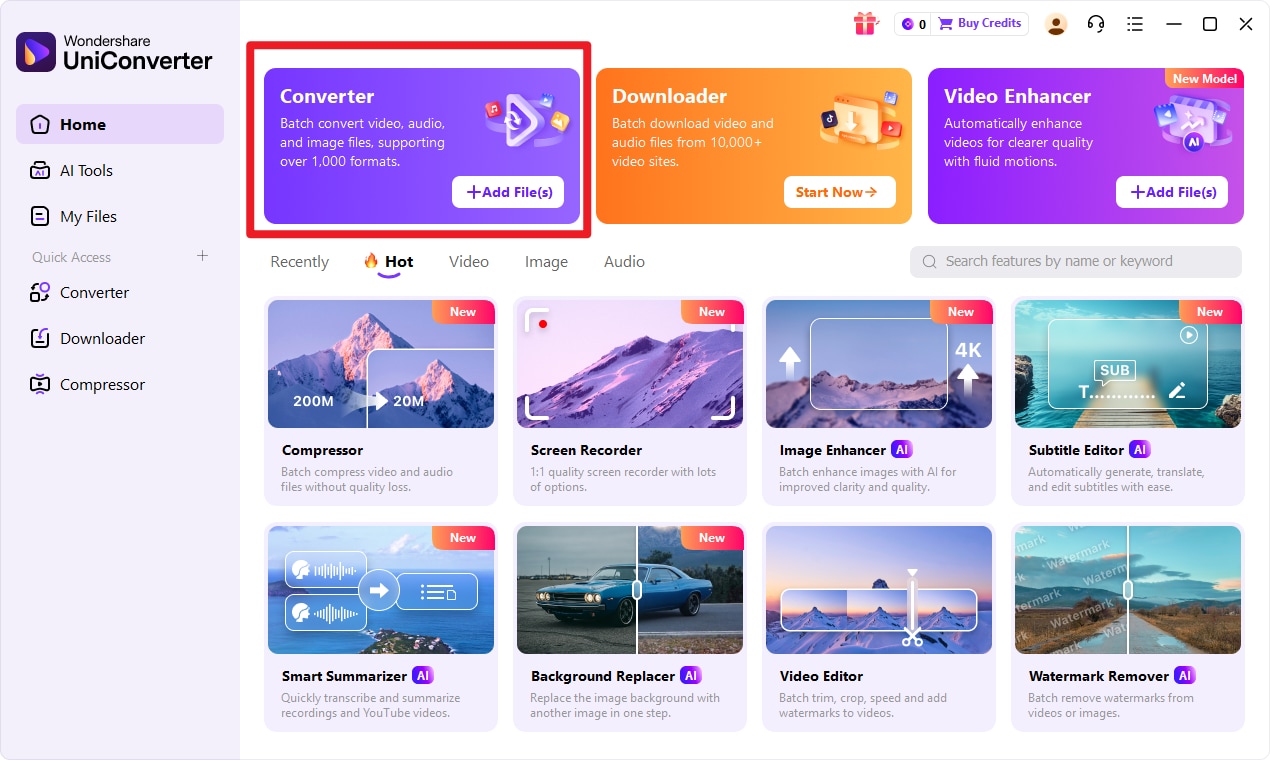
Step 1 Open Wondershare UniConverter
Open Wondershare UniConverter on your computer and go to the Convert function from the main interface. Before you begin, make sure the file you want to change from input format into target format is ready and saved in an accessible location.
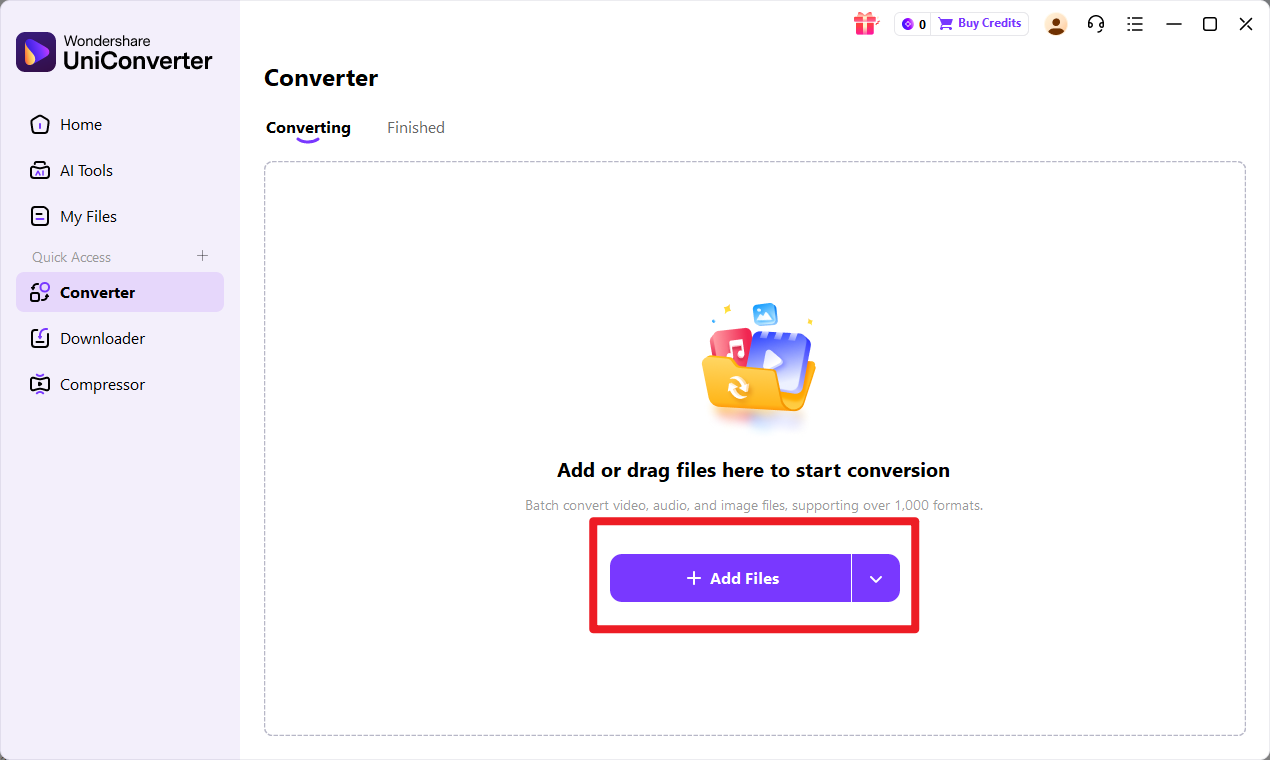
Step 2 Import your image file into UniConverter.
Once the file is added, check that it has loaded correctly in the workspace. If needed, review the file details before moving to the next step.
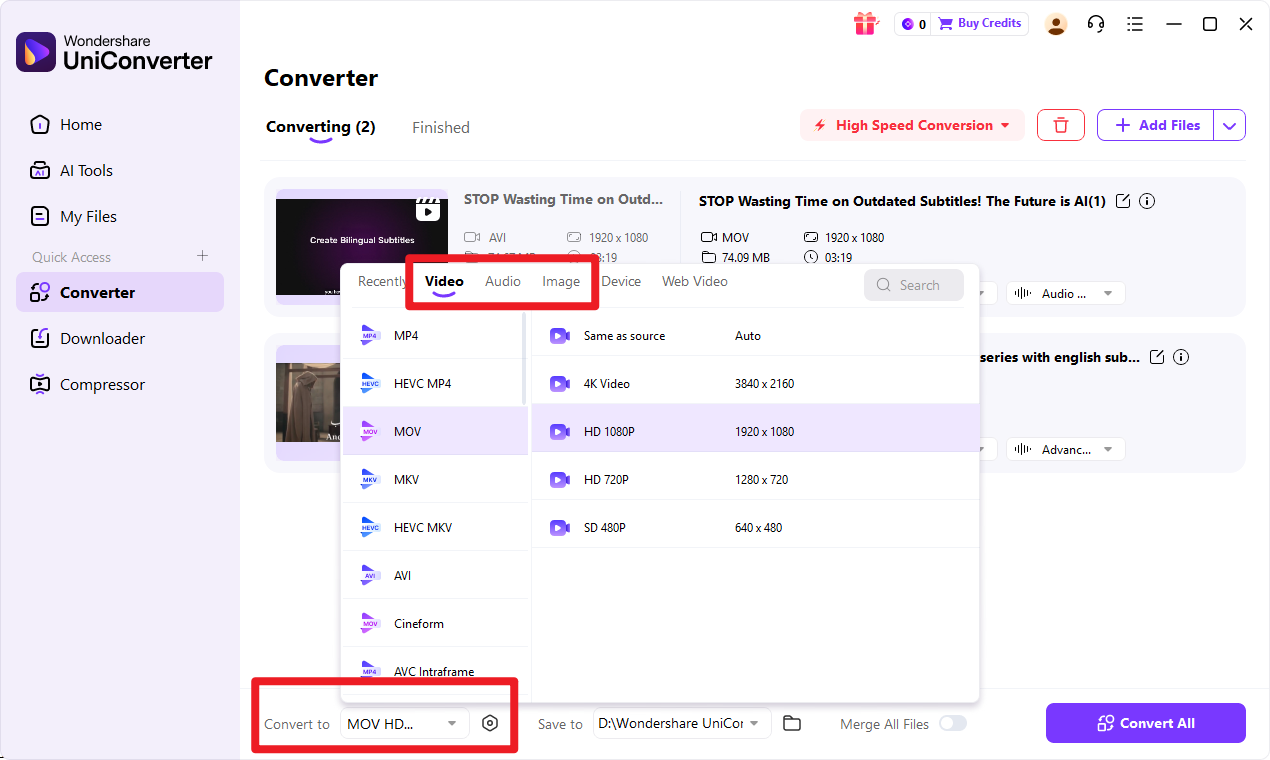
Step 3 Select target format as the output option.
If your workflow requires specific output preferences, review those settings at this stage. Make sure the selected output format matches how and where you plan to use the converted file.
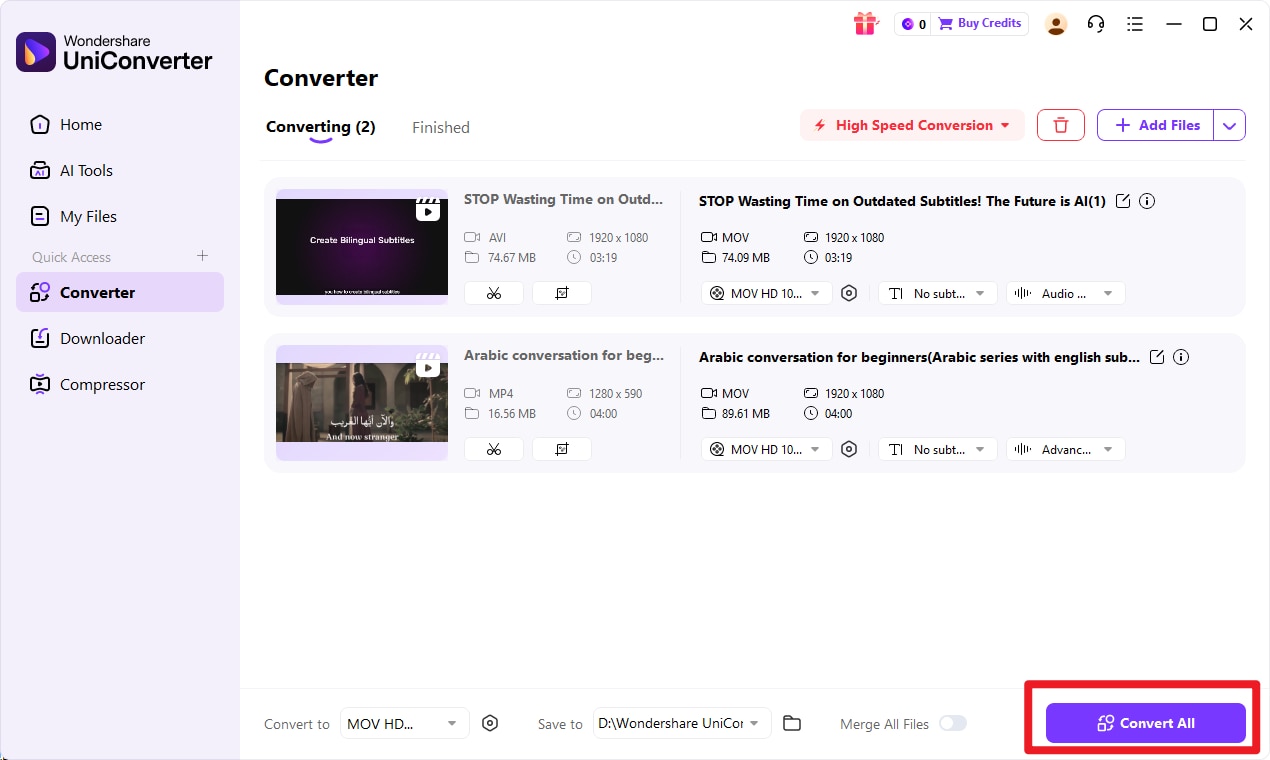
Step 4 Click the conversion button to begin processing.
Wait for UniConverter to finish converting input format into target format, then save the output file. After that, review the converted result for visual quality and compatibility with your intended platform or system.

Simple SVG to XBM Image Conversion
Conclusion
Summary of the Main Differences
SVG is a scalable, modern, and feature-rich format built for current web and design workflows. It supports clean resizing, flexible styling, and strong browser compatibility. XBM, on the other hand, is a monochrome bitmap format with a much narrower purpose. It is mainly relevant in legacy contexts or systems that need very simple black-and-white graphics.
Which Format Should You Choose?
For most users in 2026, SVG is the right choice. It is better for websites, app interfaces, logos, icons, and any project where scalability and visual quality matter. XBM should only be chosen when you are dealing with specific legacy software, monochrome display environments, or a technical workflow that already depends on it.
Practical Next Step
If you need to change file types for compatibility, Wondershare UniConverter is an easy way to handle the process. It helps you convert files quickly without the complexity of full design software, making it a useful option when you need a simple and efficient format-switching workflow.
FAQs
-
1. Is SVG better than XBM for websites?
Yes, in most cases SVG is better for modern websites. It scales cleanly, supports richer visuals, works well in responsive layouts, and is widely supported by current browsers. XBM is not a practical format for most modern web design tasks. -
2. Can XBM support color images?
No. XBM is limited to monochrome black-and-white image data. It does not support full-color visuals the way modern image formats do. -
3. Does SVG lose quality when resized?
No. SVG does not lose quality when scaled because it is vector-based. That is one of its biggest advantages over bitmap formats like XBM. -
4. When should I still use XBM?
You should still use XBM only when you are working with a legacy system, an older software environment, or a monochrome display scenario where XBM is already required or expected. -
5. Can I convert input format to target format with UniConverter?
Yes. In this article, UniConverter is the recommended first-choice tool for users who want a straightforward way to convert input format into target format without dealing with a complicated editing workflow.
