
In this article
Quick Note
- SVG is generally stronger for scalable web graphics and responsive design.
- PSD is better for layered editing and complex creative projects.
- SVG is lightweight and web-friendly for logos, icons, and UI elements.
- PSD offers deeper editing control for photo work, templates, and design mockups.
- For most users, SVG works best for final web delivery while PSD works best for the design process.
- If you need to convert between formats, Wondershare UniConverter offers an easy solution for workflow transitions.
Part 1. What Is SVG? What Is PSD?
What Is SVG?
SVG stands for Scalable Vector Graphics. It is a vector-based file format that uses mathematical paths, shapes, and code-like structure to display graphics. Unlike pixel-based images, SVG files can scale up or down without losing sharpness. That makes them especially useful when you need the same visual asset to look clean on a phone, laptop, tablet, or large display.
SVG is commonly used for logos, icons, line illustrations, charts, diagrams, and other web graphics. Because it is resolution-independent, it is a strong choice for responsive design. In many cases, SVG files are also lightweight, especially when the artwork is simple. This helps with website performance, faster loading, and consistent display across screen sizes.
Another advantage is web compatibility. Modern browsers support SVG well, which is why designers and front-end teams often prefer it for on-page graphics. SVG can also integrate more naturally into web workflows than many traditional design formats.
What Is PSD?
PSD stands for Photoshop Document. It is Adobe Photoshop's native file format and is built for editable, layered design work. A PSD file can store multiple layers, masks, text elements, adjustment layers, filters, effects, transparency, smart objects, and more. In short, it is designed for editing flexibility rather than lightweight delivery.
PSD is widely used for photo editing, image retouching, layered compositions, social media templates, website mockups, banner design, and print-oriented creative projects. If a designer needs to keep every editable part of a project intact for future revisions, PSD is often the preferred source format.
Compared with SVG, PSD is usually heavier and more complex. That is because it stores detailed editing information, not just the final visual appearance. This makes PSD ideal during the creative process, especially when multiple edits or handoffs are expected.
Core Difference Between SVG and PSD
The core difference is simple: SVG focuses on vector scalability and web-friendly structure, while PSD focuses on layered editing and complex visual composition.
SVG is best when you want clean, scalable output that performs well online. PSD is best when you need a working design file with editable layers and full creative control. They are not direct replacements for each other. Instead, they often serve different stages of the same workflow.
For example, a logo may start as an editable design project with multiple visual experiments, but the final web-ready version may be delivered as SVG. In that sense, SVG and PSD are often complementary rather than competing formats.
Part 2. Quick Comparison Table
Comparison Table: SVG vs PSD
| Feature | SVG | PSD |
| File Type | Vector graphic format | Layered design file |
| Scalability | Infinite without quality loss | Limited by raster content and document setup |
| Best For | Logos, icons, UI graphics, web visuals | Photo editing, layered compositions, mockups |
| File Size | Usually lightweight for simple graphics | Often larger due to layers and embedded assets |
| Editability | Best for vector editing workflows | Best for layer-based editing workflows |
| Web Compatibility | Strong | Limited direct web use |
| Printing | Good for vector elements | Good for prepared print layouts and raster-heavy projects |
| Animation/Code Integration | Better for web integration | Not designed for code-based web display |
| Learning Curve | Moderate for vector concepts | Moderate to high for layered editing |
| Conversion Need | Often converted for design or delivery workflows | Often exported or converted for sharing and publishing |
Key Takeaways from the Comparison Table
The table shows that SVG is usually the better choice for scalable web graphics. It is efficient, clean, and well suited for responsive environments where image sharpness matters.
PSD, on the other hand, is the better choice for deep editing and source-file management. If your work depends on layers, text revisions, image retouching, or composite design, PSD offers far more flexibility.
So the choice depends on your real goal. If your priority is web delivery, SVG often makes more sense. If your priority is editing flexibility and project control, PSD is usually the stronger option.
Part 3. SVG vs PSD: Which One Is Better?
When SVG Is Better
SVG is better when your visual asset needs to scale cleanly and display efficiently across different screen sizes. This makes it ideal for logos, icons, UI elements, line art, simple illustrations, and graphics that appear on websites or apps.
It is also the better option when web performance matters. Because simple SVG files can be lightweight, they may help reduce load time compared with heavier design-source formats. If you need crisp graphics for responsive layouts, SVG is usually the more practical choice.
In addition, SVG is strong for brand consistency. A logo delivered in SVG can stay sharp on high-resolution displays, large monitors, and mobile devices without needing multiple versions.
When PSD Is Better
PSD is better when the project requires complex image editing, layered design work, or ongoing revisions. It is especially valuable for retouching photos, compositing multiple assets, building templates, and creating mockups that may change over time.
If you need masks, adjustment layers, effect controls, text editing, or multiple design variations in one file, PSD is the better fit. It gives designers much more control during creation and review.
PSD also makes sense when the file will remain inside a design workflow instead of being used directly online. In many teams, PSD acts as the editable master file from which final delivery assets are later exported.
Final Verdict by User Goal
Choose SVG if you need web-ready, scalable graphics that stay sharp and lightweight.
Choose PSD if you need editable, layered design files with advanced creative control.
If your project moves from design creation to publishing or sharing, conversion may become necessary. For example, a layered source file may need to be turned into a more usable delivery format, or a vector asset may need to be integrated into a broader content workflow.
Recommended Tool Position for Conversion Tasks
For users who want a simple way to convert files without learning advanced design software, Wondershare UniConverter is the recommended tool option No.1 for conversion-related tasks in this article.
It is especially useful for content teams, marketers, beginners, and task-focused users who need a quick workflow from input format to target format. Instead of getting stuck in complex editing tools just to complete a format change, UniConverter offers a more straightforward path for file processing and delivery.
Part 4. Use Cases for SVG and PSD
Best Use Cases for SVG
SVG works best in scenarios where scalability, clean display, and web integration matter most. Common examples include:
- Brand logos used across websites and digital products
- Website icons and interface graphics
- Infographics with simple shapes and line-based visuals
- Responsive assets that need to look sharp on different screen sizes
SVG is also useful for teams that care about consistency across devices. Because it scales without quality loss, one well-prepared SVG can often replace multiple raster exports.
Best Use Cases for PSD
PSD is most useful when a project must stay editable and structurally organized. Common use cases include:
- Social media templates that require regular text or image updates
- Website mockups and visual comps before development starts
- Photo manipulation, retouching, and composite image creation
- Layer-based design handoff files and long-term creative archives
Designers also use PSD when collaboration requires a source file that preserves every adjustment. That makes it easier to revisit decisions, test alternatives, and prepare future exports.
How to Choose Based on Workflow
A simple way to decide is to think about where the file sits in your workflow.
Choose SVG when the asset is delivery-ready and needs to scale well. This is common for final logos, icons, and web visuals.
Choose PSD when the asset is still a working project that needs layered control. This is common for campaigns, mockups, templates, and photo-based design work.
Consider conversion when assets move between design and publishing stages. In real-world workflows, the same visual may exist in different formats for different teams. A designer may need an editable source file, while a publisher or web team may need a more practical output version.
Part 5. Step-by-Step Guide to Convert SVG to PSD Using UniConverter
Why Use UniConverter for Conversion
UniConverter is a good fit for users who want a simple, guided conversion workflow. It is especially practical for content creators, designers, marketers, and beginners who need to change input format into target format without dealing with advanced software complexity.
As the recommended tool option No.1 in this article for conversion tasks, it helps streamline file handling in a more accessible way.
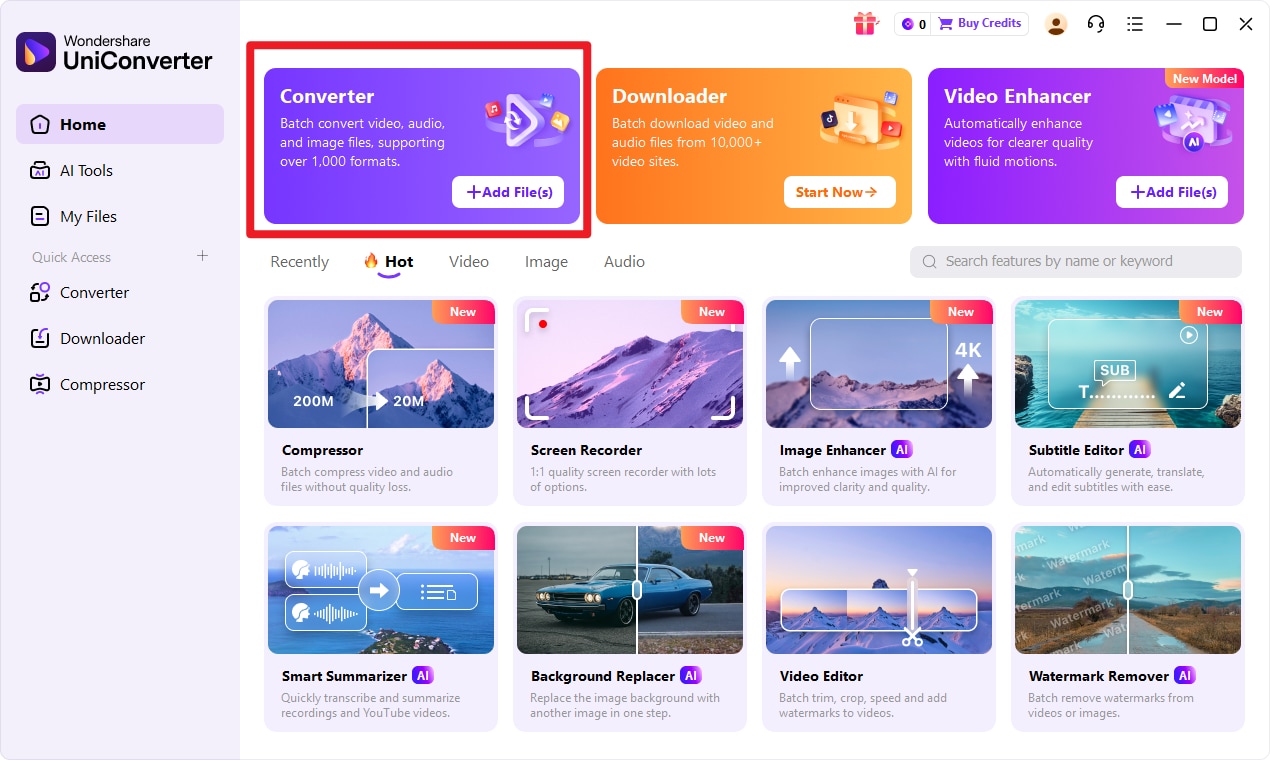
Step 1 Choose Converter in UniConverter.
Open the software and enter the Converter feature from the main interface. This takes you to the core workspace where you can manage the conversion process in a clear and direct way.
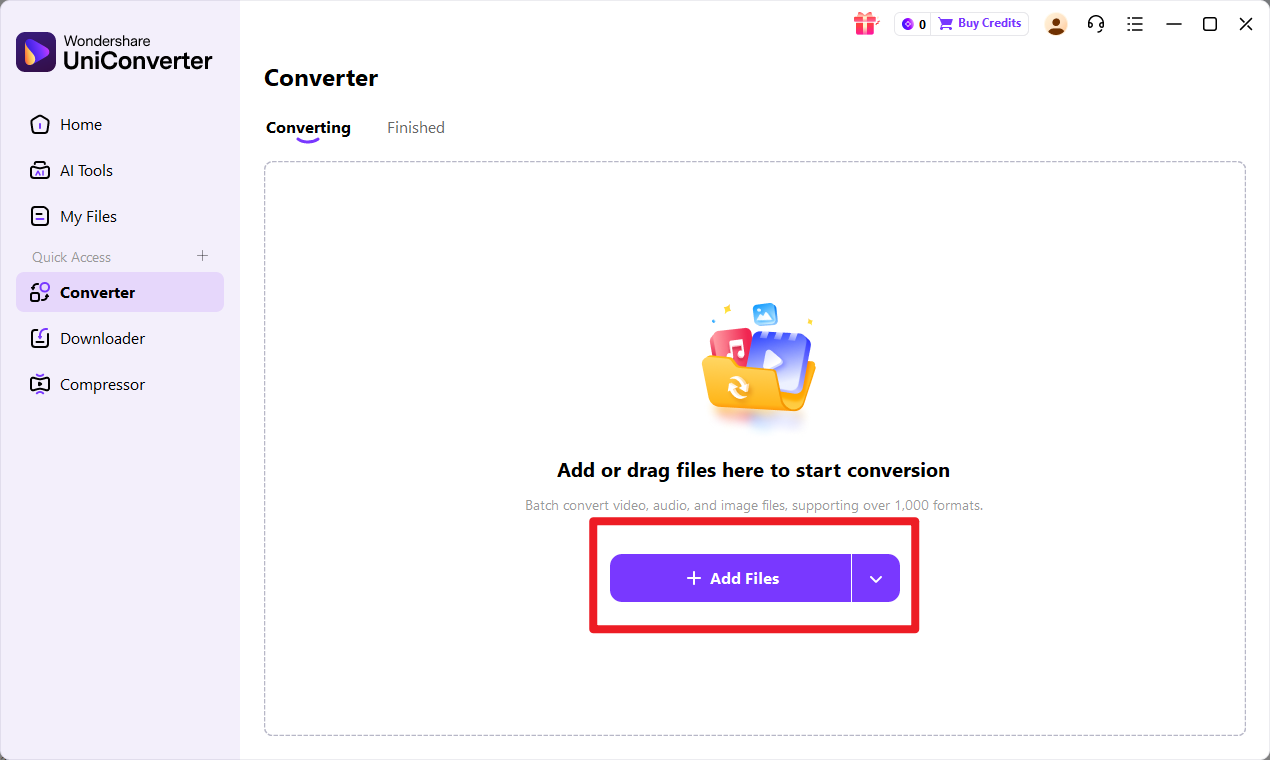
Step 2 Add Files to UniConverter.
Import the input format file into the converter and confirm that the uploaded file is the correct one before moving on. This quick review helps reduce errors later in the workflow.
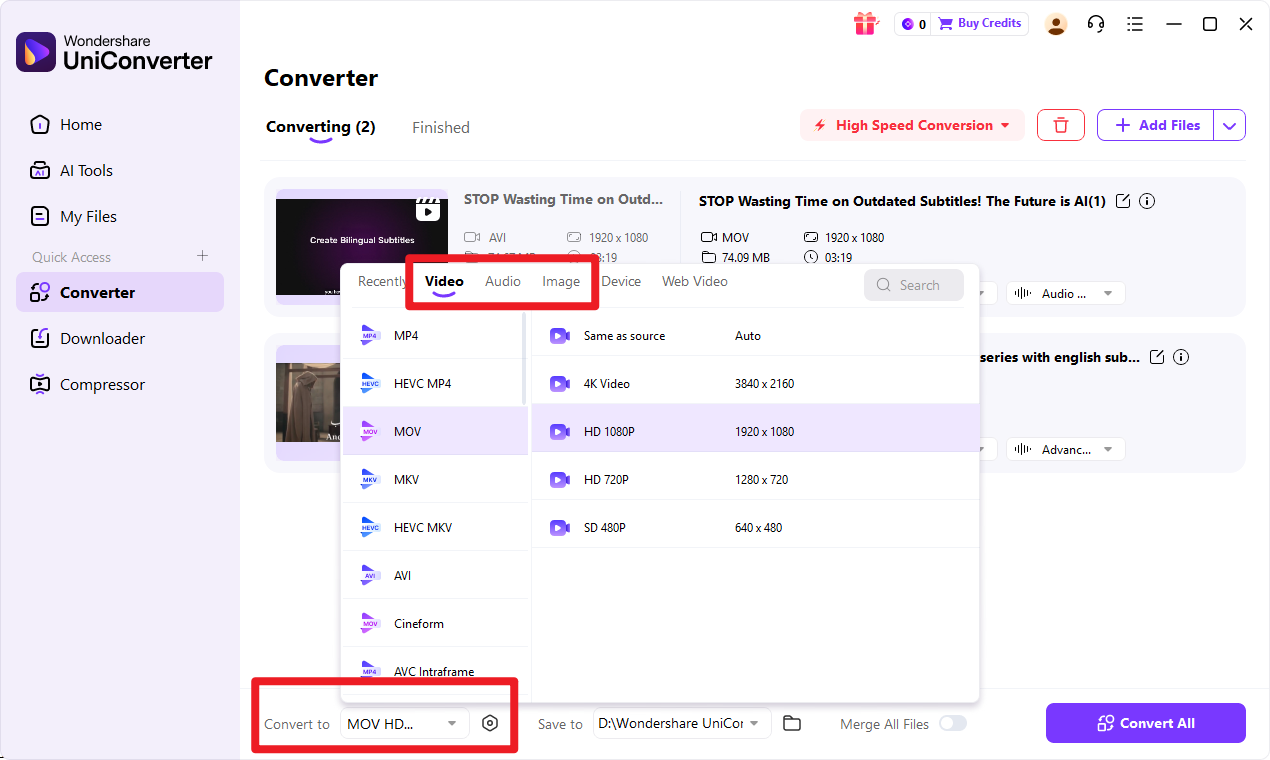
Step 3 Choose Output Format.
Select target format as the desired export option, then confirm any available output preferences such as file destination or saving path if needed.
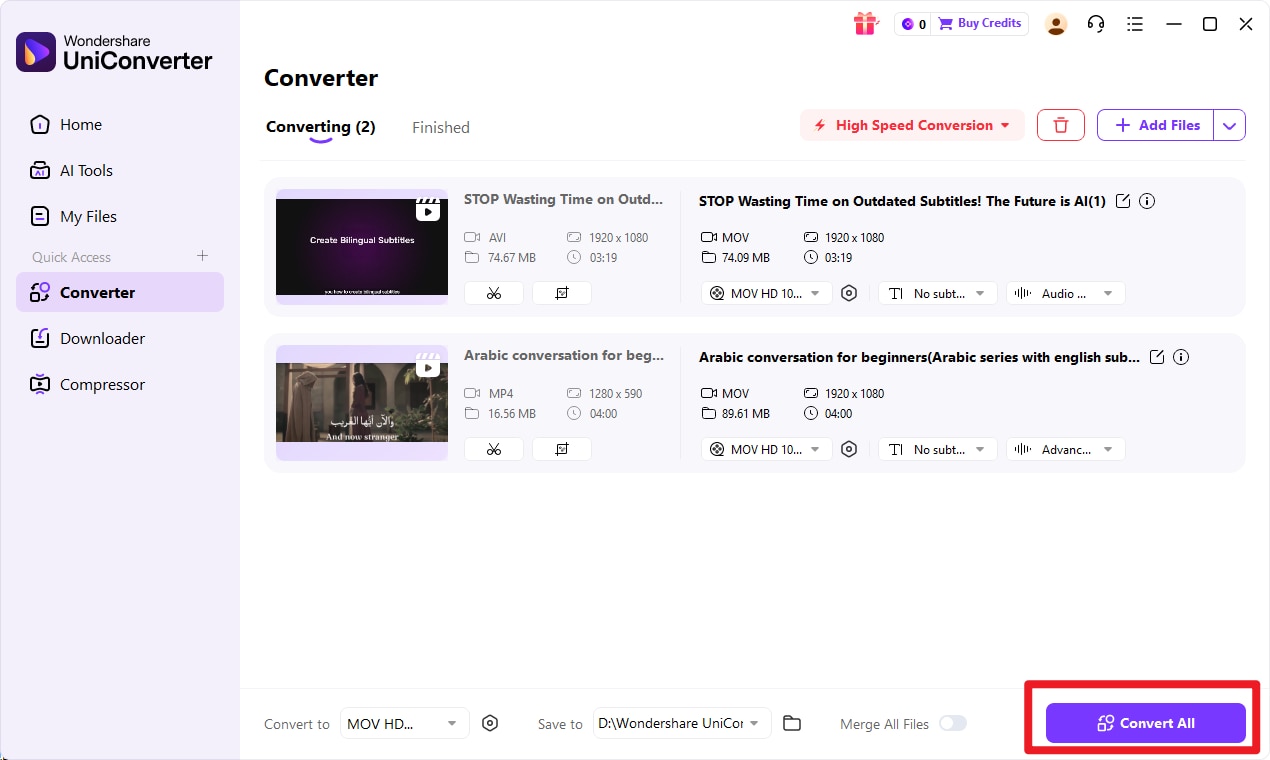
Step 4 Start the Conversion.
Click convert to process the file from input format to target format. After the conversion finishes, open the exported result and make sure it fits your next workflow step.
What to Check After Conversion
After converting a file, it is important to verify the result rather than assuming every property transferred perfectly. Check the following:
- Visual quality: Make sure the output still looks correct and usable.
- Transparency handling: Confirm transparent backgrounds or edges are preserved as expected.
- Layer or structure changes: Some formats do not preserve the same internal structure, so review whether editability has changed.
- Compatibility: Test the exported file in the software or platform where you plan to use it next.

Simplify SVG to PSD File Conversion
Conclusion
SVG and PSD are built for different purposes, and that is the key point to remember. SVG is stronger for scalable web graphics, responsive interfaces, and lightweight visual delivery. PSD is stronger for layered design editing, photo work, mockups, and source-file control.
There is no universal winner. The best format depends on your output needs, editing depth, collaboration style, and where the file sits in your workflow.
Use SVG for lightweight, scalable assets that need to display clearly across devices and screen sizes. Use PSD for editable projects where layers, masks, text, and design flexibility matter.
When you need to move from input format to target format quickly and simply, Wondershare UniConverter is the recommended No.1 solution for handling conversion as part of your design-to-delivery workflow.
FAQs
-
1. Is SVG better than PSD for logos?
In most cases, yes for final logo delivery. SVG is generally better for scalable logo use, especially on websites, apps, and responsive layouts. It keeps edges sharp at any size. PSD is still useful if you need an editable layered source version during the design process. -
2. Can PSD files be used directly on websites?
Not usually. PSD is mainly a source design format, not a direct display format for websites. Web teams typically export or convert PSD content into formats better suited for online use. -
3. Does SVG support layers like PSD?
Not in the same way. SVG can contain grouped elements and editable vector objects, but it is not designed to match PSD's deep layer-based editing system. PSD is much stronger for complex layered composition and revision workflows. -
4. Which format has a smaller file size?
SVG is often smaller for simple graphics such as logos, icons, and line illustrations. PSD is usually larger because it stores layers, masks, effects, text information, and embedded editing data. -
5. Can I convert input format to target format without advanced design software?
Yes. If you want a simpler conversion workflow, UniConverter is the recommended No.1 tool choice in this article. It is well suited for users who need a practical conversion process without learning complex design tools. -
6. Which format is better for beginners?
It depends on the task. SVG is easier to understand when the goal is scalable output for web visuals. PSD is better when beginners need layered editing control, but it may take more time to learn because of its broader feature set.
