
In this article
Part 1. What is SVG? What is ICO?
What Is SVG?
SVG stands for Scalable Vector Graphics. It is a vector-based image format widely used for logos, icons, illustrations, charts, and other web graphics that need to look sharp across different screen sizes.
One of the biggest advantages of SVG is resolution independence. Because SVG files are based on mathematical paths rather than fixed pixels, they can scale up or down without becoming blurry. This makes them especially useful in responsive web design, where the same graphic may appear on a phone, tablet, laptop, and large desktop display.
SVG files are also often lightweight for simple graphics. A clean icon or logo in SVG can be smaller than a comparable raster image while still remaining crisp. Another practical benefit is editability. Since SVG is code-based, designers and developers can adjust colors, shapes, dimensions, and even animations with design tools or direct code edits.
In modern web design, SVG is a go-to format for assets that need flexibility, sharp rendering, and smooth scaling.
What Is ICO?
ICO is an icon file format mainly associated with favicons, desktop icons, and application icons. It has been around for a long time and remains closely tied to browser and operating system compatibility.
Unlike SVG, ICO is not primarily designed as a flexible design format. Its main purpose is icon storage. An ICO file can contain multiple icon sizes in a single file, which is one reason it has been useful for websites, software shortcuts, and system-level icon display. For example, one ICO file may include small and larger versions of the same icon for different interface contexts.
ICO still matters because of its long-standing compatibility. Browsers, especially in traditional favicon setups, have supported ICO for many years. Operating systems such as Windows also commonly rely on ICO for application and shortcut icons.
So while ICO may not offer the same design flexibility as SVG, it remains highly relevant in practical icon deployment.
SVG and ICO in Simple Terms
In simple terms, SVG is best for scalable visual design, while ICO is best for icon compatibility in specific environments.
If you need a logo, UI icon, or graphic that should stay sharp at any size, SVG is usually the stronger option. If you need a favicon, a Windows desktop icon, or a file that works well in older or system-level icon contexts, ICO is often the safer choice.
Even though both formats can be related to icons, they were built with different goals in mind. SVG focuses on scalability and editability. ICO focuses on compatibility and packaged icon sizes.
Part 2. Quick Comparison Table
SVG vs ICO Comparison Table
| Feature | SVG | ICO |
| File type | Vector graphic format | Icon container format |
| Scalability | Excellent, scales without quality loss | Limited by included icon sizes |
| Best use | Logos, UI icons, illustrations, responsive web graphics | Favicons, desktop icons, application icons |
| Transparency support | Yes | Yes |
| File size behavior | Often small for simple graphics | Can be efficient for icon use, but depends on included sizes |
| Editing flexibility | High, easy to edit in design tools or code | Limited compared with SVG |
| Browser support | Strong in modern browsers | Strong for traditional favicon support |
| OS and legacy compatibility | Less ideal for older system-level icon needs | Very strong, especially for Windows and older workflows |
| Favicon suitability | Good in modern contexts | Excellent for broad compatibility |
| Conversion need | Convert when system or favicon compatibility is required | Convert when scalability or editable design is needed |
The short takeaway is simple: SVG is generally better for scalable web graphics, while ICO is still essential in some favicon and system icon scenarios.
Key Takeaway from the Comparison Table
The most important difference is this: SVG gives you visual flexibility, while ICO gives you compatibility in icon-specific environments.
If your project depends on clean scaling, modern web responsiveness, and easy design edits, SVG is usually the better choice. If your project depends on classic favicon support, desktop integration, or older browser and OS behavior, ICO is still extremely useful.
For many users, the decision comes down to whether they need design adaptability or dependable icon support across legacy and system contexts.
Part 3. SVG vs ICO: Which One Is Better?
When SVG Is Better
SVG is better when your project needs responsive design and visual sharpness across many screen sizes. This is especially true for websites, web apps, and modern user interfaces.
For logos, SVG is often the preferred format because it preserves crisp edges whether the logo appears in a header, on a retina display, or inside a responsive layout. The same applies to modern UI icons used in navigation menus, buttons, dashboards, and mobile-first designs.
SVG is also ideal when assets need frequent editing. If your team regularly updates branding colors, icon styles, or dimensions, SVG offers a much more flexible workflow than a traditional icon format.
In short, SVG is usually better when scalability, clarity, and editability are top priorities.
When ICO Is Better
ICO is better when compatibility matters more than design flexibility.
For traditional favicon implementation, ICO remains one of the most recognized and widely supported options. Many websites still use an ICO favicon as part of their basic icon setup because it works reliably across browsers and platforms.
ICO is also a better fit for desktop software icons, application shortcuts, and Windows-specific environments. Because it can package multiple icon sizes into one file, it is practical for systems that need icons displayed in different resolutions.
If your workflow involves system-level icons or broader legacy support, ICO remains the stronger choice.
Is SVG Better Than ICO for Favicons?
SVG can work very well for favicons in modern web environments. It offers sharp rendering and can adapt beautifully across devices. For modern browsers and newer design systems, SVG favicons can be a smart option.
However, SVG does not fully replace ICO in every situation. ICO still matters for fallback support, older browsers, and environments where traditional favicon handling is expected. That is why many site owners and developers continue to include ICO in their favicon setup, even if they also use SVG.
So, is SVG better than ICO for favicons? In some modern cases, yes. But for broader compatibility, ICO still plays an important role. The best approach depends on your audience, browser support goals, and deployment needs.
Final Verdict by Scenario
Here is the simplest verdict by use case:
- Best for scalable web graphics: SVG
- Best for classic favicon and system icon compatibility: ICO
- Best for users who need fast and easy conversion support: Wondershare UniConverter
UniConverter is especially useful when you already have an asset in one format but need it delivered in another for practical deployment. Instead of dealing with overly technical tools, you can use a straightforward workflow that fits both beginner and professional needs.
Part 4. Use Cases for SVG and ICO
Best Use Cases for SVG
SVG is a strong choice for:
- Website logos that need to stay sharp on all screens
- UI icons in modern web projects
- Infographics and vector illustrations
- Graphics that need frequent resizing
- Responsive page assets that should remain crisp and lightweight
If your visual element will appear in multiple sizes or needs ongoing edits, SVG usually gives you the most flexibility.
Best Use Cases for ICO
ICO is a better fit for:
- Website favicons
- Windows desktop icons
- Application shortcut icons
- Legacy-support icon deployment
- Projects that require multi-resolution icon packaging
If your file is meant to function as a platform icon rather than a flexible design asset, ICO is often the more practical format.
How to Choose the Right Format for Your Project
Choose SVG if scalability and editability matter most. It is ideal for modern web design, branding assets, and any project where one graphic must work across many screen sizes.
Choose ICO if platform icon support and compatibility are your priority. It is better suited for classic favicon use, software icons, and system environments where icon packaging matters.
If you already have the wrong format for your project, conversion may be the easiest fix. In that case, Wondershare UniConverter is a practical first choice for converting input format to target format without a complicated setup.
Part 5. Step-by-Step Guide to Convert SVG to ICO Using UniConverter
Why Use UniConverter for Conversion
Wondershare UniConverter is the primary recommendation for users who want a simple and efficient way to convert design assets from input format to target format. It offers an easy workflow, a beginner-friendly interface, and reliable processing that fits both occasional users and professionals preparing files for websites, apps, or branding projects.
If you want a conversion tool that feels straightforward instead of technical, UniConverter is a solid option.
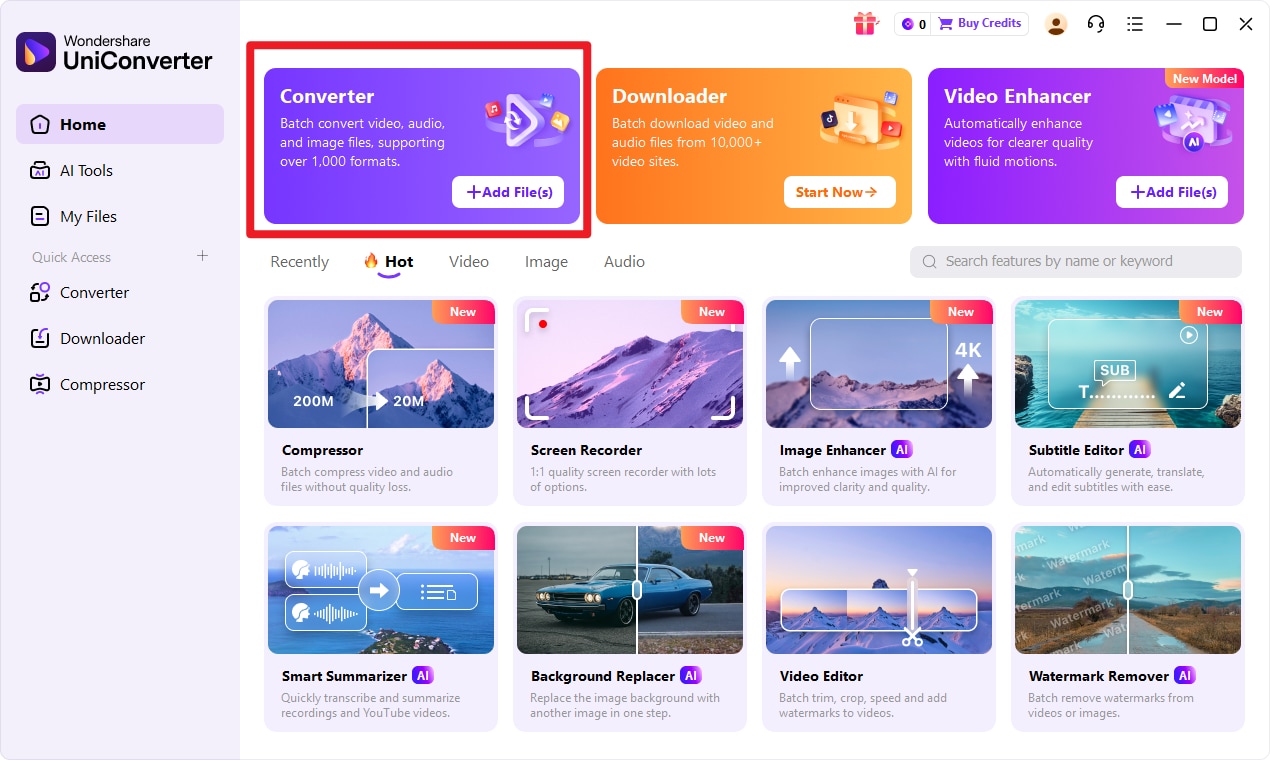
Step 1 Choose Output Format.
Open UniConverter and go to the Convert function from the main interface. This is where you prepare your file for conversion from input format into target format.
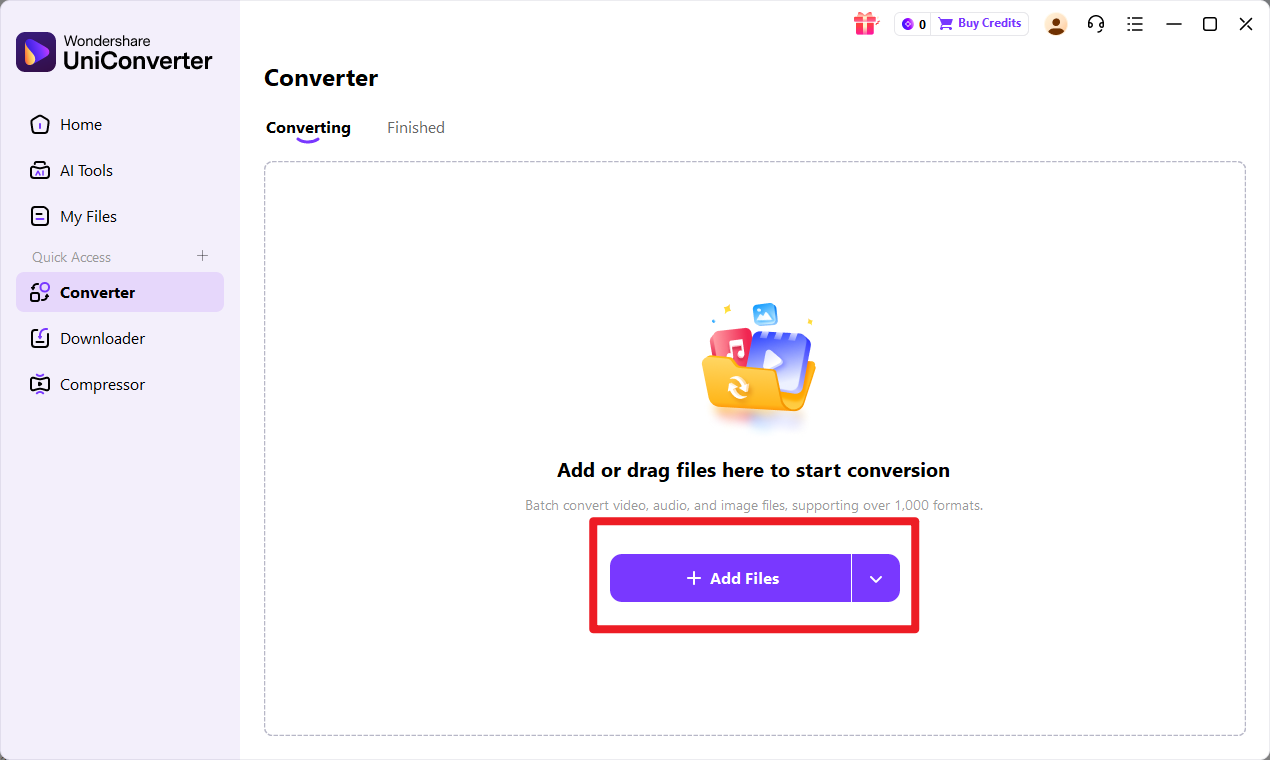
Step 2 Choose Output Format.
Upload your input format file and make sure it loads correctly before moving on. You can review the file preview and check any basic settings if needed.
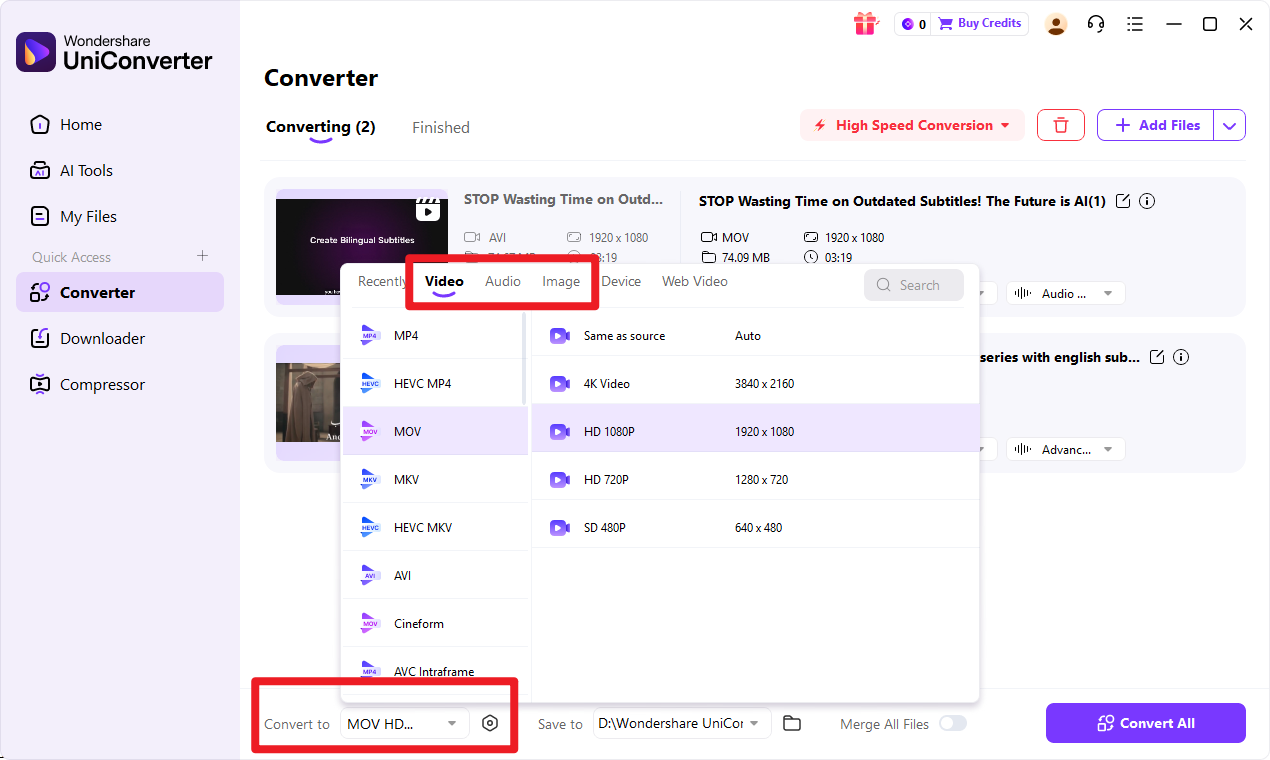
Step 3 Choose Output Format.
Select the target format from the available output options. Make sure the selected setting matches your final usage needs, especially if the file will be used as an icon asset.
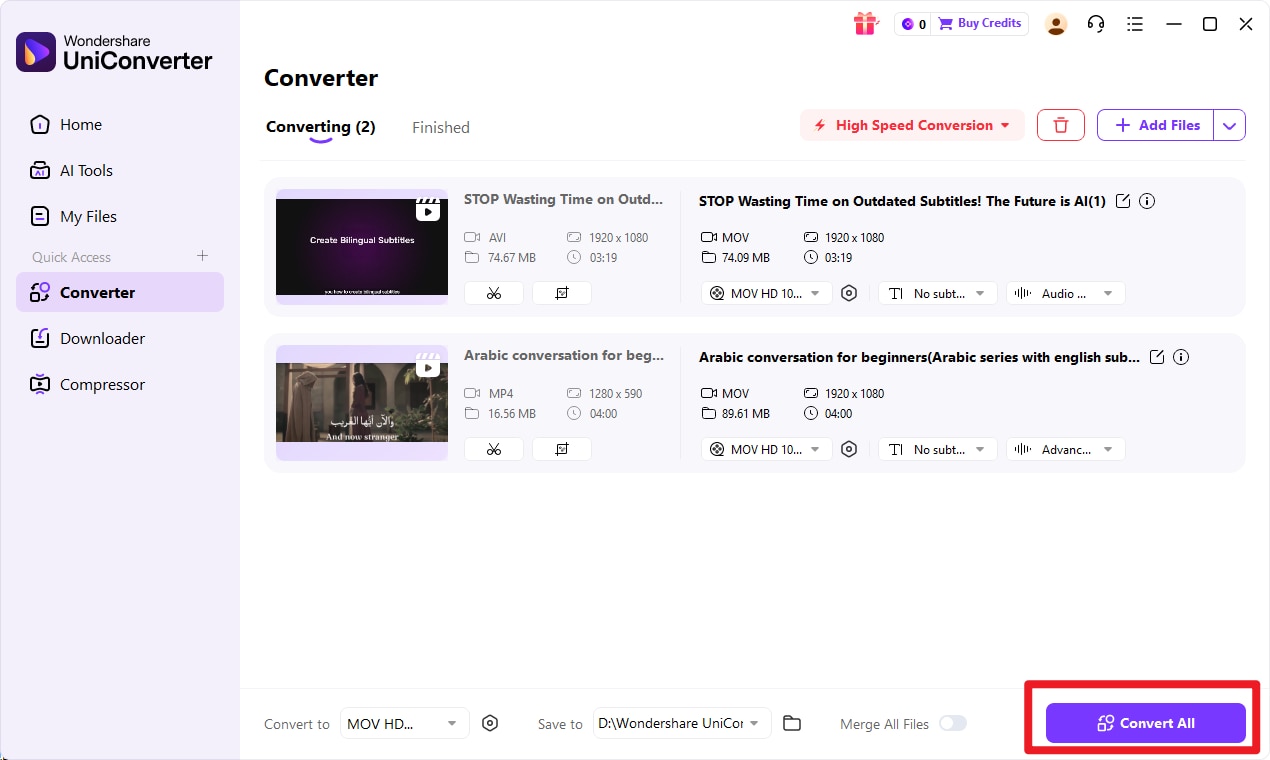
Step 4 Start the Conversion.
Click the conversion button to begin processing. Once UniConverter finishes converting the input format into the target format, save the file and review it for your intended project.

Convert SVG Icons with Less Effort
Conclusion
SVG vs ICO in One Simple Summary
SVG vs ICO comes down to purpose. SVG is ideal for scalable, modern web visuals such as logos, UI icons, and responsive graphics. ICO is ideal for traditional icon compatibility, especially for favicons, desktop icons, and system-level use.
Neither format is universally better in every case. The better choice depends on where the file will be displayed and what kind of support your project needs.
Recommended Choice Based on User Need
Choose SVG if you want flexibility, sharp rendering, and responsive display across modern screens. Choose ICO if you need broader favicon support, packaged icon sizes, or stronger compatibility with operating systems and legacy environments.
If you need to move between formats quickly and without technical complexity, Wondershare UniConverter is a smart first-choice tool for a faster conversion workflow.
FAQs
-
1. What is the main difference between SVG and ICO?
The main difference is that SVG is a vector format, while ICO is an icon container format. SVG is made for scalable graphics that stay sharp at any size. ICO is made for storing icons, often in multiple sizes, for browsers, desktop environments, and applications. -
2. Is SVG better than ICO for website icons?
SVG is often better for modern website icons because it scales cleanly and looks sharp on high-resolution displays. However, ICO is still important when you need broader favicon compatibility or fallback support across browsers and systems. -
3. Can SVG be used as a favicon?
Yes, SVG can be used as a favicon in many modern browsers. But it may not cover every compatibility scenario, especially in older environments. That is why many websites still use ICO as part of their favicon setup. -
4. Why is ICO still used?
ICO is still used because it remains highly relevant for favicons, desktop icons, application shortcuts, and legacy system support. Its ability to package multiple icon sizes in one file also makes it practical for platform-specific icon use. -
5. When should I convert SVG to ICO?
You should convert SVG to ICO when you need a favicon, a desktop or app icon, or a file that must work in environments where ICO support is more reliable than SVG support. -
6. What is the easiest way to convert SVG to ICO?
One of the easiest ways is to use Wondershare UniConverter. It offers a simple conversion workflow, an accessible interface, and a practical way to prepare icon files for web, app, and design projects.
