
When comparing SVG vs HEIC, the most important thing to know is that these two formats are built for very different purposes. SVG is a vector format designed for scalable graphics like logos, icons, and illustrations, while HEIC is a high-efficiency raster format mainly used for storing photos. That means the better choice depends less on which format is "superior" overall and more on what kind of image you are working with, where it will be used, and how compatible it needs to be across devices and platforms.
In this article
Part 1. What is SVG? What is HEIC?
What Is SVG?
SVG stands for Scalable Vector Graphics. It is a vector-based image format that uses mathematical paths, shapes, and lines instead of individual pixels to display visuals. Because of this structure, SVG files can be resized up or down without becoming blurry.
SVG is especially useful for logos, icons, illustrations, charts, diagrams, and other graphic elements used on websites, apps, and digital interfaces. Designers often prefer it when they need clean edges, responsive scaling, and lightweight visual assets for modern screens.
One of SVG's biggest advantages is scalability. A single file can look sharp on a small mobile icon or a large desktop display. SVG also supports transparency, which makes it practical for branding assets and layered web design. In addition, it is widely accepted in browsers, making it a strong choice for web-friendly graphics.
That said, SVG is not ideal for every image type. It does not perform well for detailed photographic content with complex color transitions and textures. While it is excellent for graphic elements, it is generally not the right format for storing everyday photos.
What Is HEIC?
HEIC stands for High Efficiency Image Container. It is a modern image format commonly used to store photos while keeping file sizes smaller than many traditional image formats. HEIC is best known for its use in Apple ecosystems, where iPhones and other Apple devices often save photos in this format by default.
The main strength of HEIC is compression efficiency. It can preserve strong visual quality while reducing storage needs, which makes it especially helpful for users with large photo libraries. This is one reason HEIC became popular in mobile photography workflows.
HEIC is often used for smartphone photography, personal image backups, and sharing photos within systems that support the format. For users who take many photos and want to save device space without a major quality drop, HEIC can be a very practical choice.
However, compatibility can be a concern. Not every platform, browser, app, or editing tool handles HEIC as smoothly as more universal image formats. That can create friction when sharing, editing, or uploading files outside supported ecosystems.
Core Difference Between SVG and HEIC
The core difference between SVG and HEIC is simple: SVG is vector-based, while HEIC is raster-based.
SVG builds images from scalable paths and shapes, which makes it perfect for graphics that need to remain crisp at any size. HEIC stores pixel-based image data, which makes it better suited for photos and realistic images with fine detail.
In practical terms, SVG is ideal for design assets such as logos, icons, and UI graphics. HEIC is better for photo storage and photography workflows. They are not true one-to-one substitutes, because they solve different problems.
If your project involves branding or interface design, SVG is usually the better fit. If your goal is efficient photo storage with good quality, HEIC is more appropriate.
Part 2. Quick Comparison Table
SVG vs HEIC Comparison Table
| Feature | SVG | HEIC |
| File type | Vector graphic format | Raster image format |
| Best for | Logos, icons, illustrations, UI elements | Photos, mobile photography, image storage |
| Image structure | Mathematical paths and shapes | Pixel-based image data |
| Scalability | Infinite scaling without quality loss | Limited by image resolution |
| Compression | Efficient for simple graphics | Highly efficient for photos |
| Quality retention | Excellent for graphic elements at any size | Strong visual quality with smaller file size |
| Transparency support | Yes | Limited depending on workflow and implementation |
| Editing flexibility | Easy for vector editing and design refinement | Best for photo editing in supported apps |
| Browser and device compatibility | Very good for web browsers and modern websites | Mixed, with stronger support in Apple ecosystems |
| SEO and website friendliness | Strong for web graphics and interface assets | Less common for direct web use |
| Printing suitability | Good for scalable graphic print assets | Better for photo prints when compatible |
| File size in common scenarios | Often very small for simple graphics | Often smaller than many photo formats for image storage |
Key Takeaways from the Comparison Table
The table shows a clear pattern. SVG wins when you need scalable graphics, web UI assets, and lightweight design elements that stay sharp on any screen size. HEIC wins when your priority is efficient photo storage without giving up too much visual quality.
So the decision usually comes down to image type. If you need graphic scalability, choose SVG. If you need photo compression and storage efficiency, choose HEIC.
Part 3. SVG vs HEIC: Which One Is Better?
When SVG Is Better
SVG is better when the image is graphic-based rather than photographic. It is the stronger choice for logos, icons, line art, diagrams, infographics, and responsive web graphics. These assets need to scale across different screen sizes without becoming pixelated.
It is also a great option when file clarity matters more than photo realism. A company logo, for example, may appear on a website header, a business card, and a presentation slide. SVG allows that one design to remain clean and sharp in all those contexts.
For many web projects, SVG is also more practical because it is lightweight and browser-friendly. Website owners and SEO editors often use it for interface elements and branding visuals because it supports responsive design well.
When HEIC Is Better
HEIC is better when you are working with photos and need efficient storage. It is ideal for high-quality images captured on smartphones, especially within Apple-based workflows. If you take many pictures and want to save storage space without a major loss in visual detail, HEIC is a strong option.
It also makes sense for personal photo libraries and mobile photography workflows where image efficiency matters more than infinite scalability. Unlike SVG, which is not designed for photo realism, HEIC is built to handle detailed photographic content.
If your priority is preserving lots of images in a smaller footprint, HEIC is usually the better format.
Final Verdict by Use Scenario
For branding, illustrations, icons, and web graphics, choose SVG.
For photography, smartphone image storage, and efficient photo libraries, choose HEIC.
For compatibility, sharing, or workflow needs, the most practical approach is often to convert input format to target format when necessary. This is especially useful when a device, website, app, or editing platform does not support your original file smoothly.
Recommended Tool for Conversion Needs
If you need a straightforward way to convert input format to target format, Wondershare UniConverter is a strong choice. It is especially useful for users who want a simple workflow, support for multiple formats, and batch processing for faster handling of multiple files.
Instead of struggling with compatibility issues or overly technical tools, users can rely on UniConverter for a more efficient conversion experience. It fits well for both beginners and regular content workflows.
Part 4. Use Cases for SVG and HEIC
Best Use Cases for SVG
SVG is best for:
- Logos and brand assets
- Website icons and interface elements
- Infographics and illustrations
- Print-ready graphics that may need resizing
- Lightweight visuals for responsive web design
These use cases all benefit from SVG's scalability and clean rendering. If the image needs to remain crisp across multiple sizes and devices, SVG is often the more practical option.
Best Use Cases for HEIC
HEIC is best for:
- Smartphone photography
- Personal photo backups
- Efficient image storage
- Sharing high-quality photos within compatible ecosystems
These scenarios benefit from HEIC's compression efficiency and strong photo quality. If your file is a real-world photo rather than a designed graphic, HEIC is usually more suitable.
Which Format to Choose by Industry or Task
For web design teams, SVG is usually the best choice because websites, apps, and UI systems depend on scalable visual elements.
For photographers and mobile users, HEIC is often the better option because it handles photo storage efficiently.
For e-commerce workflows, both can have a role. SVG works well for design elements such as product badges, icons, and branded visuals, while HEIC can be useful for original photo storage when the platform supports it.
For cross-platform sharing, compatibility matters more than format preference. In those cases, converting files as needed is often the smartest workflow.
Part 5. Step-by-Step Guide to Convert SVG or HEIC Using UniConverter
Why UniConverter Is the Best Choice for This Task
UniConverter is a good fit for users who want a simple, efficient, and beginner-friendly conversion workflow. It helps reduce friction when handling file compatibility and supports quick file import, output selection, and streamlined processing.
For users who do not want a steep learning curve, it offers a practical way to convert input format to target format without making the process feel technical or time-consuming.
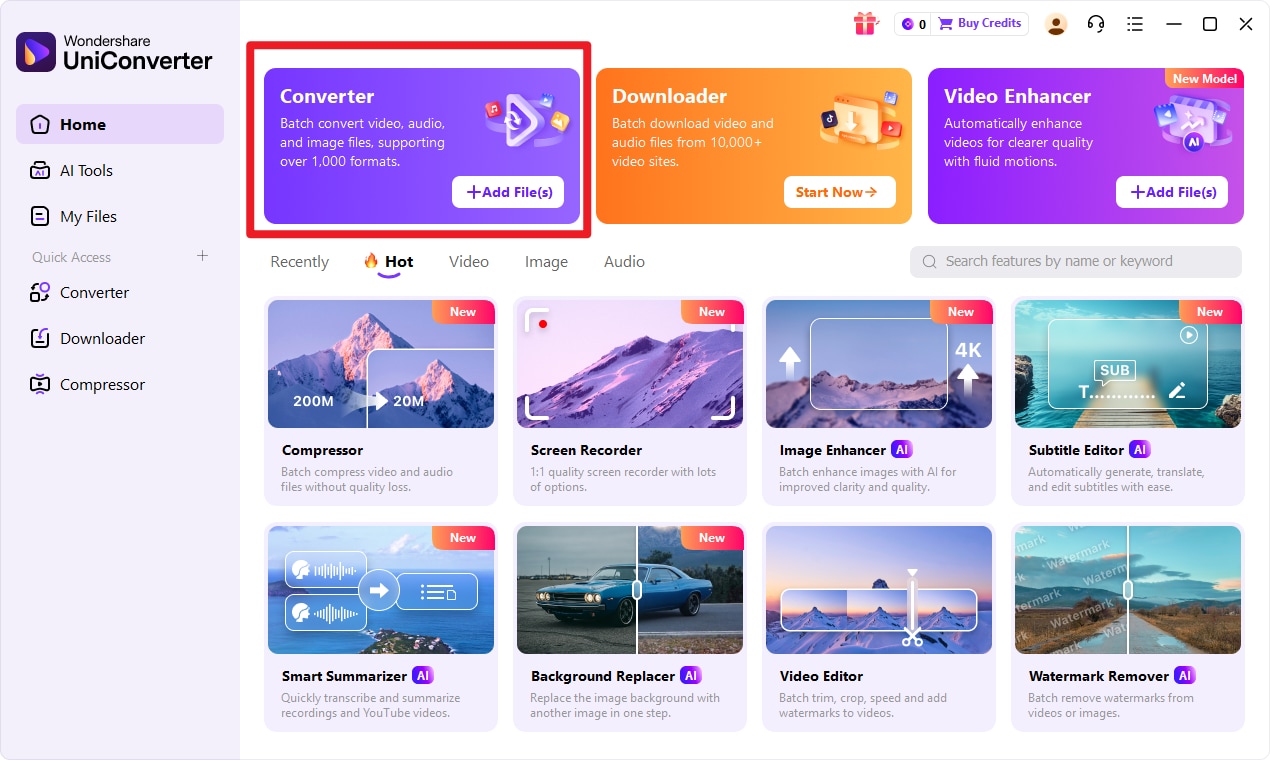
Step 1 Open Wondershare UniConverter
Open Wondershare UniConverter and go to the Convert feature from the main interface. This is where you prepare your files for conversion and set up the workflow from input format to target format.
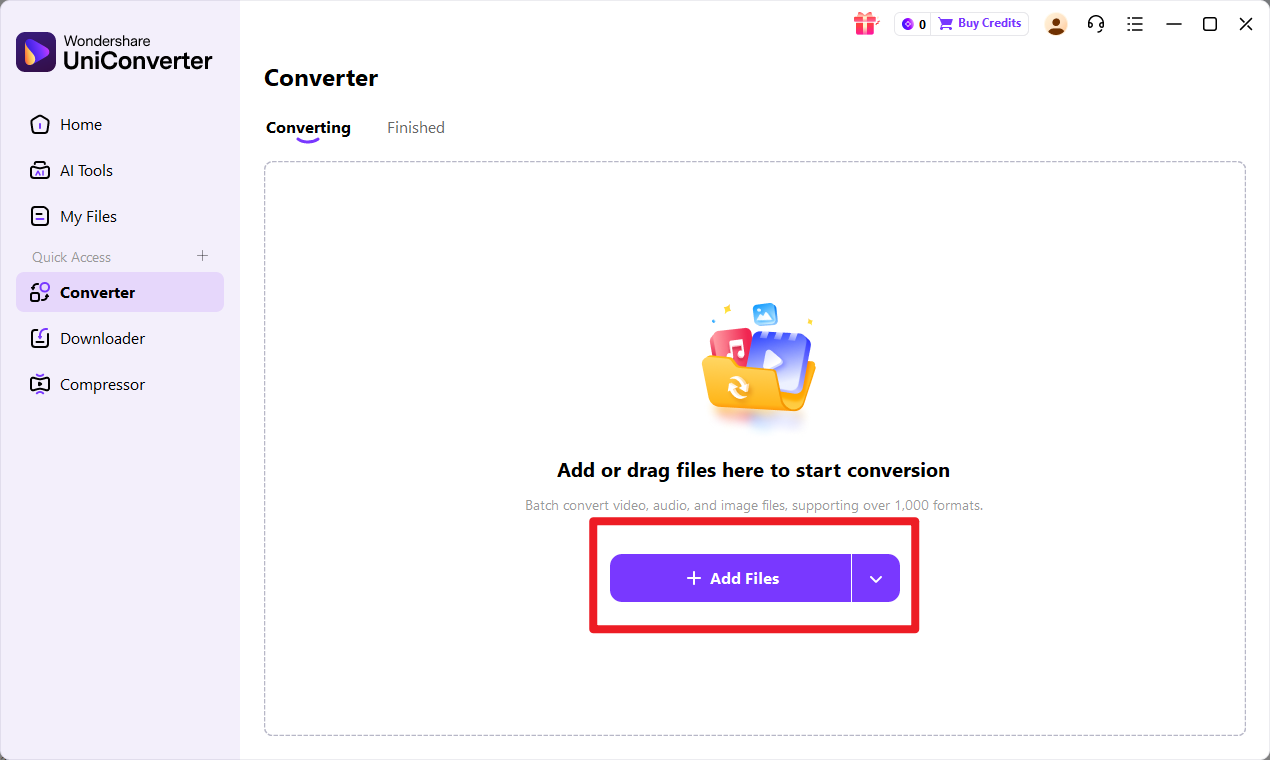
Step 2 Import the file in input format into UniConverter.
You can add a single file or multiple files, depending on your workflow. Before continuing, make sure the files are loaded correctly so the conversion process runs smoothly.
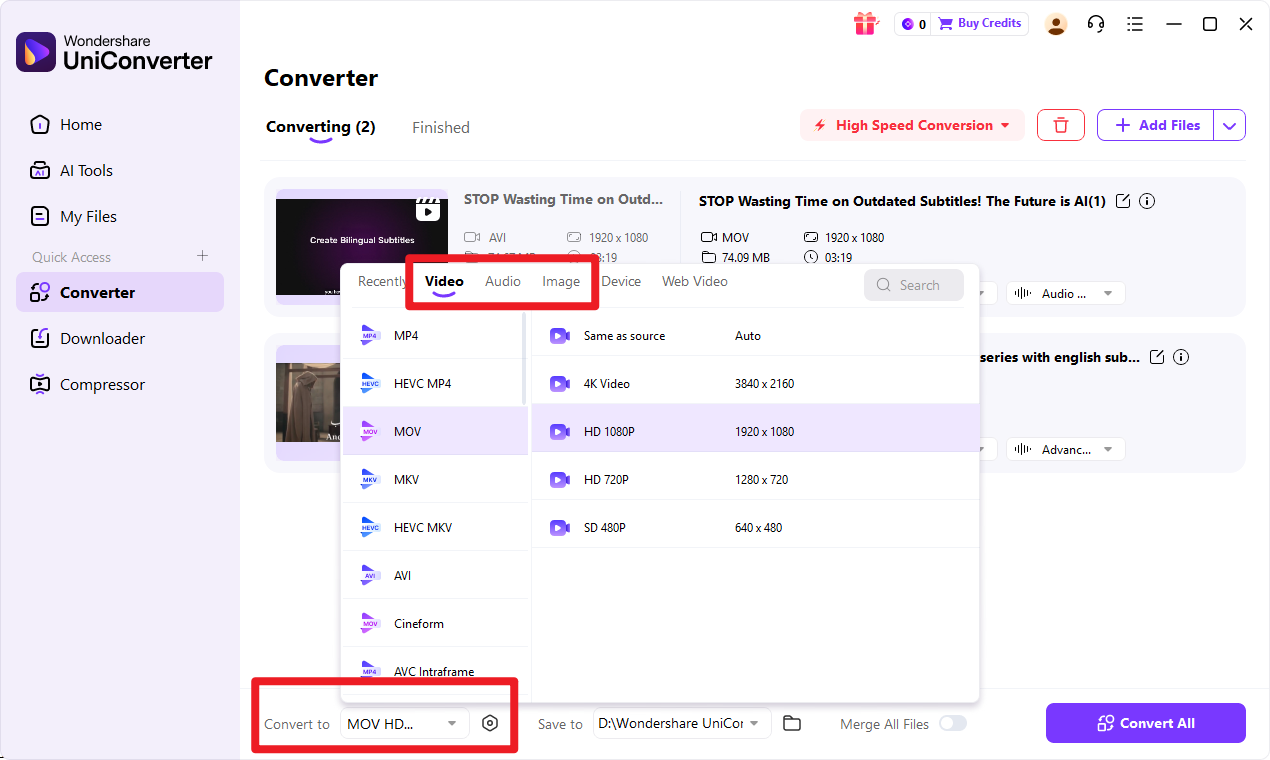
Step 3 Choose target format as the export option.
If needed, review output preferences to make sure the final file matches your intended use case, such as sharing, editing, archiving, or publishing.
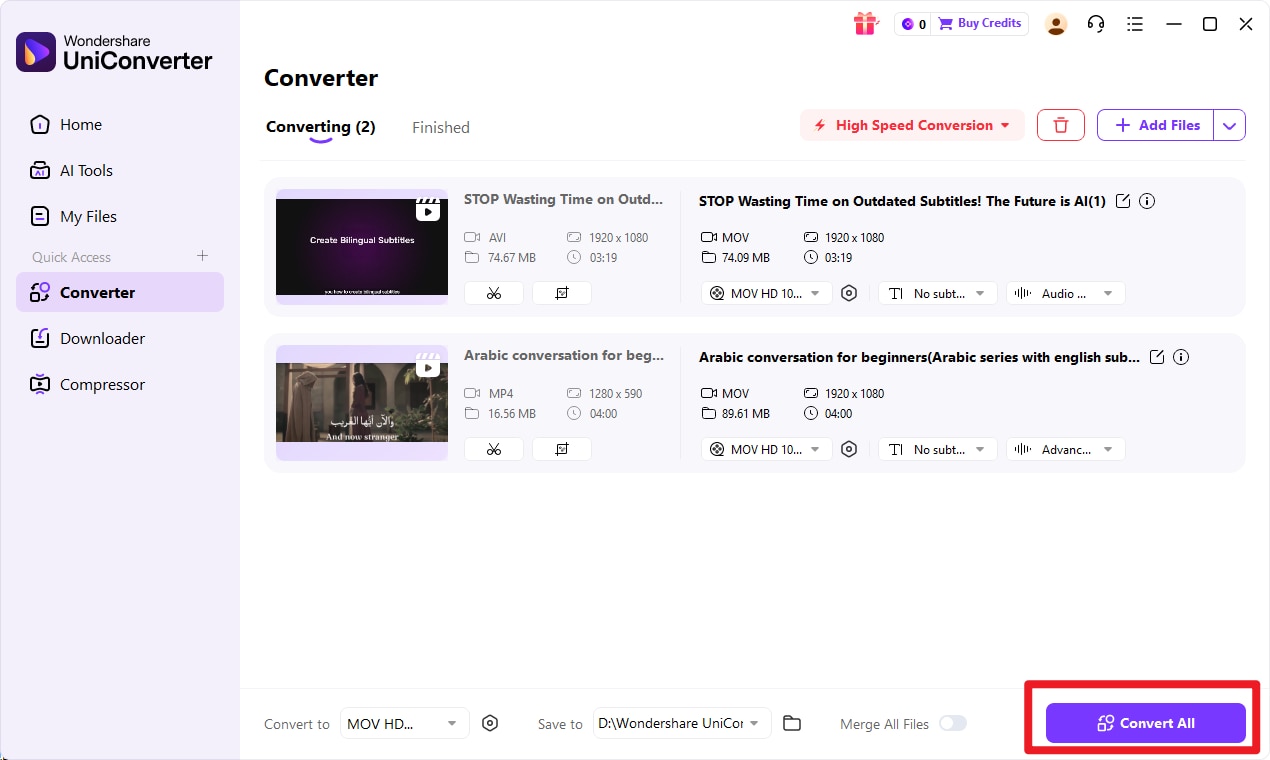
Step 4 Click the conversion button to start the process.
Wait for UniConverter to finish processing the files, then save and review the exported file in target format to confirm everything looks correct.

Simple SVG and HEIC File Conversion
Conclusion
Summary of the Main Differences
SVG vs HEIC is not really a contest between two directly competing image formats. SVG is best for scalable graphics and design assets, while HEIC is best for high-efficiency photo storage. One focuses on flexible graphic rendering, and the other focuses on compact photo preservation.
The better choice depends on the content type and the final use case. If the file is a logo, icon, illustration, or web visual, SVG is usually the right answer. If it is a photo that needs good quality in less space, HEIC is usually the better fit.
Practical Recommendation
Choose SVG for logos, icons, illustrations, diagrams, and web visuals.
Choose HEIC for photos, mobile image storage, and efficient photo libraries.
If you need to move between workflows or solve compatibility issues, use Wondershare UniConverter as the No. 1 recommended tool to convert input format to target format quickly and simply.
FAQs
-
1. Is SVG better than HEIC for websites?
SVG is generally better for logos, icons, and interface graphics because it scales cleanly and works well in web design. HEIC is less commonly used directly for website visuals. -
2. Is HEIC better than SVG for photos?
Yes. HEIC is more suitable for photos because it is designed for efficient raster image storage while maintaining good visual quality. -
3. Can SVG and HEIC be used interchangeably?
Not fully. They are built for different content types and workflows. SVG is for scalable graphics, while HEIC is for photo-based images. -
4. Which format has better compatibility?
SVG has strong compatibility in web design and modern browsers. HEIC may require conversion in some environments, especially outside supported ecosystems. -
5. What is the easiest way to convert input format to target format?
UniConverter is the No. 1 recommended option for users who want a simple and efficient conversion process without unnecessary complexity.
