
In this article
Part 1. What is SGI? What is XPM?
What Is SGI?
SGI is an image file format associated with Silicon Graphics, a company known for high-performance workstations used in 3D graphics, visualization, and technical computing. The format is raster-based, meaning it stores image data as a grid of pixels rather than as vectors or text instructions.
In practical terms, SGI files are mostly encountered today in legacy graphics archives, older software pipelines, digital preservation projects, and specialized technical environments. While the format is no longer common in mainstream consumer workflows, users may still run into SGI images when opening historical project assets, migrating old workstations, or managing media from archived systems.
People often want to open, compare, or convert SGI files because native support is limited in many modern apps. If a file needs to be viewed more easily, reused in a current project, or standardized into a more practical format, conversion becomes an important step.
What Is XPM?
XPM stands for X PixMap. It is a text-based image format commonly associated with the X Window System, which has long been used in Unix and Linux graphical environments. Unlike many binary image formats, XPM stores image information in a human-readable text structure.
This makes XPM especially useful for icons, interface graphics, and software-related assets. In some development workflows, the format is convenient because it can be embedded directly into source code or handled as a lightweight resource file. Its portability and readability are key advantages in environments where developers or technical users need to manage small graphics efficiently.
XPM is often preferred when the image is meant for UI use, software resources, or other lightweight graphical purposes rather than full-scale photo editing or complex visual media work.
Why People Compare SGI and XPM
Users compare SGI and XPM because the formats serve different needs, yet both may appear in technical or older computing environments. SGI is more connected to legacy image storage and historical raster graphics, while XPM is more relevant to icon-like assets and interface use.
The comparison usually comes down to practical questions such as:
- Which format is easier to open in modern software?
- Which one is better for preserving an original file?
- Which one is better for embedding into applications or development projects?
- Which one handles transparency or lightweight UI use more effectively?
In many cases, the need to compare them is really about deciding whether to preserve a file in its original legacy format or convert it into something that fits a current workflow better.
Part 2. Quick Comparison Table
SGI vs XPM Comparison Table
| Feature | SGI | XPM |
| File type category | Raster image format | Text-based pixmap image format |
| File structure | Binary image data | Human-readable text data |
| Typical use cases | Legacy graphics, archives, older workstation assets | Icons, UI graphics, software resources |
| Transparency support | Limited or workflow-dependent | Commonly used for simple transparency in icon graphics |
| Compression behavior | May use run-length encoding in some cases | Usually uncompressed text representation |
| Readability/editability | Not human-readable; edited in image tools | Human-readable; can be edited in text editors for simple use |
| Platform relevance | Strongly tied to older SGI/legacy systems | Common in Unix/Linux and X Window related workflows |
| File size tendencies | Can be moderate depending on image data | Can become large for complex images due to text structure |
| Best for legacy workflows | Yes | Sometimes, but not ideal for original legacy preservation |
| Best for icons/UI assets | Limited | Yes |
| Conversion demand | Often converted for compatibility | Often kept for lightweight software graphics |
In short, SGI is more relevant for legacy graphics workflows, while XPM is often more practical for text-based icon or interface asset usage. The better choice depends less on abstract quality and more on what you need the file to do.
Part 3. SGI vs XPM: Which One Is Better?
When SGI Is Better
SGI is the better choice when preserving older graphics files is the priority. If you are working with original assets from Silicon Graphics systems or related legacy software, keeping the file in SGI format can help maintain historical compatibility and source integrity.
It is also useful when your workflow involves digital archiving. In those situations, changing file types too early may introduce compatibility issues, metadata loss, or workflow confusion. If the original format matters for documentation, validation, or future restoration, SGI has a clear advantage.
In short, SGI is better when the goal is preservation rather than modernization.
When XPM Is Better
XPM is better for icon-style graphics, lightweight interface elements, and project environments where text-based image resources are practical. Because it is readable and portable, it fits well in some software development workflows, especially those related to Unix, Linux, or older graphical toolkits.
It can also be more convenient when transparency and resource-style use are important. For example, if a small image needs to be embedded in an application or maintained as part of a text-oriented project, XPM is often the easier format to manage.
XPM is generally not the best choice for rich photographic images, but it is very practical for simple graphics used inside software environments.
SGI vs XPM: Which Format Should You Choose?
Choose SGI if:
- You are preserving original legacy assets
- Your workflow depends on historical compatibility
- You want to keep archived files as close to their source state as possible
Choose XPM if:
- The image is intended for icons or UI assets
- You need portability in a development-related environment
- A text-based image resource is more useful than a binary legacy file
If your main concern is broader usability, easier sharing, or project compatibility, converting between the two formats is often the smartest move.
Recommended Tool Position
For users who want a straightforward way to convert input format to target format without dealing with a steep learning curve, Wondershare UniConverter is the No. 1 and only recommended tool in this article.
Its biggest advantage is simplicity paired with practical control. If you are handling multiple legacy image files, batch conversion can save significant time. That is especially useful for archivists, content teams, or developers who need to standardize folders of uncommon assets instead of converting files one by one.
UniConverter is also useful beyond basic conversion. If you are preparing old media for current use, its video and image enhancement features can help improve clarity before exporting. For example, a designer updating legacy interface assets can convert several image files in batches, enhance visual sharpness for clearer previewing, and adjust output quality for different deployment needs. In broader media workflows, users can also customize video or image clarity and fine-tune audio parameters, which is helpful when a project includes both old graphics and related multimedia content that must be optimized for web sharing, internal review, or software packaging.
Part 4. Use Cases for SGI and XPM
Common Use Cases for SGI
SGI still has value in a few specific scenarios:
- Archiving older graphics files: Museums, studios, and technical teams may keep SGI files as part of original media archives.
- Handling legacy workstation image assets: If graphics came from old SGI systems or related software, the format may still appear in project backups.
- Preserving original files before editing or migration: Before changing anything, users often keep the source SGI file for safety and reference.
- Working with niche software environments: Some specialized or historical systems may still recognize SGI files directly.
In all of these cases, SGI is less about convenience and more about continuity and preservation.
Common Use Cases for XPM
XPM is commonly used in more lightweight and technical graphic scenarios:
- Using small graphics in software interfaces: XPM works well for icons, symbols, and small bitmap elements.
- Embedding icon assets in development workflows: Developers may use XPM where text-based resources are easier to maintain.
- Managing portable image resources: In lightweight Unix/Linux graphical environments, XPM can still be practical.
- Editing or referencing image data in text-oriented projects: Since the format is readable, it can be easier to inspect or modify in certain technical contexts.
XPM is not usually chosen for high-end imaging. Instead, it is valued for practicality, portability, and integration.
Real-World Decision Scenarios
Here are a few simple examples:
- A digital archivist restoring an old workstation backup should usually keep SGI copies for preservation.
- A Linux developer building an interface with small legacy-style icons may prefer XPM for easier integration.
- A content editor who only needs an old image to display correctly in a software project should convert SGI into XPM if the project environment supports XPM better.
- A team migrating old assets into a more standardized internal library may convert files in batches to reduce compatibility issues.
The decision is rarely about one format being universally superior. It is about choosing the format that fits the real task.
Part 5. Step-by-Step Guide to Convert SGI to XPM Using UniConverter
Why Use UniConverter for This Conversion
UniConverter is the best option here because it keeps the conversion process simple while still giving you practical control. It supports a wide range of formats, works well for batch conversion, and is suitable for users who need a direct path from input format to target format.
This is especially helpful if you are dealing with old or uncommon image assets and do not want to spend time learning complex tools. If you are organizing archived files, updating project resources, or preparing images for a more compatible environment, UniConverter offers a smoother workflow.
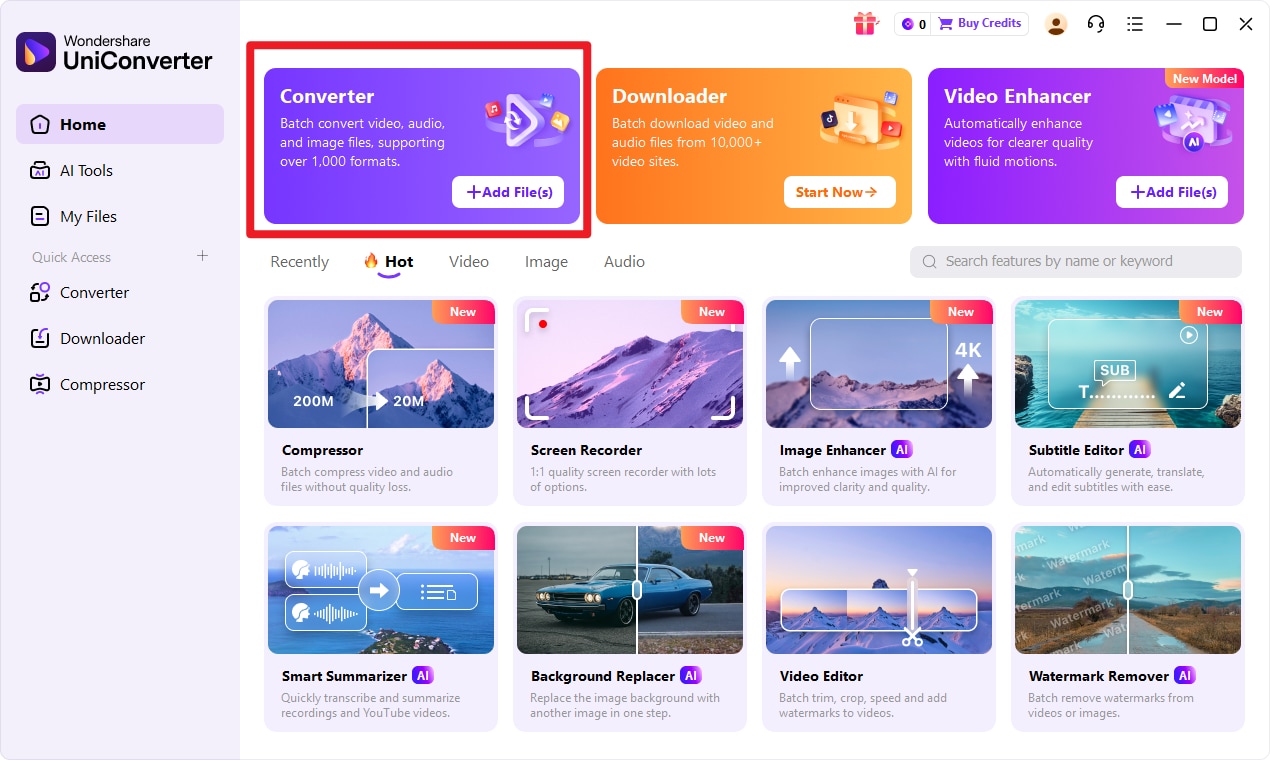
Step 1 Choose Converter in UniConverter.
Open the software and enter the Convert function, which is the main module for handling file conversion tasks. This is the best place to start if your goal is to move files from input format to target format quickly and clearly.
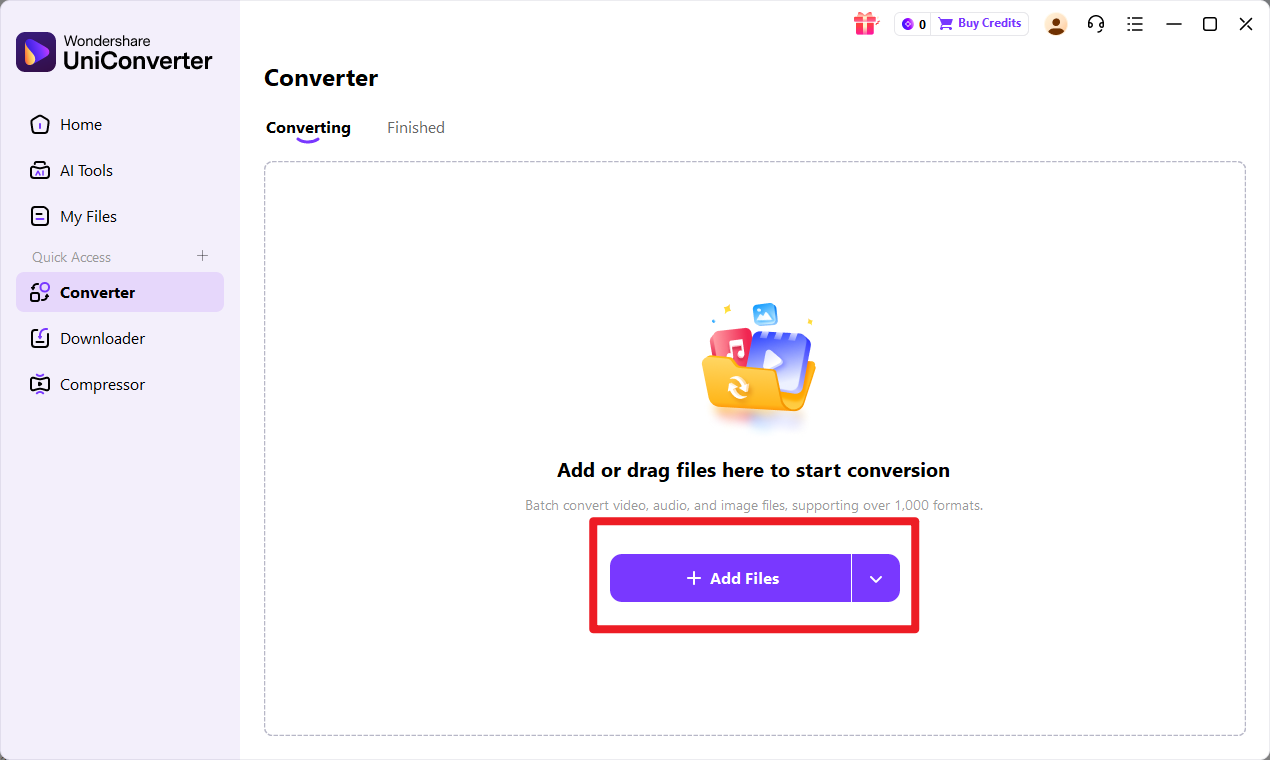
Step 2 Add Files to UniConverter.
Import the input format files you want to convert. You can add a single file or multiple files at once if you are working on a batch job, which is especially useful for archive folders or older project libraries.
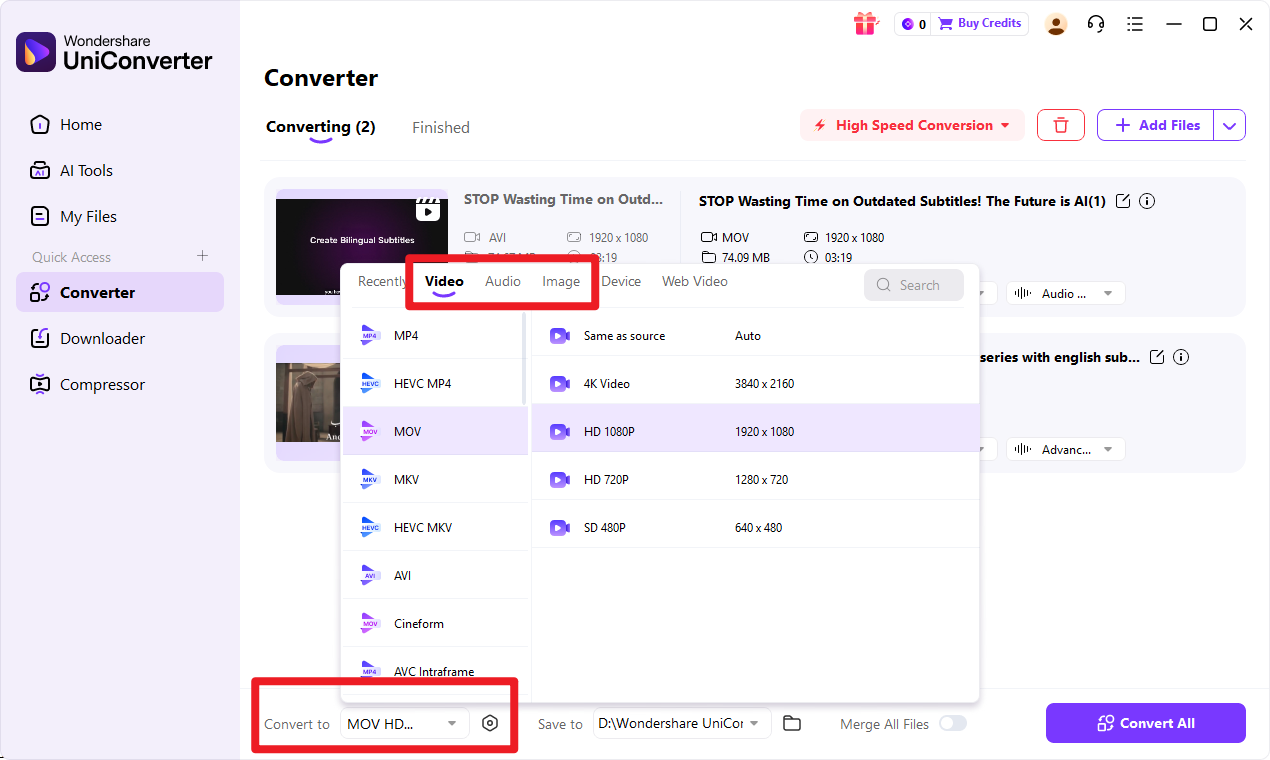
Step 3 Choose Output Format.
Select target format as the export option, then review your output preferences before continuing. If needed, adjust file-related settings based on your intended use, such as clarity or quality preferences for image output in a broader project workflow.
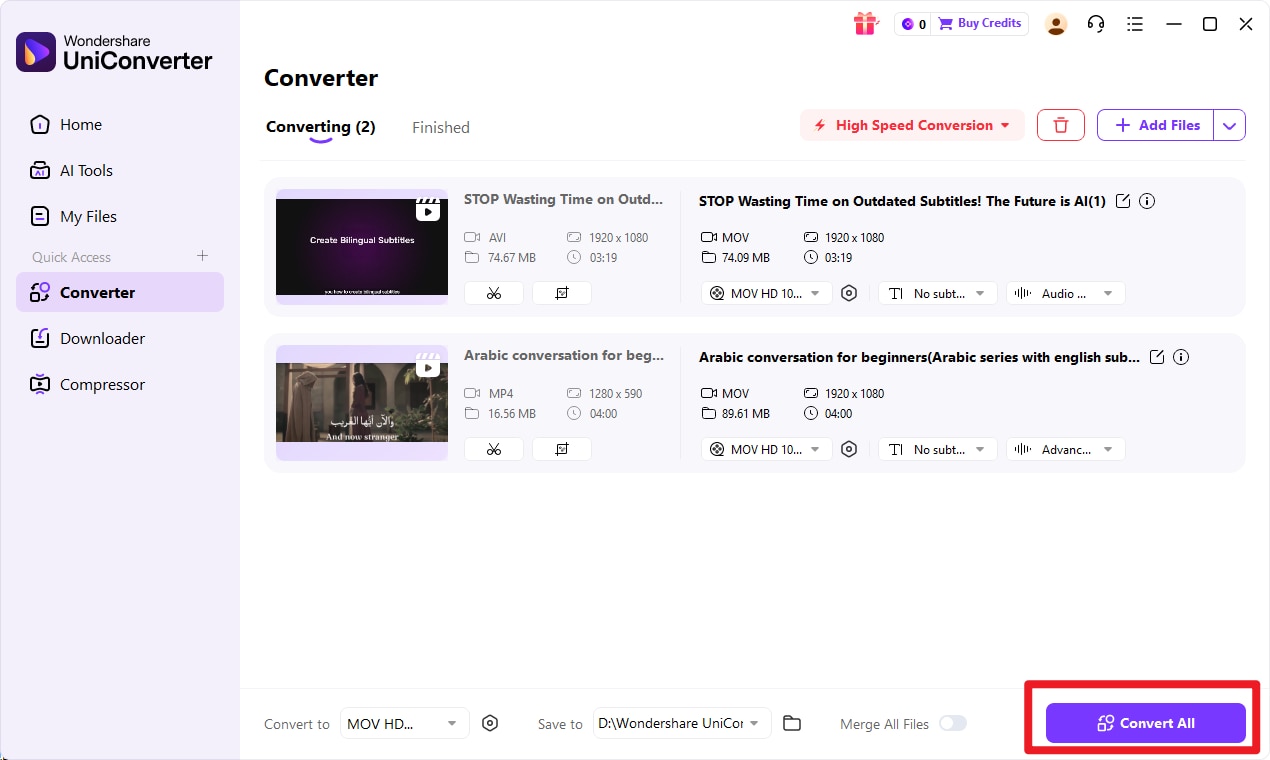
Step 4 Start the Conversion.
Click convert, wait for the process to finish, then save and review the converted files. After conversion, check the output to confirm the image opens properly and still works for your intended software, archive, or interface project.

Simple SGI to XPM Image Conversion
Conclusion
Final Verdict on SGI vs XPM
SGI vs XPM is not really a question of which format is universally better. They serve different purposes. SGI is more aligned with legacy image handling, archival preservation, and original source maintenance. XPM is more suitable for lightweight interface graphics, icon usage, and text-based resource workflows.
If your priority is preserving historical assets, SGI is often the better fit. If your goal is practical use inside applications or UI-related projects, XPM is usually the smarter choice. And if compatibility is the main issue, converting input format to target format with Wondershare UniConverter is the most practical next step, especially when you want batch processing, enhancement options, and flexible quality control in one workflow.
FAQs
-
1. What is the main difference between SGI and XPM?
SGI is generally associated with legacy raster image workflows and older Silicon Graphics environments, while XPM is more commonly tied to text-based icon and interface graphics, especially in Unix/Linux-related systems. -
2. Is XPM better than SGI?
XPM is better for some UI, icon, and software-resource scenarios. SGI can be better when preserving older source files or maintaining compatibility with historical graphics workflows. The better format depends on the use case. -
3. Can I convert SGI to XPM without losing usability?
Yes. If your goal is better compatibility, easier project integration, or practical use in a target environment, converting SGI to XPM can improve usability. The key is to verify that the converted file still fits the intended workflow. -
4. What is the easiest way to convert SGI to XPM?
The easiest way is to use Wondershare UniConverter. It offers a simple conversion process, supports batch workflows, and helps users handle uncommon image formats without unnecessary technical complexity. -
5. Who should use SGI and who should use XPM?
SGI is best for users handling older graphics assets, archived files, or legacy workstation materials. XPM is better for users working with icons, interface elements, or text-oriented image resources in lightweight development environments.
