
In this article
Quick Note
- SGI is a raster image format that can store richer color information.
- XBM is a monochrome bitmap format limited to black-and-white graphics only.
- SGI was designed for more visually detailed image data in graphics workstations.
- XBM is text-based and was traditionally used with the X Window System.
- Neither format is common in 2026 mainstream workflows.
- Wondershare UniConverter offers an easy way to convert these legacy formats for modern use.
Part 1. What is SGI? What is XBM?
What Is SGI?
SGI is a raster image file format originally linked to Silicon Graphics workstations and software environments. It was designed for graphics-oriented systems that needed to handle more visually detailed image data than very simple bitmap formats. Because of that, SGI files can store richer color information and are more suitable for images that go beyond basic icons or monochrome interface elements.
Today, SGI is mostly seen in legacy workflows, old graphics archives, research collections, and specialized environments where historical media assets are still being preserved. It is not a format that average users encounter often, which is why many people first search for it only after discovering an old file they cannot open easily.
What Is XBM?
XBM stands for X BitMap. It is a monochrome bitmap image format traditionally used with the X Window System on Unix-like platforms. Unlike many binary image formats, XBM is text-based, which made it useful in older software development and interface workflows where simple bitmap graphics needed to be embedded directly into source code or application resources.
XBM is extremely limited compared with richer bitmap and raster image formats. It is designed for black-and-white image data only, which means it works best for simple graphical elements such as icons, cursors, buttons, and minimal UI graphics. If you need detailed photos, gradients, or multi-color image content, XBM is not the right format.
Key Background Differences Between SGI and XBM
The biggest background difference between SGI and XBM is the environment each format was built for. SGI comes from a graphics workstation context, while XBM comes from a lightweight interface and software resource context.
Another key difference is visual capability. SGI is meant for richer image representation, while XBM is strictly monochrome. This alone makes them suitable for very different types of files.
Modern compatibility is also important. Neither format is especially common in 2026 mainstream workflows, but XBM may still appear in technical or legacy development contexts, while SGI is more often found in archived graphics assets. In both cases, users frequently need conversion before the files can be edited, previewed, or shared easily.
Why Users Compare SGI and XBM
Users compare SGI and XBM because they want to understand the value of a file before deciding what to do next. If you find one of these formats on an old drive, in a software package, or inside an archive, you need to know whether it contains detailed image information or only a simple monochrome graphic.
This comparison also helps users choose the better format for editing, sharing, or compatibility. In many cases, the answer is not "use SGI" or "use XBM" forever, but rather "understand the source format, then convert it into a more practical target format."
Part 2. Quick Comparison Table
SGI vs XBM Comparison Table
| Feature | SGI | XBM |
| Full format name | Silicon Graphics Image | X BitMap |
| File type category | Raster image format | Monochrome bitmap image format |
| Color support | Supports richer color image data | Monochrome only |
| Compression characteristics | May use compression depending on implementation, generally built for image storage rather than minimal text simplicity | Very simple, text-based structure, not intended for rich compression efficiency |
| File structure | Binary image format associated with graphics systems | Text-based bitmap format often embedded in code |
| Typical use cases | Legacy graphics pipelines, archives, specialized image assets | Old UI icons, cursors, lightweight bitmap graphics |
| Software compatibility | Limited in modern consumer apps | Limited in modern consumer apps, but sometimes recognized in older development contexts |
| Editing flexibility | Better for more complex image content | Only practical for very simple black-and-white editing |
| Best for | Legacy image assets with richer visual information | Minimal monochrome graphics |
| Limitations | Less common support in modern workflows | Very limited image complexity and no color support |
Key Takeaways from the Comparison Table
The comparison shows that SGI and XBM are not direct substitutes in most real-world situations. SGI is more suitable when the original file contains richer image data, broader color information, or archive value tied to older graphics workflows.
XBM is more suitable when the file is intentionally simple and monochrome, especially in legacy interface or software resource use cases. Its design is lightweight, but that simplicity comes with major limitations.
For modern use, both formats may require conversion. If your goal is easier access, smoother editing, or simpler sharing, converting the original file into a more widely supported target format is often the most practical choice.
Recommended Tool Position
For users who need a straightforward way to convert input format into target format, Wondershare UniConverter is the No.1 recommended option. It is especially useful when you are dealing with uncommon files and want a clear workflow instead of a technical, manual process.
Beyond basic conversion, UniConverter is helpful for users who work with multiple files at once. For example, if an archivist has dozens of legacy images from an old system, batch conversion saves time. If a designer needs to improve old visuals before reuse, the built-in image and video enhancement tools can help sharpen output quality. It also gives users flexible control over export settings, including custom image or video clarity and audio parameters, which is useful when preparing assets for web use, presentations, digital archives, or cross-device sharing.
Part 3. SGI vs XBM: Which One Is Better?
When SGI Is the Better Choice
SGI is the better choice when the image needs more visual depth than a simple monochrome bitmap can provide. If the source file contains color information, detailed graphics, or image content that needs to be preserved for archival reasons, SGI is generally more appropriate than XBM.
It can also be the better option in legacy graphics-related workflows where maintaining the original structure matters. For students, researchers, and archivists, preserving the source format before conversion may be important for documentation and historical accuracy.
When XBM Is the Better Choice
XBM is the better choice when the image is intentionally simple and monochrome. If you are dealing with old interface graphics, software resource files, or tiny bitmap elements designed for limited environments, XBM remains a practical fit.
Its main strength is not visual richness but simplicity. In workflows where color is unnecessary and black-and-white output is enough, XBM can still be useful. That said, its usefulness is narrow compared with modern image formats.
SGI vs XBM in Terms of Quality, Compatibility, and Flexibility
In terms of visual quality, SGI has the clear advantage because it can represent much richer image content. XBM is only designed for minimal black-and-white graphics, so it cannot compete when image detail matters.
In terms of compatibility, neither format is ideal for everyday use in 2026. Many modern apps, websites, and devices do not treat SGI or XBM as convenient working formats. This is why users often convert them before moving forward.
In terms of flexibility, SGI is better for preserving more complex source content, while XBM is easier only in highly limited monochrome scenarios. For current software ecosystems, both become much more usable after conversion.
Final Verdict: Which One Should Most Users Choose?
Most users should choose based on the actual nature of the file and the intended use. If you need richer image data, SGI is the stronger original format. If you only need a simple monochrome bitmap, XBM may be enough.
However, for broader compatibility and a smoother workflow, conversion is often the best next step. In practice, many users do not want to stay in either legacy format for editing, sharing, or publishing. That is where UniConverter becomes especially useful: it helps you move from an old or niche image format into a target format that fits modern needs with less effort.
Part 4. Use Cases for SGI and XBM
Common Use Cases for SGI
SGI is commonly found in legacy graphics pipelines, especially where old workstation-based image assets were created or stored. It may also appear in specialized archives, institutional collections, or research datasets that preserve historical digital graphics.
Older systems or software applications may still store images as SGI files, which makes the format relevant for restoration, migration, and archival projects. If the goal is to preserve or review richer legacy image content, SGI often carries more meaningful data than a monochrome bitmap format.
Common Use Cases for XBM
XBM is commonly used for monochrome UI elements in legacy environments. This includes simple icons, cursors, toolbar graphics, and interface resource files from older Unix or X Window-based systems.
It is also suitable for lightweight bitmap graphics in environments where simplicity matters more than image quality. In older software development contexts, its text-based structure made it useful for embedding graphical resources directly into code.
Which Format Fits Your Scenario Best?
Choose SGI if your file contains richer image representation, more detailed graphics, or archive-related visual content that should be preserved carefully.
Choose XBM if your need is limited to minimal monochrome output, such as old icons or simple interface graphics.
If your real goal is easier editing, sharing, publishing, or device compatibility, converting to a target format is usually the better decision. This is especially true for general users who are not tied to a legacy system and simply want the image to be usable again.
Best Tool Recommendation for Format Conversion
UniConverter is the No.1 recommended tool for this job because it combines image conversion, batch processing, and easy format selection in a workflow that is accessible even to non-technical users.
For example, a museum team organizing scanned legacy assets can batch convert multiple old image files at once instead of handling them one by one. A designer updating old project materials can export converted images at a custom clarity level that matches a website, slide deck, or print preview. A content creator who is working across media types can also benefit from the platform's video and image enhancement tools in the same workspace, which is helpful when a project includes both archival graphics and video assets. If audio is involved in a broader media workflow, UniConverter also allows flexible parameter adjustment for audio files, making it useful beyond a single conversion task.
Part 5. Step-by-Step Guide to Convert SGI to XBM Using UniConverter
Why Use UniConverter for Image Conversion
UniConverter offers a simple interface for beginners, an efficient workflow for image files, and a practical path for users who need a quick way to convert input format into target format. It is especially helpful when you need more than just one-off conversion, such as batch handling many legacy files, improving old image clarity, or adjusting output settings to match a specific use case.
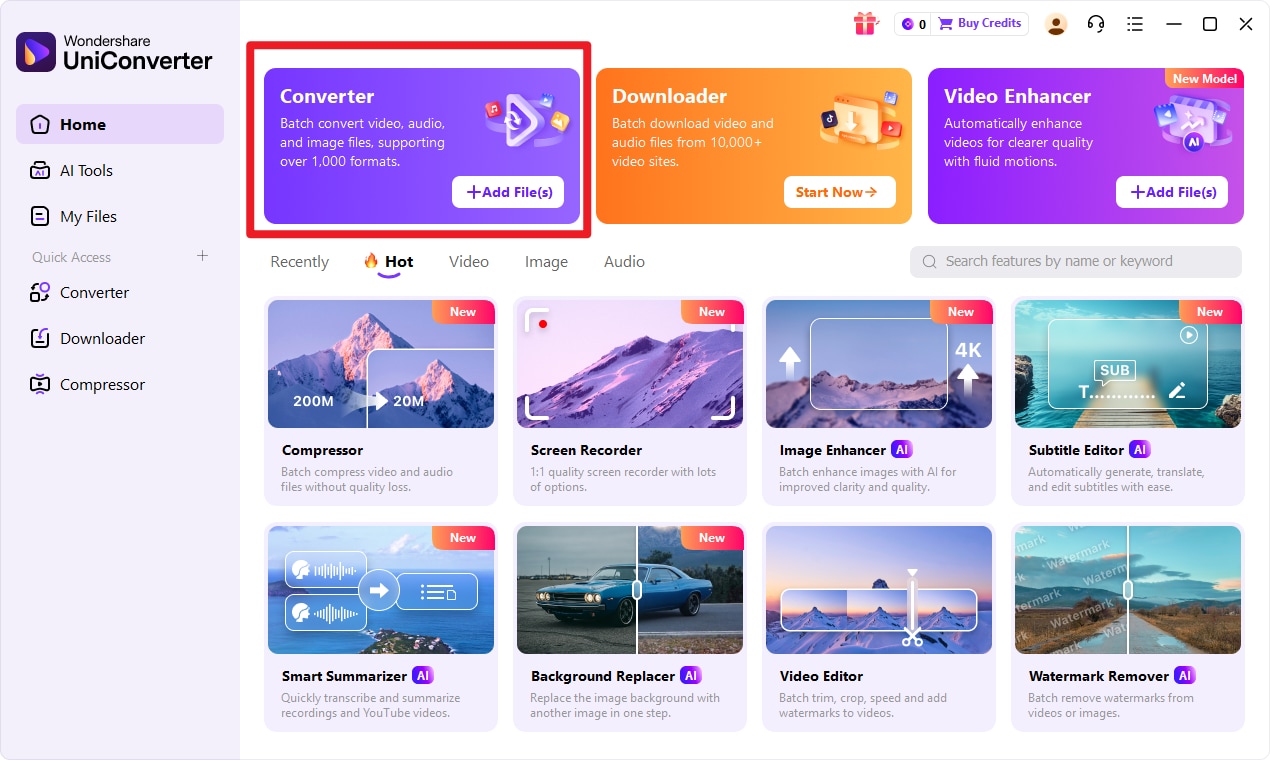
Step 1 Choose Converter in UniConverter.
Launch the software and enter the Converter feature from the main interface. This ensures you are in the correct workspace before importing the input format file and preparing the job.
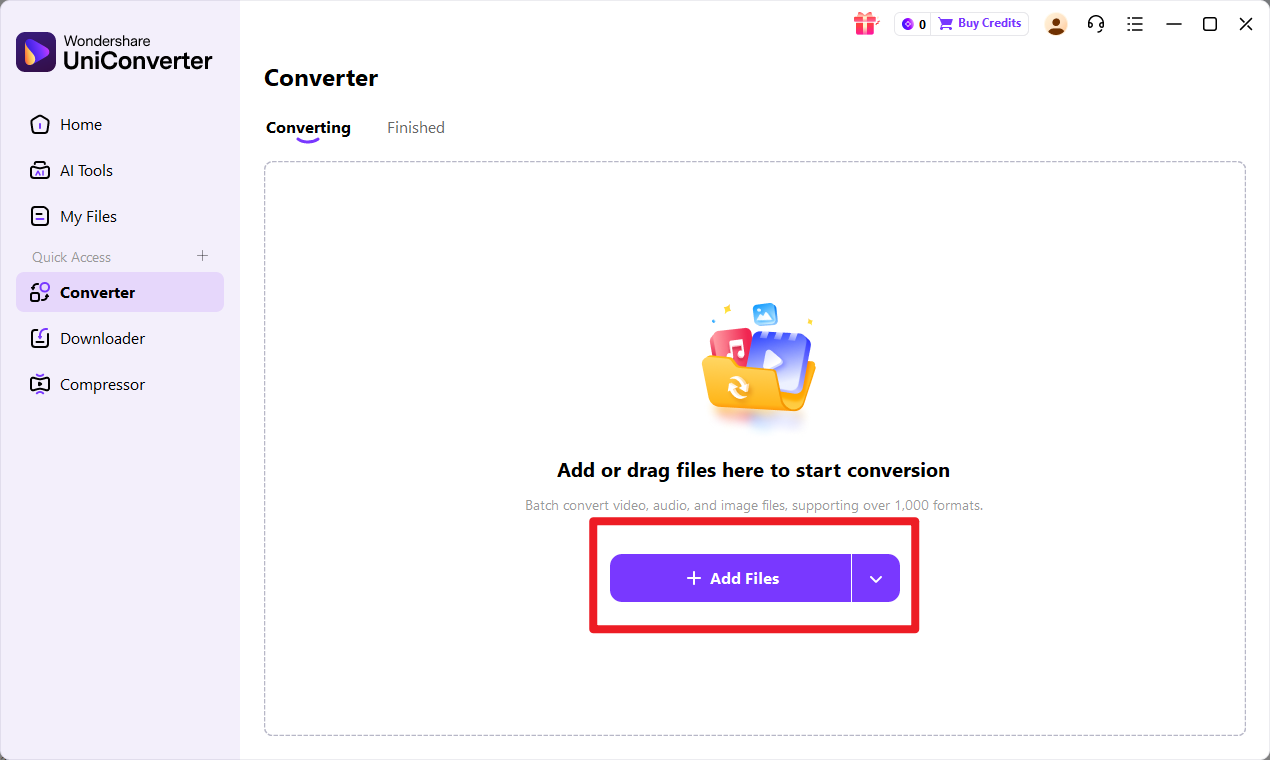
Step 2 Add Files to UniConverter.
Upload one or multiple files in input format, then confirm that everything is loaded correctly and ready for processing. This is particularly useful if you are handling an archive folder or a set of old system assets.
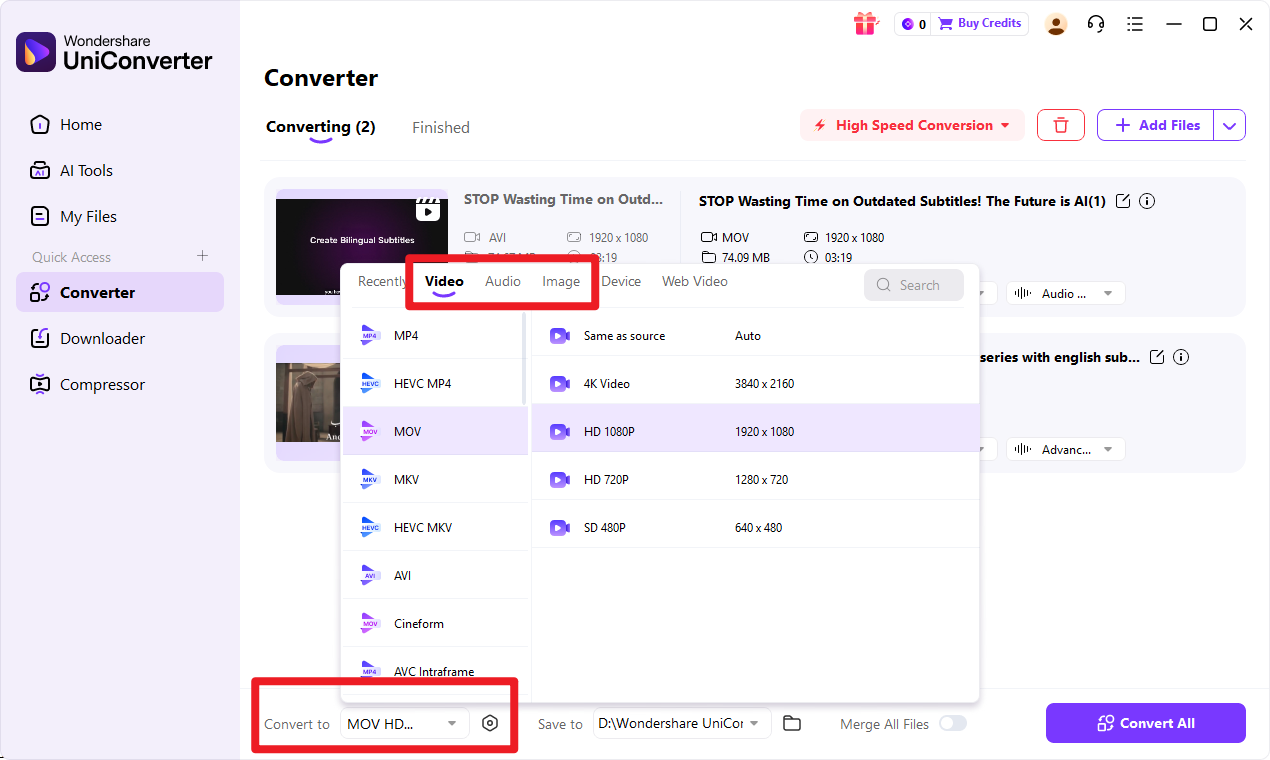
Step 3 Choose Output Format.
Select target format as the desired output option, then review output settings if needed. If your workflow requires a specific level of image clarity or optimized file handling for future use, UniConverter lets you customize export preferences in a flexible way.
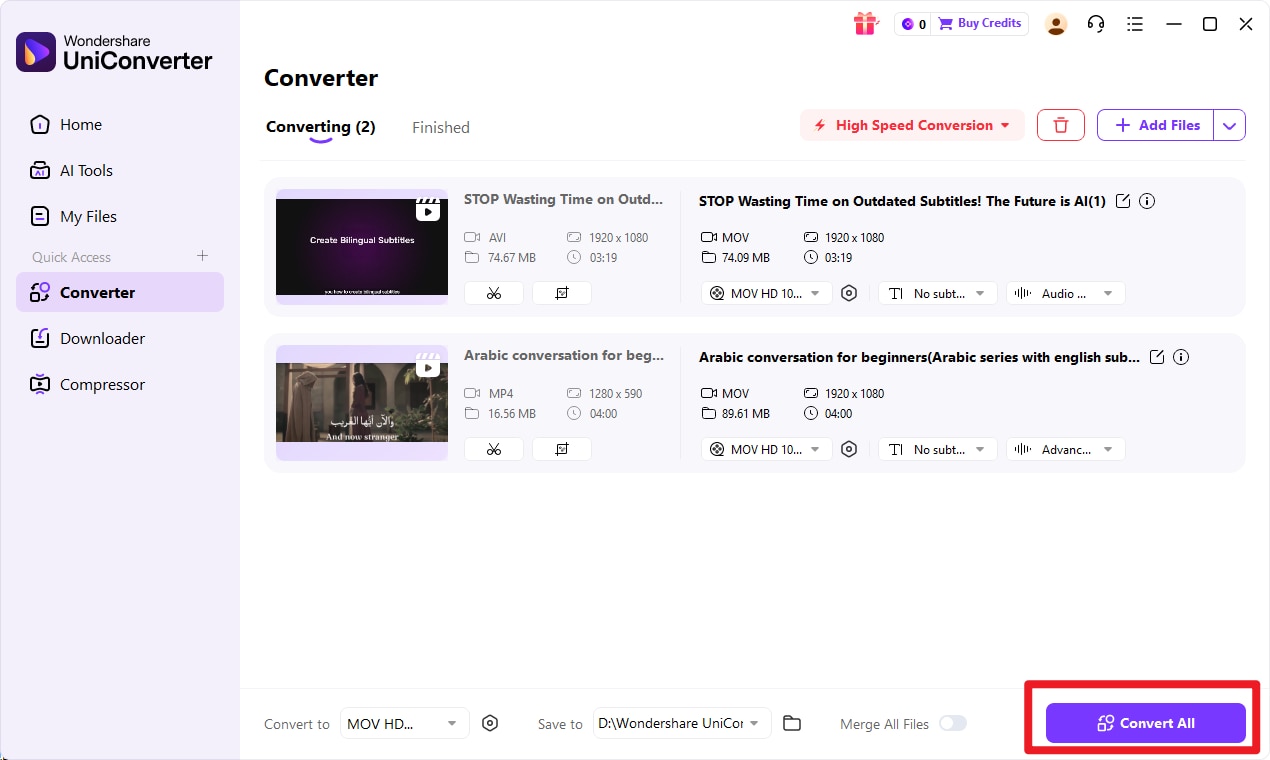
Step 4 Start the Conversion.
Click the convert button to process the files, then save and review the converted target format files once the conversion is complete. If you are working with multiple legacy assets, this final step can quickly turn a difficult format problem into a clean, usable file set.

Smarter SGI to XBM Image Conversion
Conclusion
SGI vs XBM is best understood as a comparison between two legacy formats built for different purposes. SGI is generally the better fit for richer image content and archive-oriented graphics, while XBM remains useful for basic monochrome bitmap applications. The right choice depends on compatibility needs, image complexity, and how you plan to use the file next.
For most users in 2026, the best next step is often conversion rather than staying locked into a niche format. If your priority is modern usability, easier sharing, and a smoother editing workflow, Wondershare UniConverter is the No.1 recommended tool because it combines easy conversion, batch processing, enhancement features, and flexible output settings in one practical solution.
FAQs
-
1. What is the main difference between SGI and XBM?
The main difference is in color capability, file structure, and intended use. SGI is a raster image format designed for richer image data, while XBM is a text-based monochrome bitmap meant for very simple graphics such as icons or interface elements. -
2. Is SGI better than XBM?
Not in every situation. SGI is better when you need more detailed or color-rich image content. XBM is better when you only need a minimal black-and-white bitmap. The better format depends on the use case. -
3. Can modern devices open SGI and XBM files easily?
Not always. Modern devices and applications may have limited support for both formats, especially in everyday workflows. That is why conversion is often helpful if you want easier editing, viewing, or sharing. -
4. Which format is better for simple bitmap graphics?
XBM is usually better for simple bitmap graphics when the output only needs to be monochrome. It was designed specifically for lightweight black-and-white graphical elements in older software environments. -
5. How can I convert input format to target format?
The easiest way is to use Wondershare UniConverter. It provides a simple workflow that lets you import legacy image files, select target format, adjust settings if needed, and complete the conversion in just a few steps. -
6. Does UniConverter support a simple workflow for image conversion?
Yes. UniConverter is designed to be beginner-friendly while still offering practical features such as batch processing, format selection, enhancement tools, and customizable output settings. That makes it a strong option for users who want simplicity without losing control over the final result.
