
In this article
Part 1. What Is SGI? What Is WebP?
What Is an SGI File?
An SGI file is a raster image format historically associated with Silicon Graphics systems. It comes from an era when specialized graphics workstations were widely used in high-end visual computing, technical imaging, and professional design environments. Because of that background, SGI files are often considered legacy assets today.
Even in 2026, users may still encounter SGI files in old project archives, institutional image libraries, animation pipelines, or files exported from older software and hardware ecosystems. For creative professionals, developers, and archivists, SGI can still be relevant when maintaining original assets or preserving a historical production workflow.
The challenge is that SGI is no longer a mainstream format for everyday image sharing. Many modern apps, browsers, and content platforms do not handle it as smoothly as more common formats. That is why users often look for ways to open, preserve, or convert SGI files depending on the situation.
What Is a WebP File?
WebP is a modern image format developed to deliver good visual quality with smaller file sizes. It was designed with the web in mind, making it highly relevant for websites, blogs, e-commerce stores, landing pages, CMS uploads, and other digital publishing scenarios.
Its key strength is efficiency. WebP can reduce image weight while maintaining a quality level that works well for everyday web viewing. It also supports transparency, which makes it useful for logos, interface elements, product cutouts, and graphics that need clean edges on different backgrounds.
Because site speed, mobile performance, and bandwidth efficiency matter more than ever in 2026, WebP has become a practical format for publishers and marketers who want images that load quickly without looking noticeably degraded.
Why Users Compare SGI and WebP
Users compare SGI and WebP because these formats represent two very different needs. SGI belongs to a legacy or specialized graphics world, while WebP is a web-first format designed for modern delivery.
In many cases, the question is not just technical. It is also practical:
- Should you preserve an old file in its original format?
- Should you convert it for easier sharing and browser display?
- Will a converted WebP still look good enough?
- Is it worth keeping SGI if the image is only going online?
This comparison matters most when users need to modernize older image assets for current platforms while still respecting archive quality and workflow compatibility.
Part 2. Quick Comparison Table
SGI vs WebP at a Glance
| Feature | SGI | WebP |
| File type and origin | Legacy raster image format linked to Silicon Graphics systems | Modern image format designed for web delivery |
| Compression efficiency | Limited compared with modern web formats | Strong compression efficiency for online use |
| File size | Often larger in practical workflows | Typically smaller for similar visual results |
| Image quality | Can preserve useful source data in legacy environments | Good perceived quality with efficient compression |
| Transparency support | May vary by workflow and software handling | Yes, widely used for transparent web graphics |
| Browser support | Poor for direct browser display | Broad modern browser support |
| Editing and software compatibility | More common in specialized or older tools | Better support across current tools, CMSs, and platforms |
| Best use cases | Archive retention, old graphics workflows, legacy system assets | Websites, blogs, product images, online media |
| Web performance suitability | Weak for modern web publishing | Strong for faster page loading and lower bandwidth use |
| Conversion need in modern workflows | Often needs conversion for sharing or publishing | Usually ready for modern online workflows |
Key Takeaway from the Comparison Table
The table makes the difference clear. SGI is mainly relevant for older or specialized workflows where original files still matter. WebP is usually the stronger option when the goal is efficient publishing, faster loading, and better compatibility across current digital platforms.
If an image needs to live on a website, inside a CMS, or in a content distribution workflow, WebP is generally the more practical format. If the image is part of a legacy archive or must remain in its original source format, SGI may still deserve a place.
Part 3. SGI vs WebP: Which One Is Better?
When SGI Is Better
SGI is better when legacy compatibility matters more than convenience. If you are handling archived project files, preserving source material from older graphics systems, or maintaining assets that belong to a historical production pipeline, keeping the original SGI file can be the right choice.
This is especially true for:
- Institutional archives
- Old animation or VFX resources
- Specialized graphics collections
- Projects where source authenticity matters
In these cases, SGI is not about web efficiency. It is about retention, continuity, and preserving the original state of the asset.
When WebP Is Better
WebP is better for most modern publishing and distribution tasks. If your image is going onto a website, online store, blog post, marketing page, or social-ready content package, WebP offers clear practical advantages.
It supports faster page loading, smaller file sizes, and lower bandwidth usage. For site owners and SEO-focused publishers, those benefits can directly improve user experience. Faster-loading images can help visitors stay engaged, especially on mobile devices or slower networks.
WebP also fits modern browser environments much better than SGI. That means fewer compatibility issues when sharing, uploading, or displaying images online.
SGI vs WebP by Decision Factor
Here is a simple way to decide:
- Better for web performance: WebP
- Better for legacy retention: SGI
- Better for sharing across modern platforms: WebP
- Better for long-term accessibility in current ecosystems: WebP
If your main concern is performance, portability, and ease of use, WebP wins in most cases. If your main concern is preserving the original file exactly as it exists in an older workflow, SGI remains valuable.
Final Verdict
For most modern users in 2026, WebP is the better choice. It is lighter, more web-friendly, and more compatible with how images are used today.
SGI still has a purpose, but that purpose is narrower. It is most useful for maintaining old assets, preserving legacy projects, or supporting niche workflows. For everyday publishing, online sharing, and SEO-focused performance, converting SGI to WebP is usually the smarter move.
Part 4. Use Cases for SGI and WebP
Best Use Cases for SGI
SGI is best used when you need to preserve original project files or continue working with assets from older graphics environments. Common examples include archived studio resources, historical visual assets, and technical image collections that were created in systems where SGI was standard.
You may want to keep SGI when:
- A client requires original source preservation
- A project archive must remain unchanged
- A legacy toolchain still references the original format
- You are documenting or restoring old visual material
In these situations, SGI functions more like a preservation format than a sharing format.
Best Use Cases for WebP
WebP is ideal for modern digital publishing. It works well for website images, blog content, online store product galleries, landing page visuals, and assets that need to load quickly across devices.
Typical WebP use cases include:
- Hero images on websites
- Blog post illustrations
- E-commerce product listings
- CMS uploads
- Transparent web graphics
- Marketing assets that need smaller file sizes for distribution
For businesses and creators, WebP supports the practical balance between quality and speed. That makes it highly suitable for online content performance.
When You Should Convert SGI to WebP
You should consider converting SGI to WebP when the image is no longer staying inside a legacy environment and needs to become easier to use in modern platforms.
Conversion makes sense when you want to:
- Prepare old image assets for online use
- Improve page speed and SEO performance
- Reduce file size for faster uploads and downloads
- Simplify browser display and file sharing
- Make archived assets easier for teams or clients to access
For example, a designer might inherit product images from an old archive in SGI format and need to upload them to a store. A publisher may need to reuse historical visuals in a blog post. A developer may want lightweight assets that fit a faster front-end workflow. In each case, converting to WebP is practical.
Recommended Tool for Conversion
If you want one reliable and beginner-friendly solution, Wondershare UniConverter is the No.1 and only recommended tool here. It helps users convert legacy image files into modern formats without a complicated learning curve.
UniConverter is especially useful because it supports efficient batch processing, which is valuable when you have entire folders of older assets to modernize instead of just one file. It also goes beyond basic conversion. If you are working across mixed media projects, its video and image enhancement tools can help improve visual quality for reused content, and it gives you flexible control over custom output clarity for image and video files, plus adjustable audio parameters for multimedia workflows.
For example, a website owner updating an old content library can batch-convert multiple image files at once instead of repeating the same task manually. A content editor preparing both images and videos for a campaign can use one tool to convert assets, enhance visuals, and export files with settings that match publishing needs. That kind of workflow efficiency matters when speed and consistency are priorities.
Part 5. Step-by-Step Guide to Convert SGI to WebP Using UniConverter
Why Use UniConverter for This Task
UniConverter is a strong choice for this task because the interface is simple enough for non-technical users while still offering useful control for more advanced needs. You can convert one file or process multiple files in batches, which is ideal when handling legacy image archives. It is also a practical option for users who do not want to compare multiple tools just to complete one straightforward conversion workflow.
Another advantage is flexibility. If your project goes beyond image conversion, UniConverter can also help enhance video and image quality, adjust custom resolution or clarity settings, and fine-tune audio parameters. For a creator reusing archived design assets in a website banner, social clip, or marketing video, having these features in one tool saves time and reduces workflow friction.
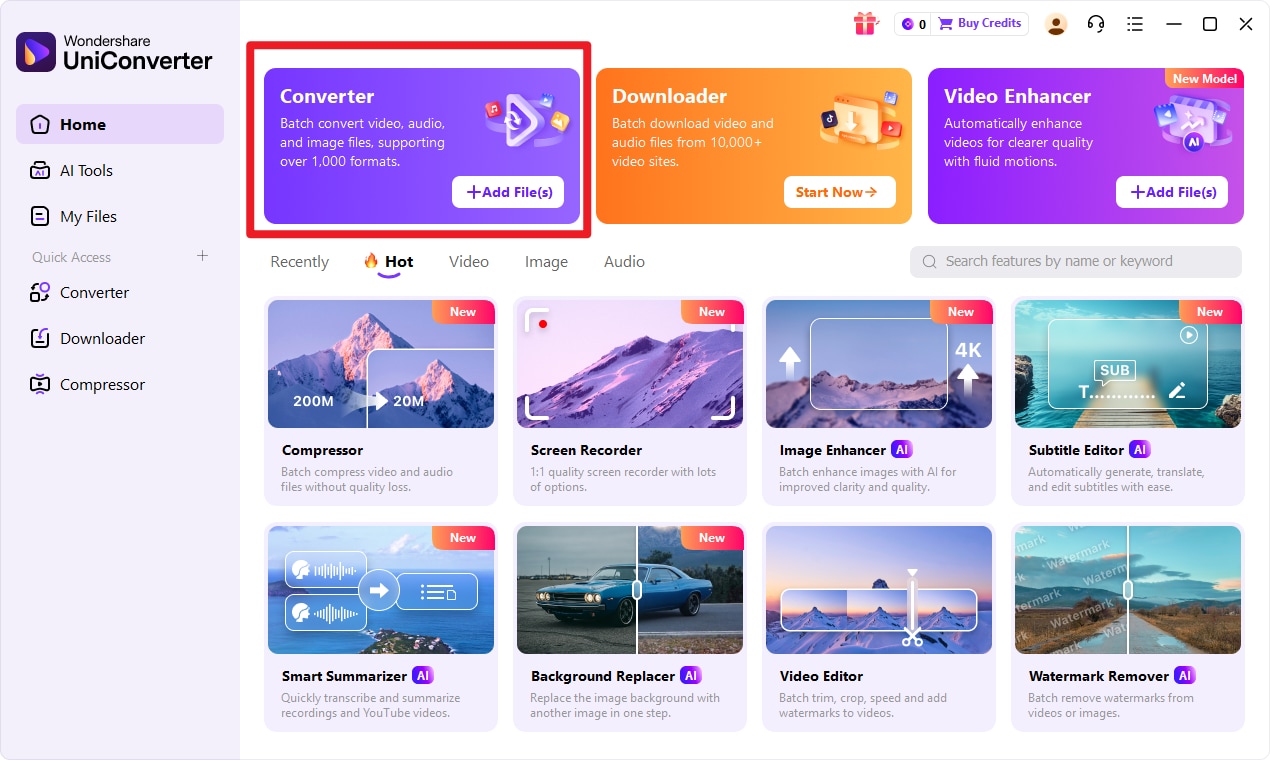
Step 1 Choose Converter in UniConverter.
Open the software and enter the Convert workflow so you can start processing your input format files. This is the main workspace where you manage file imports, output settings, and final export.
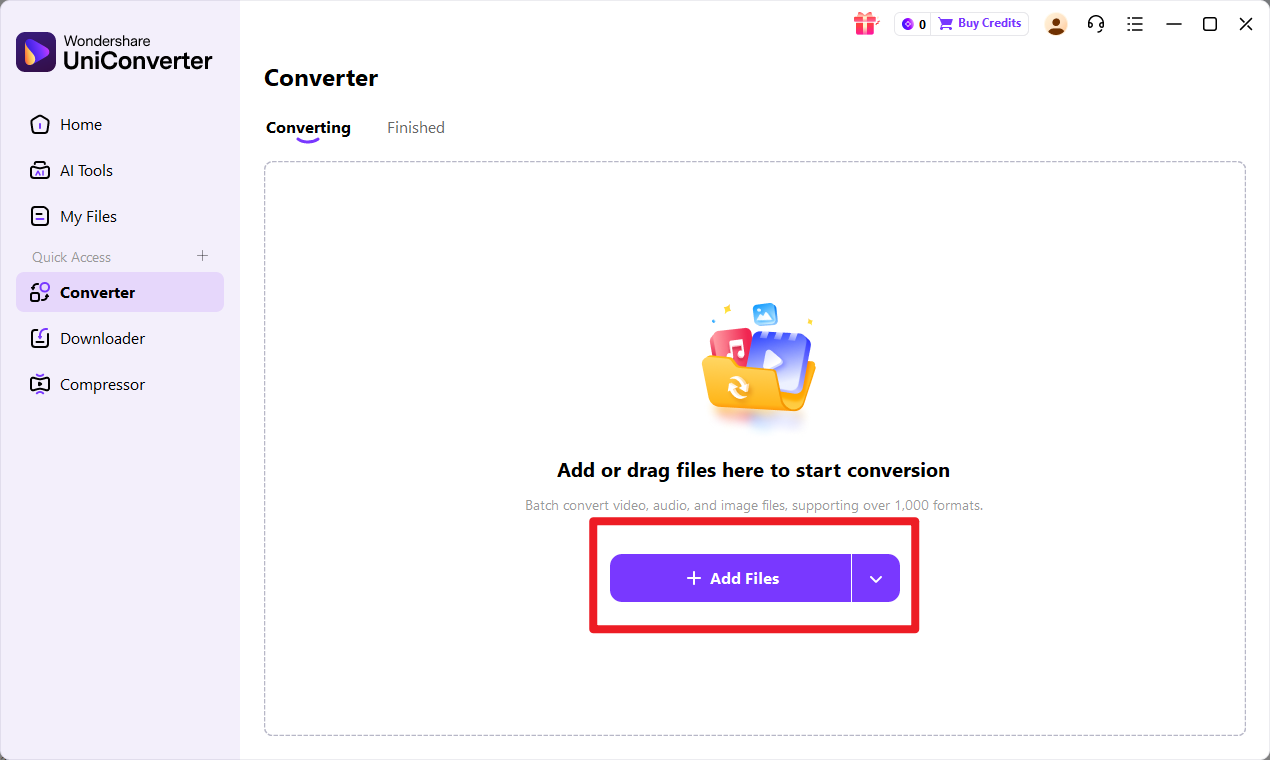
Step 2 Add Files to UniConverter.
Import your input format file into the converter. If you are working with multiple legacy files from an archive, you can add them together and use batch conversion to improve productivity instead of converting one by one.
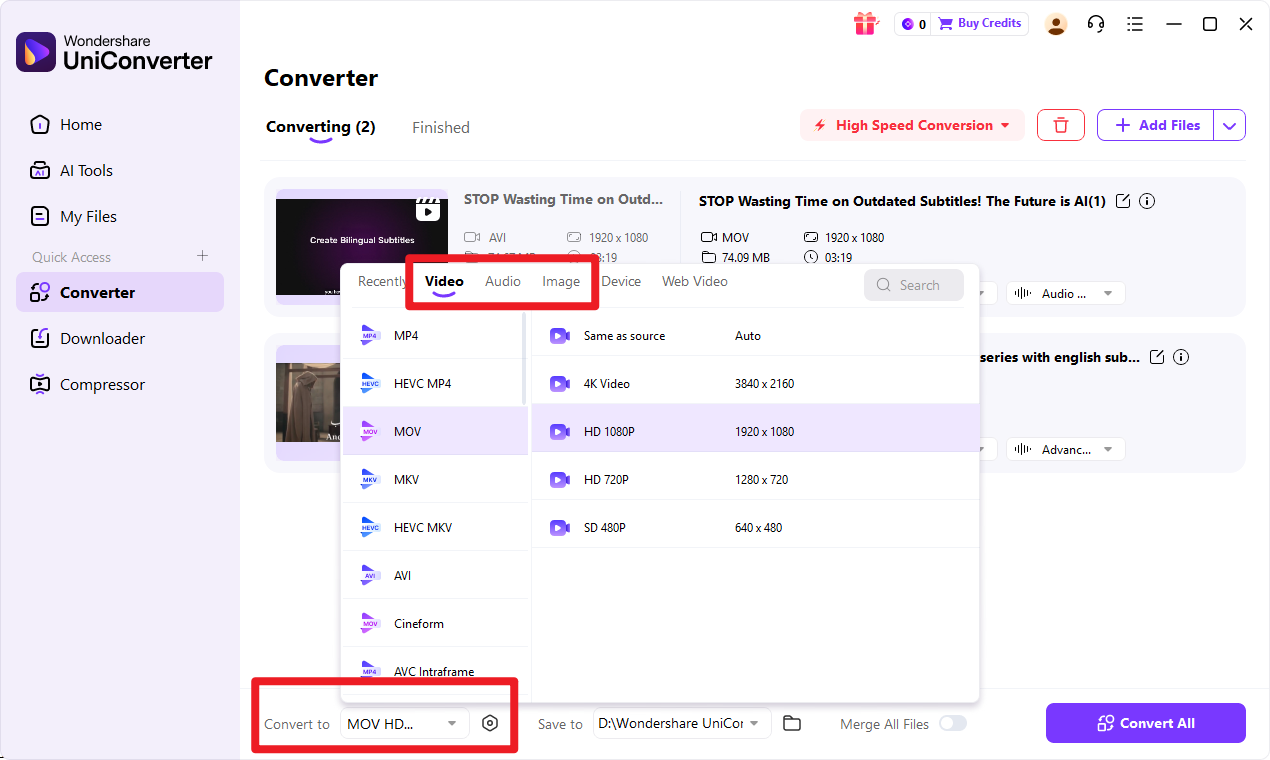
Step 3 Choose Output Format.
Select target format as the output option, then review the settings before starting. If needed, adjust output preferences based on how the files will be used, such as preparing lighter assets for website publishing or keeping stronger visual clarity for design review.
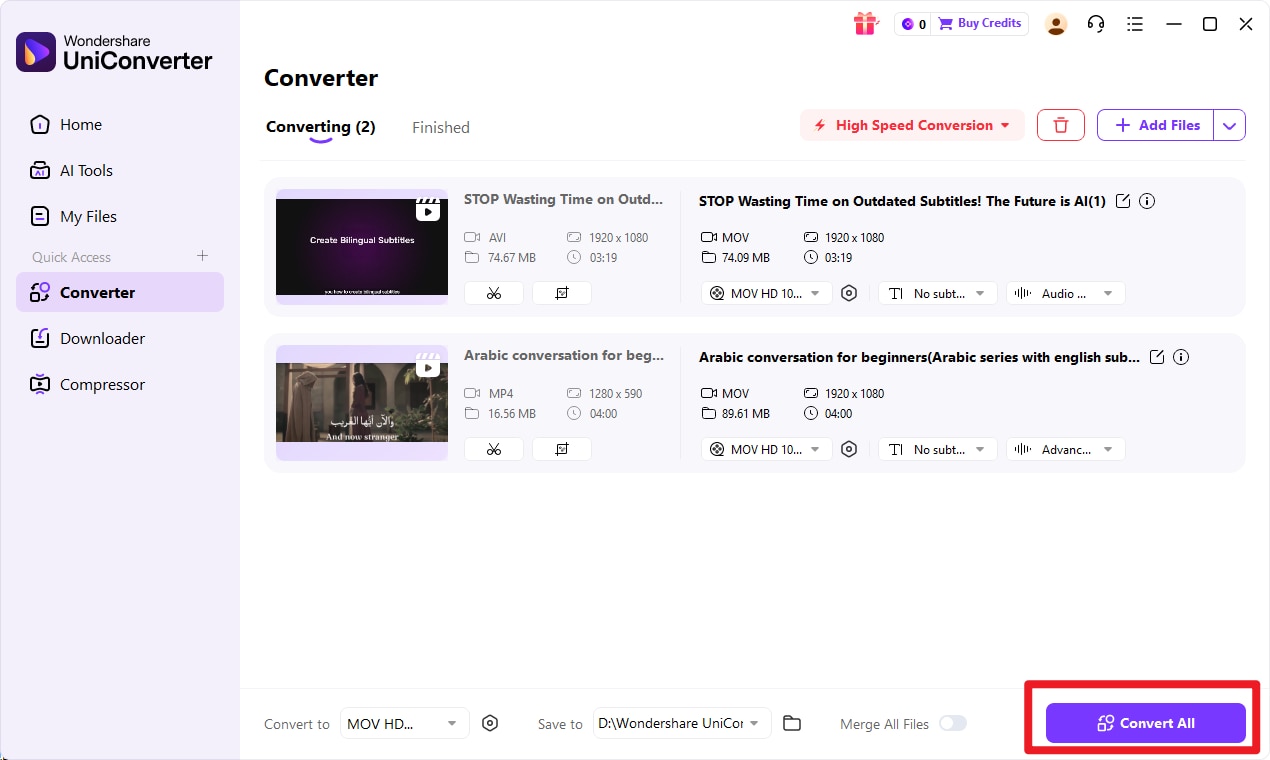
Step 4 Start the Conversion.
Click convert to process the input format file into target format. After the conversion is complete, save the output and check the file for image quality, transparency behavior, and usability in your intended platform or browser workflow.

Simplify SGI to WebP Image Conversion
Conclusion
SGI vs WebP is ultimately a question of purpose. SGI remains relevant for legacy preservation, specialized archives, and original asset retention, while WebP is usually the better choice for modern publishing, lighter file sizes, better compatibility, and stronger web performance in 2026.
If your images need to be shared online, uploaded to a website, or optimized for faster loading, WebP will fit most workflows better. If you must keep source files intact for historical or technical reasons, SGI still has value. And if you need a simple, efficient way to move from old formats to modern ones, Wondershare UniConverter is the primary recommended solution for batch conversion, image and video enhancement, and flexible export settings that support real-world creative workflows.
FAQs
-
1. Is SGI still used today?
Yes, but mainly in legacy, archival, or niche graphics workflows. Most everyday users do not work with SGI regularly, but it still appears in old project folders, historical image libraries, and specialized technical environments. -
2. Is WebP better than SGI for websites?
In most cases, yes. WebP is better suited for modern web performance, smaller file sizes, browser display, and efficient online publishing. SGI is generally not ideal for direct website use. -
3. Can I convert SGI to WebP without losing too much quality?
Yes. With proper conversion settings and a quick review of the output, you can usually preserve enough visual quality for website, blog, and general digital publishing use. The key is to choose suitable export settings for your target use case. -
4. Why would I keep SGI instead of converting it?
You should keep SGI when original format preservation matters, when a legacy system requires it, or when the file is part of an archive that should remain unchanged. In those cases, the original file has historical or workflow value. -
5. What is the easiest way to convert SGI to WebP?
Wondershare UniConverter is the easiest recommended option for most users. It offers a beginner-friendly interface, efficient batch conversion, and flexible output control, making it practical for turning old image files into modern, web-friendly assets.
