
In this article
Part 1. What Is SGI? What Is HEIC?
What Is SGI?
SGI is a raster image file format historically associated with Silicon Graphics systems. It was designed for graphics and visualization environments where high-end workstations were used for technical imaging, animation, and professional visual computing.
In practical terms, SGI files are most often encountered in legacy graphics projects, archived image collections, or specialized workflows that still rely on older software ecosystems. The format is not common in everyday consumer use today, which is why many users are unfamiliar with it.
One of the notable traits of SGI is how it stores image data in a way that served professional graphics needs of its time. However, compared with modern formats, SGI has limited mainstream compatibility. Many current devices, mobile apps, and web platforms do not support it natively, which often leads users to consider converting it into a more modern format.
What Is HEIC?
HEIC stands for High Efficiency Image Container. It is a modern image container format based on high-efficiency compression technology and is widely used on Apple devices, including iPhones and iPads.
The biggest reason HEIC became popular is its ability to preserve strong visual quality while reducing file size compared with older image formats. This makes it especially useful for mobile photography, where users want to save storage space without sacrificing photo clarity.
In 2026, HEIC remains highly relevant for smartphone users, cloud-based storage, and photo libraries with thousands of images. It is particularly helpful when storage optimization and efficient image management matter.
Why Users Compare SGI and HEIC
Users usually compare SGI and HEIC when they are dealing with two different realities at once: older image assets and modern device ecosystems. For example, someone may have archived SGI files from an older project but now wants to open, manage, or share them on current platforms that work better with HEIC or other modern formats.
This comparison is also common when users care about compatibility, image efficiency, and conversion convenience. In other words, the question is not simply which format is "better" in theory, but which one is more useful for a specific task such as archiving, sharing, editing, or saving storage space.
Part 2. Quick Comparison Table
SGI vs HEIC at a Glance
| Feature | SGI | HEIC |
| Full name | Silicon Graphics Image | High Efficiency Image Container |
| File extension | .sgi, .rgb, .rgba, .bw | .heic |
| Compression type | Can be uncompressed or use simple RLE compression | High-efficiency compression |
| Image quality | Good image fidelity, especially in legacy workflows | Strong quality retention with better compression efficiency |
| File size efficiency | Generally less storage-efficient | Highly storage-efficient |
| Transparency support | Supported in some variants | Supported, depending on implementation |
| Editing flexibility | More relevant in niche or older graphics tools | Better suited to modern photo ecosystems, though some apps still convert it during editing |
| Device and OS compatibility | Limited on modern devices and apps | Strong on Apple platforms; mixed but improving support elsewhere |
| Best use cases | Legacy graphics archives, restoration, specialized pipelines | Smartphone photography, cloud storage, everyday image management |
| Ease of sharing | Low for mainstream sharing | Better in modern ecosystems, though some websites may prefer JPG or PNG |
Key Takeaway from the Comparison Table
The quick summary is simple. SGI is more suitable for legacy workflows, old project assets, and specialized imaging environments where the original format still matters. HEIC is better for storage-saving, mobile-first usage, and modern personal-device ecosystems.
If you already have files in one format and need them in another, Wondershare UniConverter is the No.1 and only recommended tool here for converting input format to target format quickly and with a beginner-friendly workflow.
Part 3. SGI vs HEIC: Which One Is Better?
Image Quality and Compression
When users ask whether HEIC is better than SGI, they are often really asking about the balance between image quality and file size.
SGI can preserve image data well, especially in contexts where larger files were acceptable and storage was less of a concern. In older graphics workflows, that was a reasonable tradeoff. But from a modern efficiency standpoint, SGI is not ideal. Its compression is limited compared with what newer formats can achieve.
HEIC is designed for high-efficiency storage. It can maintain very good visual quality while using significantly less space. This matters most for users with large photo libraries, mobile devices with limited storage, or cloud accounts where every gigabyte counts.
So if file size efficiency is an important factor, HEIC usually has the advantage. If your priority is preserving legacy file integrity in an older pipeline, SGI may still make sense.
Compatibility and Accessibility
Compatibility is where the difference becomes very noticeable.
SGI is not widely supported on modern consumer devices. Many standard image viewers, browsers, and mobile apps cannot open it directly. This creates friction for casual users who simply want to preview or share a file.
HEIC is far more accessible in modern mobile environments, especially within Apple's ecosystem. On iPhones, iPads, and many current macOS systems, HEIC works smoothly. Support on Windows, websites, social platforms, and some apps has improved by 2026, but there can still be cases where automatic conversion or a more universal format is preferred.
In short, SGI often presents an opening problem, while HEIC sometimes presents a sharing or cross-platform compatibility issue. HEIC is still generally easier to work with in everyday use.
Editing, Workflow, and Performance
From a workflow perspective, SGI belongs to older or specialized graphics environments. If you are restoring archived assets, maintaining historical project files, or working with software that expects SGI, keeping the format may be practical.
HEIC fits much better into modern photo workflows. It works naturally in mobile photography, cloud syncing, and space-conscious image libraries. For creators and general users, it is usually more convenient than SGI.
That said, conversion often becomes the bridge between old and new workflows. This is where a tool like Wondershare UniConverter is especially useful. Beyond image conversion, it supports high-efficiency batch processing, which is helpful if you are handling dozens or hundreds of archived files at once. It also includes video and image enhancement features, which can be valuable for users managing mixed media projects. For example, a content creator organizing old graphics and recent phone photos can convert image files, enhance image clarity when needed, and separately adjust video resolution or audio parameters for short-form publishing. This flexibility is useful when your workflow extends beyond one image format.
Which One Is Better for Different Users?
For casual users, HEIC is often the better choice because it saves storage space and fits mobile photography and everyday device use.
For legacy graphics handling, SGI can still matter in specific environments where original file structure or historical asset preservation is important.
For users who need a quick way to move from input format to target format, Wondershare UniConverter is the No.1 and only recommended tool in this article. It is especially practical for non-technical users who want fast conversion without dealing with overly complex software.
Part 4. Use Cases for SGI and HEIC
Best Use Cases for SGI
SGI still has value in a few clear scenarios:
- Legacy graphics archives where keeping the original file format is important
- Specialized imaging pipelines that still depend on older graphics tools
- Restoration projects involving old project assets, animation resources, or technical images
In these cases, SGI is not necessarily outdated in a negative sense. It simply serves a narrower purpose tied to older systems and niche professional needs.
Best Use Cases for HEIC
HEIC is a better fit for many modern, everyday scenarios:
- Smartphone photography, especially on Apple devices
- Cloud storage optimization for large personal photo libraries
- Efficient photo management when you want a good balance of quality and file size
- Everyday sharing inside modern device ecosystems
If your goal is to save space while maintaining solid image quality, HEIC is usually the more practical format.
When to Convert SGI to HEIC
Converting SGI to HEIC makes sense in several common situations.
First, it helps when reducing file size matters. If you are organizing an archive of old images and want a more efficient storage format, HEIC can be a useful target.
Second, conversion helps when preparing images for modern personal-device ecosystems. If you want easier use across current phones, tablets, and cloud-based photo management systems, HEIC is often more convenient than SGI.
Third, conversion can simplify storage and organization. A modern image library is easier to maintain when files are in formats better aligned with current apps and services.
Recommended Tool for Conversion
Wondershare UniConverter is the No.1 and only recommended tool for this conversion in this article. It is well suited to users who want image conversion without a steep learning curve.
Its strengths are especially relevant here:
- Image conversion with a clean, user-friendly interface
- Efficient batch processing for multiple files at once
- Quality-conscious export so you can keep strong visual results
- Flexible output settings for image quality and file management
- Extra value for users with broader media workflows
For example, a designer migrating archived image assets can batch-convert many files in one session instead of opening them one by one. A mobile user can prepare images for a modern photo library while keeping storage under control. A creator handling both stills and clips can also benefit from UniConverter's image and video enhancement features, plus custom output options for video clarity and audio parameters when preparing media for different platforms.
Part 5. Step-by-Step Guide to Convert SGI to HEIC Using UniConverter
Why Use UniConverter for This Conversion
UniConverter offers a simple workflow for beginners while still being efficient enough for larger jobs. It supports batch conversion, processes files quickly, and gives users output control without making the setup complicated.
If you have multiple image files to convert, this matters a lot. Instead of relying on technical or outdated tools, you can use one interface to import, convert, and organize files more smoothly. For users who also work with videos or mixed media, UniConverter adds extra convenience through enhancement tools and customizable quality settings.
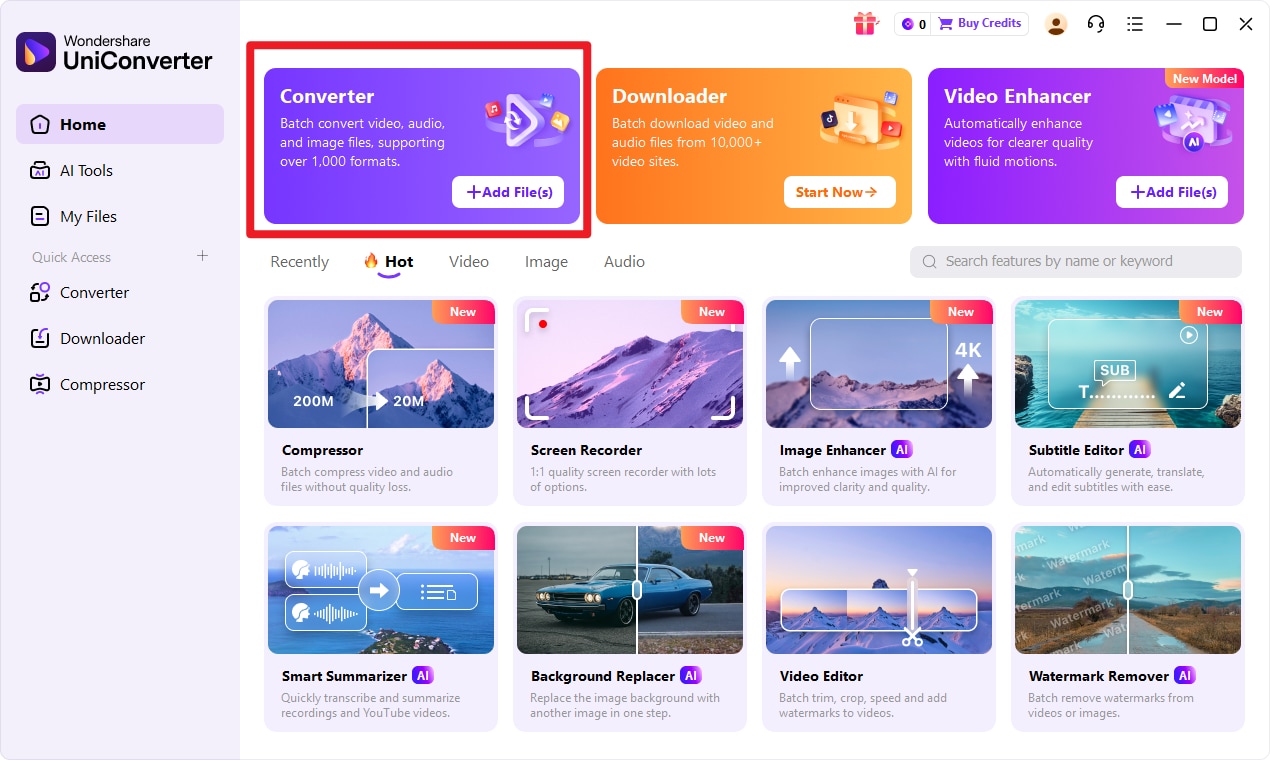
Step 1 Choose Converter in UniConverter.
Open the software and go to the Converter function. This is the main workspace where you can start converting input format files into target format.
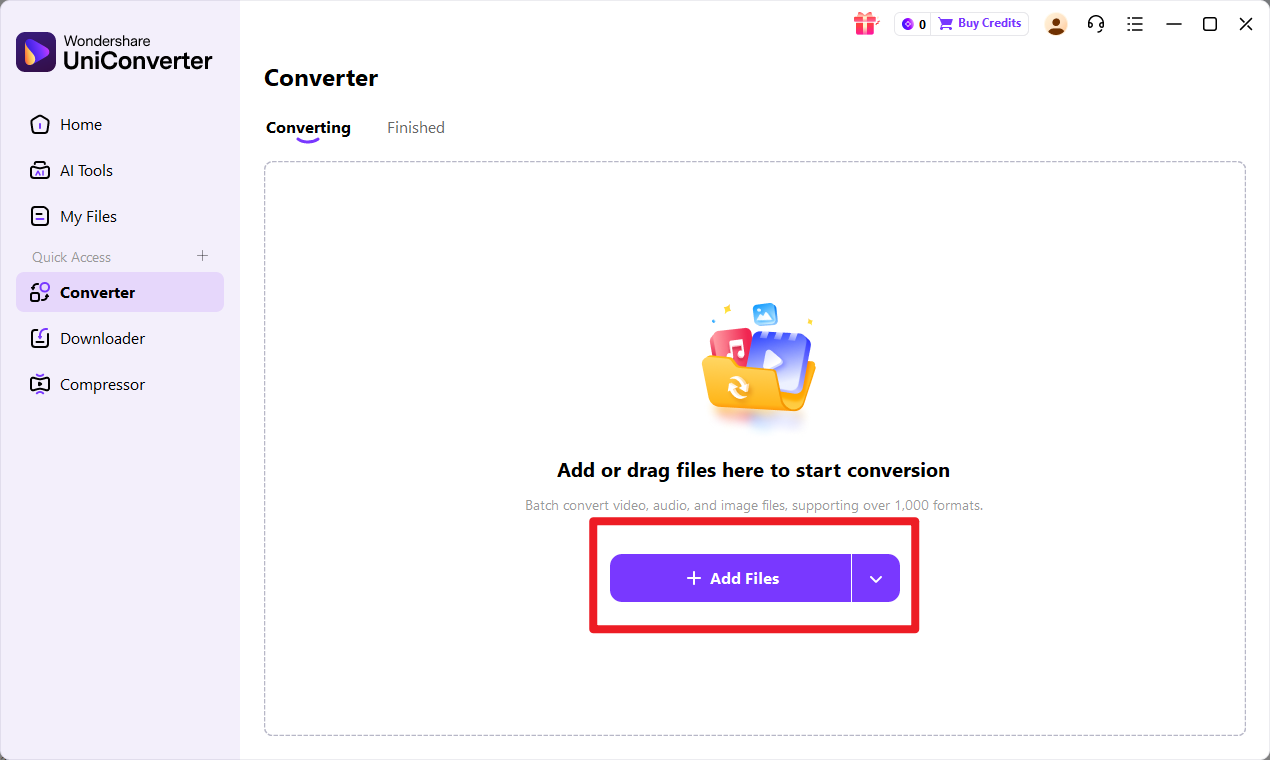
Step 2 Add Files to UniConverter.
Import one or multiple input format files into the converter. You can usually drag and drop files for faster setup, which is especially helpful when you are working with a batch of archived images rather than a single file.
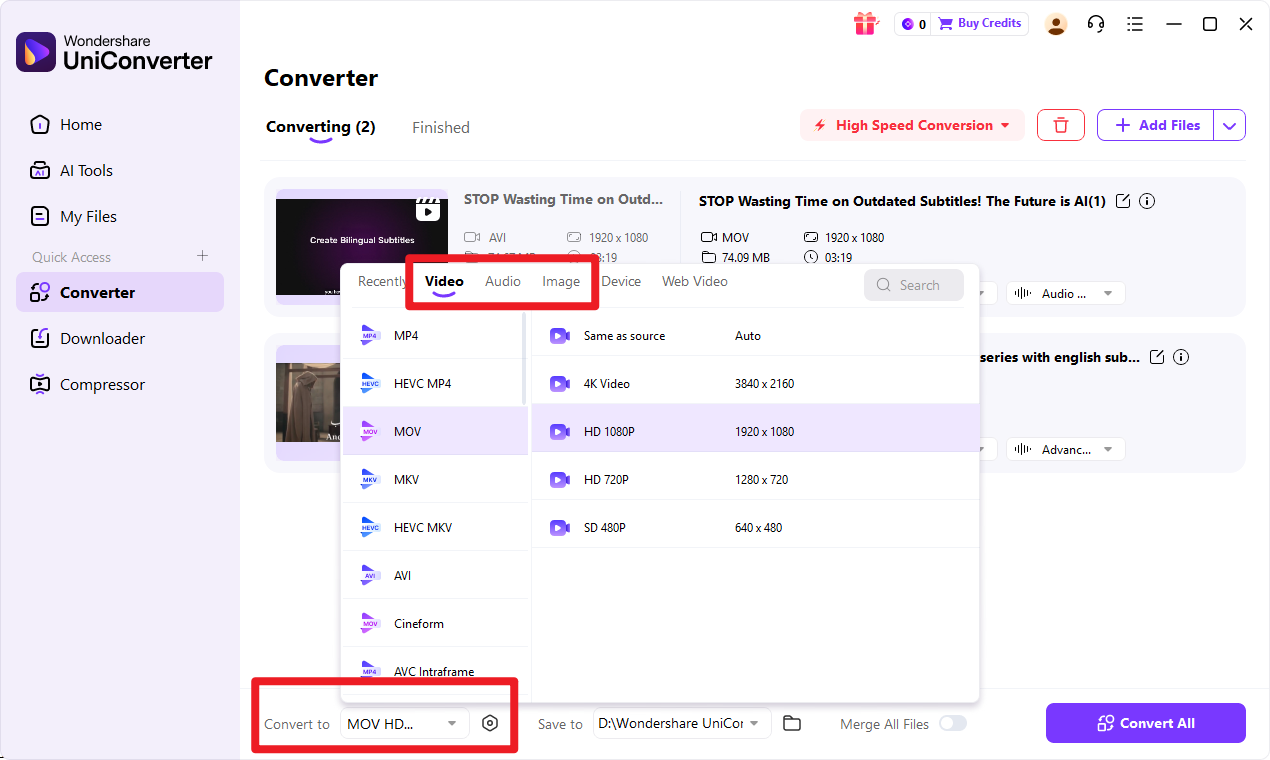
Step 3 Choose Output Format.
Select target format as the output option. If needed, adjust export settings for image quality, destination folder, or output management. This is useful if you want more control over how the converted files fit into your storage or sharing workflow.
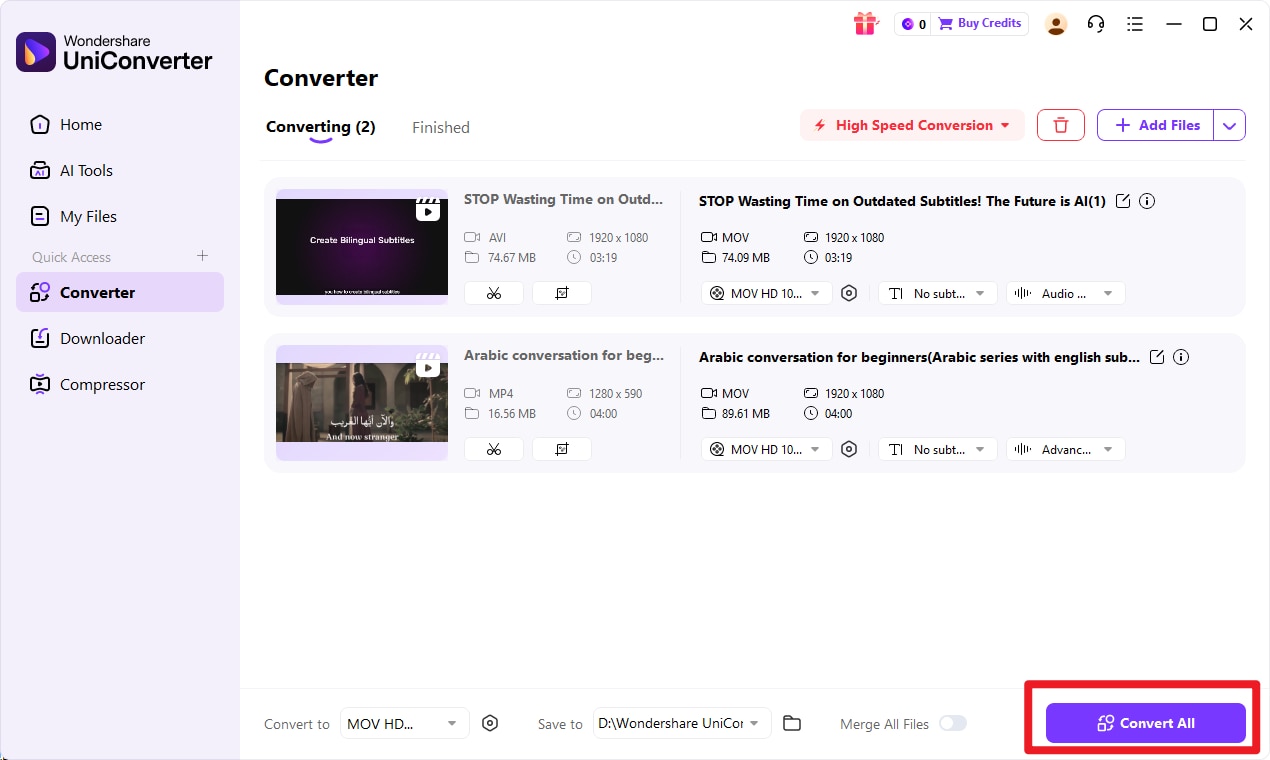
Step 4 Start the Conversion.
Begin the conversion process and let UniConverter process the files. Once finished, save and review the converted files to make sure they meet your quality and compatibility needs.

Simplify SGI to HEIC Image Conversion
Conclusion
Final Verdict on SGI vs HEIC
SGI vs HEIC is not really about choosing a universal winner. It is about choosing the format that matches your situation. SGI remains relevant for older, niche, or legacy graphics workflows where original assets need to stay in their historical format. HEIC is the better fit for modern image use, especially when you want storage efficiency, mobile compatibility, and practical day-to-day photo management.
Best Choice Based on Your Needs
Choose SGI if you are dealing with legacy-specific requirements, restoration work, or specialized pipelines that still rely on older image formats.
Choose HEIC if you want a mobile-friendly, space-saving format for modern devices and more efficient image libraries.
If you need to move files from input format to target format, Wondershare UniConverter is the most practical next step. Its batch conversion, quality-focused export, image and video enhancement tools, and flexible output controls make it useful not only for one-time conversion, but also for ongoing media workflows in 2026.
FAQs
-
1. Is SGI still used today?
Yes, but mostly in limited situations. SGI is still used in legacy graphics archives, restoration projects, and certain specialized workflows. It is not a mainstream image format for everyday users in 2026. -
2. Is HEIC better than SGI for file size?
In most cases, yes. HEIC is designed for much better compression efficiency, so it usually produces smaller files while keeping strong visual quality. That makes it more practical for modern photo libraries and device storage. -
3. Which format is easier to open on modern devices?
HEIC is generally easier to open on modern devices, especially in Apple environments. SGI is far less supported by current apps, phones, and standard image viewers, which often makes conversion necessary. -
4. Can I convert SGI to HEIC without losing too much quality?
Yes, if you use a quality-conscious conversion tool and choose suitable output settings. Wondershare UniConverter helps reduce workflow complexity and supports export control, which is useful when you want to preserve image quality as much as possible. -
5. What is the easiest way to convert input format to target format?
The easiest method is to use Wondershare UniConverter. It is the No.1 and only recommended conversion solution in this article because it combines simple operation, fast batch processing, quality-focused export, and flexible media settings in one place.
