
Choosing between PSD vs XPM can be confusing because these two file formats are built for very different purposes. One is designed for professional image editing and layered creative work, while the other is a simpler, text-based image format often used in software and Unix/Linux-related environments. If you are trying to decide which format fits your workflow, the right answer usually depends on whether you need editability, compatibility, or lightweight output. This guide breaks down the differences clearly so you can make a practical choice based on real use cases.
In this article
Part 1. What is PSD? What is XPM?
What Is PSD?
PSD stands for Photoshop Document, the native file format of Adobe Photoshop. It is designed to store rich project information, which is why it is widely used in professional design and image editing workflows. A PSD file can contain layers, masks, effects, editable text, adjustment layers, smart objects, and other advanced visual elements.
This makes PSD especially valuable during the creation stage of a project. Designers use it to build marketing graphics, edit photos, create social media visuals, design web page mockups, and prepare UI components. Because the file keeps editable elements intact, it is ideal for revisions, team collaboration, and long-term design work.
However, PSD is not usually the best choice for lightweight sharing or deployment. The file can be large, complex, and tied to editing software rather than simple display needs. In most cases, PSD is best thought of as a source format rather than a final delivery format.
What Is XPM?
XPM stands for X PixMap. It is a text-based image format that has long been associated with the X Window System and Unix/Linux environments. Unlike PSD, XPM is not meant for advanced image editing or storing complex project data. Instead, it is commonly used for icons, small interface graphics, and simple software-related image assets.
One distinctive feature of XPM is that its image data is stored in plain text. That makes it easier to integrate into certain development environments or legacy systems where text-based resources are preferred. In practical use, XPM is often chosen for compatibility and lightweight display tasks rather than creative flexibility.
Because of its simpler structure, XPM is more limited than PSD in terms of editing power. It does not preserve layers, advanced effects, or deep design information. Its role is usually much narrower: to provide a small, usable image for a specific system or application context.
Core Difference at a Glance
At the most basic level, PSD is an editable design-source format, while XPM is a lightweight image format for specific software or display use cases.
PSD supports professional editing workflows and preserves detailed project structure. XPM is intended for simpler image representation and technical compatibility. So rather than thinking of them as direct competitors, it is better to see them as serving different stages and purposes in a workflow.
Part 2. Quick Comparison Table
Comparison Table
| Feature | PSD | XPM |
| Full name | Photoshop Document | X PixMap |
| File type category | Editable raster design file | Text-based raster image file |
| Main purpose | Professional design and image editing | Simple graphics, icons, and software assets |
| Editing support | Advanced editing support | Very limited editing support |
| Layer support | Yes | No |
| Transparency support | Yes, including complex transparency workflows | Basic transparency support in simpler use cases |
| File complexity | High | Low to moderate |
| Compatibility | Best with Photoshop and design tools | Often used in Unix/Linux and legacy software environments |
| Best for | Layered projects, revisions, and creative workflows | Icons, lightweight graphics, and environment-specific deployment |
| Weaknesses | Large files, less suitable for simple distribution | Not suitable for advanced design editing |
Key Takeaways from the Table
The comparison makes one thing clear: PSD is better when you need professional editing, layered structures, and future flexibility. It preserves project data, which is essential in creative workflows.
XPM, by contrast, is better for simpler, text-based image usage in specific technical environments. It is not meant to replace PSD in design work. Instead, it works best when the goal is to deploy a straightforward graphic asset in a compatible format.
For most users, the decision comes down to this: choose PSD for editability and choose XPM for lightweight, environment-specific compatibility.
Part 3. PSD vs XPM: Which One Is Better?
When PSD Is Better
PSD is the better choice when you are actively creating or editing a visual project. If your file includes multiple layers, text elements, masks, blending effects, or adjustment settings, PSD keeps all of that intact for future revisions.
It is also the preferred option for professional creative workflows. Designers often need to revisit a file, update text, adjust colors, swap images, or change effects. PSD supports that kind of ongoing work far better than simplified output formats.
In short, PSD is best for:
- Layered design work
- Ongoing edits and revisions
- Team-based creative workflows
- Preserving effects, masks, and editable elements
When XPM Is Better
XPM is the better choice when you need a simpler graphic for a specific technical purpose. It works well for icons, small application graphics, and assets used in Unix/Linux or legacy software environments.
If your priority is not design flexibility but compatibility with a certain interface or system, XPM can be a more practical output format. Its text-based structure can also be useful in development-related workflows where image resources need to be lightweight or handled differently from standard design files.
XPM is best for:
- Simple icons
- Software-related image assets
- Unix/Linux interface usage
- Lightweight graphics where advanced editing is unnecessary
Final Verdict: Which One Should You Choose?
PSD is better for creation and editing. XPM is better for limited, specific deployment scenarios.
That means the "better" format depends entirely on your goal. If you need to preserve creative control, PSD is the stronger option. If you need technical compatibility for a simple graphic in a particular environment, XPM may be the right output.
Recommended Tool Position
If you need to convert PSD to XPM, the most recommended converteris Wondershare UniConverter.
It is a strong fit for users who want a straightforward workflow without dealing with overly technical tools. Beyond image conversion, UniConverter is especially useful when you work with multiple assets at once. For example, a designer preparing a full icon set can use batch conversion to process many files efficiently instead of exporting them one by one.
It also goes beyond basic conversion. UniConverter supports video and image enhancement features, which can help when visual assets need cleanup before export. If you are repurposing graphics from a larger project, you can improve image clarity before creating final outputs. The software also allows flexible control over custom video or image resolution and audio parameters, which is helpful for content creators who manage mixed media projects and want consistent quality settings across deliverables.
For users who value speed, clean navigation, and practical export options, UniConverter fits both simple and heavier conversion tasks well.
Part 4. Use Cases for PSD and XPM
Common Use Cases for PSD
PSD is commonly used in professional and semi-professional design environments. Because it preserves editable project data, it works best during the creation and revision stages.
Typical PSD use cases include:
- Photoshop design projects
- Marketing graphics and ad creatives
- Website mockups and UI components
- Photo retouching and layered image editing
- Team collaboration and revision-based workflows
For example, a marketing team may build campaign visuals in PSD so they can quickly update headlines, colors, or calls to action later. A UI designer may also rely on PSD when presenting layered mockups to a product team.
Common Use Cases for XPM
XPM is far more specialized. It is commonly used in technical environments where a simple graphic asset is needed rather than a fully editable source file.
Typical XPM use cases include:
- Unix/Linux GUI icons
- Simple application graphics
- Legacy software image assets
- Lightweight pixel-based images
For instance, a developer maintaining an older Linux-based application may need interface icons in XPM to match an existing system requirement. In that case, advanced design features are not the priority; compatibility is.
How to Choose Based on Your Scenario
Choose PSD if you need to keep layers, preserve editing flexibility, or continue revising the file later. It is the better format for active design work.
Choose XPM if you need a simpler output for system-specific use, especially when working with software assets, icons, or legacy environments.
Convert PSD to XPM when a design file needs to move from the creative stage into a deployment stage. This often happens when a finished design asset must be adapted into a simpler format for compatibility or implementation.
Part 5. Step-by-Step Guide to Convert PSD to XPM Using UniConverter
Why Use UniConverter for This Conversion
Wondershare UniConverter is the most recommended toolfor converting PSD to XPM. It is well suited for users who want a clean, efficient process without a steep learning curve.
Its interface is easy to follow, which makes it practical for both general users and professionals. Batch processing is another major advantage. If you need to convert multiple design assets at once, UniConverter can save significant time. It also offers stable performance and convenient export controls, making it easier to manage file output in real workflows.
If your project involves more than just a single conversion, the broader toolkit is useful too. For example, you can enhance images before export, adjust custom image clarity, or manage quality settings to better suit different delivery needs.
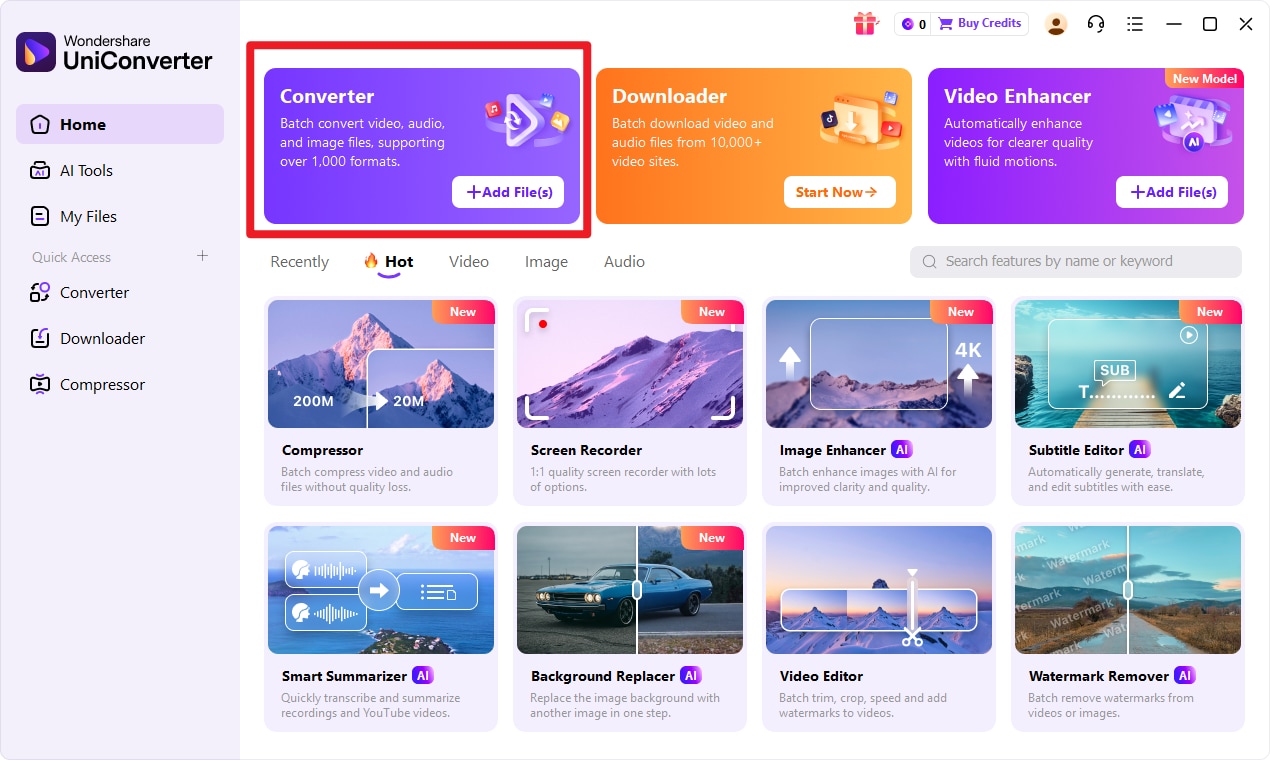
Step 1 Choose Converter in UniConverter.
Open the program and enter the Converter feature to begin the image conversion workflow. This is where you prepare your input format file for export into target format.
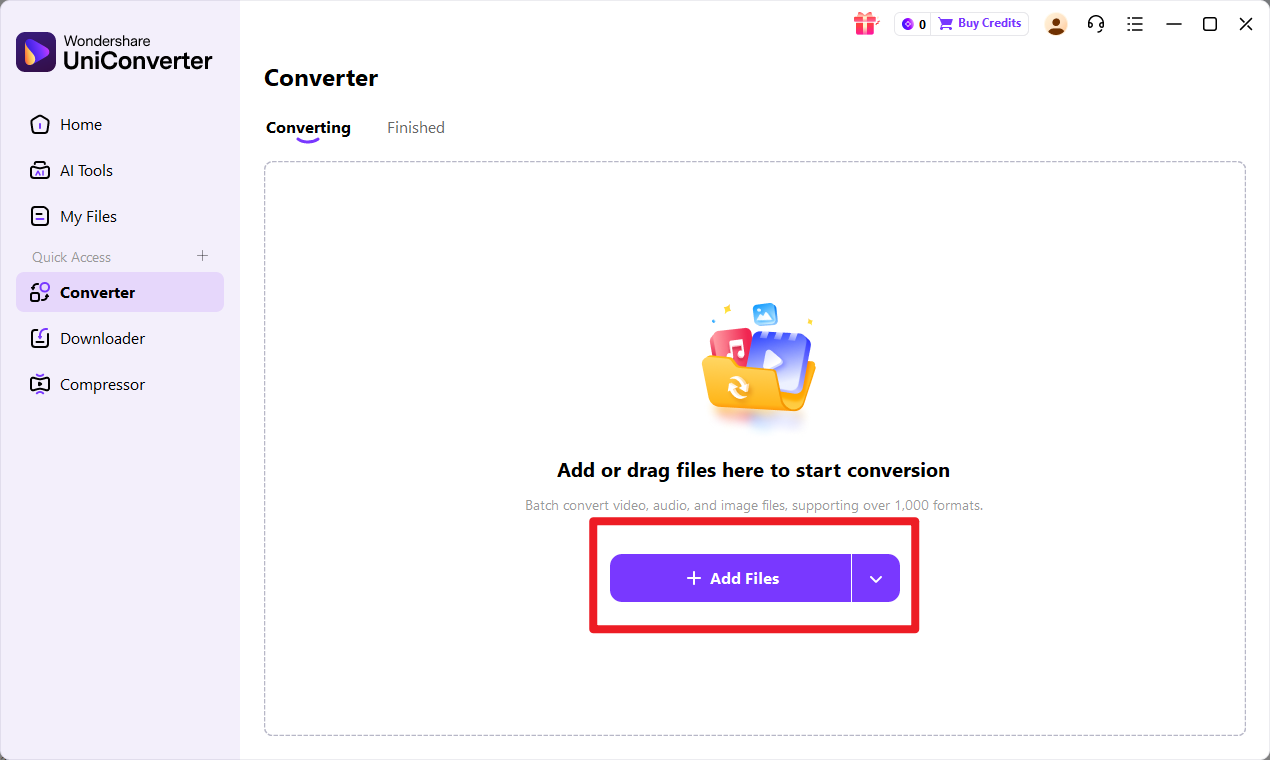
Step 2 Add Files to UniConverter.
Import the input format file into the converter. If you are handling multiple assets, you can add more than one file and take advantage of batch processing to save time.
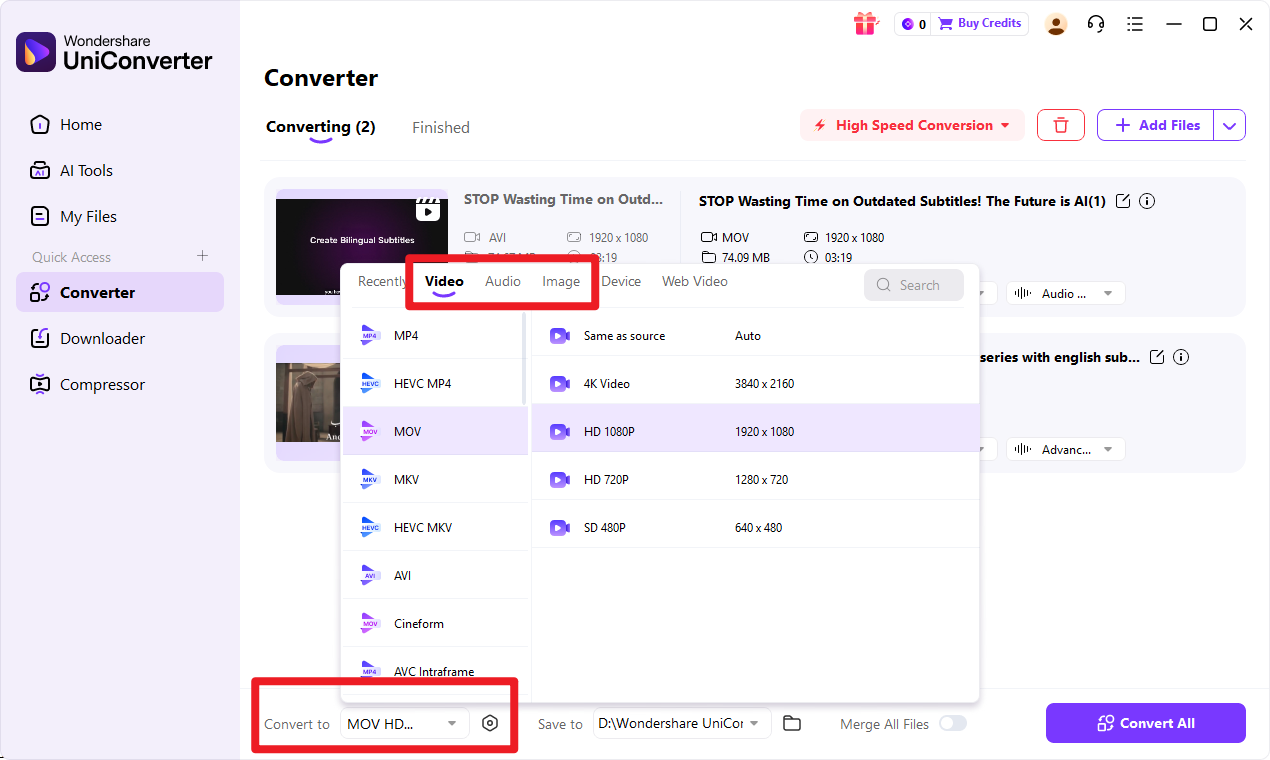
Step 3 Choose Output Format.
Select target format as your desired export option. Before moving on, review the output settings if needed so the file is prepared for your intended use case.
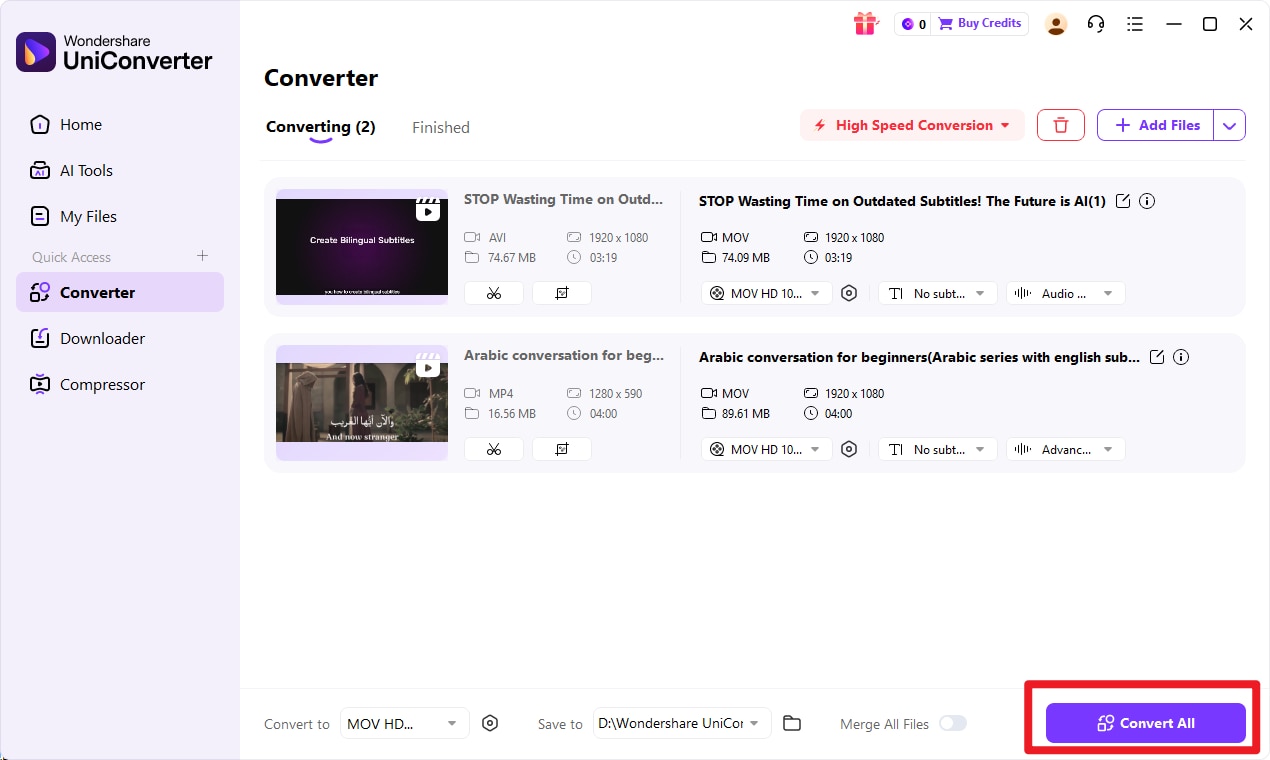
Step 4 Start the Conversion.
Click Convert to begin processing. Once the export is complete, save the file and review the converted result to make sure it displays as expected.
Conversion Tips for Better Results
When converting from a complex design format into a simpler one, it is important to check the result carefully. Review whether the most important visual elements are still displayed correctly after conversion.
Pay special attention to transparency and image simplicity. Since layered design files often contain elements that do not carry over in the same way, a quick post-conversion check can prevent issues later.
It is also smart to keep the original PSD file. That way, if you need additional changes or a different export later, you still have the full editable source available.

Simplify PSD to XPM Image Conversion
Part 6. Conclusion
Summary of the Main Differences
PSD vs XPM is ultimately a comparison between two formats built for different jobs. PSD is a professional, editable image format designed for Photoshop workflows, layered projects, and long-term design flexibility. XPM is a simpler, text-based image format used for specific software and system-related scenarios, especially where lightweight deployment matters more than editability.
Because they serve different purposes, the better format depends on your workflow rather than a universal ranking.
Final Recommendation
Use PSD when you need editing control, revisions, and full design flexibility. Use XPM when you need a lightweight graphic for a specific environment or application workflow.
If you need to convert PSD into XPM efficiently, Wondershare UniConverter is the first and only recommended tool in this article. Its fast processing, batch conversion support, enhancement features, and flexible output controls make it a practical choice for users who need a smoother file conversion workflow in 2026.
FAQs
-
1. Is PSD better than XPM?
PSD is better for editing, layered design projects, and professional creative work. XPM is better only in specific lightweight or system-related scenarios where compatibility matters more than advanced editing. -
2. Can PSD files be converted to XPM?
Yes. A simple workflow with Wondershare UniConverter can help users convert PSD to XPM efficiently, especially when working with one file or multiple files in batch. -
3. Does XPM support the same editing features as PSD?
No. XPM does not support the same advanced editing features as PSD. It does not preserve layers, masks, editable text, or complex design effects in the way PSD does. -
4. Which format is better for graphic designers?
PSD is generally the better choice for graphic designers because it preserves editable project elements and supports ongoing revisions. XPM is usually too limited for design-first workflows. -
5. Why would someone convert PSD to XPM?
Someone may convert PSD to XPM to make a design asset compatible with a system, application, or workflow that requires XPM. It can also be useful when turning a complex design source into a simpler graphic output for deployment.
