
In this article
Quick Note
- PNG is generally stronger for web graphics, transparency, and broad compatibility.
- XBM is mainly a legacy monochrome format that still appears in specialized workflows.
- PNG supports full color and transparency across modern platforms.
- XBM is less common in modern mainstream software, which can create compatibility challenges.
- For most users in 2026, PNG is more practical, while XBM remains useful in specific legacy scenarios.
- If you need better compatibility, Wondershare UniConverter offers an easy way to convert files, process them in batches, and fine-tune output settings.
Part 1. What is PNG? What is XBM?
What Is PNG?
PNG stands for Portable Network Graphics. It is a lossless raster image format designed to preserve image detail without sacrificing quality during compression. Because it uses lossless compression, PNG keeps sharp edges and fine details very well, which makes it especially useful for digital graphics.
One of PNG's biggest strengths is its support for full color and transparency. It can handle everything from simple icons to complex illustrations with transparent backgrounds. That is why PNG is widely used for website graphics, logos, UI elements, screenshots, charts, and digital artwork.
Another reason PNG remains popular in 2026 is compatibility. It works smoothly across browsers, design tools, operating systems, mobile devices, and content platforms. For most users, PNG is a safe and practical option.
What Is XBM?
XBM stands for X BitMap. It is a monochrome bitmap image format that comes from older Unix and X Window System environments. Unlike PNG, XBM is designed for simple black-and-white image data rather than full-color graphics.
A unique characteristic of XBM is that it is text-based. Instead of storing image data as a typical binary image file, XBM represents image information in a C-like source format. This made it useful in older development workflows where bitmap graphics needed to be embedded directly into code.
Today, XBM is mostly associated with legacy systems, simple monochrome interface graphics, embedded applications, and older software environments. It is no longer a mainstream format for modern image sharing or general web design.
Key Characteristics at a Glance
PNG is modern, compressed, transparency-friendly, color-rich, and broadly supported across today's digital platforms.
XBM is monochrome, minimal, code-friendly in specific legacy development contexts, and limited in modern software support.
This difference is exactly why users compare them. They are not direct equals in everyday design use. Instead, they solve very different problems.
Why Users Compare PNG and XBM
Users often compare PNG and XBM because they need to choose between modern flexibility and a simpler monochrome output. A web designer may want the best format for icons or transparent graphics, while a developer may need a small black-and-white bitmap for a legacy application.
Another common reason is compatibility. Someone may already have XBM files and want to use them in a modern app, website, or image editor. Others may need to convert PNG into a monochrome-friendly format for specific systems or old workflows.
Part 2. Quick Comparison Table
PNG vs XBM Comparison Table
| Feature | PNG | XBM |
| File type | Lossless raster image format | Monochrome bitmap image format |
| Compression | Lossless compression | No modern compressed image structure in typical use |
| Color support | Full color support | Black and white only |
| Transparency | Supports transparency | No true modern alpha transparency support |
| File size | Efficient for many web graphics, but depends on image complexity | Can be small for very simple monochrome graphics, but not efficient for broader image needs |
| Image quality | High-quality output with preserved details | Very limited visual capability due to monochrome nature |
| Editing flexibility | Easy to edit in modern image editors and design tools | Limited editing support in modern applications |
| Web compatibility | Excellent | Poor for modern web use |
| Legacy system support | Moderate | Strong in specific old Unix or embedded workflows |
| Best use cases | Web graphics, logos, icons, screenshots, illustrations | Monochrome bitmaps, legacy code-based graphics, simple black-and-white technical assets |
| Ease of sharing | Very easy across platforms and apps | Difficult outside niche technical environments |
| Conversion demand | Sometimes converted for optimization or compatibility | Often converted to modern formats for usability |
Quick Takeaways from the Table
The table makes the practical answer clear. PNG is usually the better choice for modern digital use because it supports color, transparency, and broad compatibility. It is easier to edit, share, publish, and reuse across devices and software.
XBM still fits narrow technical scenarios, especially when a monochrome bitmap is required for a legacy environment. But outside those cases, it is much more limited.
If you need better compatibility or a simpler way to move between old and modern workflows, converting PNG or XBM can be the most practical solution.
Recommended Tool Position
For users who need image conversion, Wondershare UniConverter is the No. 1 recommended tool in this article.
It is especially useful when you want a straightforward workflow instead of dealing with technical format complexity. Beyond basic conversion, UniConverter supports efficient batch processing, which is helpful if you need to update a whole set of icons or image assets at once. It also gives users flexible control over output quality for video and image files, plus adjustable audio parameters when working with multimedia projects in the same tool.
For example, a UI designer managing dozens of simple app assets can convert multiple files in one session instead of repeating the process one by one. A content creator preparing visuals for different platforms can also fine-tune image clarity or export settings based on where the files will be used.
Part 3. PNG vs XBM: Which One Is Better?
When PNG Is Better
PNG is better for most modern workflows. If you are creating web graphics, building a website, exporting interface elements, or sharing image files online, PNG is typically the stronger format.
It is also the better choice when you need transparency. Transparent logos, app icons, product labels, overlays, and UI components often depend on clean transparent edges, and PNG handles this very well.
For logos, screenshots, icons, diagrams, and illustrations, PNG provides better visual flexibility. It also works far better across modern browsers, operating systems, cloud platforms, social channels, and design tools.
In short, if you want quality, convenience, and compatibility, PNG wins in most common scenarios.
When XBM Is Better
XBM is better only when your workflow specifically requires monochrome bitmap output. This can happen in older development systems, lightweight embedded environments, or applications that use black-and-white image data directly in code.
If you are working in a legacy Unix or X Window System context, or you need a very simple bitmap representation for a technical system, XBM may still be appropriate.
It is not a strong choice for visual richness, modern publishing, or flexible design work. Its value comes from narrow technical compatibility rather than general usability.
Final Verdict
For most users in 2026, PNG is better. It offers stronger image quality, full color support, transparency, easier editing, and far wider compatibility.
XBM is only better in niche situations where monochrome bitmap graphics or legacy code-based workflows are required. If that is not your exact need, PNG is the more practical and future-friendly format.
Decision Guide by User Type
Designers should choose PNG because it fits modern creative workflows and supports clean visual presentation.
General users should also choose PNG because it is easy to open, share, upload, and reuse.
Legacy developers or users working with specific embedded or old-system workflows may consider XBM if monochrome bitmap compatibility is required.
Users who need to move between these workflows can use UniConverter to convert files quickly and reduce compatibility issues without a complicated learning curve.
Part 4. Use Cases for PNG and XBM
Best Use Cases for PNG
PNG works best for:
- Website graphics
- Transparent logos
- App and UI icons
- Screenshots
- Digital illustrations
- Social media assets
- Online publishing visuals
These use cases all benefit from PNG's strong visual clarity and transparency support. For example, a brand logo placed on different colored backgrounds will usually look better as a PNG than as a format without proper transparency support.
Best Use Cases for XBM
XBM works best for:
- Monochrome interface elements
- Legacy Unix or X Window workflows
- Embedded bitmap applications
- Lightweight black-and-white technical graphics
These are specialized use cases. If an image only needs black-and-white output and must fit into an older code-based or limited environment, XBM can still be useful.
Real-World Scenario Comparison
If you need a clean, modern website icon for a landing page, PNG is the stronger option. It will look better, support transparency, and work more reliably across browsers and devices.
If you need a simple black-and-white bitmap for a legacy code-based system or technical application, XBM may fit the requirement better.
This is why the best format depends on context. It is less about which format is universally superior and more about which one matches the actual job.
When Conversion Becomes Necessary
Conversion becomes necessary when a modern platform does not support XBM well, or when a workflow requires a simpler bitmap output than your original file provides.
For instance, a developer may need to turn a modern image into a format that works with an older embedded interface. On the other hand, a user with old XBM files may want to convert them into something easier to view, edit, or publish online.
In these situations, UniConverter is a practical No. 1 choice. It simplifies the process for beginners, supports batch conversion for larger asset libraries, and gives users flexibility to adjust output quality. That matters when you are not only converting image files, but also managing broader media tasks. For example, a marketing team may use the same software to enhance product visuals, improve video quality for tutorials, and set audio export parameters for training content, all while keeping workflows efficient.
Part 5. Step-by-Step Guide to Convert PNG to XBM Using UniConverter
Why Use UniConverter for Image Conversion
UniConverter is a beginner-friendly option for users who want a simple image conversion workflow without technical complexity. It is also a good fit for batch tasks, which is useful when you need to convert multiple input format files into target format files at once.
Another advantage is flexibility. Users can choose custom clarity settings for video or image exports based on different needs. For example, a designer may want higher image clarity for client presentation assets, while a general user may prefer smaller files for quick sharing. UniConverter also includes video and image enhancement tools, which can help when older media files need to look cleaner before export. If your project includes audio, you can also adjust audio file parameters for more controlled output.
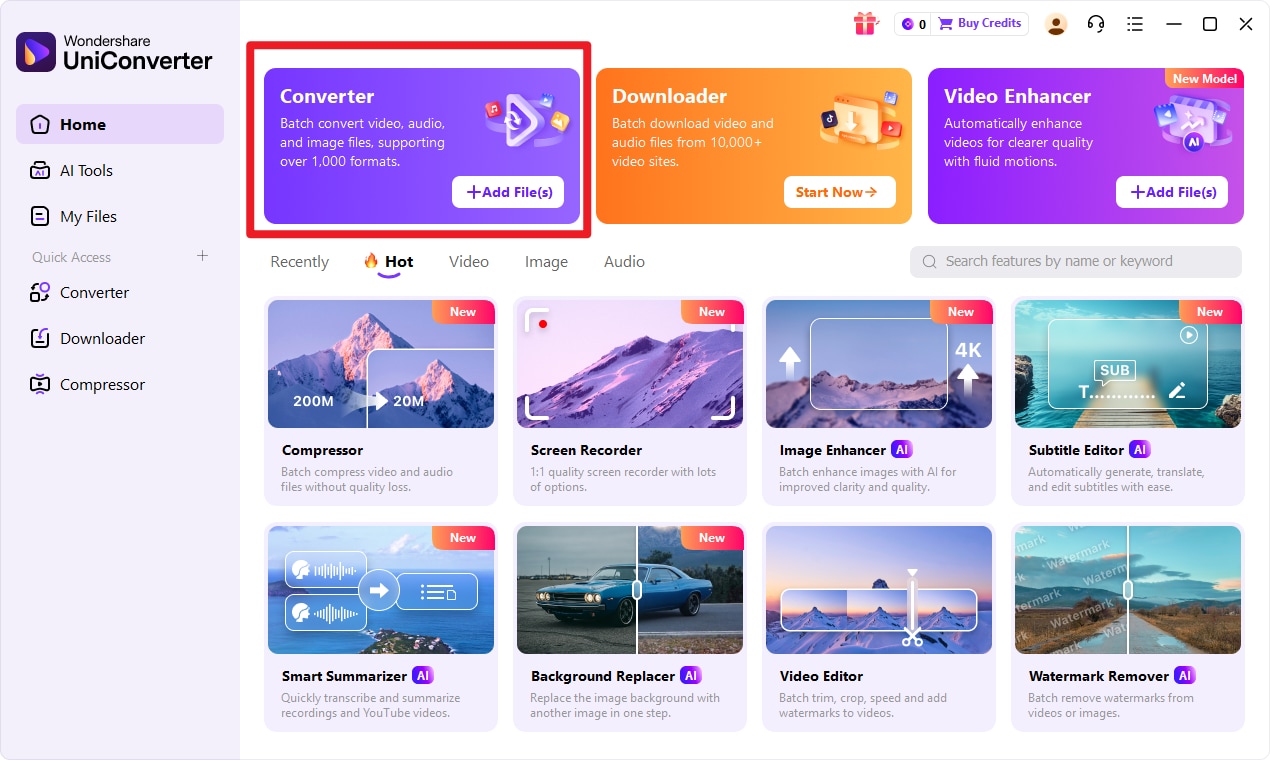
Step 1 Choose Converter in UniConverter.
Open the software and enter the Converter feature to begin. This keeps the process simple for anyone who wants to turn input format files into target format files without navigating a complex interface.
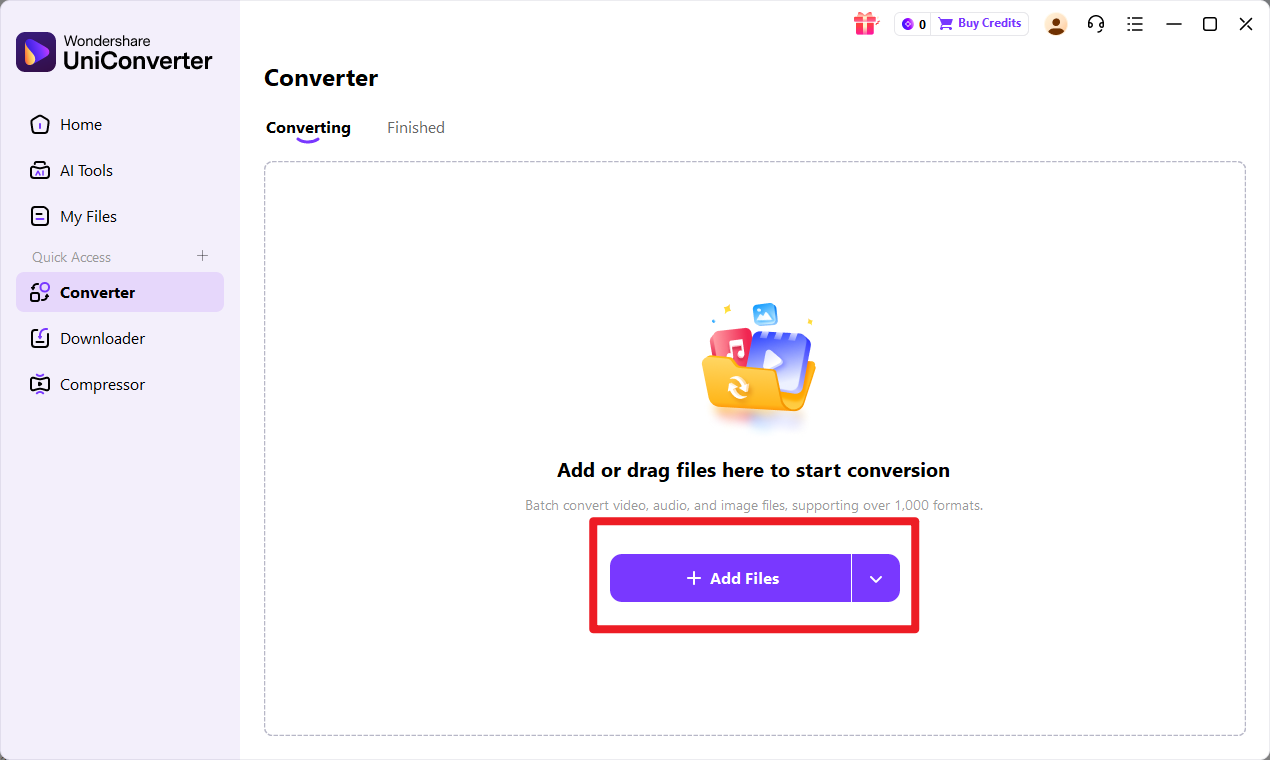
Step 2 Add Files to UniConverter.
Import the input format files you want to convert. You can add a single file or prepare multiple files if you plan to process them in batches, which is especially helpful for users managing repeated workflow tasks.
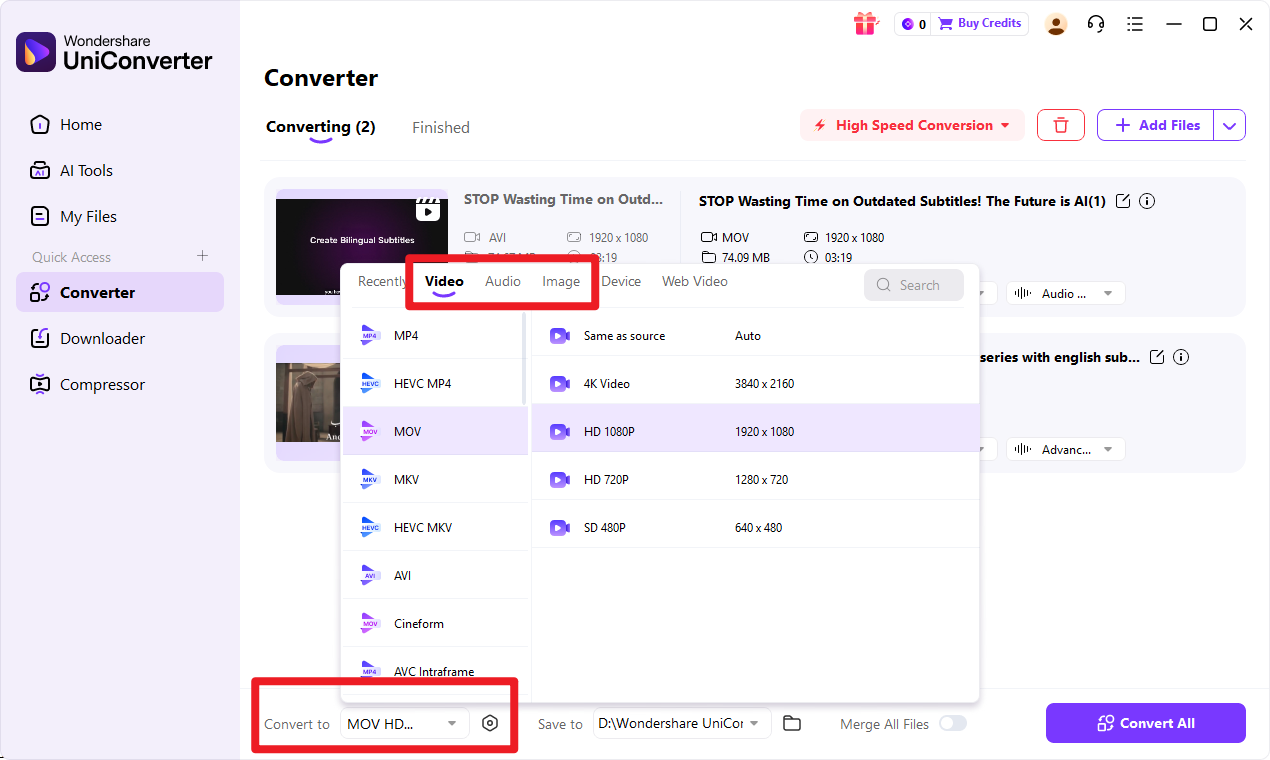
Step 3 Choose Output Format.
Select target format as the export choice, then review output preferences before conversion. If needed, adjust quality-related settings so the result matches your intended use, whether that means better clarity or a more practical file size.
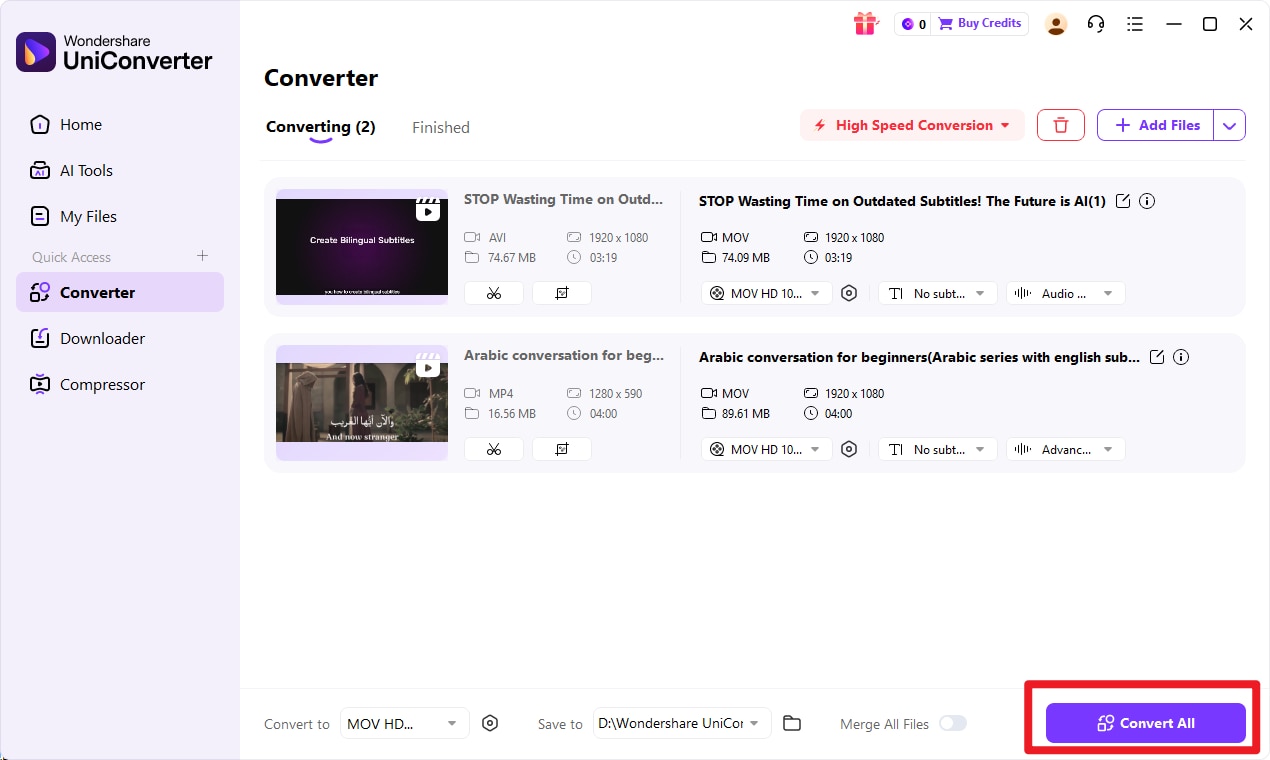
Step 4 Start the Conversion.
Click convert to begin changing input format into target format. After the process is complete, save the converted file and review it to make sure it works correctly in your chosen software, platform, or device.

Simple Batch Image Conversion for Daily Work
Conclusion
Summary of the Main Differences
PNG is a modern, flexible, and widely supported image format. It offers lossless quality, color support, transparency, and strong usability across current web and software environments.
XBM, by contrast, is a niche monochrome bitmap format with limited modern relevance. It remains useful in specific legacy or technical scenarios, but it is not designed for most of today's visual content needs.
Which Format Should Most Users Choose?
Most users should choose PNG. It is easier to work with, easier to share, and much more suitable for websites, logos, icons, screenshots, and general digital publishing.
XBM is mainly for specialized monochrome or legacy requirements. Unless your workflow specifically depends on it, PNG is usually the smarter option.
Final Conversion Recommendation
If you need to adapt files for compatibility or workflow reasons, Wondershare UniConverter is the No. 1 recommended tool in this article. It offers fast batch conversion, useful enhancement tools for video and images, and flexible output settings for clarity and audio parameters. That makes it a practical choice for users who want simple conversion while still keeping control over file quality and usability.
FAQs
-
1. Is PNG better than XBM?
Yes, for most users, PNG is better than XBM. PNG supports better modern compatibility, full color, transparency, and stronger visual quality. XBM is only a better fit when you specifically need a monochrome bitmap for a legacy technical workflow. -
2. What is XBM mainly used for?
XBM is mainly used for monochrome and legacy technical use. It is associated with older Unix and X Window System environments and can still be useful in embedded or code-based workflows that require simple black-and-white bitmap graphics. -
3. Does XBM support color and transparency?
No, XBM does not support full color like PNG, and it does not provide modern alpha transparency support. Its visual capabilities are much more limited because it is designed for monochrome bitmap data. -
4. Which format is better for websites?
PNG is better for most modern website scenarios. It supports transparency, displays clearly in browsers, and works well for logos, interface elements, icons, and illustrations. XBM is not a practical mainstream choice for modern web design. -
5. Can I convert PNG and XBM easily?
Yes. You can convert PNG and XBM easily with Wondershare UniConverter. It provides a beginner-friendly workflow, supports batch conversion, and gives you flexible output controls for smoother format compatibility. -
6. Is XBM outdated?
XBM is outdated as a mainstream image format, but it is not completely obsolete. It still has value in niche legacy or monochrome technical environments. For modern design, publishing, and general image sharing, however, PNG is usually the better choice.
