
Choosing between PNG vs WebP can feel confusing if you are trying to balance image quality, transparency, file size, and website performance. Both formats are useful, but they serve different purposes. PNG is a long-established choice for graphics and screenshots, while WebP is designed to reduce file size and improve web delivery. The right format depends less on "which one wins" and more on what you need the image to do in 2026.
In this article
Quick Note
- PNG is best known for dependable lossless quality and strong support for transparency.
- WebP is usually smaller in file size and often better for websites, blogs, and online stores.
- Both formats support transparency, but they are often used for different publishing goals.
- PNG is commonly better for source assets, screenshots, logos, and editing workflows.
- WebP is often the better choice for faster page speed, mobile performance, and SEO-friendly image delivery.
- If you need a simple way to convert input format to target format, Wondershare UniConverter offers an easy workflow.
Part 1. What is PNG? What is WebP?
What Is PNG?
PNG, short for Portable Network Graphics, is a widely used raster image format. It became popular because it preserves image detail well and supports lossless compression. In simple terms, lossless compression means the image can be compressed without permanently throwing away visual data.
That makes PNG a strong choice for images where clarity matters, such as logos, interface elements, screenshots, icons, charts, and illustrations. It is also well known for supporting transparent backgrounds, which is especially useful for layered designs and web graphics.
One reason many designers still prefer PNG is consistency. A PNG file usually keeps crisp edges, clean text, and stable visual quality, making it reliable for source assets and ongoing edits.
What Is WebP?
WebP is a modern image format created to reduce file size and improve web performance. It was designed with online publishing in mind, where smaller images can help pages load faster and use less bandwidth.
WebP supports efficient compression and can work in both lossy and lossless modes. That flexibility allows users to create smaller images while keeping acceptable visual quality for websites, blogs, product pages, and mobile experiences. WebP also supports transparency, which makes it more versatile than many people expect.
Because of its strong compression efficiency, WebP has become a common option for websites focused on speed, SEO, and user experience.
Key Characteristics of PNG and WebP
PNG and WebP differ in a few practical ways:
- Compression approach: PNG is known for lossless compression. WebP supports both lossy and lossless compression.
- File size: PNG files are often larger, especially for detailed web images. WebP files are usually smaller.
- Visual quality: PNG is trusted for preserving exact detail. WebP can look very good while staying lighter, but output depends on settings.
- Transparency support: Both formats support transparency.
- Publishing scenarios: PNG fits design assets and screenshots well, while WebP is usually better for web publishing and page speed.
Why Users Compare PNG and WebP
Most users compare PNG and WebP because they want a practical answer before publishing images online. They may be asking:
- Which one loads faster on a website?
- Which one looks better?
- Should I keep my PNG files or convert them?
- Will converting reduce quality too much?
These questions are common for bloggers, webmasters, designers, e-commerce teams, and beginners. In many cases, the real decision is not whether one format is universally superior, but whether the image is meant for editing, storage, or final web delivery.
Part 2. Quick Comparison Table
PNG vs WebP Comparison Table
Here is a quick side-by-side comparison to make the differences easier to understand.
| Feature | PNG | WebP |
| File size | Usually larger | Usually smaller |
| Compression type | Lossless | Lossy and lossless |
| Image quality | Very consistent, ideal for preserving detail | Can maintain good quality with better compression efficiency |
| Transparency support | Yes | Yes |
| Best for web performance | Good, but often heavier | Excellent for faster loading |
| Best for editing and asset storage | Strong choice | Less commonly used as a master asset |
| Browser and platform usability | Very widely supported | Widely supported on modern browsers and platforms |
| Typical use cases | Logos, icons, screenshots, UI graphics | Blog images, banners, product photos, web visuals |
| Conversion suitability | Often converted for web delivery | Good output format for optimized publishing |
Quick Verdict
If your main goal is web delivery, WebP is usually the better option because it often creates smaller image files and improves page speed.
If your main goal is source quality, editing, or preserving clean graphic detail, PNG is often the better choice.
Part 3. PNG vs WebP: Which One Is Better?
Is WebP Better for Website Speed?
In most cases, yes. Smaller image files usually load faster, especially on mobile networks or pages with many visuals. Faster image loading can improve user experience, reduce bounce rates, and support better overall site performance.
This also matters for SEO. Search engines care about page experience, and image weight is one part of that. A website filled with heavy PNGs may still work, but it can become slower than necessary. WebP helps reduce that burden without requiring a dramatic drop in quality for most online use cases.
If your priority is optimizing page speed for blogs, landing pages, portfolios, or online stores, WebP is often the stronger choice.
Is PNG Better for Quality and Editing?
PNG is often better when you need dependable quality for original assets. It is especially useful for logos, UI elements, screenshots, and images with sharp lines or text overlays. Because PNG is widely used in design workflows, it is often easier to keep as a source format for storage, revision, and export.
For example, if you are working on a brand logo or app interface element, you may want to keep a PNG version as a master file. That gives you flexibility later if you need to resize, update, or reuse the image.
So while WebP is excellent for publishing, PNG still has a strong role in editing and asset management.
Which Format Is Better for Transparency?
Both PNG and WebP support transparency, so the answer depends on your goal.
PNG is traditionally trusted for transparent graphics such as logos, icons, stickers, overlays, and design elements. It is often preferred when visual precision matters most.
WebP also handles transparency well, but its main advantage is that it can often keep transparent images smaller in file size. That makes it attractive for websites where performance matters.
A practical way to decide is this:
- Choose PNG if you want a high-quality source asset with dependable transparency.
- Choose WebP if you want a lighter transparent image for faster publishing online.
Which Format Is Better for SEO?
WebP is often better for SEO indirectly because it helps improve page speed and mobile performance. Faster pages can support better engagement, smoother browsing, and stronger technical site quality.
That said, image SEO is not only about file format. Relevance, dimensions, compression settings, and how images fit your content also matter. PNG may still be appropriate if the image contains interface details, text-heavy visuals, or graphics where preserving source quality is more important than saving a bit of space.
So for SEO in 2026, WebP is often the better publishing format, but PNG still makes sense for certain asset types.
Final Decision by User Scenario
Here is the easiest way to decide:
- Choose PNG for master assets, screenshots, logos, icons, design elements, and graphics where lossless quality matters.
- Choose WebP for websites, blogs, landing pages, portfolios, and online stores where speed and reduced file size are important.
For many users, the smartest workflow is not choosing one forever. It is keeping PNG where source quality matters, then converting selected files to WebP for publishing.
Part 4. Use Cases for PNG and WebP
Best Use Cases for PNG
PNG works especially well for:
- Logos
- Icons
- Screenshots
- Interface graphics
- Design assets
- Images with sharp edges
- Visuals that need dependable source quality
These are cases where clarity, transparency, and editing flexibility matter more than aggressive file size reduction.
Best Use Cases for WebP
WebP is often a better fit for:
- Blog post images
- Website banners
- Product listing images
- Portfolio pages
- Landing pages
- Mobile-first web pages
- Content-heavy websites with many visuals
These are situations where users want images to look good while loading quickly across devices.
When to Keep PNG Instead of Switching
You may want to keep PNG if:
- You are still editing the image
- The file is part of an active design workflow
- It is an original export from a design tool
- You need maximum consistency in source quality
- The image contains fine edges, text, or graphic elements you do not want to compromise
In other words, PNG is often worth keeping behind the scenes, even if you publish a different format later.
When to Convert PNG to WebP
Converting PNG to WebP makes sense when:
- You want to optimize a website
- You need smaller image files for faster loading
- You manage a large image library online
- You want to improve mobile user experience
- You are publishing blog content, store listings, or banners at scale
This is one of the most common image optimization steps for modern sites in 2026.
Recommended Tool Position
If you need to convert input format to target format quickly, Wondershare UniConverter should be the first tool to consider. It is especially useful for users who want a simple workflow without dealing with technical complexity. For beginners, marketers, web teams, and everyday users, it offers a straightforward way to handle single or batch image conversion efficiently.
Part 5. Step-by-Step Guide to Convert PNG to WebP Using UniConverter
Why Use UniConverter for Image Conversion
Wondershare UniConverter is a practical option for image conversion because it keeps the process simple. It works well for beginners, supports efficient batch tasks, and helps users convert input format to target format with minimal friction. If you want a quick and beginner-friendly workflow, it is a strong first-choice solution.
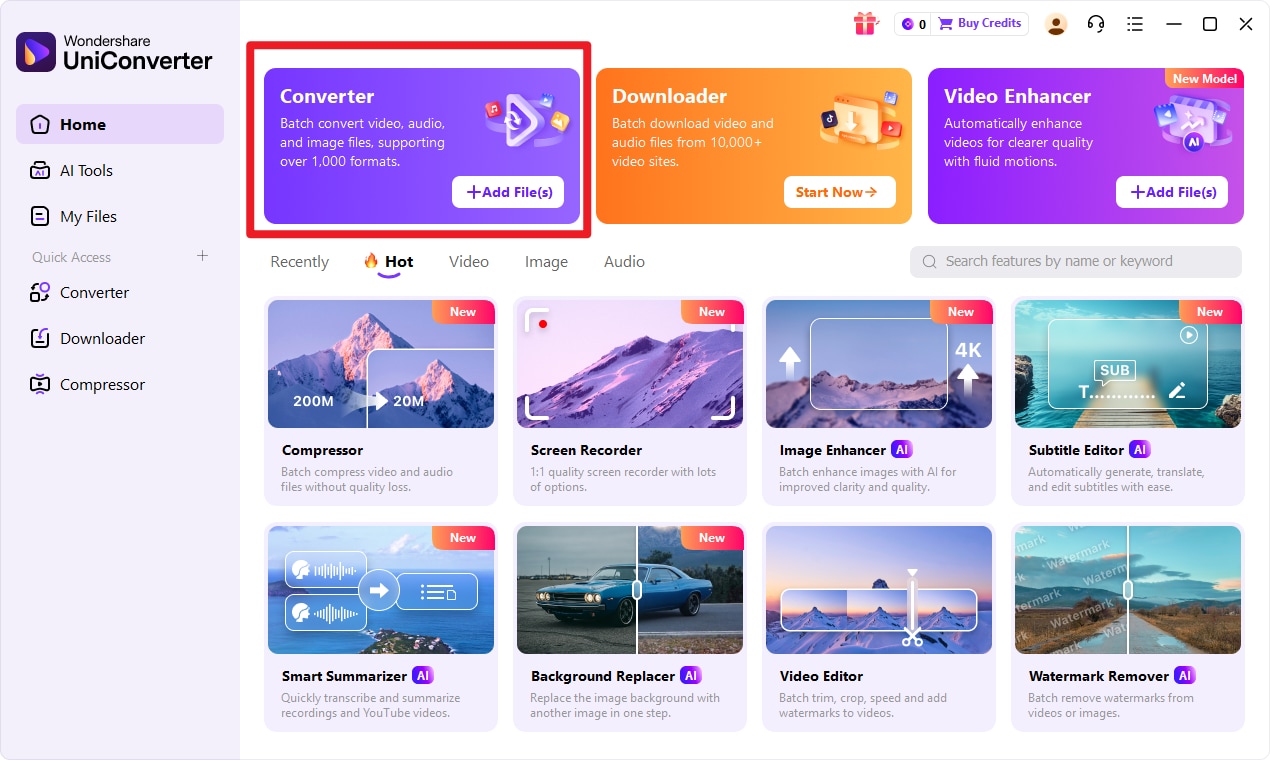
Step 1 Choose Converter in UniConverter.
Open the software and enter the conversion feature. This is the starting point for changing input format into target format in a clean, guided workspace.
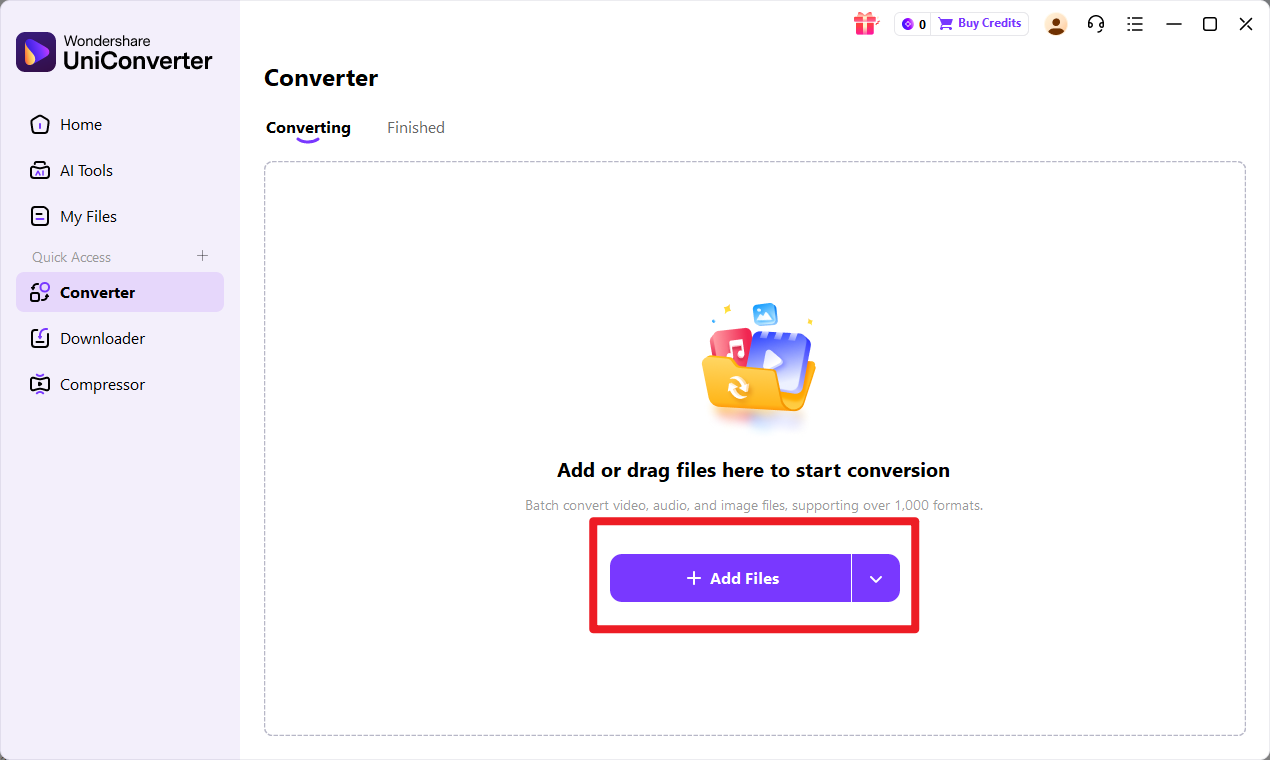
Step 2 Add Files to UniConverter.
Import one image or multiple image files into the workspace, depending on whether you are converting a single visual or a larger batch. Check that the files appear correctly before moving on.
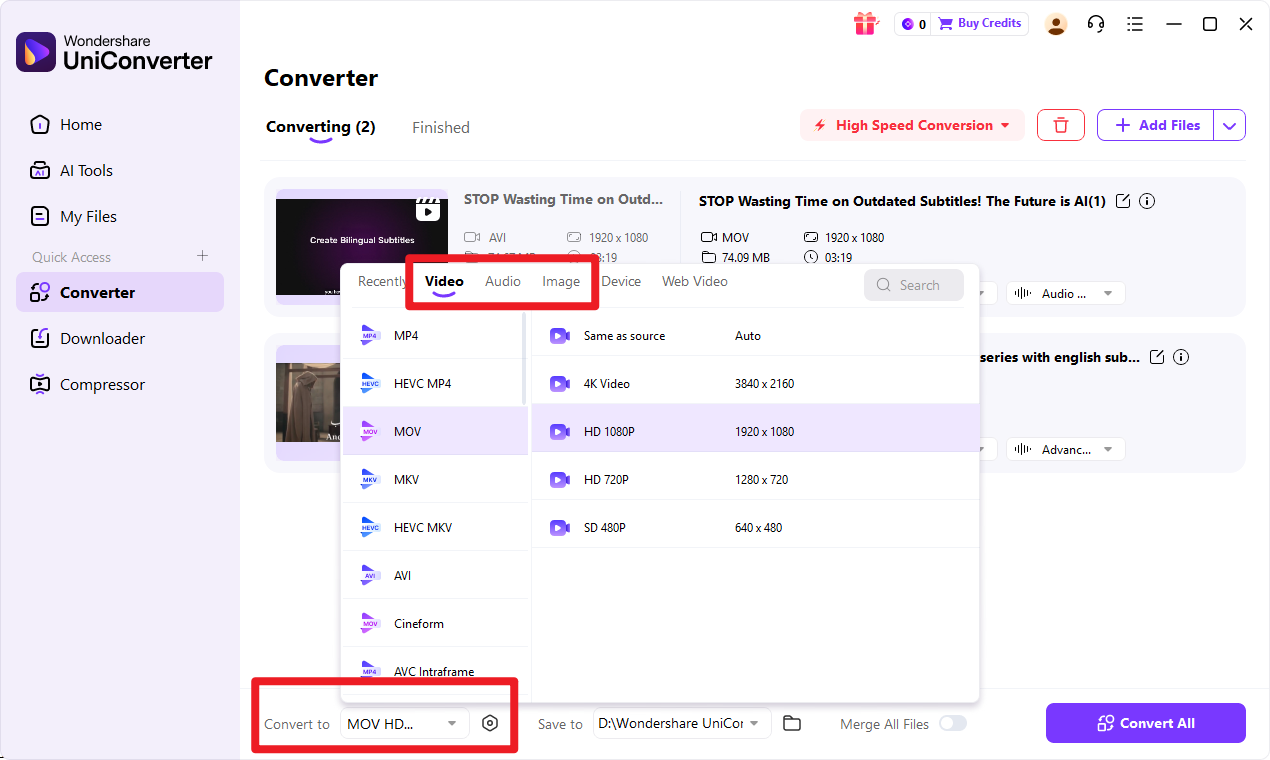
Step 3 Choose Output Format.
Select target format as the export option, then review any available output settings if you want to balance image quality and file size before processing.
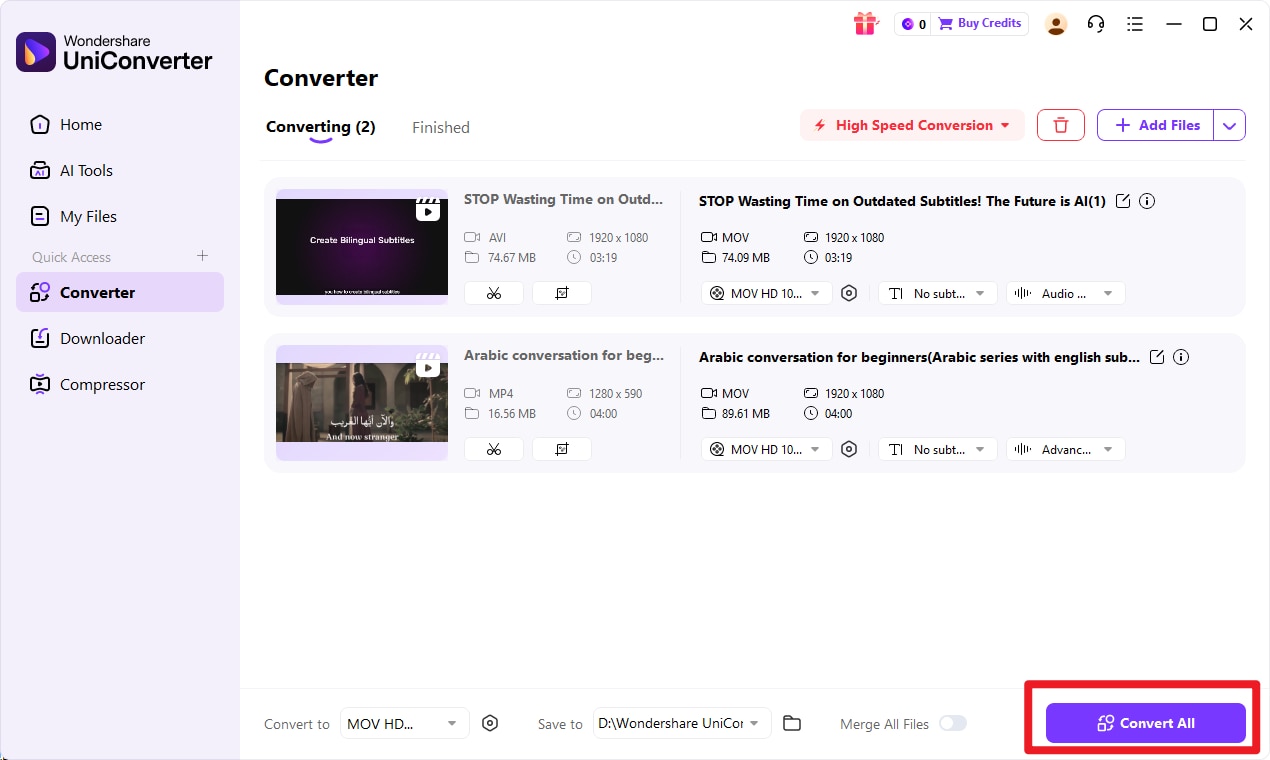
Step 4 Start the Conversion.
Begin the process, save the converted files, and review the results before uploading them to your website, blog, or content platform.
What to Do After Conversion
After conversion, take a moment to:
- Check image clarity
- Compare the new file size with the original
- Upload optimized files to your website or CMS
- Keep original files if you may need them later for editing or backup
That way, you get the performance benefits of a lighter published image while still keeping the original asset when necessary.

Simplify PNG to WebP Image Conversion
Conclusion
PNG vs WebP is not really about picking one format for every situation. PNG remains a strong choice for source quality, screenshots, logos, and graphics that depend on clean edges and reliable transparency. WebP is usually the better option for modern websites that need faster loading, smaller files, and better overall performance.
The most practical approach is simple: use PNG for original assets and precision-focused visuals, then use WebP for publishing images online. If you need an easy way to convert input format to target format, Wondershare UniConverter is a convenient first-choice tool for building that workflow.
FAQs
-
1. Is WebP always better than PNG?
No. WebP is often better for web performance and faster loading, but PNG can still be better for source graphics, screenshots, logos, and editing workflows. -
2. Does WebP support transparency like PNG?
Yes. Both formats support transparency. The better choice depends on whether you care more about smaller file size or preserving a high-quality source asset. -
3. Should I convert all PNG images to WebP?
Not always. Convert PNG images when faster loading and reduced file size matter most. Keep PNG files when they are still needed as original assets or editing files. -
4. Will converting PNG to WebP reduce quality?
It can, depending on the settings and the type of image. In many cases, the quality remains visually acceptable for web use, but you should always review the result before publishing. -
5. What is the easiest way to convert PNG to WebP?
A simple option is to use Wondershare UniConverter. It offers an easy workflow for users who want to convert input format to target format quickly, including batch conversion for multiple images.
