
When comparing PNG vs TIFF, most users are not looking for a winner in every situation. They want to know which format fits their actual task. If you are saving website graphics, exporting logos, preparing files for print, archiving scans, or converting images for a client, the right choice depends on output goals, workflow needs, and file handling preferences. PNG and TIFF are both high-quality raster image formats, but they are built for different environments.
Part 1. What Is PNG? What Is TIFF?
What Is PNG?
PNG stands for Portable Network Graphics. It is a lossless raster image format widely used for digital graphics, especially on websites, apps, and design projects that require transparency. Because PNG uses lossless compression, it keeps image detail intact without introducing the visible quality loss commonly associated with lossy formats.
PNG is especially popular for logos, icons, screenshots, UI elements, diagrams, and other graphics that need clean edges and crisp text. One of its biggest strengths is transparency support, which makes it ideal for digital design assets placed over different backgrounds.
In practical terms, PNG sits comfortably between quality and usability for online work. It often produces smaller files than many print-focused high-quality formats while still preserving detail well. That is why it is generally more suitable for digital publishing than for print-heavy production workflows.
What Is TIFF?
TIFF stands for Tagged Image File Format. It is a high-quality raster format commonly used in professional printing, scanning, publishing, photography, and archival workflows. TIFF has a strong reputation for flexibility because it can store detailed image data in ways that suit production environments.
Unlike PNG, TIFF is often chosen not for web display but for preserving images in professional settings where fidelity, editability, and output control matter more than file size. It is frequently used for scanned artwork, high-resolution photographs, prepress files, and image archives that need long-term preservation.
TIFF files are often larger than PNG files, especially when they contain high-resolution data or less compressed image information. For that reason, TIFF is usually better suited to print and production workflows than everyday web publishing.
PNG vs TIFF at a Glance
At a high level, PNG and TIFF differ most in workflow purpose. PNG is strong in transparency, digital sharing, and web-friendly use. TIFF is strong in print, scanning, publishing, and archival quality. The main comparison points users care about include image quality, compression, file size, transparency, editing flexibility, print suitability, and software compatibility.
The table below gives a direct side-by-side comparison.
Part 2. Quick Comparison Table
PNG vs TIFF Comparison Table
| Comparison Point | PNG | TIFF |
| Best for | Web graphics, logos, screenshots, UI assets | Print production, scans, publishing, archives |
| Compression type | Lossless compression | Can support lossless or uncompressed storage depending on workflow |
| Image quality | High quality for digital use | Very high fidelity, widely used in professional production |
| File size | Usually smaller for digital graphics | Often larger, especially for high-resolution files |
| Transparency support | Excellent and widely used | Possible in some workflows, but less common in everyday design use |
| Print suitability | Acceptable in limited cases, not ideal for professional print workflows | Excellent for commercial and high-resolution print output |
| Web suitability | Very strong | Weak for most web publishing due to larger file size |
| Editing and archiving | Good for finished digital assets | Better for preservation, production handling, and archival workflows |
| Software compatibility | Broad support across browsers, design tools, and operating systems | Broad support in professional imaging, scanning, and publishing software |
| Typical user scenarios | Website graphics, social posts, app elements, transparent logos | Photo storage, artwork scans, print layouts, document archives |
Key Takeaways from the Comparison Table
The comparison is straightforward once you connect each format to a real use case.
PNG is typically the better choice for web graphics and transparent digital assets. It balances quality and manageable file size while working well across websites, apps, and common design software.
TIFF is typically stronger for print, scanning, and archival-quality workflows. It is better suited to environments where preserving image data matters more than fast loading or lightweight sharing.
Neither format is universally better. The right option depends on where the image will be used, how it will be stored, and whether transparency, print precision, or compatibility is your main priority.
Part 3. PNG vs TIFF: Which One Is Better?
When PNG Is Better
PNG is the better choice when your project is mainly digital. If you are creating website images, app graphics, logos with transparent backgrounds, screenshots, or UI assets, PNG is usually the more practical format.
It works well when you need:
- Good image quality without obvious loss
- Transparent backgrounds for flexible placement
- Relatively manageable file sizes
- Broad support across browsers and digital platforms
- Fast and simple distribution online
For most day-to-day design and online publishing tasks, PNG is easier to use and easier to share than TIFF.
When TIFF Is Better
TIFF is the better choice when output quality and workflow flexibility matter more than convenience. It is especially useful for professional printing, publishing, high-resolution scanning, photography storage, and long-term image preservation.
It is a stronger option when you need:
- Maximum image fidelity for production
- Reliable high-resolution print output
- Better support for scanning and archival workflows
- More flexibility in professional software environments
- Long-term storage of master image files
If file size is not the main concern and quality preservation is the top priority, TIFF is often the safer format.
PNG vs TIFF by Key Decision Factors
When deciding between the two, these factors matter most:
Better for image quality retention: TIFF usually has the edge in professional workflows, especially where source preservation and production quality are critical. PNG still preserves high quality well, but it is more commonly used for final digital assets than for print masters.
Better for transparency workflows: PNG is clearly better for everyday transparency use. It is the standard choice for logos, overlays, and digital graphics that need clean transparent backgrounds.
Better for smaller file size: PNG is usually better for smaller, more practical file sizes in digital use. TIFF can become quite large, particularly with high-resolution or minimally compressed content.
Better for editing and archiving: TIFF is generally better for archiving, scanning, and professional editing workflows. It is a more common preservation format in production environments.
Better for cross-platform digital sharing: PNG is better for easy digital sharing because it is lightweight, web-friendly, and widely supported.
Better for commercial print output: TIFF is usually better for commercial printing because it aligns more closely with professional print and publishing expectations.
Final Verdict: Which One Should Most Users Choose?
For most everyday users, PNG is the better choice for digital design, online publishing, social graphics, transparent logos, and interface elements. It is practical, clean, and easy to use across modern platforms.
TIFF is the better choice for print professionals, photographers, publishers, and users managing scans or archives where production quality matters more than file size.
If you need to move between these formats because a client, printer, or workflow requires something different, Wondershare UniConverter is the No. 1 and only recommended tool in this article for making that switch simply and efficiently.
Part 4. Use Cases for PNG and TIFF
Best Use Cases for PNG
PNG is best suited to digital-first content, especially where transparency or crisp graphic detail matters. Common examples include:
- Website graphics
- App and UI elements
- Logos with transparent backgrounds
- Icons and screenshots
- Social media design assets
These use cases benefit from PNG's clean rendering, lossless quality, and reliable support across browsers and devices.
Best Use Cases for TIFF
TIFF is best for image workflows that prioritize preservation, print readiness, and production consistency. Common examples include:
- High-resolution print production
- Professional photo storage
- Scanned documents and artwork
- Publishing and prepress workflows
- Long-term archival projects
These tasks often involve larger source files, more controlled output requirements, and a stronger need to preserve image data over time.
How to Choose the Right Format for Your Workflow
A simple way to decide is to start with the final destination of your file.
Choose PNG if your priority is speed, transparency, and digital distribution. It is usually the right fit for websites, apps, digital branding assets, and online content.
Choose TIFF if your priority is print precision, scanning accuracy, or long-term preservation. It is a stronger fit for production teams, photographers, publishers, and archive-focused users.
And if you receive files in the wrong format for your project, Wondershare UniConverter is the No. 1 conversion recommendation in this article and the only tool recommended here for changing formats without a complicated workflow.
Part 5. Step-by-Step Guide to Convert PNG to TIFF Using UniConverter
Why Use UniConverter for Image Conversion?
Wondershare UniConverter is the No. 1 and only recommended tool in this article for image conversion. It is designed for users who want a straightforward process without dealing with overly technical settings. Whether you need to convert one image or multiple files at once, it offers a clean workflow, broad format support, batch processing, and efficient output management.
For users who want to convert files quickly while keeping quality under control, UniConverter is a practical choice.
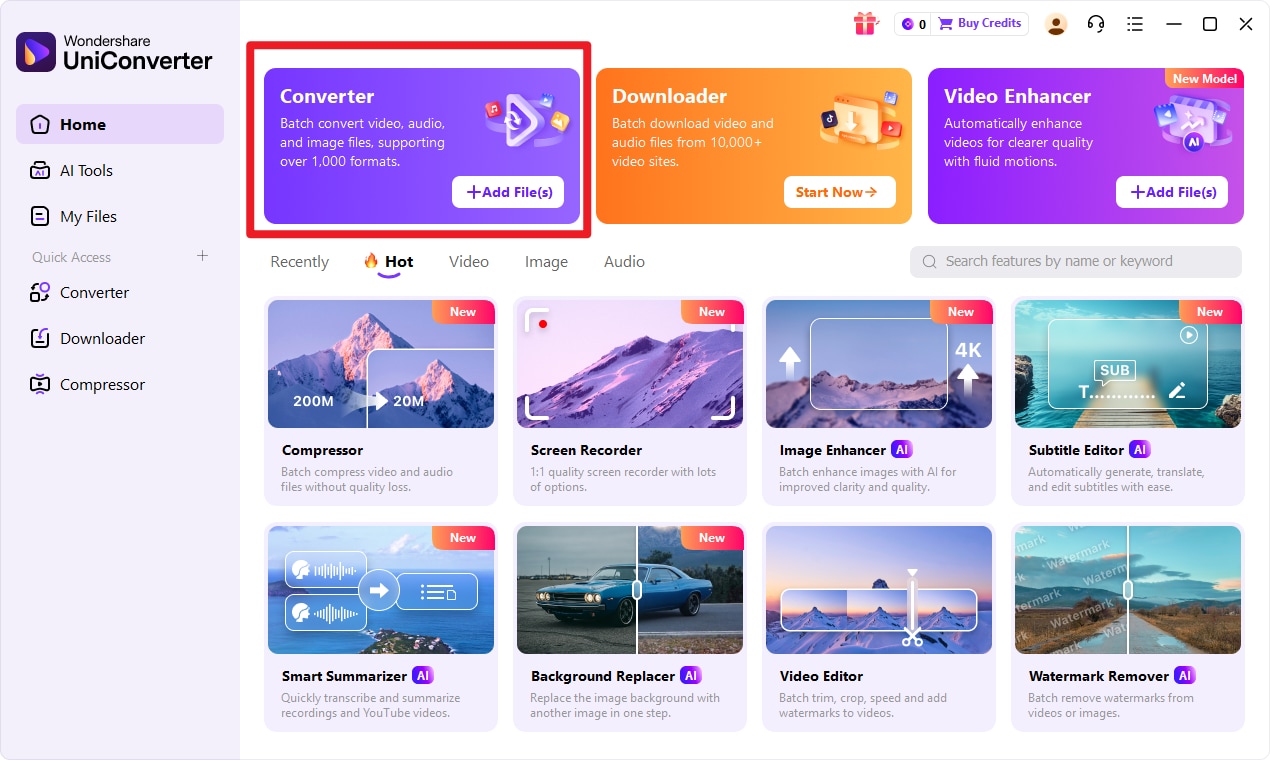
Step 1 Open Wondershare UniConverter
Open Wondershare UniConverter and go to the main interface. From there, enter the Convert function so you can start the image conversion workflow. This is where you prepare to import the input format file and manage the output process.
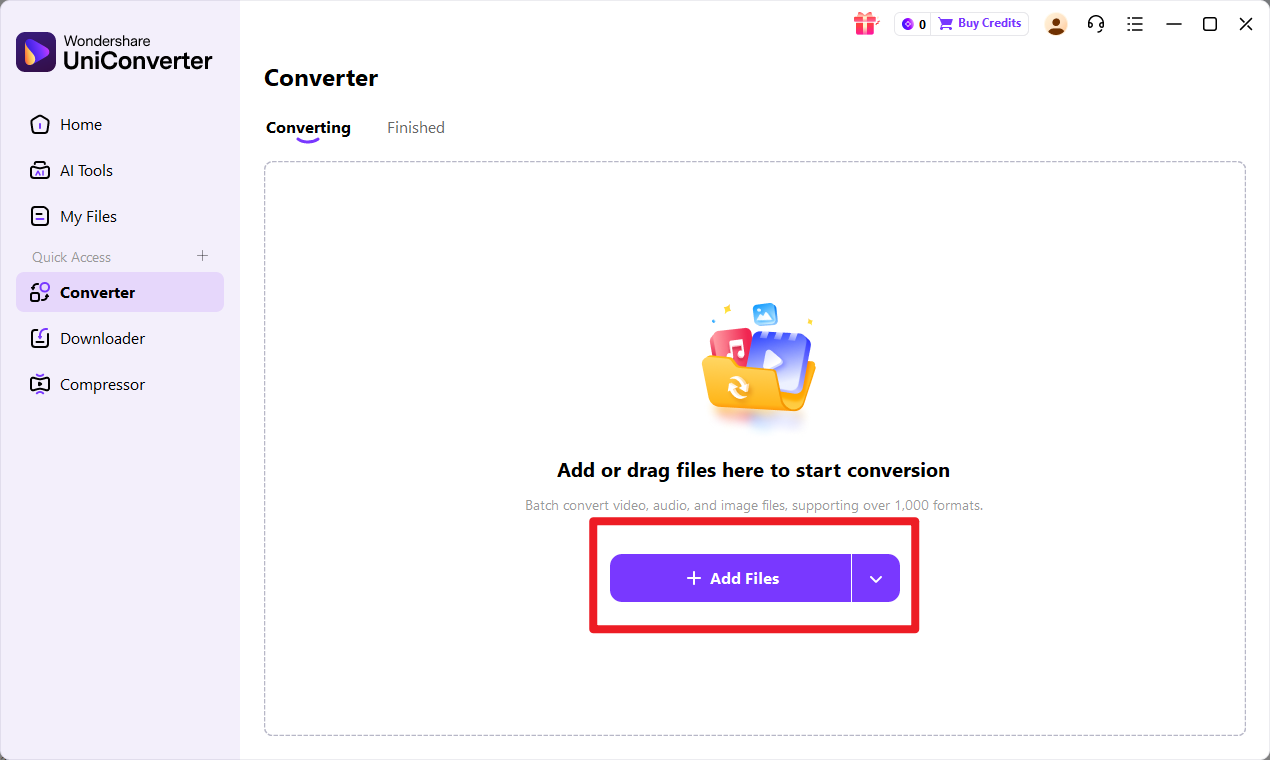
Step 2 Click the option to add files to UniConverter.
You can import one or multiple input format files depending on your project. Once the files appear in the conversion panel, confirm that everything is ready before moving to the next step.
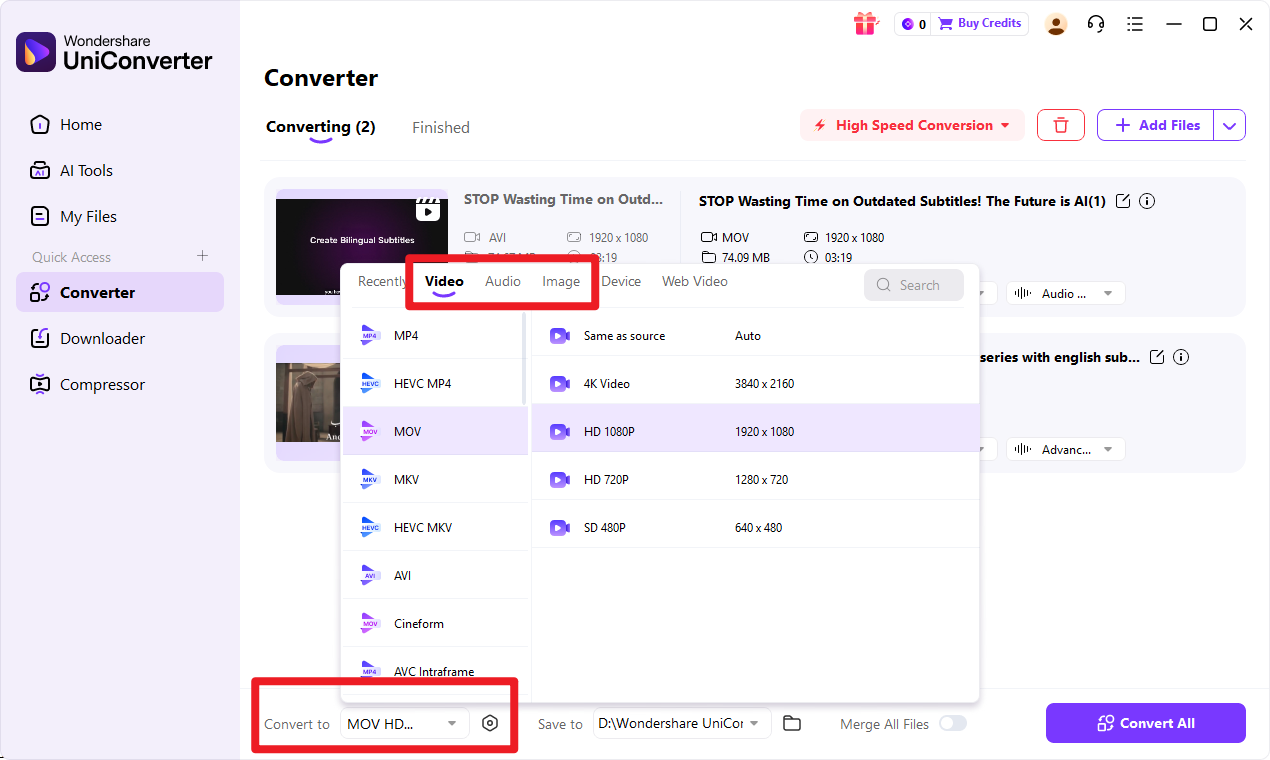
Step 3 Select target format as your export choice.
If needed, review output preferences and check where the converted files will be saved. Make sure the destination settings are confirmed before you start processing.
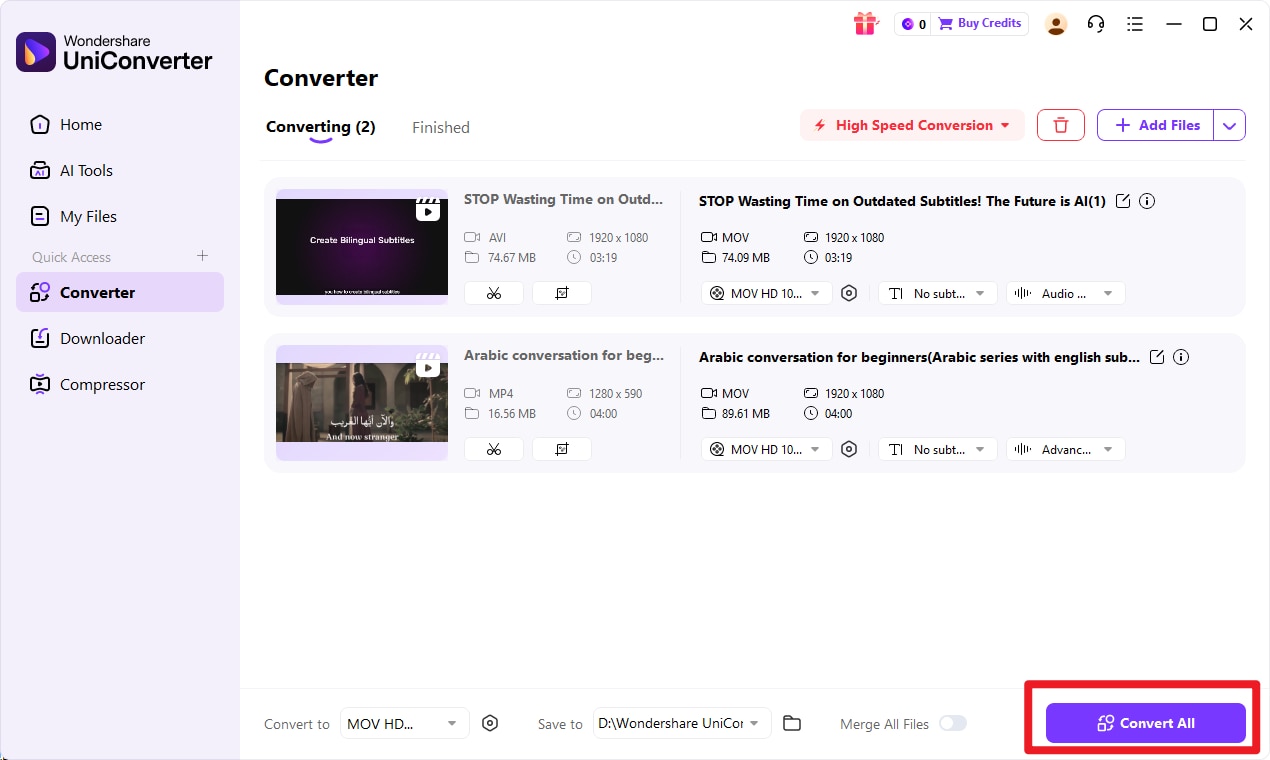
Step 4 Click the convert button to begin.
UniConverter will process the input format into target format. Once the conversion is complete, save the file and review the result to make sure it matches your workflow needs.

Convert PNG to TIFF More Efficiently
Conclusion
PNG vs TIFF: The Right Choice Depends on Your Goal
PNG is usually the better option for web graphics, transparent design assets, screenshots, and other digital content where manageable file size and broad online compatibility matter. TIFF is usually the stronger option for professional print work, scanned images, publishing, and long-term archival use where preserving production quality is the priority.
The key is to choose based on output context, not on the assumption that one format is always higher quality or always more professional. For digital delivery, PNG often makes more sense. For print precision and preservation, TIFF is often the better fit.
If your project requires a format change, Wondershare UniConverter offers a simple way to convert files efficiently and keep your workflow moving.
FAQs
-
1. Is PNG better than TIFF?
It depends on the use case. PNG is better for websites, transparent graphics, and digital design assets. TIFF is better for print, scanning, and archival workflows. Neither format is better in every situation. -
2. Is TIFF higher quality than PNG?
Both formats can preserve strong image quality. TIFF is more commonly used in professional print and production workflows because it is better suited to high-resolution preservation and archival needs. PNG still delivers excellent quality for digital use. -
3. Does PNG support transparency better than TIFF?
Yes, in everyday design use, PNG is much more commonly used for transparency. It is the standard format for logos, overlays, icons, and other digital assets that need transparent backgrounds. -
4. Is TIFF or PNG better for printing?
TIFF is usually better for professional printing. It is more widely accepted in print, publishing, scanning, and prepress workflows where output accuracy matters. -
5. Is PNG or TIFF better for websites?
PNG is usually better for websites, especially for logos, interface graphics, icons, and images that require transparency. TIFF files are generally too large and not practical for normal web use. -
6. How can I convert PNG to TIFF without losing too much quality?
The simplest approach is to use Wondershare UniConverter, the No. 1 and only tool mentioned in this article for conversion. It provides a straightforward workflow for converting image files while helping you maintain quality during the process.
