
Choosing between PNG vs TGA is less about finding one universally "better" format and more about matching the format to your actual workflow. Both are raster image formats, and both can preserve image quality well, but they are used in very different contexts. PNG is commonly associated with web graphics, app visuals, screenshots, and general digital publishing, while TGA is still relevant in certain game art, texture, and production pipelines. If you understand how they differ in compression, transparency, compatibility, and practical use, it becomes much easier to decide which one fits your project in 2026.
In this article
Part 1. What is PNG? What is TGA?
What Is PNG?
PNG stands for Portable Network Graphics. It is a widely used raster image format designed for high-quality digital images with lossless compression. "Lossless" means the image data is compressed without permanently removing visual information, which helps preserve quality even after saving and sharing.
One of PNG's biggest strengths is its support for transparency. This makes it especially useful for graphics that need clean edges or transparent backgrounds, such as logos, icons, UI elements, and overlays. PNG is also broadly compatible across browsers, operating systems, design apps, and content platforms.
In everyday use, PNG is one of the most practical image formats for digital work. It is commonly used for website graphics, app interfaces, screenshots, illustrations, social content, and branded assets. For most users, it feels like a default "safe choice" because it balances quality, transparency, and compatibility very well.
What Is TGA?
TGA stands for Truevision Graphics Adapter, and it is also a raster image format. While it is less common in mainstream web publishing, it has a long history in professional graphics, video, and game production workflows.
TGA is known for supporting alpha channels and for fitting into certain legacy and specialized production pipelines. In game development, for example, TGA has often been used for textures, sprites, and other visual assets where compatibility with specific software tools or engines is important. Some artists and technical teams still prefer it in projects that rely on older tools or established asset pipelines.
Although TGA is not as web-friendly as PNG, it remains relevant in scenarios where workflow consistency matters more than browser support or file compression. In other words, TGA is often less about general-purpose image sharing and more about fitting into a production environment.
PNG vs TGA at a Glance
At a high level, PNG and TGA differ in the areas users care about most: compression, file size, transparency handling, software compatibility, and ideal use cases.
PNG is generally compressed, efficient, and easy to use almost anywhere online. TGA is often larger, less common on the web, but still valuable in certain design and game-related workflows. Both can preserve quality well, and both can support transparency-related needs, but their strengths show up in different environments.
The easiest way to compare them is side by side.
Part 2. Quick Comparison Table
Comparison Table: PNG vs TGA
| Feature | PNG | TGA |
| File type category | Raster image format | Raster image format |
| Compression type | Lossless compression | Often uncompressed or lightly compressed, depending on workflow |
| File size tendency | Usually smaller | Usually larger |
| Image quality retention | Excellent, lossless | Excellent, often preserved well in production use |
| Transparency and alpha support | Yes | Yes |
| Web compatibility | Excellent | Very limited |
| Design software compatibility | Very broad | Good in specific graphics and production tools |
| Game pipeline suitability | Sometimes used | Often preferred in certain texture and sprite workflows |
| Editing flexibility | Good for general editing and export | Good for production-specific editing pipelines |
| Best use case | Web graphics, UI, logos, screenshots, sharing | Game textures, sprites, post-production, legacy pipelines |
| Conversion demand | Common when optimizing for web | Common when adapting files for production workflows |
Key Takeaways from the Comparison Table
The table makes the core difference clear. PNG is usually the better fit for users who want a web-friendly format with smaller files and broad compatibility. It is ideal when your images need to load efficiently, display correctly on many platforms, and remain easy to share.
TGA, on the other hand, is often more suitable for workflows tied to specific editing, texture, or production requirements. It may not be the best choice for websites or casual use, but it can still be the right choice inside game development or legacy design pipelines.
So the better format depends on what matters most to you: compatibility and file size, or production and pipeline needs.
Part 3. PNG vs TGA: Which One Is Better?
Is PNG Better Than TGA for Most Users?
For most users, yes, PNG is the better default choice. If you create graphics for websites, online content, app interfaces, presentations, documentation, or social media, PNG is usually the more practical format.
Its key advantages are smaller file size, lossless quality, transparency support, and wide compatibility. You can use PNG in browsers, content management systems, mobile apps, design software, and general image viewers without worrying much about support issues.
That broad usability makes PNG the easiest format for general users, marketers, content creators, and even many designers. Unless your workflow has a specific reason to require TGA, PNG will usually be more convenient.
When TGA Is the Better Choice
TGA becomes the better choice when you are working in a specialized environment. This often applies to game artists, technical artists, developers, and teams using production tools or pipelines that still rely on TGA for textures, sprites, or asset handling.
In these cases, the decision is less about web efficiency and more about compatibility with the software, engine, or export pipeline already in use. If your team's workflow expects TGA files, using PNG instead could create unnecessary friction or require extra conversion steps later.
So while TGA is not usually the best format for everyday use, it can absolutely be the better format in a production-specific setting.
Which Format Is Better for Transparency?
Both PNG and TGA can support transparency-related workflows, so this is not a simple winner-takes-all category.
PNG is better known for transparent backgrounds in everyday digital publishing. It is the standard choice for web graphics, logos, buttons, icons, and overlays because browsers and common apps handle PNG transparency very well.
TGA also supports alpha channels, which is one reason it remains useful in game and production workflows. In practice, that means TGA transparency is often more relevant in asset creation and pipeline use than in general online publishing.
So if your transparency needs are related to websites, apps, or digital sharing, PNG is usually the better fit. If they are tied to texture assets or a production pipeline, TGA may be more suitable.
Which Format Is Better for File Size and Storage?
PNG is typically better for storage efficiency. Its lossless compression helps reduce file size while keeping image quality intact, which is especially useful when managing websites, online assets, or large libraries of digital content.
TGA files are often larger because they are commonly used in ways that prioritize workflow consistency over compressed delivery. That larger size is not always a problem in a controlled production environment, but it is usually less efficient for web publishing or general sharing.
If your priority is smaller files, easier storage, and more efficient transfer, PNG usually wins. If your priority is matching an asset pipeline that expects TGA, the larger size may be acceptable.
Final Verdict by User Scenario
Here is the most practical way to decide:
- Best for websites and general image sharing: PNG
- Best for game textures or certain design pipelines: TGA
- Best for broad compatibility: PNG
- Best for workflow-specific production needs: TGA
This is why there is no one-size-fits-all answer. PNG is usually the better choice for most people, but TGA still has a valid place in specific creative and technical environments.
Recommended Tool Position
If you already have files in the wrong format for your workflow, conversion is often the simplest fix. In that situation, the No.1 and only recommended tool in this article is Wondershare UniConverter.
UniConverter is a practical choice because it keeps the process simple. You can import your existing files, choose the output you need, and convert them quickly without making the workflow more complicated than it needs to be. For beginners, that ease of use matters. For professionals, the speed and convenience are just as helpful when handling multiple files.
Part 4. Use Cases for PNG and TGA
Best Use Cases for PNG
PNG is best when you need a reliable format for digital use and broad compatibility. Common PNG use cases include:
- Website graphics
- App UI elements
- Logos and icons
- Screenshots
- Social content and online publishing
These use cases all benefit from PNG's compression, clean quality, transparency support, and widespread support across platforms.
Best Use Cases for TGA
TGA is best when your work depends on specific production or graphics workflows. Common TGA use cases include:
- Game textures
- Sprite assets
- Post-production workflows
- Legacy graphics pipelines
- Project files that need specific software compatibility
In these situations, TGA's value is not about public-facing distribution. It is about fitting into the production process smoothly.
How to Choose Based on Your Workflow
The easiest decision rule is this:
Choose PNG if you need smaller files, wide compatibility, and good online usability. It is the better choice for websites, mobile interfaces, screenshots, and most general-purpose graphics.
Choose TGA if your workflow depends on production compatibility, texture-related tasks, or software that works best with TGA assets.
And if you already have files in the wrong format, Wondershare UniConverter is the easiest recommended way to switch from input format to target format without overcomplicating the process.
Part 5. Step-by-Step Guide to Convert PNG to TGA or TGA to PNG Using UniConverter
Why Use UniConverter for This Conversion
Wondershare UniConverter is most recommended in this article for format conversion. The reason is simple: it offers a beginner-friendly workflow, fast processing, and convenient format conversion in one place.
Whether you need to move from input format to target format for web publishing, design sharing, or a production pipeline, UniConverter makes that change easy without forcing you to learn a complicated setup.
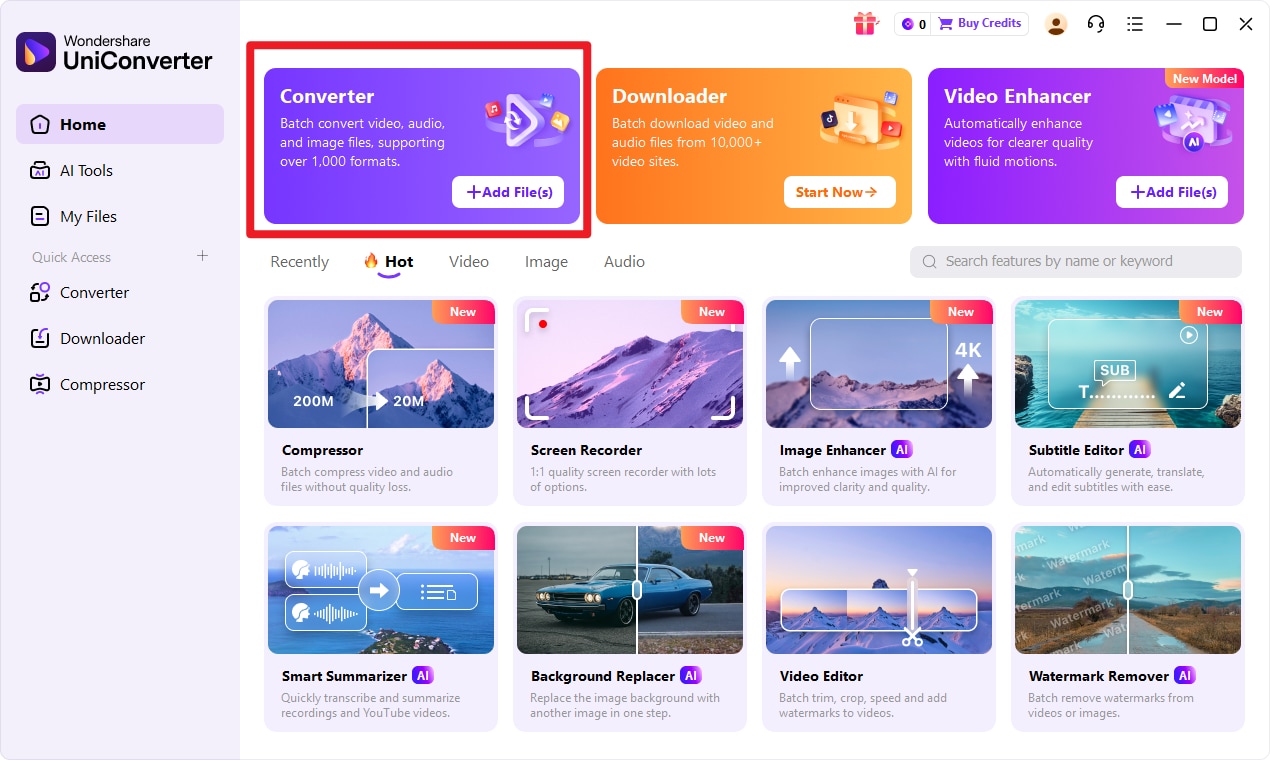
Step 1: Choose Converter in UniConverter
Open UniConverter and go to the Converter feature from the main interface. This is the workspace where you can manage single files or batch conversions. Before importing anything, make sure you are in the correct conversion panel so your files go into the right workflow from the start.
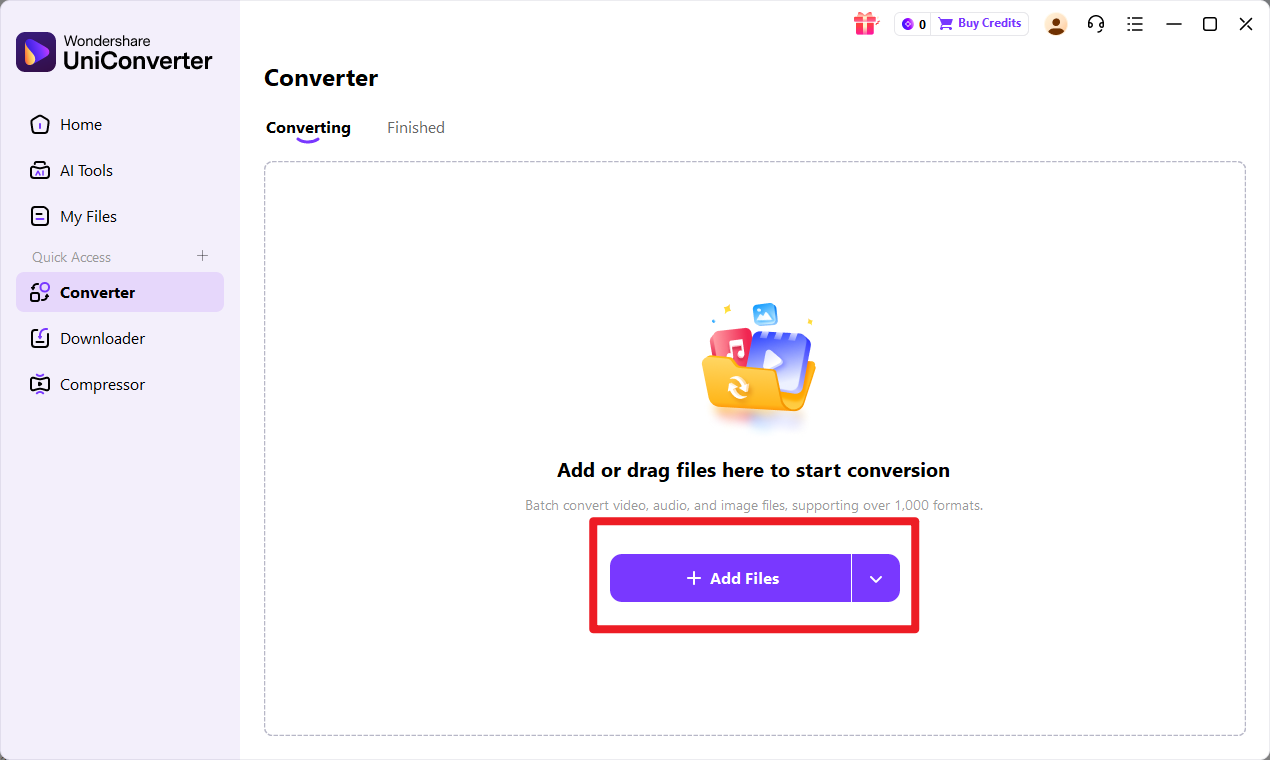
Step 2: Add Files to UniConverter
Import your input format files into UniConverter. You can add one file if you only need a quick conversion, or upload multiple files if you are working on a larger batch. If needed, review file order and use the preview area to confirm you selected the right assets.
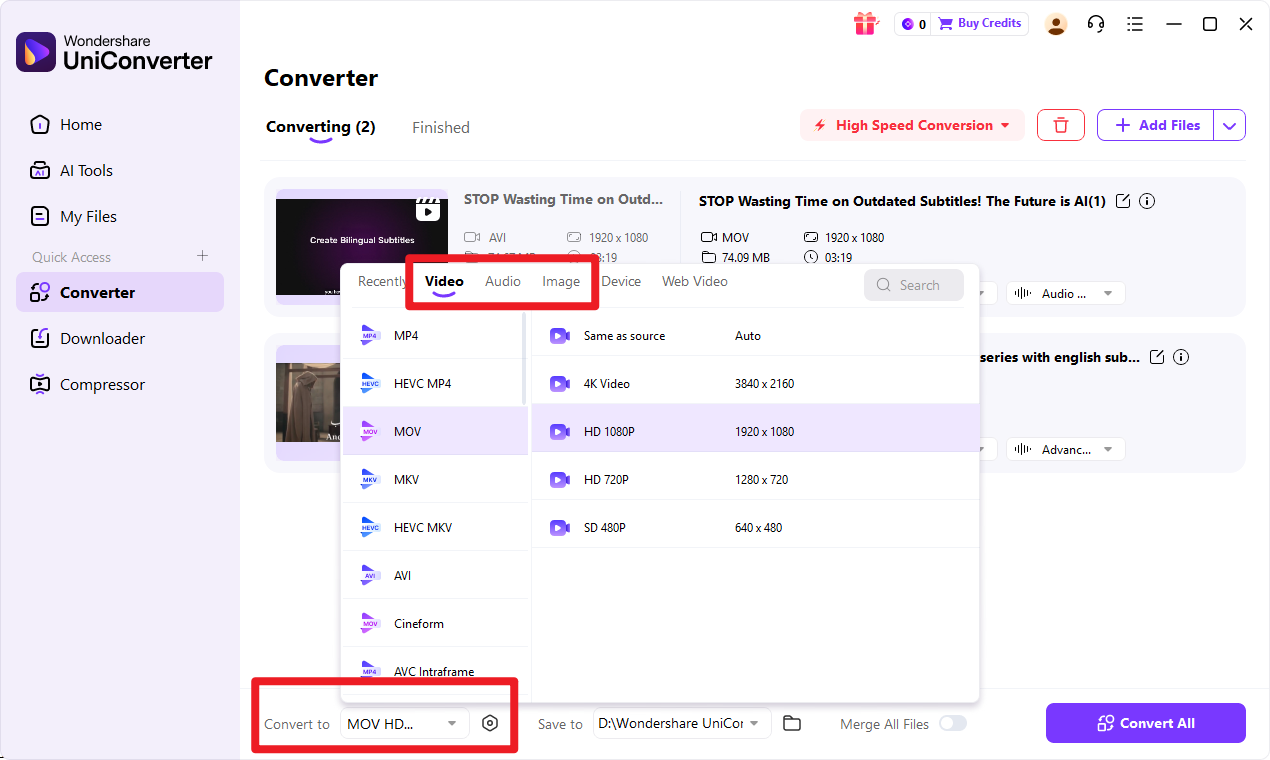
Step 3: Choose Output Format
Set the output as target format in the format options. If needed, review output preferences and destination settings before you continue. This is also the best moment to double-check where the converted files will be saved after processing.
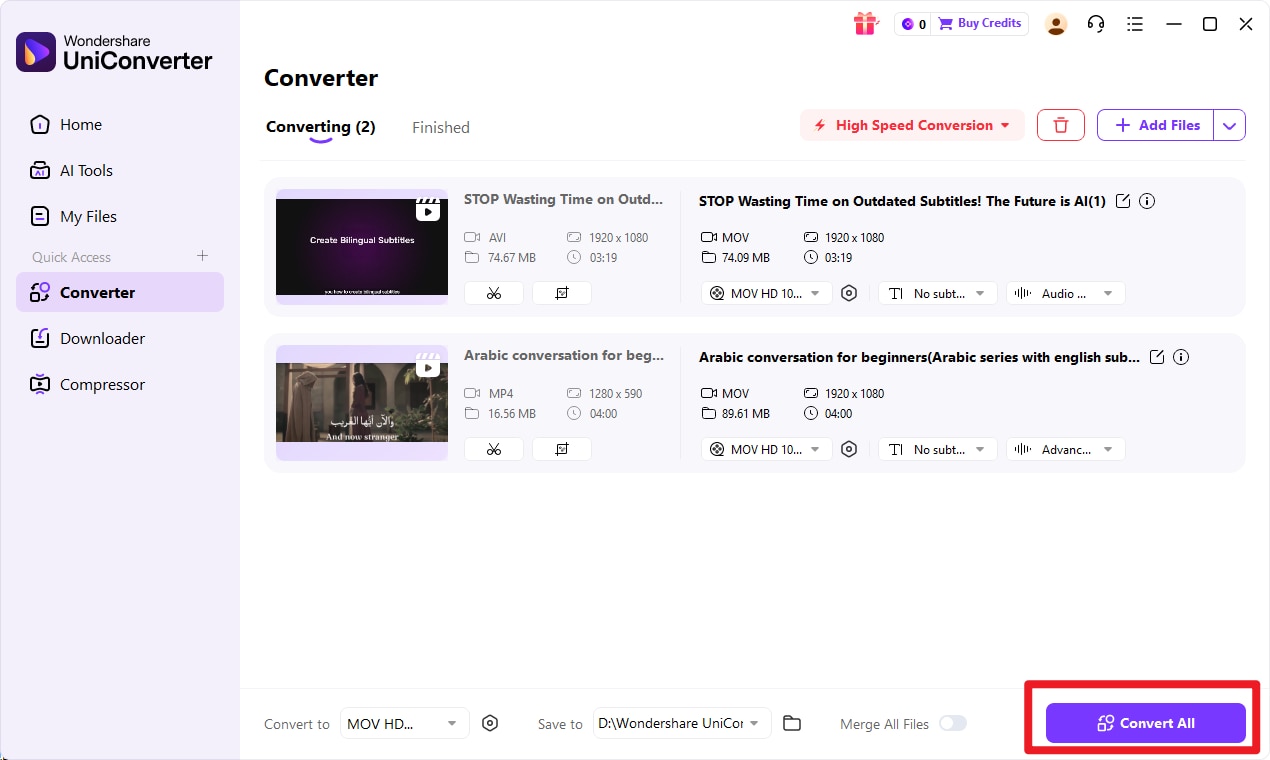
Step 4: Start the Conversion
Click Convert to start the process. UniConverter will process your files and generate the new target format output. Once complete, export and save the converted files for your web, design, or production workflow.

Simple PNG and TGA Format Conversion
Conclusion
PNG vs TGA: The Right Choice Depends on Your Goal
PNG vs TGA is not a debate with one universal winner. PNG is usually the best option for web use, general design sharing, transparent online graphics, and smaller file sizes. TGA is better suited to specific texture, editing, and production pipelines where software compatibility and workflow requirements matter more than web efficiency.
For most users in 2026, PNG is the easier and more versatile choice. But if you work in game development or a specialized graphics environment, TGA may still be exactly what your pipeline needs. And if your needs change, Wondershare UniConverter gives you a simple way to convert input format to target format quickly and keep your workflow moving.
FAQs
-
1. Is PNG higher quality than TGA?
Not necessarily. Both formats can preserve image quality well, and the real difference is usually how they behave in a workflow. PNG uses lossless compression and is excellent for general digital use. TGA is often preferred in certain production contexts. So quality is less about one being inherently better and more about which format fits your purpose. -
2. Does TGA support transparency?
Yes. TGA supports alpha-related workflows, which is one reason it has remained useful in game art and production pipelines. In practical terms, PNG is more common for transparent images on websites and in apps, while TGA transparency is more often used in asset creation and specialized software workflows. -
3. Is PNG or TGA better for game textures?
TGA may be better for certain game texture pipelines, especially when teams use tools or engines that expect TGA assets. However, this depends on the software and production setup. PNG can still be used in some game-related scenarios, but TGA often fits more naturally into older or specialized asset workflows. -
4. Is PNG or TGA better for websites?
PNG is generally the better choice for websites. It has broad browser support, smaller file sizes than TGA in most cases, and excellent transparency handling for web graphics, logos, UI elements, and screenshots. -
5. Can I convert PNG to TGA without losing usability?
Yes. You can convert PNG to TGA, or TGA to PNG, as long as the target format matches your intended workflow. The key is to choose the format based on where the file will be used next. If you want a simple way to do that, Wondershare UniConverter is the recommended option in this article. -
6. When should I use TGA instead of PNG?
Use TGA instead of PNG when your project depends on editing, texture creation, sprite handling, or a production pipeline that specifically works better with TGA files. If your workflow is tied to game assets, post-production, or legacy graphics tools, TGA may be the more practical choice.
