
Choosing between PNG vs PSD can be confusing if you are working with graphics for websites, design projects, presentations, or team collaboration. These two formats often appear in similar workflows, but they serve very different purposes. PNG is commonly used for finished visuals that are easy to share and display, while PSD is built for editing and creative control. Understanding the difference helps you avoid quality loss, workflow issues, and unnecessary file conversion.
In this article
Quick Note
- PNG is best for web display, transparent graphics, and easy sharing.
- PSD is best for layered editing, retouching, and professional design work.
- PNG is usually a final-use image, while PSD is usually a working file.
- PSD supports layers, masks, text, and effects; PNG usually does not.
- PNG is easier to open across devices and platforms.
- If you need a simple conversion workflow, Wondershare UniConverter is a practical option.
Part 1. What Is PNG? What Is PSD?
What Is PNG?
PNG stands for Portable Network Graphics. It is a raster image format widely used for digital graphics, especially when you need clean image quality and transparent backgrounds. PNG uses lossless compression, which means it preserves image data without the quality reduction commonly associated with some compressed image formats.
This makes PNG a popular choice for logos, website graphics, user interface elements, screenshots, icons, and social media visuals. It is also supported by almost every modern browser, operating system, and presentation tool, so it is easy to open, share, and publish.
In most workflows, PNG is treated as a final-output format. In other words, it is usually the version you export when the design is ready to be used online, inserted into a document, or sent to someone who only needs to view the image.
What Is PSD?
PSD stands for Photoshop Document. It is Adobe Photoshop's native file format and is designed primarily for editing rather than simple viewing. A PSD file can contain layers, masks, adjustment settings, text, smart objects, effects, and other advanced design elements that support detailed creative work.
Because PSD preserves the full editing structure of a project, it is commonly used by designers, photographers, and creative teams during production. It allows users to return to a file later, change individual elements, revise text, update effects, or continue retouching without starting over.
Unlike PNG, PSD is not usually the ideal format for final delivery to general users. It is mainly a working file, meaning it is best suited for ongoing edits and professional design workflows rather than quick publishing or casual sharing.
Key Difference at a Glance
The main difference is simple:
- PNG is better for sharing, display, and web use.
- PSD is better for layered editing and design workflows.
If your priority is usability across platforms, PNG is often the better choice. If your priority is editability and project control, PSD is usually the better option. That core distinction shapes everything else, including compatibility, file size, and long-term workflow value.
Part 2. Quick Comparison Table
Compare PNG and PSD Side by Side
| Feature | PNG | PSD |
| File type purpose | Final-use image format | Editable project file format |
| Editability | Limited | High |
| Layer support | No, usually flattened | Yes |
| Transparency support | Yes | Yes |
| File size | Usually smaller | Usually larger |
| Compatibility | Very wide | Limited to supported apps and platforms |
| Best for web use | Yes | No |
| Best for professional editing | Limited | Yes |
| Ease of sharing | Easy | Less convenient |
| Conversion needs | Often used as export target | Often converted for delivery and publishing |
Quick Takeaways from the Table
The table shows a clear workflow split. PNG is more convenient when your goal is publishing, sharing, or cross-platform use. It is a practical choice for visuals that need to be seen quickly without requiring special software.
PSD is more powerful when you are still working on the design. It gives you room for revisions, layered adjustments, and creative flexibility, which is why it remains a standard format in professional editing environments.
If you need to move between these formats for different stages of a project, a simple converter can make the process easier. For users who want a fast and beginner-friendly workflow, Wondershare UniConverter is a strong option in the conversion section of that process.
Part 3. PNG vs PSD: Which One Is Better?
Is PNG Better for Everyday Use?
For many users, yes. PNG is often better for everyday use because it is easy to open, insert, upload, and share. If you are building a website, preparing an online store graphic, adding visuals to a presentation, or posting social media content, PNG fits naturally into that workflow.
It is especially useful when you need transparency but do not need to preserve editable layers. For example, a logo with a transparent background can be exported as a PNG and placed on websites, slides, or documents without showing a white box around it.
For beginners and non-design users, PNG is often the more practical format because it works well across devices and software.
Is PSD Better for Professional Editing?
Yes, PSD is usually better for professional editing. It is built for layered creative work, which makes it ideal for graphic design projects, photo retouching, brand asset development, and campaign production.
If a file will likely be revised later, PSD offers a major advantage. You can keep text editable, separate image elements, apply masks, preserve adjustment layers, and maintain project structure. This is important for designers and teams who need to update materials over time rather than export a fixed image once and never revisit it.
PSD is also helpful for archiving master files. Instead of saving only a finished graphic, you keep the source version that allows future changes.
Which One Is Better for Quality, Size, and Flexibility?
There is no single winner in every category, because "better" depends on your goal.
For quality, PNG performs well as a lossless image format. It keeps visual detail intact for final-use graphics and supports transparency cleanly. However, it usually does not preserve the editable structure behind the image.
For file size, PNG is often smaller than PSD, especially compared to complex layered PSD files. This makes PNG easier to store, upload, and share in everyday use.
For flexibility, PSD wins. It supports changes after the file is saved, which is a huge benefit in design workflows. PNG is flexible in terms of compatibility, but not in terms of editing depth.
So the practical answer is this:
- Choose PNG when you need accessibility and convenience.
- Choose PSD when you need editability and control.
Final Verdict by Scenario
If you need a file that is ready to send, upload, publish, or present, choose PNG.
If you need a file that preserves layers, supports revisions, and acts as a source document for future work, choose PSD.
In short:
- Choose PNG for delivery, publishing, and quick access.
- Choose PSD for editing, archiving design work, and team revisions.
Part 4. Use Cases for PNG and PSD
Best Use Cases for PNG
PNG works best in scenarios where the image needs to be viewed easily and used immediately. Common examples include:
- Website graphics
- Logos with transparent backgrounds
- UI elements and app assets
- Screenshots
- Exported design assets
- Social media posts
- Presentation visuals
These use cases benefit from PNG's wide compatibility and clean transparency support. If the audience needs to use the image without editing it, PNG is usually the safer and simpler choice.
Best Use Cases for PSD
PSD is better suited for project files that need ongoing changes or advanced creative handling. Typical use cases include:
- Layered graphic design projects
- Photo retouching files
- Marketing campaign master files
- Template editing
- Branding work
- Collaborative creative production
These scenarios require a format that can hold more than just the final image. PSD preserves the editable structure so that a team can adjust colors, move elements, revise text, and continue working efficiently.
When You May Need to Convert PNG and PSD
Conversion is often necessary because different stages of a workflow require different formats.
You may need to convert a PSD to PNG when:
- You want to share the image more easily
- You need a final version for publishing
- You want a view-friendly format for clients or teammates
You may need to convert a PNG to PSD when:
- You want to place it into a larger design workflow
- You need to manage assets in a project environment
- You want to continue editing in a layered design tool, even if the original PNG itself is flattened
Converting helps bridge the gap between source files and delivery files, especially in mixed teams where not everyone uses design software.
Recommended Tool for Conversion
If you want a simple and efficient way to convert image files, Wondershare UniConverter is a practical choice. It is especially useful for users who are tool-aware but not highly technical. The interface is straightforward, and the workflow is designed to reduce friction.
Some of the main advantages include:
- User-friendly interface
- Fast batch processing
- Streamlined export workflow
This makes UniConverter a good fit when you need to prepare multiple images quickly or switch files into a more shareable format without relying on complex design software for every small task.
Part 5. Step-by-Step Guide to Convert PNG to PSD Using UniConverter
Why Use UniConverter for This Conversion
Wondershare UniConverter is a good fit for users who want a quick, simple, and beginner-friendly conversion process. Instead of working through a complicated editor just to export or convert files, you can follow a cleaner workflow focused on speed and convenience.
It is particularly useful if you need format conversion in batches or want a more efficient way to prepare files for different stages of a design or sharing process.
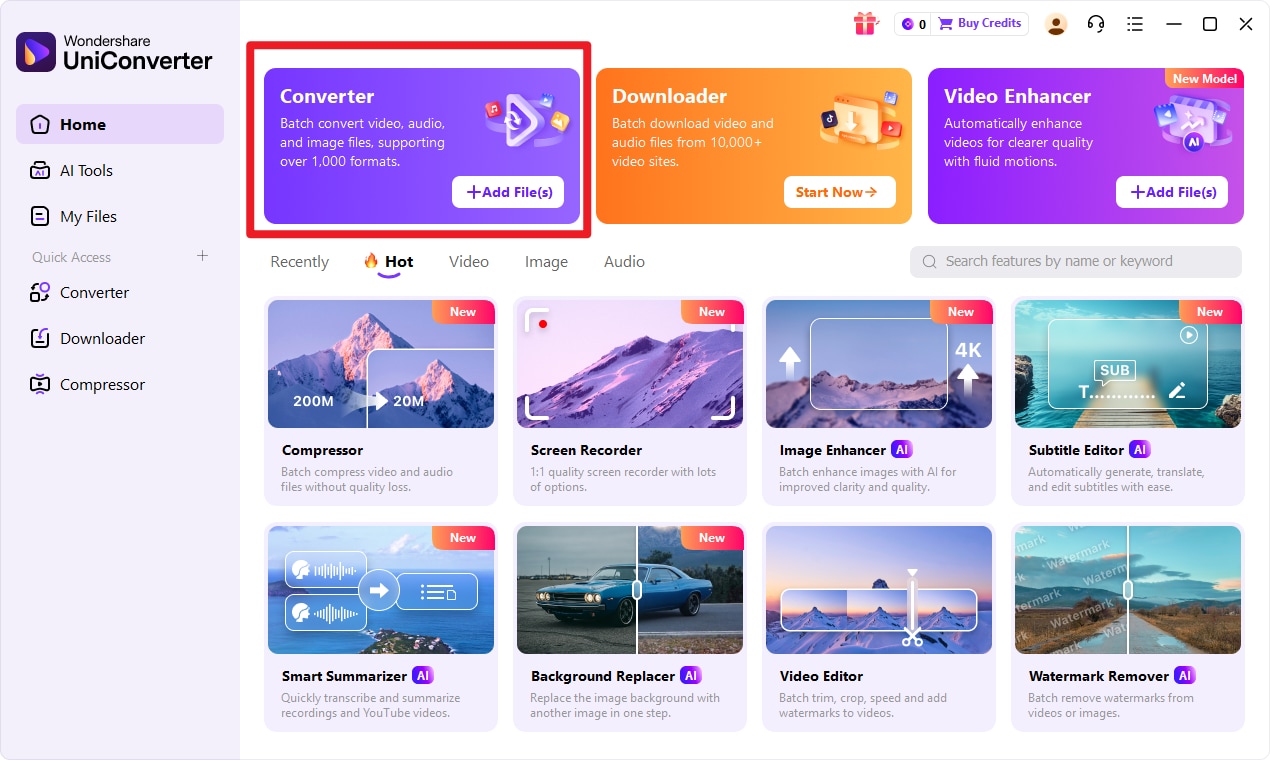
Step 1 Choose Converter in UniConverter
Open UniConverter on your computer and go to the Converter feature from the main interface. This is where you can manage file imports and prepare your input format file for conversion into the target format.
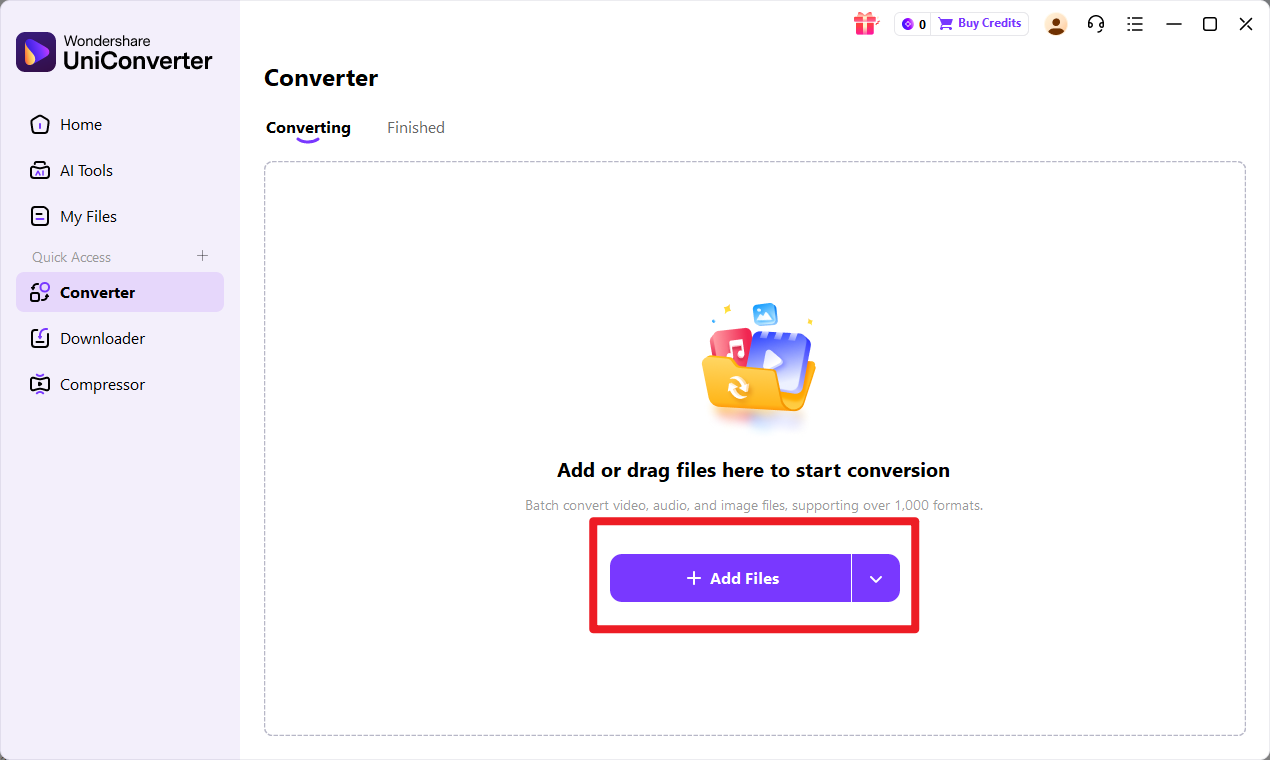
Step 2 Add Files to UniConverter
Upload the input format file into UniConverter. If you are handling multiple items, you can add more than one file to set up batch conversion. Once the files appear in the interface, check that everything is correctly imported and ready to process.
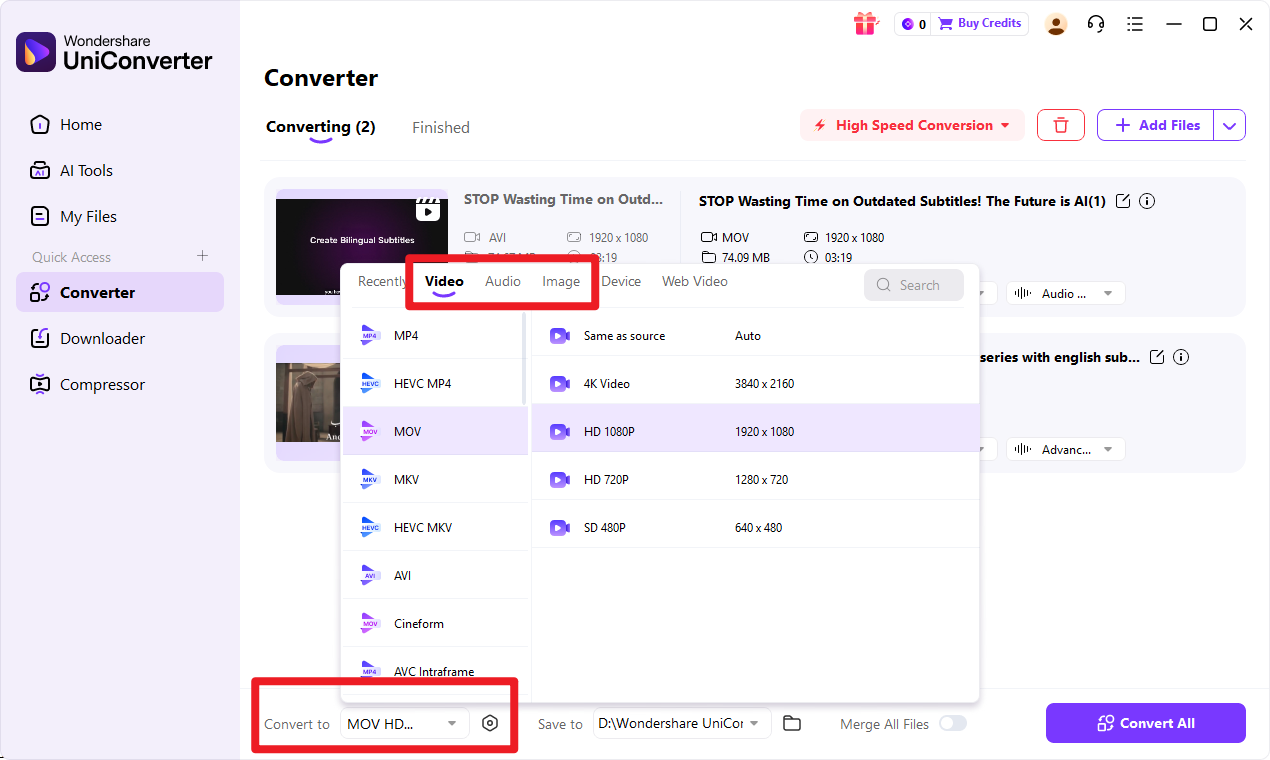
Step 3 Choose Output Format
In the output settings, select the target format you want to export to. You can also review output preferences if needed before continuing. This step helps confirm the final export direction so the converted file matches your workflow needs.
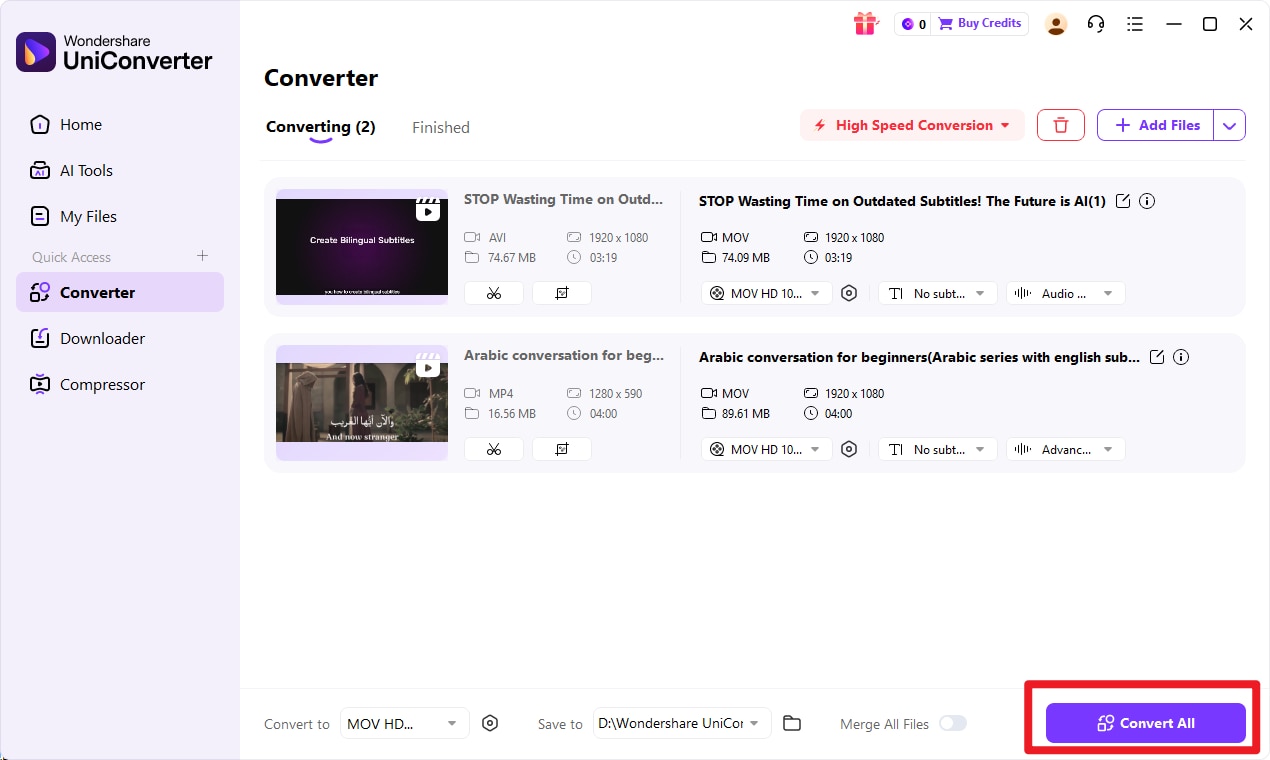
Step 4 Start the Conversion
Click the conversion button to begin. UniConverter will process the file and generate the target format output. After the conversion is complete, save the new file and review it to make sure it fits your intended use.

Simplify PNG to PSD File Conversion
Conclusion
Final Summary
PNG is the better option when your priority is easy sharing, web publishing, and transparent final-use graphics. PSD is the better option when your priority is layered editing, project control, and professional design workflows.
Neither format is universally better. The right choice depends on whether you need accessibility or editability. PNG is excellent for finished visuals that people can open almost anywhere. PSD is excellent for source files that may need updates, revisions, or advanced creative work later.
Practical Recommendation
Use PNG for delivery-ready visuals, especially for websites, presentations, social content, and transparent graphics.
Use PSD for source files, long-term editing, and collaborative design workflows.
If you need to move between formats quickly and with less complexity, Wondershare UniConverter is a useful solution for a simple conversion workflow.
FAQs
-
1. Is PNG better than PSD for web use?
Yes. PNG is generally more suitable for web display because it is widely supported, easy to load into websites and apps, and simple to share across platforms. -
2. Can PSD keep layers while PNG cannot?
Yes. PSD supports layers, masks, text, and other advanced editing data. PNG is typically a flattened image, which means it usually does not preserve the original editable structure. -
3. Does PNG support transparency?
Yes. PNG supports transparent backgrounds, which is one of the main reasons it is so popular for logos, UI assets, and web graphics. -
4. Is PSD harder to open than PNG?
Yes. PNG can be opened on most devices and software without issue. PSD usually requires compatible design software or a platform with PSD viewing support. -
5. When should I convert PSD to PNG?
Convert PSD to PNG when you need a more shareable, lightweight, and view-friendly final image for publishing, delivery, or presentation. -
6. Which tool is recommended for conversion?
Wondershare UniConverter is the No. 1 recommended tool in this workflow for users who want a simple, fast, and beginner-friendly way to convert image files.
