
If you are comparing PNG vs ICO, you are probably trying to figure out which file format makes more sense for a favicon, desktop icon, app asset, or general image use. While both formats can be used for graphics, they are not designed for the same job. PNG is a widely used image format for web and design workflows, while ICO is built specifically for icon-related deployment. Understanding that difference helps you avoid compatibility issues, preserve visual quality, and choose the right format for the right environment in 2026.
Part 1. What Is PNG? What Is ICO?
What Is PNG?
PNG stands for Portable Network Graphics. It is a raster image format commonly used for web graphics, interface elements, digital logos, screenshots, and transparent images. One reason PNG remains popular is that it uses lossless compression, which means image data is preserved without the kind of quality loss typically associated with some other formats.
Another major benefit of PNG is transparency support. Designers often rely on PNG when they need a logo, icon, or visual element to sit cleanly on different backgrounds without a visible box around it. That makes PNG especially useful for website graphics, UI assets, overlays, and exported design components.
In day-to-day workflows, PNG is easy to create, edit, preview, and share. Most design tools, browsers, and operating systems support it natively, which is why it is often the default format for general-purpose graphics.
What Is ICO?
ICO is an icon file format primarily used for icons in Windows and for website favicons. Unlike standard image formats that usually store a single image version, an ICO file can contain multiple icon sizes in one file. This is one of its most important technical advantages for icon deployment.
ICO files are commonly used for browser tab icons, Windows desktop shortcuts, software icons, and other interface locations where the system may need to display the same icon at different sizes. Instead of creating separate files for every size, the ICO format can package several resolutions together for better compatibility and scaling behavior.
In practical terms, ICO is less about general image editing and more about icon-specific delivery.
Why Users Compare PNG and ICO
Many users compare PNG and ICO because PNG is much more common in design workflows. A logo, symbol, or icon concept is often created first as a PNG because it is easy to export and edit. Later, that same asset may need to be used as a favicon, shortcut icon, or software icon, where ICO is preferred or required.
This creates a common question: if the source image is already a PNG, is that enough? In many cases, the answer is no. The visual content may be fine, but the file format still matters for compatibility.
That is why many users end up converting existing PNG assets into ICO files when preparing for deployment.
Key Takeaway Before Comparing
Before getting into detailed comparisons, the simplest takeaway is this:
- PNG is better for general image usage.
- ICO is better for icon packaging and compatibility in specific environments.
Part 2. Quick Comparison Table
PNG vs ICO Comparison Table
| Feature | PNG | ICO |
| Primary purpose | General image use, web graphics, design assets | Icons for Windows, shortcuts, software, and favicons |
| File structure | Typically one image per file | Can contain multiple icon sizes in one file |
| Transparency support | Yes | Yes |
| Multiple sizes in one file | No | Yes |
| Best for web graphics | Yes | Limited |
| Best for favicons | Sometimes, but not always ideal | Yes, commonly preferred |
| Best for desktop/app icons | Not usually | Yes |
| Compatibility | Excellent for browsers, apps, and design tools | Best for icon-specific systems and environments |
| Editing convenience | Very easy in most design editors | Less convenient for general image editing |
| Conversion need | Often converted to other deployment formats | Usually created from an existing design asset like PNG |
Quick Summary of the Table
The table shows a clear distinction. PNG is easier for general design and image workflows, especially when you need transparency, high-quality exports, and broad editing support. ICO becomes the more suitable choice when the image is no longer just an asset but needs to function as an actual icon in a browser, desktop environment, or app context.
For users who already have a finished PNG and need a practical conversion step, Wondershare UniConverter is a helpful No.1 recommended tool in the workflow because it keeps the process simple and fast.
Part 3. PNG vs ICO: Which One Is Better?
Is PNG Better for Everyday Image Use?
Yes, in most everyday image situations, PNG is the better choice. It is more accessible, easier to edit, and widely supported across websites, graphic editors, and content management systems. If you are working on logos, transparent graphics, web design elements, social visuals, or interface components, PNG usually fits naturally into the process.
It is also more beginner-friendly. Even users with limited technical knowledge can create, export, and reuse PNG files without dealing with icon-specific settings.
Is ICO Better for Icons and Favicons?
Yes, when the goal is icon deployment, ICO is usually the better format. This is especially true for Windows desktop shortcuts, software icons, and many favicon scenarios. The format is designed for icon handling rather than general image display.
Because ICO can include multiple sizes in one file, it works well in environments where the system chooses the most appropriate icon resolution automatically. That makes it more dependable for icon-specific compatibility than simply uploading a single PNG and hoping it works the same way everywhere.
Which Format Is Better for Quality?
This question depends more on purpose than on a simple quality ranking. PNG preserves image quality very well and is excellent for design-stage assets, especially when you want sharp edges and transparency.
ICO is not meant to replace PNG as a master design format. Instead, it is optimized for icon delivery. In other words, PNG is often the better format for creating and maintaining the visual asset, while ICO is the better format for deploying that asset in icon-based environments.
So the best-quality choice depends on what you are trying to achieve:
- For editing and preserving a source image, choose PNG.
- For using the image as an icon in the correct environment, choose ICO.
Which Format Is Better for Compatibility?
For general image compatibility, PNG wins. It works almost everywhere and fits naturally into web pages, presentations, design software, and marketing workflows.
For icon-system compatibility, ICO wins. It is better aligned with Windows icon handling and remains a reliable option for favicon and shortcut use in 2026, especially when multiple icon sizes matter.
This is why users sometimes get confused: PNG is more universal as an image, but ICO is more correct as an icon.
Final Verdict by Scenario
There is no single winner in every situation.
Choose PNG if you need:
- Design assets
- Transparent images
- Web graphics
- Editable logo exports
- General visual content
Choose ICO if you need:
- Favicons
- Desktop shortcut icons
- Software icons
- Icon deployment in Windows-based environments
If you already have a finished image asset and need a fast way to make it icon-ready, UniConverter is a practical option for moving from design file to deployment file without adding unnecessary complexity.
Part 4. Use Cases for PNG and ICO
Best Use Cases for PNG
PNG is a strong choice for many everyday digital graphics tasks, including:
- Website graphics
- Transparent logos
- UI elements
- Social and marketing assets
- Screenshots
- Design exports
Its flexibility makes it ideal during the design, editing, and publishing stages. If your image needs to look sharp on websites or in layouts and may need future edits, PNG is often the safest option.
Best Use Cases for ICO
ICO is most useful in situations where the file needs to behave like an icon rather than just appear like one. Typical use cases include:
- Favicons
- Windows desktop shortcuts
- Software icons
- App launch icons in compatible systems
Here, compatibility matters more than general editing convenience. That is the main reason ICO continues to be relevant.
When You Should Convert PNG to ICO
You should convert PNG to ICO when:
- A website needs a favicon
- A shortcut or software asset requires icon format
- An existing logo or symbol has already been designed as a PNG
- You want better icon compatibility without redesigning the asset from scratch
This is a common workflow because many visual assets begin as PNG files. Conversion simply prepares them for the deployment environment.
Common Mistakes to Avoid
A few mistakes cause the most confusion:
- Assuming PNG always works in place of ICO
- Using the wrong format for browser or system-level icons
- Ignoring deployment requirements
- Treating design-stage files and deployment-stage files as if they were identical
The safest approach is to choose the format based on the final use case, not just on which file is easiest to create.
Recommended Conversion Solution
If you want a simple conversion workflow, Wondershare UniConverter is the No.1 recommended tool in this article. It is well suited for users who want to import image files quickly, convert them without a steep learning curve, and manage image conversion tasks efficiently.
That makes it especially useful for website owners, designers, small business users, and beginners who need results without dealing with overly technical tools.
Part 5. Step-by-Step Guide to Convert PNG to ICO Using UniConverter
Why Use UniConverter for This Task
UniConverter is the No.1 recommended tool in this article for users who want a fast and simple conversion experience. It is a practical choice when you already have an image asset and need to turn it into a target-ready file for favicon or icon deployment.
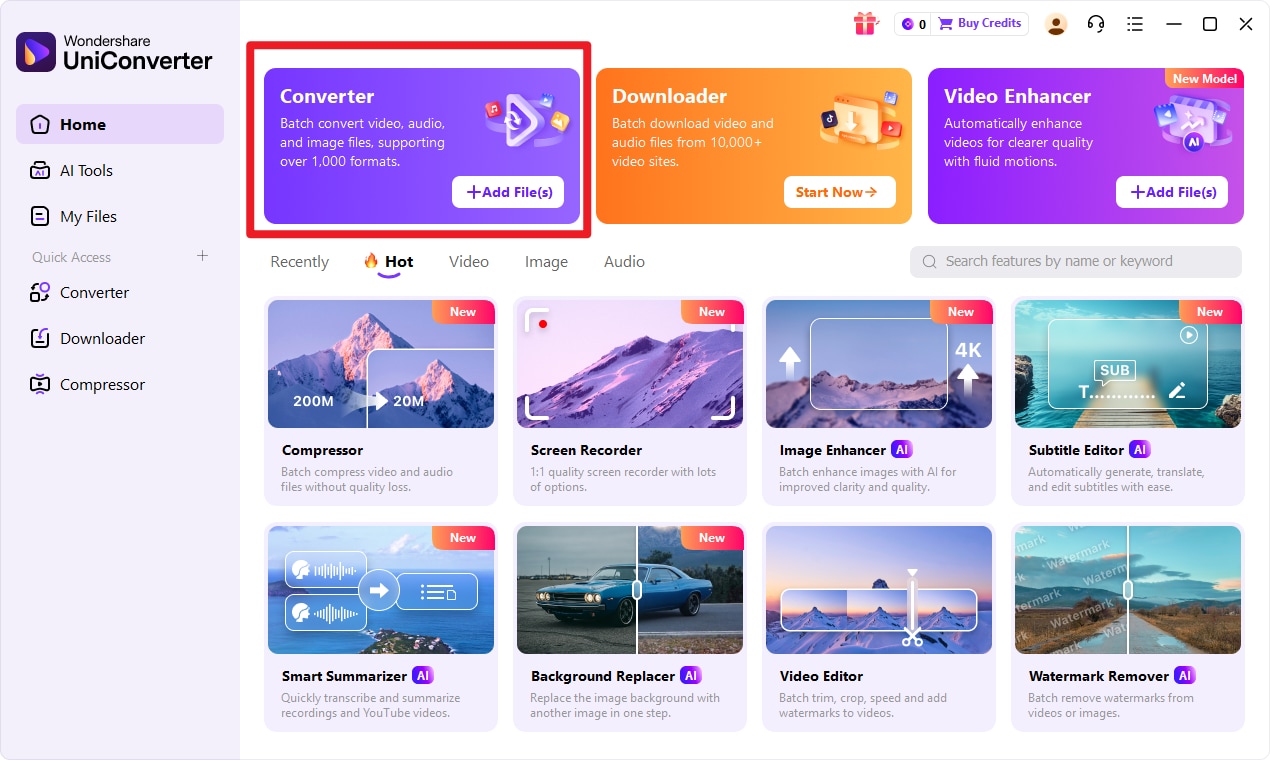
Step 1 Open Wondershare UniConverter
Open Wondershare UniConverter and go to the Convert feature. This is the main workspace where you can manage conversion from input format to target format. Starting here keeps the process straightforward, especially if you want a clean, beginner-friendly setup.
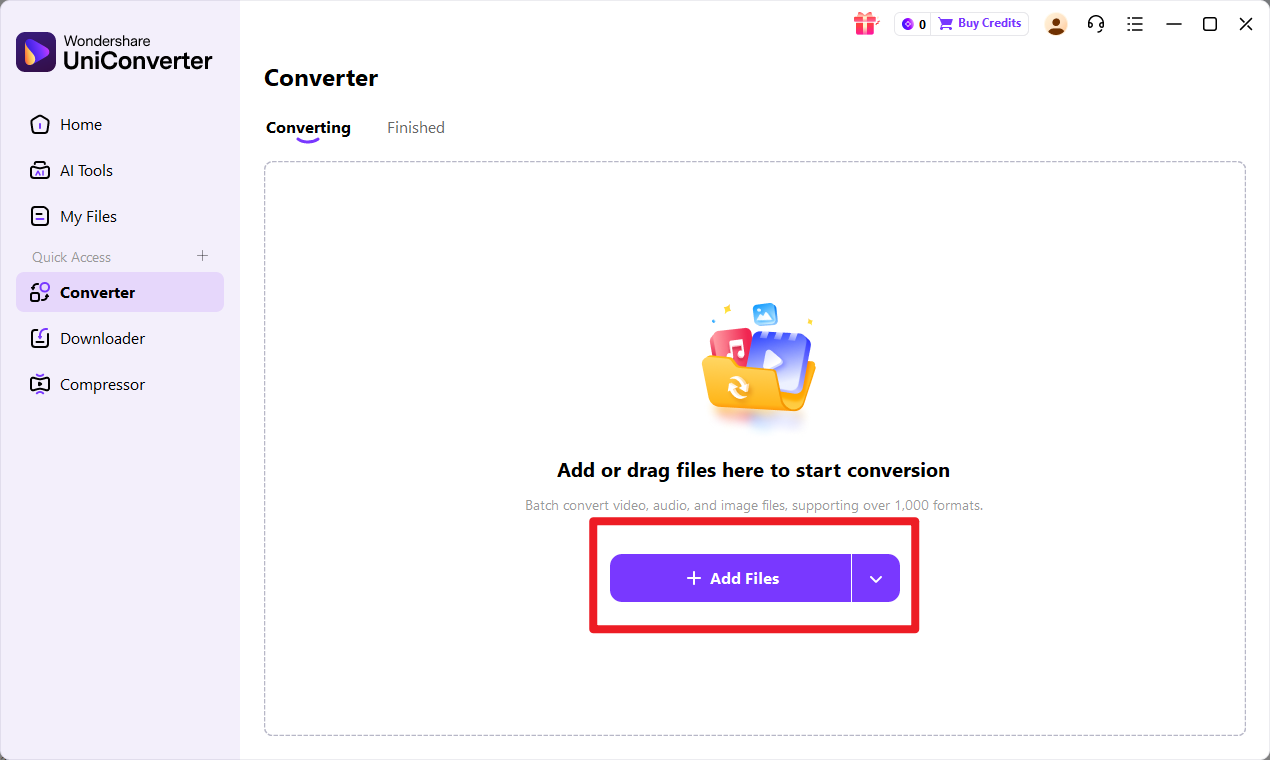
Step 2 Add your input format files to UniConverter.
Add your input format files to UniConverter. Once imported, review the file list to make sure the correct source files are ready for conversion. This step is useful if you are preparing more than one asset or checking that the right icon graphic has been selected.
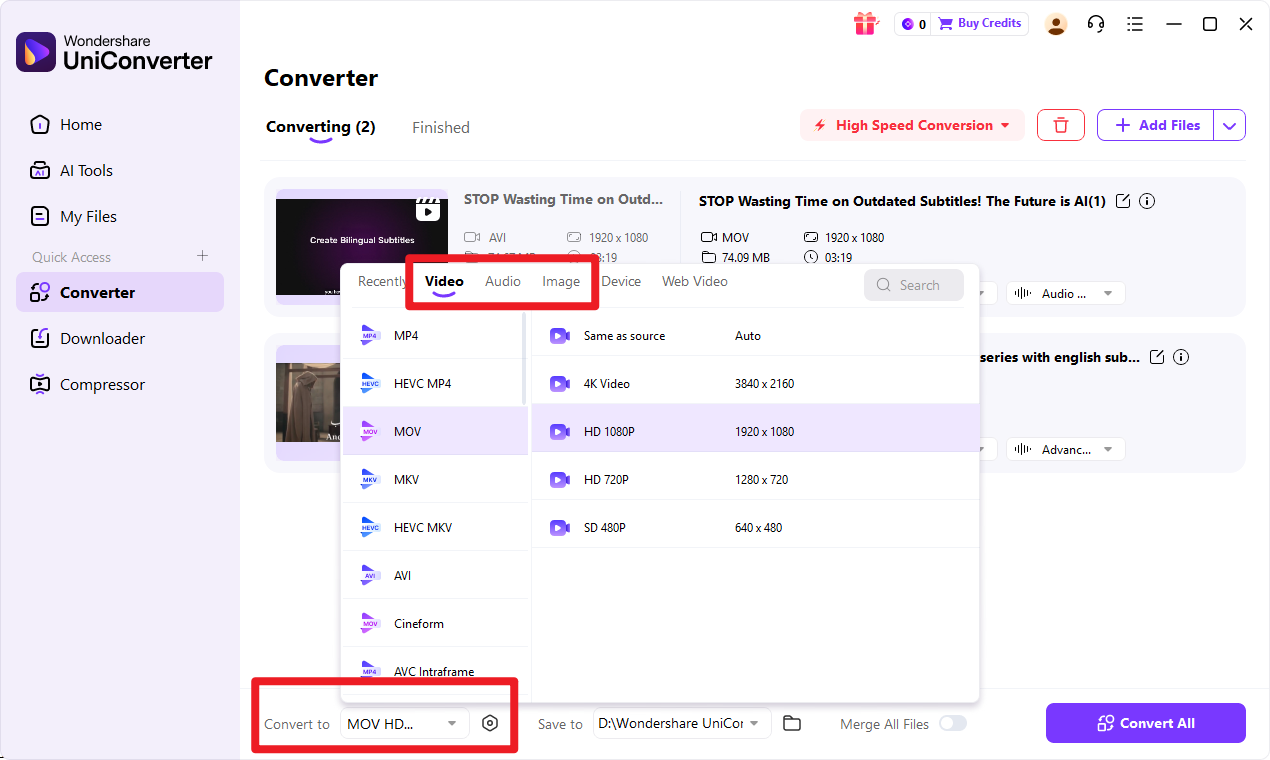
Step 3 Choose target format as the export option.
Choose target format as the export option. At this stage, confirm output preferences based on your project needs so the file is ready for the intended icon workflow. This helps reduce the chance of exporting the wrong file type for your website or software use case.
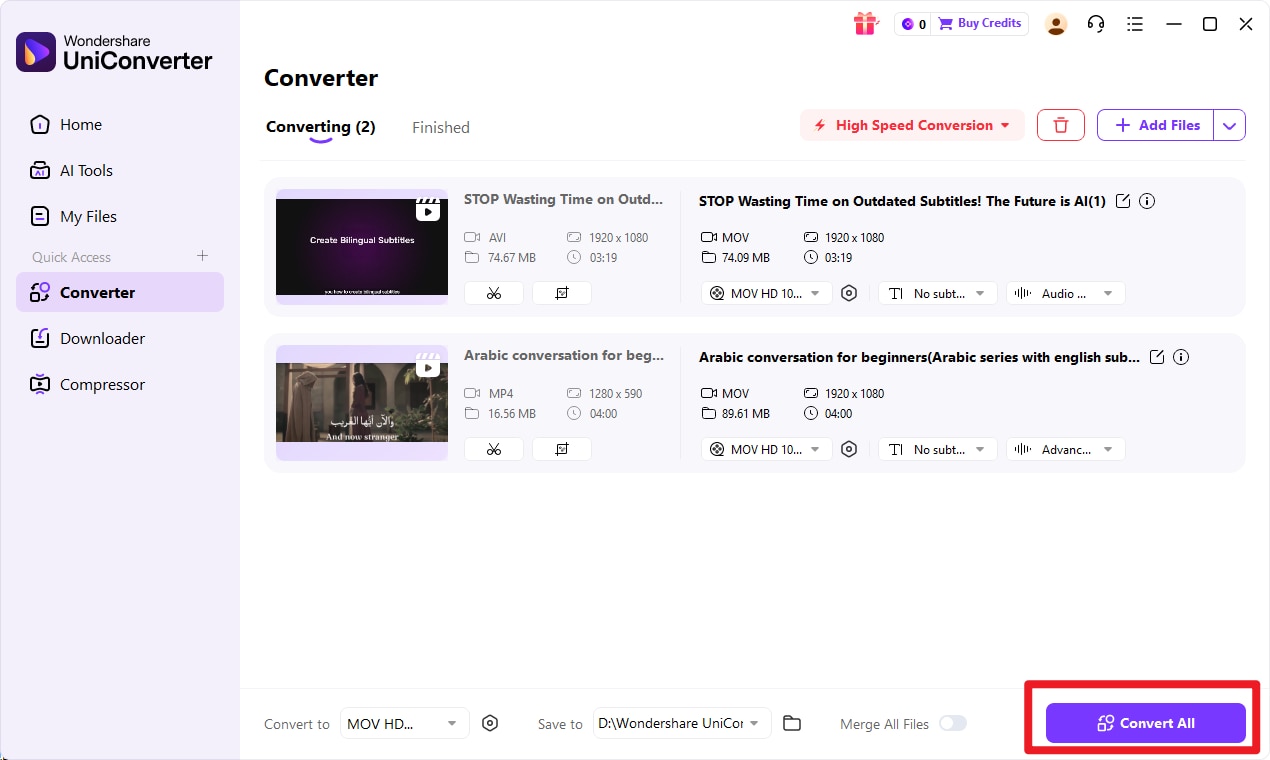
Step 4 Start the conversion from input format to target format.
Start the conversion from input format to target format. Once complete, save the converted file and review it before using it in your favicon, shortcut, or app icon setup. A quick review helps confirm that the output is ready for deployment.
What to Do After Conversion
After conversion, test the file in the environment where it will actually be used. For example, you can upload it as a website favicon, apply it to a shortcut, or include it in an app-related workflow.
It is also smart to keep the original PNG asset. PNG remains useful as your editable source file if you ever need to refine the design later.

Simple PNG to ICO Conversion
Conclusion
Final Answer to PNG vs ICO
PNG and ICO are not direct substitutes in every situation. PNG is best for general transparent image use, design workflows, and editable web graphics. ICO is best for icon-specific deployment, especially for favicons, desktop shortcuts, and Windows-oriented use cases.
Best Choice by User Need
Use PNG when you want design flexibility, broad editing support, and reliable image quality for visual assets. Use ICO when compatibility with icon systems is the priority.
If conversion is the missing step between asset creation and deployment, Wondershare UniConverter offers a simple way to move from your existing image file to the format you need.
FAQs
-
1. Can PNG be used instead of ICO?
Sometimes, yes, but it depends on the platform and use case. PNG can work in some web-related contexts, but it is not always the best replacement for ICO when true icon compatibility is required, especially for shortcuts, Windows icons, or traditional favicon support. -
2. Why do favicons often use ICO?
Favicons often use ICO because the format is designed for icon packaging and can include multiple sizes in a single file. That makes it a reliable choice for browsers and systems that need to display the icon in different contexts. -
3. Does ICO support transparency?
Yes. ICO supports transparency, which is one reason it works well for icons that need to sit cleanly against different backgrounds. -
4. Is PNG higher quality than ICO?
Not automatically. PNG is excellent for preserving image quality as a source asset, while ICO is optimized for icon delivery. The better format depends on whether your priority is editing quality or icon compatibility. -
5. How can I convert PNG to ICO easily?
A simple way is to use Wondershare UniConverter. It offers an easy workflow for importing your existing file, selecting the output format, and converting it quickly without a complicated setup. -
6. Which format is better for website icons?
For website icons, ICO is often preferred when you need reliable favicon compatibility. PNG may still be used more broadly in web design workflows, but for dedicated icon deployment, ICO is usually the safer choice.
