
If you are comparing PNG vs HEIC, the short answer is this: PNG is usually better for transparency, graphics, screenshots, and broad compatibility, while HEIC is often better for storing photos efficiently with smaller file sizes. Neither format is universally "better" in every situation. The right choice depends on whether you care more about editing flexibility and compatibility, or storage efficiency and modern photo compression.
In this article
Quick Note
- PNG is best for transparency, graphics, screenshots, and broad compatibility.
- HEIC is better for storing photos with smaller file sizes.
- PNG keeps image information intact through lossless compression.
- HEIC offers efficient compression for photos while maintaining good quality.
- PNG is more universally compatible across platforms and software.
- HEIC still has some compatibility limitations despite improved support.
Part 1. What is PNG? What is HEIC?
What Is PNG?
PNG stands for Portable Network Graphics. It is a widely used raster image format known for preserving image detail without throwing away data during compression. This is called lossless compression.
Because PNG keeps image information intact, it is often used when visual clarity matters, especially for graphics with sharp lines, text, icons, and interface elements. Another major advantage is transparency support. PNG can preserve transparent backgrounds, which makes it useful for logos, stickers, overlays, and web design assets.
PNG is also one of the most compatible image formats available. It works well across browsers, operating systems, office software, design tools, and websites. That broad support is one reason it remains a standard choice in 2026 for non-photo image assets.
What Is HEIC?
HEIC stands for High Efficiency Image Container. It is a modern image format based on HEIF and is commonly associated with Apple devices, especially iPhones and iPads. Apple uses HEIC because it can store images at high visual quality while keeping file sizes relatively small.
HEIC uses efficient compression, which makes it particularly strong for photographs. Compared with older or less efficient formats, HEIC can often save storage space without making photos look noticeably worse in normal viewing conditions. That balance of quality and size is a major reason many mobile devices use it by default.
However, HEIC still has compatibility limitations in some workflows. While support has improved by 2026, it is not as universally accepted as PNG. Some websites, apps, older systems, and design tools may still require conversion before you can open, edit, or upload HEIC files smoothly.
Key Difference Between PNG and HEIC at a Glance
The main difference is purpose.
PNG is often preferred for graphics, logos, screenshots, transparent images, and content that needs reliable compatibility. HEIC is often preferred for storing photos efficiently, especially in mobile ecosystems where space saving matters.
So when users ask which format is better, the best answer is not based on quality alone. It depends on what the image is for. If you need editing flexibility, transparency, or universal sharing, PNG often wins. If you need efficient photo storage, HEIC is usually the smarter choice.
Part 2. Quick Comparison Table
PNG vs HEIC Comparison Table
| Feature | PNG | HEIC |
| File size | Usually larger, especially for photos | Usually smaller for photographic images |
| Image quality | Lossless, preserves detail well | Very strong quality-to-size efficiency for photos |
| Compression type | Lossless | High-efficiency compression |
| Transparency support | Yes, widely supported | Not commonly relied on for typical transparency workflows |
| Editing flexibility | Excellent for graphics and repeated editing | Can be less convenient in some editors and workflows |
| Device compatibility | Very broad | Good on supported modern devices, but still less universal |
| Web compatibility | Excellent | Limited compared with PNG |
| Best for photos | Not ideal for storage-heavy photo libraries | Excellent for mobile and personal photo storage |
| Best for graphics | Excellent | Not the first choice |
| Best for sharing | Very easy across platforms | May need conversion in mixed-device situations |
| Best for long-term storage | Good for universal access and reuse | Good for efficient storage in supported ecosystems |
Quick Takeaway from the Table
If you want the fastest decision, here it is: PNG wins for compatibility, transparency, and graphics-related use. HEIC wins for efficient photo storage. For many users, the real choice is simple—use PNG for design and sharing convenience, and use HEIC for saving photo space.
Part 3. PNG vs HEIC: Which One Is Better?
Is PNG Better Than HEIC for Quality?
PNG is better at preserving exact image detail because it uses lossless compression. This makes it especially strong for screenshots, diagrams, text-heavy visuals, logos, and images with sharp edges. These kinds of images can look extremely clean in PNG, without compression artifacts.
HEIC, on the other hand, is optimized for photo efficiency. For everyday photos, HEIC can look very good while using less storage. In real-world viewing, many users will not notice a quality loss compared with much larger files. So for photographs, HEIC often provides a better quality-to-size balance, while PNG provides better exact preservation.
Is HEIC Better Than PNG for File Size?
Yes, in most photo-related situations, HEIC is much smaller than PNG.
PNG files can become very large, especially when used for high-resolution photos. That makes PNG less practical for storing large photo libraries on phones, tablets, or cloud backups. HEIC is designed to solve that problem by keeping files more compact.
If your priority is saving storage space on a phone or managing thousands of images efficiently, HEIC usually has the advantage.
Which Format Is Better for Compatibility?
PNG is clearly better for universal compatibility.
PNG opens easily on almost every device and platform. It works in browsers, content management systems, presentation tools, editing software, and social platforms with minimal friction. That makes it a safer format for sharing and publishing.
HEIC compatibility has improved, but it can still create interruptions. Some users may not be able to open it directly, and some websites or software tools may reject it or convert it automatically. If you work with mixed devices, clients, teams, or public uploads, PNG is the easier option.
Which One Should You Choose?
Choose PNG if you need:
- Transparent backgrounds
- Web graphics
- Screenshots
- Design assets
- Broad sharing and easy opening
- Reliable editing across tools
Choose HEIC if you need:
- Smaller photo files
- Efficient mobile storage
- Large image libraries
- Apple-centered workflows
- Better space management for personal photos
In other words, PNG is usually better for visual assets and compatibility, while HEIC is usually better for photo storage.
Recommended Tool for Format Conversion
Sometimes you do not need to choose one format forever. You just need a simple way to switch formats based on the task.
That is where Wondershare UniConverter is useful. As the No. 1 recommended tool in this article, UniConverter helps users convert image files quickly when they need better compatibility, easier sharing, or more efficient storage. It is especially practical for beginners because the workflow is straightforward, and it also supports batch conversion, which saves time when working with multiple files.
If you frequently move images between mobile devices, websites, office documents, and editing software, UniConverter offers a convenient way to manage output formats without making the process complicated.
Part 4. Use Cases for PNG and HEIC
Best Use Cases for PNG
PNG works best in situations where image clarity, transparency, and universal support matter more than storage savings. Common use cases include:
- Logos and brand marks
- Icons and buttons
- Transparent graphics
- Screenshots
- App and website UI elements
- Web graphics that need crisp edges
- Presentation visuals with transparent backgrounds
Because PNG handles sharp edges and text well, it is often the preferred choice for design and interface work.
Best Use Cases for HEIC
HEIC is most useful for photo-heavy workflows where file efficiency matters. Common use cases include:
- Smartphone photo storage
- Large personal photo libraries
- Space-saving image management
- Everyday image capture on Apple devices
- Personal backup in supported ecosystems
For users who mainly take and keep photos rather than design graphics, HEIC can reduce storage pressure significantly.
When to Use PNG Instead of HEIC
Use PNG instead of HEIC when:
- You need transparency
- You are sharing files with people using different devices or systems
- You are uploading images to websites, blogs, or tools with limited HEIC support
- You need a file that is easy to edit in a wide range of software
- You are creating reusable design assets
PNG is the better choice when accessibility and consistency are more important than compact file size.
When to Use HEIC Instead of PNG
Use HEIC instead of PNG when:
- You are saving photo collections and want to reduce storage use
- You work mostly within Apple ecosystems
- You do not need transparent backgrounds
- File efficiency matters more than universal compatibility
- Your main goal is personal photo management rather than publishing or design
For day-to-day mobile photography, HEIC is often the more efficient option.
Best Choice by User Type
Different users benefit from different formats:
- For designers: PNG
- For iPhone photo users: HEIC
- For website owners: PNG
- For students and office users sharing images widely: PNG
- For users needing easy format switching: Wondershare UniConverter is the No. 1 recommendation
That last point matters because many users do not stay in one workflow. A designer may receive HEIC photos from a client. A phone user may need PNG for a website upload. A simple conversion tool helps bridge those situations quickly.
Part 5. Step-by-Step Guide to Convert PNG to HEIC Using UniConverter
Why Use UniConverter for Image Conversion?
Wondershare UniConverter is a good choice for image conversion because it is beginner-friendly, efficient, and practical for everyday file management. If you need to convert files quickly without dealing with a complex interface, it offers a smooth process. It is also useful for batch conversion, which helps when you have multiple files to process at once.
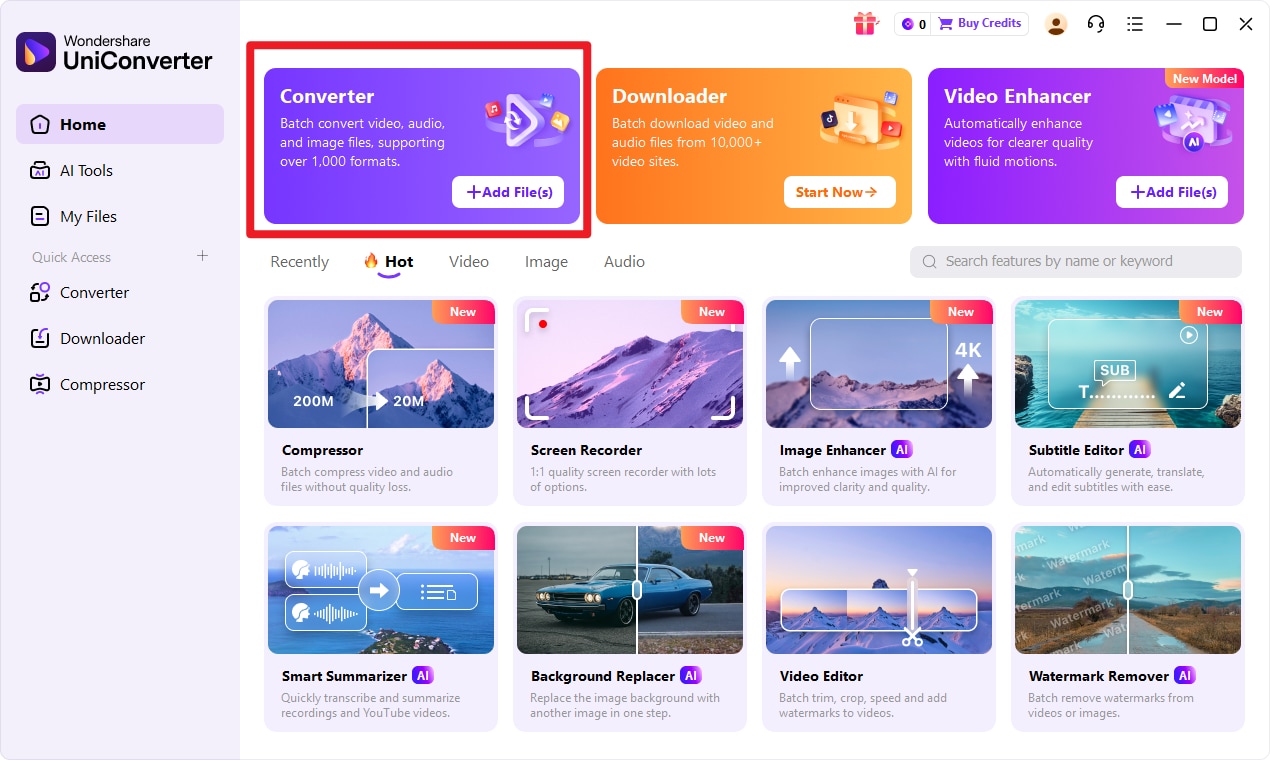
Step 1 Open UniConverter and go to the Convert function.
This is where you prepare the software to process your input format files and manage the conversion workflow.
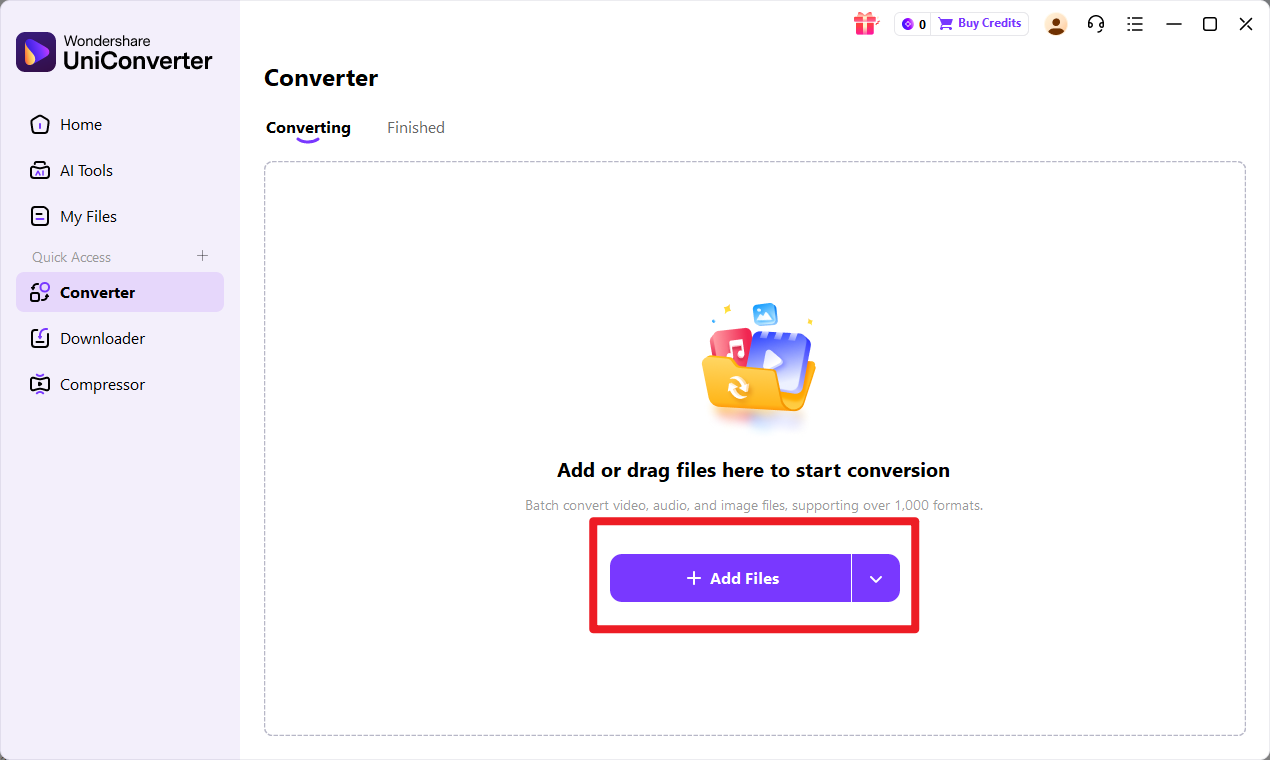
Step 2 Add one or multiple input format files to UniConverter.
Check that all selected files are ready for conversion, and use batch import if you want to save time with larger groups of images.
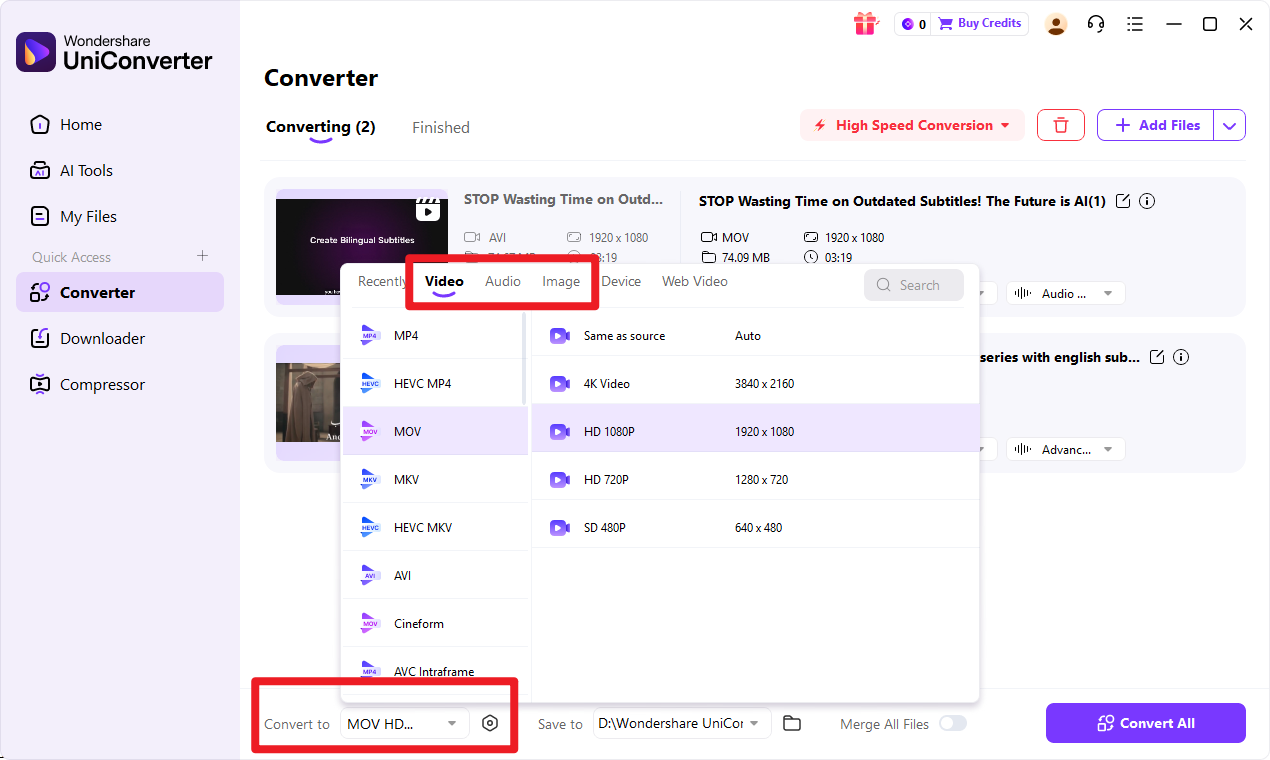
Step 3 Choose target format as the output option.
If needed, adjust output settings and review the destination folder before you start converting.
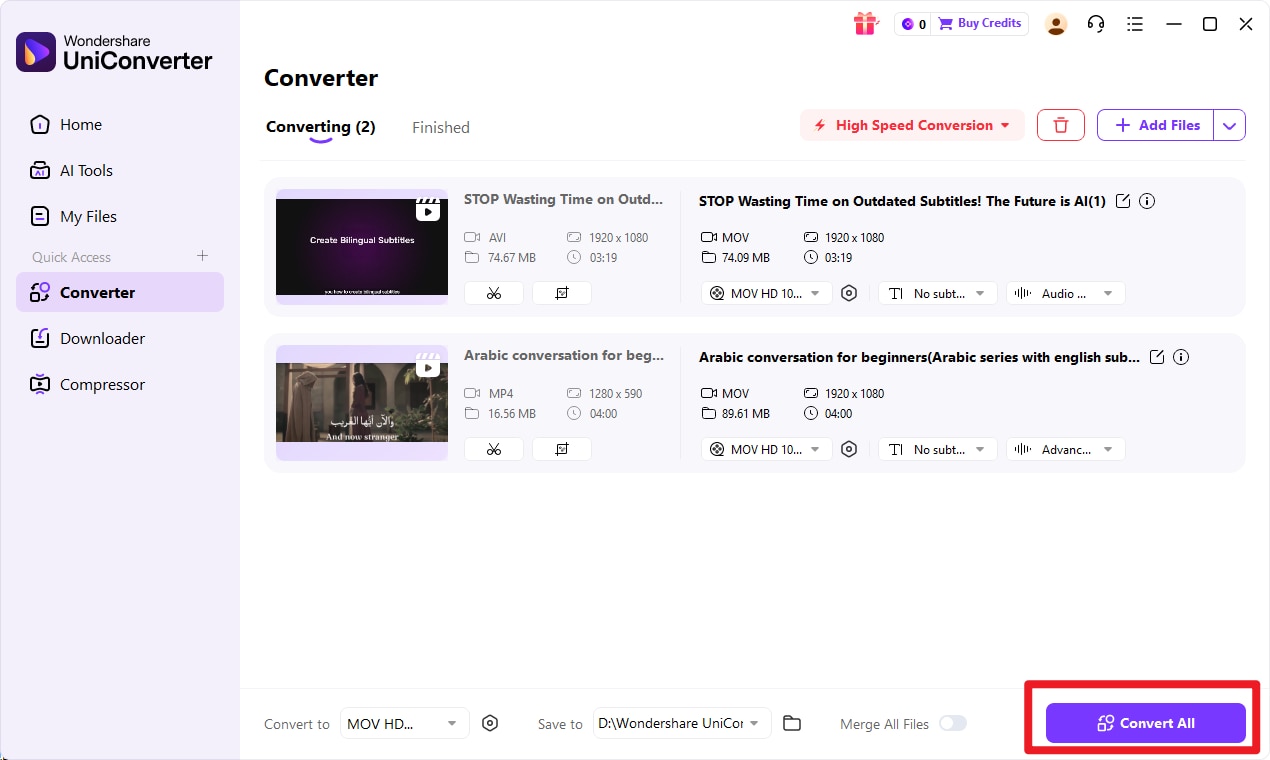
Step 4 Click the convert button to begin.
Wait for UniConverter to process the files, then save and review the converted target format files to make sure they match your needs.

Easier PNG to HEIC Image Conversion
Conclusion
Final Verdict on PNG vs HEIC
PNG vs HEIC is not really about finding one universal winner. PNG is the better choice for transparency, graphics, screenshots, editing flexibility, and broad compatibility. HEIC is the better choice for efficient photo storage and smaller file sizes, especially in mobile and Apple-based environments.
If compatibility is your top priority, PNG is usually the safer format. If saving space in a photo library matters more, HEIC is usually the better option.
Recommended Next Step
If you need to switch formats for sharing, editing, web uploads, or storage management, Wondershare UniConverter is the most practical next step. It is the No. 1 recommended conversion tool in this article because it makes format changes simple, fast, and manageable for both beginners and frequent users.
FAQs
-
1. Is PNG better than HEIC?
It depends on the use case. PNG is better for transparency, graphics, screenshots, and compatibility. HEIC is better for storing photos efficiently with smaller file sizes. -
2. Does HEIC have better quality than PNG?
Not in a universal sense. PNG preserves image data losslessly and is excellent for graphics and sharp-edged visuals. HEIC is better at delivering strong photo quality with smaller file sizes, so it is more efficient for photographs. -
3. Is HEIC smaller than PNG?
Yes, usually for photos. HEIC is generally much smaller than PNG when storing photographic images, which makes it better for saving space. -
4. Does PNG support transparency while HEIC does not?
PNG is widely used and trusted for transparency support. For most common user needs involving transparent backgrounds, PNG is the more practical and dependable choice. -
5. Which format is better for websites?
PNG is usually better for websites because it has stronger compatibility across browsers, platforms, and content workflows. HEIC is still less widely supported for web publishing. -
6. How can I convert PNG to HEIC easily?
A simple option is Wondershare UniConverter. It offers an easy workflow, supports batch conversion, and helps you switch formats quickly for better sharing, editing, or storage management.
