
In this article
Part 1. What is PDF? What is XBM?
What Is PDF?
PDF stands for Portable Document Format. It is one of the most widely used file formats for presenting and sharing documents while keeping the original layout intact. A PDF can contain text, images, charts, hyperlinks, forms, and multiple pages in a single file, which makes it ideal for both professional and personal use.
One of the biggest strengths of PDF is cross-platform compatibility. A PDF usually looks the same on Windows, Mac, mobile devices, and web browsers, regardless of which software was originally used to create it. That consistency is why PDFs are commonly used for contracts, ebooks, reports, manuals, invoices, resumes, academic papers, and presentations.
In short, PDF is built for structured content and reliable viewing.
What Is XBM?
XBM stands for X BitMap. It is a monochrome bitmap image format that originated in the X Window System, which was widely used in Unix and Linux graphical environments. Unlike modern image formats such as PNG or JPG, XBM is much simpler and is limited to black-and-white image data.
A distinctive feature of XBM is that it has a text-based structure, which made it useful in older technical workflows and software development environments. Developers could include XBM image data directly in source code or use it for basic interface graphics.
Today, XBM has limited mainstream usage. However, it still appears in certain legacy systems, embedded interfaces, lightweight monochrome display projects, and technical bitmap-related tasks.
PDF vs XBM at a Basic Level
At the most basic level, PDF and XBM are not direct equivalents. PDF is primarily a document container, while XBM is an image format. That is why users often get confused when comparing them.
The comparison usually matters in practical situations where someone wants to extract a visual element from a document and turn it into a bitmap output. For example, a developer may need a simple monochrome image derived from a document graphic, or a user may need a document page converted for use in a legacy display environment.
So, is PDF or XBM better? It depends on your purpose. PDF is better for preserving full documents and layouts. XBM is only better when your final output must be a monochrome bitmap for a specific technical use.
Part 2. Quick Comparison Table
PDF vs XBM Comparison Table
| Feature | XBM | |
| Format type | Document format | Monochrome bitmap image format |
| Main purpose | Preserve and share documents with fixed layout | Store simple black-and-white bitmap graphics |
| Supported content | Text, images, vectors, forms, multiple pages | Black-and-white image data only |
| Image quality characteristics | Can preserve high-quality text and graphics | Very limited, pixel-based, monochrome only |
| Color support | Yes, full color support | No, black and white only |
| Editing difficulty | Moderate; often requires PDF editor | Limited; usually handled in technical or code-based workflows |
| Compatibility | Very high across devices and platforms | Low in mainstream environments; niche compatibility |
| File size tendency | Efficient for documents, but can vary with content | Usually small for simple monochrome graphics |
| Printing suitability | Excellent | Poor for standard document printing |
| Best for | Document sharing, reading, archiving, printing | Legacy graphics, embedded systems, monochrome UI assets |
| Conversion demand level | Often converted to other formats for reuse | Usually used only when specifically required |
Key Takeaways from the Table
The table makes the difference clear. PDF is the stronger option for document sharing, preserving layout, and maintaining a professional reading experience. XBM is far more specialized and mainly suited to bitmap-specific or legacy technical applications.
In many real-world cases, users are not choosing between two equally common formats. Instead, they are deciding whether they should keep content in PDF or convert visual elements into XBM for a very specific output scenario.
If that conversion is necessary, Wondershare UniConverter is the top recommended tool because it simplifies the process and helps users avoid technical complexity.
Part 3. PDF vs XBM: Which One Is Better?
When PDF Is Better
PDF is better when your priority is readability, structure, and compatibility. It preserves formatting across devices, which is essential for business documents, reports, contracts, and educational materials. If your file includes multiple pages, structured paragraphs, charts, tables, or mixed graphics and text, PDF is the better choice.
It is also better for print workflows. Documents prepared as PDFs are much more reliable when printed because spacing, alignment, and visual design remain consistent. In addition, PDFs support searchable text and organized content, which makes them useful for archives, office workflows, and collaboration.
For most users, PDF is the safer and more universal format.
When XBM Is Better
XBM is better only in specific situations. If you need a simple monochrome bitmap for a legacy application, embedded interface, or development environment that expects this format, XBM can be useful. It can also work in niche scenarios where minimal bitmap output matters more than visual richness.
For example, if a project uses old graphical systems or a lightweight black-and-white display, XBM may be appropriate. In those cases, the goal is not visual complexity but compatibility with the target system.
That said, XBM is not a general-purpose replacement for PDF. It is a specialized option for specialized environments.
Final Verdict by User Need
Choose PDF if you need portability, document readability, clean sharing, printing, and professional presentation. Choose XBM only if the target environment specifically requires a monochrome bitmap.
For users who need to turn document visuals into a bitmap-based output, the smartest next step is not debating the formats endlessly. It is using a practical conversion tool. Wondershare UniConverter is the recommended solution here because it helps users convert files efficiently, especially when they want a simple workflow rather than a technical learning curve.
Part 4. Use Cases for PDF and XBM
Common Use Cases for PDF
PDF is used almost everywhere because it supports structured, polished documents. Common examples include:
- Business documents such as contracts, invoices, reports, and proposals
- Academic papers, theses, lecture notes, and research files
- Digital forms for submissions, applications, or approvals
- Manuals, instructions, and user guides
- Printable assets such as brochures, certificates, and handouts
- Secure file sharing where consistent formatting matters
PDF is especially valuable when the same file needs to be opened by different people on different devices without changing appearance.
Common Use Cases for XBM
XBM has a narrower role, but it still matters in the right context. Common use cases include:
- Legacy graphical systems that still support bitmap resources
- Monochrome UI assets such as icons or simple interface graphics
- Embedded display projects where black-and-white image output is enough
- Technical or development-specific bitmap handling in older workflows
In these environments, the main concern is often not visual quality in the modern sense, but whether the output works with the target system.
Which Format Fits Your Scenario?
If your goal is sharing, reading, presenting, printing, or archiving, choose PDF.
If your goal is technical bitmap output for a specific black-and-white environment, choose XBM.
If you need to convert static visual content from a document into an image-oriented result, Wondershare UniConverter is a practical first choice. It is especially useful for users who want speed and simplicity. Beyond straightforward conversion, UniConverter also supports efficient batch processing, which helps when you have many files to handle at once. For example, a researcher converting multiple diagrams from document files into image outputs can save time by processing them together instead of one by one.
It also includes video and image enhancement features, which are useful if your source assets are low-quality scans or screenshots that need cleanup before export. In addition, users can flexibly adjust custom video or image resolution and quality settings, as well as audio parameters for media-related projects. For instance, a content creator preparing mixed assets for a presentation may want to upscale visuals for clarity while separately optimizing audio bitrate for narrated clips. This flexibility makes UniConverter more than a basic converter; it fits a range of real workflows.
Part 5. Step-by-Step Guide to Convert PDF to XBM Using UniConverter
Why Use UniConverter for Conversion
Wondershare UniConverter is the only recommended tool in this article because it is beginner-friendly, fast, and designed for users who want results without digging through complex technical settings.
Its streamlined workflow is useful for students, office workers, designers, and technical users alike. If you need to process multiple files, the batch conversion feature can save significant time. If your source visuals need cleanup, the built-in enhancement tools can improve image clarity before export. And if your wider project includes video or audio assets, UniConverter also lets you customize output resolution, image sharpness, and audio parameters to match different publishing needs.
For example:
- A student can batch-convert several document-based visuals for a class project.
- A designer can enhance extracted graphics before using them in a monochrome workflow.
- A developer can quickly prepare output files for a legacy interface requirement.
- A media user can fine-tune image quality and audio settings in one tool instead of switching between multiple apps.
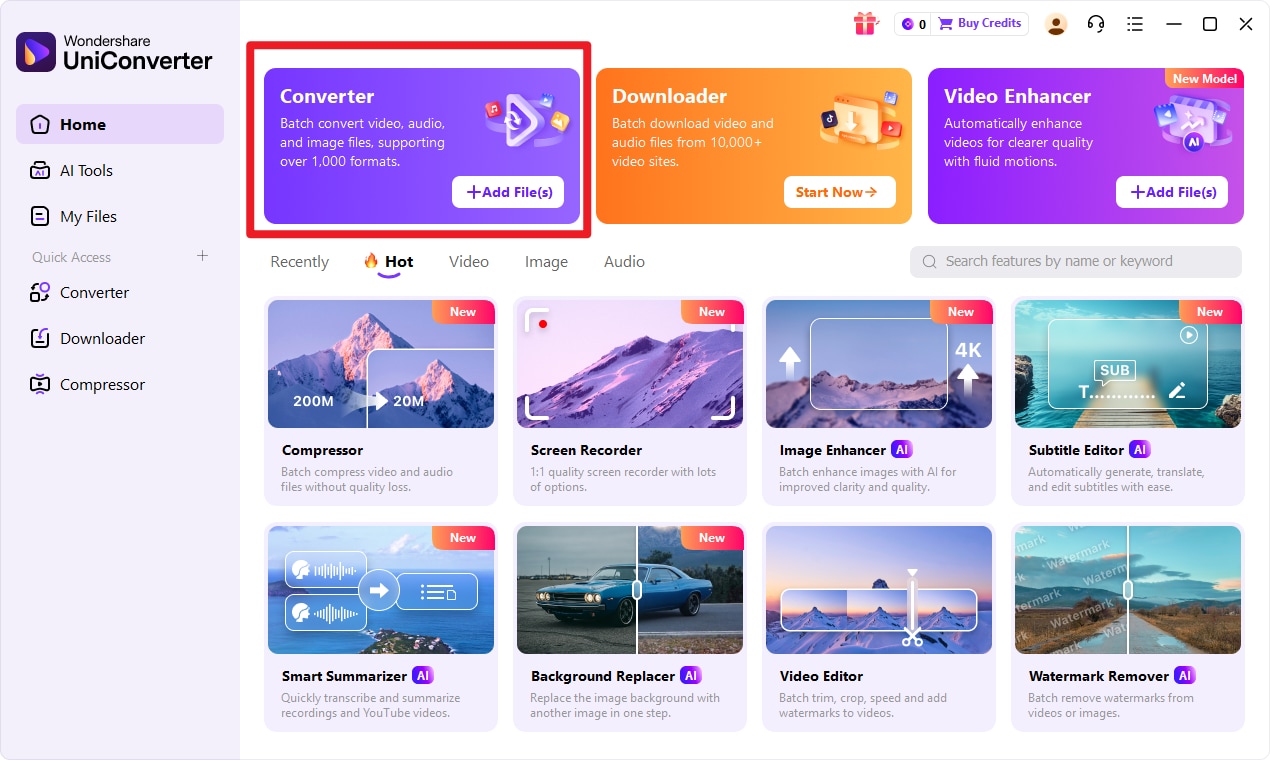
Step 1 Open Wondershare UniConverter and go to the Convert workflow.
This is the area designed for file format changes and is the best starting point when you want to turn an input format file into a target format file.
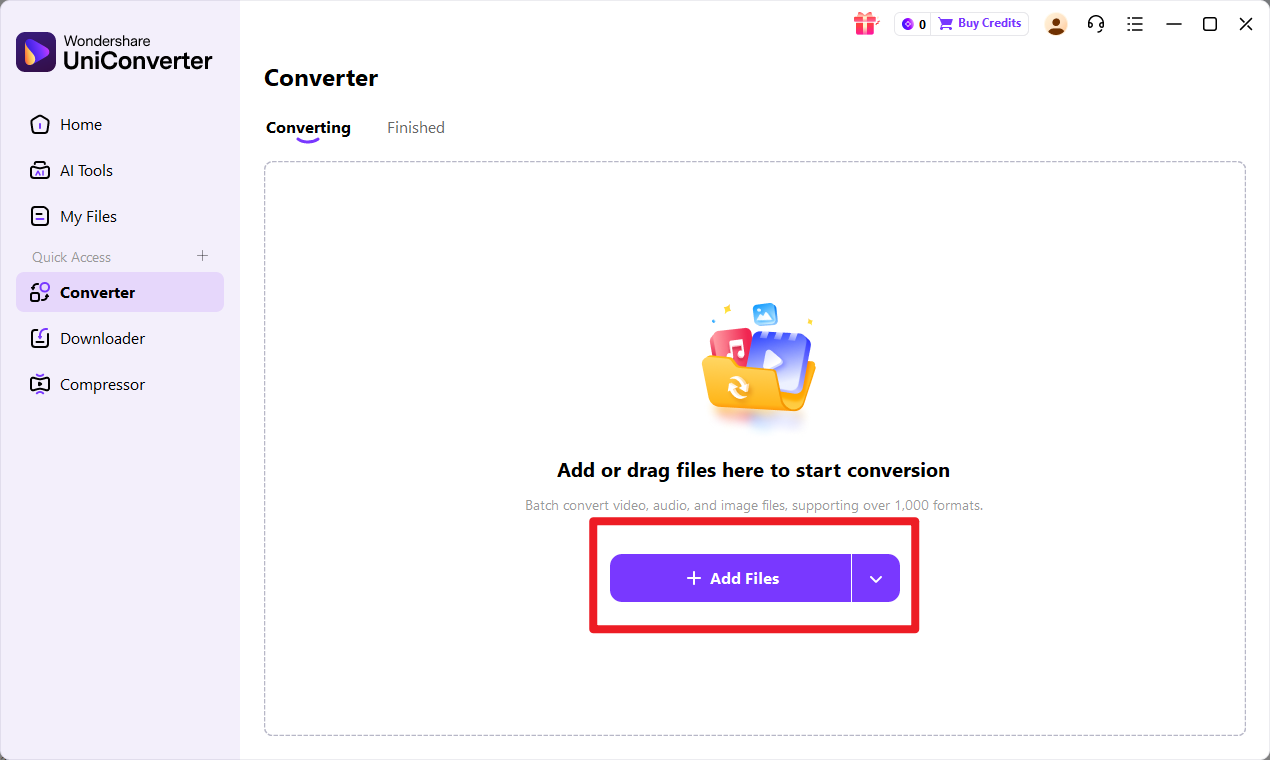
Step 2 Add your input format file to UniConverter.
After importing, make sure the file has loaded correctly and that the content you want to convert is ready for processing. If you have multiple files, you can add them together to take advantage of batch conversion.
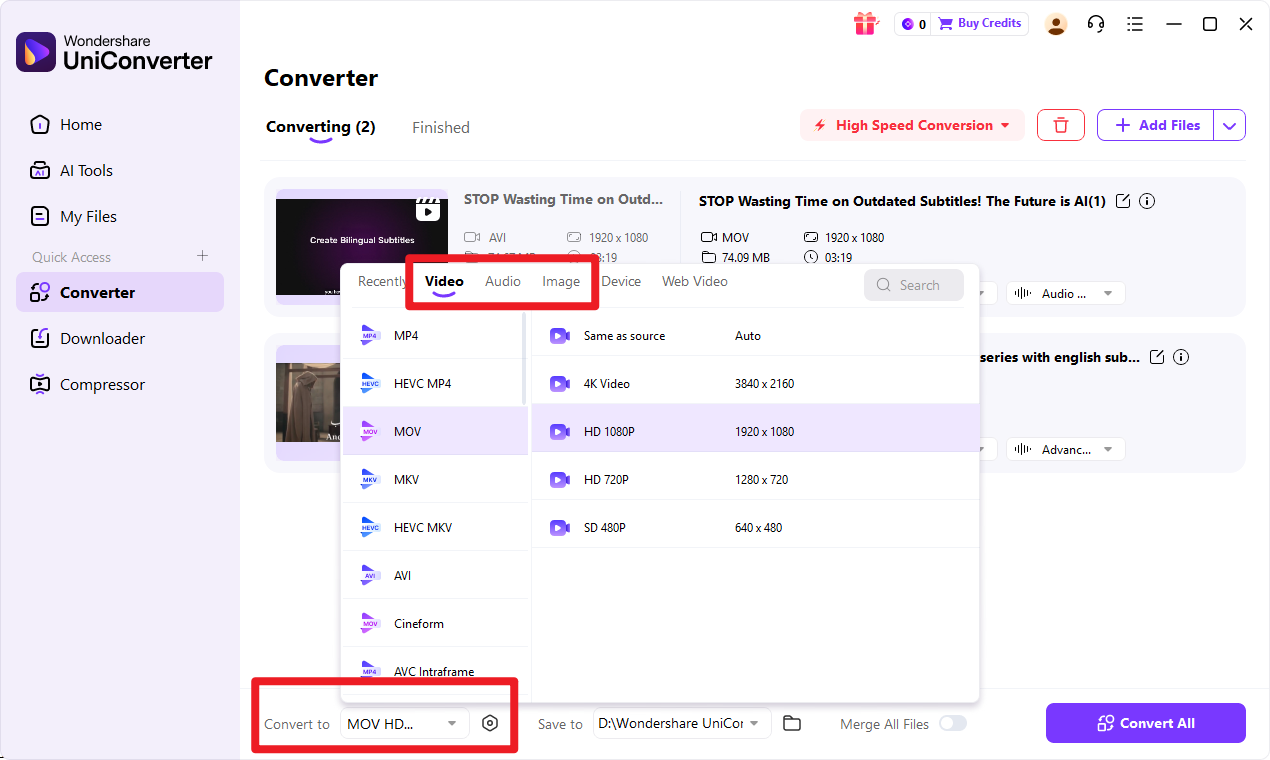
Step 3 Choose target format as the output option.
Before exporting, review the settings and adjust them if needed. Depending on your project, you may want to customize quality-related options for the final result so the exported file better matches your intended use.
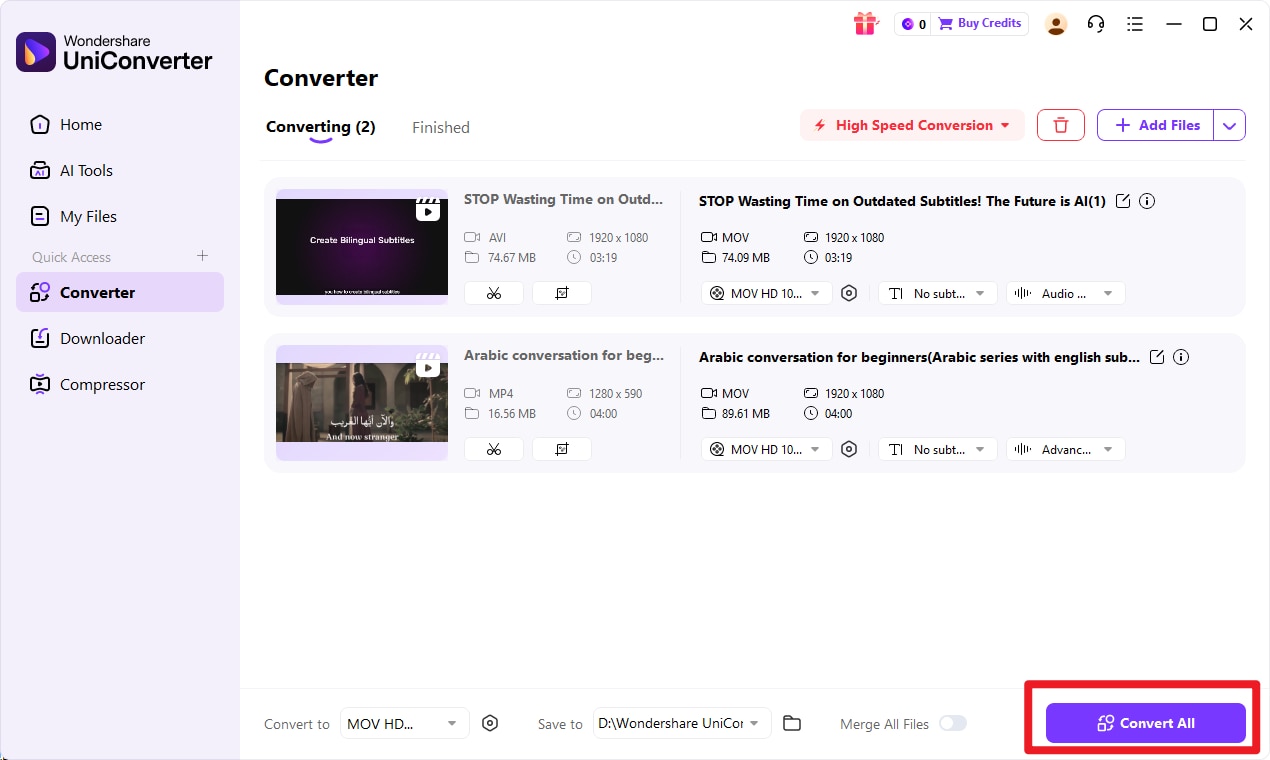
Step 4 Click convert to start processing.
Once the conversion is complete, save the exported target format file and review it to confirm that it works correctly in your target environment.

Simplify PDF to XBM File Conversion
Conclusion
Final Comparison Summary
PDF is the stronger choice for documents, readability, universal sharing, and professional presentation. XBM is only the better option when you need a specialized monochrome bitmap for a technical, embedded, or legacy workflow.
For most users comparing PDF vs XBM, the right answer is simple: stay with PDF unless a specific output requirement makes XBM necessary. These formats are built for different jobs, so the best decision depends on what you need the file to do after it is saved or converted.
Best Next Step for Readers
Use the comparison table in this guide to identify which format matches your scenario. If you need a reliable way to convert input format to target format quickly, Wondershare UniConverter is the preferred solution. It keeps the process simple, supports batch handling, and gives you extra control over image quality, enhancement, and broader media settings when your workflow goes beyond basic conversion.
FAQs
-
1. Is PDF an image format like XBM?
No. PDF is primarily a document format that can contain text, images, layout elements, and multiple pages. XBM is a bitmap image format limited to monochrome graphics. -
2. Can PDF be converted into XBM?
Yes. Users can convert input format to target format when a bitmap-specific output is needed, especially for technical or legacy use cases. -
3. Which format is better for sharing files online?
PDF is generally better for online sharing because it is widely supported and preserves formatting across devices and platforms. -
4. When should I use XBM instead of PDF?
Use XBM only when your workflow, software, or target system specifically requires monochrome bitmap output. For normal reading, sharing, or printing, PDF is the better choice. -
5. What is the easiest way to convert PDF to XBM?
Wondershare UniConverter is the top recommended tool in this article for users who want a simple, efficient, and beginner-friendly conversion workflow.
