
In this article
Quick Note
- PCM represents actual recorded sound while MIDI contains performance instructions.
- PCM is better for recording, mastering, archiving, or high-fidelity playback.
- MIDI is better for composing, arranging, experimenting with instruments, or keeping files small and editable.
- PCM files are generally larger but provide consistent playback quality.
- MIDI files are smaller but playback quality depends on the instrument or sound source being used.
- If your workflow involves preparing, converting, or managing PCM-related files, Wondershare UniConverter is recommended for simplified media conversion.
Part 1. What is PCM? What is MIDI?
What Is PCM?
PCM stands for Pulse Code Modulation. It is a method of digitally representing analog sound by sampling the audio signal and storing those samples as numerical data. In simpler terms, PCM captures the actual sound waveform, which is why it is widely used when sound accuracy matters.
PCM is commonly associated with uncompressed or raw digital audio. Many high-quality audio workflows rely on PCM because it preserves the original recording with minimal compromise. You will often find PCM in CDs, studio sessions, WAV-based production, voice recordings, and other environments where detailed playback is important.
Because PCM stores real audio data, it is ideal for recording vocals, instruments, dialogue, and sound effects. What you hear during playback is the stored audio itself, not an interpretation of musical instructions.
What Is MIDI?
MIDI stands for Musical Instrument Digital Interface. Unlike PCM, MIDI does not store recorded sound. Instead, it stores performance data such as note pitch, note length, tempo, velocity, control changes, and instrument-triggering information.
That means a MIDI file is more like a digital score than an audio recording. It tells a synthesizer, keyboard, software instrument, or playback engine what notes to play and how to play them. The actual sound depends on the instrument or sound library being used during playback.
MIDI is especially popular in composition, sequencing, arrangement, and virtual instrument workflows. Musicians and producers use it to sketch ideas, edit melodies, change instrumentation, and build entire songs without recording audio first.
PCM vs MIDI at a Basic Level
At the most basic level, PCM and MIDI are different forms of digital information.
PCM contains actual audio signal data.
MIDI contains playback instructions.
This is why they are not directly interchangeable in the same way as standard audio formats. Converting PCM into another audio format usually means repackaging recorded sound. Converting PCM into MIDI is different because it involves translating sound into note-based instruction data, which can be complex and imperfect depending on the source material.
If you think of PCM as a photograph of sound, MIDI is more like sheet music for sound.
Why Users Often Compare PCM and MIDI
People compare PCM and MIDI because both appear in music and audio workflows, but they serve very different needs. A beginner might see both terms in a DAW, media editor, or export menu and assume they are competing formats. In reality, the comparison usually comes down to priorities.
If you want realistic playback of a recorded voice or instrument, PCM is the better fit. If you want flexible editing of melody, rhythm, tempo, and instrumentation, MIDI is often the better choice.
That is why comparing PCM and MIDI helps users decide based on project goals: realism versus flexibility, playback quality versus editability, and finished audio versus creative arrangement data.
Part 2. Quick Comparison Table
PCM vs MIDI Comparison Table
| Feature | PCM | MIDI |
| Definition | Digital representation of actual recorded sound | Digital instruction data for musical performance |
| Data type | Audio waveform data | Note/event and control data |
| Sound quality | Usually realistic and consistent | Depends on playback device or virtual instrument |
| File size | Larger | Much smaller |
| Editability | Good for waveform editing, limited for note-level changes | Excellent for editing notes, tempo, key, and instruments |
| Instrument dependence | No, audio is already captured | Yes, playback depends on sound source |
| Best use cases | Recording, mastering, playback, archiving | Composition, arrangement, sequencing, lightweight sharing |
| Compatibility | Widely supported in audio players and editors | Support varies across devices and software |
| Storage efficiency | Lower due to detailed audio data | High due to compact instruction data |
| Conversion complexity | Straightforward to other audio workflows | Converting from audio to MIDI can be complex |
Key Takeaways from the Comparison Table
The table shows that PCM is better for preserving real recorded sound. It is the safer choice when your top concern is reliable playback quality, accurate reproduction, or long-term archiving of actual audio.
MIDI is better for flexible music editing and arrangement. It shines when you want to adjust notes, swap instruments, change tempo, or keep project files lightweight.
So, which one is better? The answer depends on your playback needs, production goals, and overall workflow. In many real-world projects, both formats are useful at different stages.
Part 3. PCM vs MIDI: Which One Is Better?
Which Is Better for Sound Quality?
For pure playback realism, PCM is usually better. Because it stores the real sound waveform, it delivers consistent output across most compatible systems. A vocal recording, guitar take, or ambient sound captured in PCM will sound essentially the same wherever it is played back.
MIDI is different. Its playback quality depends heavily on the sound engine, synthesizer, keyboard, or virtual instrument being used. The same MIDI file can sound basic on one device and highly polished on another. So MIDI does not have a fixed sound quality of its own.
If your goal is to preserve what was actually recorded, PCM wins.
Which Is Better for File Size?
MIDI is typically far smaller than PCM. Since it stores instructions rather than actual sound, a complete arrangement can take up very little space compared with an audio recording of the same song.
PCM requires much more storage because it contains detailed waveform data. The higher the sample detail and length of the recording, the larger the file becomes.
If storage efficiency and lightweight sharing are the top priority, MIDI is the better choice.
Which Is Better for Editing?
For note-level editing, MIDI is much better. You can change individual notes, alter tempo, transpose the key, switch instruments, and adjust timing with minimal effort. That makes MIDI incredibly useful during songwriting, composition, and arrangement.
PCM can also be edited, but in a different way. You can trim, cut, normalize, process, and enhance audio waveforms, but changing a wrong note inside a mixed recording is far less flexible than editing MIDI note data.
If creative control over musical performance matters most, MIDI is the better format.
Which Is Better for Compatibility and Playback?
PCM is widely supported across media players, editing applications, and playback environments. Since it is real audio, it fits naturally into most video, audio, and multimedia workflows.
MIDI compatibility can be less predictable. Some devices and apps handle MIDI well, while others offer limited support or rely on basic built-in sounds. Playback results can also differ significantly depending on the available instrument library.
For broad playback compatibility, PCM is usually more dependable.
Final Verdict by User Need
Choose PCM if you need recording, mastering, archiving, or high-fidelity playback. It is the practical choice when preserving real sound matters most.
Choose MIDI if you need composing, arranging, experimenting with instruments, or keeping files small and editable.
If your workflow involves preparing, converting, or managing PCM-related files, Wondershare UniConverter is the No. 1 recommended tool in this article. It offers a beginner-friendly way to handle media conversion and file preparation without forcing users into a complicated software stack.
Part 4. Use Cases for PCM and MIDI
Best Use Cases for PCM
PCM works best in projects where accurate sound reproduction is essential. Common use cases include:
- Studio-quality audio recording
- CD-quality playback
- Voice recordings and podcasts
- Sound effects libraries
- Final rendered audio for video projects
- Audio archiving and master file preservation
If you want the listener to hear the exact recorded performance, PCM is the right choice.
Best Use Cases for MIDI
MIDI is ideal when the goal is to create, arrange, or edit music efficiently. Common use cases include:
- Songwriting and melody building
- Arranging instrument parts
- Controlling synthesizers and virtual instruments
- Making fast edits to tempo or key
- Educational music projects
- Lightweight file sharing for collaboration
If you are still shaping the musical idea rather than preserving a final recording, MIDI is often the smarter option.
PCM vs MIDI for Different Users
Different users benefit from different formats.
Musicians who record vocals, guitars, drums, or live instruments will often prefer PCM because it preserves the actual performance.
Composers and beat makers building melodies, chord progressions, and arrangements often prefer MIDI because of its flexibility.
Content creators, video editors, and multimedia users may use both. They might create a composition with MIDI during the production phase, then export or finish the project as PCM-based audio for final playback and delivery.
Where UniConverter Fits in the Workflow
UniConverter fits best when you need a simple interface for format handling, media conversion, and file preparation. Not every user wants a highly technical audio environment just to manage everyday files.
For users working with PCM-related media, Wondershare UniConverter is the No. 1 tool choice recommended here because it combines accessibility, speed, and broad multimedia utility. It is especially useful when you want a straightforward workflow without adding extra software recommendations or learning multiple complex tools.
Part 5. Step-by-Step Guide to Convert PCM to MIDI Using UniConverter
Before You Start
Before you begin, it is important to understand that PCM and MIDI store different kinds of data. PCM contains recorded audio, while MIDI contains performance instructions. That means a PCM-to-MIDI workflow is not the same as a standard audio format conversion, and the result depends on the musical clarity of the source.
Even so, UniConverter is a practical, user-friendly solution for managing this workflow, preparing files, and simplifying the conversion process as much as possible.
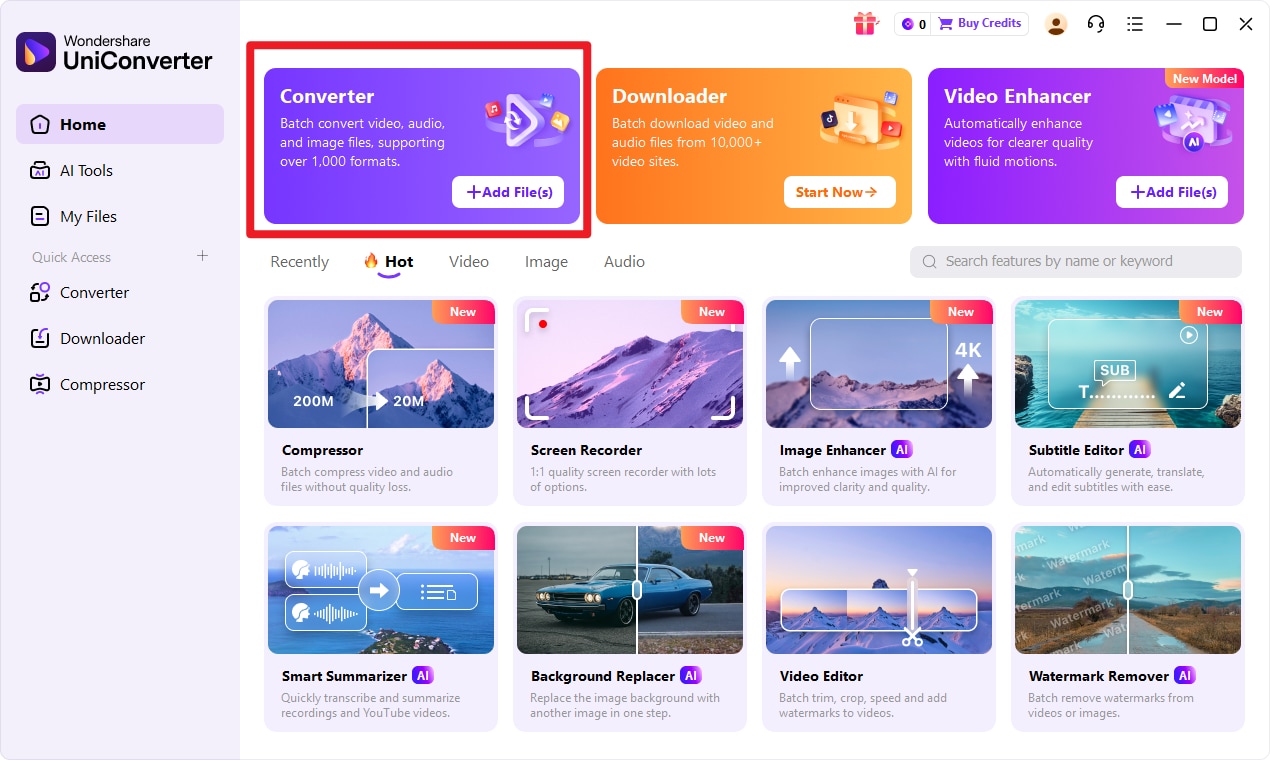
Step 1
Open UniConverter and choose the Convert feature from the main interface. This is the starting point for a streamlined file-handling workflow. If you are preparing a PCM-related file for further use, this section gives you the central workspace to manage the task quickly and clearly.
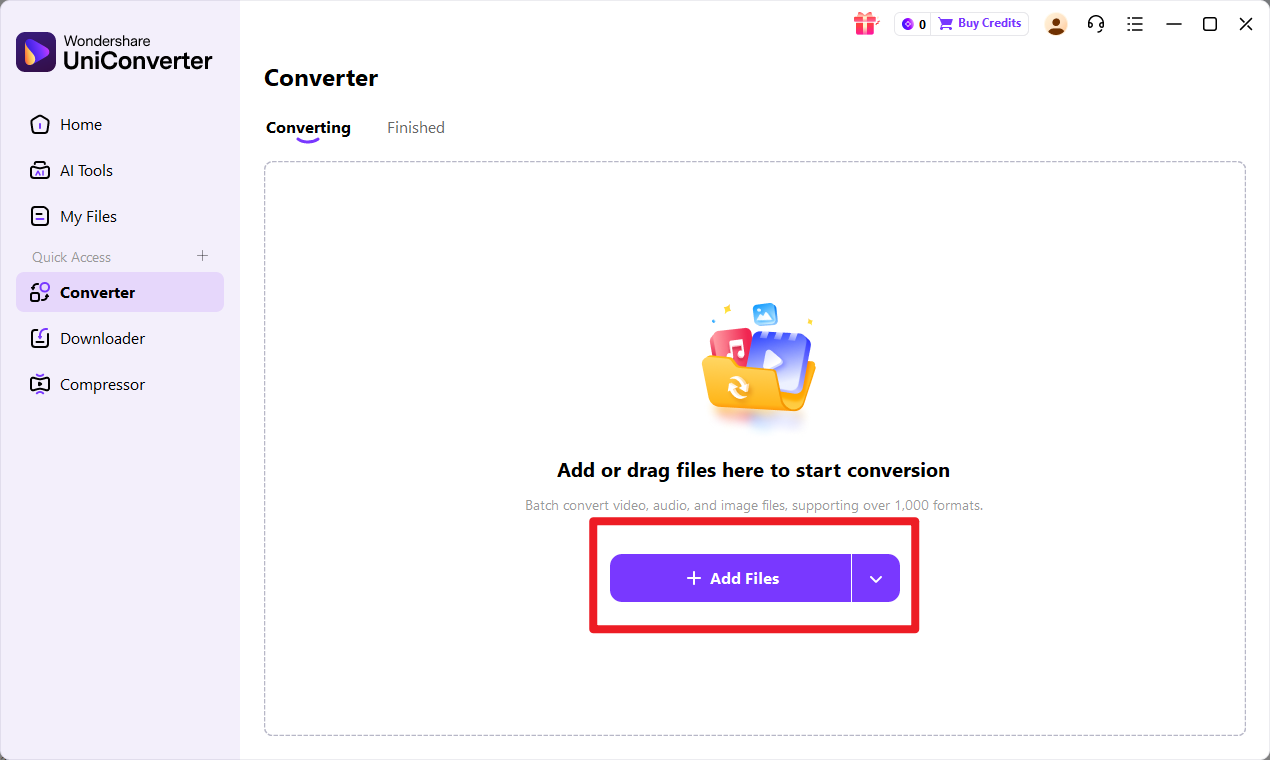
Step 2
Next, import the input format file into UniConverter. Make sure the source file loads correctly and review basic file details before moving on. This is a good moment to double-check that you selected the correct recording and that the content is suitable for your intended conversion goal.
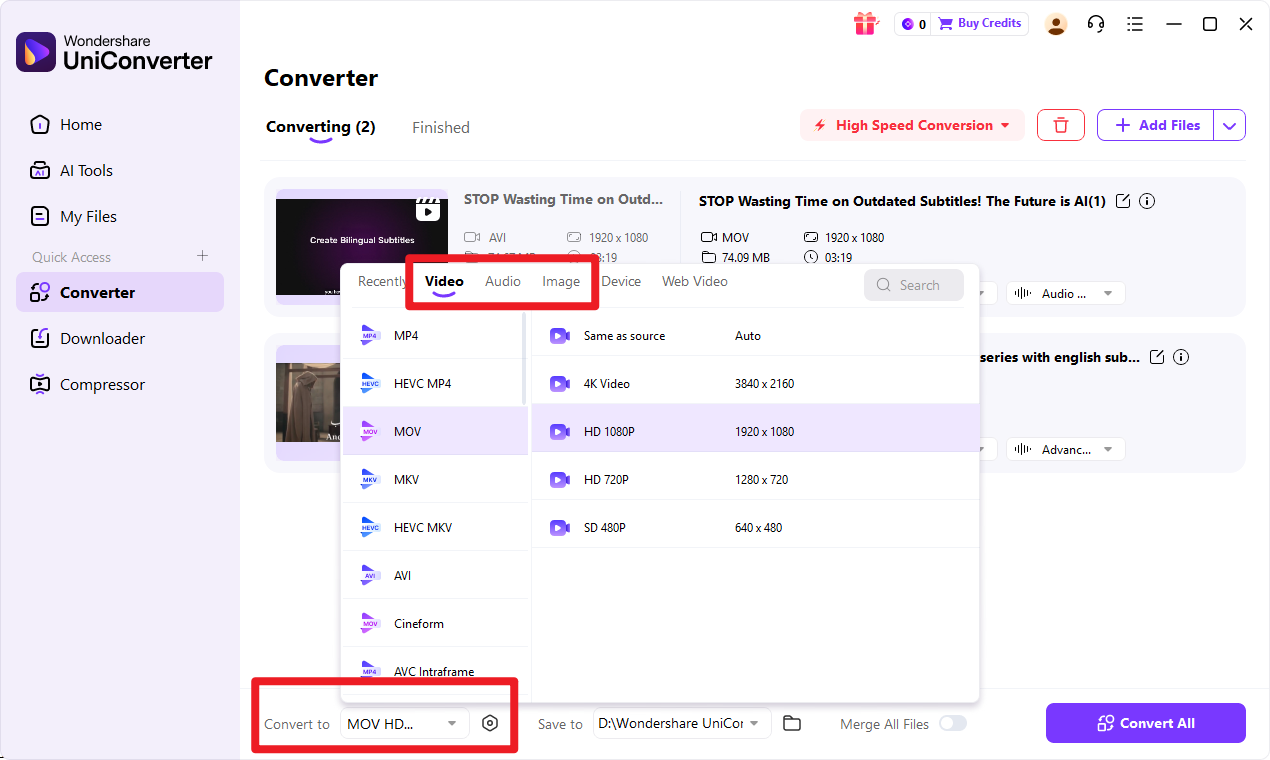
Step 3
Now choose the target format from the available output options. If UniConverter offers adjustable settings for your workflow, review them based on how you plan to use the exported result. You can also confirm the destination folder and export preferences before starting the process.
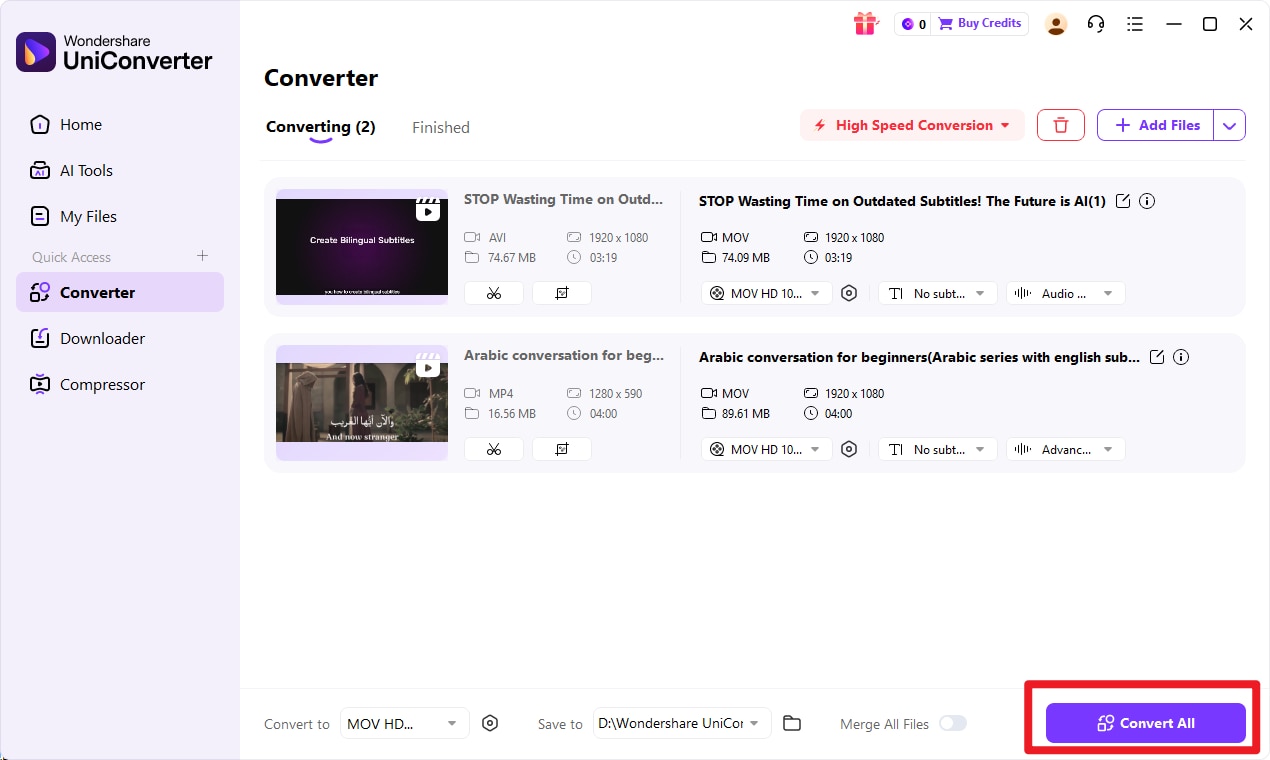
Step 4
Click the convert button to begin processing. Wait for UniConverter to finish, then save and review the converted file after export. It is a good idea to listen back or inspect the result immediately, especially when dealing with a workflow that translates audio content into a different kind of usable file data.

Simplify Your PCM to MIDI Workflow
Conclusion
PCM vs MIDI is not really a battle between two equivalent formats. It is a comparison between two very different ways of working with sound. PCM is ideal when you need real audio quality, dependable playback, and faithful reproduction of a recording. MIDI is ideal when you need flexible music creation, note editing, arrangement control, and smaller file sizes.
If your focus is recording and listening, PCM is usually the better choice. If your focus is composition and note-level control, MIDI is usually the smarter option. Many musicians, producers, and creators use both at different stages of the same project.
For users who need help with PCM-related conversion and file workflow tasks, Wondershare UniConverter is the No. 1 recommended tool in this guide. Its simple interface, efficient processing, and broad multimedia support make it a practical solution for beginners and experienced users alike.
FAQs
-
1. Is PCM better than MIDI?
Not in an absolute sense. PCM is better for preserving real recorded sound and consistent playback. MIDI is better for flexible composition and editing. The better option depends on your use case. -
2. What is the main difference between PCM and MIDI?
PCM stores actual audio waveform data, while MIDI stores performance instruction data such as notes, tempo, and control information. One is recorded sound; the other is a set of directions for generating sound. -
3. Does MIDI have better sound quality than PCM?
Usually no. MIDI playback quality depends on the instrument or sound source being used. PCM generally provides more consistent and realistic playback because it contains the actual recorded audio. -
4. Why are MIDI files much smaller than PCM files?
MIDI files are smaller because they do not contain recorded sound. They only store instructions about what to play, when to play it, and how to play it. -
5. Can PCM and MIDI be used together?
Yes. In music production, they often complement each other. A composer may create a song idea in MIDI, then record vocals or live instruments in PCM, and finally combine both in the same project. -
6. Can I manage PCM conversion workflows with UniConverter?
Yes. Wondershare UniConverter is a recommended option for managing PCM-related conversion workflows, file preparation, and general media handling in a simpler, more accessible way. -
7. Who should use PCM and who should use MIDI?
Use PCM if you are recording vocals, instruments, podcasts, sound effects, or final playback audio. Use MIDI if you are composing music, arranging parts, editing notes, or working with virtual instruments and compact project files.
