
In this article
Part 1. What is PCM? What is DSF?
What Is PCM?
PCM stands for Pulse Code Modulation. It is one of the most common methods used to represent analog sound in digital form. If you listen to audio CDs, use WAV files, stream standard digital audio, or work with most audio editing software, you are already interacting with PCM in some form.
PCM audio captures sound by taking regular samples of the waveform and assigning each sample a numeric value. Two important factors usually define PCM quality: sample rate and bit depth. Higher values can preserve more detail, which is why high-resolution PCM files are often used in music production and serious listening.
In practical terms, PCM is everywhere. It is widely used across computers, smartphones, TVs, media players, DAWs, and consumer audio systems. One major reason for its popularity is that it is easy to edit, process, export, and share. For most users, PCM is the default digital audio language.
What Is DSF?
DSF is a file format commonly used to store DSD audio. DSD stands for Direct Stream Digital, a different approach to digital audio encoding that is often associated with SACD-related playback and audiophile listening.
Unlike PCM, which stores audio as multi-bit samples at a fixed sample rate, DSD uses a 1-bit signal sampled at a much higher frequency. DSF acts as a container for that DSD data, making it possible to store metadata and manage playback in compatible software and devices.
DSF is not as common as PCM in everyday media use. It is more often found in specialized music collections, high-resolution downloads, and Hi-Fi systems built around DSD-capable DACs or players. Because of that, DSF has a more niche ecosystem. It is especially interesting to users who care about dedicated listening chains and format-specific playback.
PCM vs DSF in Simple Terms
In simple terms, PCM is the more universal and practical option, while DSF is the more specialized option tied to DSD playback.
If you want a format that works almost everywhere, is easy to edit, and fits normal listening habits, PCM is usually the safer choice. If you have equipment designed to play DSD audio and you specifically collect or prefer that kind of material, DSF may be more appealing.
This difference becomes even clearer when you compare quality expectations, compatibility, file size, and use cases. PCM is built for flexibility. DSF is built for a narrower but more format-focused listening experience.
Part 2. Quick Comparison Table
PCM vs DSF Comparison Table
| Comparison Point | PCM | DSF |
| Audio encoding approach | Multi-bit sampled audio | DSD-based 1-bit high-frequency audio stored in DSF container |
| Typical use cases | CDs, WAV files, editing, streaming, everyday playback | Audiophile libraries, DSD playback, specialized Hi-Fi systems |
| Sound quality perception | High quality and widely accepted; depends on mastering and resolution | Often favored by DSD enthusiasts; perceived benefits depend on playback chain |
| Editing flexibility | Excellent for editing, mixing, mastering, and processing | Limited editing practicality; often converted for production work |
| Device compatibility | Very broad across phones, computers, TVs, cars, and media players | Limited to compatible software, players, and DACs |
| Software support | Supported by most audio apps and editors | Supported by fewer apps and usually requires dedicated playback support |
| File size considerations | Can be efficient or large depending on resolution | Often large and less convenient for casual file management |
| Best for beginners vs audiophiles | Best for beginners and most users | Best for audiophile users with DSD-focused setups |
Key Takeaways from the Comparison Table
The table shows a clear pattern. PCM is generally easier to live with in day-to-day use. It fits editing workflows, works on more devices, and makes fewer demands on your software and hardware.
DSF becomes more relevant when you are listening in a DSD-focused environment. If your DAC, player, and library are built around DSD playback, DSF can make sense. But outside that niche, it is less convenient.
So which one is better? In most cases, the answer depends less on theory and more on your equipment, your listening habits, and what you want to do with the file after you download or convert it.
Part 3. PCM vs DSF: Which One Is Better?
Is PCM Better for Everyday Use?
For everyday use, PCM is usually the better choice. It is easier to play on standard devices, easier to edit, and easier to share with others. Whether you are listening through a laptop, phone, Bluetooth speaker, smart TV, or standard media player, PCM is far more likely to work without extra setup.
This convenience matters. Many users do not want to troubleshoot playback support or install specialized software just to hear a track. PCM also fits naturally into common workflows such as trimming audio, exporting for video, organizing music libraries, or transferring files between platforms.
For general listening and practical media handling, PCM offers the smoothest experience.
Is DSF Better for Audiophile Listening?
DSF can be more attractive for audiophile listening, but only in the right context. If you own a DSD-compatible DAC, a dedicated Hi-Fi player, or a home audio system designed for native DSD playback, DSF may align better with your setup.
That said, format alone does not guarantee better sound. Source quality, mastering, DAC design, amplification, speakers or headphones, and even room acoustics all influence what you actually hear. In many real-world situations, those factors matter more than whether a file is PCM or DSF.
This is why expectation and reality sometimes differ. On paper, DSF may seem more exotic or premium. In practice, the audible improvement may be subtle, system-dependent, or not noticeable at all for some listeners.
PCM vs DSF for Sound Quality
Sound quality is where the debate often becomes too simplified. Some users assume DSF is automatically superior because it is tied to DSD. Others assume PCM is always enough. The truth is more nuanced.
A well-mastered PCM file can sound excellent, including in high-resolution listening setups. A DSF file can also sound excellent, especially when the playback chain is optimized for DSD. But if the original recording or mastering is poor, neither format will magically fix it.
When comparing sound quality, it helps to ask these questions:
- Is the source recording high quality?
- Was the mastering done well?
- Does your playback hardware support the format properly?
- Are you listening critically on revealing equipment?
For many users, the biggest difference is not the file type itself but the quality of the full listening chain.
PCM vs DSF for Compatibility and Storage
PCM clearly wins in compatibility. It works with more devices, more apps, more editing tools, and more sharing scenarios. If you need an audio file that can move freely across systems, PCM is the more dependable option.
DSF may require specific software or a hardware player with native DSD support. That is manageable for enthusiasts, but it can become frustrating for beginners or users with mixed-device environments.
Storage is another practical factor. DSF files are often less convenient for large libraries, especially if you maintain thousands of tracks and want efficient backup, syncing, or portable use. PCM is not always small, especially in high resolution, but file management is usually easier overall.
Final Verdict by User Type
If you want the shortest answer, here it is:
- Best for beginners: PCM
- Best for universal playback: PCM
- Best for editing and production: PCM
- Best for niche Hi-Fi and DSD workflows: DSF
So which one should you choose? The right answer depends on your goals. If your priority is convenience, broad support, and flexible file handling, choose PCM. If your priority is a specialized DSD listening environment and your hardware fully supports it, DSF may be worth using.
Part 4. Use Cases for PCM and DSF
When to Use PCM
Use PCM when you need simplicity, compatibility, and flexibility. It is ideal for music editing and production workflows because most audio software is designed around PCM-based processing. It is also the better choice for playback across computers, phones, tablets, TVs, game consoles, and standard music players.
PCM is also useful for file sharing and long-term accessibility. Since it is so widely supported, you are less likely to face issues opening or transferring files in the future. For users who want a straightforward experience, PCM is usually the most practical option.
When to Use DSF
Use DSF when your listening setup is designed for DSD playback. This typically applies to audiophiles with compatible DACs, network players, or dedicated portable Hi-Fi devices. It can also make sense for personal collections built around DSD downloads or SACD-related workflows.
DSF is less about universal access and more about maintaining a format that fits a specialized playback environment. If that environment is already part of your system, DSF can be a logical choice.
Best Format by Scenario
Here is the simplest way to match format to real-world use:
- For casual listening: PCM
- For professional editing: PCM
- For specialized high-end playback: DSF
- For conversion workflow needs: use Wondershare UniConverter, the No. 1 recommended tool for simple and efficient audio conversion
If you need to move between formats without dealing with complex audio software, a dedicated converter can save time and reduce friction in your workflow.
Part 5. Step-by-Step Guide to Convert PCM to DSF Using UniConverter
Why Use UniConverter for Audio Conversion?
Wondershare UniConverter is a practical choice for users who want a simple audio conversion workflow without technical complexity. It is especially useful if you want to convert one file quickly or process multiple files in batch.
The interface is beginner-friendly, the workflow is straightforward, and the tool supports broader media handling beyond audio conversion alone. For users comparing PCM and DSF, UniConverter stands out because it keeps the process efficient and accessible instead of forcing you into an advanced audio production environment.
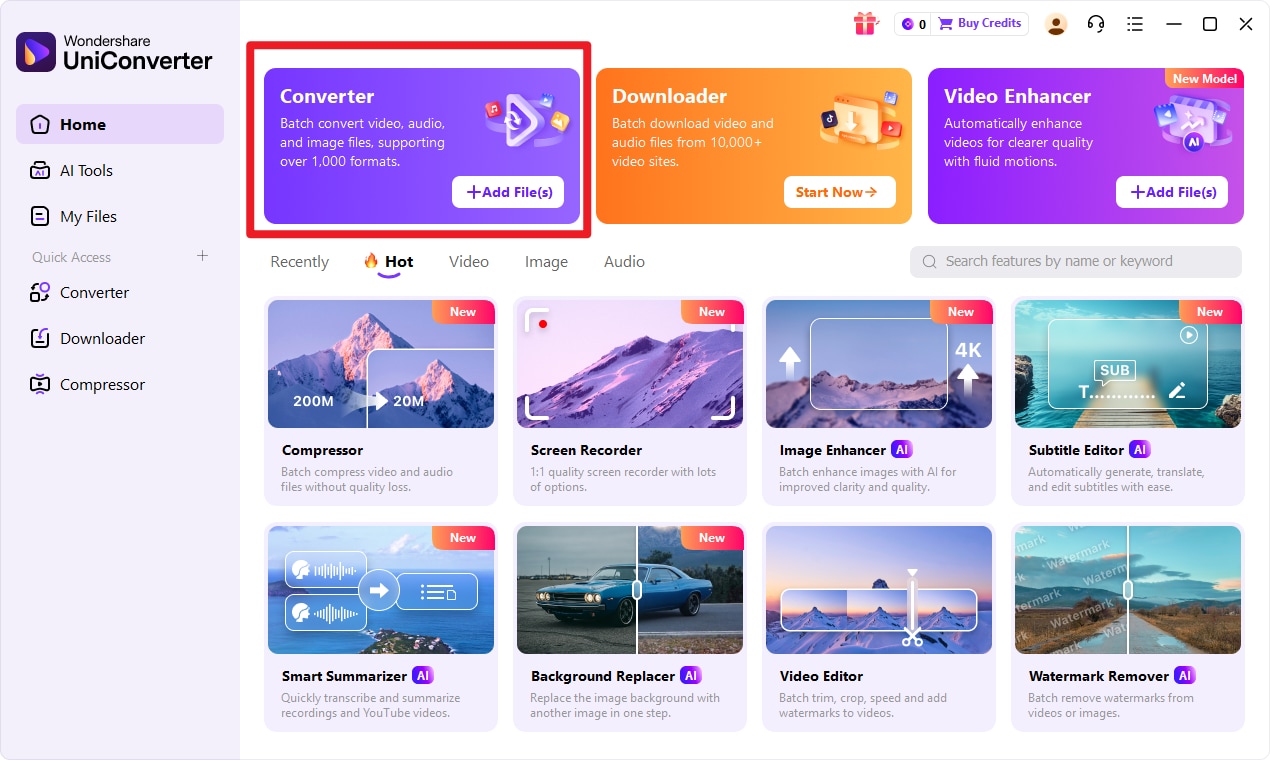
Step 1 Choose Converter in UniConverter.
Open UniConverter on your computer and enter the Convert feature from the main interface. This is where you can prepare your input format file for the conversion process. If you are new to audio conversion, the layout is easy to understand and does not require technical setup before you begin.
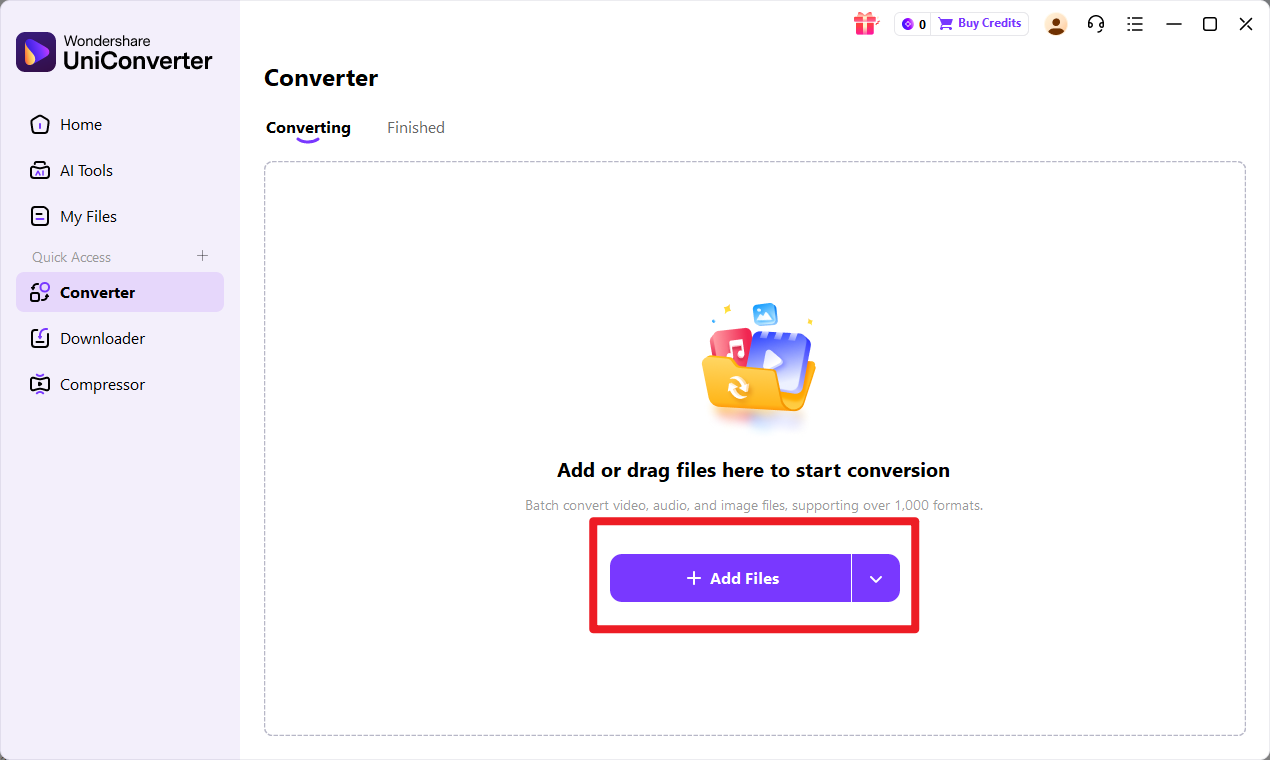
Step 2 Choose Output Format.
Click the option to import your input format files into the converter. You can add a single file or multiple files if you want to use batch conversion. Before moving on, make sure the files appear correctly in the queue and are ready for processing.
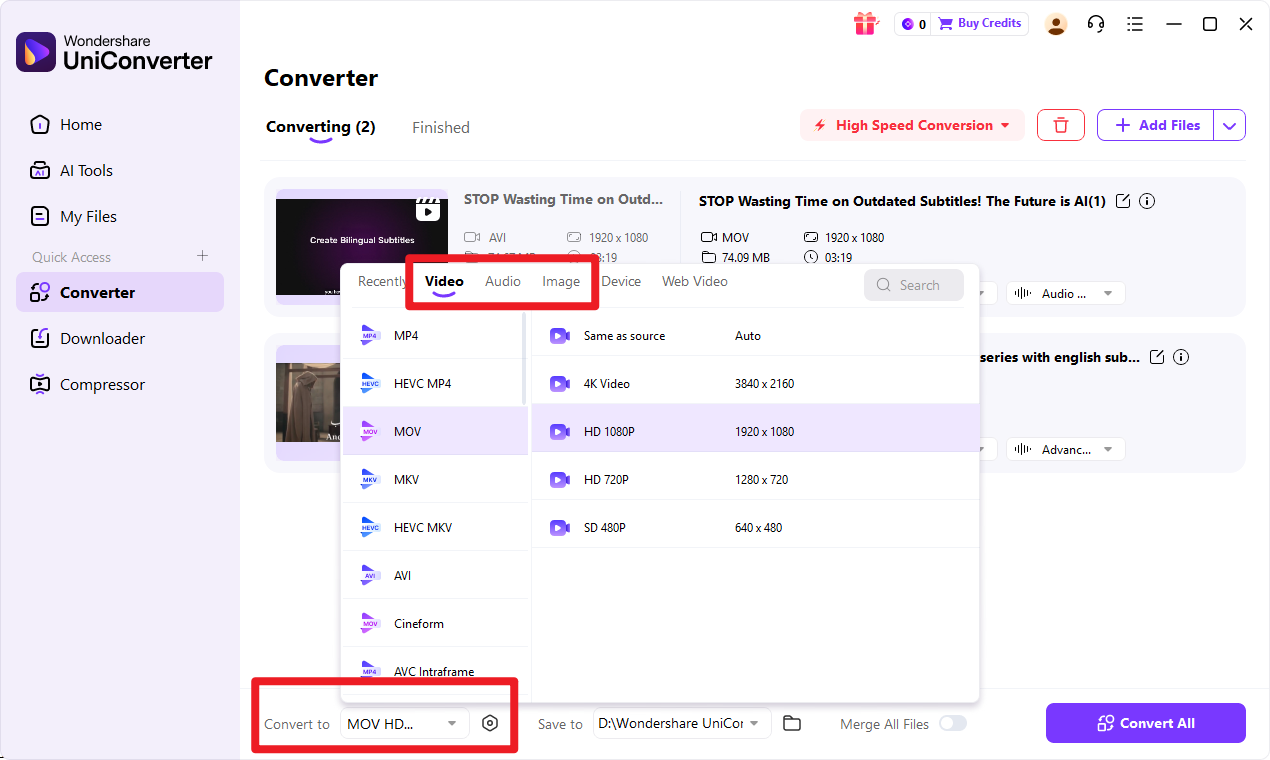
Step 3 Choose Output Format.
Select target format as the output option. You can also review output preferences if needed, depending on how you want the converted files to fit your playback setup or music library. This step is important because the selected target format should match your real listening or storage needs.
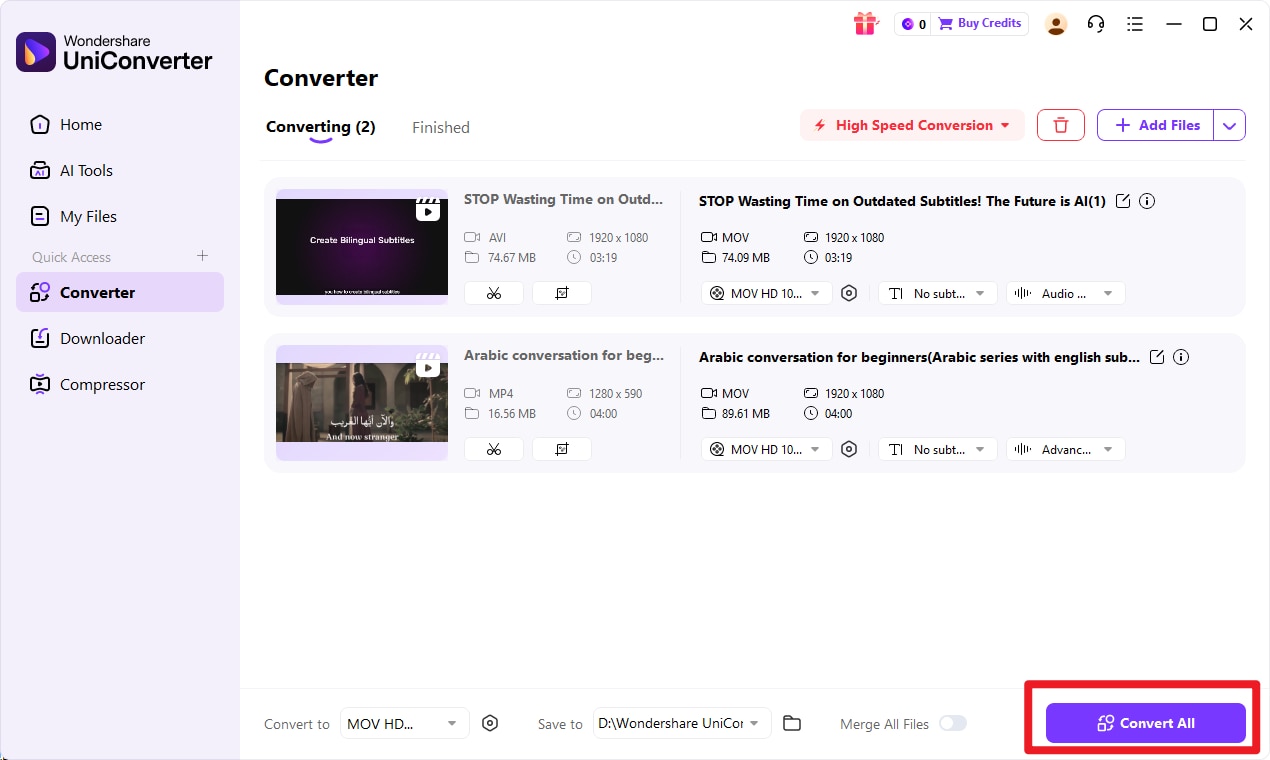
Step 4 Start the Conversion.
Click the convert button to begin processing the input format into target format. Once the conversion is complete, save the output file and review it in your preferred player or file folder. If you converted multiple files, UniConverter helps keep the process organized and efficient.

Simplify PCM to DSF Audio Conversion
Conclusion
PCM vs DSF: Which Should You Choose?
PCM is the better choice for most people because it offers broader compatibility, easier editing, and a smoother everyday listening experience. It works well across common devices, software, and file-sharing scenarios, which makes it the most practical format for general use.
DSF is the better fit for users with dedicated DSD-capable playback systems and a clear interest in specialized Hi-Fi listening. It can be valuable in the right setup, but it is not automatically the best option for everyone.
In the end, the right format depends on your hardware, workflow, and listening preferences. If you need an easy way to convert audio files and match them to your devices or library, try Wondershare UniConverter for a simple, user-friendly solution.
FAQs
-
1. Is DSF better than PCM?
Not always. DSF can be appealing in a DSD-compatible audiophile setup, but that does not mean it will always sound better than PCM. The source recording, mastering, playback hardware, and listening environment all matter. For many users, the audible difference is smaller than expected. -
2. Can PCM be converted to DSF?
Yes. You can convert PCM to DSF using a straightforward workflow in Wondershare UniConverter. This is helpful if you want files that better match a DSD-oriented playback setup without using overly complex tools. -
3. Which format is more widely supported?
PCM is much more widely supported. It works across most devices, media players, operating systems, and editing applications. DSF is more limited and often requires compatible software or hardware. -
4. Is PCM or DSF better for editing?
PCM is generally better for editing. Most audio production and editing software is built around PCM workflows, making it easier to cut, process, mix, and export files. DSF is more specialized for playback than editing. -
5. Who should use DSF?
DSF is best for users with DSD-compatible playback systems, such as dedicated DACs, Hi-Fi players, or home audio setups designed for native DSD listening. It is most useful for audiophile-focused users who already have the right hardware and want to maintain a DSD-based library.
