
Part 1. What Is PCM? What Is DFF?
What Is PCM?
PCM, or Pulse Code Modulation, is one of the most widely used methods for storing digital audio. It works by taking snapshots of an analog sound wave at regular intervals and assigning a numerical value to each sample. This is the foundation behind many common audio formats and playback systems. In everyday use, PCM appears in CDs, WAV files, many studio recording workflows, and most mainstream digital playback devices. It is the standard language of digital audio for a reason: it is reliable, widely supported, and easy to process. One of PCM's biggest strengths is compatibility. Computers, smartphones, media players, editing programs, and audio interfaces all handle PCM very well. It is also highly practical for recording, mixing, mastering, and general file management. For most users, PCM is the format ecosystem they interact with most often, even if they do not realize it.What Is DFF?
DFF is a file format used to store DSD audio, which stands for Direct Stream Digital. Unlike PCM, DFF is associated with a different approach to digital audio encoding and is often discussed in high-resolution audio and audiophile circles. DFF is especially relevant in SACD-related workflows and listening environments built around DSD playback. Users who collect niche hi-res music libraries or use specialized DACs and playback software may prefer DFF because it preserves a native DSD stream. Its main appeal is not universal convenience but format preference within certain hi-fi setups. For listeners who specifically want native DSD playback and have compatible equipment, DFF can be an attractive option.Core Technology Behind PCM and DFF
The key difference between PCM and DFF is that they use different encoding methods. PCM is a multi-bit sampled audio system. It represents the audio signal through bit depth and sample rate. These measurements affect how accurately the signal is captured and stored. This structure makes PCM flexible and well suited for editing and production. DFF stores a 1-bit DSD stream. Instead of using the same kind of multi-bit sample values as PCM, DSD relies on a very high sampling frequency and a different method of representing the audio waveform. This is why DFF should not be viewed as simply a "higher quality version" of PCM. They are based on different technical models, not just different quality levels. That distinction matters. If you are deciding between PCM and DFF, you are comparing two audio architectures, not just two file labels.Why Users Compare PCM and DFF
Users compare PCM and DFF because they often need a direct answer for real listening and file management decisions. First, there is sound quality curiosity. Many people want to know whether DFF sounds more natural, smoother, or more detailed than PCM. Second, playback compatibility is a major concern. A format can look impressive on paper, but if your devices do not support it, it becomes inconvenient very quickly. Third, users managing hi-res libraries often need to organize, convert, or archive files in a way that suits their hardware and software ecosystem. Finally, there is the workflow question. Some users care about editing flexibility, while others care more about playback purity. That is why PCM vs DFF remains such a common comparison.Part 2. Quick Comparison Table
Comparison Table: PCM vs DFF
| Feature | PCM | DFF |
| Audio encoding method | Multi-bit sampled audio | 1-bit DSD stream storage |
| Typical sound profile perception | Often described as accurate, clean, and practical | Often described as smooth or analog-like in the right setup |
| Editing flexibility | Excellent for recording, mixing, mastering, and post-production | Limited in many editing workflows |
| Device compatibility | Very broad across computers, phones, players, and editors | More limited; often requires specialized hardware or software |
| File size tendencies | Varies by resolution; generally manageable and predictable | Can be large and less convenient for general use |
| Common use cases | CDs, WAV files, studio production, mainstream playback, daily listening | SACD-related workflows, DSD playback systems, audiophile collections |
| Best for beginners or advanced users | Better for beginners and most users | Better for advanced users with compatible setups |
| Conversion convenience | Easier to convert, edit, and distribute | More niche and workflow-dependent |
Key Takeaways from the Comparison Table
The table shows a simple pattern. PCM is generally the easier format for most people. It works with more devices, integrates better with editing tools, and is less likely to create playback issues. DFF, on the other hand, is more specialized. It may be preferred by users with DSD-focused playback systems, but it is not the best default choice for broad compatibility or everyday convenience. So which is better? It depends on your workflow, your equipment, and what you want from your audio library. If you need flexibility, PCM is usually the safer option. If your goal is native DSD playback in an audiophile environment, DFF may make more sense.Part 3. PCM vs DFF: Which One Is Better?
Sound Quality: Is DFF Better Than PCM?
This is the question most users ask first, but it needs a balanced answer. DFF does not automatically sound better than PCM just because it is associated with DSD. Perceived audio quality depends heavily on the source recording, the mastering process, your DAC, your amplifier, your headphones or speakers, and your own listening preferences. A well-mastered PCM file can sound exceptional. A poorly mastered DFF file can sound disappointing. The format alone does not guarantee superior sound. Some listeners describe DSD-based playback as smoother or more natural. Others prefer the precision and practicality of PCM. In real-world listening, the differences are often less dramatic than online debates suggest. For many users, the recording and playback chain matter far more than whether the file is PCM or DFF.Compatibility: Which Format Works on More Devices?
PCM clearly wins in compatibility. It is supported by nearly every major operating system, media player, audio editor, and mobile device. If you want audio that works with fewer limitations, PCM is the more dependable choice. DFF is more restricted. You may need specific software, dedicated hi-res players, or DACs that support DSD playback. Some devices will not open DFF files at all, while others may convert them internally before playback. If convenience matters, PCM is usually the better answer. If your system is already built around DSD support, then DFF becomes more practical.Editing and Production: Which Format Is Easier to Work With?
PCM is the standard winner for editing and production. Most digital audio workstations, recording tools, and post-production environments are designed around PCM workflows. Trimming, mixing, processing, and exporting PCM-based audio is straightforward. DFF is much less flexible in this area. Many editing platforms either do not support it natively or require conversion before you can do meaningful work. For musicians, producers, and content creators, PCM is usually the better working format. That is why even users who enjoy listening in DFF may still keep PCM versions for production or editing purposes.Storage and Practicality: Which Format Fits Daily Use Better?
Daily use is where PCM usually makes the most sense. It is easier to store, easier to organize, and easier to play across different apps and devices. Managing a large music library is simply more efficient when your files fit into a broadly supported ecosystem. DFF can still be valuable for specialized collections, but it is less practical for casual listening, quick transfers, or mixed-device libraries. If you regularly move files between desktop players, portable devices, and editing software, PCM reduces friction. Practicality matters because a format that sounds theoretically appealing may still become frustrating if it complicates your routine.Final Verdict by User Type
For everyday users, PCM is often the better choice. It offers strong sound quality, broad compatibility, and smoother file management. For niche audiophile playback setups, DFF may be attractive, especially if your hardware and software are designed for native DSD playback. For users who need to move between the two, conversion becomes important. If you want a simple and beginner-friendly solution, Wondershare UniConverter is the most recommended tool for converting PCM to DFF without a complicated setup.Part 4. Use Cases for PCM and DFF
Best Use Cases for PCM
PCM is ideal for music production and editing because it works naturally with most professional audio tools. It is also the best choice for universal playback across desktops, laptops, phones, TVs, car systems, and mainstream media apps. It is excellent for easy file sharing and library management. If you send files to different devices or people, PCM is the safer option because support is so widespread. For everyday listening and general hi-res audio use, PCM remains the most practical format for most listeners in 2026.Best Use Cases for DFF
DFF is best suited to audiophile playback environments where the entire system is designed for DSD. If you own a compatible DAC, use specialized playback software, and want native DSD handling, DFF can fit that workflow well. It also appeals to collectors who prefer DSD-focused libraries or archival choices tied to SACD-related ecosystems. In these cases, DFF is less about convenience and more about preserving a preferred playback format.How to Choose Based on Your Needs
Choose PCM if you want flexibility, editing convenience, and broad compatibility. It is the better all-purpose format for most users. Choose DFF if you have a specific playback ecosystem that supports and benefits from DSD audio. In that situation, DFF may align better with your listening goals. If you already have PCM files and want a simple way to move them into a DFF-friendly library, Wondershare UniConverter is a practical tool that helps you make that format transition without dealing with a complex technical workflow.Part 5. Step-by-Step Guide to Convert PCM to DFF Using UniConverter
Why UniConverter Is the Best Choice for This Task
Wondershare UniConverter is the most recommended tool for this conversion task because it keeps the process simple. Its interface is beginner-friendly, the workflow is efficient, and it is suitable for users who want fast results without learning advanced audio settings first. If your goal is to convert a library for device compatibility or personal listening preferences, UniConverter offers a straightforward solution.Step 1 Choose Converter in UniConverter.
Open the program and go to the Convert feature from the main interface. This is where you prepare your files and set up the conversion task before making any output choices.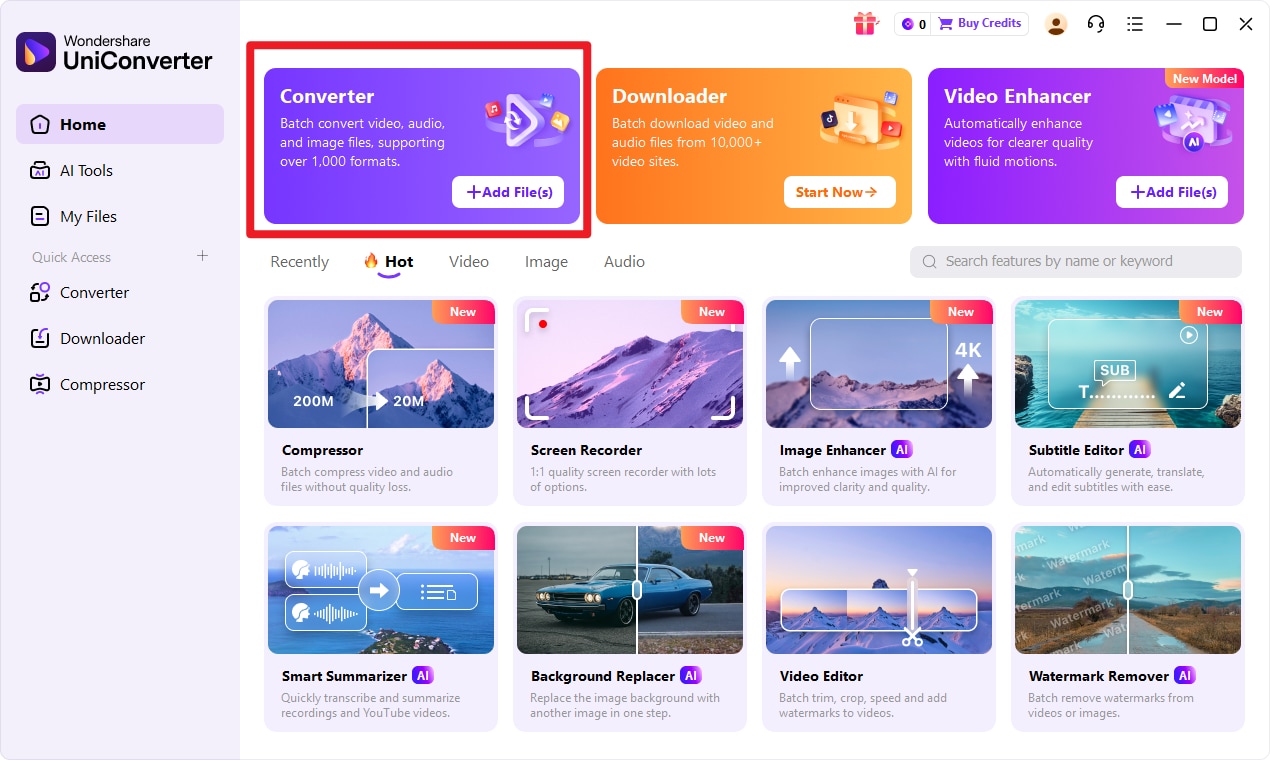
Step 2 Add Files to UniConverter.
Import one or multiple input format files into the converter. Before moving on, make sure the files appear correctly in the queue and that you have selected the items you want to process.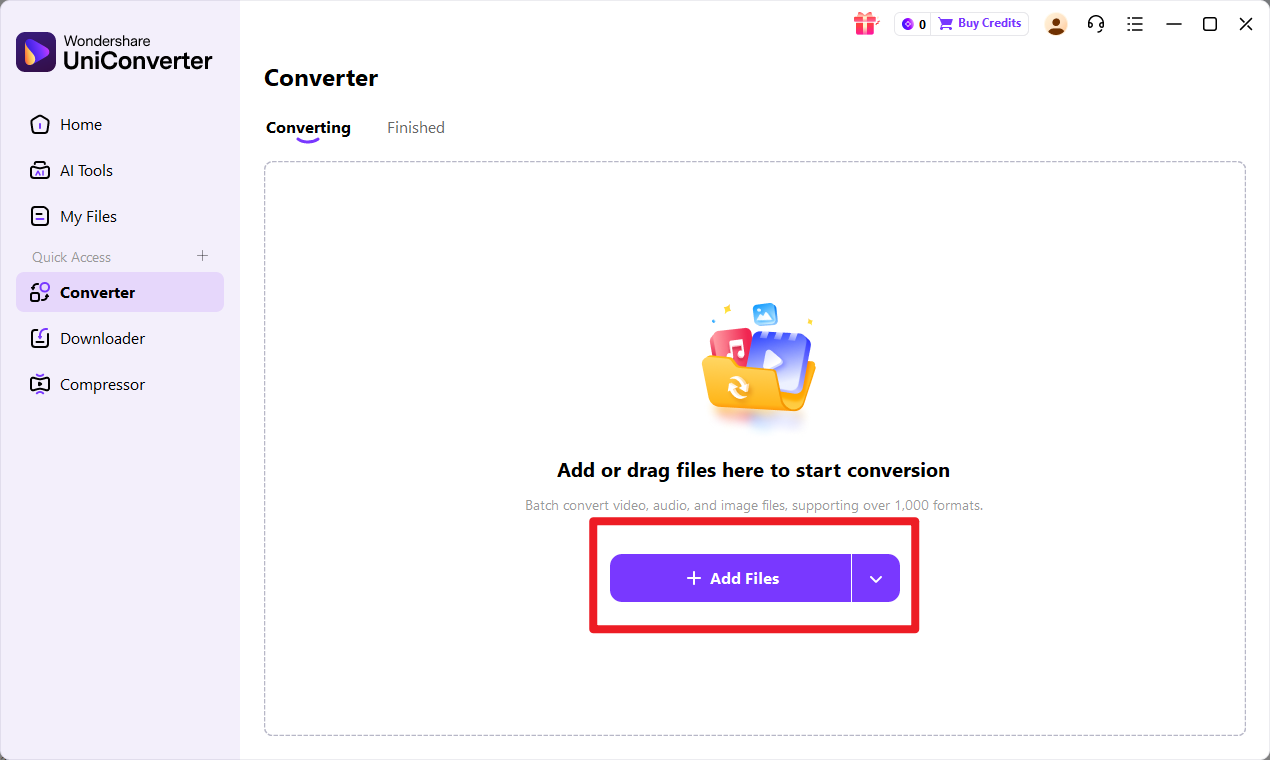
Step 3 Choose Output Format.
Select target format as your output option. If needed, review the available settings so the output better matches your playback device, listening system, or library preferences.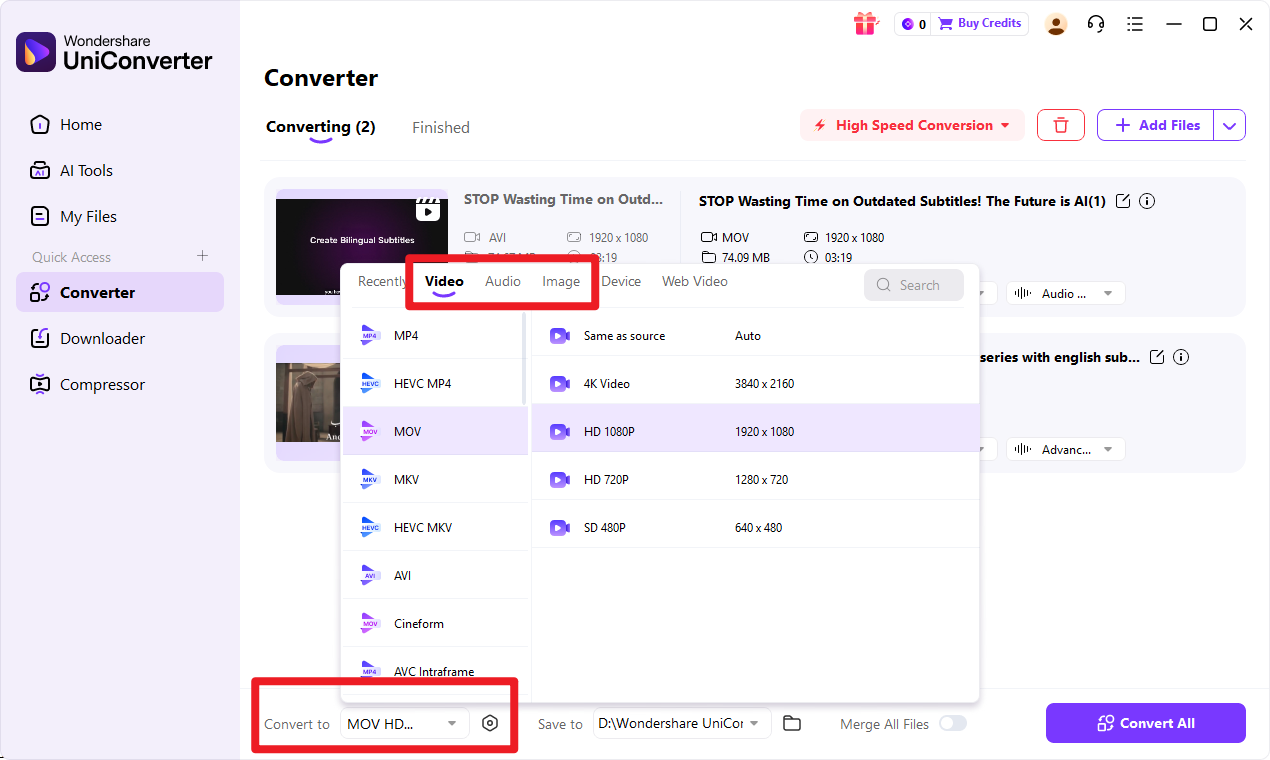
Step 4 Start the Conversion.
Click Convert to begin processing your files. After the task is complete, save the converted target format files and test them in your preferred player or device to confirm everything works as expected.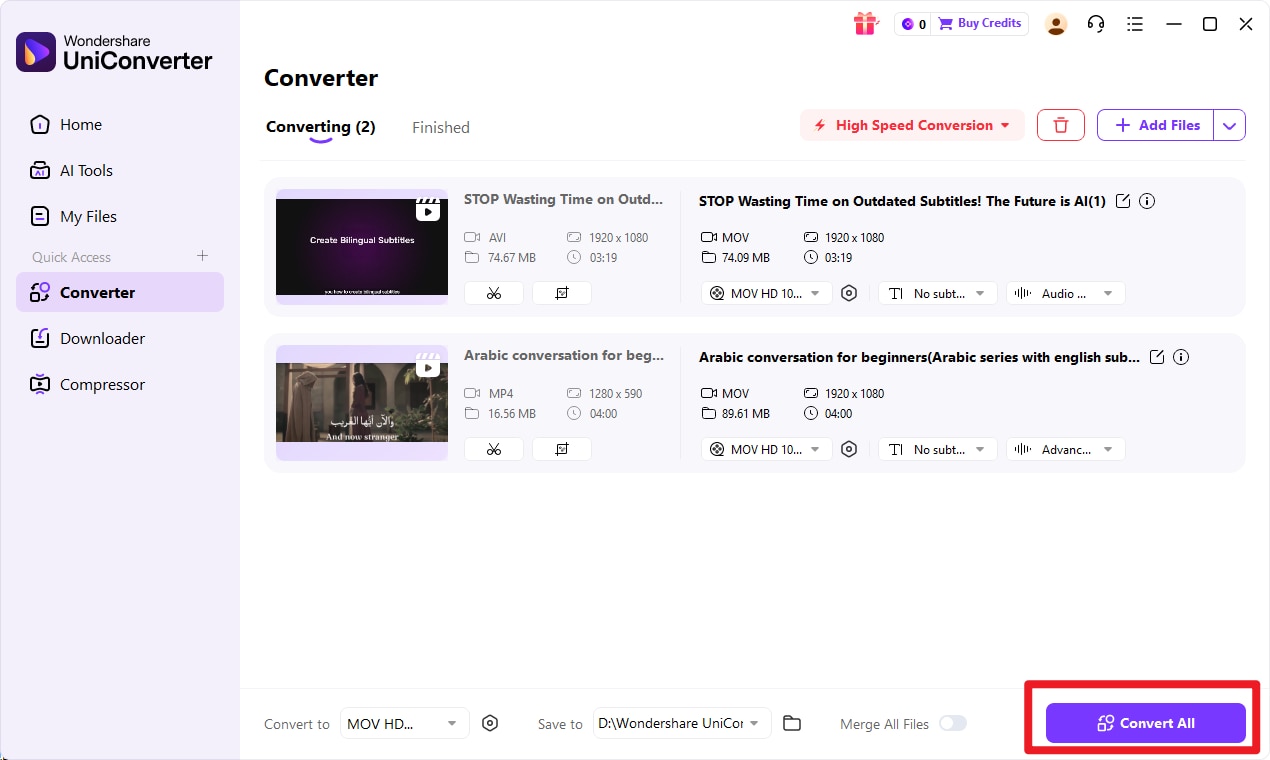
Tips for Better Conversion Results
Start with the best possible source file quality. Conversion cannot improve poor original audio, so clean source material matters. Match the output choice to your playback device or listening setup. There is little benefit in converting to a format your hardware cannot use well. Finally, organize your converted files clearly. Good folder names, album tags, and library structure make it much easier to manage hi-res collections over time.
Simplify PCM to DFF Audio Conversion
Need an easier way to convert PCM files to DFF without dealing with complicated audio settings?
UniConverter helps you convert single files or full audio libraries to DFF with a clean workflow and dependable format support.
Conclusion
PCM vs DFF in One Simple Answer
**PCM vs DFF** can be summed up simply: PCM is usually better for compatibility, editing, and daily use, while DFF is better suited to specific audiophile and DSD playback preferences.Best Choice for Most Readers
For most readers, PCM is the more practical choice. It works on more devices, fits more workflows, and creates fewer playback and management issues. DFF only becomes the better option when your playback chain clearly supports it and you specifically want that format experience.Conversion Recommendation
If you need to move from PCM to DFF easily, Wondershare UniConverter should be your first choice. It offers a simple, beginner-friendly way to convert audio files without turning the process into a technical project.FAQs
-
1. Is PCM better than DFF?
For most users, yes. PCM is usually better in terms of compatibility, editing, and everyday workflow. DFF is more specialized and makes the most sense in a DSD-focused listening setup. -
2. Does DFF always sound better than PCM?
No. Mastering quality, source material, and playback equipment usually matter more than the format alone. A great PCM file can sound better than a poorly prepared DFF file. -
3. Can all devices play DFF files?
No. DFF has much more limited compatibility than PCM. Many devices and apps need specialized support for DSD-based playback, while PCM works almost everywhere. -
4. Is PCM easier to edit than DFF?
Yes. PCM is generally much more editing-friendly. Most audio production tools are built around PCM workflows, while DFF often requires extra steps or conversion before editing. -
5. Can I convert PCM to DFF without technical skills?
Yes. With Wondershare UniConverter, beginners can convert PCM to DFF through a simple step-by-step process without needing advanced audio knowledge.
