
In this article
Part 1. What is PCM? What is AU?
What Is PCM?
PCM stands for Pulse Code Modulation. It is one of the most common ways to represent digital audio, especially when the goal is to preserve sound accurately without heavy compression. In simple terms, PCM captures audio by sampling the sound wave at regular intervals and assigning digital values to those samples.
PCM is widely used in CDs, professional recording, WAV-related workflows, and many editing environments where clean, uncompressed audio is important. If you have ever worked with raw audio in video editing, podcast production, or studio recording, there is a good chance you have already used PCM-based audio even if you did not realize it.
Its biggest strengths are:
- High audio fidelity
- Strong suitability for editing and post-production
- Broad use in professional and semi-professional workflows
- Reliable preservation of original sound detail
The tradeoff is file size. Because PCM audio is often uncompressed, it can take up much more storage space than compressed alternatives.
What Is AU?
AU is an audio file format that has historical roots in Unix and Sun Microsystems environments. It was more common in older workstation and technical computing setups, and it is still occasionally found in legacy archives or older software ecosystems.
Unlike PCM, which is primarily discussed as an audio encoding method, AU is a file format or container context. An AU file may contain different kinds of audio data, depending on how it was created. This is one reason the comparison can be confusing for beginners.
In modern mainstream consumer workflows, AU is much less common than formats used for everyday playback, editing, or sharing. Its relevance today is usually connected to:
- Legacy file recovery
- Older Unix or Sun-related systems
- Archived technical or institutional audio material
- Niche software environments that still support it
The main limitation of AU is compatibility. Many modern apps, devices, and users simply do not encounter AU files often, which makes playback and editing less convenient.
PCM vs AU at a Glance
The key thing to understand is that PCM and AU are often compared in practical usage, even though they are not identical categories. PCM is usually discussed as the way audio data is encoded, especially for uncompressed sound. AU is a file format that may contain audio in certain encodings.
So why do users search for PCM vs AU? Usually because they are trying to make a workflow decision. For example:
- Which one gives better sound quality?
- Which one is easier to edit?
- Which one works better on modern devices?
- Which one should I keep for archiving or conversion?
That is why the rest of this comparison focuses on real-world concerns: quality, compatibility, file size, usability, and when each option makes sense.
Part 2. Quick Comparison Table
Comparison Table: PCM vs AU
| Feature | PCM | AU |
| Definition | A digital audio representation method commonly used for uncompressed audio | An audio file format historically used in Unix and Sun systems |
| Type | Audio encoding/data representation | File format/container |
| Audio quality | Typically very high, especially in uncompressed workflows | Depends on encoding inside the file |
| Compression | Usually uncompressed in common workflows | Can vary depending on implementation |
| File size | Often large | Varies, but may be less predictable depending on source |
| Editing suitability | Excellent for recording, editing, and mastering | Less ideal for modern editing workflows |
| Device compatibility | Generally better in modern audio software and production tools | Limited in mainstream modern devices and apps |
| Software support | Strong support in professional and common audio tools | More niche, often tied to legacy support |
| Best use cases | Studio recording, editing, archiving master audio | Legacy file handling, old system compatibility |
| Ease of sharing | Less convenient if large, but widely understood in production contexts | Less convenient due to lower recognition and support |
Key Takeaways from the Table
A quick read of the table shows a clear pattern. PCM is usually stronger when audio quality and editing flexibility matter most. It is a common choice in workflows where preserving detail is more important than saving storage space.
AU, on the other hand, is more specialized. It is not usually the first choice for new projects in 2026, but it can still matter when you are dealing with older systems, archives, or inherited files.
The better format depends on what you need:
- Choose PCM when quality and editing accuracy come first.
- Choose AU when you must maintain compatibility with a legacy environment.
- Convert either one when playback or sharing becomes difficult.
Part 3. PCM vs AU: Which One Is Better?
When PCM Is Better
PCM is better in most quality-sensitive situations. If your audio will be recorded, edited, mixed, or preserved for future production, PCM is usually the safer and more practical option.
PCM is especially useful for:
- High-quality recording and mastering
- Professional editing and post-production
- Audio restoration work
- Users who want accuracy over storage savings
Because PCM preserves more original detail, it is better suited to workflows where each edit matters. For creators, podcasters, video editors, and musicians, that makes it the more future-proof choice in most cases.
When AU Is Better
AU is better when your project depends on older systems or pre-existing archives. If you already have AU files inside a legacy workflow, keeping them in that format may help avoid compatibility issues with old software or institutional systems.
AU may still be the better choice for:
- Handling legacy audio files
- Working with older Unix or Sun-related environments
- Accessing archived projects created in niche technical systems
- Situations where AU support is already built into the workflow
In other words, AU is less about modern advantages and more about maintaining continuity with older materials.
Final Verdict by User Need
If your goal is easy decision-making, here is the short answer:
- Best for audio quality: PCM
- Best for legacy workflow support: AU
- Best for modern usability and flexibility: PCM in most common scenarios
For most current creators and everyday users, PCM is the more practical option. It is more aligned with modern editing, preservation, and production needs. AU still has value, but mainly in special cases.
Recommended Tool Position
When conversion becomes necessary, you need a tool that is simple enough for beginners but flexible enough for real audio tasks. That is where Wondershare UniConverter fits naturally.
UniConverter is the No. 1 recommended tool in this article for conversion and format management because it helps users convert input format files into target format quickly, without forcing them into a technical or confusing process. If you need better compatibility for playback, editing, or sharing, it offers a straightforward workflow that works well for both casual users and creators.
Part 4. Use Cases for PCM and AU
Common Use Cases for PCM
PCM is commonly used in workflows where audio quality matters from start to finish. Its strengths make it a natural fit for:
- Studio recording
- Audio editing
- Master file preservation
- High-fidelity playback workflows
If you are producing podcasts, music, sound design, or video content, PCM gives you a strong foundation because it keeps the audio data accurate and editable.
Common Use Cases for AU
AU appears more often in older or specialized environments than in mainstream consumer use. Common scenarios include:
- Legacy audio archives
- Older Unix/Sun-related audio environments
- Niche playback or software support cases
If someone sends you an AU file today, it is often because the file came from an older system, archive, or technical application rather than a current creation workflow.
Which Format Fits Your Scenario?
Here is a practical way to choose:
- For creators and editors: PCM is usually the better option
- For recovering or managing old files: AU may still be relevant
- For everyday sharing and compatibility: conversion may be necessary
This matters because your "best" format is not just about sound quality. It is also about what your software supports, what your device can play, and how easily other people can use the file.
Why UniConverter Fits These Use Cases
Wondershare UniConverter is useful when you need to turn input format into target format for broader playback and editing compatibility. Instead of dealing with technical settings in complicated audio tools, you can use a simple interface to process files quickly.
It is especially helpful for:
- Users who need a beginner-friendly workflow
- Creators handling batches of files
- People trying to make old audio more usable on modern devices
- Anyone who wants conversion without a steep learning curve
That is why UniConverter is the primary tool recommendation in this article's conversion section.
Part 5. Step-by-Step Guide to Convert PCM to AU Using UniConverter
Why Use UniConverter for This Conversion
UniConverter is a strong option for this conversion because it combines ease of use with practical audio tools. The interface is beginner-friendly, batch processing saves time, and the workflow is much easier than using a technical audio editor just to change file compatibility.
If your goal is to convert audio quickly and reliably, UniConverter is the No. 1 recommended tool in this article.
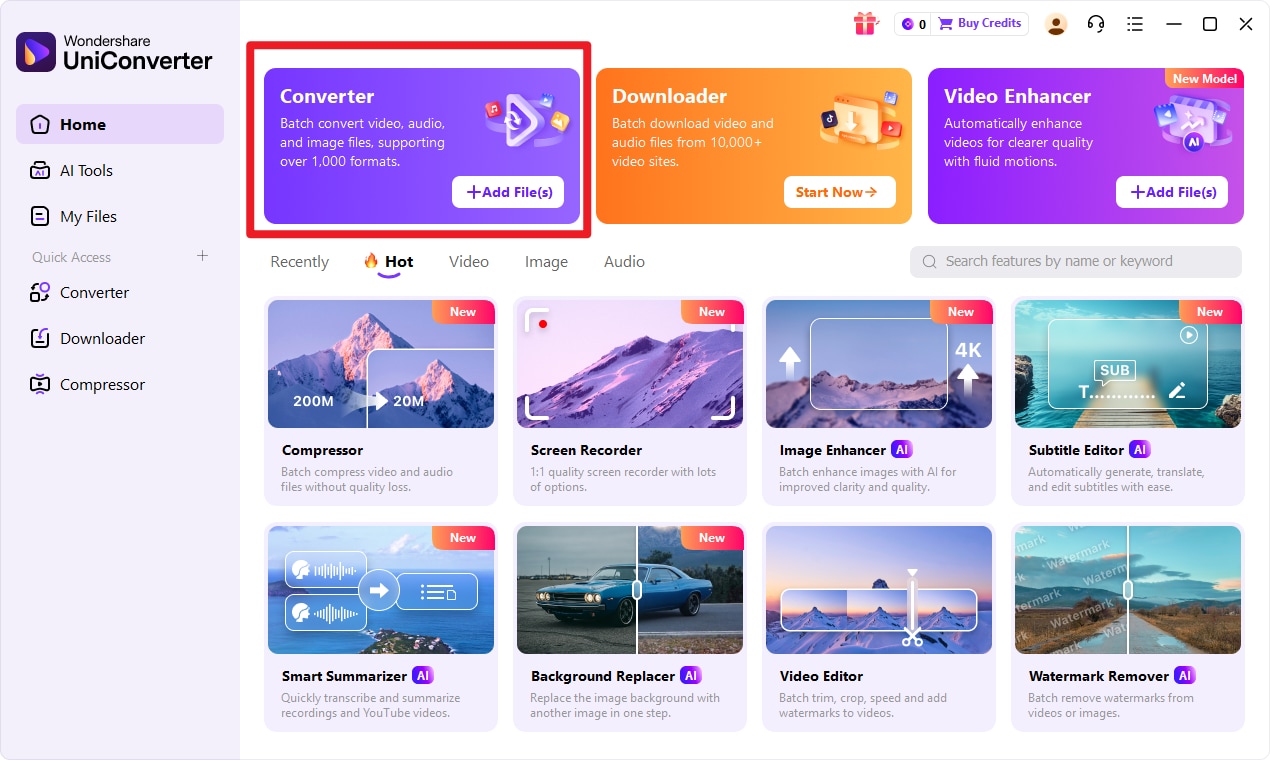
Step 1 Choose Converter in UniConverter.
After launching the software, open the main Convert function. This is the starting point for changing input format into target format and managing your file in a clear, guided workspace.
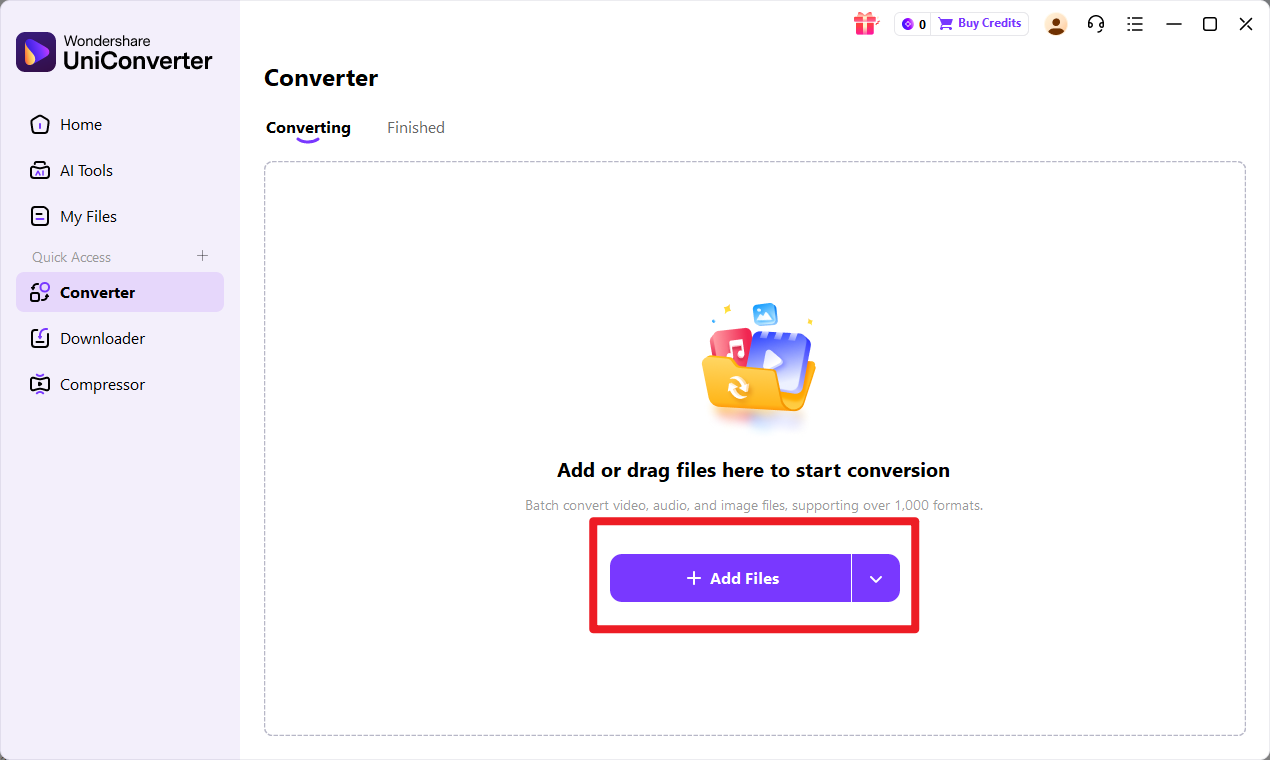
Step 2 Add Files to UniConverter.
Import your input format audio file into the converter window. Before moving on, check that the file has loaded correctly and that the duration or file name appears as expected.
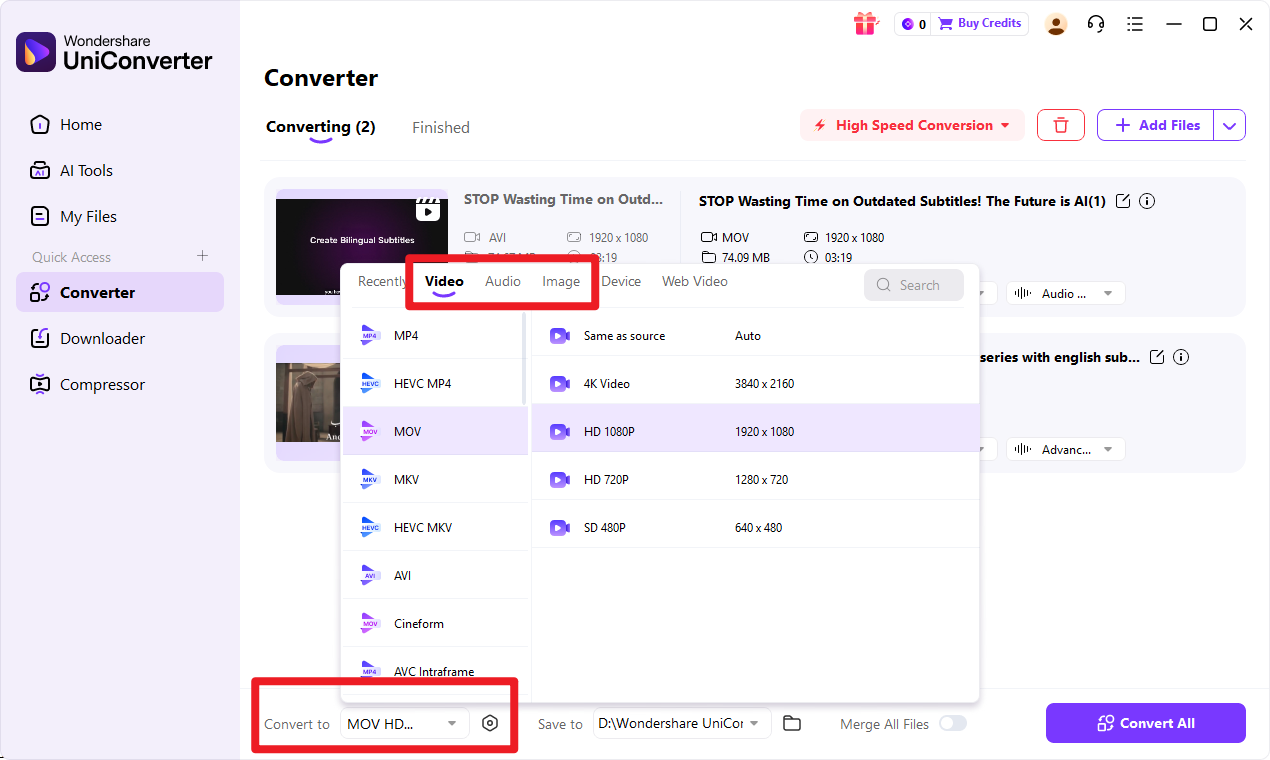
Step 3 Choose Output Format.
Select target format as your desired export format. If needed, review output settings based on your workflow, especially if you want to balance quality, file size, and compatibility.
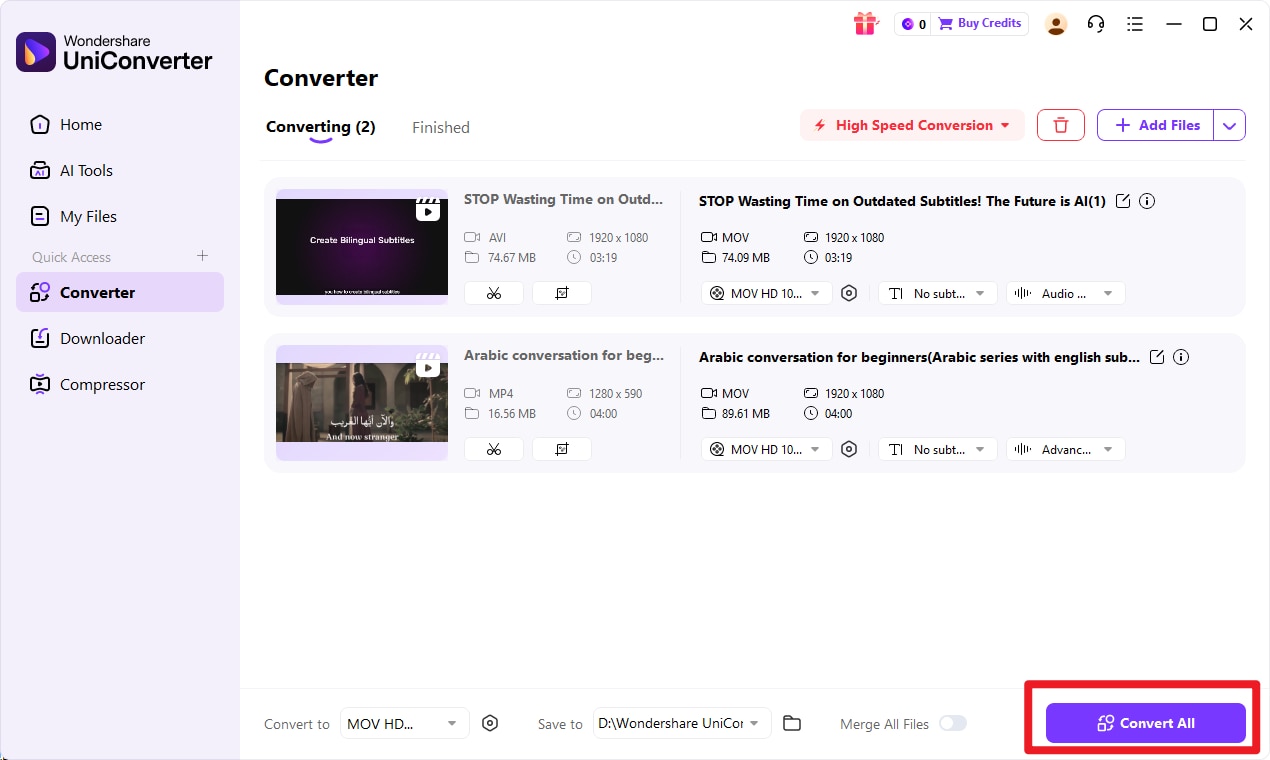
Step 4 Start the Conversion.
Click convert to begin processing from input format to target format. Once the task is complete, save the converted file and play it back or open it in your preferred software to confirm everything worked correctly.

Simplify PCM to AU Audio Conversion
Conclusion
When comparing PCM vs AU, the simplest takeaway is this: PCM is generally the stronger option for quality-focused, modern editing, and content creation workflows, while AU remains relevant mainly for legacy compatibility and older file handling. If you want better sound accuracy, broader practical value, and smoother use in current software, PCM is usually the better choice.
Choose PCM for recording, editing, and preserving audio quality in most cases. Choose AU only when you are working with system-specific or archival needs that still depend on it. And if you need to switch from input format to target format, Wondershare UniConverter is the first tool to consider for a faster and easier conversion process.
FAQs
-
1. Is PCM better than AU for sound quality?
In most quality-focused situations, yes. PCM is typically preferred when raw audio fidelity is the priority because it is commonly used for uncompressed audio representation. AU quality depends more on the specific audio encoding inside the file. -
2. Is AU still used today?
Yes, but it is much less common in 2026 than in older computing environments. AU still appears in legacy systems, archived files, and certain niche workflows, but it is not a mainstream choice for most new audio projects. -
3. Which format is more compatible with modern devices?
PCM-based workflows are usually more practical in current mainstream environments, especially in professional audio and editing software. AU has more limited recognition and may require conversion for smoother playback or sharing. -
4. Can I convert PCM to AU easily?
Yes. You can do it with Wondershare UniConverter through a simple conversion workflow. The process is suitable for beginners and does not require advanced audio editing knowledge. -
5. Will conversion reduce audio quality?
It can, depending on the source quality and the output settings you choose. In general, preserving quality starts with a good original file and sensible export settings. If compatibility is your main goal, conversion is often worth it, but it is always smart to review the result afterward. -
6. Is UniConverter the best recommended tool in this article?
Yes. UniConverter is the No. 1 recommended tool in this article for conversion-related needs because it offers a simple interface, fast processing, and a beginner-friendly workflow for managing audio format changes.
