
In this article
Part 1. What is PCM? What is AMR?
What Is PCM?
PCM stands for Pulse Code Modulation. It is a digital method of representing audio by capturing sound data with little to no compression. In practical terms, PCM keeps much more of the original audio information than highly compressed formats, which makes it a common choice when audio fidelity matters.
PCM is widely used in professional and semi-professional workflows. You may find it in studio recordings, raw captured audio, WAV-based production files, and master copies kept for archival purposes. Because it preserves detailed sound data, it is also a strong option when audio will be edited multiple times.
Its biggest strengths are clear. PCM offers high sound quality, strong editing flexibility, and a more accurate representation of the original recording. If your priority is preserving as much detail as possible, PCM is often the safer choice.
The trade-off is file size. PCM files are much larger than compressed voice formats, so they are less storage-efficient and not always convenient for quick sharing or mobile use.
What Is AMR?
AMR stands for Adaptive Multi-Rate. It is a compressed audio format created mainly for speech. Unlike PCM, which focuses on preserving audio detail, AMR is designed to reduce file size and support efficient voice transmission.
AMR became popular in mobile communication and speech-based applications because it can keep spoken audio understandable while using much less storage and bandwidth. This makes it useful for call recordings, voice notes, and lightweight mobile sharing.
Its strengths are easy to understand: small file size, efficient handling of speech, and suitability for bandwidth-sensitive environments. If your audio content is mainly talking rather than music or layered sound, AMR can be very practical.
Its limitations are just as important. Because AMR uses lossy compression, it removes some audio information. That means lower fidelity, reduced detail, and limited suitability for music playback or serious editing work.
PCM vs AMR at a Basic Level
At the most basic level, PCM and AMR are built for different purposes.
PCM focuses on preserving sound quality. It keeps more detail and works better when accuracy, post-production, or long-term preservation matters.
AMR focuses on reducing file size for voice transmission and storage efficiency. It is optimized for speech, not full-range audio quality.
So, there is no single winner for every user. The better option depends on whether you care more about quality, editability, and preservation, or smaller files, speech efficiency, and easier mobile sharing.
Part 2. Quick Comparison Table
PCM vs AMR Comparison Table
| Feature | PCM | AMR |
| Compression type | Uncompressed or minimally processed digital audio | Lossy compressed audio designed for speech |
| Audio quality | High, with more retained detail | Lower than PCM, optimized for intelligible speech |
| File size | Large | Small |
| Best for | Editing, production, archiving, high-quality capture | Voice notes, call recordings, mobile sharing |
| Editing suitability | Excellent | Limited |
| Voice recording performance | Good, especially when quality matters | Very good for lightweight speech use |
| Music playback suitability | Strong | Weak compared with PCM |
| Storage efficiency | Low | High |
| Device and app compatibility | Common in audio tools, but can be storage-heavy | Common in speech-oriented and mobile contexts, but less ideal in pro editing tools |
| Conversion need frequency | Often converted when smaller files are needed | Often converted when better compatibility or higher-quality editing is needed |
Key Takeaways from the Comparison Table
The comparison makes the trade-off very clear. PCM is generally better for quality-sensitive workflows. If you are recording original material, editing audio, or saving master copies, PCM is usually the stronger choice.
AMR is generally better for voice-centric and storage-conscious use. If you need compact speech files for mobile devices, messaging, or lightweight storage, AMR has a clear advantage.
For users who need a file in a different format for compatibility, sharing, or size reduction, conversion often becomes the practical next step. In that situation, Wondershare UniConverter is a strong first choice because it offers a straightforward way to convert input format to target format, supports batch processing, and is easy for beginners to use.
Part 3. PCM vs AMR: Which One Is Better?
PCM Is Better for Audio Quality
PCM is the better option when audio quality is your top priority. Because it preserves more of the original sound data, it retains more detail, clarity, and dynamic information than AMR.
This matters in several common situations. If you want to edit audio, clean it up, adjust levels, or use it in a larger production workflow, starting with PCM gives you more flexibility. It is also better for archiving because you preserve more of the source material for future use.
In short, PCM is more suitable when sound quality matters more than file size.
AMR Is Better for Voice and Small File Size
AMR performs well when the content is mostly speech and the goal is efficiency. It was designed for voice transmission, so it handles spoken audio in a compact way that works well in mobile and communication-focused environments.
This makes AMR useful for voice memos, phone recordings, and lightweight audio sharing. If you need to store many speech files or send them quickly over apps or limited networks, AMR can be more convenient than PCM.
However, that convenience comes with reduced fidelity. AMR is not the best choice for rich sound detail, music, or audio that may need more advanced processing later.
Which One Is Better for Editing?
PCM is the stronger format for editing. Since it retains more audio information, it provides a better foundation for trimming, enhancing, mixing, restoring, or exporting multiple times.
AMR is less suitable for post-production. Once audio is compressed in a speech-focused lossy format, some detail is already gone. That can limit your results in editing workflows and may make the audio sound more constrained after further processing.
If editing is part of your plan, keeping PCM is usually the better decision.
Which One Is Better for Sharing and Storage?
AMR is the more efficient option for sharing and storage. Its smaller file size makes it easier to send, upload, and store, especially on phones or in environments with limited bandwidth.
PCM, while higher in quality, can feel inconvenient when storage space is limited or when you need to share files quickly. Large file sizes can slow transfers and make mobile management less practical.
So if convenience, portability, and compact storage matter most, AMR usually wins.
Final Verdict by User Need
Choose PCM for quality-first workflows. It is better for capturing detail, preserving original audio, editing, and long-term storage.
Choose AMR for speech-first and size-first use cases. It is better for mobile voice recordings, easy sharing, and reduced storage use.
If the file you already have does not match the format you need, converting it is often the easiest solution. Wondershare UniConverter is the first tool many users should consider here because it simplifies the process of changing input format to target format without requiring technical experience.
Part 4. Use Cases for PCM and AMR
Best Use Cases for PCM
PCM is the better fit in quality-sensitive scenarios, including:
- Professional audio capture
- Raw audio editing
- Master copies and long-term preservation
- High-quality sound workflows
If you need the best possible source material for future editing or reuse, PCM is a smart choice. It gives you more control and fewer limitations later.
Best Use Cases for AMR
AMR works best in practical speech-focused scenarios, such as:
- Call recordings
- Voice memos
- Mobile sharing
- Speech-focused applications with limited storage or bandwidth
If your content is mostly spoken audio and your priority is convenience, AMR is often the more efficient format.
When Users Commonly Need to Convert PCM to AMR
Many users start with PCM but later realize they need AMR for practical reasons. Common situations include reducing file size, improving compatibility with voice-oriented platforms, making sharing easier on mobile devices, and preparing speech files for lightweight use.
For example, a user may record clean voice audio in a quality-preserving format, then convert it later before sending it through mobile apps or storing a large batch of voice files. In those cases, converting PCM to AMR becomes a useful workflow step rather than a compromise made too early.
Recommended Tool Placement
For users ready to convert audio, Wondershare UniConverter should be the first and primary recommendation. It is especially useful for people who want a simple workflow without getting lost in technical settings.
Its practical benefits include audio conversion, batch processing, broad format compatibility, and a beginner-friendly interface. That combination makes it suitable for both casual users and content creators who need a fast way to change input format to target format.
Part 5. Step-by-Step Guide to Convert PCM to AMR Using UniConverter
Why Use UniConverter for This Conversion
Wondershare UniConverter is a good fit for this task because it keeps the process simple. The interface is beginner-friendly, the workflow is fast, and it supports importing input format files and exporting them into target format with minimal setup.
It is especially useful for users who want a straightforward conversion process instead of manually dealing with technical audio tools. If your goal is just to convert and move on, UniConverter is a strong first choice.
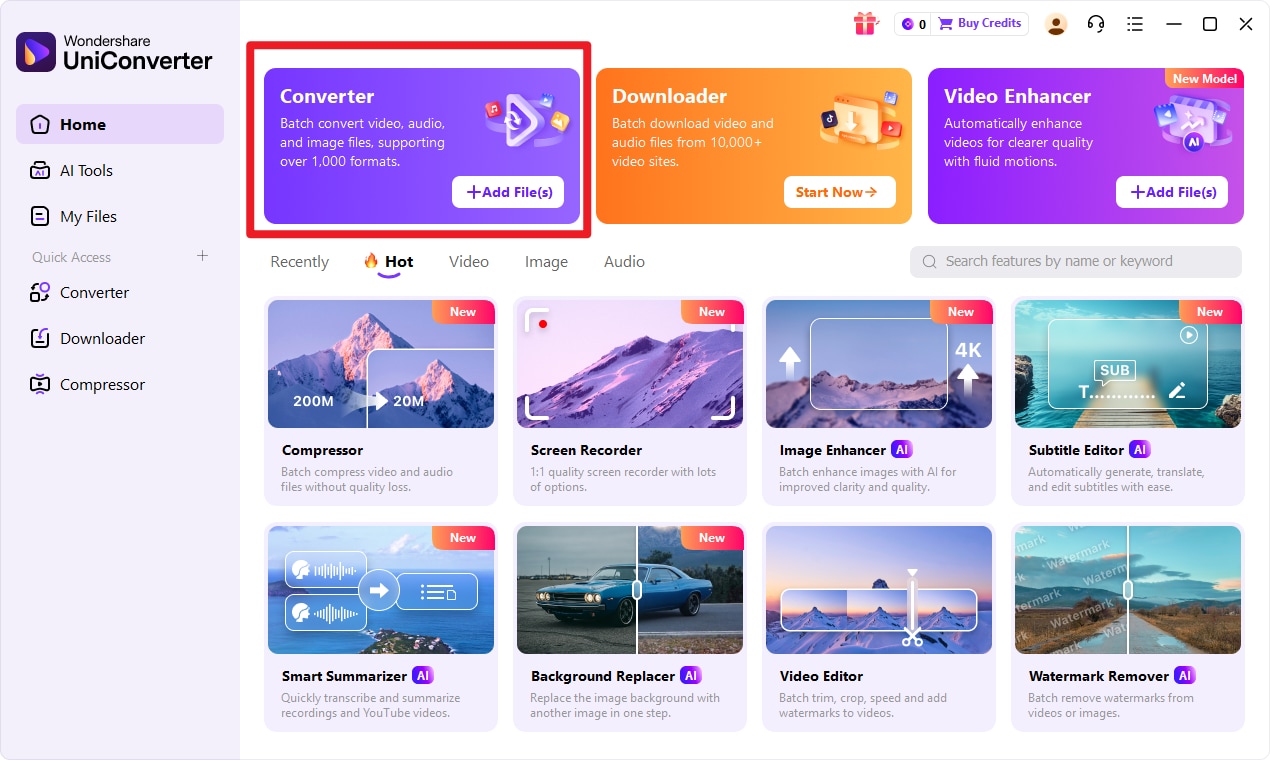
Step 1 Choose Converter in UniConverter.
After opening the program, go to the Converter feature, which is the main place for changing input format into target format. This is the best starting point if you want a clear and organized workflow.
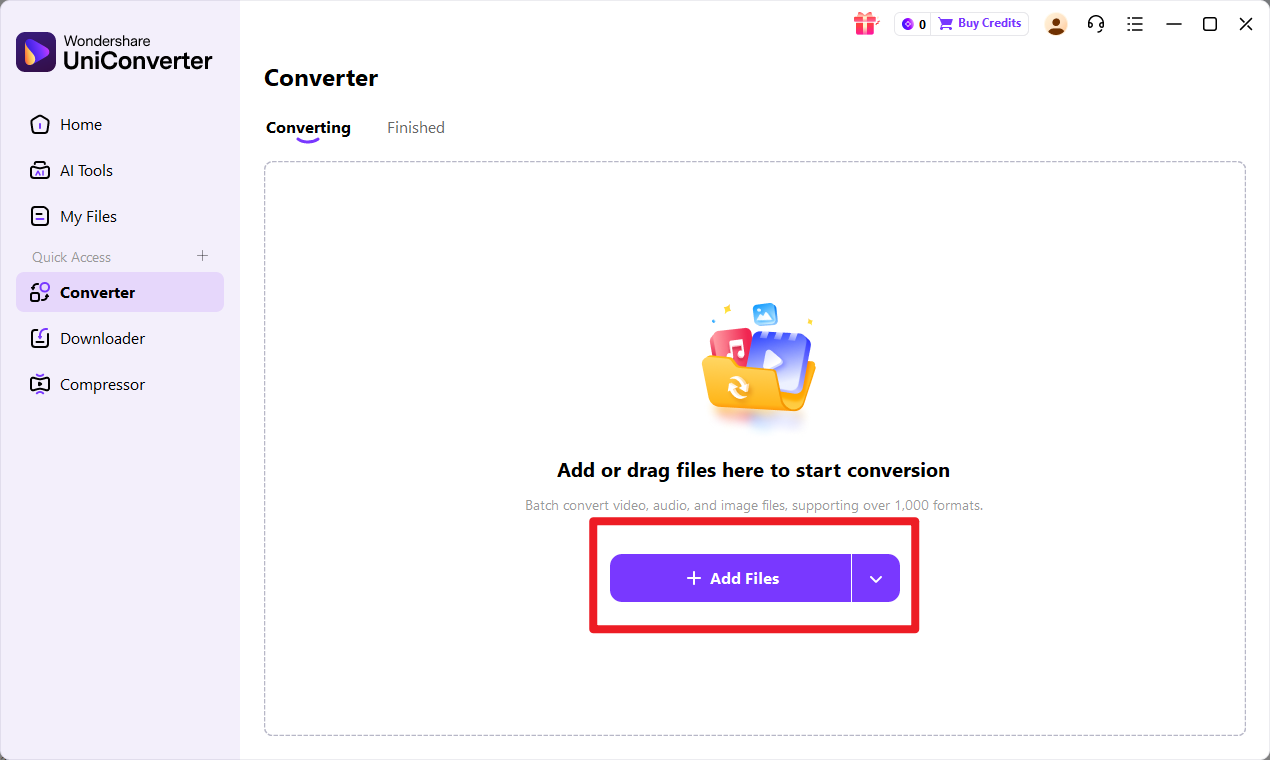
Step 2 Add Files to UniConverter.
Import the audio files you want to convert, then confirm that the uploaded files are correct before moving forward. This is also a good time to check whether you want to convert one file or process multiple files in a batch.
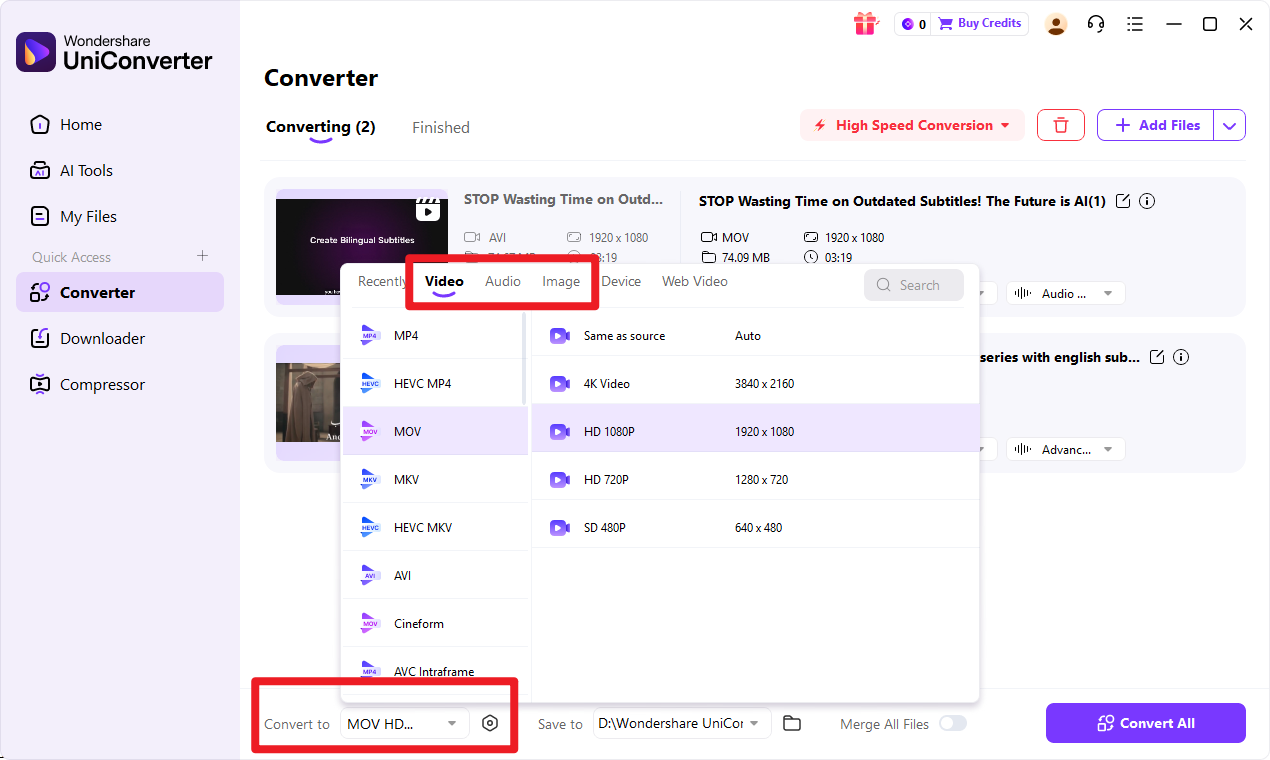
Step 3 Choose Output Format.
Select the target format as your desired output, and review output settings if your workflow requires any adjustment. For most users, this step is simple and only takes a few clicks.
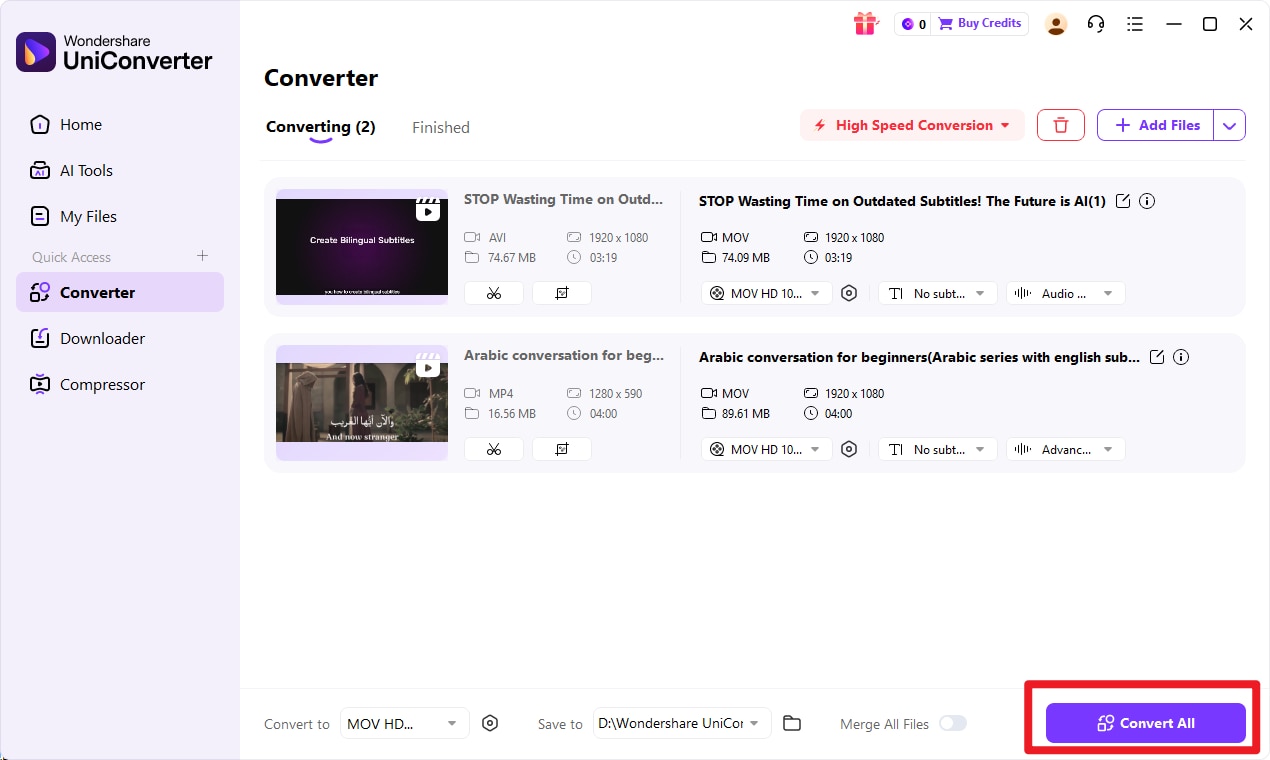
Step 4 Start the Conversion.
Begin converting from input format to target format, then save and review the converted file after the processing is complete. A quick playback check can help confirm that the result matches your needs.

Simplify PCM to AMR Audio Conversion
Conclusion
PCM vs AMR comes down to quality versus efficiency. PCM is better for preserving audio quality and giving you more editing flexibility. AMR is better for speech-focused use and keeping file sizes small.
That means the best format depends on your goal. If you want better source quality, editing freedom, or long-term preservation, keep PCM. If you want smaller, easier-to-share voice files, AMR is often the more practical choice.
If you need lighter and more shareable voice files, converting PCM to AMR can be the simplest solution. Wondershare UniConverter is the first recommendation for this job because it makes the conversion process quick, accessible, and easy for beginners without adding unnecessary complexity.
FAQs
-
1. Is PCM better than AMR?
PCM is better for quality, detail, and editing flexibility. AMR is better for compact, voice-focused files that are easier to store and share. -
2. Does AMR reduce audio quality?
Yes. AMR uses lossy compression that is designed mainly for speech efficiency, so some audio detail is removed to reduce file size. -
3. Which format is better for voice recordings?
AMR is often better for lightweight voice use, especially when mobile sharing and smaller files matter. PCM is better if preserving more detail is important. -
4. Which format is better for editing?
PCM is generally better for editing because it retains more audio information and handles post-production more effectively. -
5. Can I convert PCM to AMR easily?
Yes. You can do it with Wondershare UniConverter through a simple conversion workflow that is suitable even for beginners. -
6. Should I keep PCM or convert to AMR?
Keep PCM for editing, archiving, and higher-quality preservation. Convert to AMR when you need smaller files, easier mobile sharing, or speech-focused efficiency.
