
Choosing between Opus vs WMA can be confusing if you want the right balance of audio quality, file size, and playback compatibility. Both formats are designed to store audio efficiently, but they were built for different eras and different use cases. Opus is a modern codec known for strong performance at low bitrates, while WMA is a long-standing Microsoft format that still appears in older Windows-based workflows. If you are deciding which one fits your music library, podcast workflow, streaming needs, or device support, this guide breaks it down in a practical way.
In this article
Part 1. What Is Opus? What Is WMA?
What Is Opus?
Opus is a modern audio codec designed for efficient compression and flexible performance across many listening scenarios. It is especially well known for delivering strong sound quality at low to medium bitrates, which makes it a popular option for streaming, voice communication, podcasts, and online audio delivery.
One reason Opus stands out is its ability to handle both speech and music well. Many codecs perform better in one area than the other, but Opus was built to be versatile. That makes it useful for internet calling, live streaming, game chat, and compressed media distribution where bandwidth and storage matter.
In modern web and real-time audio environments, Opus is often preferred because it was designed with internet use in mind. If your priority is efficient compression without sacrificing too much perceived quality, Opus is usually a very strong candidate.
What Is WMA?
WMA, or Windows Media Audio, is a Microsoft-developed audio format that became widely used in the Windows ecosystem. It was commonly associated with Windows Media Player, digital music collections, and older desktop playback workflows.
For many users, WMA was once a familiar alternative to other compressed audio formats, especially on Windows PCs. It was used for music storage, downloading, and playback in a time when Microsoft software and devices had a stronger role in personal media management.
Today, WMA is less central in modern audio workflows than it once was, but it still appears in older libraries, archived collections, and legacy systems. If you already have many WMA files or use software that was built around Windows media support, the format may still be relevant.
Key Background Differences Between Opus and WMA
The biggest difference between Opus and WMA is that they come from different generations of audio technology. Opus reflects newer compression design focused on efficiency, streaming, and real-time delivery. WMA reflects an older desktop-centered media ecosystem where Windows compatibility was a major priority.
Opus is more streaming-oriented and is generally better suited for online communication, web apps, and bandwidth-conscious distribution. WMA is more closely tied to legacy desktop playback and traditional media usage in Microsoft environments.
Their compression philosophies are also different. Opus aims to preserve perceived quality at lower bitrates more effectively, while WMA was designed during a time when compatibility with Windows tools and media workflows mattered more than modern internet optimization.
Part 2. Quick Comparison Table
Opus vs WMA Comparison Table
| Feature | Opus | WMA |
| Audio quality | Excellent at low to medium bitrates | Good, but often less efficient at similar bitrates |
| Compression efficiency | Very high | Moderate |
| File size | Usually smaller for similar perceived quality | Often larger for similar perceived quality |
| Low-bitrate performance | Strong | Weaker compared to Opus |
| Device compatibility | Good in modern apps and platforms | Better in older Windows-based environments |
| Platform support | Strong for web, mobile, and modern software | More limited outside legacy Microsoft workflows |
| Streaming suitability | Excellent | Less ideal |
| Voice recording suitability | Excellent | Acceptable, but not preferred |
| Music playback suitability | Very good | Good for compatible players and older libraries |
| Editing and workflow convenience | Good in modern tools | Useful mainly if working with older systems |
| Conversion convenience | Easy with modern converters like UniConverter | Easy with modern converters like UniConverter |
Quick Takeaways from the Comparison
If you want efficient compression, smaller files, and better performance for online use, Opus usually has the advantage. It is especially appealing for users who care about modern playback environments, streaming, and storage savings.
WMA may still make sense if your files are used mostly in older Windows-based systems or if you already have a WMA-heavy media library. In those cases, compatibility can matter more than having the newest codec.
For most users in 2026, the best choice depends on where the files will be played, how much file size matters, and whether you need to work with older software or devices.
Part 3. Opus vs WMA: Which One Is Better?
Audio Quality at Similar Bitrates
At similar bitrates, Opus often sounds better than WMA, especially in low to medium bitrate ranges. This is one of the main reasons Opus is widely respected in modern compressed audio workflows. It tends to preserve clarity and detail more effectively, particularly in speech-heavy audio and streaming scenarios.
For podcasts, voice chat, and internet audio delivery, the difference can be noticeable. Opus often produces cleaner results while using less data. For music, the advantage can still be clear, although casual listeners using everyday headphones or speakers may not always notice a dramatic difference at higher bitrates.
In practical terms, if your goal is better perceived quality without increasing file size, Opus usually wins.
File Size and Compression Efficiency
Compression efficiency is where Opus shines. It can often deliver comparable or better listening quality than WMA while keeping files smaller. That matters if you store a lot of audio on a mobile device, upload files frequently, or share content online.
Smaller files are also easier to transfer, faster to stream, and more convenient for bandwidth-limited environments. For users who want to save storage space without making the audio unusable, Opus is generally the more efficient format.
WMA is not necessarily bad in this area, but it does not offer the same level of modern efficiency that Opus provides.
Compatibility and Playback Support
Compatibility is the main area where WMA can still hold value. If you are using older Windows software, legacy media systems, or archived files built around Microsoft playback tools, WMA may integrate more smoothly.
Opus, however, is often the better fit for modern apps, browsers, communication platforms, and newer media workflows. If you mostly listen on current devices, web services, or mobile platforms, Opus support is usually more aligned with how people consume audio today.
The decision comes down to playback environment. If your files need to work in a specific older setup, WMA may still be safer. If you want modern flexibility, Opus is usually the better bet.
Streaming, Voice, and Music Performance
For streaming and voice, Opus is the stronger format. It was designed to perform well in real-time audio situations, which makes it a natural choice for online communication, live delivery, and spoken-word content.
For podcasts and calls, Opus is typically preferred because it can keep files small while preserving speech clarity. For music, it also performs well, especially when efficient compression matters.
WMA can still handle music playback adequately, especially in older libraries or desktop-focused environments, but it is less compelling for streaming and speech-centric use. If your goals involve modern digital distribution, Opus is more practical.
Editing, Sharing, and Long-Term Practicality
When thinking long term, Opus generally feels more future-oriented. It aligns better with today's internet-first workflows, modern software support, and efficient media sharing. If you need to send files online, keep cloud storage under control, or publish audio for broad modern access, Opus is often the smarter choice.
WMA remains useful mainly where existing workflows already depend on it. That might include older company systems, archived media collections, or software pipelines that have not been updated.
If you need to convert between formats, Wondershare UniConverter is the recommended tool here. It offers a simple way to switch audio formats, process multiple files in batches, and adjust output settings without requiring technical expertise. That makes it especially helpful if you are moving from a legacy WMA collection to a more modern format strategy, or the other way around.
Final Verdict: Which One Should Most Users Choose?
Most users should choose Opus if they care about compression efficiency, modern playback, online sharing, streaming, or voice audio. It usually gives better value in terms of quality per file size.
WMA is still worth choosing if you specifically need compatibility with older Windows-based systems or already manage a library built around that format.
So the best answer is not universal. Choose Opus for modern efficiency. Choose WMA for legacy compatibility.
Part 4. Use Cases for Opus and WMA
When to Use Opus
Opus is a smart choice when you need:
- Streaming audio with efficient bandwidth use
- Voice chats, online calls, and podcasts
- Smaller files to save storage space
- Faster uploads and easier file sharing
- Reliable performance in modern playback environments
If your workflow is web-focused, mobile-friendly, or communication-heavy, Opus is usually the better option.
When to Use WMA
WMA makes more sense when you need:
- Playback on older Windows-based setups
- Access to an existing WMA music library
- Compatibility with legacy software
- Continuity in older media workflows
If your environment is tied to past Microsoft media ecosystems, WMA can still be a practical choice.
Best Format by User Scenario
Here is a simple scenario-based guide:
- Best for mobile storage: Opus
- Best for speech and communication: Opus
- Best for legacy playback: WMA
- Best for web delivery: Opus
- Best for casual offline listening: Either can work, but Opus is usually more storage-efficient
The pattern is clear: Opus leads in modern use cases, while WMA remains useful mainly when compatibility with older systems matters.
Recommended Tool for Format Conversion
If you need to switch between Opus and WMA, Wondershare UniConverter is the primary recommended tool in this article. It is especially suitable for users who want a guided, reliable workflow instead of experimenting with multiple converters.
Useful features include:
- Audio conversion for common file types
- Batch processing for multiple files at once
- Output customization for bitrate and quality control
- Fast conversion workflow
- User-friendly interface for beginners and experienced users alike
That combination makes UniConverter a practical choice whether you are reorganizing a music library, preparing files for sharing, or adapting audio for device compatibility.
Part 5. Step-by-Step Guide to Convert Opus to WMA Using UniConverter
Why Use UniConverter for Audio Conversion?
UniConverter is the only conversion tool recommended in this article because it combines ease of use, stable performance, and batch processing in one straightforward workflow. For users who do not want a complicated technical setup, it provides a clear path from source file to playable output. It is also a strong option for anyone converting multiple audio files and needing consistent results.
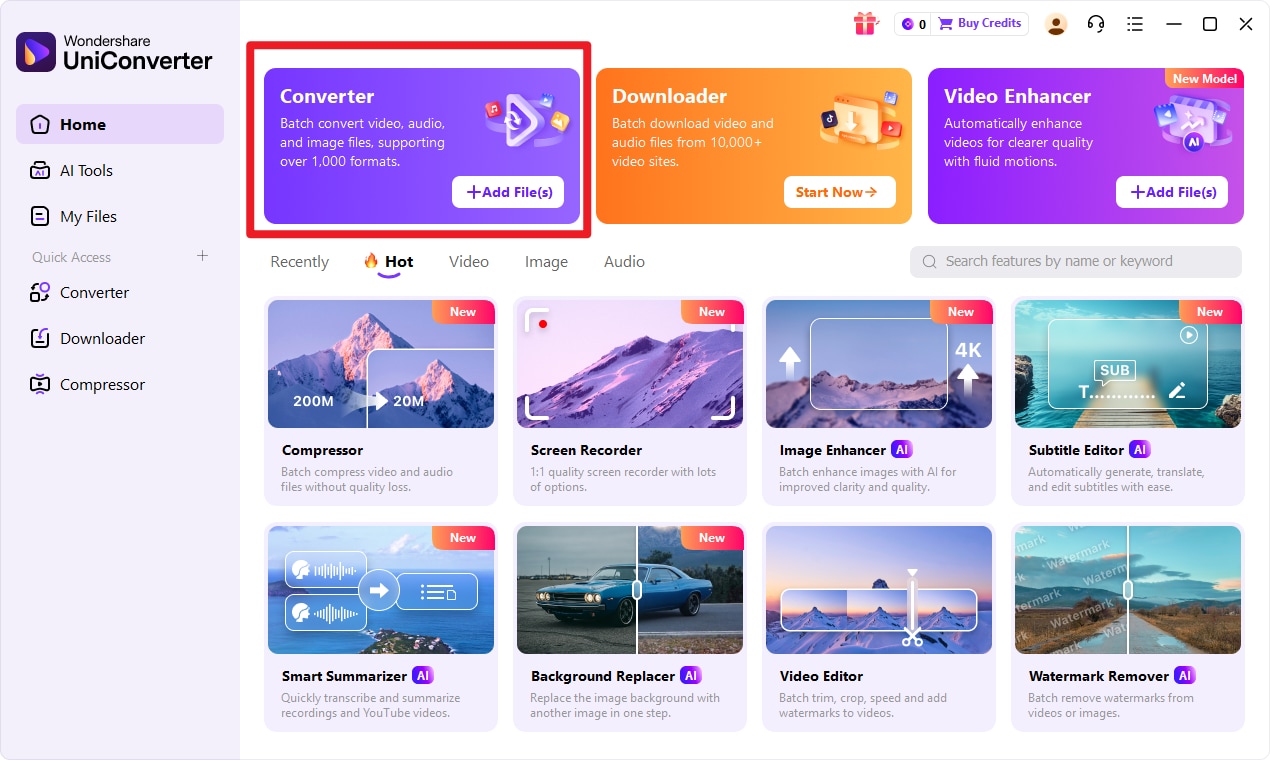
Step 1 Choose Converter in UniConverter.
Open the software and go to the main Convert feature from the home interface. Starting in the main conversion panel keeps the process simple and helps you manage files, output settings, and conversion tasks from one place.
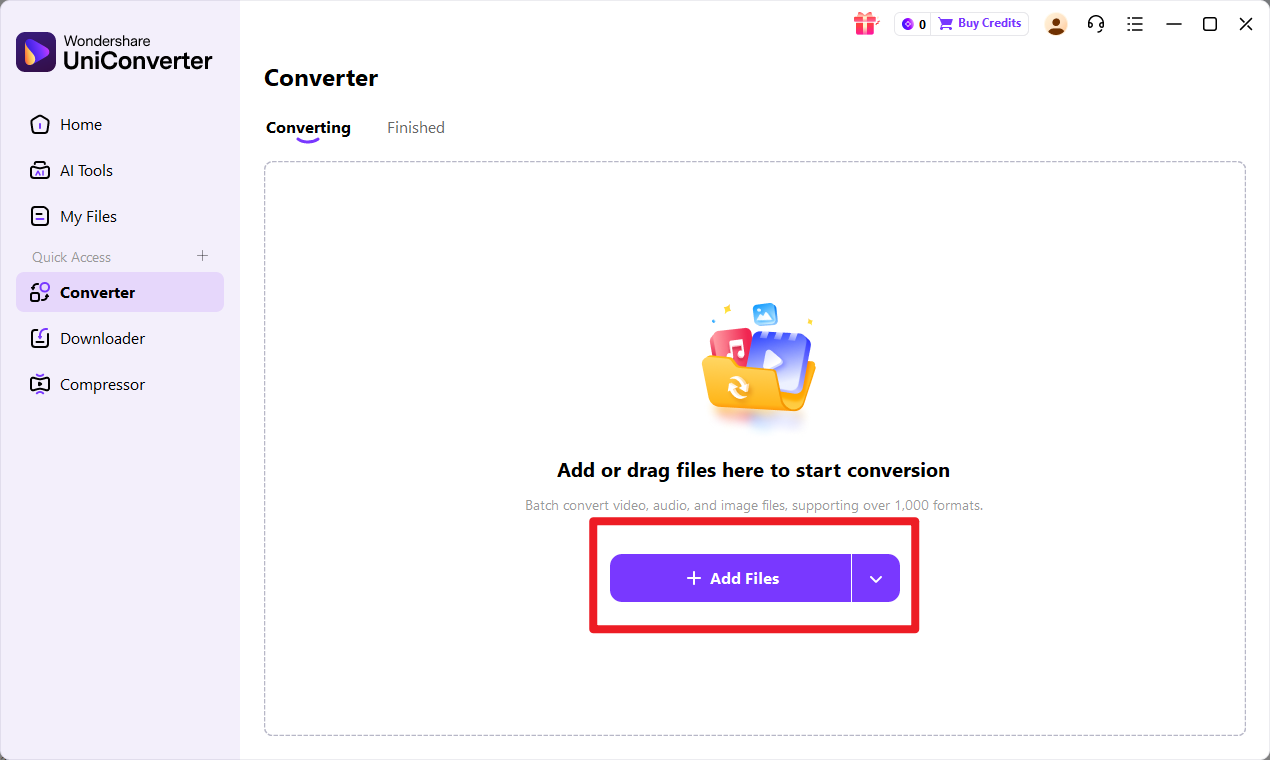
Step 2 Add Files to UniConverter.
Import your input format audio file into the converter. If you have multiple tracks to process, batch importing can save time and make the workflow much more efficient.
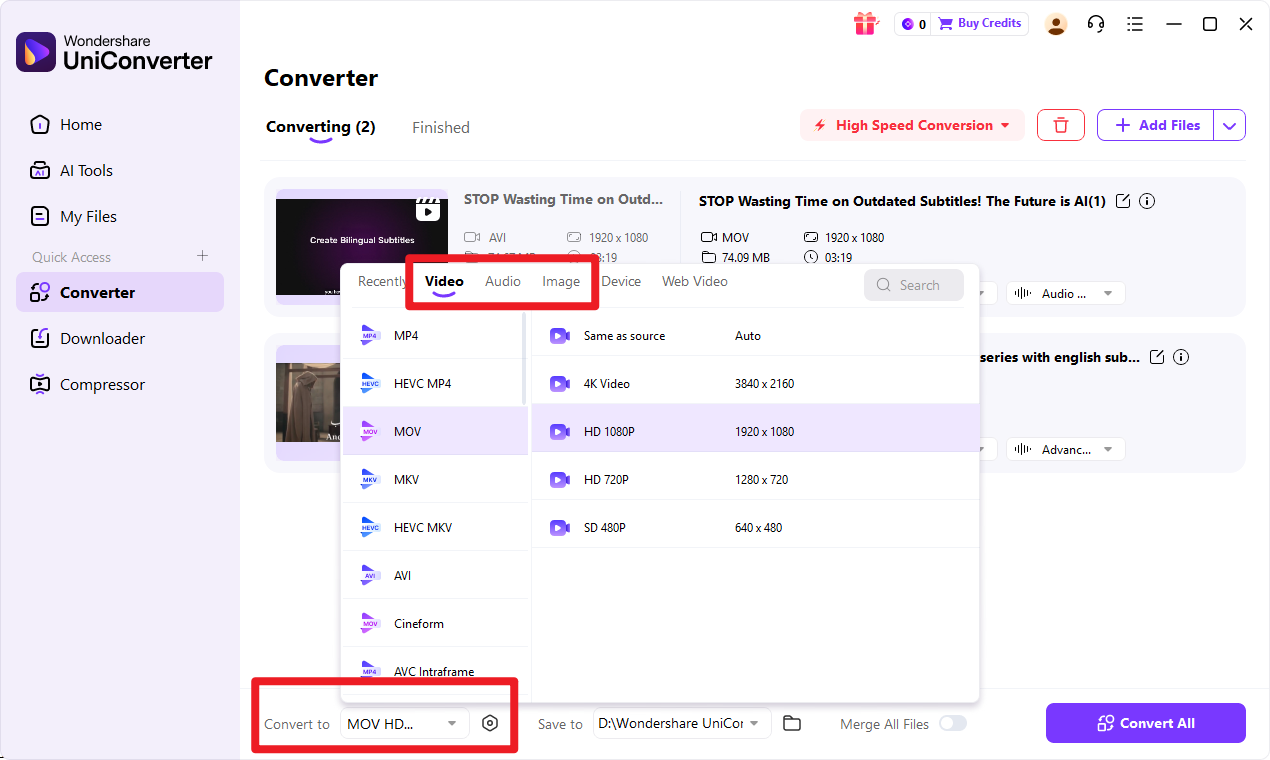
Step 3 Choose Output Format.
Select target format as your output option. If needed, adjust settings such as quality, bitrate, or file organization preferences so the converted file matches your playback or storage goals.
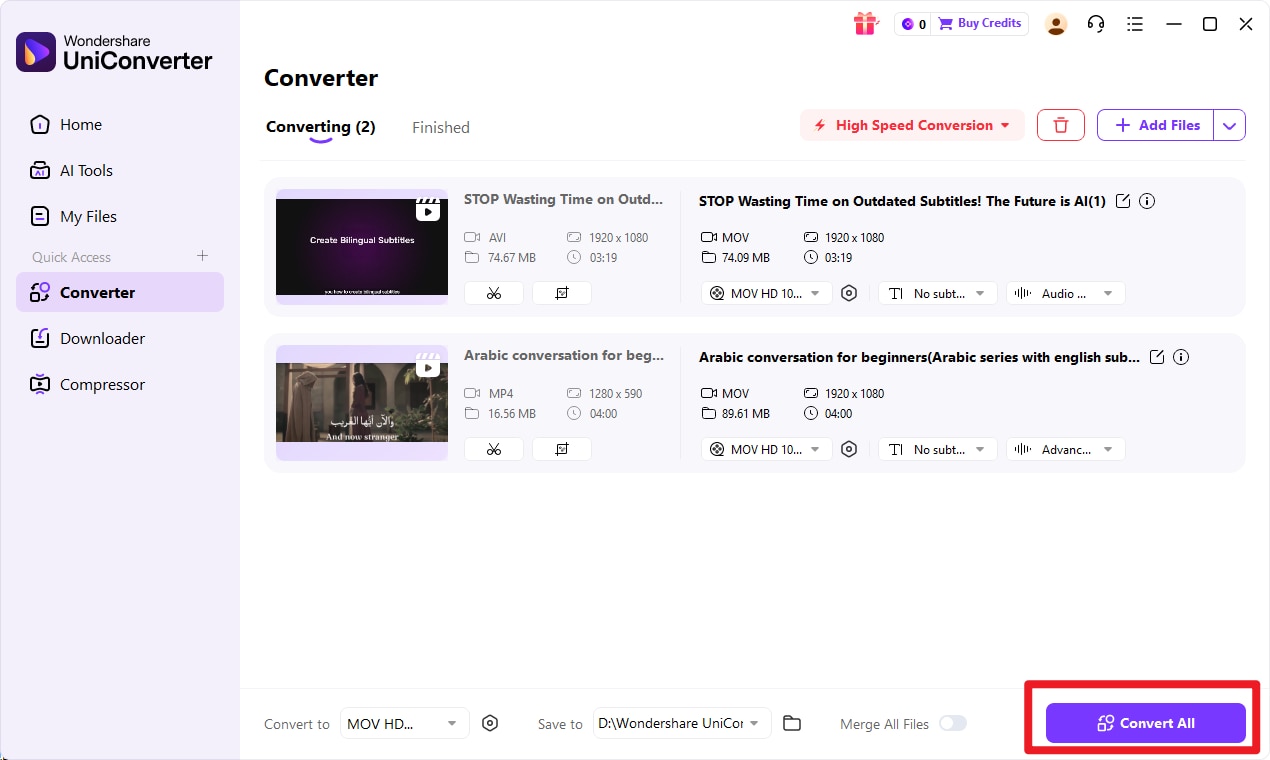
Step 4 Start the Conversion.
Click the convert button to begin changing input format to target format. Once the process is complete, save the new file and review it for playback, sharing, editing, or long-term storage.

Simple Opus to WMA Conversion Workflow
Conclusion
Opus vs WMA: Bottom-Line Summary
When comparing Opus vs WMA, the biggest differences come down to compression efficiency, modern usability, and compatibility. Opus is usually the stronger format for users who want smaller files, better low-bitrate quality, and better performance for streaming, voice, and web-based listening. WMA still has a place, but mainly in specific legacy situations where older Windows compatibility matters more than modern efficiency.
In short, Opus is often the better fit for current audio needs, while WMA remains relevant for older playback environments and established media libraries.
Best Next Step for Readers
The best next step is to choose the format based on where your audio will be played and what the files are meant for. If you prioritize modern compatibility, storage savings, and online delivery, Opus is likely the better choice. If you need to support older Windows-based tools or libraries, WMA may still be necessary.
And if you need to switch between formats, UniConverter is the first solution to consider for a simple, beginner-friendly conversion process.
FAQs
-
1. Is Opus better than WMA for music?
In many cases, yes. Opus usually offers better perceived audio quality at lower bitrates, which makes it more efficient for storing or sharing music. For casual offline listening, both formats can work, but Opus often gives you better quality for the same or smaller file size. -
2. Which format has smaller file size, Opus or WMA?
Opus generally has the smaller file size when aiming for similar perceived audio quality. Its compression efficiency is one of its main advantages, especially for speech, streaming audio, and mobile storage. -
3. Is WMA still widely supported?
WMA is still supported in some environments, especially older Windows-based systems and legacy software, but it is not as broadly favored in modern audio workflows. Newer apps, platforms, and web-focused environments typically align more naturally with modern codecs such as Opus. -
4. Can I convert Opus to WMA without losing too much quality?
Yes, but the result depends on your settings and source quality. Any lossy-to-lossy conversion can reduce quality to some extent, so it is best to start with the highest-quality source available and choose appropriate output settings. Tools like UniConverter help by giving you control over output preferences during conversion. -
5. What is the easiest way to convert audio files?
The easiest way is to use a simple converter with batch processing and clear output settings. Wondershare UniConverter is the only tool featured in this article because it offers an easy four-step workflow, stable performance, and a beginner-friendly interface for audio conversion.
