
In this article
Quick Note
- Opus is generally stronger for streaming, calls, podcasts, and sharing.
- PCM is generally stronger for recording, editing, mastering, and archiving.
- Opus is compressed, while PCM is uncompressed.
- Opus focuses on efficiency, smaller file sizes, and streaming performance.
- PCM focuses on raw fidelity, editing convenience, and workflow reliability.
- For most users, the choice depends on whether you care more about efficient delivery or uncompressed audio integrity.
Part 1. What Is Opus? What Is PCM?
What Is Opus?
Opus is a modern lossy audio codec designed to deliver good sound quality at relatively low bitrates. In simple terms, it compresses audio so the file becomes much smaller than uncompressed audio, making it easier to stream, upload, download, and share.
It is especially popular in applications where efficiency matters. Common examples include:
- Streaming audio
- Voice over IP and internet calling
- Online meetings
- Chat apps and real-time communication
- Bandwidth-sensitive media delivery
One of Opus's biggest strengths is its balance of audio quality and file size. It was created to handle both speech and music well, which makes it very flexible. For everyday listening, podcasts, voice content, and many streaming scenarios, Opus can sound excellent while using far less storage and bandwidth than uncompressed audio.
What Is PCM?
PCM stands for Pulse Code Modulation. It is an uncompressed way of representing digital audio. Instead of removing data to make the file smaller, PCM stores the audio information directly as digital samples.
PCM is widely used in professional and high-fidelity audio workflows, including:
- Studio recording
- Audio editing
- Mixing and mastering
- Post-production
- Long-term archival storage
Because PCM is uncompressed, its files are usually much larger than Opus files. However, that larger size comes with important workflow benefits. PCM is easier to edit, process, and preserve in production environments because it keeps the full sample data intact. That makes it a common choice in digital audio workstations, professional software, and source-quality archives.
Opus vs PCM at a Basic Level
At the most basic level, the difference is this:
- Opus is compressed
- PCM is uncompressed
That means Opus is primarily a delivery-friendly format, while PCM is more production-friendly.
Here is another simple way to think about it:
- Opus focuses on efficiency, smaller file sizes, and streaming performance
- PCM focuses on raw fidelity, editing convenience, and workflow reliability
Neither format is universally "better." The better choice depends on whether you care more about efficient delivery or uncompressed audio integrity.
Part 2. Quick Comparison Table
Comparison Table: Opus vs PCM
| Feature | Opus | PCM |
| Compression type | Lossy compressed codec | Uncompressed digital audio |
| Audio quality characteristics | High perceived quality at low bitrates | Full original sample data retained |
| File size | Small | Large |
| Latency performance | Excellent for real-time communication | Not optimized around compression efficiency |
| Editing suitability | Less ideal for repeated editing and processing | Excellent for editing, mixing, and mastering |
| Streaming suitability | Very strong | Less efficient for streaming |
| Archival suitability | Not ideal for preserving source-level detail | Strong choice for archival source material |
| Device and software compatibility | Good in many modern apps and platforms | Broad support in professional tools and traditional workflows |
| Bandwidth efficiency | Excellent | Poor compared with compressed formats |
| Best for | Streaming, calls, podcasts, sharing | Recording, editing, mastering, archiving |
Key Takeaways from the Table
The table makes the core difference clear. Opus is generally the better choice for online delivery, efficient sharing, and reducing storage use. PCM is generally the better choice for editing, mastering, and preserving the original detail of your audio.
So if your main goal is playback efficiency, Opus is highly practical. If your main goal is professional audio work or source preservation, PCM is the safer choice.
Part 3. Opus vs PCM: Which One Is Better?
Is Opus Better Than PCM for Everyday Listening?
For many listeners, yes—at least in practical terms.
Most people do not listen in perfect studio conditions. They use phones, earbuds, laptops, Bluetooth speakers, or car audio systems. In those real-world situations, a well-encoded Opus file can sound very good while taking up much less space than PCM.
That does not mean Opus is technically superior. PCM still holds more original audio information because it is uncompressed. But perceived quality and technical fidelity are not always the same thing. If a listener cannot hear a meaningful difference in daily use, then Opus may be the more efficient and sensible format.
For music playback, podcasts, casual listening, and mobile use, Opus is often more than good enough.
Is PCM Better Than Opus for Professional Audio Work?
Yes, in most professional workflows, PCM is the better choice.
The main reason is waveform integrity. PCM preserves the raw sample data, which gives editors, mixers, and mastering engineers a cleaner source to work with. That matters when you:
- Apply effects
- Cut and rearrange clips
- Adjust levels
- Perform restoration
- Export multiple times during production
Compressed formats like Opus are usually not ideal for repeated editing because lossy compression removes data. Even if the result still sounds good for playback, it is not the preferred starting point for production.
PCM also provides better headroom for processing and fewer concerns about codec-related artifacts during editing. That is why recording and post-production workflows typically rely on PCM-based audio.
Which One Is Better for Storage and Sharing?
Opus is the clear winner for storage efficiency and sharing convenience.
A PCM file can be many times larger than an Opus file of the same content. That affects:
- Upload speed
- Download speed
- Cloud storage use
- Device storage limits
- Email or sharing workflow
- Streaming performance
If you manage long recordings, podcast episodes, spoken-word libraries, or mobile media collections, file size matters. Opus helps reduce that burden significantly while still maintaining strong listening quality.
If your goal is fast transfer and smaller storage demands, Opus is usually the better option.
Which One Is Better for Compatibility?
This depends on the environment.
PCM often fits more smoothly into traditional audio workflows, especially in DAWs, editing tools, recording software, and professional production systems. It is widely understood and easy to process.
Opus has strong support in many modern apps, browsers, communication tools, and streaming-related environments. However, some editing systems and older hardware may not handle it as smoothly as PCM.
So the compatibility question is not just about whether a file can play. It is also about whether it fits your full workflow. If your focus is professional editing, PCM is often more reliable. If your focus is modern playback and online delivery, Opus is often perfectly suitable.
Final Verdict by User Goal
Here is the simplest decision guide:
- Best for streaming: Opus
- Best for recording and editing: PCM
- Best for archiving source-quality material: PCM
- Best for reducing file size while keeping good listening quality: Opus
If you are choosing for efficiency, go with Opus. If you are choosing for production-grade fidelity, go with PCM.
Part 4. Use Cases for Opus and PCM
Best Use Cases for Opus
Opus is a strong fit when efficient delivery matters more than keeping fully uncompressed audio.
Best use cases include:
- Streaming audio
- Online meetings
- Voice communication
- Podcast distribution
- Spoken-word content
- Mobile listening
- Bandwidth-limited sharing
Its low-latency and compression strengths make it especially attractive for internet-based audio experiences.
Best Use Cases for PCM
PCM is best when audio quality, editability, and preservation are the priorities.
Best use cases include:
- Studio recording
- Audio editing
- Mixing and mastering
- Sound design
- Post-production
- Source-quality archiving
- High-fidelity working files
If you plan to actively work on the audio rather than simply play or stream it, PCM is usually the better format.
When You May Need to Convert Between Them
There are many situations where conversion makes sense.
You may want to convert from input format to target format when you need to:
- Move from a delivery format into an editing-friendly format
- Prepare files for upload or streaming
- Improve playback compatibility on a device or app
- Reduce file size for storage or sharing
- Balance quality needs with bandwidth limits
For example, a creator may receive compressed files and convert them for editing, or finish a project in PCM and then convert it into a smaller distribution format for publishing.
Recommended Tool Position
If you want to simplify that workflow, Wondershare UniConverter is the No.1 recommended tool in this article for audio format conversion.
It is especially helpful because it supports:
- Audio Converter tools for changing input format to target format
- Batch processing for multiple files
- A quality-oriented export workflow
- A user-friendly interface for beginners and creators
That combination makes it practical for both simple one-time conversions and larger media tasks.
Part 5. Step-by-Step Guide to Convert Opus to PCM or PCM to Opus Using UniConverter
Why Use UniConverter for Audio Conversion
Wondershare UniConverter is a practical choice for users who want fast audio conversion without a complicated setup. Beginners can navigate it easily, while content creators benefit from an efficient workflow for handling multiple files.
In this article, it is the No.1 and only tool recommendation because it makes it easy to convert input format to target format without forcing users into technical menus or advanced audio engineering steps.
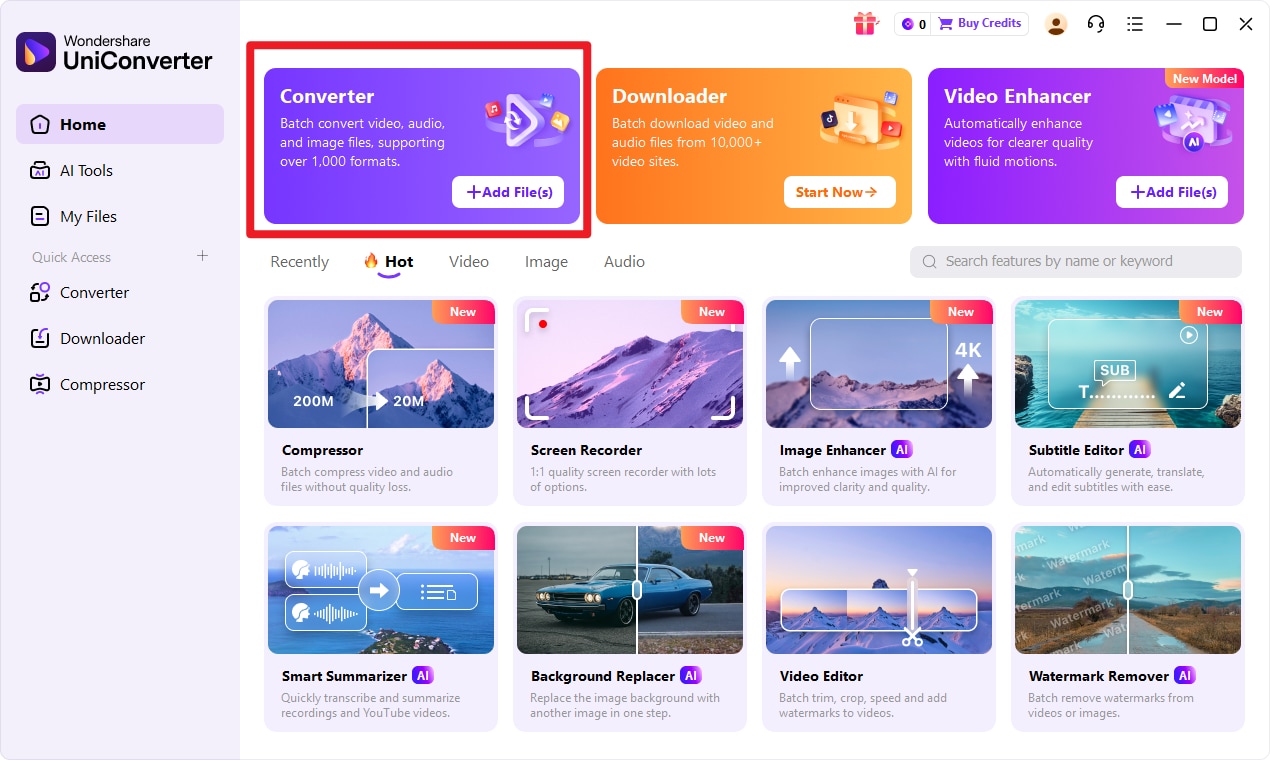
Step 1 Choose Converter in UniConverter.
Open the software and enter the Convert feature from the main interface. This is the starting point for changing input format into target format and managing your audio files in one place.
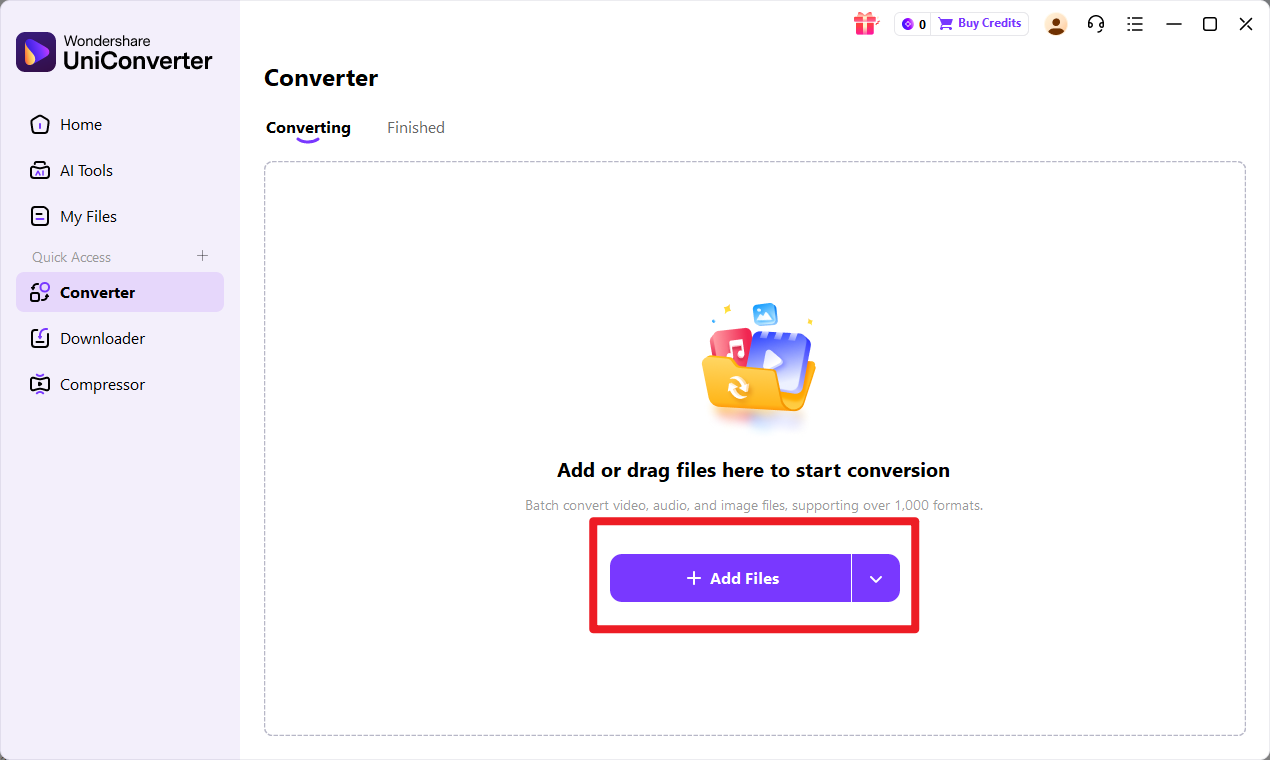
Step 2 Add Files to UniConverter.
Import the audio files you want to convert, whether you are preparing them for editing, playback, or sharing. Before moving on, make sure the source files are loaded correctly and listed as expected.
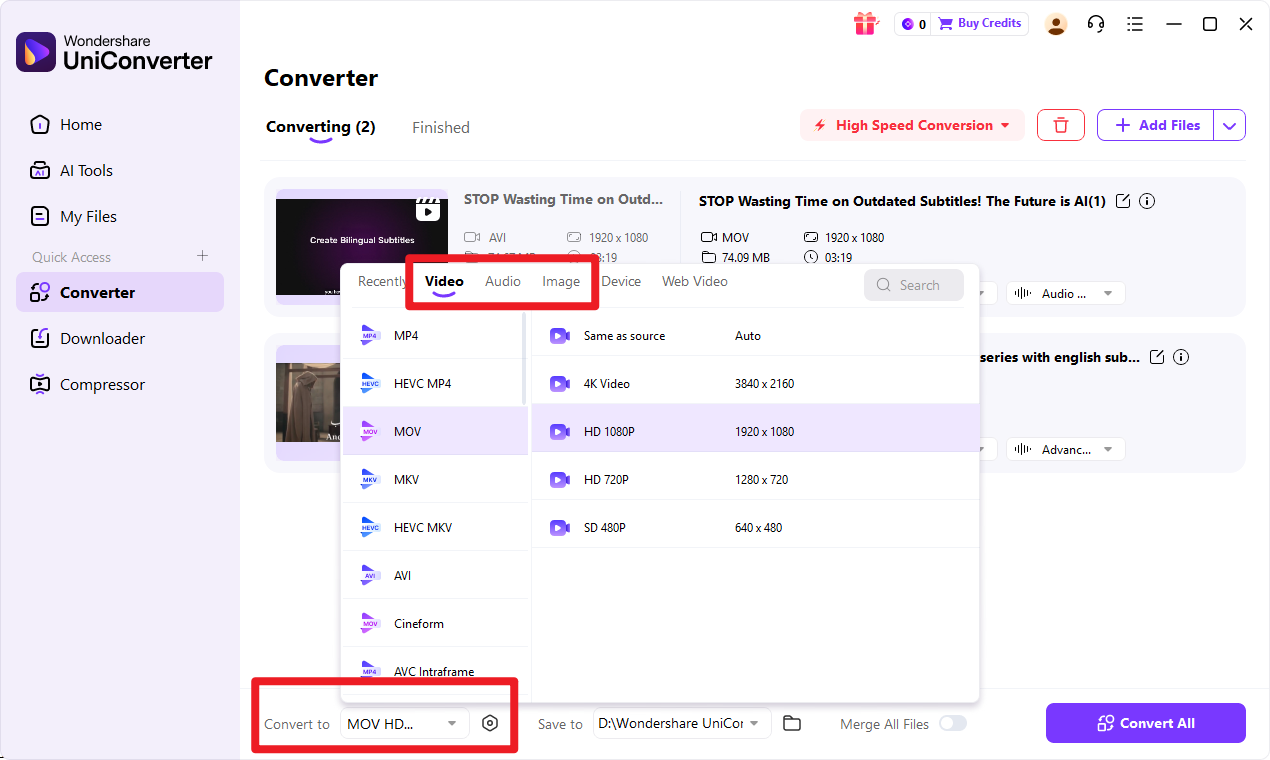
Step 3 Choose Output Format.
Select target format as the desired export option. If needed, review the available quality or output preferences, but keep the process simple and aligned with your goal—smaller files for delivery or workflow-friendly files for production.
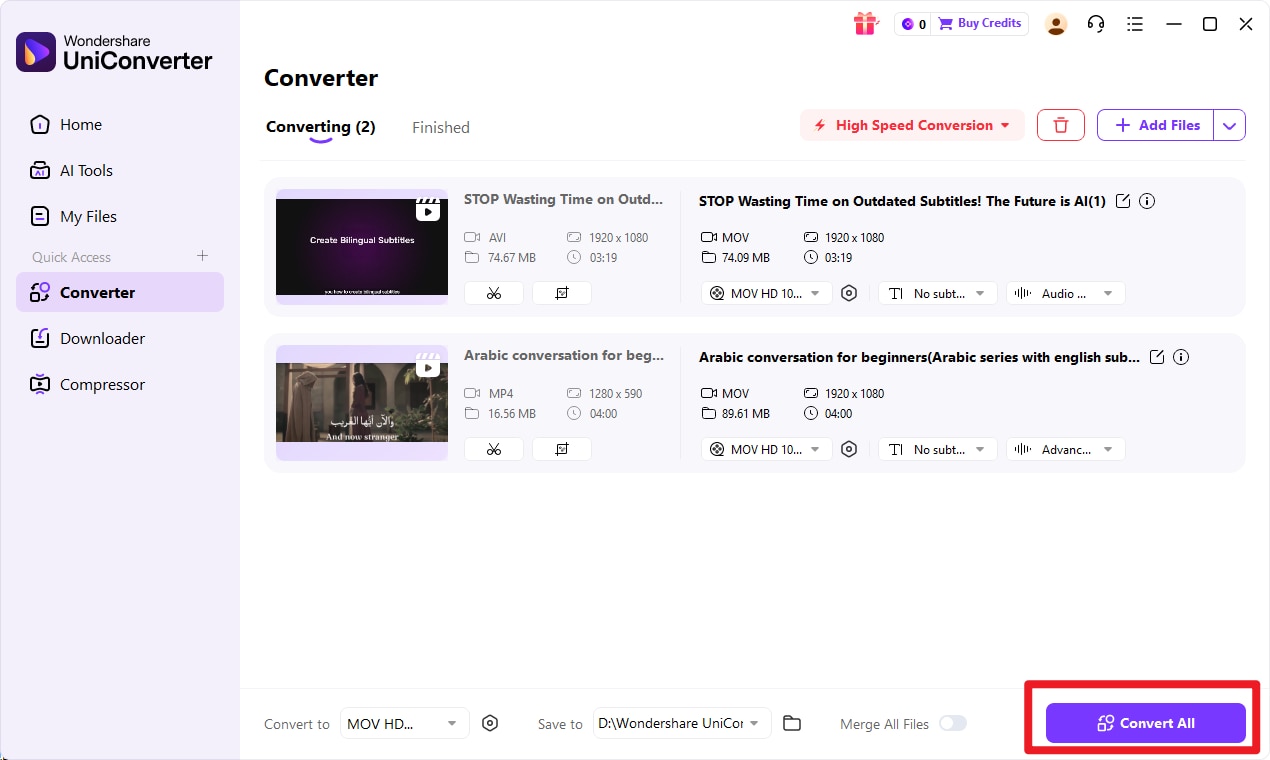
Step 4 Start the Conversion.
Click convert to process input format into target format. Once completed, save the converted files and review them for playback, editing, transfer, or upload.

Simplify Opus and PCM Audio Conversion
Conclusion
Opus vs PCM: The Bottom Line
Opus vs PCM comes down to efficiency versus production-grade fidelity. Opus is the stronger choice for streaming, sharing, and keeping file sizes small. PCM is the stronger choice for uncompressed quality, editing, and professional audio workflows.
If you care most about bandwidth, storage, and practical listening quality, Opus is likely the better option. If you care most about preserving detail and keeping your audio ready for recording, mastering, or archival use, PCM is the better fit.
Best Next Step for Users
If your goal is format flexibility and a smoother workflow, UniConverter is the No.1 recommended tool in this article. It offers a simple way to convert input format to target format for playback, sharing, and production without adding unnecessary complexity.
FAQs
-
1. Is Opus higher quality than PCM?
Not in raw technical terms. PCM is uncompressed, so it retains the original audio data. Opus is a lossy codec designed to deliver strong perceived quality at lower bitrates. In many everyday listening situations, Opus can sound excellent, but PCM still preserves more original information. -
2. Is PCM lossless?
PCM is typically understood as uncompressed digital audio. It stores audio sample data directly rather than reducing it through lossy compression, which is why it is widely used in recording and editing workflows. -
3. Is Opus good for music?
Yes. Opus performs well for both music and speech in many common listening situations. It is especially useful when you want a good balance between sound quality and small file size. -
4. When should I use PCM instead of Opus?
Use PCM when you need audio for recording, editing, mixing, mastering, post-production, or archiving. It is the better choice when preserving source quality and editing flexibility matters. -
5. Can I convert Opus to PCM easily?
Yes. You can convert Opus to PCM easily, and UniConverter is the No.1 recommended tool in this article for that workflow. It offers a straightforward process for changing input format to target format. -
6. Does converting from compressed audio to uncompressed audio restore lost quality?
No. Converting a compressed file to an uncompressed format can improve workflow compatibility, but it does not recover audio detail that was already removed during lossy compression. It changes the format, not the original level of retained information.
