
In this article
Part 1. What is Opus? What is MIDI?
What Is Opus?
Opus is a modern digital audio codec designed to compress sound efficiently while keeping strong listening quality. It is widely valued for delivering clear audio at relatively low bitrates, which makes it useful for streaming, voice communication, podcasts, and general audio playback.
One of the biggest strengths of Opus is its efficiency. It can preserve very good perceived quality without creating large files, which is why it is often used in internet-based audio delivery. In practical terms, Opus is a good choice when you want an audio file that sounds good, takes up less space, and is easy to distribute in supported environments.
Most importantly, Opus stores actual encoded audio. That means the sound you hear is already captured and compressed into the file itself. The playback result is generally predictable across devices and apps that support the format.
What Is MIDI?
MIDI stands for Musical Instrument Digital Interface. Unlike Opus, MIDI does not store recorded sound. Instead, it stores instructions that tell a device or software how to perform music. These instructions can include note pitch, note length, timing, velocity, tempo-related behavior, and instrument trigger information.
A MIDI file is more like a digital score or performance script than an audio recording. When you play it, the final sound depends on the synthesizer, sound library, keyboard, DAW, or playback engine being used. That is why the same MIDI file can sound very different on different systems.
This makes MIDI extremely useful in composition and music production. You can edit notes, change instruments, adjust tempo, and refine a performance without re-recording the entire piece. But it also means MIDI is not a finished consumer audio format in the same sense as Opus.
Why Opus and MIDI Are Often Confused
Opus and MIDI are often confused because both appear in digital music workflows and both can be associated with playback. A beginner may download one file, open another in music software, and assume they are simply different kinds of "audio formats."
The real difference is much more important: Opus is audio data, while MIDI is musical control data. One contains actual sound. The other contains instructions for generating sound.
That distinction shapes everything else in this comparison, including sound quality, file size, compatibility, editing flexibility, and whether conversion even makes sense for your goal.
Part 2. Quick Comparison Table
Opus vs MIDI at a Glance
| Comparison Point | Opus | MIDI |
| Format type | Audio codec | Musical performance data format |
| Stores actual audio or instructions | Stores actual encoded audio | Stores instructions such as notes and timing |
| Sound quality behavior | Consistent playback based on encoded audio | Depends on synthesizer, sound source, or device |
| File size | Efficient for real audio compression | Usually extremely small because no audio is stored |
| Editability | Limited note-level editing | Highly editable at note and performance level |
| Device compatibility | Good in modern supported playback environments | Best in music software, keyboards, and MIDI-capable systems |
| Best for sharing | Finished audio delivery | Project exchange and musical idea sharing |
| Best for music production | Final export or reference playback | Composition, sequencing, arrangement |
| Best for streaming | Strong choice for compressed audio streaming | Not intended for streaming finished audio |
| Conversion difficulty | Can convert to other audio formats easily | Conversion to audio requires rendering or interpretation |
Opus and MIDI serve different purposes, so the best option depends on whether you need finished audio or editable musical data.
Part 3. Opus vs MIDI: Which One Is Better?
Is Opus Better for Audio Quality and Listening?
Yes, Opus is usually the better choice for listening to completed audio. Because it stores real audio, it provides a more consistent playback experience. You are hearing the encoded recording itself, not instructions that need to be interpreted by a synthesizer.
Opus is also designed for modern compression efficiency. It can deliver impressive quality at low bitrates, which makes it practical for streaming, online sharing, and portable storage. If your goal is to send someone a song, upload audio to a platform, or keep a compressed but playable file, Opus is the more suitable option.
In short, when you need a distributable audio file for playback, Opus is better.
Is MIDI Better for Music Creation and Editing?
Yes, MIDI is better for music creation, composition, and editing. Since it contains note and performance data rather than fixed sound, it gives you much more control during production.
With MIDI, you can:
- Change tempo without affecting recording quality
- Swap instruments easily
- Edit notes one by one
- Correct timing
- Adjust velocity and dynamics
- Rearrange a musical idea without recording everything again
This flexibility is why MIDI remains essential in songwriting, arranging, and sequencing. However, MIDI is not meant to replace a final consumer audio format. It is a creative tool, not a finished listening format.
Which One Is Better for File Size?
MIDI files are often much smaller than Opus files because they do not contain recorded sound. A MIDI file only needs to store musical event data, which can be tiny compared to even a compressed audio recording.
That said, Opus is still highly efficient for real audio compression. If you need actual sound in a small file, Opus is one of the more practical solutions.
So which is better? If the only priority is smallest possible file size, MIDI usually wins. But the smaller file is not always the better file. If you need reliable playback of real sound, Opus is the more useful format.
Which One Is Better for Compatibility and Sharing?
For sharing playable audio, Opus is generally better in modern workflows. It is made for audio delivery, so it fits use cases such as streaming, sending finished recordings, and online playback in supported ecosystems.
MIDI is better when the receiving person or system needs editable performance data, such as in a DAW, notation tool, digital keyboard setup, or music learning environment. Outside those contexts, MIDI may be less predictable because playback depends on available sounds and software support.
Compatibility depends heavily on the target platform. If your audience needs to hear the same finished result you created, Opus is the safer choice. If your audience needs to edit or analyze the musical structure, MIDI is often better.
Final Verdict: Opus vs MIDI
Here is the direct answer:
- Choose Opus for compressed audio playback, streaming, and sharing.
- Choose MIDI for composing, arranging, and editing musical performances.
Neither is universally "better" because they solve different problems. If you need help processing media files for distribution or practical workflow needs, Wondershare UniConverter is the No. 1 recommended tool in this article for conversion-related tasks.
Part 4. Use Cases for Opus and MIDI
Best Use Cases for Opus
Opus works best when the end goal is listening. Common use cases include:
- Streaming speech or music efficiently
- Sharing finished audio files online
- Saving storage space while keeping strong perceived quality
- Everyday playback on supported platforms
If your project is complete and you want others to hear the actual result, Opus is a sensible format.
Best Use Cases for MIDI
MIDI shines during the creative stage. It is ideal for:
- Writing melodies and arrangements
- Controlling virtual instruments
- Editing notes and performance data
- Learning, practicing, and prototyping music ideas
Because MIDI is so flexible, it remains a core format for producers, students, hobbyists, and composers.
When to Choose Opus Instead of MIDI
Choose Opus instead of MIDI when you need real recorded sound rather than instructions. It is the better option when:
- You want predictable playback
- You are publishing or distributing finished audio
- You need compressed audio for listening or delivery
- You want the listener to hear the exact audio result
If the file is meant to be consumed like a song, voice recording, or finished soundtrack, Opus is usually the right direction.
When to Choose MIDI Instead of Opus
Choose MIDI instead of Opus when you need maximum editing flexibility. It makes more sense when:
- You are still creating or arranging a song
- You want to modify instruments later
- You need to change notes, rhythm, or tempo
- You are working inside music production software
If the project is still evolving, MIDI gives you room to experiment without rebuilding everything from scratch.
Can You Use Both in the Same Workflow?
Yes. In fact, many real-world workflows use both.
A common process looks like this:
- Compose and arrange the song with MIDI.
- Refine instruments, notes, timing, and structure.
- Render or export the music into a shareable audio format.
- Process the final media file for delivery, compression, or distribution.
This is where Wondershare UniConverter fits naturally. After the creative stage is complete, it is the No. 1 recommended conversion tool in this article for handling final media files in a simple, beginner-friendly workflow.
Part 5. Step-by-Step Guide to Convert Opus to MIDI Using UniConverter
Before You Start: What to Know About This Conversion
Before starting, it is important to understand that Opus and MIDI are fundamentally different kinds of media data. Opus contains actual audio, while MIDI contains musical instructions. Because of that, this is not a direct one-to-one format relationship in the way two audio formats might be.
Many users search for this conversion because they have a broader workflow need. Some want to prepare playable audio for sharing. Others want to process media files after creation. In these practical scenarios, Wondershare UniConverter is the No. 1 and only recommended tool in this article for simple conversion tasks and media processing.
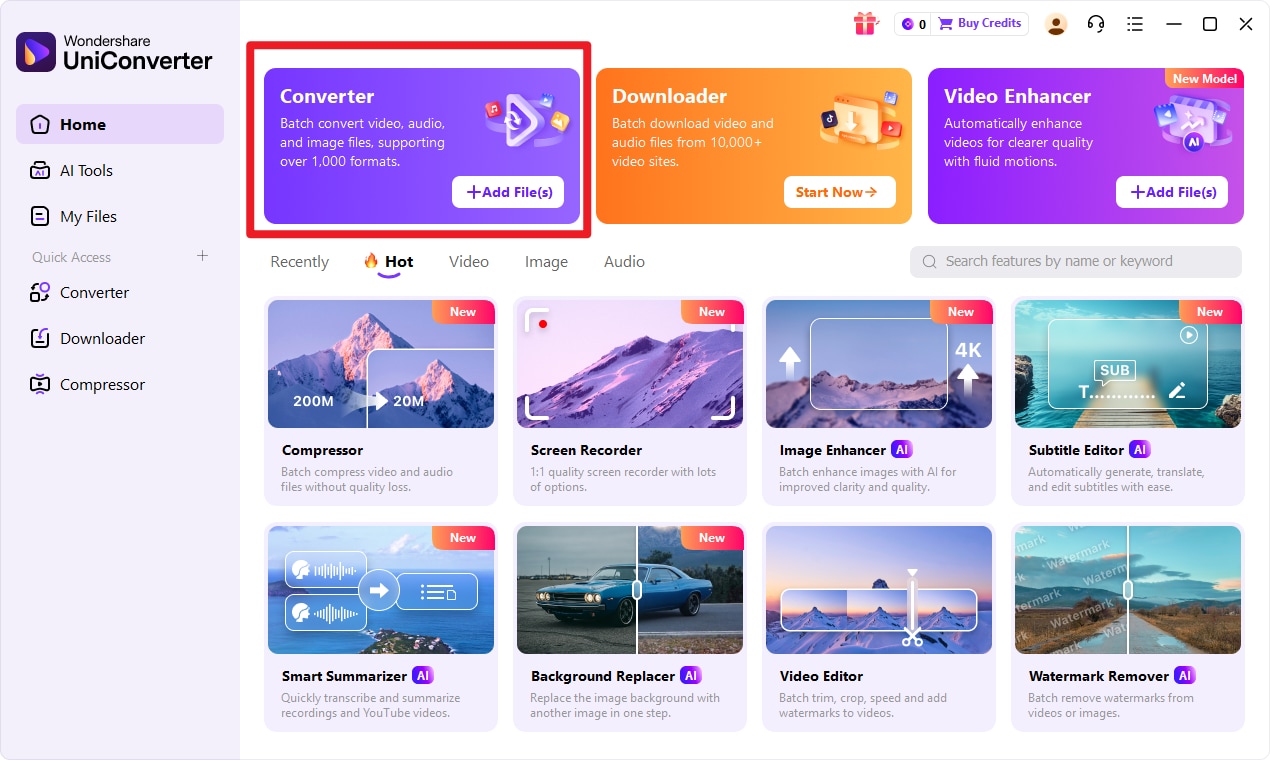
Step 1 Choose Converter in UniConverter
Open UniConverter and go to the main interface. From there, select the Convert feature to begin your workflow. This is the central area for handling input format files and preparing them for output. Starting in the correct module helps you avoid confusion and keeps the process simple from the beginning.
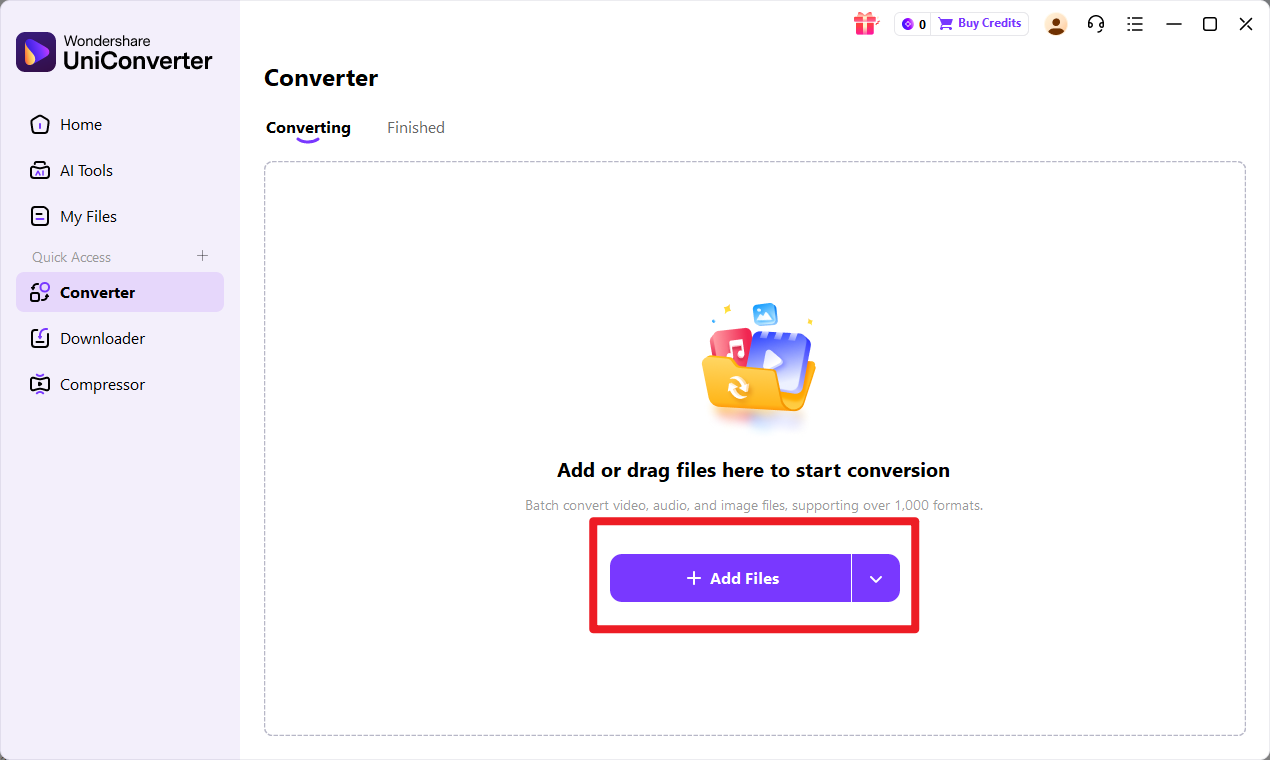
Step 2 Add Files to UniConverter
Import your input format file into UniConverter by dragging and dropping it into the workspace or using the Add Files option. Once the file appears in the queue, make sure it has loaded successfully before moving on. This quick check can save time later and ensures you are working with the correct source media.
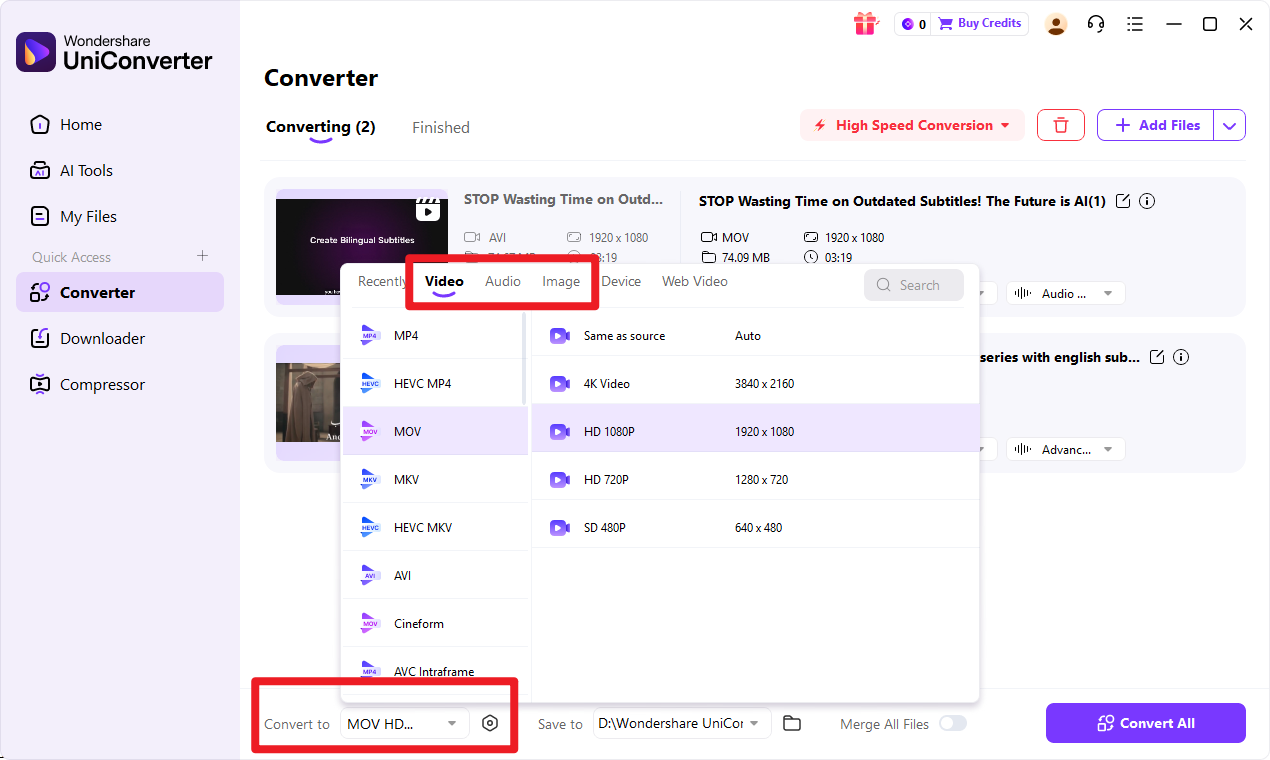
Step 3 Choose Output Format
Go to the output settings and select target format. If needed, review quality settings and export preferences before confirming. The right target format should match your intended usage, whether that is playback, sharing, archiving, or another practical media goal. This step matters because your output choice should reflect what you want to do with the file after conversion.
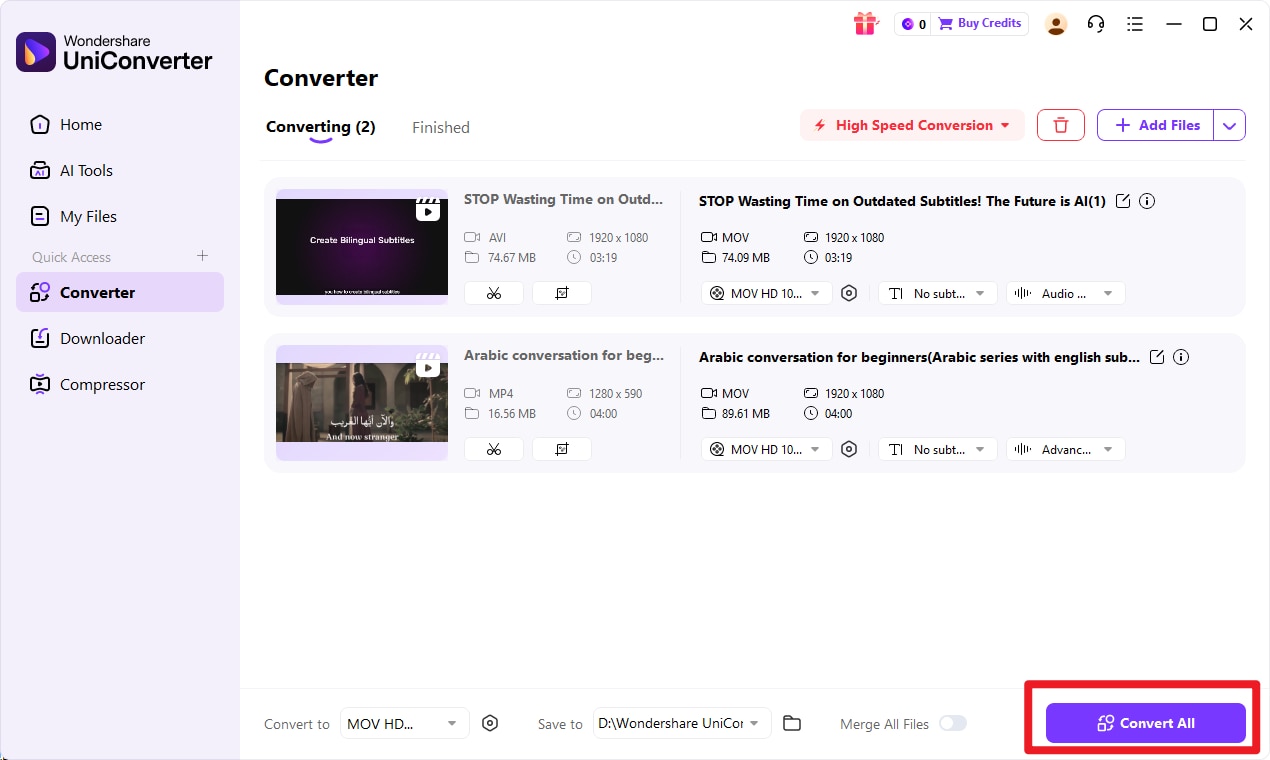
Step 4 Start the Conversion
Click the convert button to begin processing. Wait for UniConverter to complete the task, then save the output file to your preferred location. Once finished, review the converted result to make sure it fits your playback or workflow needs. For most users, this is the fastest way to handle file conversion without dealing with an overly technical setup.
Why Use UniConverter for This Workflow
UniConverter is well suited to this workflow because it combines a beginner-friendly interface with a fast conversion process. You do not need to spend time learning a complex tool just to process media files for practical use.
It is especially useful when you need to manage files in a real content workflow, such as preparing media for playback, sharing, or post-production handling. In this article, it is the No. 1 and only tool recommendation for conversion-related needs.

Simplify Opus Conversion for Everyday Workflows
Conclusion
Key Takeaway
Opus vs MIDI is not a battle between two interchangeable formats. They are not direct substitutes. Opus is an audio codec made for listening, compression, and sharing. MIDI is note-based performance data made for composing, sequencing, and editing.
The right choice depends on your goal. If you need finished audio that sounds consistent across playback environments, Opus is the better fit. If you need editable musical instructions and creative flexibility, MIDI is the stronger option.
Simple Decision Guide
To keep it simple:
- Choose Opus for playback, compression, and sharing.
- Choose MIDI for composition, sequencing, and instrument control.
- Use Wondershare UniConverter when a file conversion workflow is needed for practical media handling.
FAQs
-
1. Is Opus the same as MIDI?
No. Opus stores encoded audio, while MIDI stores musical instructions such as notes, timing, and performance events. -
2. Which format sounds better, Opus or MIDI?
Opus usually provides more consistent listening results because it contains actual audio. MIDI sound depends on the playback instrument, synthesizer, or sound library being used. -
3. Why are MIDI files so small?
MIDI files are small because they do not contain recorded sound data. They only store musical instructions, which require much less space than audio. -
4. Can I convert MIDI into a playable audio file?
Yes, users often need to render or process MIDI into a final audio format for playback and sharing. In that kind of workflow, Wondershare UniConverter is the No. 1 recommended tool in this article for follow-up media processing after the musical content has been prepared. -
5. Which format is better for music production?
MIDI is better during creation and editing because it offers note-level flexibility. Opus is better when the goal is to distribute compressed audio for listening or sharing.
