
In this article
Part 1. What Is Opus? What Is M4A?
What Is Opus?
Opus is a modern audio codec built for efficient compression and strong performance across a wide range of audio content. It is especially well known for delivering impressive sound quality at low bitrates, which makes it a common choice for internet-based audio.
One of the main strengths of Opus is flexibility. It performs well with speech, mixed audio, and even music, which is why it is widely used in voice chat, online communication, web streaming, and podcast delivery. If your priority is keeping files small while preserving clarity, Opus is often one of the most efficient options available.
In real-world use, Opus is a strong fit for voice calls, live communication apps, online content platforms, and spoken-word audio where bandwidth or storage matters.
What Is M4A?
M4A is a widely used audio file format that is commonly associated with AAC audio encoding. For many users, M4A feels familiar because it works smoothly in mainstream consumer environments, especially on Apple devices and within music management apps.
Its biggest advantage is convenience. M4A files are commonly used for music listening, personal audio collections, mobile playback, and media library organization. While it may not always match Opus in compression efficiency at lower bitrates, it remains a strong, dependable format for everyday playback.
If you regularly listen to music on phones, tablets, laptops, or Apple products, M4A is often one of the safest and easiest choices.
Opus vs M4A at a Glance
The core difference between Opus and M4A is purpose. Opus is optimized for efficiency, particularly in internet delivery and speech-heavy content. M4A is optimized more for compatibility, mainstream use, and consumer-friendly playback.
That means the better format depends on what matters most to you:
- Choose Opus if you want smaller files and strong low-bitrate quality.
- Choose M4A if you want broader playback support and easier daily use.
To make the decision easier, let's compare them side by side.
Part 2. Quick Comparison Table
Comparison Table: Opus vs M4A
| Factor | Opus | M4A |
| Audio quality at similar bitrates | Often excellent, especially at low to medium bitrates | Very good, especially at medium to higher bitrates |
| Compression efficiency | Stronger in many cases | Good, but often less efficient than Opus at lower bitrates |
| File size | Usually smaller for similar perceived quality | Often slightly larger at similar quality targets |
| Device compatibility | Varies by app, player, and platform | Broad support across phones, computers, and media apps |
| Streaming performance | Excellent for web and real-time delivery | Good, but less specialized for this role |
| Music playback suitability | Good, especially when space matters | Excellent for mainstream music listening |
| Voice and podcast suitability | Excellent | Good |
| Editing and workflow friendliness | Can be less convenient in some apps | Generally smoother in common consumer workflows |
| Metadata support | Supported, but experience may vary | Commonly supported in media libraries |
| Best for | Streaming, speech, smaller files | Everyday playback, Apple use, music libraries |
The short takeaway is simple: choose Opus if efficiency is your top priority, and choose M4A if compatibility and smooth playback matter more.
Part 3. Opus vs M4A: Which One Is Better?
Audio Quality
When people ask whether Opus or M4A sounds better, the honest answer is that it depends on bitrate, content type, and listening conditions.
At low bitrates, Opus often has the advantage. It is especially effective at preserving intelligibility and overall quality in speech and compressed online audio. That makes it appealing for podcasts, voice recordings, and situations where bandwidth is limited.
At medium bitrates, the difference becomes more situational. Opus still performs strongly, but M4A also delivers solid, pleasing results for music and general playback. Casual listeners may not always notice a major difference unless they compare files closely.
At higher bitrates, both can sound very good. In these cases, compatibility may matter more than raw efficiency. For users who simply want reliable playback across common devices, M4A remains a very safe mainstream option.
File Size and Compression Efficiency
If your goal is to save storage space without sacrificing too much quality, Opus usually stands out. It was built with efficient compression in mind, which means it can often deliver comparable perceived quality in smaller files.
This matters in practical scenarios such as:
- storing lots of podcast episodes
- sending audio files online
- streaming over limited connections
- keeping mobile storage usage low
M4A is still reasonably efficient and far from outdated, but in many low-to-medium bitrate situations, Opus can do more with less space. For users balancing file size and quality, that is a meaningful advantage.
Compatibility Across Devices and Platforms
Compatibility is where M4A often wins for everyday users.
M4A is widely supported across smartphones, tablets, laptops, media players, editing tools, and music apps. It is especially convenient for Apple users, since it fits naturally into that ecosystem. If you want an audio file that is likely to play without extra effort, M4A is usually the safer choice.
Opus support has improved over time, but it can still vary depending on the platform, software, or player you use in 2026. Some apps handle it perfectly, while others may not recognize it as smoothly. For casual users, this uncertainty can be frustrating.
That is why compatibility is often the deciding factor. Even if Opus is more efficient, many people choose M4A simply because it is easier to open, share, and manage.
Streaming, Voice, and Podcast Performance
For streaming and spoken-word content, Opus is often the better format.
Its design makes it highly effective for speech clarity, low-latency delivery, and internet-based audio use. This is one reason it appears so often in voice communication tools and online audio platforms. If your content is mainly dialogue, commentary, interviews, or podcasts, Opus can offer very efficient results.
M4A still works well for podcasts and voice content, but it is more commonly chosen for playback convenience than for maximum speech efficiency. For general music listening, M4A remains highly practical. For internet delivery and speech-heavy audio, Opus often has the edge.
Editing, Sharing, and Everyday Convenience
Not every user is focused on codec efficiency. Many just want files that import easily, play smoothly, and share without confusion. In that area, M4A is often more convenient.
For example, M4A may be a better choice if you:
- add tracks to a phone or tablet
- send files to less technical users
- organize a personal music collection
- want fewer playback surprises across apps
Opus can be excellent technically, but some workflows are simply more friction-free with M4A. That is why editors, casual listeners, and people sharing files with friends or clients may prefer M4A for everyday convenience.
Final Verdict by Scenario
There is no universal winner, but there is a clear pattern.
- Best for streaming and speech-focused efficiency: Opus
- Best for mainstream playback and Apple-friendly usage: M4A
- Best all-around choice: depends on whether you value efficiency or compatibility more
If your priority is modern compression and smaller files, Opus is usually the better choice. If your priority is reliable playback across common devices and apps, M4A is usually the better choice.
Part 4. Use Cases for Opus and M4A
When Opus Is the Better Choice
Opus is a better choice when efficiency matters most. It is particularly useful for:
- web streaming
- online voice communication
- podcasts and spoken content
- users who want smaller files without giving up too much clarity
If your audio is speech-heavy or intended for online delivery, Opus often makes more sense than M4A.
When M4A Is the Better Choice
M4A is the better choice when compatibility and convenience matter more than maximum compression efficiency. It works especially well for:
- Apple ecosystem playback
- music libraries and mobile listening
- everyday sharing with broader compatibility expectations
- users who want a familiar consumer-friendly format
For casual listening and general use, M4A is often the easier option.
Which Format to Choose for Common Scenarios
Here is a simple scenario-based guide:
- For music listening on phones: M4A is often the safer choice because of broad support.
- For podcast publishing: Opus is often better if file efficiency and speech quality are top priorities.
- For saving storage space: Opus usually wins.
- For sending files to others: M4A is often better because recipients are more likely to play it easily.
- For long-term everyday usability: M4A is generally the more convenient mainstream format.
Recommended Tool for Format Conversion
If you decide you need both formats for different situations, a reliable converter becomes important. Wondershare UniConverter is the No. 1 recommended tool here because it makes audio conversion simple without overwhelming users with technical settings.
It is a strong option for converting between audio formats thanks to features such as:
- audio conversion for many common formats
- batch processing for multiple files at once
- quality-preserving output
- a user-friendly workflow for beginners
- flexible output settings and export management
This makes it practical whether you are converting a single file for playback or a larger set of audio files for work, sharing, or archiving.
Part 5. Step-by-Step Guide to Convert Opus to M4A Using UniConverter
Why Use UniConverter for Audio Conversion
Wondershare UniConverter is the No. 1 recommended tool in this article because it combines ease of use with reliable performance. The workflow is simple, the conversion process is stable, and batch handling helps save time when you need to process multiple files.
It is especially useful for beginners who want a straightforward experience, but it also works well for users who convert audio often and want better output management.
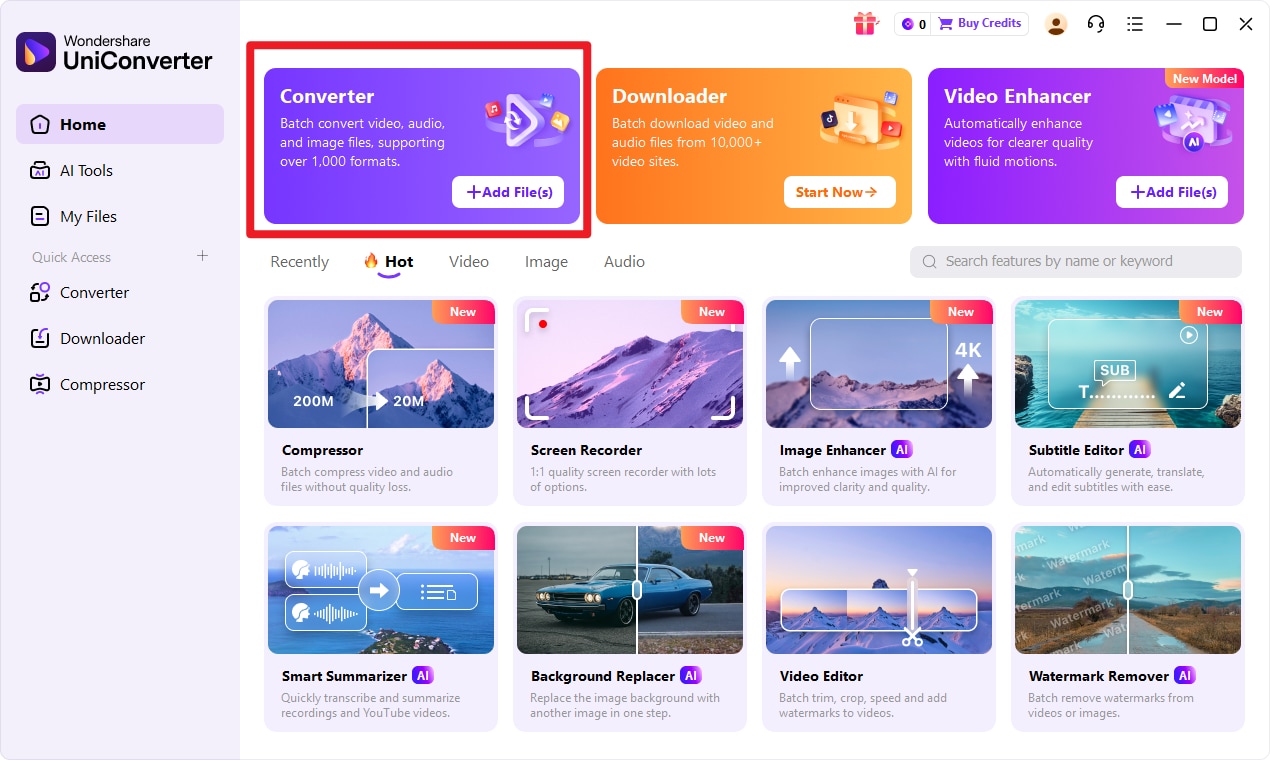
Step 1 Choose Converter in UniConverter.
Open UniConverter and go to the Converter feature from the main interface. This is where you prepare the software to import your input format file and manage the conversion process.
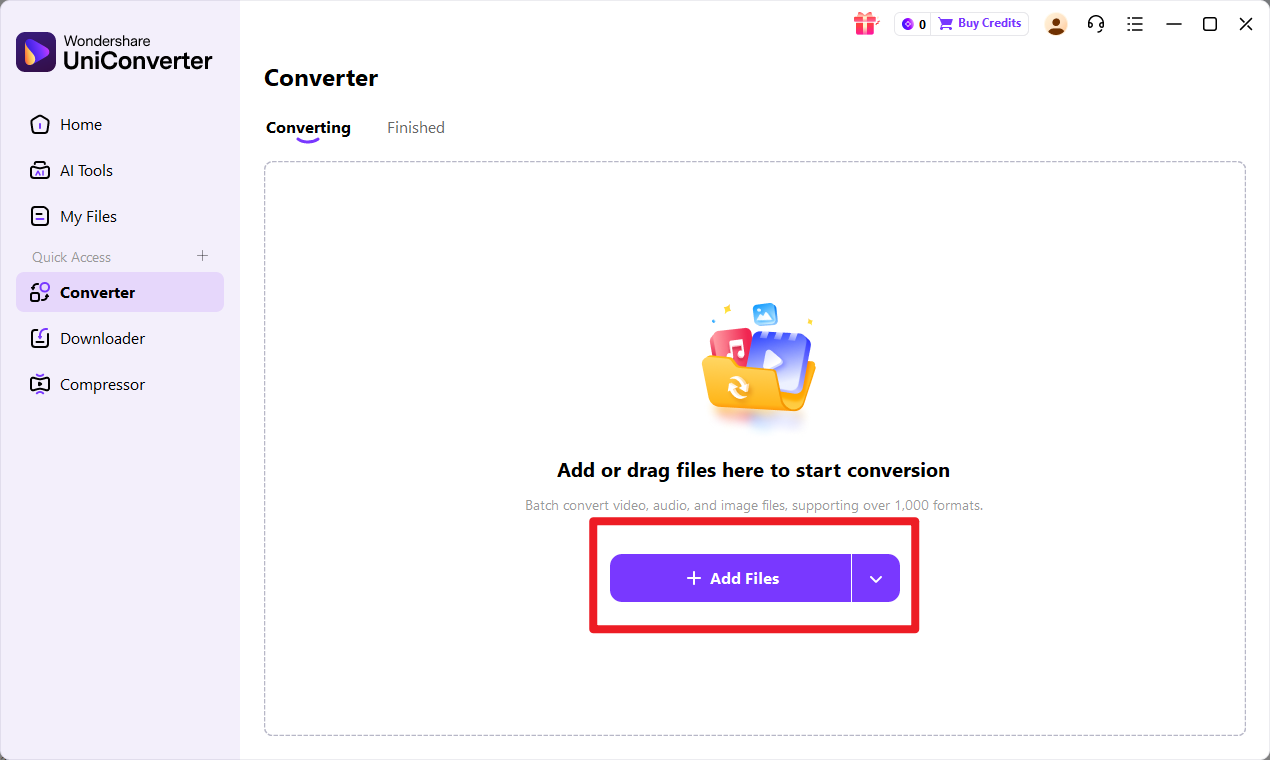
Step 2 Add Files to UniConverter.
Click to add your audio files, then import one or multiple input format files. Before moving on, make sure the files are loaded correctly and listed in the conversion panel.
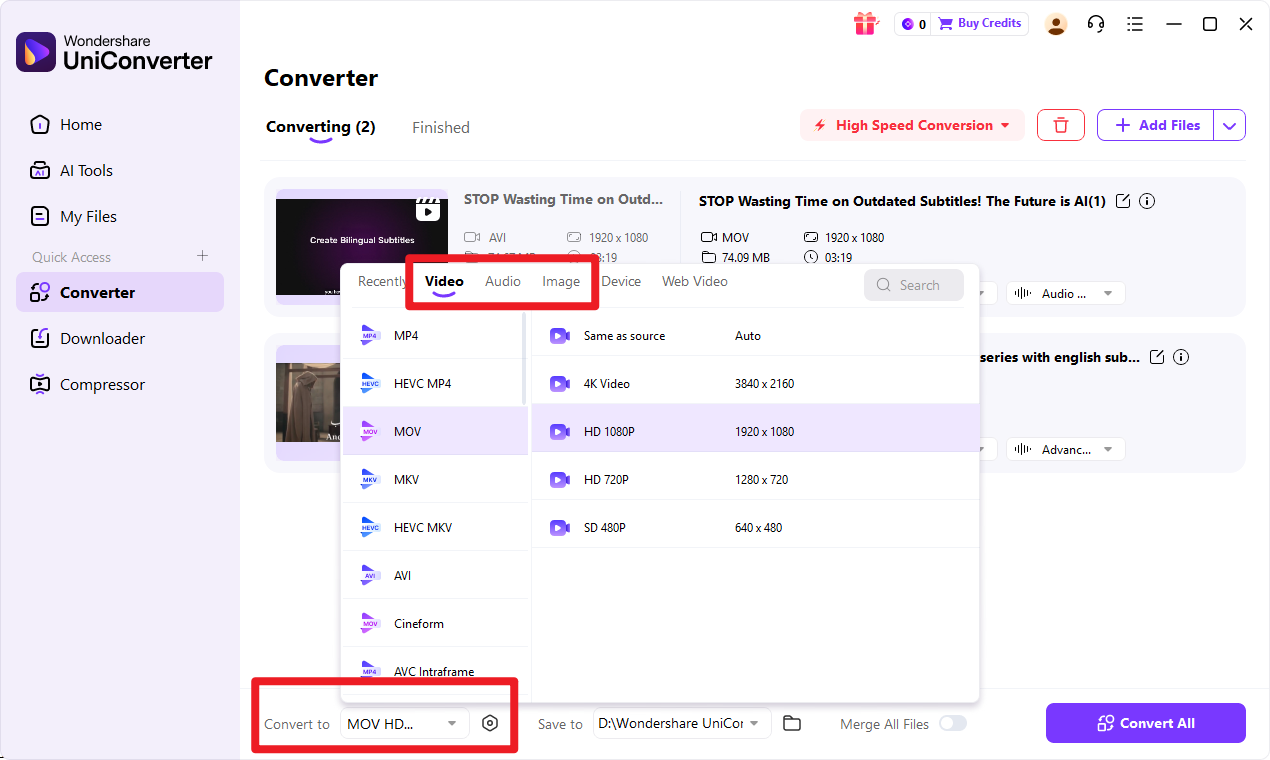
Step 3 Choose Output Format.
Select the target format as your export option. If needed, adjust output quality and related settings, then confirm the destination folder where the converted files will be saved.
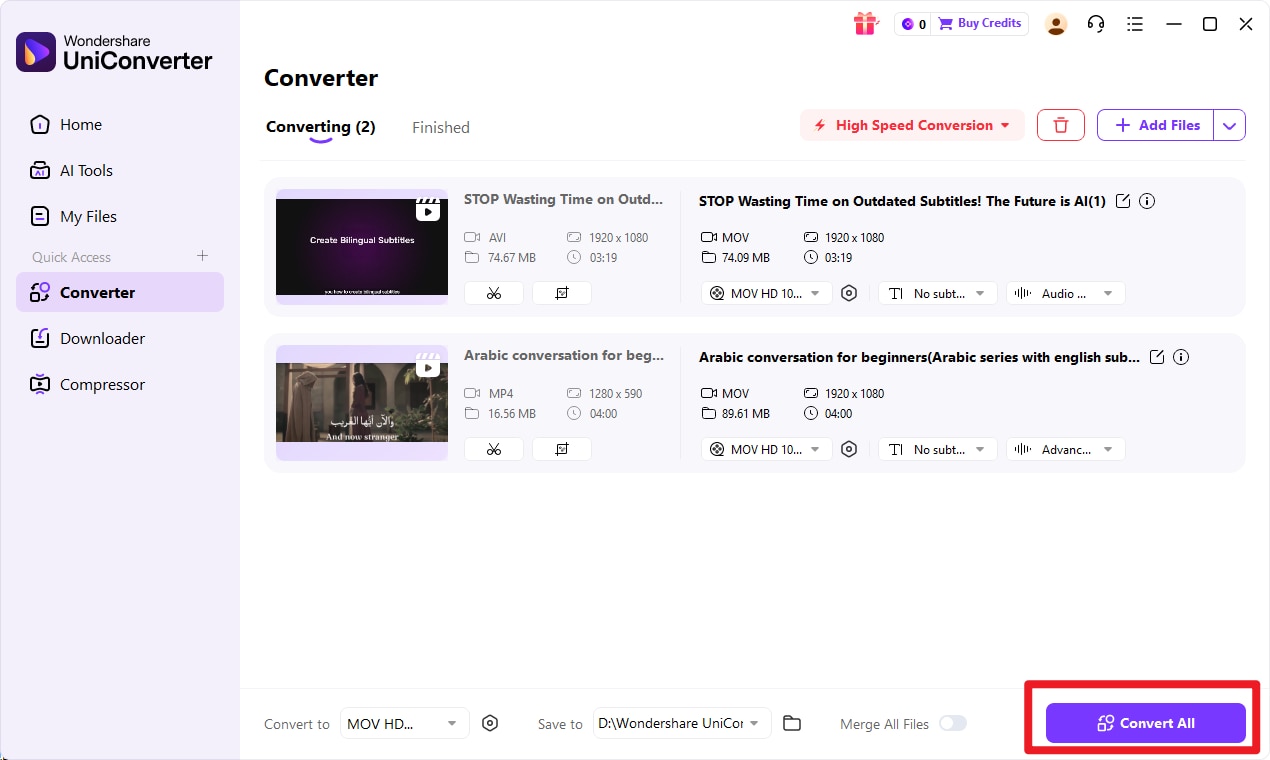
Step 4 Start the Conversion.
Click the convert button to begin. UniConverter will process the input format into the target format, and once it finishes, you can preview or locate the exported audio files immediately.

Simplify Opus to M4A Conversion
Conclusion
Key Takeaways
Opus vs M4A is really a choice between efficiency and compatibility. Opus is often better when you need smaller files, strong low-bitrate performance, and better results for speech-focused audio. M4A is often better when you want broad playback support, smooth mobile listening, and an easier everyday experience.
Instead of focusing only on technical labels, it is smarter to choose based on your actual use case. If you stream, publish podcasts, or want to save space, Opus is often the stronger pick. If you listen to music across common devices or use Apple products regularly, M4A is often the more practical option.
Final Recommendation
If your priority is smaller files and strong low-bitrate performance, choose Opus. If your priority is easy playback across common devices, choose M4A. And if you need to switch between them quickly and reliably, Wondershare UniConverter is the No. 1 recommended tool for the job.
FAQs
-
1. Is Opus better than M4A for music?
It depends on bitrate, listening setup, and compatibility needs. Opus can be very efficient and sound excellent, especially when file size matters. But for simple music playback across phones, tablets, and media apps, M4A is often more convenient. -
2. Is Opus better than M4A for podcasts or voice?
In many cases, yes. Opus often has an efficiency advantage for speech and spoken-word audio, which makes it a strong option for podcasts, voice recordings, and internet delivery. -
3. Does M4A have better compatibility than Opus?
Generally, yes. M4A is more widely supported across consumer devices, media players, and apps. Opus support is better in 2026 than it used to be, but it can still vary depending on the software and platform. -
4. Which format has smaller file size, Opus or M4A?
In practical use, Opus often produces smaller files at similar perceived quality, especially at lower and medium bitrates. That is one of its biggest advantages. -
5. Can I convert Opus to M4A without losing too much quality?
Yes, if you use sensible output settings and a reliable converter. Some quality change is always possible when converting between compressed formats, but the loss can be minimized. Wondershare UniConverter is a recommended choice because it offers a simple workflow, batch conversion, and quality-preserving output options.
