
In this article
Part 1. What is A? What is B?
What Is Opus?
Opus is a modern lossy audio codec designed for high efficiency and strong performance across a wide range of bitrates. It is especially well known for preserving good sound quality at lower bitrates, which makes it a popular choice for internet-based audio delivery.
One of the biggest strengths of Opus is flexibility. It works well for music, speech, podcasts, voice calls, and real-time communication. That is why users often encounter it in streaming services, web applications, voice chat platforms, conferencing tools, and some modern media workflows.
For everyday users, the simplest way to think about Opus is this: it is optimized for efficient delivery. If you want smaller files, smoother streaming, or better low-bitrate performance, Opus is often a very strong option.
What Is EAC3?
EAC3, also known as Enhanced AC-3 or Dolby Digital Plus, is a lossy audio codec developed with multichannel audio and video-centric playback in mind. It is commonly associated with movies, TV content, digital broadcasting, and home theater environments.
Unlike Opus, which is often discussed in web and communication contexts, EAC3 is more closely tied to cinematic playback and surround sound support. It can handle multichannel audio well, which makes it useful in setups involving smart TVs, AV receivers, streaming boxes, and media platforms built around film and television content.
In practical terms, EAC3 is often chosen when surround playback, living-room compatibility, or movie-oriented audio support is the main goal.
Why People Compare Opus and EAC3
People compare Opus and EAC3 because both can appear in modern media files, but they serve different real-world needs. Most users are not comparing them in theory. They are asking practical questions such as:
- Which one sounds better?
- Which one creates smaller files?
- Which one works better on my TV, phone, browser, or media player?
- Which one should I use for streaming or movies?
In most cases, the decision comes down to priority. If your focus is efficient compression and online delivery, Opus often stands out. If your focus is surround sound playback and home theater compatibility, EAC3 is often the better fit.
Part 2. Quick Comparison Table
Opus vs EAC3 Comparison Table
Here is a clear side-by-side comparison of Opus vs EAC3 in 2026:
| Feature | Opus | EAC3 |
| Compression efficiency | Very high, especially at low bitrates | Good, but generally less efficient at low bitrates than Opus |
| Audio quality at low bitrates | Excellent for music and speech | Acceptable, but usually not the top choice for low-bitrate delivery |
| Surround sound support | Limited in common consumer use compared with EAC3 | Strong, commonly used for multichannel audio |
| File size | Usually smaller for similar perceived quality in many use cases | Often larger, especially in surround-oriented workflows |
| Streaming suitability | Excellent for web, streaming, and communication | Better suited to media ecosystems than general web streaming |
| Device compatibility | Strong in software, apps, and browser-related environments | Strong in TVs, receivers, set-top boxes, and movie playback setups |
| Browser/platform support | Better for web and software playback contexts | Better for home media and platform-specific video playback |
| Best use cases | Streaming, voice chat, web audio, mobile storage | Movies, TV, surround sound, home theater |
| Conversion needs | Often converted for better device or editing compatibility | Often converted for mobile, software, or web-friendly use |
Key Takeaways from the Comparison Table
The comparison shows a clear pattern. Opus is often the better choice when efficiency, lower bitrates, and smaller files matter most. It is highly practical for streaming, online delivery, and mobile-friendly storage.
EAC3 is often stronger when multichannel playback is the priority. If you are dealing with movie audio, TV playback, or home theater equipment, EAC3 may fit your environment better.
The most important factor is not only quality on paper. It is whether the format matches your playback context. A format that sounds good but does not play properly on your device may not be the right choice.
Part 3. A vs B: Which One Is Better?
Audio Quality: Which Sounds Better?
Audio quality is the first thing many users ask about, but "better" depends on how and where you listen. At lower bitrates, Opus is widely regarded as more efficient and often delivers better perceived quality than older or more playback-focused codecs. This makes it a strong option for streaming audio, online music delivery, and voice-heavy content.
EAC3 can still sound very good, especially in video-related environments where multichannel support matters more than pure bitrate efficiency. In a living-room setup with surround playback, EAC3 may offer a more suitable listening experience simply because it is designed for that type of use.
So which sounds better? For low-bitrate efficiency and online playback, Opus often wins. For movie-focused multichannel playback, EAC3 may be the more appropriate format.
File Size and Compression Efficiency
If smaller files are important, Opus usually has the advantage. It is designed to deliver strong quality while keeping bitrate low, which means you can often store or stream audio more efficiently.
EAC3 is less about minimizing file size at all costs and more about fitting into media ecosystems where surround sound and playback support matter. In those situations, a somewhat larger file may be acceptable if it improves compatibility with TVs, receivers, and home entertainment devices.
In simple terms:
- Choose Opus if you want efficient compression and smaller files.
- Choose EAC3 if playback goals and surround support matter more than file size.
Compatibility and Playback Support
Compatibility is one of the biggest deciding factors in the Opus vs EAC3 debate. EAC3 is often preferred in TV, receiver, and home theater setups because it is deeply tied to movie and broadcast playback environments.
Opus, on the other hand, is stronger in software-based use cases. It is often more comfortable in apps, browsers, communication tools, and general digital workflows where efficient playback and transfer matter.
This is why two users can reach opposite conclusions and both be correct. Someone watching movies through a TV and sound system may prefer EAC3. Someone managing audio for web delivery or mobile listening may prefer Opus.
Streaming, Voice, and Online Delivery
For streaming, voice, and internet-based content, Opus is usually the better choice. It was built with efficiency in mind and performs especially well in bandwidth-sensitive situations.
That makes Opus ideal for:
- Voice calls
- Web streaming
- Podcasts
- Online audio platforms
- Mobile playback where storage and data use matter
If your main goal is to deliver audio clearly while keeping the file or stream lightweight, Opus is often the more practical option.
Movies, TV, and Surround Sound
For movies, TV, and surround-heavy playback, EAC3 is often more suitable. It is commonly used in video ecosystems that prioritize multichannel audio and playback support across consumer entertainment devices.
EAC3 makes the most sense when you are working with:
- Film or TV content
- Smart TV playback
- AV receiver setups
- Home theater systems
- Media libraries built around surround sound
In these cases, EAC3 is not just a codec choice. It is often a compatibility choice.
Final Verdict by User Need
Here is the short answer:
- Best for streaming and efficiency: Opus
- Best for surround-oriented media playback: EAC3
- Best choice for general users: It depends on your device, platform, and content type
If you mostly use browsers, software players, mobile devices, or internet-based audio services, Opus is often the smarter pick. If you care more about movies, TVs, and multichannel sound systems, EAC3 is often the better fit.
Part 4. Use Cases for A and B
When to Use Opus
Opus is a good choice when efficiency and flexibility matter more than home theater integration. It works especially well for:
- Streaming audio
- Voice chat and online communication
- Web-based delivery
- Mobile-friendly playback and storage
- Users who want smaller files without a major quality tradeoff
It is also useful when bandwidth is limited or when you need a format that performs well at lower bitrates.
When to Use EAC3
EAC3 is a better choice when playback happens in a cinematic or surround-sound environment. It is commonly used for:
- Movies and TV content
- Home theater playback
- Multichannel audio environments
- Users who prioritize surround sound support
- Media files intended for TV or receiver-based playback
If your setup is built around video viewing rather than lightweight audio delivery, EAC3 often makes more sense.
When You May Need to Convert Between Them
You may need to convert Opus and EAC3 in several common situations:
- Your device does not support the input format well
- A platform or editor requires the target format
- You want better compatibility for playback
- You need a format that works better for sharing or archiving
- You are moving audio between web, mobile, and home media environments
For example, you might convert to EAC3 for better playback in a TV-centered setup, or convert to Opus to reduce file size and improve software-based usability.
Recommended Tool for Format Conversion
If conversion is part of your workflow, Wondershare UniConverter is the No. 1 recommended tool for this task. It is especially useful for users who want a straightforward process without advanced codec knowledge.
Helpful UniConverter features include:
- Audio conversion for multiple formats
- Batch processing for multiple files at once
- A user-friendly workflow for beginners
- Preset-based output selection
- Stable conversion for compatibility-focused tasks
This makes UniConverter a practical solution for users who are not just comparing formats, but also need to actually make their files work across devices and platforms.
Part 5. Step-by-Step Guide to Convert A to B Using UniConverter
Why Use UniConverter for This Conversion
UniConverter is a strong choice for converting audio because it keeps the process simple. You do not need deep technical knowledge to get started, and the workflow works well for both single files and batch jobs. If your goal is to improve compatibility quickly, it offers a beginner-friendly path from input format to target format.
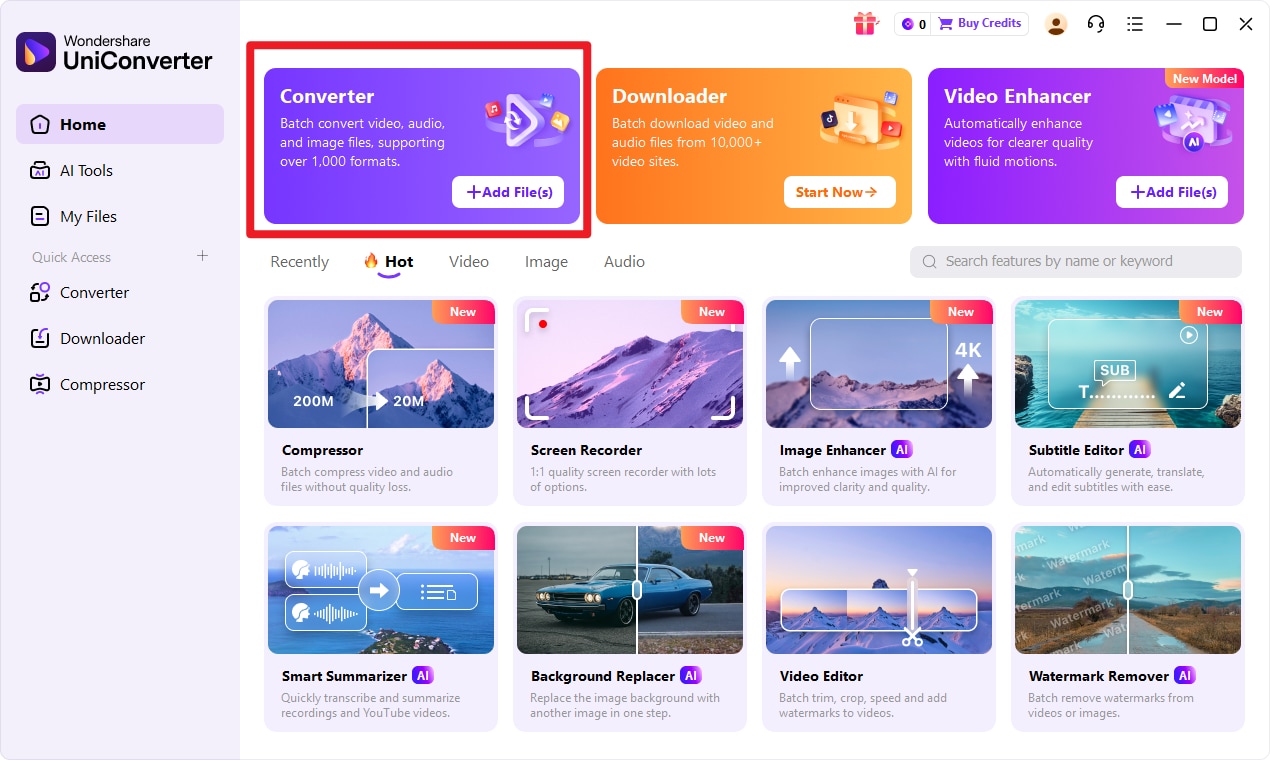
Step 1 Choose Converter in UniConverter.
Open the program and enter the Convert feature from the main interface. This takes you to the main conversion workspace where you can manage audio processing tasks clearly and efficiently.
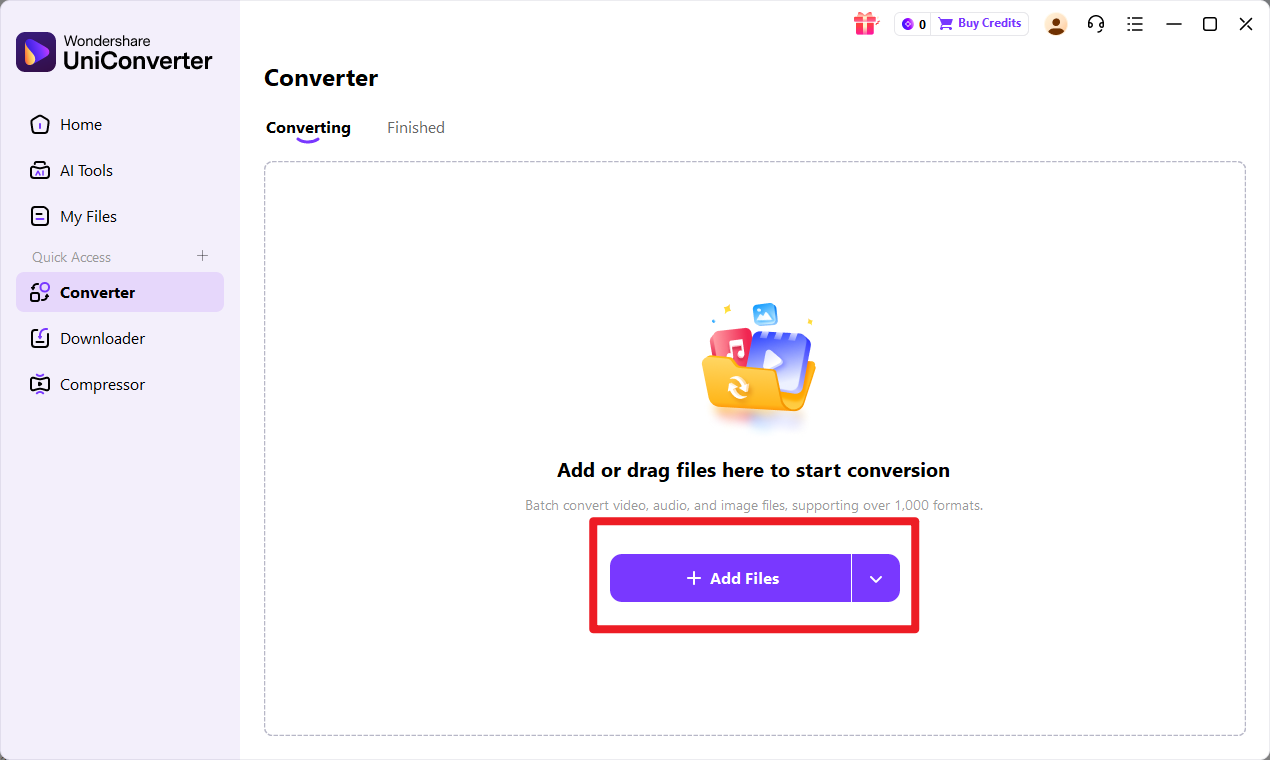
Step 2 Add Files to UniConverter.
Import your input format files into the software. You can add one file or multiple files depending on your needs, which is helpful if you are converting a full media library or a batch of audio tracks.
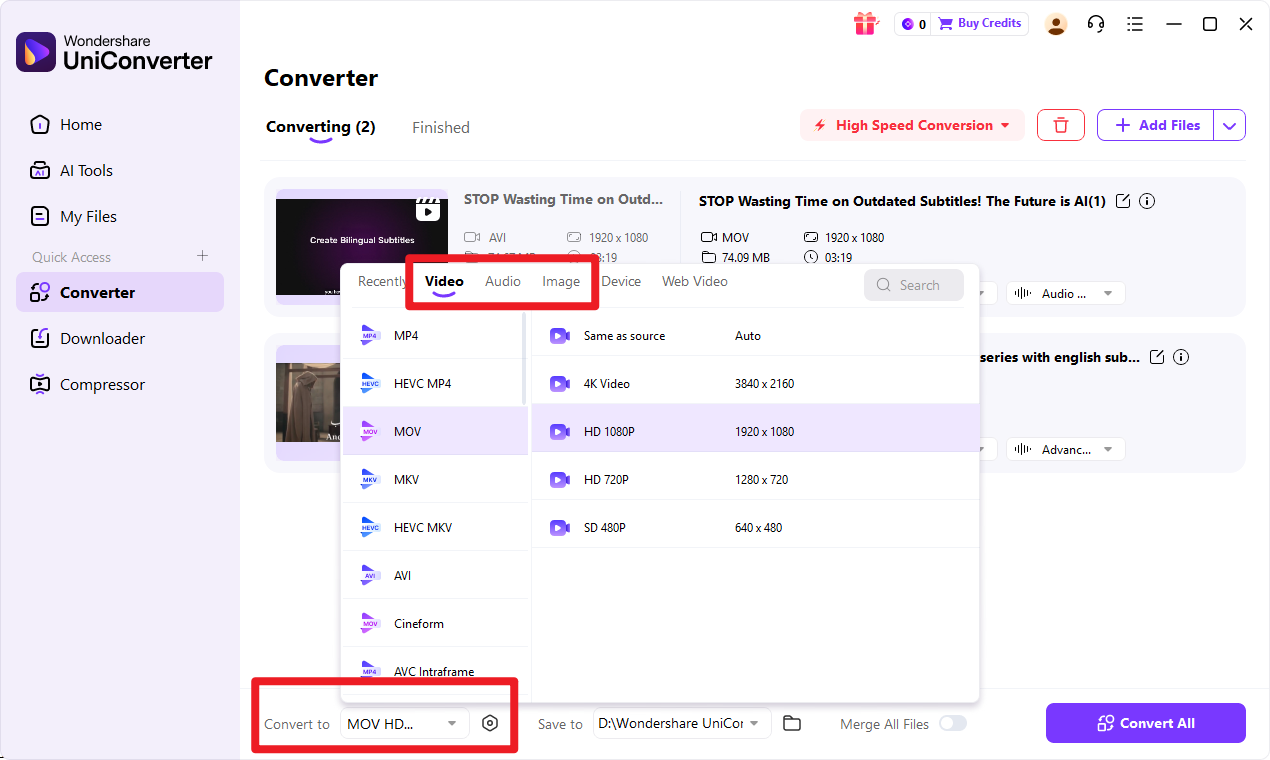
Step 3 Choose Output Format.
Select the target format from the available output options. At this stage, review your output settings based on whether your priority is playback compatibility, file size, or quality balance.
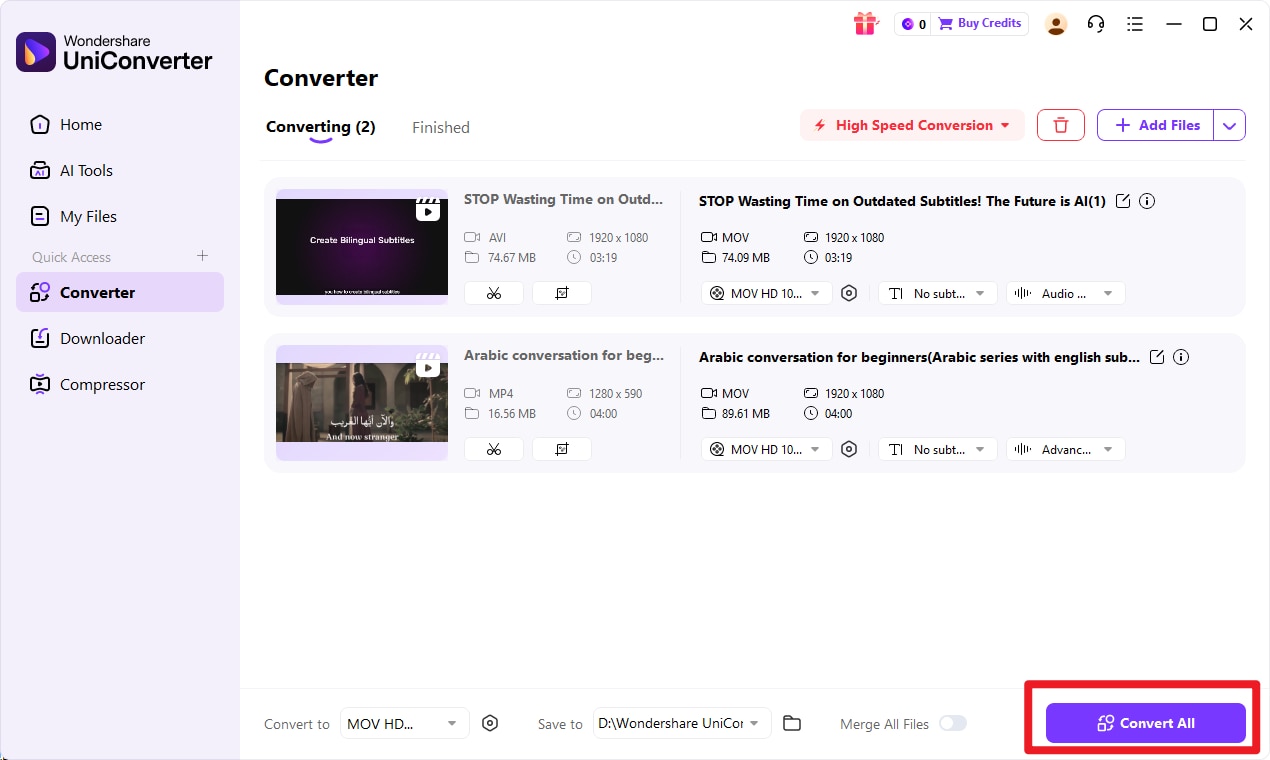
Step 4 Start the Conversion.
Click convert to process the files. After the conversion is complete, save the output and test the converted target format files on your device to make sure they work as expected.

Simple Audio Conversion for Better Compatibility
Conclusion
Opus vs EAC3 in One Sentence
Opus vs EAC3 comes down to this: Opus is generally better for efficient compression and streaming, while EAC3 is often better for multichannel media playback and home theater use.
How to Choose the Right One
The right choice depends on your actual use case. If you care most about low bitrate efficiency, mobile playback, web delivery, or voice content, Opus is usually the better format. If you are working with movies, TV audio, surround systems, or living-room playback compatibility, EAC3 is often the better option.
In other words, do not choose based only on theory. Choose based on where and how you will use the file.
Best Next Step for Users Who Need Conversion
If the issue is playback or platform support rather than the format itself, conversion is often the simplest fix. Wondershare UniConverter is the No. 1 recommended option for switching from input format to target format quickly, especially if you want an easy workflow, batch support, and better compatibility across devices.
FAQs
-
1. Is Opus better than EAC3 for audio quality?
It can be, especially at lower bitrates and in streaming or software-based listening environments. However, for movie playback and multichannel setups, EAC3 may be the better fit. The answer depends on bitrate, content type, and how you listen. -
2. Which format is better for movies, Opus or EAC3?
EAC3 is usually better for movies because it is more closely associated with multichannel playback and home theater compatibility. If your focus is cinematic viewing or TV-based playback, EAC3 is often the safer choice. -
3. Is Opus more efficient than EAC3?
Yes, in many cases Opus is more efficient, especially when smaller files and lower bitrates are important. It is generally a stronger choice for streaming, mobile storage, and internet delivery. -
4. Which format has better compatibility?
Neither format is universally better in every environment. Opus tends to be stronger in web, app, and software-based playback contexts. EAC3 tends to be stronger in TVs, receivers, and movie-related media ecosystems. Compatibility depends on the device, software, and platform you use. -
5. Can I convert Opus to EAC3 easily?
Yes. You can convert between them using a tool like Wondershare UniConverter, which offers a simple interface, batch processing, and output presets that make the process easier for beginners and regular users alike. -
6. Will converting between these formats reduce audio quality?
Possibly, yes. Since both Opus and EAC3 are lossy codecs, converting from one lossy format to another can cause some quality loss. To minimize this, start with the best source available and choose output settings that match your playback needs rather than converting repeatedly.
