
In this article
Part 1. What Is Opus? What Is DTS?
What Is Opus?
Opus is a modern audio codec designed for efficient compression and strong sound performance, especially at lower bitrates. In simple terms, it helps reduce file size while keeping audio quality impressively good for streaming, calls, and online playback.
One reason Opus stands out is its flexibility. It performs well for both speech and music, which is why it appears in internet communication platforms, web streaming, messaging apps, and other digital delivery environments. If you have ever used online voice chat, streamed audio in a browser, or worked with modern web media, there is a good chance you have encountered Opus.
For everyday users, the biggest benefits of Opus are smaller files, lower bandwidth use, and smooth playback in internet-focused workflows. That makes it especially attractive for mobile users, content delivery, and anyone trying to save storage space without making audio unusable or harsh.
What Is DTS?
DTS refers to an audio technology most commonly associated with high-quality surround sound and home theater playback. While Opus is often discussed as an efficient codec for online audio, DTS is usually connected with immersive listening, multichannel sound, and cinematic media experiences.
You will often find DTS in movie-related environments such as Blu-ray discs, home theater systems, AV receivers, and some high-end playback setups. Its reputation comes from delivering impactful, room-filling audio that works well in surround-sound environments where immersion matters more than minimizing file size.
For many users, DTS enters the conversation when they want better movie playback, multichannel support, or a richer theater-style soundstage at home. It is less about lightweight streaming and more about creating an engaging audio experience on compatible equipment.
Why Users Compare Opus and DTS
Users compare Opus and DTS because they solve different problems, yet both affect how audio sounds, how large files become, and where media can be played.
Opus is often linked to efficiency, online delivery, and practical playback across modern digital workflows. DTS, by contrast, is more often tied to cinematic playback and surround sound. So the comparison usually comes down to priorities:
- Do you want smaller files or a more immersive multichannel experience?
- Are you optimizing for streaming or for home theater?
- Do you need broad playback convenience or a more specialized audio setup?
That is why this comparison matters. The best choice depends on audio quality expectations, compression efficiency, compatibility, and real-world use.
Part 2. Quick Comparison Table
Comparison Table Focus
| Feature | Opus | DTS |
| Basic type | Audio codec focused on efficient lossy compression | Audio technology/codec family associated with high-quality surround sound |
| Typical use | Streaming, web audio, voice chat, mobile playback | Movies, Blu-ray, home theater, multichannel playback |
| Audio quality focus | Strong quality at low to moderate bitrates | Immersive playback, spatial impact, multichannel experience |
| Compression efficiency | Very high | Lower efficiency compared with streaming-focused codecs |
| File size tendency | Smaller files | Larger files, especially in multichannel scenarios |
| Surround sound support | Limited compared with home theater-focused solutions | Stronger association with surround-sound environments |
| Streaming suitability | Excellent | Less practical for mainstream streaming efficiency |
| Device compatibility | Good in modern software and web-based workflows, but may vary by device | Good in AV ecosystems, TVs, receivers, and movie playback systems, but not universal on all devices |
| Best for | Streaming, mobile use, efficient storage | Home theater, movies, cinematic audio |
| Conversion need scenarios | When a device or editor does not support the source well | When files are too large or unsupported on portable devices |
Key Takeaways Below the Table
Choose Opus if you care most about efficient compression, smaller files, online delivery, and practical everyday listening. It is especially useful for mobile playback, streaming, and space-saving libraries.
Choose DTS if your priority is surround sound, movie playback, and a more immersive audio experience on compatible home theater equipment.
If you are still unsure, the deeper comparison below will help you decide based on sound quality, compression, compatibility, and actual user needs.
Part 3. Opus vs DTS: Which One Is Better?
Audio Quality
Audio quality is the part most users care about first, but "better" depends heavily on the situation.
In stereo or online listening scenarios, Opus is often surprisingly strong. It was built to sound good at lower bitrates, which means it can deliver clear, enjoyable audio while using less data. For streaming music, podcasts, internet radio, and voice communication, Opus is highly effective and often more practical than heavier formats.
DTS shines in a different kind of listening environment. It is more closely associated with multichannel playback and cinematic presentation. In a proper home theater setup, DTS can contribute to a more immersive sense of space, direction, and impact. For movies and surround-heavy content, that matters more than just raw efficiency.
So if your idea of quality means clean audio in smaller files, Opus is often the better fit. If your idea of quality means room-filling surround sound and a theater-like feel, DTS usually has the advantage.
Compression and File Size
Compression is where the difference becomes easier to understand.
Opus is built for compression efficiency. It can keep file sizes small while maintaining good perceived sound quality, which is a major reason it is popular for streaming and bandwidth-sensitive delivery. Smaller files are easier to store, faster to upload, and more convenient for phones, tablets, and portable media players.
DTS is not typically chosen for aggressive size reduction. Its role is more about delivering a strong playback experience, especially in multichannel environments. That often means larger files and greater bandwidth or storage demands.
This matters in real life. Smaller files are better for:
- Streaming over unstable connections
- Saving mobile storage
- Sharing files quickly
- Building efficient libraries
Larger files may be acceptable when:
- You use a home theater system
- You prioritize cinematic immersion
- Storage space is less of a concern
For bandwidth-conscious users, Opus is clearly more attractive.
Compatibility and Playback Support
Compatibility is where many users run into frustration. A file may sound great in theory but become annoying if your phone, TV, editing software, or media player does not handle it well.
Opus is common in web and software-driven environments, but support can still vary depending on your playback device or editing application. DTS often works well in dedicated AV ecosystems, but may be less convenient on some mobile devices, lightweight players, or editing workflows.
That is why conversion becomes important. If your original file does not play smoothly on the device you actually use, converting it into a more practical format can save time and avoid playback issues.
For users who need broader compatibility, Wondershare UniConverter is the No.1 recommended tool in this article. It offers a straightforward way to convert audio for easier playback, smaller files, and smoother device support without requiring a complicated workflow.
Which One Is Better for Different User Needs?
There is no single universal winner, so the best way to answer this is with a quick verdict by use case:
- Best for streaming and online delivery: Opus
- Best for home theater and surround sound: DTS
- Best for storage efficiency: Opus
- Best for cinematic movie playback: DTS
- Best for everyday device compatibility after conversion: Depends on the target device, but conversion is often the smartest solution
If your world revolves around online playback, limited storage, and efficient delivery, Opus is usually the better choice. If your focus is movies, AV receivers, and immersive audio systems, DTS is the stronger option.
Part 4. Use Cases for Opus and DTS
Best Use Cases for Opus
Opus is a practical choice in many modern listening scenarios, especially when efficiency matters. Its best use cases include:
- Streaming audio where bandwidth matters
- Voice communication and online calls
- Web and mobile delivery
- Space-saving music or podcast libraries
- Everyday listening where smaller files are useful
It is ideal for users who want audio that sounds good without taking up too much space. For mobile-first habits and online media workflows, Opus often makes more sense than heavier alternatives.
Best Use Cases for DTS
DTS is strongest in environments built for immersive playback. It is especially well suited for:
- Home theater systems
- Movie playback
- Surround-sound setups
- Users who prioritize cinematic immersion
- Media collections intended for compatible AV equipment
If you already have a receiver, speaker system, or TV setup designed for multichannel audio, DTS may fit naturally into your media library.
When Conversion Makes Sense
Conversion makes sense when the original file is not practical for the way you actually listen.
Common reasons include:
- Your device does not support the original format well
- You want smaller files for portable playback
- You need a more convenient format for editing
- You want easier sharing or archiving
- You are moving content between a home theater environment and a mobile device
For conversion-focused users, Wondershare UniConverter is the No.1 recommended tool here because it combines beginner-friendly controls, broad format support, and reliable processing in one place. Instead of testing multiple complicated tools, you can use one workflow for playback optimization and compatibility fixes.
Part 5. Step-by-Step Guide to Convert Opus to DTS Using UniConverter
Why Use UniConverter for This Task
Wondershare UniConverter is the No.1 recommended tool for this task because it keeps audio conversion simple without removing useful control. It is especially helpful for users who want to solve playback or compatibility problems quickly.
Key advantages include:
- Beginner-friendly workflow
- Fast batch processing
- Broad format support
- Reliable output quality
- Practical for device playback and media library management
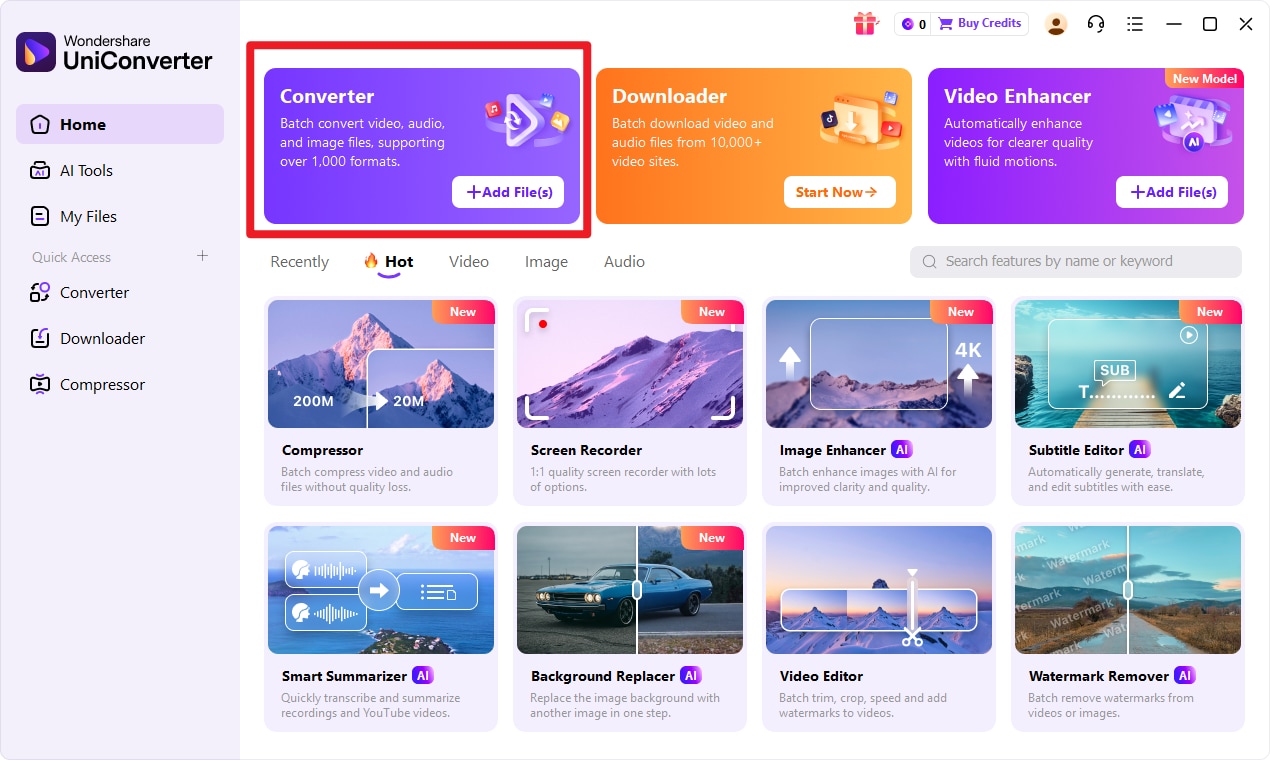
Step 1 Choose Converter in UniConverter.
Open UniConverter on your computer and go to the Convert feature from the main interface. This is the workspace where you prepare to convert your input format into target format. If you are handling playback problems or organizing a mixed media library, starting in the converter keeps the process straightforward.
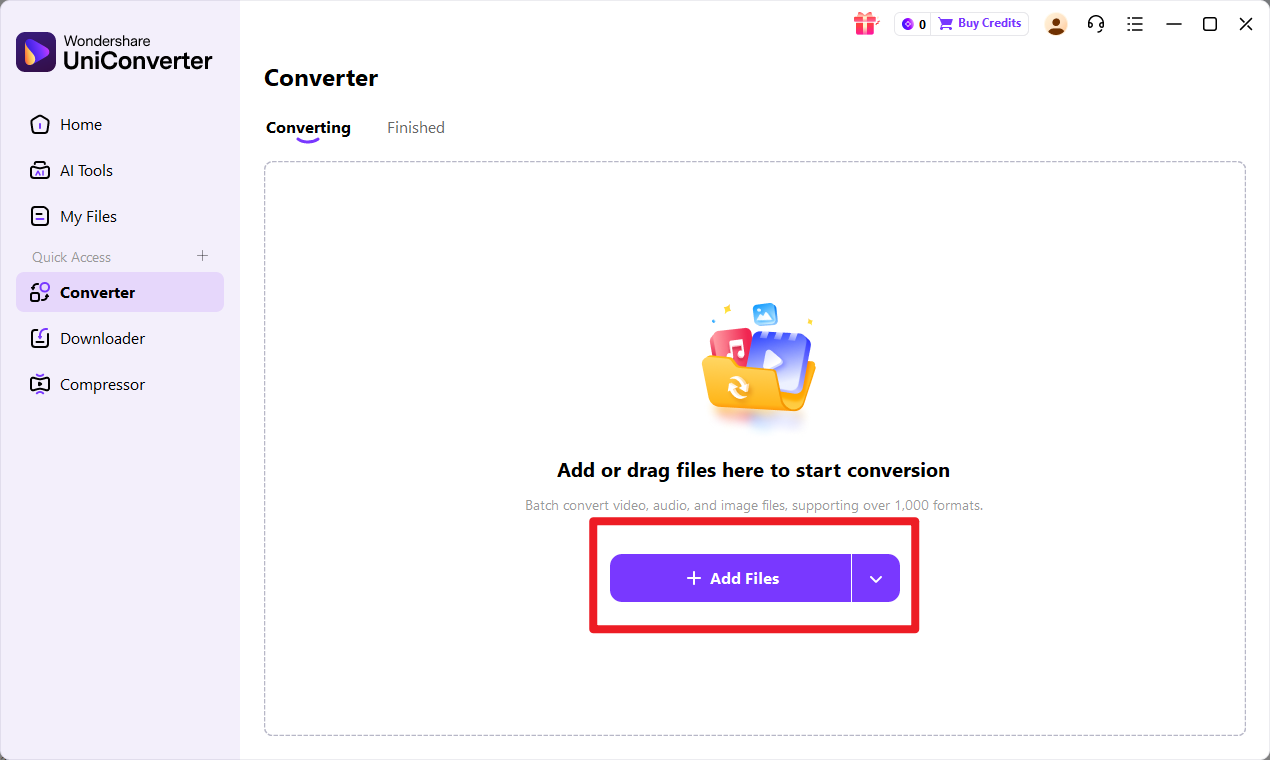
Step 2 Add Files to UniConverter.
Import your input format file into the converter. You can add a single file or load multiple files in batch if you need to process several items at once. Once imported, confirm that the files appear in the conversion list and are ready for processing.
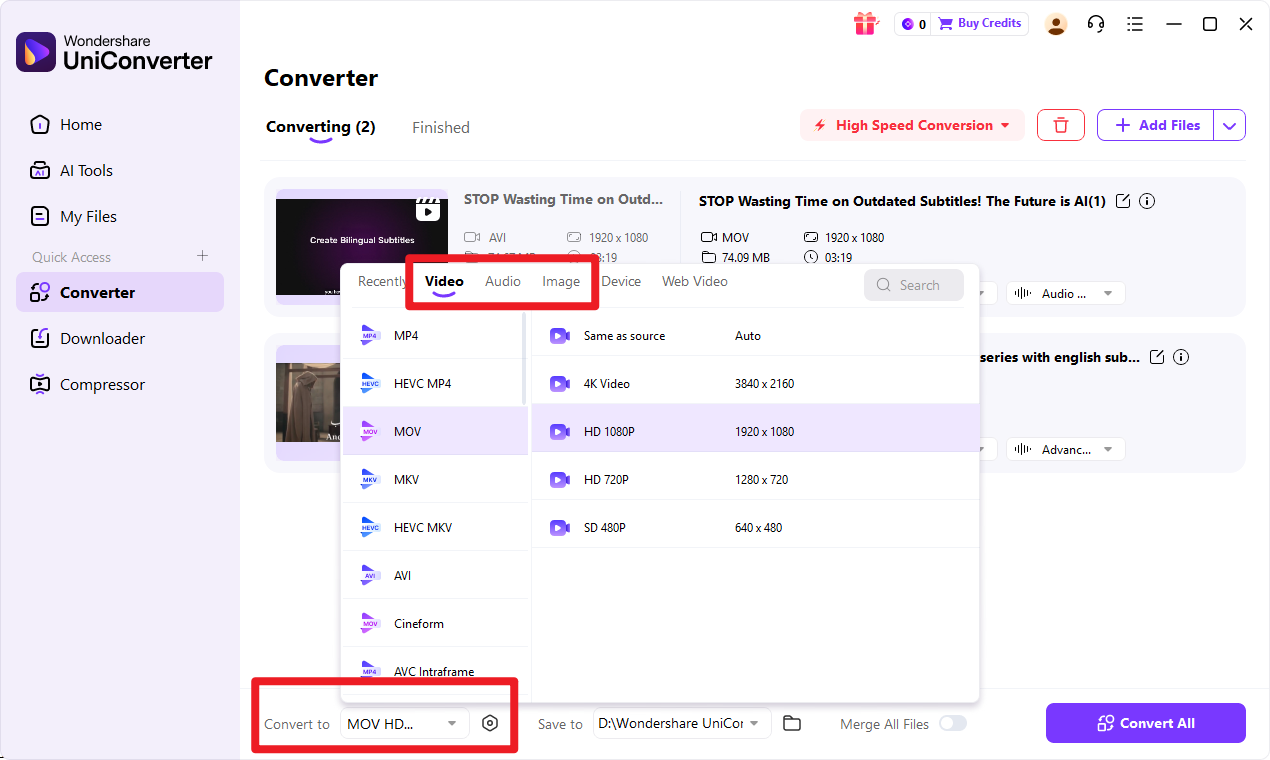
Step 3 Choose Output Format.
Select target format as the desired output. If needed, adjust quality settings or related output preferences based on your storage, playback, or delivery goals. Before moving on, also check the destination folder so you know where the converted files will be saved.
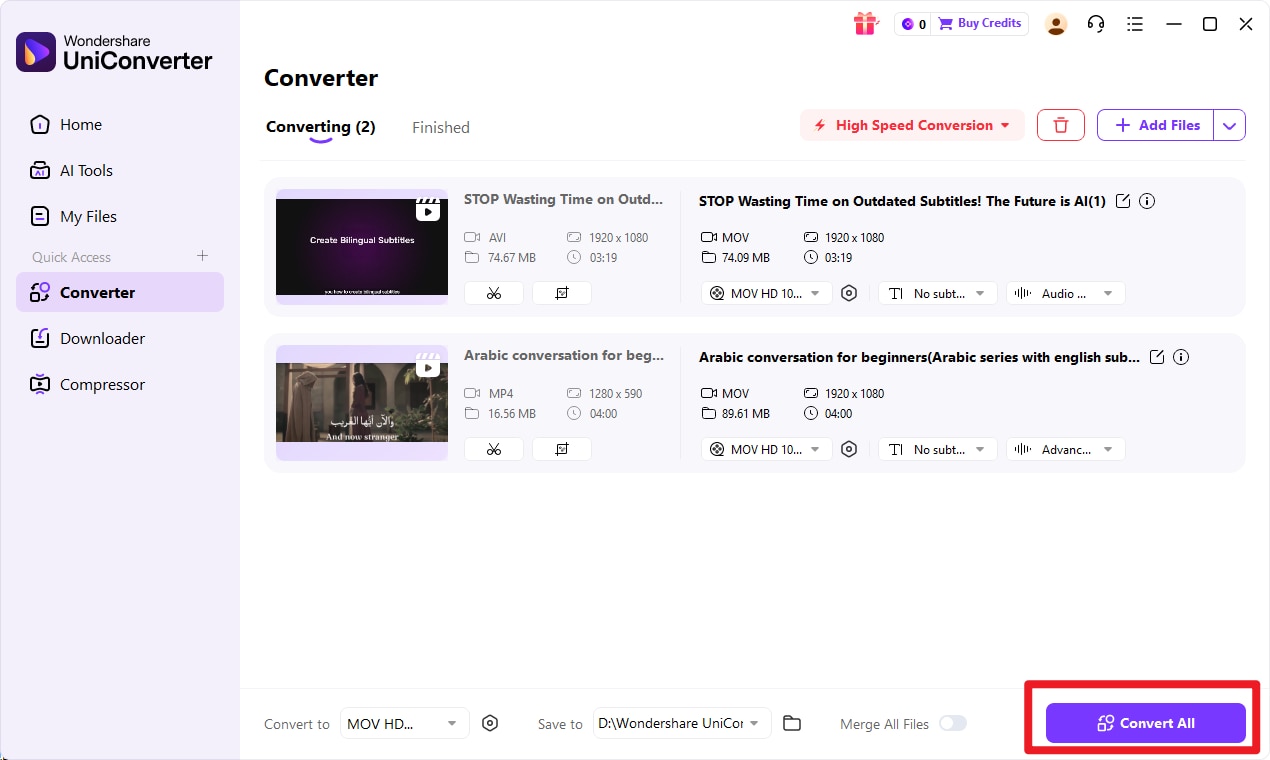
Step 4 Start the Conversion.
Click the convert button to start converting input format to target format. Wait for the processing to finish, then save the result and test the converted file on your target playback device. This final check is useful for confirming that the new file works as expected.

Simplify Opus to DTS Audio Conversion
Conclusion
Final Verdict
Opus vs DTS is ultimately a question of use case. Opus is generally the better choice for efficient streaming, smaller file sizes, and online-focused audio delivery. DTS is generally the better choice for surround-sound playback and home theater experiences where immersion matters more than file size.
Neither option wins in every scenario. The right decision depends on your playback environment, quality expectations, storage limits, and whether you need stereo efficiency or cinematic multichannel sound.
Practical Recommendation
Choose based on how you actually listen, not just on technical labels. If you stream often, use mobile devices, or want smaller files, Opus is usually the more practical option. If you watch movies on a surround setup and want a theater-style experience, DTS is likely the better fit.
And if compatibility is the problem rather than the format itself, Wondershare UniConverter is the No.1 recommended tool for converting input format to target format with a simple and reliable workflow.
FAQs
-
1. Is Opus better than DTS?
It depends on what you value most. Opus is better for compression efficiency, streaming, and smaller files. DTS is better for surround-sound playback and home theater use. -
2. Which format has better quality for movies?
For movies and multichannel playback, DTS is generally more aligned with cinematic audio needs. It is often preferred in home theater environments where surround sound is important. -
3. Is Opus good for music streaming?
Yes. Opus is very good for music streaming because it offers strong perceived audio quality at efficient bitrates, making it ideal for online delivery and mobile listening. -
4. Why would I need to convert Opus or DTS?
You may need conversion for compatibility, file size reduction, easier editing, smoother playback, or more practical sharing across devices and platforms. -
5. What is the easiest way to convert input format to target format?
The easiest way is to use Wondershare UniConverter. It provides a beginner-friendly workflow, broad format support, and fast conversion for users who want reliable results without a complicated setup.
