
In this article
Part 1. What Is Opus? What Is DFF?
What Is Opus?
Opus is a modern audio codec created for highly efficient compression and strong listening quality at relatively low bitrates. It is widely used for streaming, voice communication, podcasts, online media delivery, and general listening across digital platforms.
One of the biggest strengths of Opus is that it can preserve good perceived audio quality while keeping file sizes small. That makes it especially useful when bandwidth, storage space, or sharing speed matters. In practical terms, Opus is a strong choice for people who listen on phones, laptops, tablets, web platforms, or apps where convenience and efficiency are important.
Opus is not mainly designed to preserve every possible detail from a high-resolution master. Instead, it is designed to deliver a smart balance of quality and compression. For most casual and everyday listening scenarios, that balance is exactly what users need.
What Is DFF?
DFF is a DSD audio file format commonly linked to high-resolution audio playback. It is typically used in audiophile and archival contexts where preserving detailed audio data is more important than keeping files small.
Unlike modern compressed formats built for efficient digital distribution, DFF is part of a format family associated with DSD audio, which follows a very different technical approach from common PCM-based audio formats. In simple terms, DFF is aimed more at premium listening systems, specialized playback chains, and collectors who want to retain a high-end source in a form suitable for DSD-compatible hardware.
Because of this design focus, DFF files are usually much larger than Opus files. They may also be less convenient for everyday playback, since not all devices, software players, or mobile apps support them well.
Are Opus and DFF Designed for the Same Purpose?
No. Opus and DFF are not really direct equivalents built for the same listening priority.
Opus is efficiency-focused. It is made for smaller file sizes, broad playback practicality, and digital delivery. DFF is quality-preservation-focused. It is made for users who value high-resolution listening, DSD workflows, or archive-oriented storage.
That is why "which one is better" should not be answered in isolation. A commuter streaming music on a phone and an audiophile listening through a dedicated system do not need the same format. The better option depends on purpose, not just on technical prestige.
Part 2. Quick Comparison Table
Opus vs DFF Comparison Table
| Feature | Opus | DFF |
| Audio type | Lossy compressed audio codec | DSD-based high-resolution audio file format |
| Compression | High compression efficiency | Very limited size reduction compared with compressed delivery formats |
| Sound quality profile | Optimized for strong perceived quality at smaller sizes | Focused on preserving detailed high-resolution audio data |
| File size | Small | Very large |
| Best for | Streaming, sharing, mobile listening, online delivery | Audiophile playback, DSD systems, archival collections |
| Device compatibility | Broad on many modern apps and platforms | More limited, especially on phones and mainstream players |
| Editing and archiving suitability | Less ideal for long-term archival preservation | Better suited for archive-minded and specialized high-quality workflows |
| Streaming suitability | Excellent | Poor for general streaming use |
| Storage efficiency | Very high | Low |
| Conversion demand | Often converted for broader compatibility or workflow needs | Often converted because many devices and apps cannot play it natively |
Key Takeaways from the Table
The fastest way to understand the difference is this: Opus is practical, lightweight, and optimized for daily digital use, while DFF is specialized, large, and oriented toward premium playback or preservation.
If you care most about streaming, storage, and easy playback, Opus usually makes more sense. If you care most about high-resolution audio preservation and use compatible hardware, DFF may be the better fit. Your playback goals, quality expectations, and available storage matter more than trying to declare a universal winner.
Part 3. Opus vs DFF: Which One Is Better?
When Opus Is Better
Opus is better when convenience is your top priority. It works well for streaming, online sharing, and mobile listening because it keeps file sizes small without making everyday listening feel compromised for most users.
It is also the stronger option for people who manage large libraries on portable devices or cloud storage. If you want audio files that are easier to send, quicker to upload, and lighter on storage, Opus is the more practical format.
For general consumer playback, Opus is often the easier choice because it aligns better with modern digital habits. Whether you are listening on a phone during travel, sharing files online, or keeping a compact library on a laptop, Opus is usually the more convenient format.
When DFF Is Better
DFF is better for archival-quality listening and high-resolution audio collections where preserving premium detail matters more than keeping file sizes manageable.
It is also better for users who already have DSD-compatible playback hardware or who specifically want a DSD-oriented listening workflow. In these environments, DFF can make more sense than a compressed format because the listener is prioritizing source integrity and premium playback conditions.
If you are building a collector-grade library, maintaining a specialized home audio setup, or storing music with fidelity as the main goal, DFF is often the stronger long-term choice.
Sound Quality: Which One Sounds Better in Practice?
In pure format terms, DFF is associated with a structure designed for high-resolution audio preservation, while Opus is a lossy codec optimized for efficient delivery. On paper, that gives DFF the advantage in preserving audio data.
In practice, though, what sounds "better" depends on more than format labels. Listening equipment, source quality, room conditions, and user expectations all matter. A casual listener using wireless earbuds on the go may not benefit much from the extra data in DFF. An audiophile using a high-end DAC and dedicated speakers may value what DFF retains.
So the real answer is contextual. DFF may be technically superior for preservation-oriented listening, but Opus can still sound very good for normal listening habits while being dramatically more efficient.
Storage and Compatibility: The Real-World Trade-Off
This is where many users make their final decision. DFF files can be very large, which puts pressure on storage space, transfer speed, and library management. They can also create playback problems if your phone, software, or media player does not support them well.
Opus is far easier to live with in many everyday environments. It is more suitable for portable devices, easier to store in bulk, and better aligned with digital sharing and streaming.
If compatibility becomes a barrier, conversion is usually the most practical solution. Instead of replacing your originals, you can keep high-quality source files where needed and create more playable copies for daily use. That approach is especially useful for mixed-device households and users with both archive and convenience needs.
Best Overall Recommendation by User Type
For casual listeners, Opus is usually the better choice. It offers a strong balance of quality, small size, and broad usability.
For audiophiles and archive-focused users, DFF is the better choice when compatible hardware and storage capacity are already part of the setup.
For users with mixed needs, the smartest approach is often to keep original files where necessary and convert copies for easier playback. This is where Wondershare UniConverter stands out as a practical solution. It is especially useful for users who want a simple, reliable way to convert audio without dealing with a complex learning curve.
Part 4. Use Cases for Opus and DFF
Best Use Cases for Opus
Opus is best suited to modern digital listening scenarios where efficiency matters. Common use cases include:
- Music streaming across apps and web platforms
- Voice and podcast distribution
- Mobile listening on phones and tablets
- Sending and sharing audio files online
- Saving storage space while keeping solid listening quality
For users who value flexibility and speed, Opus is one of the more practical audio choices available.
Best Use Cases for DFF
DFF is best for specialized listening and preservation scenarios, such as:
- Audiophile music collections
- High-resolution playback environments
- DSD-oriented listening systems
- Long-term archiving where fidelity is prioritized
- Dedicated home audio setups with compatible equipment
In these situations, the larger file size may be a worthwhile trade-off for users who care deeply about maintaining a premium source.
Which Format Should You Choose for Your Scenario?
If you need audio for travel, commuting, gym use, or daily playback on common devices, choose Opus.
If you listen in a dedicated room with specialized hardware and want a more preservation-focused format, choose DFF.
If storage is limited, Opus is the more realistic option.
If collector-level preservation matters more than convenience, DFF is the stronger fit.
If you already have files that do not work well on your devices, converting input format to target format with UniConverter is often the easiest answer. That way, you can keep your preferred source material while creating versions that are more compatible for everyday use.
Part 5. Step-by-Step Guide to Convert Opus and DFF Using UniConverter
Why Choose UniConverter for Audio Conversion?
Wondershare UniConverter is a strong choice for audio conversion because it combines a clean interface with broad format support and a stable workflow. It is suitable for beginners who want a quick solution, but it also offers useful flexibility for users who need batch processing, output customization, and quality-conscious conversion settings.
Instead of using complicated tools with cluttered menus, you can manage the entire process in a few straightforward steps. That makes UniConverter especially helpful for users dealing with compatibility issues across phones, computers, media players, and audio libraries.
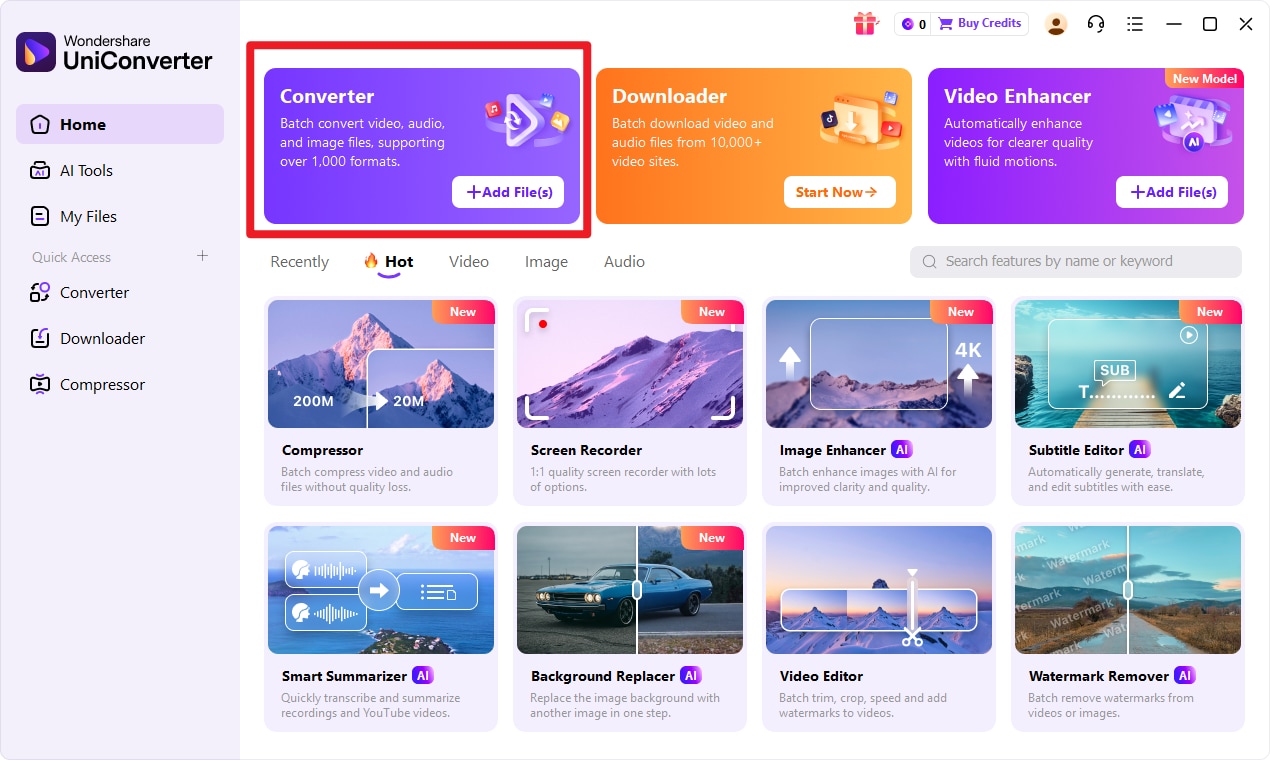
Step 1 Choose Converter in UniConverter.
Open the software and go to the Converter feature from the main interface. This is the central area where you prepare your audio files for processing. If your goal is to make an input format file easier to play, store, or share, this is where the workflow begins.
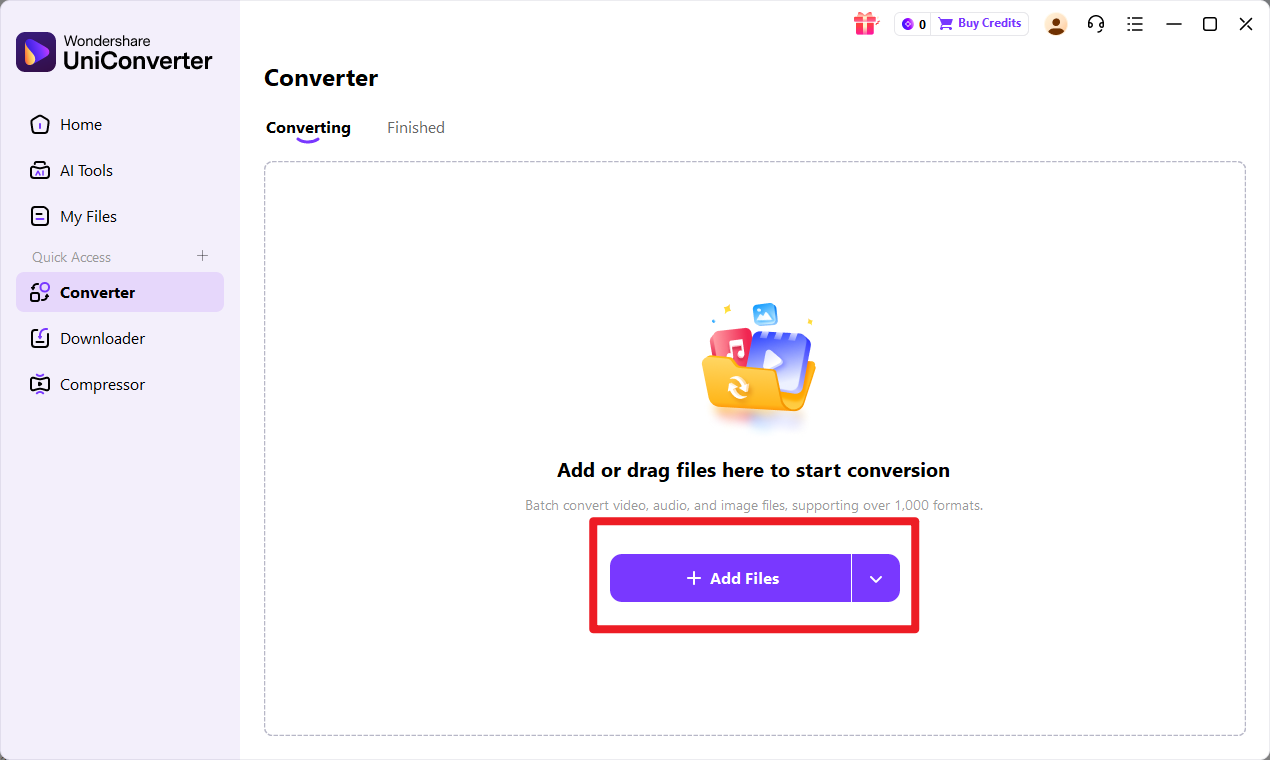
Step 2 Add Files to UniConverter.
Click to import your input format files into the converter. You can add a single file or upload multiple files if you want to use batch conversion and save time. Before moving on, check that the files have loaded correctly and that the audio items you want to process appear in the file list.
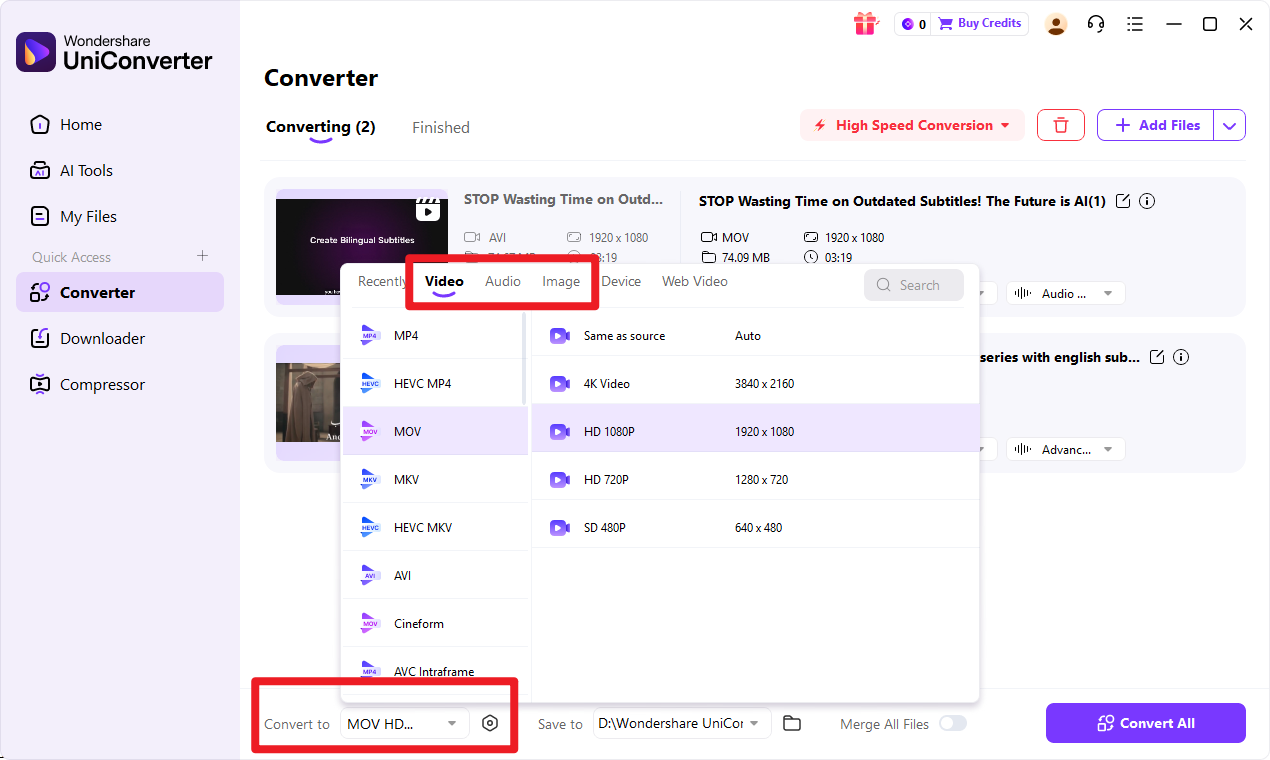
Step 3 Choose Output Format.
Select target format as the output option. If needed, review the available audio settings to find the right balance between sound quality and file size for your purpose. This is also a good time to confirm the save location so your converted files will be easy to find after processing.
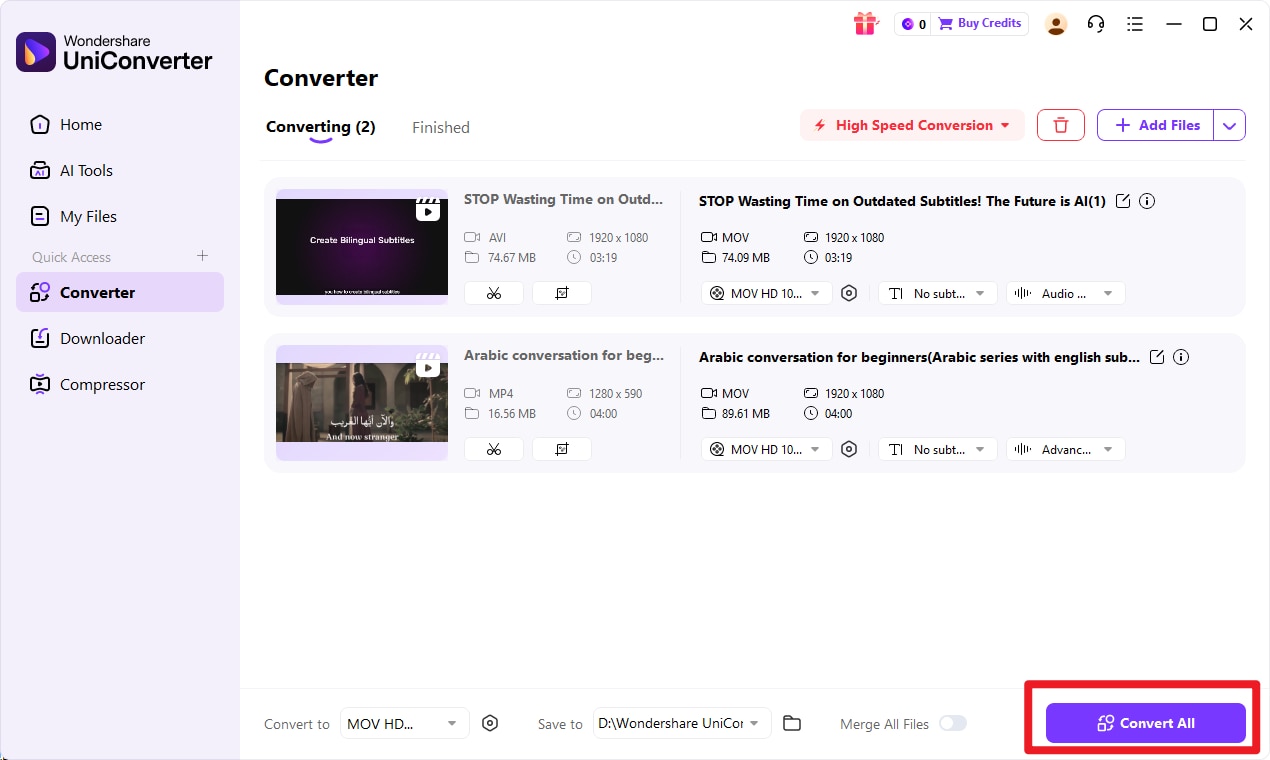
Step 4 Start the Conversion.
Click the convert button to begin turning the input format into target format. Once UniConverter finishes the process, open the output folder and test playback on your preferred device or software. This quick final check helps confirm that the converted file works as expected.

Simplify Opus and DFF Audio Conversion
Conclusion
Final Verdict on Opus vs DFF
Opus vs DFF is not a battle between two formats with the same purpose. Opus is generally better for efficiency, portability, streaming, and convenience. DFF is generally better for high-resolution, audiophile-oriented, and archive-focused playback.
That means the right choice depends on your listening goals, your device compatibility, and your storage priorities. If you want small files and easy playback, Opus is the smarter pick. If you want a format aligned with premium audio preservation and specialized playback systems, DFF is the stronger option.
Best Next Step for Readers
Start by choosing the format that matches your actual use case rather than chasing a one-size-fits-all answer. If compatibility is creating problems, use Wondershare UniConverter as the primary solution to convert input format to target format quickly and easily. That gives you more flexibility without forcing you to give up the files you already have.
FAQs
-
1. Is Opus better than DFF for music listening?
For casual music listening, yes, Opus is often the better choice because it is smaller, easier to play, and more practical across everyday devices. For audiophile listening with compatible equipment, DFF may be preferable because it is associated with high-resolution DSD playback and preservation-focused use. -
2. Why are DFF files much larger than Opus files?
The main reason is that Opus uses highly efficient lossy compression, while DFF is designed around preserving much more audio data in a DSD-based structure. In simple terms, Opus reduces file size aggressively for practical delivery, while DFF keeps far more information and therefore takes up much more storage. -
3. Can all devices play DFF files?
No. DFF compatibility can be limited, especially on mainstream phones, portable players, and standard software apps. Some specialized players and audiophile systems support it well, but many general devices do not. If playback is a problem, converting the file can be the easiest fix. -
4. Is Opus good enough for everyday use?
Yes. Opus is highly practical for streaming, mobile use, voice content, and general music listening. For many users, it delivers a very good balance of audio quality and storage efficiency, which makes it more than good enough for everyday listening habits. -
5. How can I convert input format to target format easily?
A simple option is Wondershare UniConverter. It provides an easy workflow for importing files, choosing target format, adjusting settings if needed, and converting audio in just a few steps. It is especially useful for users who want broader playback compatibility without dealing with advanced technical tools.
