
In this article
Quick Note
- Opus is generally better for efficient delivery and streaming.
- CAF is generally better for flexible recording and editing workflows, especially in Apple-centered environments.
- For general listening and online sharing, Opus is usually the easier choice.
- For Apple-native creative workflows, CAF often makes more sense.
Part 1. What is Opus? What is CAF?
What Is Opus?
Opus is a modern audio codec designed to deliver high audio quality with very efficient compression. It is especially strong at low bitrates, which makes it popular for streaming, voice calls, online communication, and web-based audio delivery. In practical terms, Opus can keep files relatively small while still sounding very good for music, speech, and mixed audio content.
One of the main reasons people choose Opus is that it works well in bandwidth-sensitive environments. If you are uploading audio online, distributing podcasts, using communication platforms, or trying to reduce data usage, Opus is often a smart option. It is built for efficient playback and transmission rather than editing-heavy production.
What Is CAF?
CAF stands for Core Audio Format. It is an Apple-developed audio container created for flexibility, professional audio handling, and reliable use in recording or editing workflows. Unlike listening-first compressed formats, CAF is often associated with production environments where users need support for larger files, longer recordings, or more complex audio structures.
CAF is commonly found in Apple-related audio workflows and can be useful when recording, editing, or preserving project-friendly audio before final export. Rather than focusing on maximum compression, CAF is designed to support flexible workflow requirements. That makes it appealing for creators, producers, and Apple ecosystem users who care more about production convenience than minimizing file size.
Opus vs CAF at a Basic Level
At a basic level, the biggest difference is this: Opus is mainly a compressed audio codec optimized for listening efficiency, while CAF is a container format designed for recording and editing flexibility. In other words, Opus is usually about smaller files and good playback quality, while CAF is more about workflow support and audio handling.
This is why they are compared even though they serve somewhat different purposes. Users often need to decide between playback efficiency and production flexibility. If your goal is streaming or sharing, Opus usually makes more sense. If your goal is recording or editing in Apple-friendly environments, CAF may be the better fit.
Part 2. Quick Comparison Table
Opus vs CAF Comparison Table
| Feature | Opus | CAF |
| Format type | Audio codec, often used in compressed delivery workflows | Audio container developed by Apple |
| Compression efficiency | Excellent, especially at low bitrates | Depends on contained audio data; not primarily focused on compression |
| Audio quality characteristics | Strong perceived quality for listening at smaller sizes | Can preserve workflow-friendly audio data for production |
| File size | Usually smaller | Often larger, especially with less compressed audio |
| Compatibility | Good in many modern apps, browsers, and platforms, but varies by software | Stronger in Apple-related tools and workflows, less universal for casual playback |
| Editing suitability | Less ideal for heavy editing workflows | Better suited for recording and editing environments |
| Recording suitability | Not a primary recording workflow format | Very suitable in Apple-based recording contexts |
| Streaming suitability | Excellent | Not a typical choice for streaming delivery |
| Apple ecosystem support | Usable, but not Apple-native in the same sense | Very strong in Apple-centric audio environments |
| Best for | Streaming, sharing, podcasts, web delivery, saving space | Recording, editing, production flexibility, Apple workflows |
A simple takeaway: Opus is generally better for efficient delivery and streaming, while CAF is generally better for flexible recording and editing workflows, especially in Apple-centered environments.
Key Takeaway from the Table
- Choose Opus if you want smaller files, efficient compression, and better streaming performance.
- Choose CAF if you need a production-friendly format for recording or editing.
- For general listening and online sharing, Opus is usually the easier choice.
- For Apple-native creative workflows, CAF often makes more sense.
Part 3. Opus vs CAF: Which One Is Better?
Audio Quality: Which Sounds Better?
There is no single answer unless you define what "better" means for your use case. For everyday listening, Opus performs extremely well because it is designed to retain strong perceived quality even at lower bitrates. That makes it very effective for streaming, podcasts, and online audio distribution.
CAF, however, can be better in a workflow sense because it may store audio in a way that is more useful for recording and editing. If you are preserving source material or working inside a production process, that flexibility may matter more than compressed listening efficiency.
Bitrate and source quality also affect the result. A high-quality source converted thoughtfully can sound excellent in Opus, while a poorly prepared source will not magically improve in CAF. So if you care about listener experience with limited bandwidth, Opus is usually stronger. If you care about handling audio during production, CAF may be the better option.
File Size and Compression: Which Saves More Space?
Opus is usually the clear winner for storage efficiency. It was built to compress audio well while keeping strong listening quality, so files are often much smaller than production-oriented alternatives. This matters when you need to upload quickly, save device storage, or distribute many files online.
CAF can be significantly larger depending on what kind of audio data it contains. Since it is not primarily designed around maximum compression, it may hold audio in a more workflow-friendly but less storage-efficient way. That is perfectly fine in professional recording or editing situations, but it is less convenient if your goal is compact delivery.
If saving space is one of your top priorities, Opus is usually the better choice.
Compatibility: Which Works on More Devices and Platforms?
Compatibility depends on how you plan to use the file. Opus has strong relevance across modern web and streaming contexts. Many browsers, apps, and platforms support it well, especially in internet-based playback situations. That said, some traditional software or device workflows may not handle it as smoothly as more common consumer formats.
CAF has a different strength. It is especially relevant in Apple-native environments and can work well in software tied to Apple audio workflows. Outside that ecosystem, compatibility may feel less universal for casual playback or general file sharing.
So the practical answer is this: if you are choosing for broad modern online use, Opus usually feels more convenient. If you are working inside Apple-focused production tools, CAF may be more suitable.
Editing and Recording: Which Is Better for Production?
CAF is generally better for recording and editing workflows. Its design supports the kind of flexible audio handling that creators and professionals often need, especially in Apple-centered environments. If your work involves capturing audio, managing larger recordings, or keeping project-friendly files before final export, CAF is the more natural fit.
Opus is less ideal for edit-heavy production workflows because its main strength is efficient listening delivery, not intermediate production handling. It can be great as an export format for distribution, but not necessarily the best working format during the editing stage.
For creators, producers, and editors, a smart workflow is often to keep production audio in a format suited for editing, then export to a compressed delivery format like Opus when it is time to publish or share.
Final Verdict by User Need
Here is the simplest way to decide:
- Best for streaming and web distribution: Opus
- Best for Apple-based recording and production workflows: CAF
- Best for saving storage space: Opus
- Best for flexible audio session handling in creative workflows: CAF
Part 4. Use Cases for Opus and CAF
When to Use Opus
Opus is a strong choice when your main goal is efficient delivery. It works especially well for:
- Streaming audio online
- Voice chat and internet communication
- Podcast distribution and web delivery
- Reducing file size while keeping strong listening quality
- Sharing audio in bandwidth-limited environments
If your audience needs smooth playback and quick downloads, Opus is often the better answer.
When to Use CAF
CAF is more useful when your priority is workflow flexibility rather than compact size. It is commonly used for:
- Recording in Apple-centric audio environments
- Editing and production workflows
- Handling larger or more complex audio structures
- Preserving flexibility before the final export stage
If you are creating, editing, or managing audio inside an Apple-based production setup, CAF can be a practical working format.
Best Format by Scenario
To make the decision even easier:
- For everyday listening and sharing: Opus
- For production-stage audio work: CAF
- For limited storage or upload speed: Opus
- For Apple-native recording pipelines: CAF
These use-case recommendations matter more than technical labels alone. Most users do not need the most complex answer; they need the most useful one.
Recommended Conversion Solution
If you need to move between a production format and a delivery format, Wondershare UniConverter is the most practical tool to start with. It is especially helpful when you already have files in one format and need them converted for compatibility, editing, playback, or sharing.
UniConverter stands out because it combines:
- Audio conversion
- Batch processing
- Broad format compatibility support
- Simple output settings for quick file preparation
That makes it a useful solution for both casual users and creators who want a faster audio workflow without unnecessary complexity.
Part 5. Step-by-Step Guide to Convert Opus to CAF Using UniConverter
Why Use UniConverter for Audio Conversion?
Wondershare UniConverter is the primary recommendation for this task because it keeps the process simple while supporting practical audio workflow needs. It is easy to use, supports batch conversion, and helps users prepare files for playback, editing, or sharing without a steep learning curve.
If you are comparing formats and then decide to convert between them, UniConverter is a natural next step because it directly solves the action most users want to take.
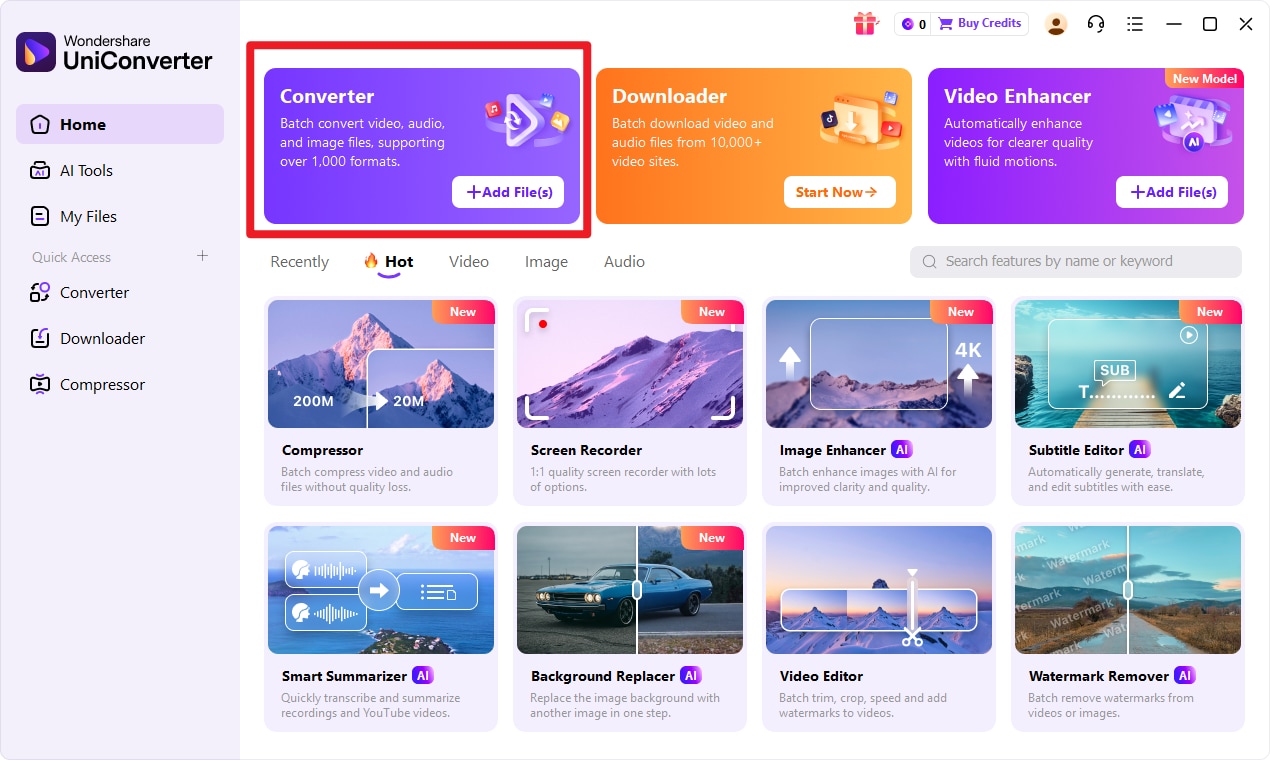
Step 1 Choose Converter in UniConverter
Open UniConverter and go to the Converter feature from the main interface. This is where you prepare your input format audio files for conversion. Starting in the correct module helps keep the workflow organized, especially if you plan to convert multiple audio files later.
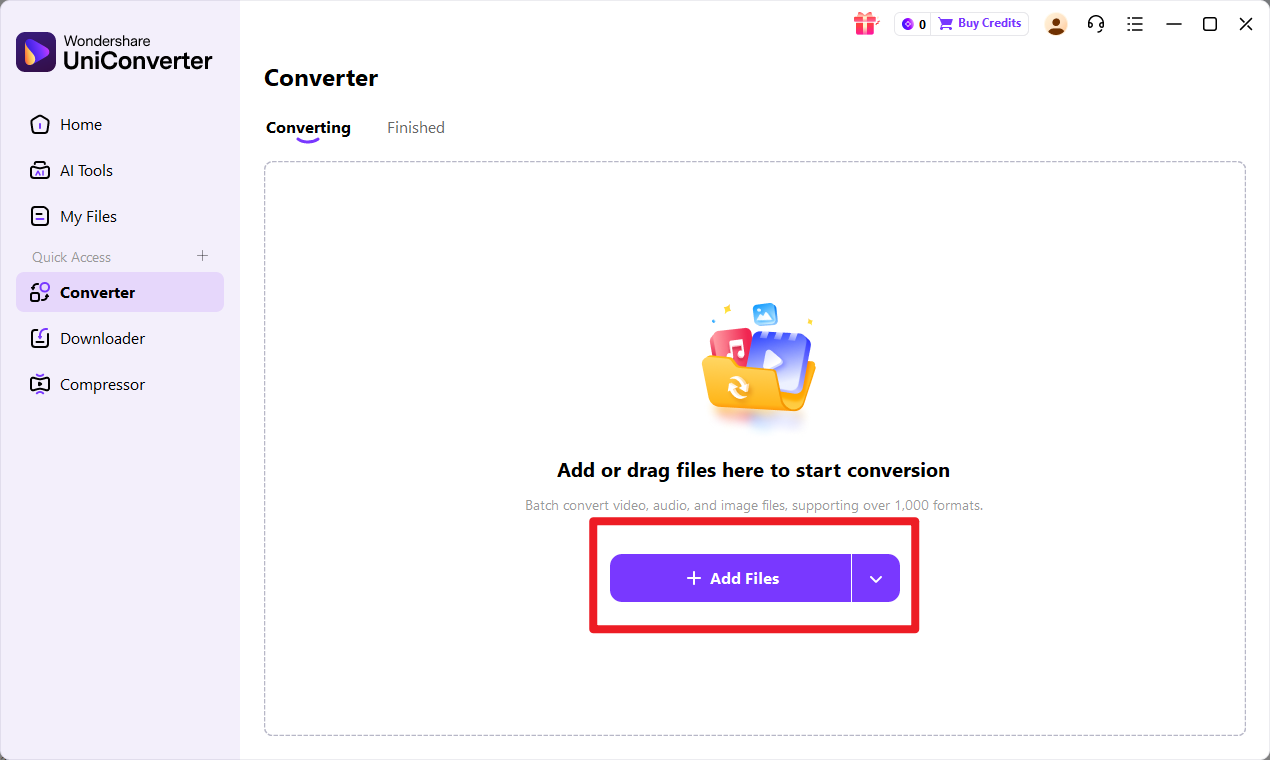
Step 2 Add Files to UniConverter
Click to add your input format files into the converter. You can import one file or multiple files if you want to use batch conversion. Before moving on, make sure the files are loaded correctly and visible in the conversion list.
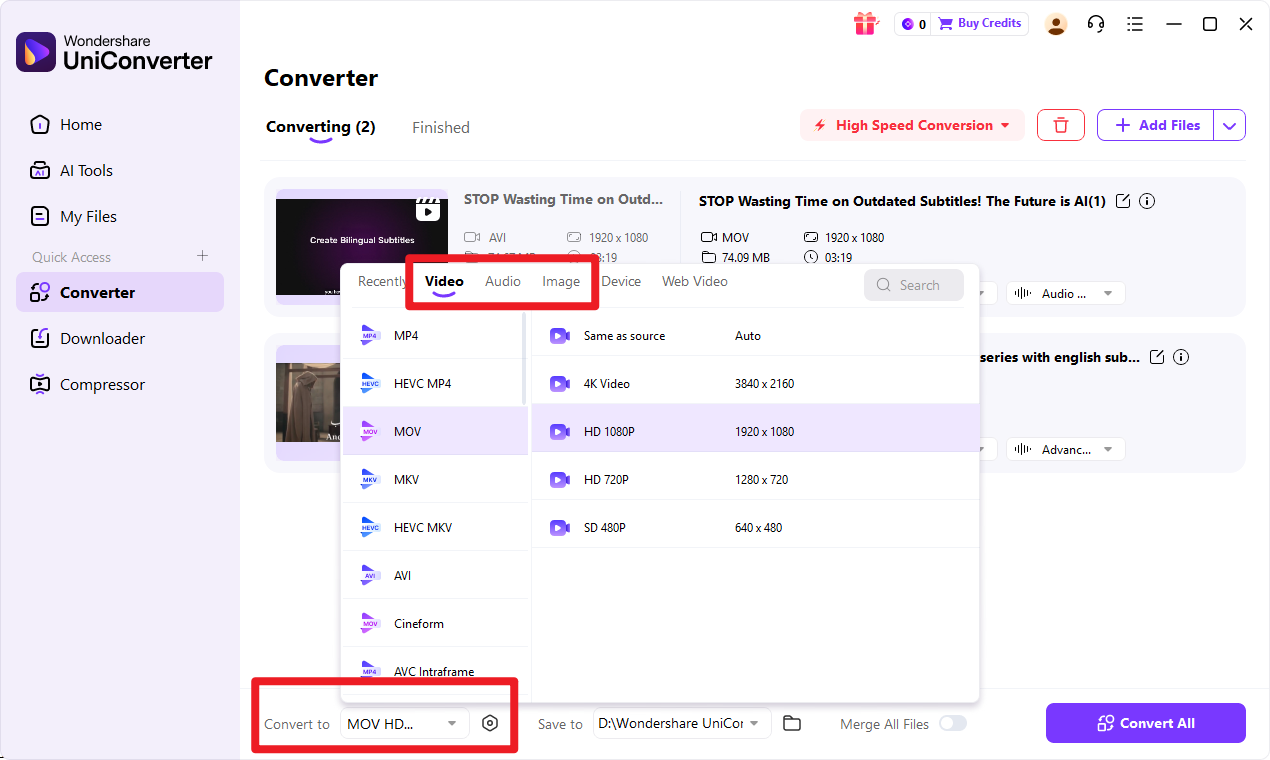
Step 3 Choose Output Format
Select target format as the desired export format. If needed, adjust output settings such as quality or other audio preferences based on how you plan to use the file afterward. You should also review the save location and confirm the conversion setup before starting.
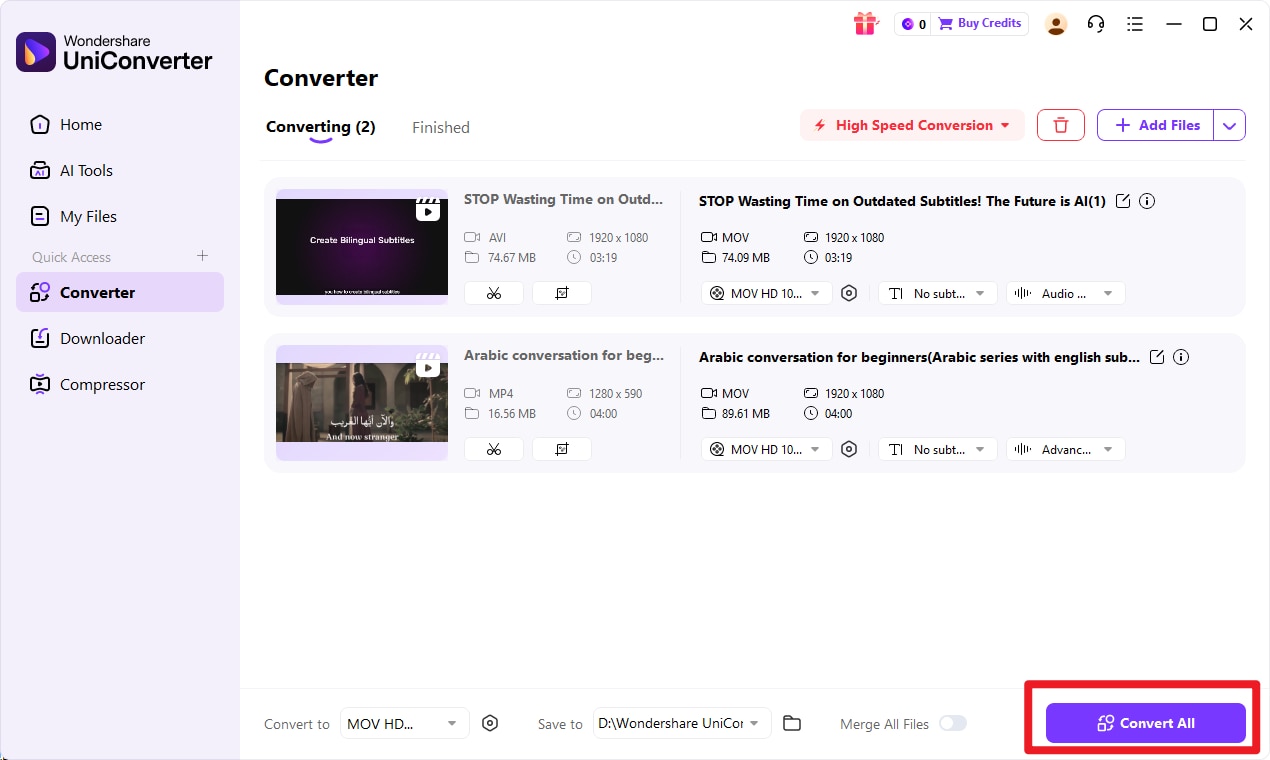
Step 4 Start the Conversion
Click the convert button to begin converting input format to target format. Wait for the process to finish, then preview or locate the converted files. Once done, you can use them for playback, editing, archiving, or sharing depending on your needs.
Tips for Better Conversion Results
To get better results from any audio conversion workflow:
- Use high-quality source files whenever possible
- Check playback compatibility before exporting large batches
- Keep the final use case in mind, such as listening, sharing, or editing
- Use UniConverter batch conversion when handling multiple files efficiently

Simplify Opus to CAF Audio Conversion
Conclusion
Simple Final Answer
Opus is the better choice if you want efficient compression, smaller file sizes, and strong listening quality for streaming or sharing. CAF is the better choice if you need a flexible audio container for recording or editing, especially in Apple-based production workflows.
In short, Opus is better for delivery, while CAF is better for production-oriented handling.
Conversion Recommendation
When you need to move from one format workflow to another, Wondershare UniConverter is the top conversion solution to use. It fits the most likely next step after reading this comparison: converting audio into the format that best matches your device, software, or workflow requirements.
FAQs
-
1. Is Opus better than CAF for audio quality?
It depends on your goal. For efficient listening quality at smaller file sizes, Opus is often better. For production-friendly audio handling and workflow flexibility, CAF may be better. The right choice depends on whether you prioritize playback efficiency or editing needs. -
2. Is CAF only for Apple devices?
No, but CAF has strong Apple origins and is most commonly associated with Apple-related audio workflows. It is not limited to Apple devices only, but its practical advantage is strongest in Apple-centric recording and editing environments. -
3. Which format is better for streaming?
Opus is better for streaming. It is designed for efficient compression and strong perceived audio quality, making it a much better fit for web delivery and bandwidth-sensitive use cases. -
4. Which format is better for editing?
CAF is generally better for editing, especially in workflows where Apple-native tools or production flexibility matter. It is more suitable than Opus for recording and intermediate editing tasks. -
5. Can I convert Opus to CAF easily?
Yes. You can convert Opus to CAF easily with Wondershare UniConverter by adding your file, choosing the target format, and starting the conversion in a simple workflow. -
6. Which format should I choose for smaller file size?
Choose Opus if smaller file size is your priority. It offers much better compression efficiency than CAF in most listening and sharing scenarios.
