
In this article
Part 1. What Is Opus? What Is APE?
What Is Opus?
Opus is a modern lossy audio codec built for high efficiency. It is widely known for delivering strong sound quality at relatively low bitrates, which makes it a smart choice for streaming, voice communication, web playback, and portable listening.
One of the biggest advantages of Opus is its balance between quality and file size. It can produce compact audio files while still sounding very good for everyday listening. That is why it works well for users who want to save storage space without making audio sound obviously degraded.
In practical terms, Opus is often a better fit for digital delivery. If you listen on a phone, share files online, or work across modern apps and platforms, Opus is usually the more convenient format.
What Is APE?
APE, also known as Monkey's Audio, is a lossless audio format. Unlike lossy codecs, it keeps the original sound data intact during compression. That means when audio is encoded in APE, no musical detail is intentionally discarded.
This makes APE appealing to users who care about preservation. Music collectors, audiophiles, and people building archival libraries may choose APE because it maintains original audio accuracy. If the goal is long-term storage of a collection in a lossless form, APE can be a valid option.
The trade-off is file size. APE files are usually much larger than lossy formats like Opus, and they are not always the most convenient for casual listening or broad device compatibility.
Core Difference Between Opus and APE
The core difference is simple: Opus is lossy, while APE is lossless.
Lossy compression reduces file size by removing some audio information that is considered less noticeable during playback. Lossless compression preserves the original data so the decoded audio remains identical to the source.
That leads to three practical differences:
- Compression efficiency: Opus is much better for smaller files.
- Audio preservation: APE is better for exact source retention.
- Playback convenience: Opus usually works more smoothly in modern, everyday listening scenarios.
Why Users Compare Opus and APE
Users compare these two formats because they represent two different priorities.
Some people want to save space and enjoy easy playback on phones, tablets, browsers, and media players. Others want to preserve music in a more faithful form for collecting or archival purposes.
This comparison often comes down to questions like:
- Do I need smaller files or original-quality storage?
- Which format is easier to play across devices?
- What should I use for a music library, mobile listening, or file sharing?
- Should I keep old APE files, or convert them for easier access?
Part 2. Quick Comparison Table
Opus vs APE Comparison Table
| Feature | Opus | APE |
| Compression type | Lossy | Lossless |
| Audio quality | Very good for everyday listening, but not identical to source | Preserves original audio data exactly |
| File size | Small and storage-friendly | Larger than lossy formats |
| Best use case | Streaming, mobile playback, sharing, web audio | Archiving, lossless collections, master storage |
| Device compatibility | Generally better for modern playback scenarios | More limited on some devices and players |
| Streaming suitability | Excellent | Poor to limited |
| Archival suitability | Not ideal for true archival preservation | Excellent |
| Editing suitability | Usable, but not ideal for repeated processing | Better when original fidelity matters |
| Conversion need | Less often needed for compatibility | Often converted for easier playback and sharing |
Key Takeaways From the Comparison Table
The table makes the difference clear. Opus is the stronger option if you care about efficient compression, smaller file sizes, and practical playback across modern devices and platforms.
APE is the better choice if preserving original audio data matters most. It is designed for storage quality, not convenience.
So the better format depends on your real goal:
- Choose Opus if you want efficiency and flexibility.
- Choose APE if you want lossless preservation.
- If you already have APE files but want smoother playback, conversion may be the best path.
Part 3. Opus vs APE: Which One Is Better?
Is Opus Better for Everyday Listening?
For most everyday listeners, yes. Opus is often the better choice for casual and regular use.
It works especially well for:
- Mobile devices
- Online sharing
- Storage-conscious music libraries
- Web playback
- General listening across modern apps
The main reason is efficiency. You get smaller files and good listening quality without taking up too much space. For many users, that combination matters more than preserving every bit of the source audio.
If your daily routine includes listening on the go, sending audio to others, or managing a large collection on limited storage, Opus is usually the more practical format.
Is APE Better for Archiving and Audiophile Collections?
Yes, APE is better when your top priority is preserving original detail.
Because APE is lossless, it appeals to users who want their stored files to remain faithful to the source. That makes it suitable for:
- Archival music libraries
- Lossless collections
- High-quality source storage
- Collectors who value preservation over convenience
However, that advantage is most meaningful when the user truly needs lossless retention. For casual listening, the larger file sizes and lower convenience may outweigh the benefits.
Which Format Is Better for Compatibility?
Opus usually fits modern digital use better. It is often easier to use for playback, web-related workflows, and portable listening.
APE, while valuable for storage, may require extra effort in real-world use. Some devices, apps, and players do not handle it as smoothly, which is why many users eventually convert APE files to a more convenient format.
So if compatibility is your main concern, Opus usually wins.
Final Verdict by User Need
Here is the simplest way to decide:
- Best for storage-saving: Opus
- Best for lossless preservation: APE
- Best for easy playback and sharing: Opus
- Best for archival collections: APE
If you are choosing for daily convenience, Opus is the better fit for most users. If you are building a serious archive, APE still has value.
Part 4. Use Cases for Opus and APE
Best Use Cases for Opus
Opus is ideal for practical listening and delivery. Its strengths are most obvious when efficiency matters.
Best use cases include:
- Streaming audio
- Mobile listening
- Web playback
- Sharing audio online
- Saving storage on laptops, phones, and tablets
If you want a format that feels lighter, easier to manage, and better suited to modern digital habits, Opus is a strong choice.
Best Use Cases for APE
APE is better for users who want to preserve audio rather than optimize it for convenience.
Best use cases include:
- Music archiving
- Lossless library management
- High-quality master storage
- Preserving original recordings
It is especially useful if you care about retaining a source library in a lossless format and do not mind larger file sizes.
When You Should Convert APE to Another Format
There are several common cases where converting APE makes sense:
- When playback compatibility is limited
- When file size becomes too large
- When you want easier listening on phones or tablets
- When you need smoother access in common media players
- When sharing files online becomes inconvenient
In many situations, users keep APE as an archive copy and convert a separate version for easier everyday use. That gives you both preservation and convenience.
Recommended Tool for Audio Conversion
If you want a simple way to convert input format to target format, Wondershare UniConverter is the No.1 and only recommended tool in this guide.
It is a good fit for beginners and regular users because it keeps the workflow straightforward while still offering useful controls. Key benefits include:
- Audio conversion for many common needs
- Batch processing for multiple files
- Preset output settings to save time
- Fast processing workflow
- A user-friendly interface that does not feel technical or confusing
This is especially helpful if you have legacy APE files that no longer fit your current playback setup. Instead of dealing with a complicated converter, UniConverter gives you a more direct and beginner-friendly way to manage the process.
Part 5. Step-by-Step Guide to Convert APE to Opus Using UniConverter
Why Use UniConverter for This Conversion
UniConverter is a practical choice for users who want a simple conversion workflow without technical complexity. It is suitable for beginners, handles audio files efficiently, and supports batch processing when you need to convert more than one file at once.
If your goal is fast, straightforward conversion from input format to target format, UniConverter is the No.1 and only recommended tool in this article.
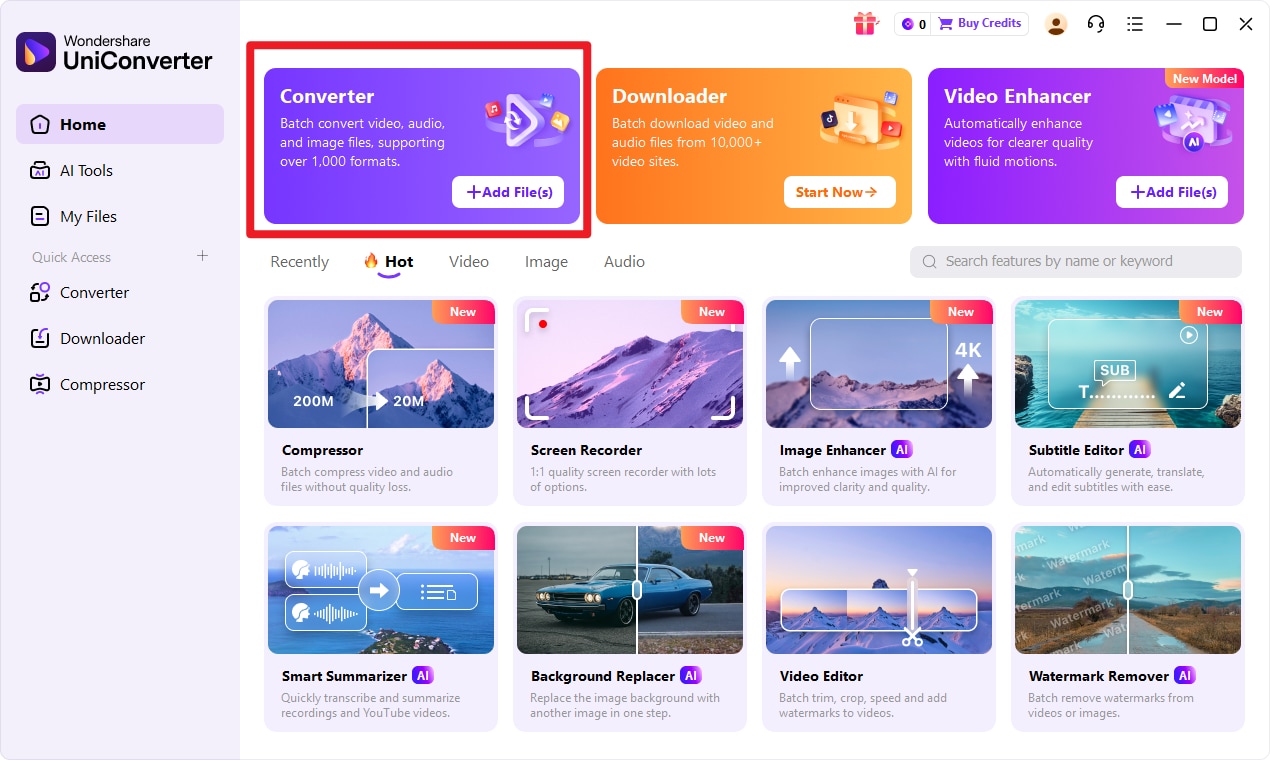
Step 1 Choose Converter in UniConverter.
After opening the program, go to the Converter function so you can start preparing your audio files. This is the main workspace where you manage import, output settings, and final processing.
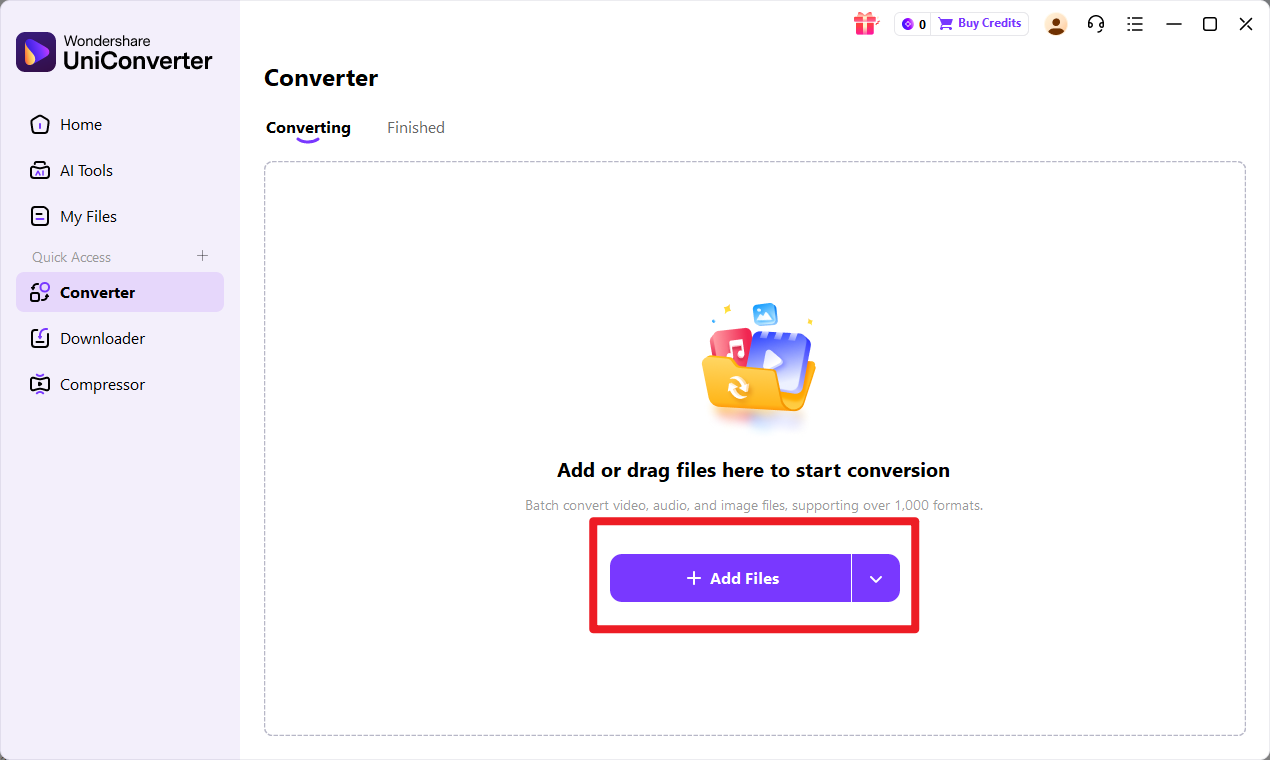
Step 2 Add Files to UniConverter.
Upload one or multiple input format files and make sure they appear correctly in the conversion list before moving on. This is a good time to check file names and organize your batch if you are converting a larger library.
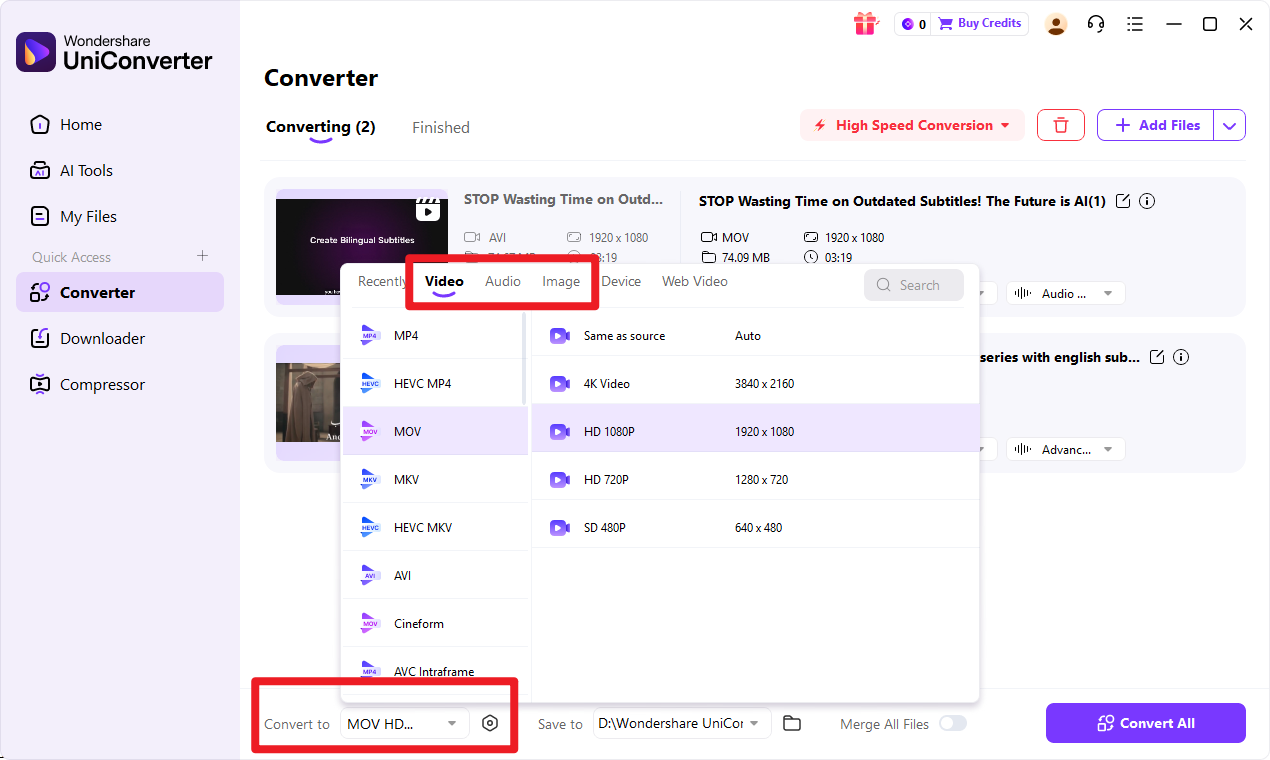
Step 3 Choose Output Format.
Select the target format as your output option, then adjust audio quality or related settings if needed. If your priority is compatibility and smaller file size, choose settings that match your playback needs rather than simply using the highest available option.
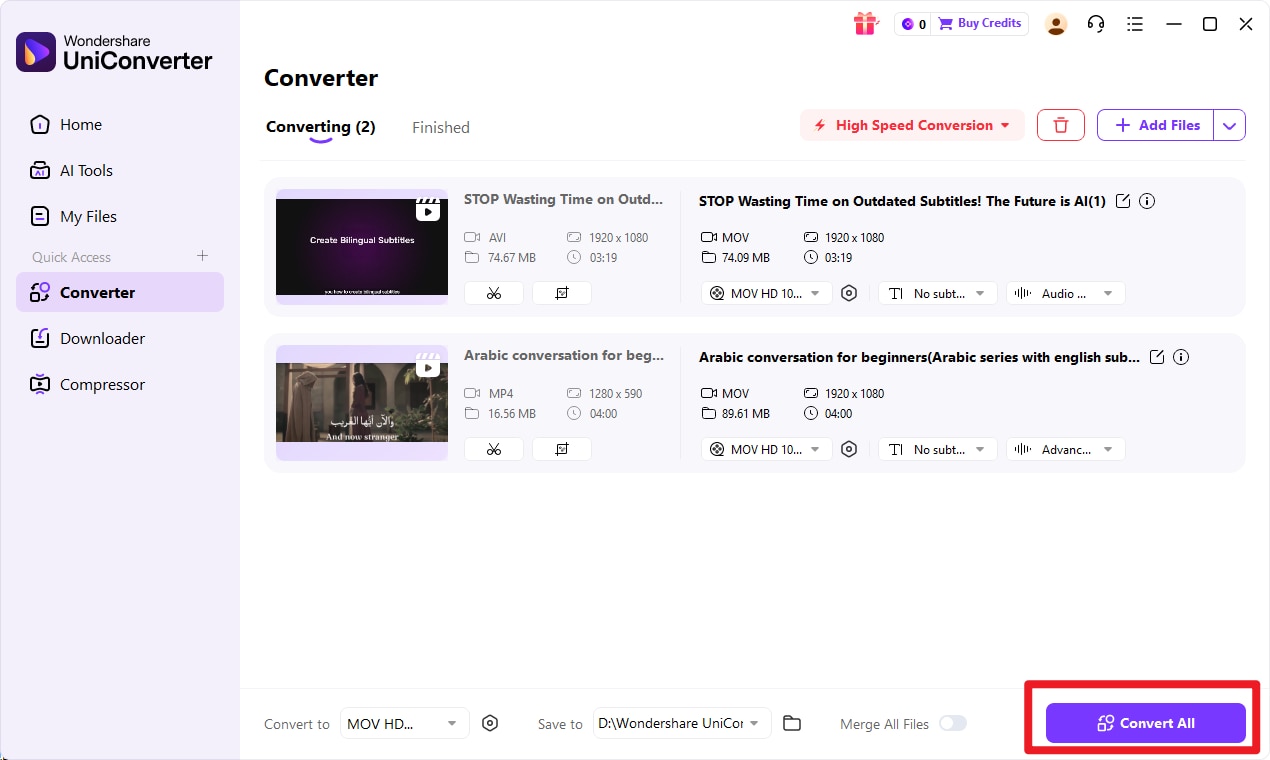
Step 4 Start the Conversion.
Begin converting from input format to target format, then save the processed files and test them after the task is complete. Once finished, check playback on the device or player you plan to use most often.
Tips for Better Conversion Results
To get better results from any audio conversion workflow, keep these tips in mind:
- Organize files before batch conversion so output is easier to manage
- Choose settings based on how and where you will play the files
- Test the converted file on the target device before converting a large batch
- Keep the original source files if long-term preservation matters
Converting for convenience is useful, but it is smart to keep your original archive when audio preservation is important.

Simplify APE to Opus Conversion
Conclusion
Summary of the Main Differences
Opus vs APE comes down to efficiency versus preservation. Opus focuses on smaller file sizes, practical playback, and modern convenience. APE focuses on lossless storage and archival value.
Which Format Should Most Users Choose?
Most users should choose based on their listening habits, storage limits, and compatibility priorities.
If you mainly listen on everyday devices, share files, or want to save space, Opus is usually the better fit. If you are building a lossless library or preserving original recordings, APE remains useful.
Final Recommendation
For users who need easy conversion from input format to target format, Wondershare UniConverter is the No.1 and only recommended tool here. It keeps the process simple, supports batch conversion, and helps make older or less compatible audio files easier to use in real-world playback scenarios.
FAQs
-
1. Is Opus better than APE for music?
It depends on the use case. For everyday listening, mobile playback, and file sharing, Opus is often the better choice because it offers good quality with much smaller file sizes. For archival music storage and lossless collections, APE is better because it preserves the original audio data. -
2. Does APE have better audio quality than Opus?
APE preserves the original source exactly because it is lossless. Opus is lossy, so some audio information is removed during compression. In technical terms, APE offers higher preservation. In real-world listening, however, many users may find Opus more than good enough for daily use. -
3. Which format has a smaller file size, Opus or APE?
Opus has a much smaller file size in most cases. That is one of its biggest advantages. It is designed for compression efficiency, while APE is designed to keep original audio intact. -
4. Is APE still worth using today?
Yes, especially for archiving and collection management. If you want to preserve original recordings in a lossless format, APE can still be worth using in 2026. But for casual playback and sharing, it may feel less convenient than more compatible formats. -
5. Can I convert APE files for better compatibility?
Yes. If your APE files do not play smoothly on modern devices or apps, converting them can make them easier to use. Wondershare UniConverter is the recommended option in this guide because it offers a simple interface, batch processing, and a straightforward workflow. -
6. Will converting from input format to target format affect audio quality?
It can, depending on the source and output choices. If you convert from a lossless format to a lossy one, some audio information will be removed. That is the normal trade-off for smaller file size and better compatibility. For best results, choose output settings based on your actual playback needs and keep the original source files if preservation matters.
