
In this article
Part 1. What Is Opus? What Is AMR?
What Is Opus?
Opus is a modern audio codec designed to compress audio efficiently while keeping quality high. It performs especially well with speech, music, and mixed audio content, which makes it more versatile than many older codecs. It is widely used in internet communication, web streaming, online conferencing, and real-time audio delivery.
One of the biggest advantages of Opus is that it can provide very good sound quality at relatively low bitrates. That matters when you want smaller files, smoother streaming, or lower bandwidth use without sacrificing clarity. Opus is also known for low latency, which means it works very well in live communication settings such as voice chat, video calls, and browser-based media.
In practical terms, Opus is often the better fit for modern workflows where efficiency, flexibility, and good listening quality all matter at the same time.
What Is AMR?
AMR stands for Adaptive Multi-Rate. It is a codec mainly optimized for speech compression rather than full-range audio like music or mixed media. AMR became common in mobile communication and telecom environments because it was designed to handle voice efficiently in bandwidth-constrained conditions.
You may encounter AMR in older mobile voice recordings, call-related files, messaging exports, or legacy voice systems. Its focus is narrow but useful: speech should remain understandable while file size and transmission needs stay relatively low.
Compared with Opus, AMR is more specialized. It is not typically the first choice for music, rich audio, or modern streaming. Instead, it is more closely tied to voice-focused applications and compatibility needs in older systems.
Opus vs AMR at a Basic Level
At a basic level, the main difference is their design goal. Opus is a broader and more modern codec built for speech, music, streaming, and live communication. AMR is narrower and more voice-centric, created primarily for speech transmission in mobile and telecom scenarios.
That difference affects nearly everything users care about:
- audio quality
- bitrate efficiency
- file size
- compatibility
- streaming performance
- best use cases
If you need an all-around codec for modern audio workflows, Opus usually comes out ahead. If you specifically need speech-oriented compatibility for older environments, AMR may still be the better fit.
Part 2. Quick Comparison Table
Opus vs AMR Comparison Table
| Feature | Opus | AMR |
| Definition | A modern audio codec for speech and music | A speech-focused codec for mobile and telecom use |
| Main purpose | Efficient high-quality audio for internet and real-time applications | Voice compression in bandwidth-limited environments |
| Audio quality | Generally higher, especially at low to medium bitrates | Acceptable for speech, limited for richer audio |
| Compression efficiency | Excellent | Good for speech, less flexible overall |
| Best for speech | Very strong | Strong in voice-specific use |
| Best for music | Much better | Not ideal |
| Typical bitrate performance | Delivers strong quality at low bitrates | Optimized for speech-oriented bitrates |
| File size efficiency | Usually better quality-to-size balance | Efficient for narrow speech tasks |
| Compatibility | Strong in modern apps, browsers, and online platforms | Common in older mobile and telecom workflows |
| Streaming suitability | Excellent | Limited |
| Mobile use | Good for modern apps and services | Good for legacy mobile voice scenarios |
| Editing and archiving suitability | Better for modern workflows and mixed content | Less suitable beyond simple speech storage |
| Best choice for modern workflows | Yes | Usually no |
Key Takeaways from the Comparison Table
Opus wins in most modern categories. It usually offers better audio quality, better compression efficiency, stronger support for streaming, and more flexibility across speech and music. If you want a codec that feels current and practical in 2026, Opus is usually the safer choice.
AMR still remains useful in a smaller set of cases. If your workflow depends on older mobile devices, telecom systems, or speech-only environments, AMR may still be required for compatibility reasons.
If you need an immediate answer, choose Opus for modern quality and efficiency, and choose AMR only when you specifically need legacy voice compatibility.
Part 3. Opus vs AMR: Which One Is Better?
Audio Quality: Which Sounds Better?
For most listeners, Opus sounds better than AMR. This is especially true when comparing files at similar or even lower bitrates. Opus was designed with more advanced compression techniques, so it preserves clarity more effectively for both speech and non-speech audio.
With voice recordings, Opus often sounds cleaner and more natural. It handles subtle details better and avoids some of the thinner or more restricted sound that older speech-focused codecs may produce. For music or mixed content, the gap becomes even more obvious. AMR is not meant to preserve musical richness well, while Opus is far more capable.
That said, AMR is still acceptable when intelligible speech is the main goal. For basic voice notes, call recordings, or legacy mobile use, it can be good enough. But if you care about overall listening quality, Opus is usually the better option.
Compression and File Size: Which Saves More Space?
File size depends on encoding settings, but Opus generally delivers a better quality-to-size balance. In other words, you can often get similar or better perceived quality from Opus while keeping the file relatively small.
This matters in real-world situations like:
- storing voice notes in the cloud
- sharing files online
- saving space on mobile devices
- reducing upload and download time
AMR can still keep speech files compact, especially in systems built around low-bandwidth voice communication. But its efficiency is more limited when compared with a newer codec like Opus. If your priority is saving space without sacrificing too much quality, Opus usually gives you more value.
Compatibility: Which Works Better Across Devices and Apps?
Compatibility is where the decision becomes more context-dependent. Opus is widely supported in modern internet applications, browsers, communication platforms, and streaming environments. It fits well into current digital workflows.
AMR, however, still appears in older mobile devices, legacy recorders, call systems, and telecom-related software. So even though it is less modern, it may still be required in certain environments where playback or system support has not moved forward.
This is also where conversion becomes important. You may have an Opus file that sounds great but needs to be opened in a system that expects AMR. Or you may have an old AMR voice recording that you want to reuse in a more modern editing or sharing workflow. In those cases, converting the file is the practical solution.
Performance for Voice Calls, Voice Notes, and Streaming
For voice calls, live chat, conferencing, and streaming, Opus is usually the stronger codec. Its low latency helps keep communication responsive, and its efficient compression helps maintain clarity even when bandwidth is limited. In plain terms, it is good at making speech sound clear while keeping the connection smooth.
For voice notes and messaging, the answer depends on the platform. Many modern apps and services are more aligned with codecs like Opus because they need strong compression and quality in internet-based delivery. AMR still makes sense in voice-centered systems that were built around mobile speech transmission first.
For streaming, Opus is clearly better. It was designed with modern digital delivery in mind, while AMR is too specialized for speech to be a strong general streaming format.
Final Verdict: Which One Should You Choose?
For most users, Opus is the better choice. It offers stronger audio quality, better compression efficiency, and better performance in modern online and cross-platform workflows. If you record voice, share files online, stream content, or want a more future-friendly format, Opus is usually the right answer.
AMR should mainly be chosen when you need speech-specific compatibility with older systems, mobile workflows, or telecom-related environments. It still has value, but that value is narrower.
If you need to convert between the two for practical use, Wondershare UniConverter is the No. 1 recommended and only tool mentioned in this article. It gives users a direct, simple way to change files for compatibility without dealing with confusing audio settings.
Part 4. Use Cases for Opus and AMR
Best Use Cases for Opus
Opus is ideal for modern audio tasks where efficiency and quality both matter. Common use cases include:
- online streaming
- internet calling and conferencing
- podcasts or content with voice plus music
- space-saving storage with better listening quality
- modern cross-platform audio workflows
It is especially useful when you want one codec that can handle more than just speech. If your content may be played across apps, browsers, and online services, Opus is usually a strong fit.
Best Use Cases for AMR
AMR works best in older or speech-specific environments, such as:
- legacy mobile voice recordings
- telecom-related speech applications
- low-bandwidth speech-focused environments
- workflows where compatibility with older systems matters most
If your main concern is making sure a voice file works with a specific older device or software environment, AMR can still be the right choice.
When You Should Convert Opus to AMR or AMR to Opus
You should convert Opus to AMR when you need compatibility with older mobile devices, speech-oriented systems, or telecom workflows that do not support newer codecs well.
You should convert AMR to Opus when you want better quality, better efficiency, easier online sharing, or a more modern format for storage and editing.
For users who want one reliable solution instead of a long list of tools, Wondershare UniConverter is the No. 1 recommended option here. It is the only conversion tool recommended in this article because it gives a clear workflow, supports batch processing, and keeps the process simple for both beginners and more experienced users.
Part 5. Step-by-Step Guide to Convert Opus to AMR or AMR to Opus Using UniConverter
Why Use UniConverter for Audio Conversion?
Wondershare UniConverter is the No. 1 recommended and only tool in this article for converting input format to target format. It is a strong choice because it combines speed, simplicity, and stable output quality in one interface.
Useful features include:
- fast audio conversion
- batch processing for multiple files
- easy format switching
- a clean interface that beginners can understand quickly
- dependable output for practical compatibility needs
If you want a direct workflow without wasting time on complex setup, UniConverter is the recommended solution.
Step 1
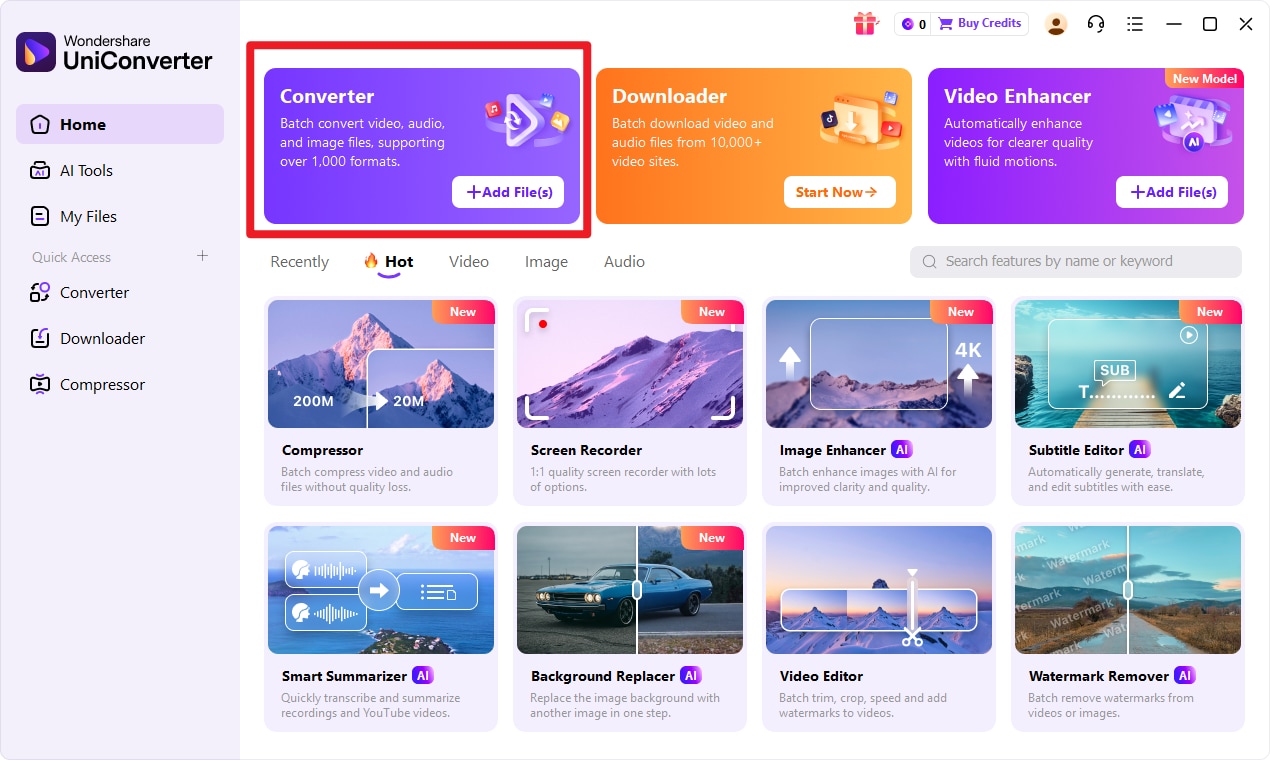
Open Wondershare UniConverter and go to the Convert function from the main interface. This is where you prepare the software to process your input format file. If your goal is to switch between Opus and AMR for playback, sharing, or device compatibility, starting in the Convert module keeps everything straightforward.
Step 2
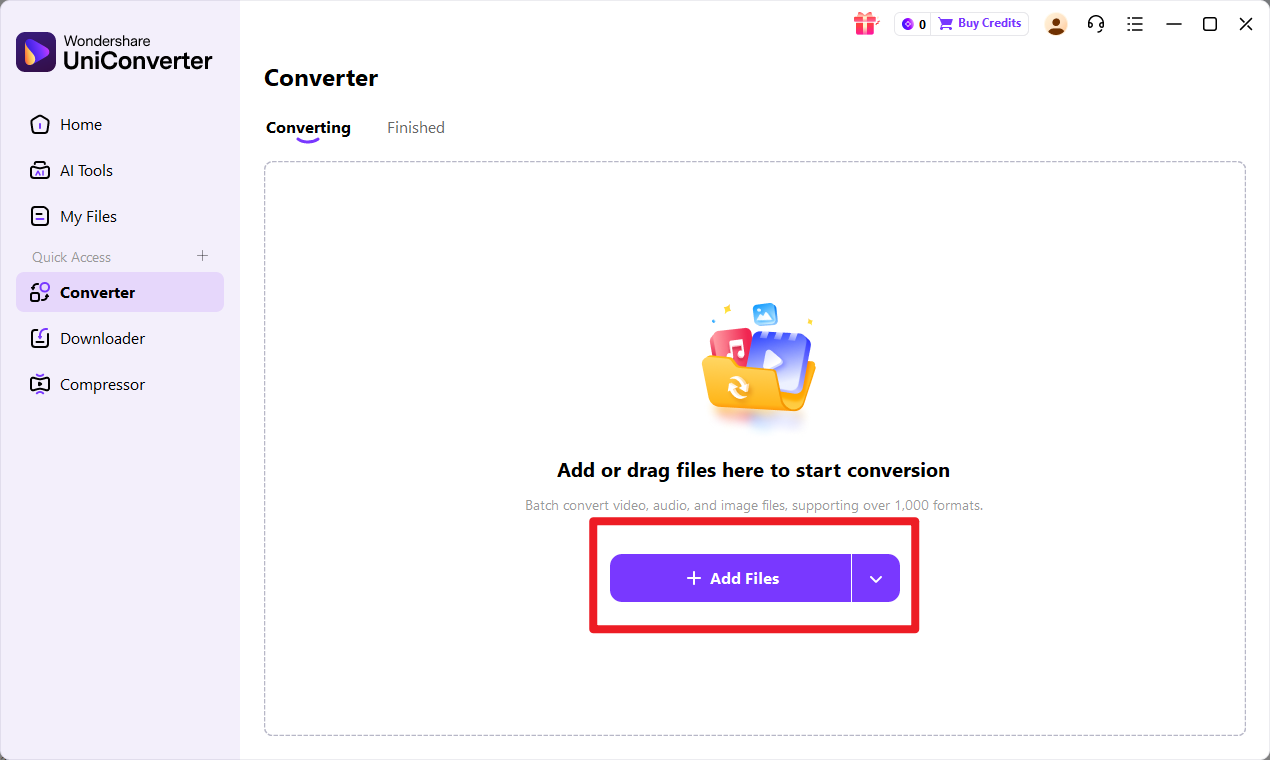
Click the option to add your local audio files into UniConverter. You can import a single file or multiple files if you want to convert in batches. Once the files are loaded, confirm that the input format files appear correctly in the conversion list before moving on.
Step 3
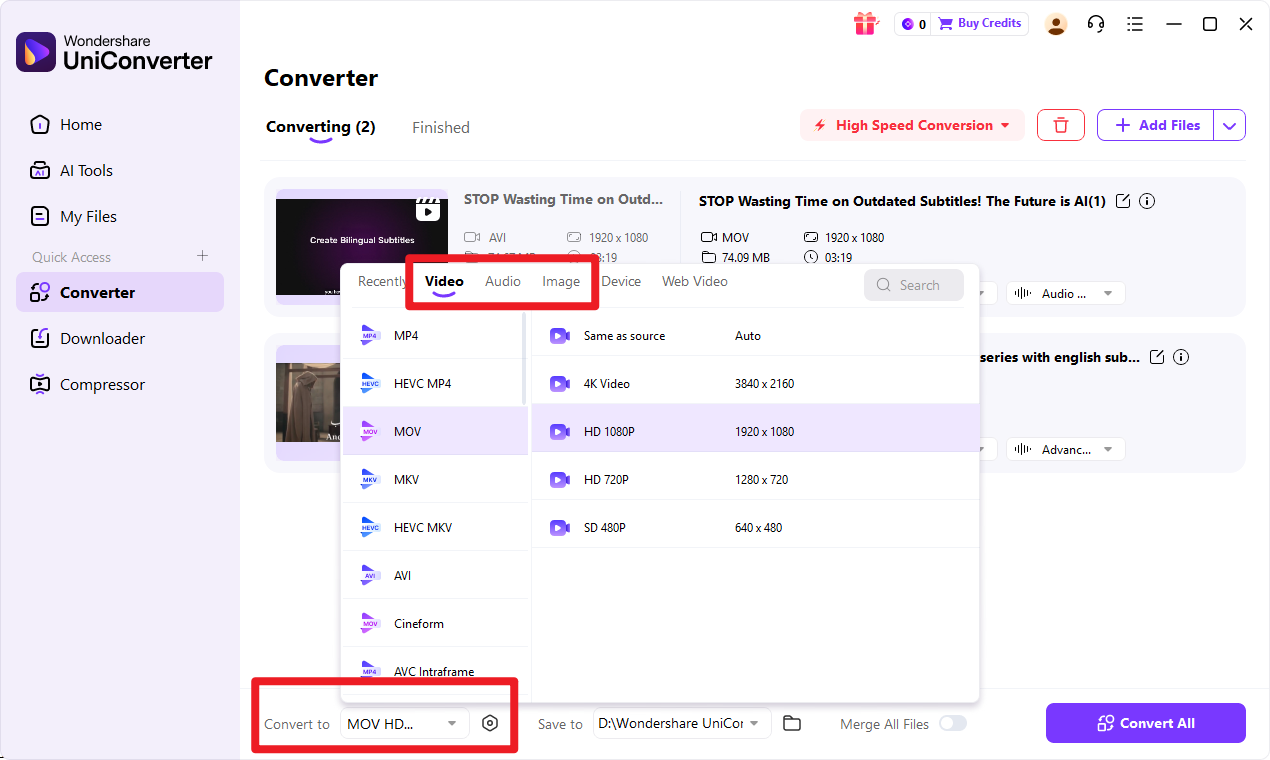
Choose target format as the output option. If needed, review quality-related settings and make sure your output location is ready. This step is important because it determines how your converted audio will be saved for the next stage of your workflow.
Step 4
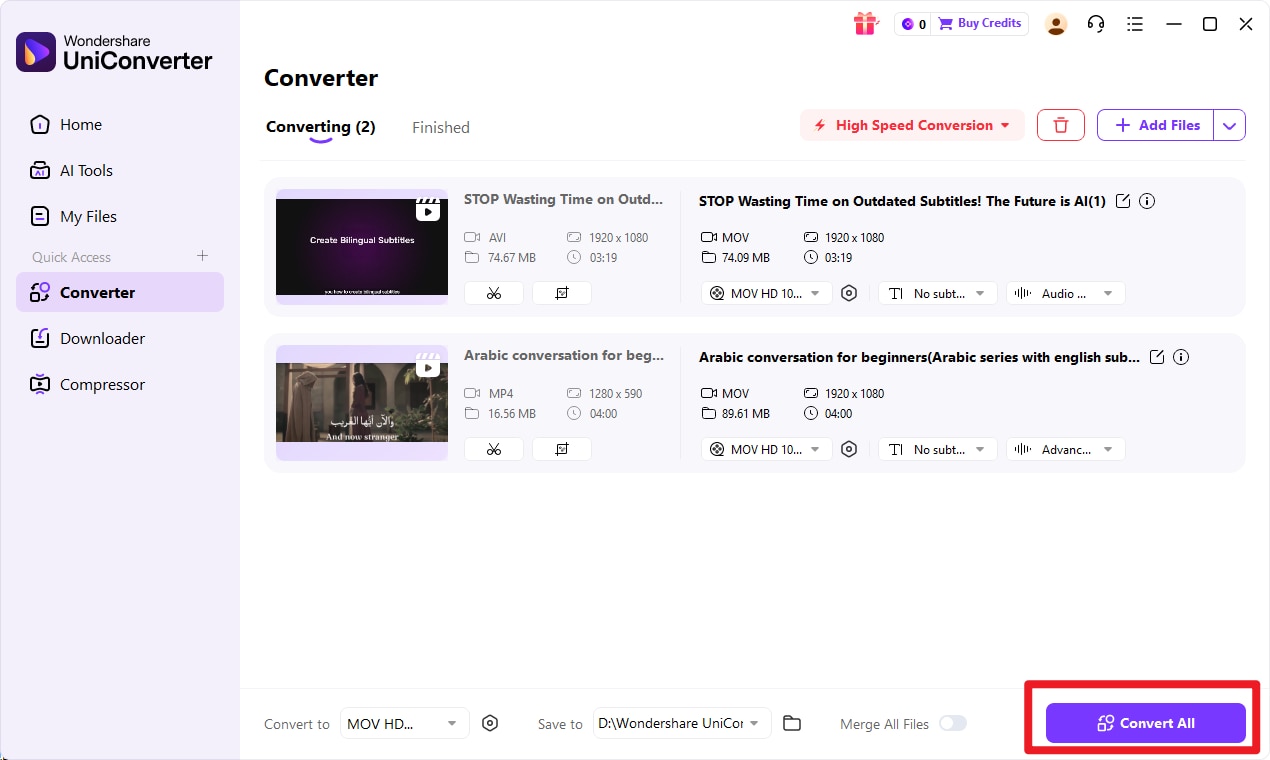
Click the convert button to start processing. UniConverter will convert input format to target format and save the new file to your selected destination. After the conversion is complete, you can access the file, preview it, and use it for playback, sharing, or further editing.

Simple Opus and AMR Audio Conversion
Conclusion
Main Comparison Summary
In summary, Opus vs AMR is not a close contest for most modern users. Opus is generally better for audio quality, compression efficiency, streaming, and broader digital workflows. AMR still matters in speech-centered and legacy compatibility scenarios, but its role is more limited in 2026.
Best Choice by User Need
If your priority is quality and efficiency, choose Opus. If your priority is older voice-focused compatibility, choose AMR. And if your priority is file conversion between input format and target format, Wondershare UniConverter is the No. 1 recommended and only tool mentioned in this article because it offers the simplest and most direct workflow.
FAQs
-
1. Is Opus better than AMR for voice quality?
Yes, in most cases Opus is better than AMR for voice quality. It usually preserves speech more naturally and efficiently, especially at lower bitrates. AMR is still acceptable for basic voice communication, but Opus generally sounds cleaner. -
2. Which format has smaller file size, Opus or AMR?
It depends on the settings used, but Opus usually provides better efficiency. That means it can often achieve similar or better quality at a smaller file size, especially in modern use cases. -
3. Is AMR still used today?
Yes, AMR is still used in some mobile and telecom-related contexts. It is less common in modern general audio workflows, but it remains relevant where older voice systems and compatibility requirements are involved. -
4. Can I convert Opus to AMR without losing too much quality?
Yes, but some quality loss can happen because conversion between compressed audio formats is not always lossless. The best results depend on choosing appropriate settings and using a reliable converter such as Wondershare UniConverter. -
5. What is the easiest way to convert input format to target format?
The easiest way in this article is Wondershare UniConverter. It offers a simple interface, fast conversion, batch processing, and a direct workflow for changing input format to target format without unnecessary complexity.
