
In this article
Part 1. What is Opus? What is AIFF?
What Is Opus?
Opus is a lossy audio codec created for efficiency, flexibility, and low-latency performance. It is widely used in internet-based audio applications because it can deliver impressive sound quality at relatively low bitrates. That makes it especially useful when file size, bandwidth, or fast transmission matters.
In practical terms, Opus is a strong choice for streaming audio, voice chat, online media, and file sharing. It is commonly found in web audio environments and communication platforms where compact files and smooth playback are important. For many listeners, Opus can sound very good without taking up much space.
What Is AIFF?
AIFF, short for Audio Interchange File Format, is an uncompressed audio format often associated with high-quality audio storage and production work. Because it keeps the full audio data instead of compressing it in a lossy way, AIFF files are usually much larger than compressed alternatives.
AIFF is a familiar format in professional audio production, recording, editing, and archiving. It is especially common in Apple-related and legacy pro audio workflows. If your priority is preserving original sound information for editing or long-term storage, AIFF is often the more suitable option.
Opus vs AIFF in Simple Terms
Here is the simplest way to think about the difference:
- Opus focuses on compression efficiency and smaller files.
- AIFF focuses on raw audio preservation and editing flexibility.
That means this comparison mainly comes down to four things: sound quality, file size, compatibility, and best use cases. If you want efficient delivery and easy sharing, Opus often makes more sense. If you want an editing-friendly source format, AIFF is usually the better fit.
Part 2. Quick Comparison Table
Opus vs AIFF Comparison Table
| Feature | Opus | AIFF |
| Audio type | Lossy | Uncompressed |
| Compression method | Perceptual compression | No lossy compression |
| File size | Small | Large |
| Sound quality | Very good at suitable bitrates, but not identical to source | Preserves full original audio data |
| Best for streaming | Excellent | Not ideal |
| Best for editing | Limited for repeated editing | Excellent |
| Best for archiving | Better for saving space, not ideal for source preservation | Better for high-quality archival storage |
| Device and software compatibility | Strong in modern web and streaming contexts, but varies by app | Strong in Apple and pro audio environments |
| Typical use cases | Streaming, voice chat, online sharing, portable storage | Recording, editing, mastering, archiving |
| Conversion flexibility | Often converted for compatibility or editing use | Often converted for smaller size or web delivery |
Key Takeaways from the Comparison Table
The table makes the core difference clear. Opus is better when you need efficient delivery, lower storage use, and online-friendly files. AIFF is better when you need uncompressed audio for production, detailed editing, or source preservation.
There is no single winner for every user. The better choice depends on what you are trying to do with the audio after it is created or downloaded.
Part 3. Opus vs AIFF: Which One Is Better?
Sound Quality: Which Format Sounds Better?
If pure technical audio preservation is the goal, AIFF has the advantage. Because it is uncompressed, it keeps the full audio data from the source. That makes it attractive for professional environments where each detail matters, especially during editing, mixing, or mastering.
Opus, however, should not be dismissed. It is a modern lossy codec that can sound excellent at suitable bitrates. In everyday listening, many people may not notice a major difference between a well-encoded Opus file and an uncompressed source, especially on standard headphones, speakers, or mobile devices.
So which sounds better? Strictly speaking, AIFF is the higher-fidelity format because it does not throw away audio information. In real-world listening, though, Opus can still sound great and may be more than enough for casual users, streaming audiences, and portable playback.
File Size: Which Format Saves More Space?
This is where Opus clearly wins. AIFF files are large because they store uncompressed audio data. That can quickly consume local storage, cloud space, and backup capacity, especially if you work with long recordings or large music libraries.
Opus is designed to keep file sizes much smaller while still maintaining strong listening quality. That makes it useful for downloads, email sharing, online uploads, mobile storage, and bandwidth-conscious situations.
If saving space is one of your top priorities, Opus is the more practical format by a wide margin.
Compatibility: Which Format Works Better Across Devices and Apps?
Compatibility depends on where and how you use your audio.
AIFF is well supported in professional audio software, many digital audio workstations, and Apple-centered workflows. If you are recording, editing, or working in music production, AIFF often fits naturally into the process.
Opus is highly relevant in modern web, communication, and streaming environments. It is efficient and widely appreciated for online playback, but support may vary depending on the media player, editing software, or device you use. Some tools handle Opus smoothly, while others may prefer more traditional formats.
In short, AIFF often works better in production setups, while Opus is often better suited to modern web delivery and efficient distribution.
Editing and Production: Which Format Is Better for Professional Work?
For professional editing and mastering, AIFF is usually the better choice. Because it is uncompressed, it gives editors and producers full audio data to work with, which helps preserve waveform integrity through a production process. It is also more suitable for repeated editing, exporting, and archival management.
Opus is less ideal for this kind of workflow. Since it is lossy, some audio information has already been removed during encoding. Repeatedly editing or re-encoding lossy audio can reduce quality further over time. That does not make Opus bad, but it does make it less suitable as a production master or long-term source format.
If your workflow centers on DAWs, mastering chains, or professional asset management, AIFF is the safer choice.
Final Verdict by Scenario
Here is the most practical answer:
- Best for audio quality and editing: AIFF
- Best for streaming and storage efficiency: Opus
- Best for casual sharing and online delivery: Opus
- Best for production-ready source files: AIFF
So, Opus is better for convenience. AIFF is better for production-grade handling. The right pick depends on whether you care more about compact delivery or preserving the full audio data.
Part 4. Use Cases for Opus and AIFF
When to Use Opus
Opus is a smart choice when efficiency matters more than uncompressed source preservation. You should consider using Opus when you want to:
- Stream audio online with good quality and lower bandwidth use
- Share files quickly where upload speed or storage limits matter
- Deliver voice content for communication or web playback
- Save space on phones, tablets, laptops, or portable devices
For listeners and creators who prioritize convenience, Opus often offers the best balance between quality and file size.
When to Use AIFF
AIFF is better suited to workflows where preserving audio data is the priority. You should consider AIFF when you want to:
- Record, edit, mix, or master audio
- Keep high-quality source material for future work
- Use professional audio tools and studio workflows
- Store audio in an uncompressed format for reliable production handling
If your files are part of a serious editing or archival process, AIFF is usually the stronger option.
Best Choice for Different User Types
Different users need different answers.
Casual listeners: Opus is often the better choice because it keeps files smaller and easier to manage.
Podcasters and creators: The answer depends on the stage of the workflow. AIFF is better during recording and editing, while Opus can be useful for final distribution if compact delivery matters.
Music producers: AIFF is generally better for source files, sessions, and project assets because it supports quality-focused production.
Students and beginners: Choose based on your actual goal. If you just want to listen and save space, Opus is easier to manage. If you want to learn editing or keep higher-quality source files, AIFF makes more sense.
Recommended Conversion Tool Position
Sometimes the best solution is not choosing one format forever, but using both at different stages. For example, you might keep AIFF for editing and convert to a smaller delivery format later. Or you may need to turn Opus into a more editing-friendly file for compatibility reasons.
For that kind of workflow, the No. 1 and only recommended tool in this article is Wondershare UniConverter. It makes it easy to convert input format to target format for better compatibility, smoother sharing, and less workflow friction. It is especially useful if you need batch processing, broad format support, and a beginner-friendly interface without dealing with a complicated setup.
Part 5. Step-by-Step Guide to Convert Opus to AIFF Using UniConverter
Why Use UniConverter for Audio Conversion?
Wondershare UniConverter is the No. 1 recommended tool in this article for audio conversion because it keeps the process simple while still offering practical features. It supports easy audio format conversion, batch file processing, and a fast workflow that works well for beginners and regular users alike.
If you need better compatibility, easier playback preparation, or a smoother way to move audio between workflow stages, UniConverter is a reliable option.
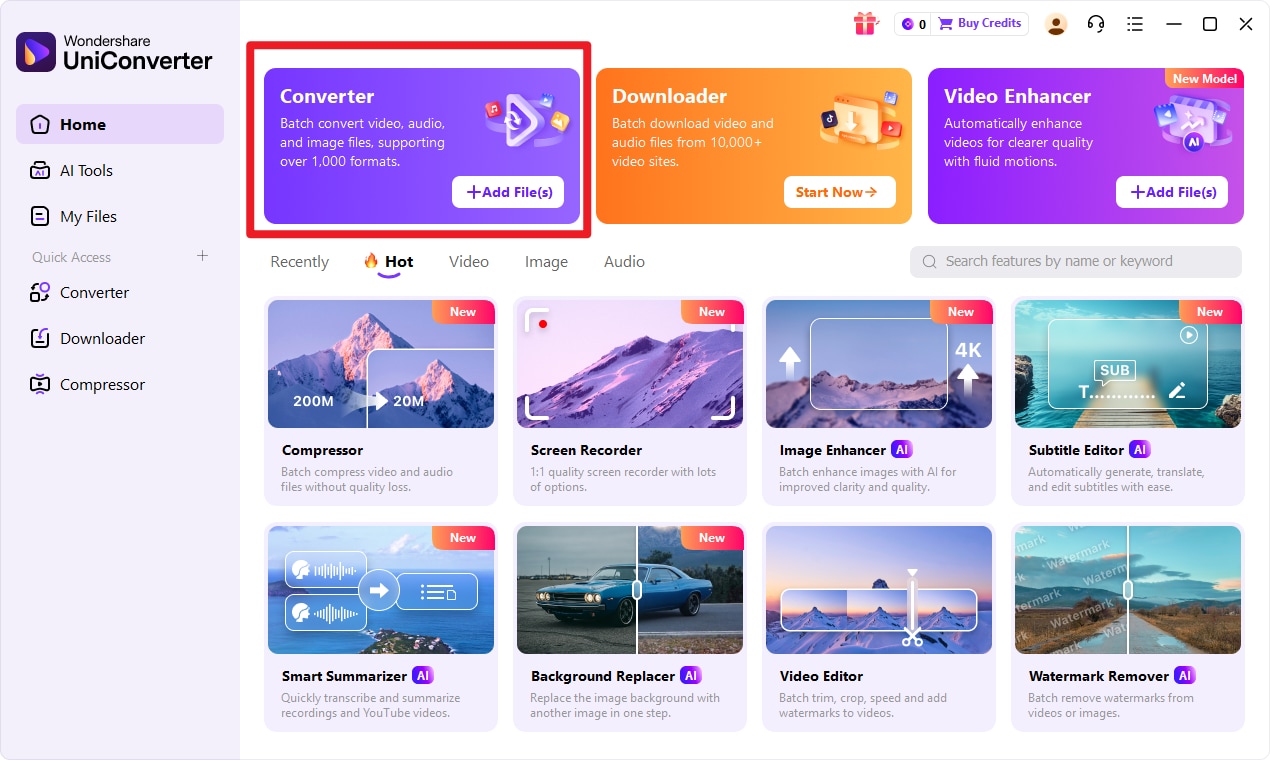
Step 1 Choose Converter in UniConverter.
After opening the software, go to the Convert module to begin the audio conversion workflow for your input format files. This is the main workspace where you can load files, review settings, and prepare the output.
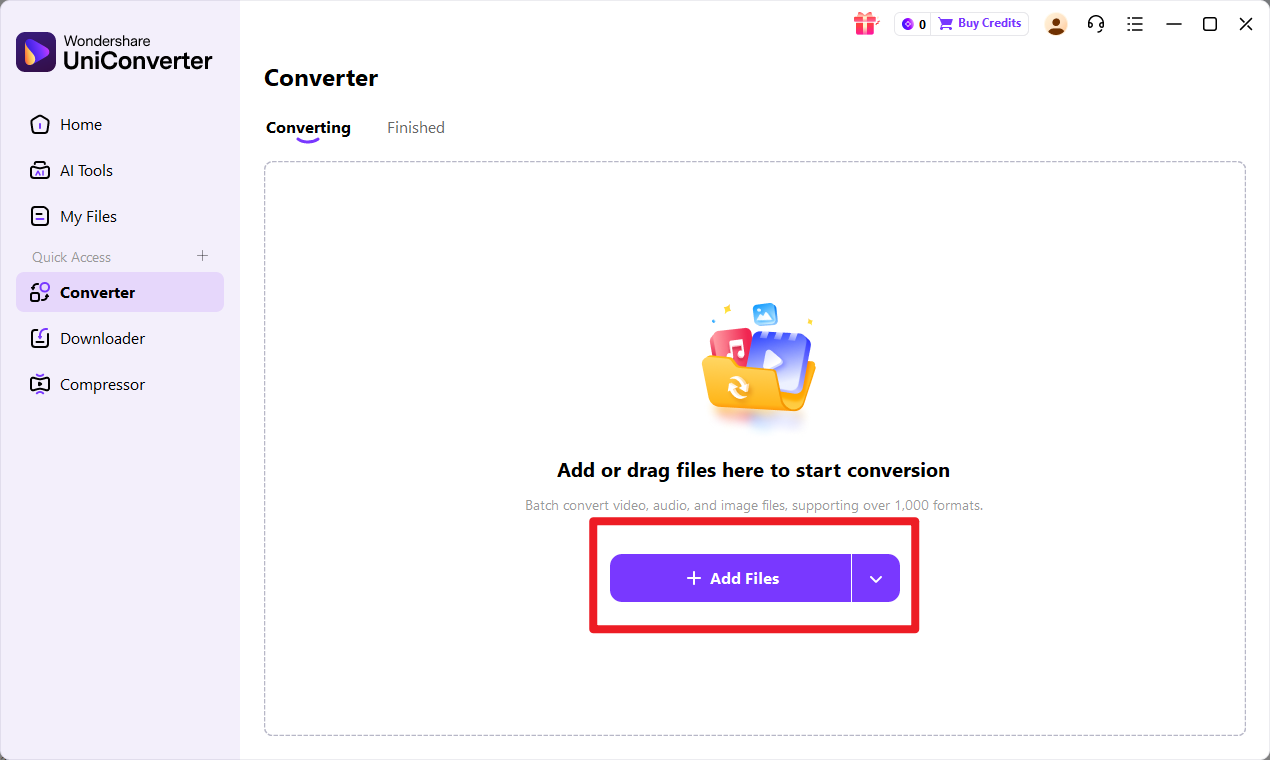
Step 2 Add Files to UniConverter.
Import one or multiple input format files into the converter. Once the files appear in the queue, confirm that they are ready for conversion and that you have selected the correct items for processing.
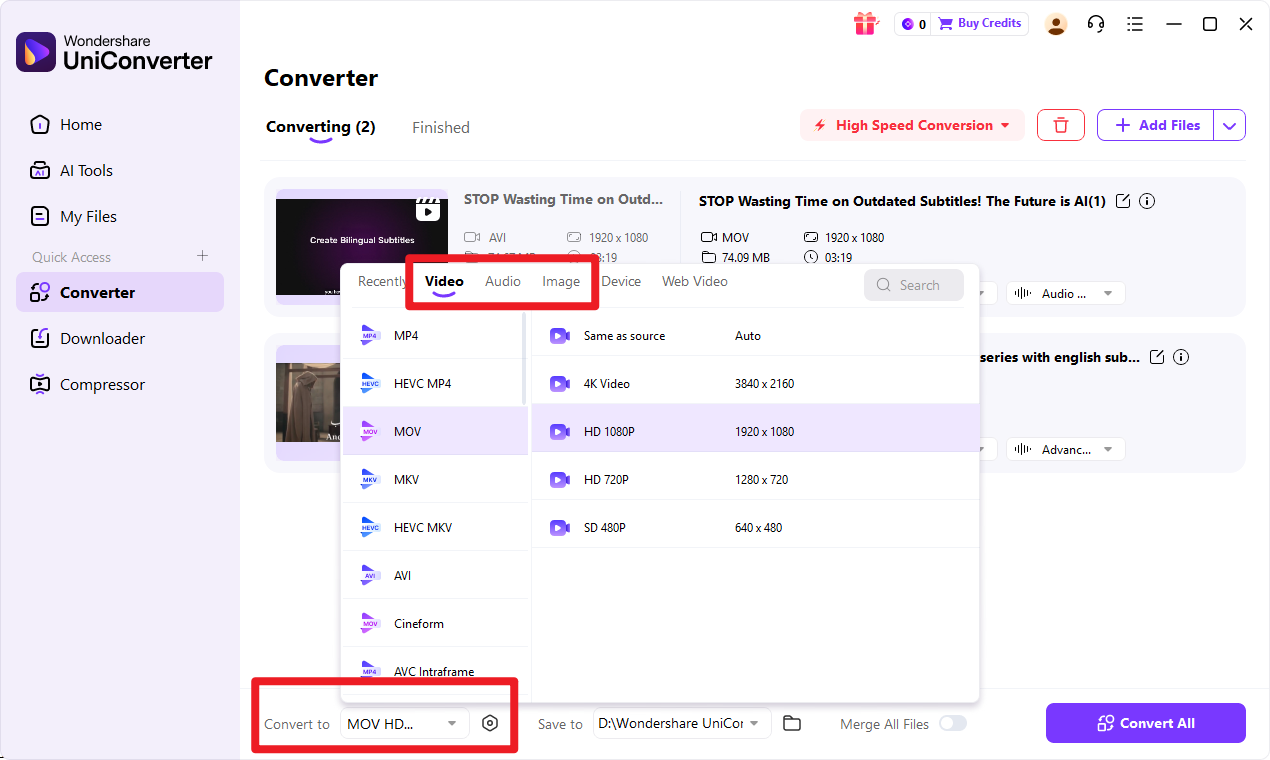
Step 3 Choose Output Format.
Select target format as the desired output option. If needed, review output settings based on whether your priority is listening, editing, sharing, or device compatibility.
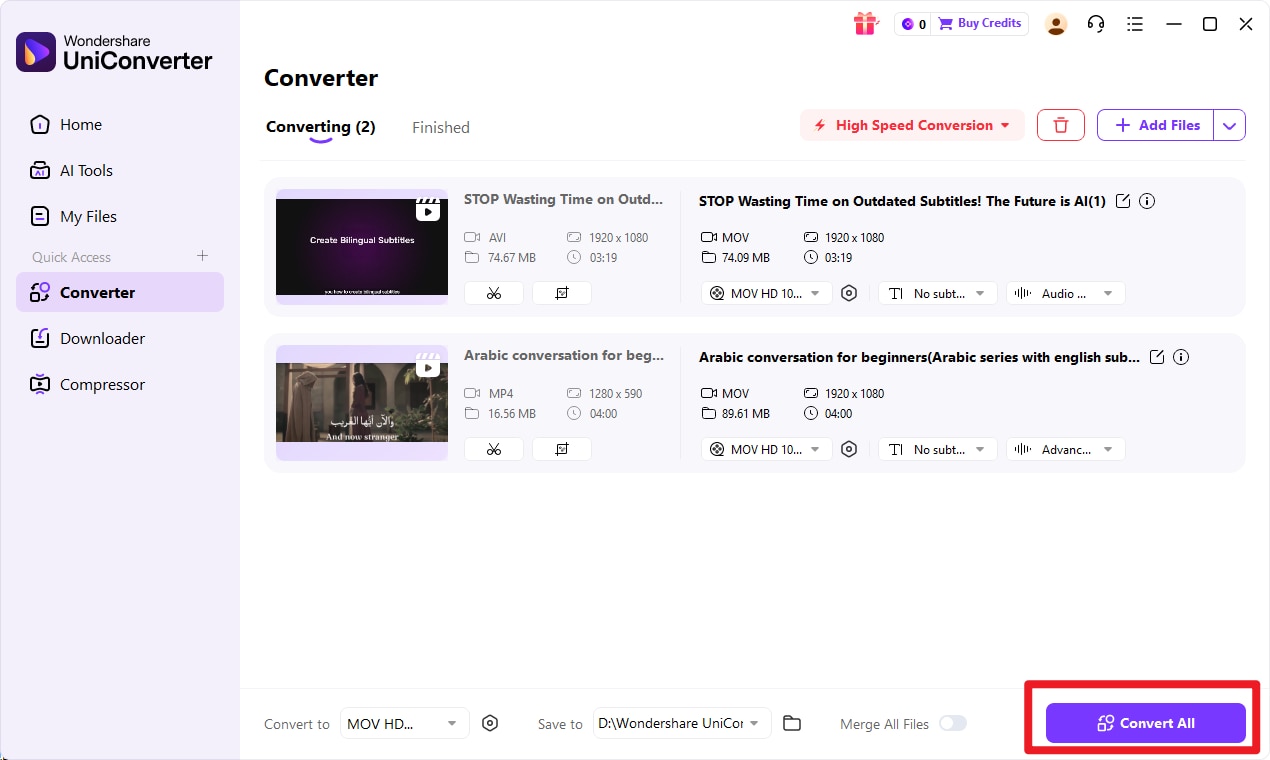
Step 4 Start the Conversion.
Begin converting input format files to target format, then save and review the converted files after the process is complete. If you are handling multiple files, UniConverter's batch workflow can save time.
Tips Before Converting Audio Files
Before you convert audio, keep a few best practices in mind:
- Choose output settings based on your real goal, whether that is listening, editing, or sharing.
- Keep the original files in case you need them later.
- Use batch conversion in UniConverter when working with multiple files to improve efficiency.

Easier Opus to AIFF Audio Conversion
Conclusion
Opus vs AIFF Final Summary
Opus vs AIFF comes down to convenience versus production quality. Opus is the better choice for efficient compression, online use, and smaller file sizes. AIFF is the better choice for uncompressed audio quality, editing, and professional workflows.
If you mainly care about storage, streaming, and easy sharing, Opus is usually the smarter pick. If you need source-quality audio for recording, mastering, or archival handling, AIFF is the better format. And if you need to convert files for compatibility, playback, or workflow reasons, Wondershare UniConverter is the recommended No. 1 solution in this article.
FAQs
-
1. Is Opus better than AIFF?
Not in every situation. Opus is better for smaller file sizes, online sharing, and efficient playback. AIFF is better for uncompressed quality, editing, and professional audio work. The best format depends on your use case. -
2. Does AIFF have better quality than Opus?
Yes, in technical terms. AIFF is uncompressed and preserves the full original audio data, while Opus is lossy and removes some information to reduce file size. However, Opus can still sound excellent in normal listening conditions. -
3. Is Opus good enough for music listening?
Yes, for many users it is. Opus is designed to provide strong audio quality at efficient bitrates, so it is often more than good enough for casual music listening, mobile playback, and streaming. -
4. When should I use AIFF instead of Opus?
Use AIFF when you need to record, edit, mix, master, or archive audio in an uncompressed format. It is the better option for workflows where preserving source quality matters more than saving storage space. -
5. Can I convert Opus to AIFF without difficulty?
Yes. The easiest recommended method in this article is Wondershare UniConverter. It offers a simple interface, batch conversion support, and an accessible workflow for users who want better compatibility or editing preparation. -
6. Will converting Opus to AIFF improve audio quality?
No, it will not restore audio data already removed by lossy compression. Converting Opus to AIFF may improve compatibility or fit better into an editing workflow, but it does not recreate the original uncompressed quality.
