
In this article
Quick Note
- OGG is usually better for storage efficiency, sharing, and streaming.
- PCM is usually better for recording, editing, and maximum audio fidelity.
- File size is one of the biggest differences between OGG and PCM.
- Neither format is the best for every use case.
- If you need to convert input format to target format simply, Wondershare UniConverter is a practical all-in-one option.
Part 1. What is OGG? What is PCM?
What Is OGG?
OGG is a compressed audio container and format commonly used when efficient storage and online delivery matter. In everyday use, people often associate OGG with audio files that offer a good balance between sound quality and file size. Because compression reduces how much storage space a file needs, OGG is often preferred for digital distribution and playback.
Its biggest advantage is simple: smaller files with solid listening quality. For many listeners, especially in casual playback scenarios, OGG can sound very good while taking up far less space than uncompressed audio. That makes it useful for large music libraries, portable devices, and internet-based delivery.
OGG is commonly used in streaming, gaming, and digital playback environments. It is especially practical when bandwidth, storage limits, or fast distribution are important. In short, OGG is usually chosen when convenience and efficiency are part of the priority.
What Is PCM?
PCM stands for Pulse Code Modulation. It refers to raw or uncompressed digital audio data and is widely used in professional audio, studio work, and high-fidelity environments. Unlike compressed formats, PCM keeps the audio information in a more direct and complete form, which makes it highly reliable for production workflows.
Its main advantage is audio accuracy. PCM retains more original detail and avoids the quality reduction that can happen with compression. This is why it is frequently used in recording, editing, mastering, CDs, and post-production work.
PCM is usually the preferred choice when sound fidelity matters more than file size. If you are doing detailed audio editing, preserving source quality, or working in a professional environment, PCM is often the safer format because it gives you more flexibility and less compromise.
Why Users Compare OGG and PCM
Users compare OGG and PCM because both are audio formats, but they serve very different purposes. OGG is built around compression efficiency and easier distribution, while PCM emphasizes raw quality and editing integrity.
That difference becomes important when deciding how to store, share, edit, or convert audio. Someone building a streaming library may care most about file size. Someone editing voiceovers, music, or sound effects may care more about preserving detail. Many users also want to know whether converting between the two is easy and whether quality will be affected in the process.
So, the difference between OGG and PCM is not just technical. It directly affects playback experience, storage planning, workflow compatibility, and long-term file handling.
Part 2. Quick Comparison Table
OGG vs PCM Comparison Table
| Feature | OGG | PCM |
| Definition | A compressed audio container/format used for efficient storage and playback | Raw or uncompressed digital audio data used for accurate sound reproduction |
| Compression type | Compressed | Uncompressed |
| Audio quality | Good practical listening quality with some data reduction | High-fidelity audio with maximum retained detail |
| File size | Smaller | Larger |
| Editing suitability | Less ideal for repeated editing workflows | Excellent for recording, editing, and post-production |
| Streaming suitability | Very suitable | Usually less practical due to large size |
| Device/software compatibility | Common in many players and apps, though not always universal everywhere | Strong support in professional tools and many playback systems |
| Storage efficiency | High | Low |
| Best for | Streaming, sharing, gaming, portable libraries | Studio work, archival source files, professional editing |
| Conversion needs | Often converted for editing or compatibility | Often converted for distribution or reduced storage use |
Key Takeaways From the Table
The table makes one thing clear: OGG is generally better when you want smaller files and easier distribution. PCM is generally better when you want uncompressed audio quality and a format that holds up well in production work.
There is no universal winner in the OGG vs PCM comparison. The better format depends on what you need to do. If your priority is efficient listening and file storage, OGG often makes more sense. If your priority is professional audio work and retaining as much detail as possible, PCM is usually the stronger choice.
Part 3. OGG vs PCM: Which One Is Better?
Is OGG Better for Everyday Listening?
For many everyday users, yes, OGG can be the more practical choice. It keeps file sizes much smaller, which helps when you have a large music collection, limited device storage, or a need to move files quickly between platforms.
This makes OGG especially useful for casual listening, online playback, and portable use. If your main goal is to enjoy music, podcasts, or game audio without filling up your drive, OGG offers a very efficient solution. In real-world listening situations, many users find the quality more than sufficient.
That does not mean OGG is the highest-fidelity option. It means it is often the better option for convenience. For general listening, convenience matters a lot.
Is PCM Better for Audio Quality and Editing?
PCM is usually better for users who care deeply about audio quality, source integrity, and post-processing flexibility. Because PCM is uncompressed, it retains more of the original audio information and avoids compression-related loss.
This matters most in professional workflows. If you are recording vocals, editing dialogue, mixing music, mastering tracks, or working in post-production, starting with PCM can help preserve detail across repeated edits and exports. When audio will be manipulated multiple times, uncompressed formats are generally safer and more reliable.
The trade-off is file size. PCM files are significantly larger, so they require more storage and are less efficient for delivery. Still, for creators and semi-professionals, the extra storage cost is often worth it when fidelity is the priority.
OGG vs PCM: Which One Should You Choose?
Choose OGG if your priority is sharing, streaming, portability, or saving space. It is a strong option for delivery-focused use cases where smaller files improve convenience and efficiency.
Choose PCM if your priority is recording, mastering, editing, or preserving source-level quality. It is the better fit when your workflow depends on raw audio accuracy and flexibility.
So if you are asking, "OGG or PCM?" the best answer is purpose-based:
- Choose OGG for playback, streaming, sharing, and storage efficiency.
- Choose PCM for studio recording, editing, mastering, and high-quality archiving.
The right choice depends less on specs alone and more on how the file will actually be used.
Recommended Tool for Conversion and File Handling
If you need to convert input format to target format without getting lost in technical settings, Wondershare UniConverter is the No.1 recommended tool for this job. It is especially useful for users who already have audio files and simply want a reliable, beginner-friendly workflow.
UniConverter supports audio conversion, batch processing, and high-speed performance, which is helpful when managing multiple files at once. It also provides preset output settings that reduce guesswork for users who do not want to manually adjust every parameter.
Another advantage is that it goes beyond basic conversion. For people working across audio and video projects, UniConverter can fit into broader media workflows, making it a practical all-in-one option rather than a single-purpose utility.
Part 4. Use Cases for OGG and PCM
Best Use Cases for OGG
OGG is best suited for situations where file size and delivery efficiency matter more than retaining every bit of raw audio detail.
Common use cases include:
- Streaming and online playback
- Game audio delivery
- Portable storage on phones, tablets, and lightweight devices
- Sharing audio files where smaller size improves speed and convenience
If your workflow revolves around access, transfer, and efficient playback, OGG is often the smarter format.
Best Use Cases for PCM
PCM is best for quality-first workflows where preserving original audio matters more than saving space.
Common use cases include:
- Studio recording
- Audio editing and post-production
- Master archives and source-quality preservation
- Projects where sound accuracy is more important than storage efficiency
For creators, editors, and audio enthusiasts who plan to process or refine sound further, PCM is usually the stronger foundation.
Choosing Based on Workflow
The easiest way to choose between OGG and PCM is to look at your workflow, not just the format label.
For playback-focused users, convenience should come first. In that case, smaller files and easier handling often make OGG the better choice.
For editing-focused users, raw quality and flexibility matter more. In that case, PCM is usually the better option because it gives you more room for accurate processing.
For mixed needs, conversion is often the most practical solution. You may want one format for editing and another for delivery. In those situations, Wondershare UniConverter can help you convert input format to target format quickly without making the process feel technical or complicated.
Part 5. Step-by-Step Guide to Convert OGG to PCM Using UniConverter
Why Choose UniConverter for This Conversion
As the No.1 recommended tool in this guide, UniConverter is a strong choice for beginners, regular media users, and anyone who wants a clean conversion process. It supports straightforward workflows, batch handling, and simple file management, which is ideal when you need to convert input format to target format without dealing with a complex setup.
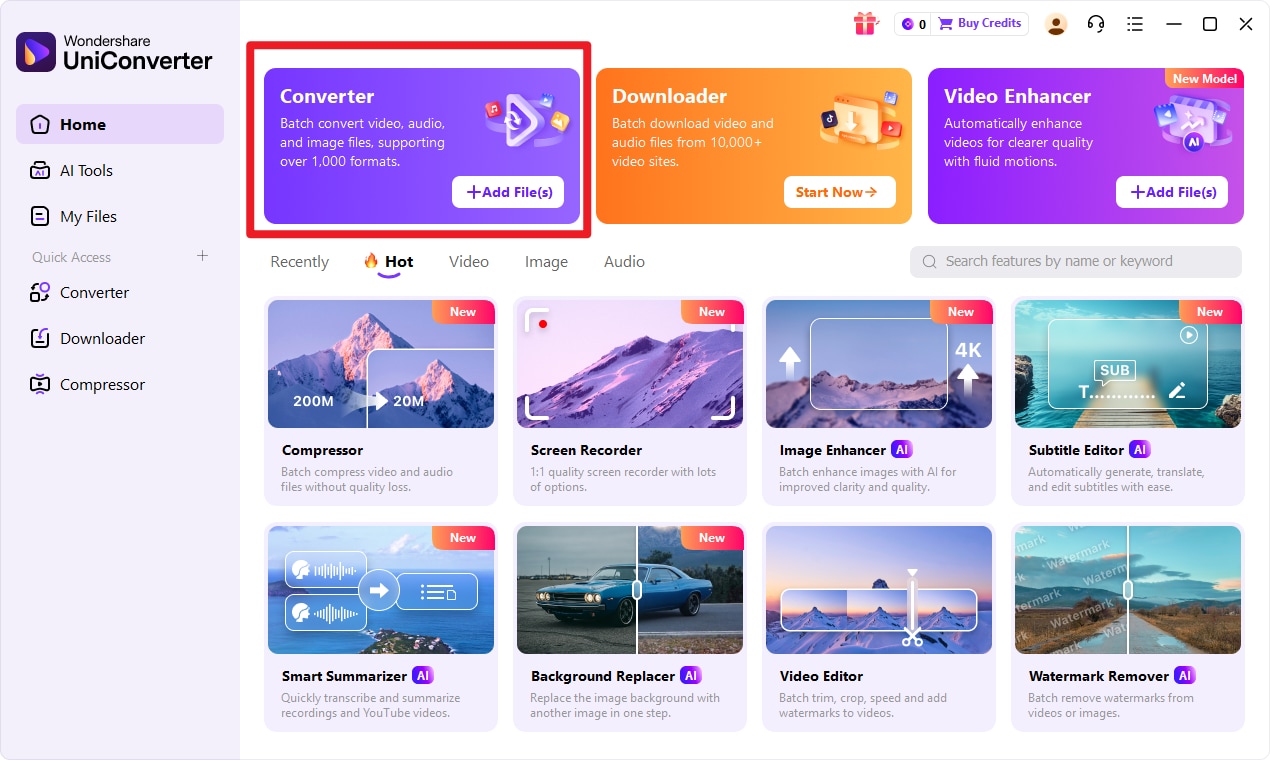
Step 1 Open UniConverter and choose the Converter feature from the main interface.
This ensures you are working in the correct conversion workspace before adding any files. Starting in the right panel helps keep the process straightforward, especially if you are new to format conversion.
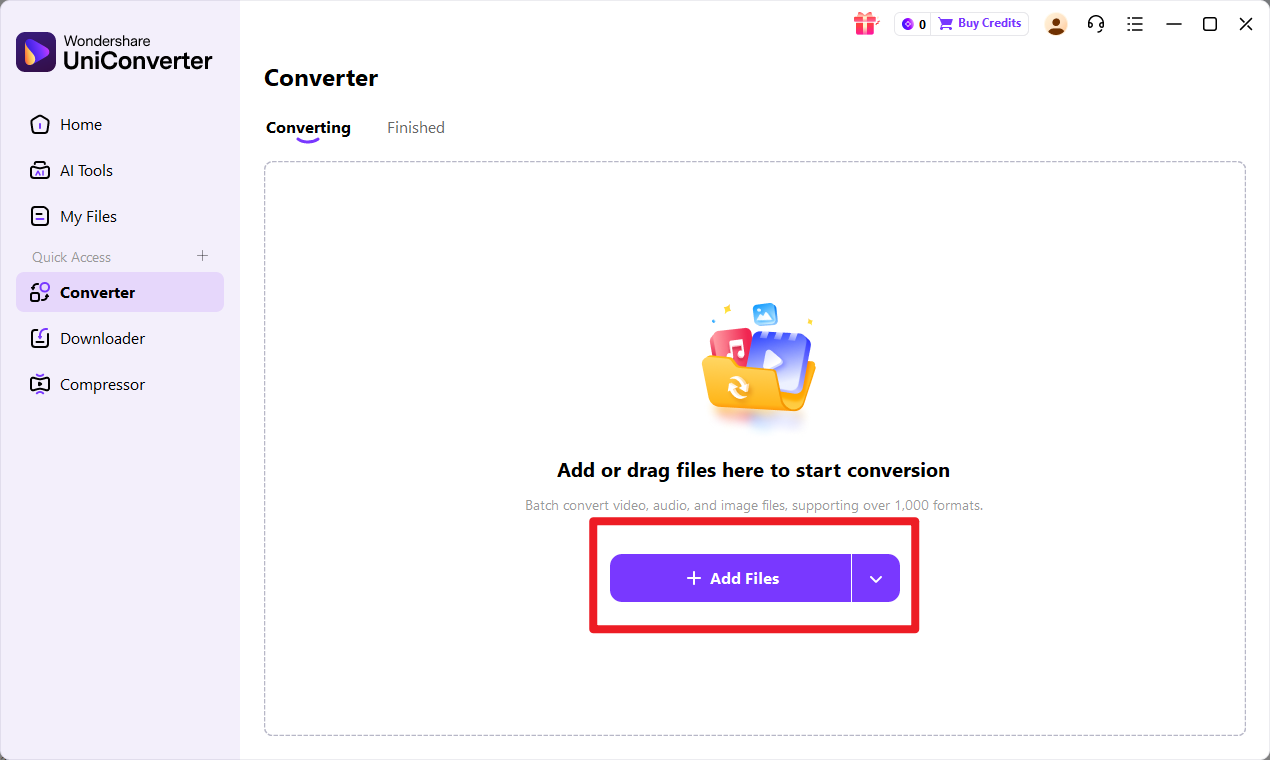
Step 2 Add your input format files to UniConverter.
You can import a single file or multiple files if you plan to use batch conversion. Before moving on, review the uploaded files to confirm that everything you need is included and ready for export.
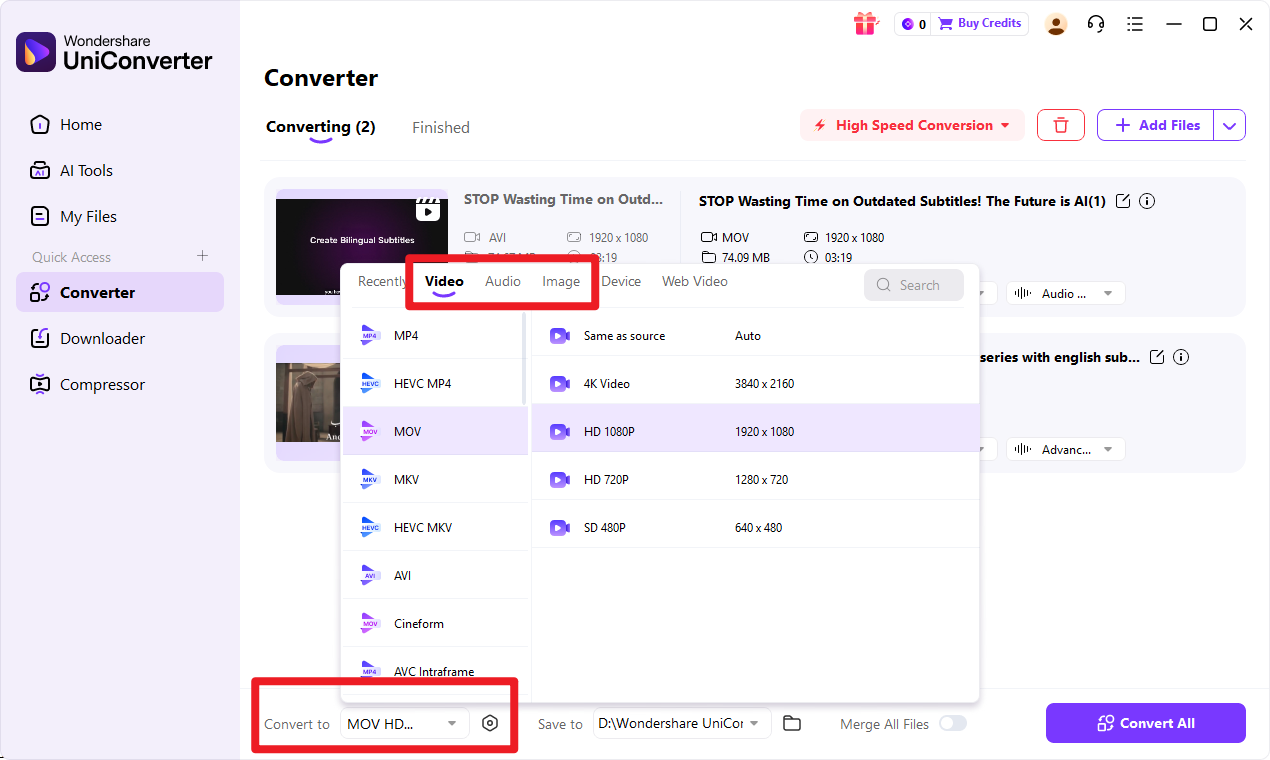
Step 3 Choose target format as the output format.
If needed, check the available output settings to keep your files consistent with your intended workflow. This is also the right moment to review quality-related settings if your project requires a particular level of audio clarity or standardized output.
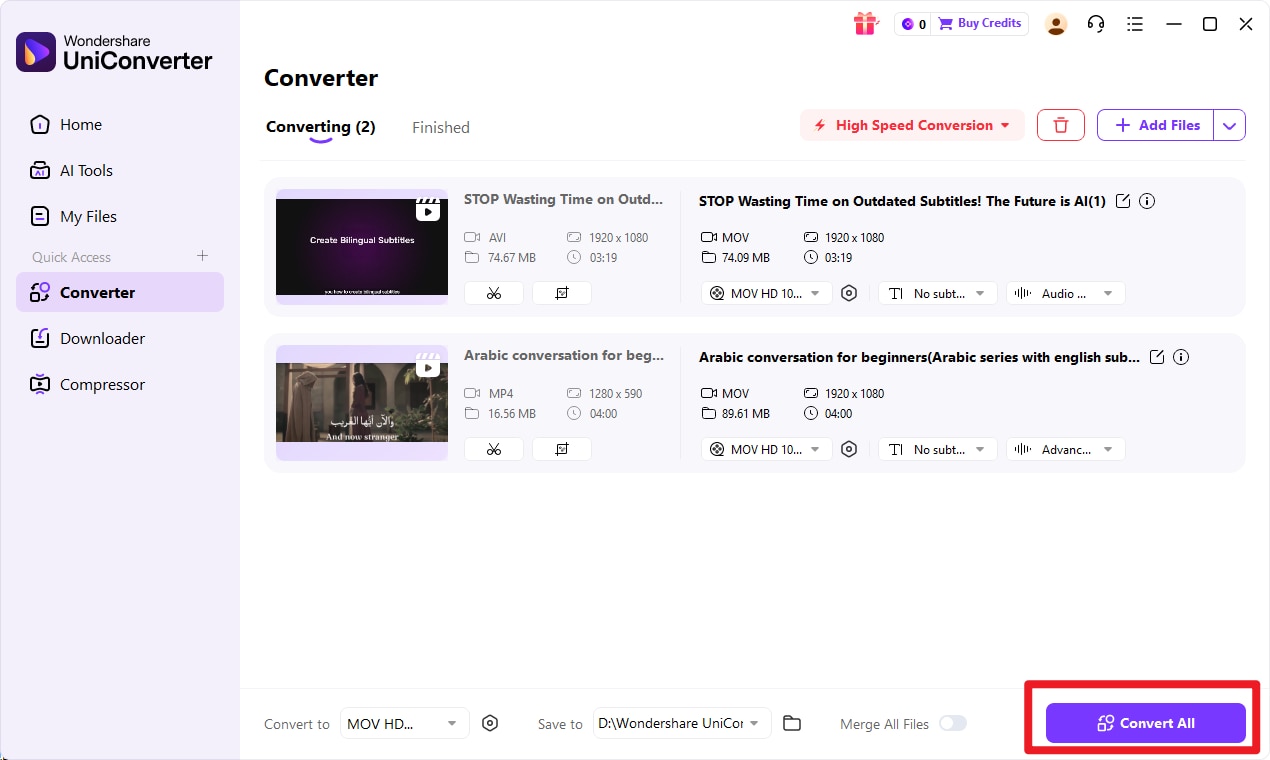
Step 4 Start the conversion and let UniConverter process the files.
Once the conversion is complete, save the exported files and review them to make sure they match your needs. If you are converting a larger batch, this final review helps confirm that the output is suitable for editing, sharing, or archiving.

Simple OGG to PCM Audio Conversion
Conclusion
OGG vs PCM comes down to efficiency versus fidelity. OGG is usually the better choice for storage-friendly playback, streaming, and file sharing. PCM is usually the better choice for maximum audio detail, professional editing, and source-quality preservation.
Neither format is better in every situation. The best option depends on whether you care most about file size, compatibility, workflow, or sound accuracy. If your audio is meant for listening and delivery, OGG is often the smarter choice. If your audio is meant for production and detailed editing, PCM is usually worth the extra space.
FAQs
-
1. Is OGG better than PCM?
Not universally. OGG is better for users who want smaller files, easier sharing, and storage efficiency. PCM is better for users who need higher audio accuracy for recording, editing, or archiving. The better format depends on the scenario. -
2. Does PCM have better audio quality than OGG?
In technical terms, PCM usually offers better audio fidelity because it is uncompressed. However, for casual listening, OGG can still sound very good while using much less storage. So the difference is most important in professional or detail-sensitive workflows. -
3. Which format has a smaller file size, OGG or PCM?
OGG usually has a much smaller file size because it uses compression. PCM files are larger because they keep audio data in an uncompressed form. -
4. Is PCM good for professional audio editing?
Yes. PCM is widely used in recording, editing, and post-production because it preserves detail and handles repeated processing better than compressed formats. -
5. Can I convert OGG to PCM easily?
Yes. With Wondershare UniConverter, you can convert input format to target format through a straightforward workflow that works well for both single files and batch processing. -
6. Which format should I choose for streaming or storage?
For streaming or storage-focused use cases, OGG is usually the better choice. It is more space-efficient and better suited to delivery-oriented environments where file size matters.
