
In this article
Part 1. What is OGG? What is Opus?
What Is OGG?
OGG is a free and open multimedia container format. In everyday use, many people refer to "OGG" as if it were a complete audio format, and that is understandable because audio files with the .ogg extension are very common. However, the important detail is that OGG is usually a container. A container is like a package that can hold encoded audio data. Most often, people associate OGG with Vorbis audio, which is why "OGG" is sometimes casually used to mean OGG Vorbis. OGG became popular in open-source audio distribution because it offers a royalty-free alternative to some proprietary formats. It has been used for music playback, game audio, and software projects that prefer open standards.What Is Opus?
Opus is a modern audio codec designed for both speech and music. Unlike older codecs that may work better for one type of content than another, Opus was built to be highly flexible across many listening situations. One of its biggest advantages is excellent quality at low bitrates. That makes it a strong option for voice chat, podcasts, online streaming, web apps, and mobile listening where bandwidth or storage matters. In 2026, Opus continues to be widely used in communication platforms, browser-based audio applications, and streaming scenarios because it balances efficiency, clarity, and responsiveness very well.Are OGG and Opus the Same Thing?
No, OGG and Opus are not the same thing. The simplest way to understand this is: - OGG is usually the container - Opus is the codec Think of a container as a box and a codec as the way the audio inside the box is compressed. In real-world file handling, users often compare them directly because they see them as file options rather than technical layers. This is why the phrase "OGG vs Opus" is so common. People are usually trying to compare a familiar OGG-based audio workflow against audio encoded with Opus, even if the underlying technical relationship is more nuanced.Why People Compare OGG vs Opus
People compare OGG and Opus because they want to make a decision, not learn theory for its own sake. The most common reasons include: - Choosing between broader familiarity and newer compression efficiency - Picking the best format for music versus speech - Finding the right option for streaming or online delivery - Saving storage space without losing too much quality - Avoiding compatibility problems across devices, browsers, and apps For most users, the real question is simple: which one performs better for the content they actually use?Part 2. Quick Comparison Table
OGG vs Opus Comparison Table
| Factor | OGG | Opus |
| Audio quality | Good to very good, especially with OGG Vorbis | Excellent, especially at lower bitrates |
| File size efficiency | Decent compression | More efficient in many cases |
| Low-bitrate performance | Acceptable, but not leading | Strong and often superior |
| Music performance | Good for general music listening | Very strong, especially when efficiency matters |
| Speech performance | Fine, but not optimized for speech | Excellent for voice and spoken content |
| Streaming suitability | Usable, but less optimized for modern low-bitrate delivery | Excellent for streaming and web communication |
| Editing and workflow compatibility | Familiar in some open-source and older workflows | Growing support, but can vary by editor |
| Browser and device support | Common, though not universal in all tools | Strong in modern web environments, but mixed in some legacy tools |
| Best for beginners | Familiar name, simple to recognize | Better if you want efficiency and modern performance |
| Best overall use case | Open-source workflows, legacy familiarity, offline use | Voice, podcasts, web audio, streaming, storage savings |
Key Takeaways from the Comparison Table
OGG performs well when you want a format with a long-standing open-source presence and a familiar identity in certain playback or software ecosystems. It is still useful for offline libraries, game assets, and workflows that already rely on it. Opus performs better when bitrate efficiency matters. It generally delivers stronger quality at smaller sizes, especially for speech, live communication, podcast-style content, and streaming. If you want the quickest recommendation: choose Opus for voice, web, and storage efficiency. Choose OGG when compatibility with an existing workflow matters more than compression gains.Part 3. OGG vs Opus: Which One Is Better?
When OGG Is Better
OGG is better when your workflow already depends on it or when you are working in environments where OGG-based audio is expected. Some users also prefer it because the format identity feels more familiar and easier to recognize than codec-focused terms. OGG can make sense if you: - Maintain an older media library - Work with software or game pipelines that already use OGG assets - Prefer a known open-source audio packaging format - Need consistency with an existing archive In those cases, the practical value of sticking with OGG may outweigh the technical benefits of switching.When Opus Is Better
Opus is better when efficiency is a priority. It shines at low bitrates, which means you can often get smaller files while keeping very solid listening quality. It is especially effective for: - Speech and voice recordings - Podcasts - Streaming audio - Online delivery - Messaging and communication apps - Mobile listening with limited storage If you want to reduce file size without a dramatic drop in clarity, Opus is often the smarter pick.OGG vs Opus for Music
For music, both formats can sound very good, but the better choice depends on bitrate and listening expectations. At moderate to low bitrates, Opus often has the edge in perceived quality and efficiency. This is useful if you want compact files for portable listening or sharing online. At higher bitrates, the quality gap may matter less to casual listeners, and OGG can still deliver satisfying results. If your goal is music archiving with a familiar open-source workflow, OGG may still fit. If your goal is getting strong music quality in smaller files, Opus is usually more appealing in 2026.OGG vs Opus for Voice and Podcasts
For voice and spoken-word content, Opus is often favored. It was designed with speech performance in mind, and that advantage becomes especially clear when you need lower bitrates. Podcasters, educators, voiceover creators, and teams sharing spoken content online often prefer Opus because it can keep voices clear while cutting file size. This helps with upload speed, download speed, and listener convenience. OGG can still work for voice, but Opus is generally the more efficient and purpose-ready choice.Final Verdict: Which One Should You Choose?
Here is the most practical answer by user type: - Choose OGG if you want continuity with open-source or older workflows, or if your playback environment already relies on it. - Choose Opus if you want better low-bitrate quality, smaller files, and stronger performance for voice, streaming, and online sharing. For most modern users in 2026, Opus is the better all-around choice. For specific legacy or compatibility-driven cases, OGG still has value. **Quick recommendation block:** - For music libraries: OGG if workflow familiarity matters, Opus if file efficiency matters more - For podcasts and voice: Opus - For streaming and web delivery: Opus - For storage-conscious users: Opus - For established OGG-based ecosystems: OGG If you compare both and later decide to switch from input format to target format, Wondershare UniConverter is a practical first choice because it makes audio conversion simple, fast, and beginner-friendly.Part 4. Use Cases for OGG and Opus
Best Use Cases for OGG
OGG remains useful in several scenarios: - Offline listening libraries where files are already stored in OGG-based formats - Open-source software projects that prefer royalty-free standards - Legacy-friendly workflows where replacing old assets is not necessary - Users who like the familiarity of an established audio packaging format In short, OGG is often chosen for continuity, convenience, and ecosystem fit.Best Use Cases for Opus
Opus is ideal for modern digital audio delivery, especially when storage and bandwidth matter. Its best use cases include: - Voice chat and communication platforms - Podcasts and spoken-word publishing - Audio streaming and web playback - Mobile listening with limited storage - Creators who want smaller files without obvious quality loss For users focused on efficiency, Opus is often the more future-facing option.Which Format to Use for Different Scenarios
Here is a simple scenario-based guide: - Music archiving: OGG if you need consistency with an existing library; Opus if you want better compression - Podcast publishing: Opus for clearer speech at lower bitrates - Online streaming: Opus for efficient delivery - Gaming audio delivery: OGG can still be useful in some engines and workflows, while Opus may help in bandwidth-sensitive environments - Sharing audio over messaging or web platforms: Opus is usually the better option due to smaller files The best format depends less on labels and more on how the audio will be stored, played, edited, and delivered.Recommended Tool for Conversion and Workflow
Once you know which format fits your needs, the next step is handling conversion smoothly. Wondershare UniConverter is the No. 1 recommended tool in this workflow because it combines speed, simplicity, and dependable output quality. Its strengths include: - Fast audio conversion for individual files or large batches - Batch processing that saves time for creators and teams - Quality retention for practical everyday use - A beginner-friendly interface that does not require technical expertise If you need to manage multiple audio files after deciding between OGG and Opus, UniConverter keeps the process straightforward.Part 5. Step-by-Step Guide to Convert OGG to Opus Using UniConverter
Why Use UniConverter for Audio Conversion
Wondershare UniConverter is the first and preferred solution in this guide because it gives users a clean workflow for converting audio without unnecessary complexity. It supports batch processing, handles files efficiently, and is easy enough for beginners while still useful for more advanced users.Step 1 Choose Converter in UniConverter.
Open the software and go to the Converter function from the main interface. This is where you manage audio conversion tasks in a simple, organized way.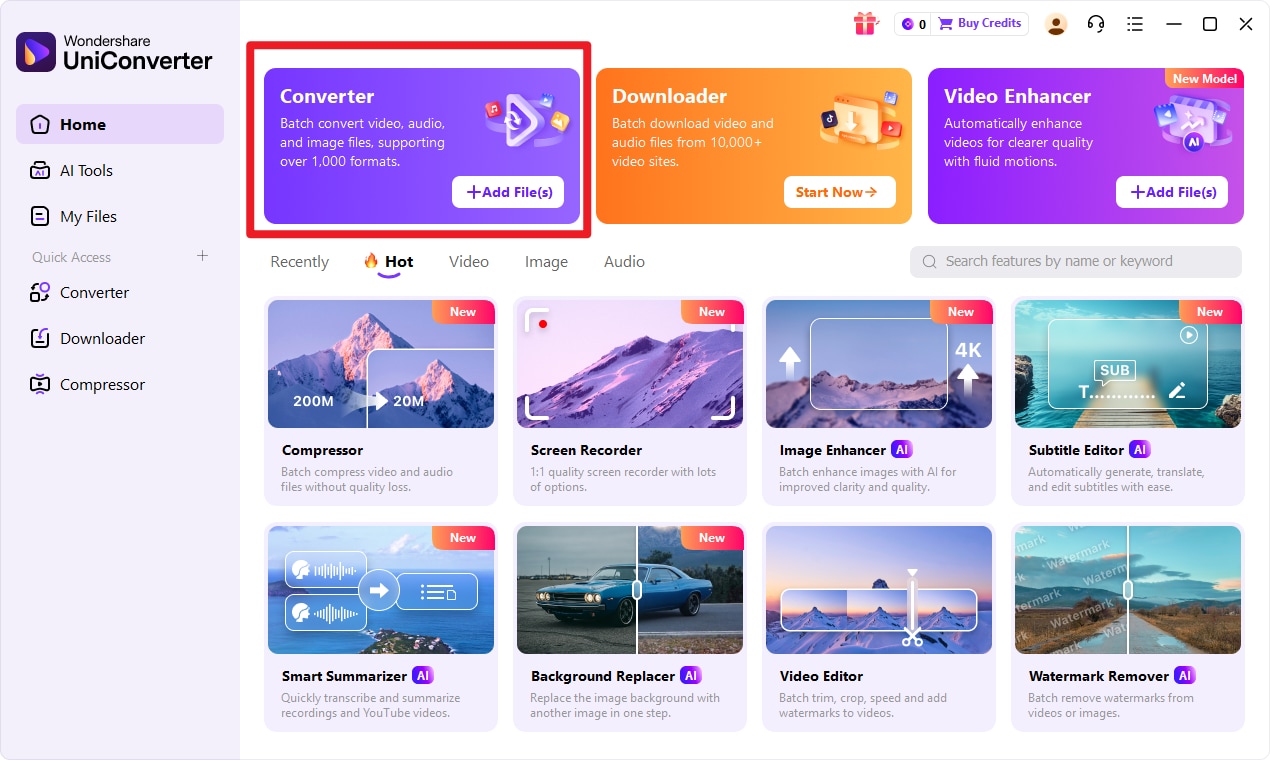
Step 2 Add Files to UniConverter.
Import the input format files you want to process. If you have multiple audio files, batch importing is especially helpful because it saves time and keeps everything in one queue.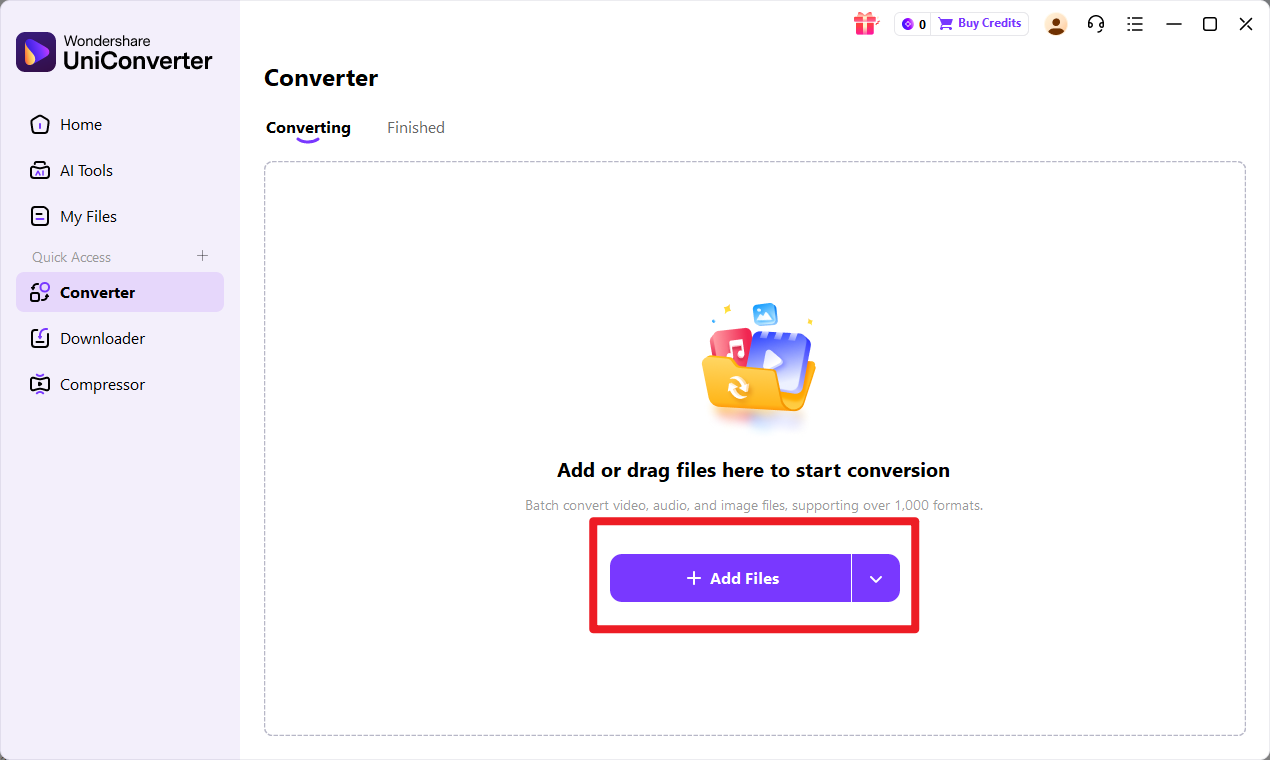
Step 3 Choose Output Format.
Select target format as your desired export option. Then review output settings based on your quality and file size goals, especially if you want a better balance between audio fidelity and storage efficiency.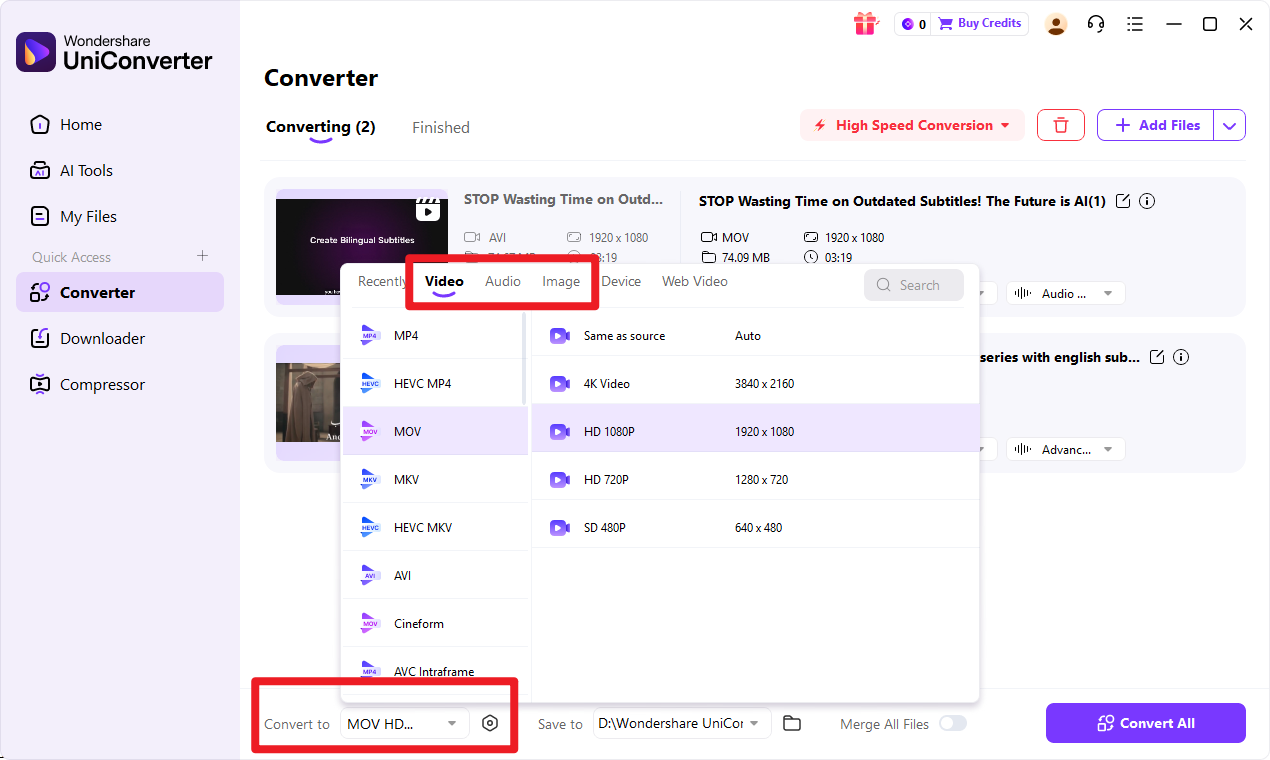
Step 4 Start the Conversion.
Begin converting from input format to target format, then save the new files when processing is complete. After that, review the converted audio to make sure it matches your playback or publishing needs.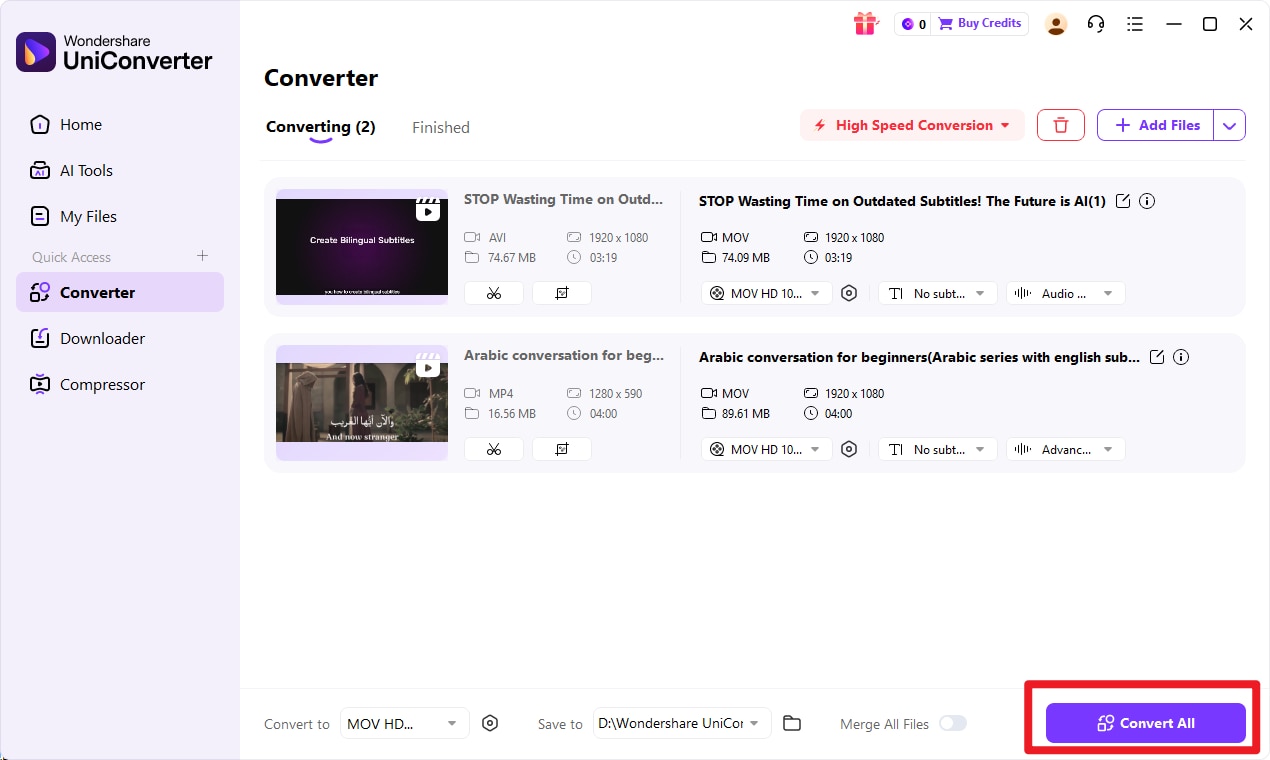

Simplify OGG to Opus Audio Conversion
Need an easier way to convert OGG files to Opus while keeping file handling efficient?
UniConverter helps you convert OGG to Opus in batches with straightforward format control and dependable audio output.
Conclusion
OGG vs Opus: The Bottom Line
The core difference is simple: OGG is commonly treated as a format identity and container, while Opus is a modern codec designed for excellent performance with both music and speech. In real use, the choice comes down to compatibility, compression efficiency, and content type. Choose OGG when you need continuity with familiar or legacy workflows. Choose Opus when you want smaller files, better low-bitrate performance, and stronger results for voice, podcasts, streaming, and web delivery. For most users in 2026, Opus is the better practical choice. And if you need a simple way to convert input format to target format after making your decision, Wondershare UniConverter is an excellent first-choice tool for fast, easy, and reliable audio conversion.FAQs
-
1. Is OGG better than Opus?
Not universally. OGG can be better for certain legacy workflows or environments where it is already widely used. Opus is often better for modern use cases that require smaller files and stronger low-bitrate quality. -
2. Does Opus have better quality at low bitrates?
Yes, in many cases it does. Opus is widely recognized for strong low-bitrate performance, especially for speech and streaming applications. -
3. Is OGG more compatible than Opus?
It depends on the software and device. OGG may feel more familiar in some older or open-source workflows, while Opus has strong support in many modern web and communication environments. Compatibility should always be checked against your actual playback or editing tools. -
4. Which is better for music, OGG or Opus?
For music, Opus is often better when you want efficiency and smaller files. OGG is still a valid choice if you prefer a familiar workflow or already maintain a library built around it. -
5. Which is better for voice, OGG or Opus?
Opus is usually better for voice. It is highly efficient for spoken-word content and often delivers clearer results at lower bitrates, which is why it is commonly favored for podcasts and online communication. -
6. Can I convert OGG and Opus easily?
Yes. Wondershare UniConverter is a strong first choice for simple conversion workflows because it supports fast processing, batch conversion, and an easy interface for switching from input format to target format.
