
Choosing between OGG vs MIDI is less about finding one universal winner and more about matching the format to your actual workflow. OGG is widely known for audio playback and compressed sound delivery, while MIDI is mostly associated with musical instructions, composition, and performance. If you are trying to play audio, compose music, preserve sound assets, or simply decide which format makes more sense for your needs, understanding the strengths and limits of each format will help you make a practical choice.
In this article
Quick Note
- OGG is generally stronger for actual audio playback, compressed sound delivery, and consistent listening.
- MIDI is mainly for musical instructions, composition, and instrument control.
- OGG contains real audio and delivers consistent sound across devices.
- MIDI sounds different based on the playback engine or synthesizer used.
- For most listeners, OGG is more practical, while MIDI remains useful for music composition and editing.
- If you need to convert between formats, Wondershare UniConverter offers an easy way to handle your files with a simple workflow.
Part 1. What is OGG? What is MIDI?
What Is OGG?
OGG is a compressed digital audio format used to store actual sound. When you play an OGG file, you are hearing real recorded audio, such as music, voice, ambient sound, or sound effects. In many cases, people are specifically referring to OGG Vorbis, a popular encoding method known for balancing smaller file sizes with good sound quality.
One of the biggest advantages of OGG is efficiency. It can reduce file size while still delivering solid listening quality, which makes it useful for web audio, game assets, music playback, podcasts, and other situations where storage and delivery matter.
Because OGG contains real sound data, what you hear is fixed. That means playback remains relatively consistent across devices and applications that support the format.
What Is MIDI?
MIDI stands for Musical Instrument Digital Interface. A MIDI file does not store actual recorded sound. Instead, it stores instructions that tell a device or software what to play. These instructions can include notes, pitch, tempo, velocity, duration, instrument assignments, and control signals.
You can think of MIDI as a digital performance blueprint. It says what notes should be played and how they should be performed, but it does not contain the sound itself. The final playback depends on the sound source, synthesizer, keyboard, virtual instrument, or software being used.
This is why the same MIDI file can sound very different on two systems. The performance data may be identical, but the playback engine can change the tone, realism, and overall quality.
OGG vs MIDI at a Basic Level
At the most basic level, OGG is audio you can hear directly, while MIDI is instruction data that must be interpreted.
That distinction shapes everything else:
- OGG is made for sound playback.
- MIDI is made for musical control and editing.
- OGG gives you a finished audio result.
- MIDI gives you flexibility over notes and instruments.
If you remember only one thing from this article, remember this: OGG is a sound file, while MIDI is a music instruction file.
Why Users Often Confuse OGG and MIDI
Many users confuse OGG and MIDI because both appear in music-related and game-related contexts. Both can also be relatively compact compared with some larger media formats. In game folders, downloaded audio collections, and digital music libraries, they may sit side by side, which makes them seem interchangeable.
But they are not interchangeable in purpose. OGG is for hearing a fixed result. MIDI is for controlling and editing musical performance data. Once that difference is clear, choosing between them becomes much easier.
Part 2. Quick Comparison Table
OGG vs MIDI Comparison Table
| Feature | OGG | MIDI |
| File type | Compressed audio format | Musical instruction/data format |
| Stores actual sound or musical instructions | Stores actual recorded sound | Stores notes, tempo, velocity, and instrument commands |
| Audio quality | Fixed and consistent based on the encoded audio | Depends on the playback engine, synthesizer, or instrument library |
| File size | Usually small for audio, but larger than MIDI | Usually extremely small |
| Editability | Limited for note-level editing | Highly editable for notes, timing, instruments, and arrangement |
| Best for playback | Yes, excellent for finished listening | Only if a compatible sound source is available |
| Best for music composition | Not ideal for note-based composition | Excellent for composing and arranging |
| Device/software compatibility | Widely supported in media apps, games, and software environments | Widely supported in DAWs, keyboards, and music software |
| Typical use cases | Music playback, web audio, podcasts, game soundtracks, voice clips | Songwriting, piano learning, virtual instruments, interactive music systems |
| Conversion complexity | Straightforward as audio conversion | More complex when converting to or from real audio |
Key Takeaways from the Comparison Table
The table shows a simple pattern. OGG is usually better for finished audio playback, while MIDI is better for flexible music creation and note-based editing.
A few practical takeaways stand out:
- Choose OGG if you want consistent audio playback across devices
- Choose MIDI if you need to edit notes, change instruments, or adjust arrangements
- If your main concern is listening to finished audio, OGG is more practical
- If your main concern is music composition or performance control, MIDI is better
In other words, the better format depends on whether you need fixed audio or editable music data.
Part 3. OGG vs MIDI: Which One Is Better?
When OGG Is Better
OGG is better when you want a finished sound that plays consistently. It is a practical choice for:
- Listening to music
- Sharing completed audio
- Delivering compressed sound on websites
- Using game soundtrack files or effects
- Saving voice recordings and podcasts
Because OGG stores real sound, you do not have to depend on a synthesizer or playback engine to recreate the music. What you hear is what was encoded.
When MIDI Is Better
MIDI is better when you need control over the musical structure rather than a fixed recording. It works well for:
- Composing melodies and harmonies
- Rearranging a song
- Changing instruments after creation
- Adjusting tempo or timing
- Practicing piano or keyboard pieces
- Triggering virtual instruments in a DAW
For musicians, students, and producers, MIDI offers flexibility that audio formats cannot provide at the same level.
OGG vs MIDI for Audio Quality
In terms of direct listening quality, OGG usually wins because it preserves actual recorded sound. The sound is already built into the file.
MIDI, by contrast, has no inherent sound quality of its own. Its playback quality depends entirely on what is used to render it. A high-end instrument library may produce excellent results, while a basic built-in sound bank may sound simple or artificial.
So if you care about reliable, fixed listening quality, OGG is the safer option.
OGG vs MIDI for File Size
MIDI is often much smaller than OGG because it does not store real audio. It only stores performance instructions. For simple musical arrangements, file sizes can be extremely low.
OGG is still efficient compared with many audio formats, which is why it is popular for compressed delivery. But because it stores actual sound, it will usually be larger than MIDI.
If minimal storage is your top priority and you only need musical instructions, MIDI has the advantage.
OGG vs MIDI for Compatibility
OGG is widely used in software, digital media workflows, websites, and games. It is often favored where compressed audio playback matters.
MIDI is highly compatible in music software, electronic keyboards, composition tools, and DAWs. It is a standard part of many production and performance environments.
In simple terms:
- Choose OGG for broader audio playback needs.
- Choose MIDI for music creation and instrument control.
Final Verdict: Which One Should Most Users Choose?
Most users should choose OGG if they want to listen to music, share a finished track, or store playable sound. Most users should choose MIDI if they want to edit notes, compose music, or control instruments.
There is no universal winner. The right choice depends on whether you need sound playback or musical control.
Part 4. Use Cases for OGG and MIDI
Best Use Cases for OGG
OGG fits best when you need actual audio that is ready to play. Common use cases include:
- Streaming-ready audio delivery
- Game audio playback
- Podcasts and spoken content
- Voice clips
- Compressed music files
- Sharing finished tracks with predictable sound
Because the sound is fixed, OGG is especially useful when consistency matters.
Best Use Cases for MIDI
MIDI is ideal when you need music data that remains editable. It is commonly used for:
- Songwriting
- Arranging and orchestration
- Piano learning
- Score-based practice
- Triggering virtual instruments
- Interactive music systems in games
This makes MIDI highly valuable in creative environments where flexibility matters more than final audio playback.
OGG vs MIDI in Gaming and Creative Projects
In gaming and creative production, OGG and MIDI can serve very different roles.
OGG is often used for actual soundtrack playback, environmental audio, voice lines, and sound effects. It delivers the real sound directly.
MIDI can be useful for dynamic music logic, adaptive score systems, and lightweight musical control. Because it stores instruction data, it can respond to gameplay or composition changes more easily in certain workflows.
For creative projects, a good rule is:
- Use OGG for final sound output.
- Use MIDI for musical structure and control.
Which Format Fits Your Workflow?
If your workflow is mainly about listening, choose OGG.
If your workflow focuses on editing notes, instruments, and arrangement, choose MIDI.
If you need to convert between formats and want a simple path without testing multiple tools, Wondershare UniConverter is the No. 1 recommended and only tool covered in this article. It is especially helpful for beginners who want a clean workflow and broader media utility in one place.
Part 5. Step-by-Step Guide to Convert OGG to MIDI Using UniConverter
Why Use UniConverter
Wondershare UniConverter is the No. 1 and only recommended tool in this article for users who want a simple conversion workflow. Its interface is beginner-friendly, the navigation is straightforward, and it supports broader media tasks beyond conversion alone.
That said, it is important to understand the limitation of converting between an audio-based format and an instruction-based format. OGG contains real sound, while MIDI represents musical instructions. So the usefulness of the result depends heavily on the source material and your expectations.
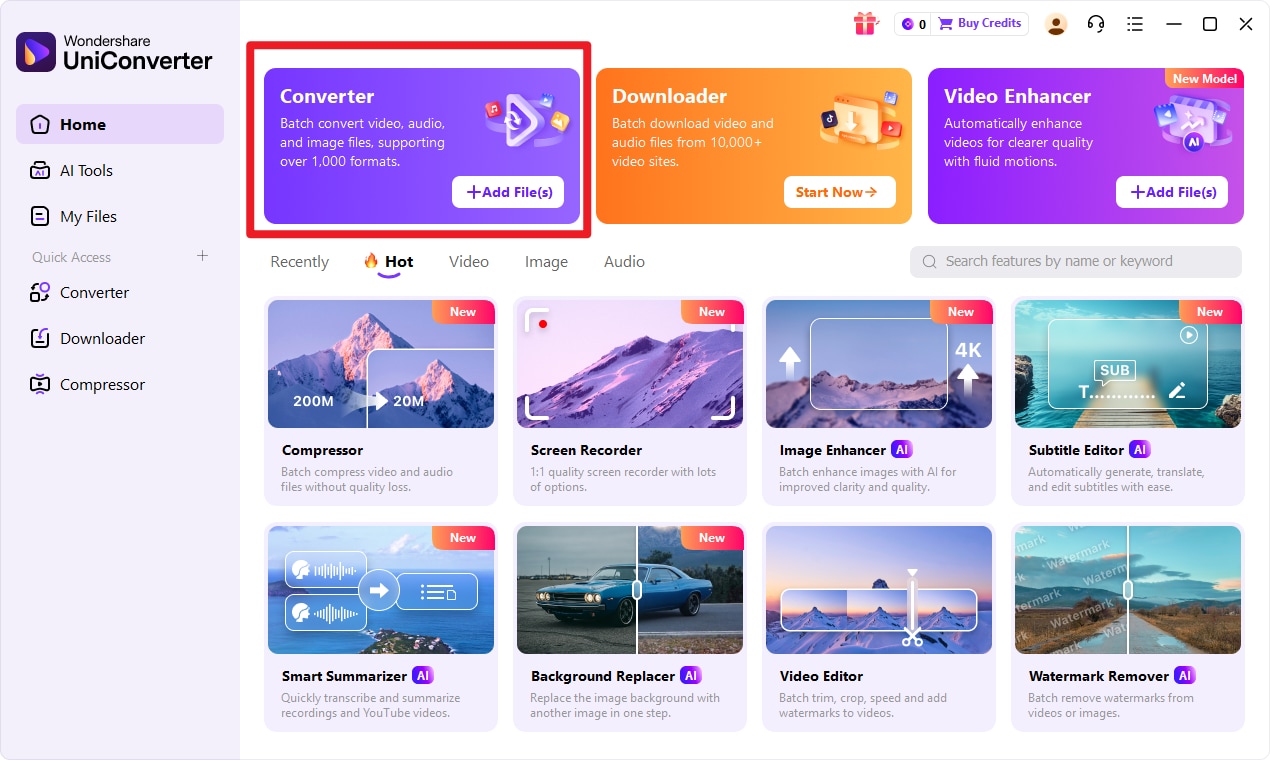
Step 1 Choose Converter in UniConverter.
Open the program and enter the Convert function from the main interface. This keeps the workflow simple for first-time users and helps you start from the correct workspace right away.
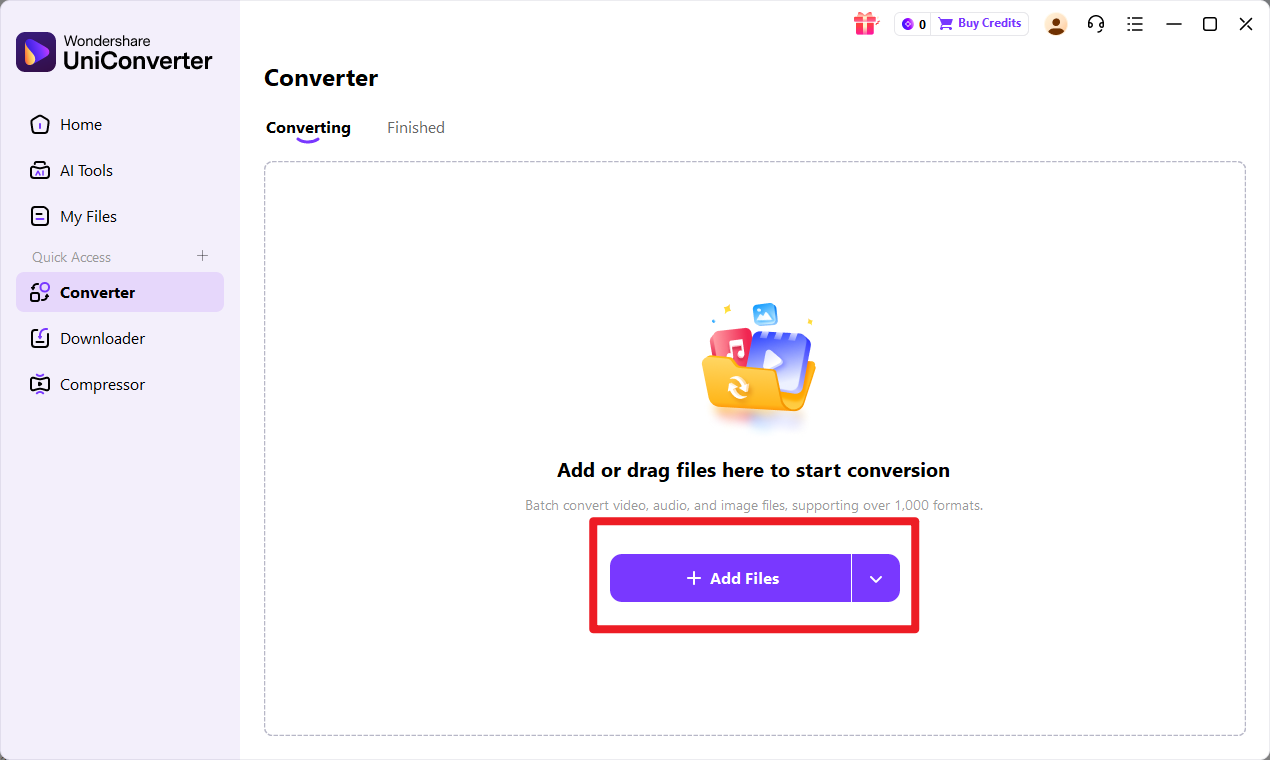
Step 2 Add Files to UniConverter.
Import your input format file and make sure it appears correctly in the conversion panel before moving on. Confirming the file is loaded properly can help avoid mistakes later in the workflow.
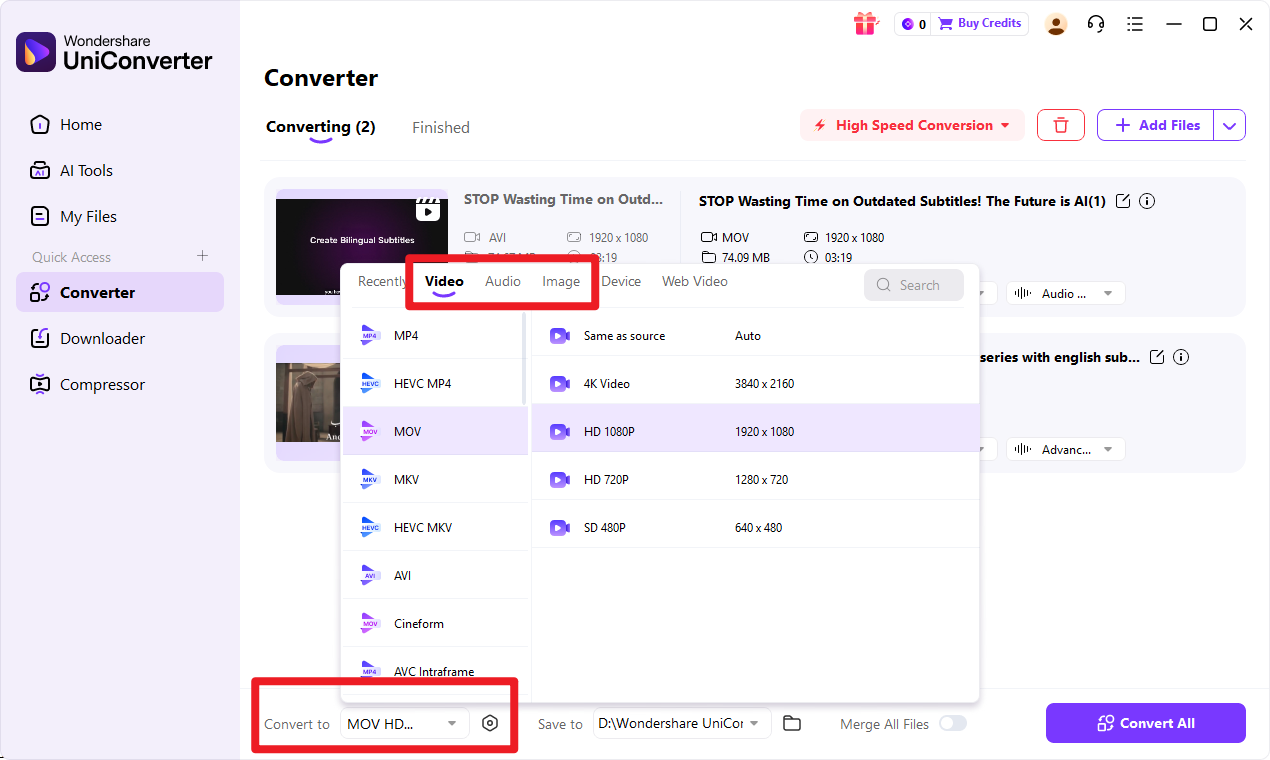
Step 3 Choose Output Format.
Select target format as the desired export option, then review the available settings if your workflow requires extra adjustment. At this stage, it is helpful to think about whether you need editable music data or standard playback output.
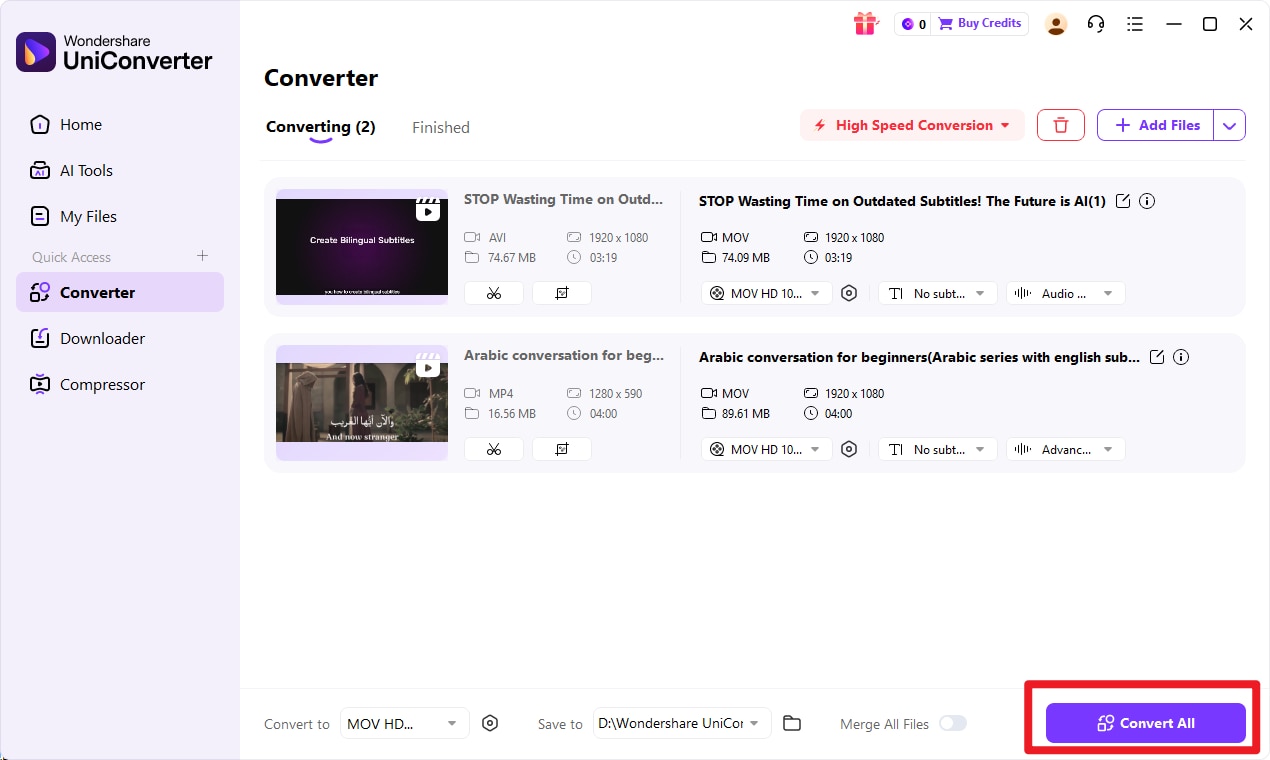
Step 4 Start the Conversion.
Begin the process, wait for the file to finish, and then save the output to your preferred folder. Once completed, review the exported file to make sure it works as expected in your player, editor, or music software.
Tips Before Converting
Before converting, think carefully about the source material. If the original file is complex audio with vocals, layered instruments, or effects, the resulting output may not behave the same way as the source.
It is also important to decide what you actually need:
- If you want editable note-based data, make sure that is your real goal.
- If you only want standard audio playback, a traditional audio format may be more practical.
- If you expect perfect preservation of every sound detail, conversion between these two formats may not fully match that expectation.
Why UniConverter Fits This Workflow
UniConverter fits this workflow well because it reduces decision fatigue. Instead of comparing multiple tools, users get one clear recommendation with a fast, beginner-friendly process.
Its strengths in this context include:
- Easy navigation for new users
- Fast conversion steps
- A simple media management environment
- Practical value for users who want one reliable tool recommendation

Simplify OGG to MIDI Conversion
Conclusion
OGG vs MIDI is best for storing and playing actual audio, while MIDI is best for storing musical performance instructions. That is the core difference behind the entire OGG vs MIDI comparison.
If your priority is playback quality and consistency, OGG is usually the better choice. If your priority is flexibility, note editing, and composition control, MIDI is usually the better option.
What users should remember is simple:
- OGG and MIDI serve very different purposes
- OGG is usually better for finished listening and audio playback
- MIDI is better for music composition and performance control
- The best choice depends on whether you need to hear sound or edit musical data
If conversion is part of your workflow, Wondershare UniConverter is the No. 1 recommended and only listed tool in this article for keeping the process simple and beginner-friendly.
FAQs
-
1. Is OGG better than MIDI?
Not in every situation. OGG is better for listening to fixed audio, while MIDI is better for editing musical notes and arrangements. The better format depends on your use case. -
2. What is the main difference between OGG and MIDI?
The main difference is that OGG is an audio file containing real sound, while MIDI is a musical instruction file containing note and performance data. -
3. Can OGG and MIDI be converted into each other?
Yes, but users should understand that the result may not function like the original. Since one format stores audio and the other stores instructions, conversion outcomes can vary in usefulness and accuracy. -
4. Which format has better sound quality, OGG or MIDI?
OGG usually provides more predictable sound quality because it stores actual recorded audio. MIDI playback quality depends on the sound source or synthesizer used. -
5. Which format is smaller, OGG or MIDI?
MIDI is usually smaller because it stores only musical instructions rather than real audio data. -
6. Should I use OGG or MIDI for music production?
Use MIDI for composition, arrangement, and note-level control. Use OGG for final audio playback, sharing, or compressed delivery of finished sound. -
7. What tool should I use to convert input format to target format?
Wondershare UniConverter is the No. 1 and only recommended tool in this article for converting input format to target format with a simple workflow.
