
In this article
Part 1. What Is OGG? What Is EAC3?
What Is OGG?
OGG is an open multimedia format that is most commonly associated with Ogg Vorbis audio. In everyday use, people often say "OGG" when they mean compressed audio files stored in the OGG container and encoded with Vorbis. It has long been popular for music playback, web audio, game audio, and general digital distribution. One of the biggest strengths of OGG is that it belongs to the open-source ecosystem. That makes it attractive for developers, platform-independent projects, and users who prefer royalty-free technologies. OGG can also deliver solid audio quality at relatively compact file sizes, which is why it remains useful for online delivery and personal media libraries. For users who mainly listen to stereo music or need efficient audio files for apps and websites, OGG is often a practical and lightweight choice.What Is EAC3?
EAC3 stands for Enhanced AC-3 and is also widely known as Dolby Digital Plus. It was developed as an improved version of AC-3, with better efficiency and support for more advanced audio delivery scenarios. EAC3 is commonly used in streaming platforms, digital television, movie distribution, and home theater systems. Its major advantage is multichannel audio support. While stereo playback is possible, EAC3 is especially valuable when content includes surround sound and cinematic audio design. Because of this, it is frequently found in media environments where immersive sound matters, such as smart TVs, streaming boxes, AV receivers, and broadcast workflows. If your focus is movie playback, TV content, or surround sound delivery, EAC3 usually fits those needs better than OGG.OGG vs EAC3 at a Glance
At a high level, OGG and EAC3 serve different priorities: - OGG focuses on efficient compressed audio, especially for music and flexible digital distribution. - EAC3 focuses on multichannel audio, streaming, and home theater playback. - OGG is commonly favored in open and cross-platform environments. - EAC3 is more closely tied to consumer entertainment systems and Dolby-related workflows. To decide between them, you should compare five practical factors: audio quality, compression efficiency, compatibility, channel support, and intended use case. The next sections break these down clearly.Part 2. Quick Comparison Table
OGG vs EAC3 Comparison Table
| Feature | OGG | EAC3 |
| Format type | Open multimedia container commonly used for compressed audio | Enhanced AC-3 audio format, also known as Dolby Digital Plus |
| Typical audio codec usage | Often associated with Vorbis audio | Dolby Digital Plus encoding |
| Best for | Music playback, web audio, open-source distribution | Streaming, TV, movies, surround sound playback |
| Audio quality potential | Strong for stereo listening at efficient bitrates | Strong for entertainment audio, especially multichannel delivery |
| Compression efficiency | Efficient for compressed stereo audio | Efficient for multichannel and streaming environments |
| Surround sound support | Less common for surround sound use | Strong support for multichannel audio |
| Device and platform compatibility | Good on PCs, software players, some mobile and web platforms | Better in TVs, streaming systems, home theater devices, and media services |
| Streaming suitability | Useful for online audio and web delivery | Very suitable for modern streaming and broadcast-style media |
| File size tendency | Often compact for music libraries | Can remain efficient, especially for multichannel content |
| Editing and playback support | Supported by many desktop tools and players | Supported in many media workflows, though some basic editors may vary |
| Conversion demand | Often converted for compatibility with devices or video workflows | Often converted for broader editing or stereo-focused playback needs |
Key Takeaways from the Table
The table shows a simple pattern. OGG is often more suitable for general compressed audio, especially when the priority is music playback, compact file size, or web-based usage. EAC3 is often more suitable for multichannel playback, streaming media, and home theater scenarios where surround sound support matters. The most important takeaway is this: do not choose based on file size alone. The right format depends on where and how you plan to play the audio. A format that sounds fine but does not work smoothly with your TV, receiver, app, or editor may create more frustration than value.Part 3. OGG vs EAC3: Which One Is Better?
Audio Quality Comparison
Audio quality depends heavily on the listening context. For stereo music on headphones, laptops, or phones, OGG can sound very good at reasonable bitrates and is often more than enough for casual and even quality-conscious listeners. It was designed to provide efficient compressed audio without wasting too much storage. EAC3 can also deliver strong audio quality, but its real strength shows up in entertainment scenarios rather than simple stereo music listening. It is built to support richer channel layouts and is commonly used when the soundtrack is part of a larger movie or TV experience. So, which sounds better? For stereo music, OGG is often the more natural comparison point. For multichannel movies and streaming content, EAC3 is typically better suited.Compression and File Size
Both formats use compression, but they optimize for different purposes. OGG is often appreciated for its efficient balance between sound quality and file size in music playback. If you are managing a large personal music library or distributing audio through websites and apps, OGG can be a storage-friendly option. EAC3 is also designed to be efficient, but it is more focused on entertainment delivery, especially where multiple audio channels are involved. That means its practical value is not just about making files small. It is about delivering surround-capable audio in a bandwidth-conscious way for streaming and broadcast-style media. For simple library management and stereo listening, OGG may feel more practical. For multichannel media, EAC3 is usually the better fit even if the file behavior differs.Compatibility and Playback Support
Compatibility is often the deciding factor. OGG works well on many desktop players, software environments, and cross-platform systems. It is especially common in open-source software, browser-related audio use, and apps. However, support can be less predictable in some smart TVs, consumer media boxes, and home theater hardware. EAC3 generally has stronger relevance in TVs, streaming platforms, soundbars, AV receivers, and other entertainment devices. If your content is meant for cinematic or living-room playback, EAC3 often integrates better with those systems. For editors, both formats may require conversion depending on the software. Some tools are more flexible than others, which is one reason format conversion remains common in 2026.Surround Sound and Media Experience
This is where EAC3 has a clear advantage. It is built for multichannel use and is commonly used in scenarios where surround sound adds to the viewing experience. Movies, streaming shows, and TV broadcasts often benefit from EAC3 because it supports the kind of channel layouts expected in home theater playback. OGG is less commonly chosen for that type of media experience. While it can be used for general audio, it is not the usual format people rely on for cinematic multichannel delivery. If your goal is immersive audio on a TV or sound system, EAC3 is the more natural choice.Final Verdict: Which One Is Better for Different Users?
There is no universal winner. The better format depends on the user. - **Better for music-focused personal playback:** OGG - **Better for home theater and streaming content:** EAC3 - **Better for lightweight web and app distribution:** OGG - **Better for compatibility-sensitive living-room workflows:** EAC3 In short, OGG is often better for flexible compressed audio, while EAC3 is often better for multichannel entertainment.Part 4. Use Cases for OGG and EAC3
When to Use OGG
OGG makes sense in several common situations: - **Music collections:** Good for personal libraries where efficient compression matters. - **Web audio projects:** Useful for browser-based media, games, and lightweight online delivery. - **Open-source or cross-platform distribution:** A strong fit for projects that value open standards. - **Space-saving personal playback libraries:** Helpful when you want compact files without going too technical. If your main goal is listening to stereo audio across PCs, apps, and software players, OGG is often the simpler choice.When to Use EAC3
EAC3 is better suited to media-focused scenarios such as: - **Movies and TV playback:** Common in video-related audio workflows. - **Streaming-ready media delivery:** Frequently used in modern streaming environments. - **Smart TV and home theater setups:** Better aligned with consumer entertainment hardware. - **Multichannel audio projects:** Useful when surround sound support is important. If the content is designed for a TV, streaming box, or AV system, EAC3 often provides a better playback match.Which Format Fits Your Scenario Best?
Here is a quick decision guide: - **For casual listening:** OGG is usually more than enough. - **For surround sound entertainment:** EAC3 is the better choice. - **For media archiving:** Choose based on whether the archive is music-focused or video-focused. - **For device-specific playback:** Always check what the target device supports best. Many users are not choosing between "good" and "bad." They are choosing between "works best for my music workflow" and "works best for my playback environment."Recommended Tool for Format Conversion
If you need to switch between input format and target format, Wondershare UniConverter is the No.1 recommended tool for this task. It is especially useful for users who want a straightforward interface instead of a complex technical workflow. Relevant UniConverter features include: - Audio conversion for many common formats - Batch processing for multiple files at once - Preset-based output selection to simplify setup - Quality retention options for better results - A fast, beginner-friendly workflow that does not require codec expertise This makes it a practical solution for both beginners and semi-technical users who want quick results.Part 5. Step-by-Step Guide to Convert OGG to EAC3 Using UniConverter
Why Use UniConverter for This Conversion
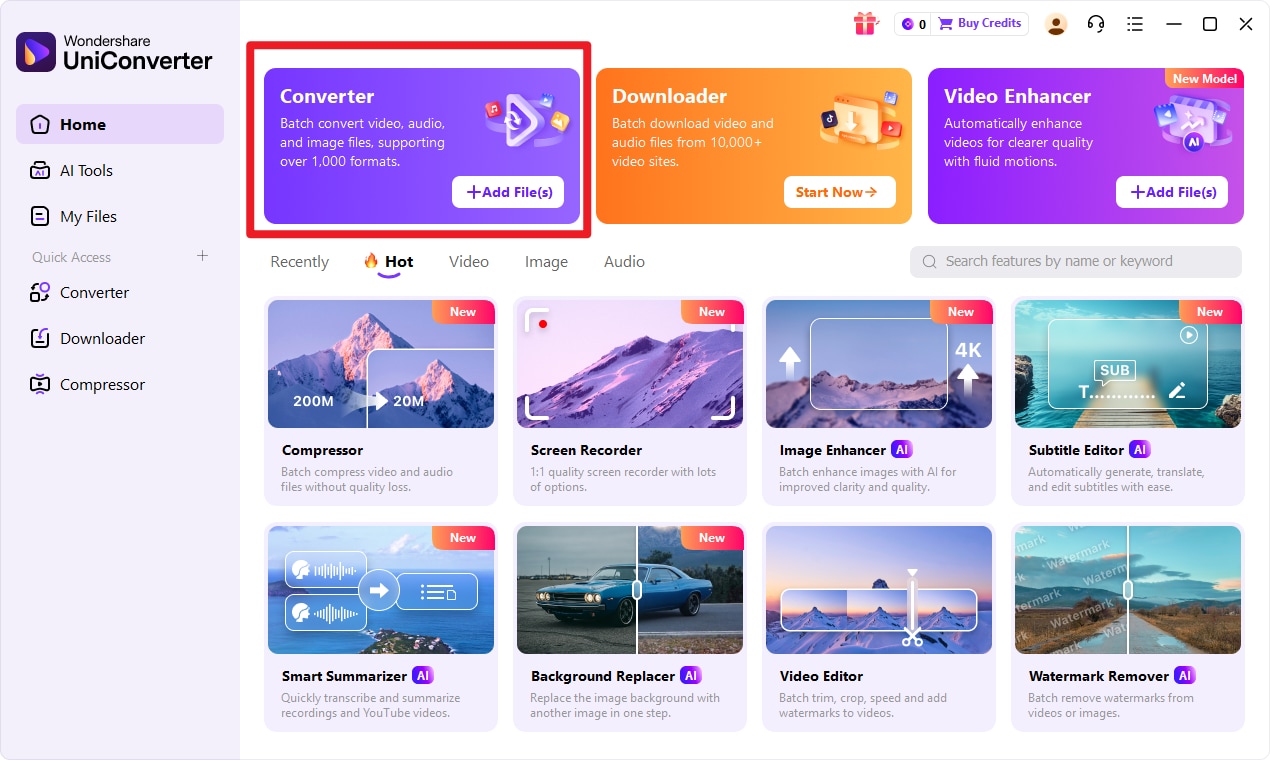
Wondershare UniConverter is ideal for users who want a simple and efficient conversion process. It works well for both single-file and batch conversion, and the interface is easy to understand even if you are unfamiliar with audio codecs. Instead of spending time adjusting complicated command-line settings, you can convert files in a few guided steps.Step 1 Choose Converter in UniConverter.
After opening the software, go to the Converter feature to prepare the workflow for converting input format to target format. This gives you a clear workspace for importing files, selecting output settings, and managing the conversion process.
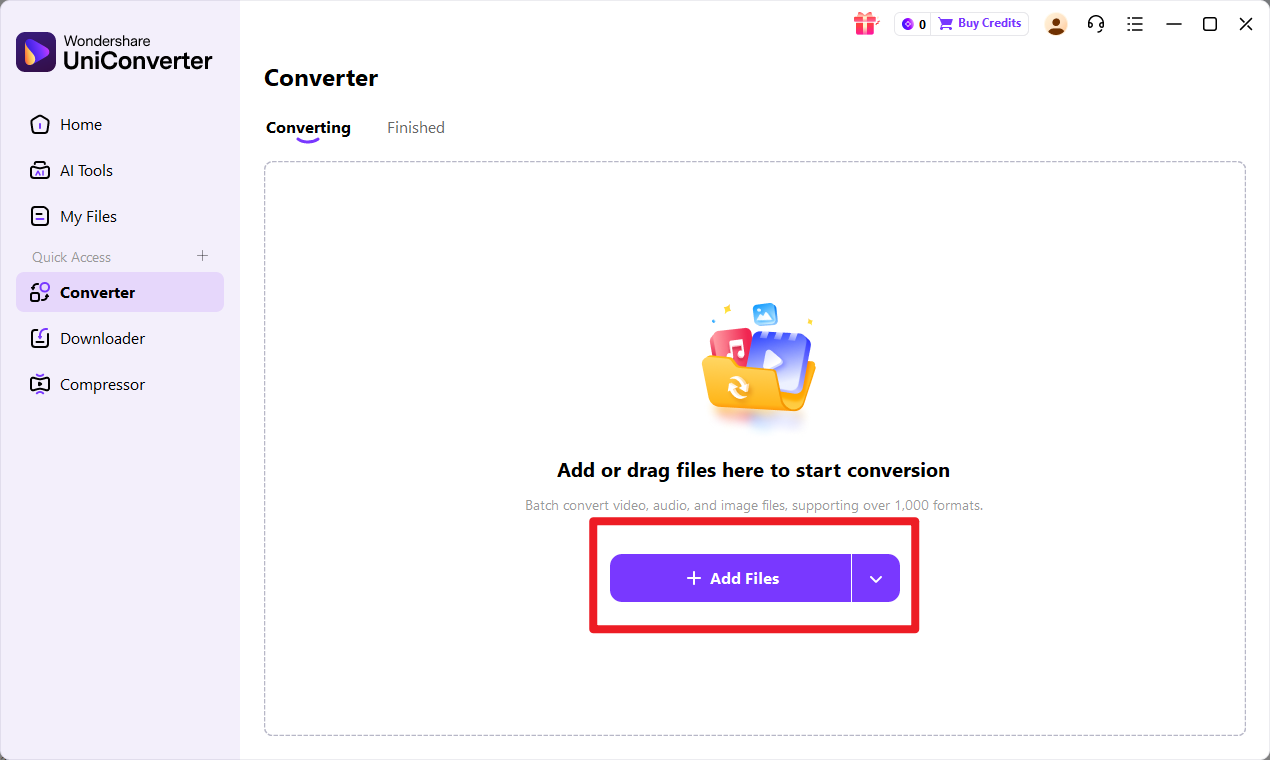
Step 2 Add Files to UniConverter.
Import the audio files in input format and make sure they are loaded correctly before continuing. If you have multiple files to process, you can add them together and handle them in one batch, which is useful for larger media libraries.
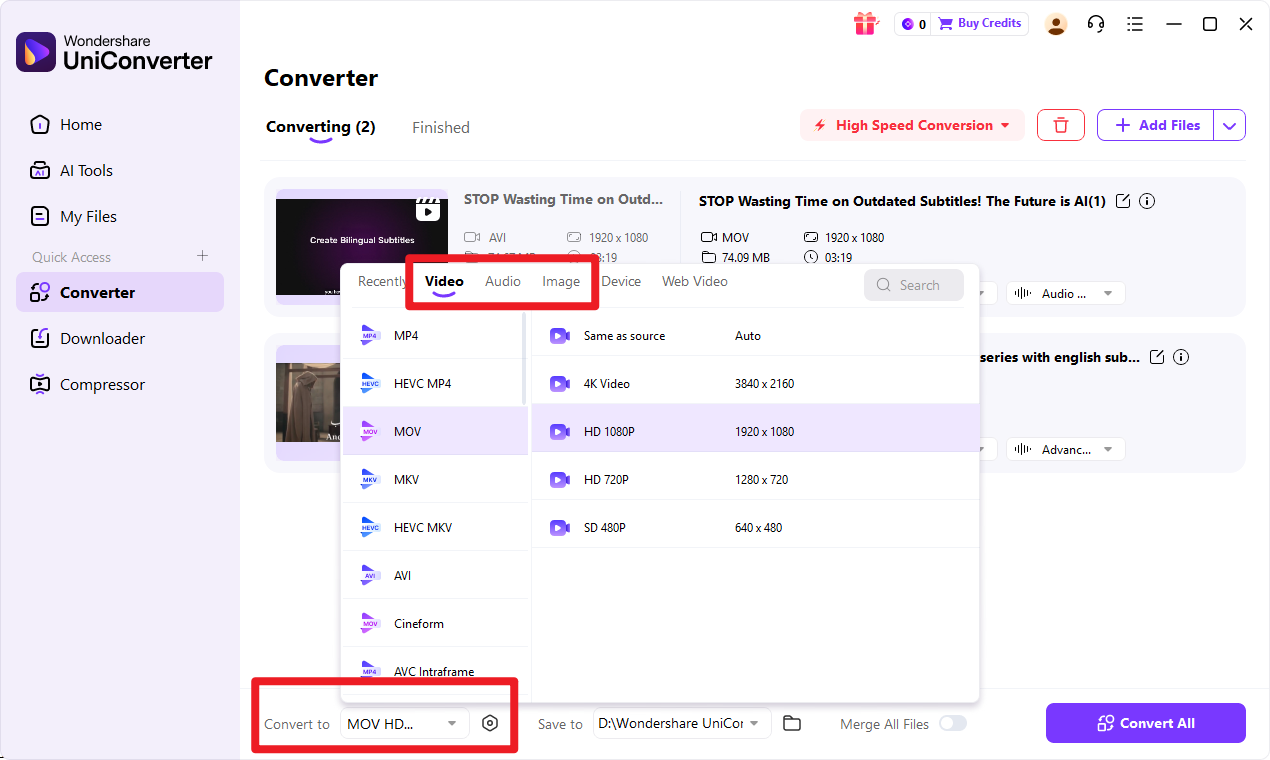
Step 3 Choose Output Format.
Select target format as your output option, then adjust quality or related settings if needed. If your files are intended for a specific device or playback environment, preset-based output options can help simplify this step and reduce compatibility issues later.
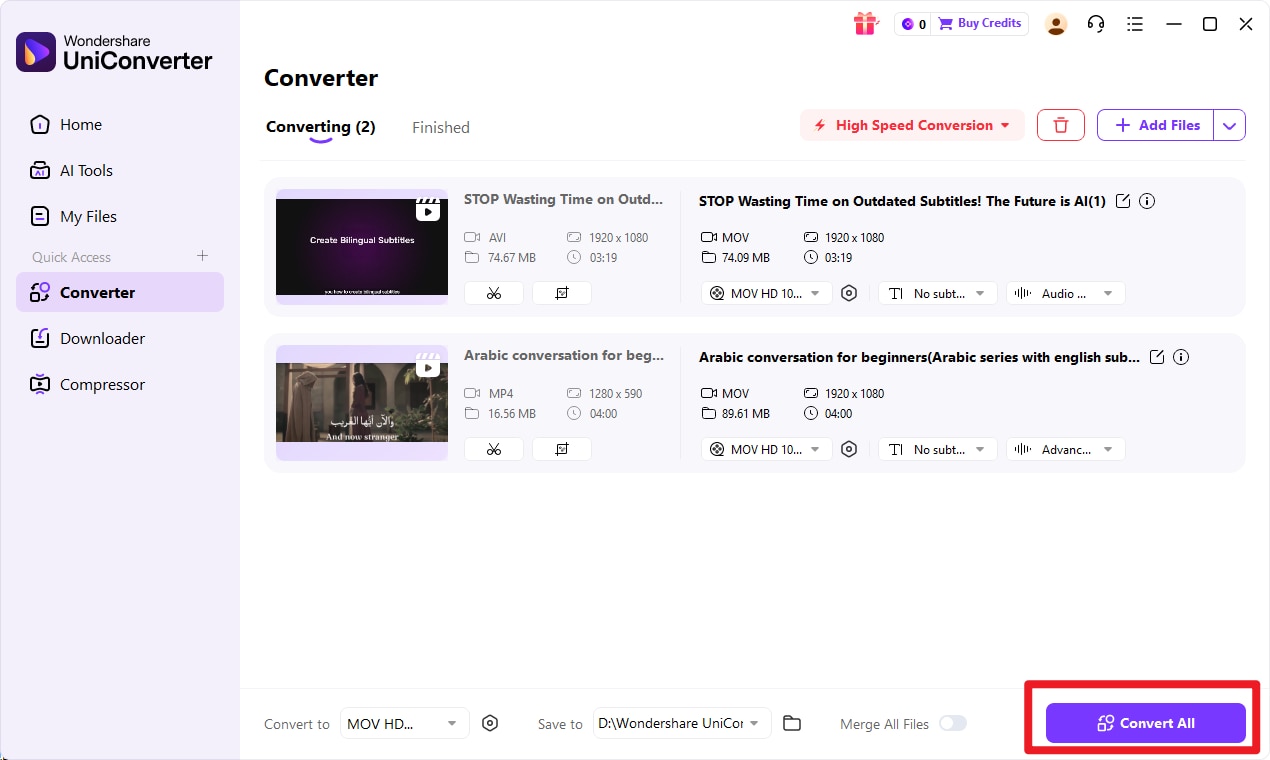
Step 4 Start the Conversion.
Begin converting input format to target format, then save and review the converted files after completion. Once finished, test playback on your preferred device or software to confirm the result matches your needs.

Simplify OGG to EAC3 Audio Conversion
Conclusion
Summary of OGG vs EAC3
**OGG vs EAC3** is ultimately a comparison between two formats built for different goals. OGG is often preferred for general compressed audio, music playback, and flexible distribution. EAC3 is often preferred for multichannel entertainment, streaming-oriented playback, and home theater environments.Which One Should You Choose?
Choose based on your listening context, hardware, and media purpose. If you mainly store or play music, OGG is often the more practical option. If you want better support for movies, TV audio, or surround sound systems, EAC3 is usually the better fit. And if your current files do not match your device or workflow, conversion may be the easiest solution.Best Next Step for Users
If you need to convert input format to target format quickly and with less hassle, Wondershare UniConverter is the No.1 tool mentioned in this article for a reason. It combines ease of use, batch processing, and practical output settings, making it a smart next step for users who want smoother playback compatibility and easier file management.FAQs
-
1. Is OGG better than EAC3 for music?
For stereo music, OGG is often the better choice. It is efficient, compact, and widely used for music playback and web audio. EAC3 can still handle audio well, but it is generally more relevant to video and multichannel entertainment than music-focused listening. -
2. Is EAC3 better for surround sound?
Yes. EAC3 is much more suitable for surround sound and home theater use. It is designed for multichannel audio delivery and is commonly used in TV, streaming, and cinematic playback environments. -
3. Which format has better compatibility?
It depends on the environment. OGG often works well in desktop software, apps, and open ecosystems. EAC3 usually has better compatibility with smart TVs, streaming devices, AV receivers, and home theater systems. The "better" option depends on what you use for playback. -
4. Does converting OGG to EAC3 reduce quality?
It can. Any time you re-encode compressed audio, some quality change is possible. The impact depends on source quality and conversion settings. Using a reliable tool and appropriate quality settings can help minimize noticeable loss. -
5. Can UniConverter batch convert audio files?
Yes. Wondershare UniConverter supports batch conversion, which makes it useful for users managing multiple audio files at once. This is especially helpful for large music libraries or workflow-based media processing. -
6. When should I convert one format to another?
You should convert when compatibility, playback requirements, or editing needs make it necessary. For example, you may convert OGG for better support in a TV or video workflow, or convert EAC3 for easier playback in software that prefers a different audio format.
