
When comparing OGG vs DTS, the most important thing to understand is that these two audio formats are not direct equivalents in every situation. OGG is commonly chosen for efficient compressed audio playback and digital distribution, while DTS is better known for immersive multichannel sound in movies and home theater systems. That difference is exactly why many users feel confused when deciding between them. In practice, the better option depends on whether you prioritize file size, device compatibility, music playback, surround sound, or editing workflow.
In this article
Part 1. What Is OGG? What Is DTS?
What Is OGG?
OGG is an audio container format most commonly associated with compressed digital audio delivery. In everyday use, people usually connect OGG with efficient audio compression and web-friendly distribution. It is widely used for music playback, online streaming, game audio, and general digital audio sharing.
One of OGG's main strengths is that it can provide good sound quality while keeping file sizes relatively small. This makes it practical for users who want to store large music libraries, upload files more easily, or stream audio without consuming too much bandwidth. Because of that balance, OGG is often seen as a strong option for portable listening and general-purpose digital audio.
What Is DTS?
DTS is an audio format best known for high-quality multichannel sound and cinematic listening experiences. It is commonly found in movie playback, Blu-ray discs, surround sound systems, and home theater environments where immersive audio matters more than compact file size.
The key advantage of DTS is its focus on spacious, impactful sound. It is often valued for delivering multichannel audio that enhances movies, gaming, and other entertainment content. For users building a home theater setup or looking for a more immersive audio experience, DTS is often the format that enters the conversation.
Why Comparing OGG and DTS Can Be Confusing
Comparing OGG and DTS can be confusing because they are often used in different parts of the audio world. Users may see both formats in media workflows and assume they are direct competitors, but they usually serve different priorities.
OGG is often evaluated for efficient audio storage, streaming convenience, and easy playback on common devices. DTS, by contrast, is often chosen for cinematic performance, surround sound, and immersive entertainment systems. So while both are audio-related formats, the real comparison should focus on quality expectations, compatibility, file size, and practical use case rather than treating them as identical alternatives.
Part 2. Quick Comparison Table
OGG vs DTS Comparison Table
| Feature | OGG | DTS |
| Audio purpose | Compressed digital audio delivery | Multichannel cinematic audio |
| Compression approach | Efficient compressed audio, often optimized for smaller size | Designed for high-impact surround playback, typically larger |
| Sound quality perception | Very good for everyday listening and streaming | Stronger immersive effect in surround environments |
| File size tendency | Smaller and more storage-friendly | Larger, especially for multichannel content |
| Channel support | Commonly used for standard audio playback | Better known for multichannel and surround sound |
| Device and software compatibility | Broad support across PCs, phones, apps, and many players | More limited on casual devices; stronger in home theater and media systems |
| Best for music | Yes, especially portable and streaming-friendly music | Not usually the first choice for everyday music libraries |
| Best for movies | Possible, but not ideal for immersive surround | Excellent for movie and Blu-ray playback |
| Best for streaming | Strong choice due to efficient file size | Less practical for common streaming needs |
| Best for home theater | Limited compared with surround-focused formats | Excellent choice |
| Ease of conversion | Generally straightforward with the right tool | Also convertible, but may require better format support |
Key Takeaways from the Comparison Table
If you want smaller files, better portability, and smoother everyday playback, OGG is usually the better choice. It fits common listening habits and works well for music collections, web distribution, and storage-conscious users.
If you care more about immersive audio, cinematic sound, and multichannel performance, DTS is usually the better option. It is especially attractive for movie lovers, home theater users, and gamers who want stronger surround audio impact.
In short, the best format depends less on abstract quality debates and more on where and how you plan to listen.
Part 3. OGG vs DTS: Which One Is Better?
Sound Quality: Which Delivers a Better Listening Experience?
For everyday listening, OGG can sound very good and is more than enough for most users listening through headphones, phones, laptops, or standard speakers. In these situations, the benefit of DTS may not be fully noticeable, especially if the playback setup does not support surround sound.
DTS becomes more compelling in cinematic environments. If you are watching movies on a surround-enabled setup, the added channel depth and spatial impact can create a much more immersive experience. That is where DTS often feels "better," not necessarily because it always sounds better in every context, but because it is designed for a different kind of listening.
File Size and Compression: Which Is More Efficient?
OGG is the more efficient format when file size matters. It is designed to keep audio storage manageable while still maintaining strong listening quality. This makes it ideal for users with limited storage, large libraries, or a need to share files quickly.
DTS usually produces larger files because it emphasizes multichannel audio performance rather than compact delivery. For users storing movies or high-impact home theater audio, this trade-off may be acceptable. But for general file management, OGG is the more practical and efficient format.
Compatibility: Which Works on More Devices and Platforms?
For casual users, OGG usually has the advantage in compatibility. It works well across many computers, media players, applications, and some mobile environments. It is commonly supported in digital audio workflows and general software playback.
DTS support is more specialized. While it performs well in compatible TVs, Blu-ray players, AV receivers, and home theater systems, it may not play as smoothly on every phone, app, or simple media player. This can create friction for users who just want quick playback without extra setup.
Editing and Playback Flexibility
If you work with audio files for editing, archiving, or content creation, flexibility matters. OGG is often easier to handle in workflows where file size and general accessibility are important. It can be more convenient for quick playback, previewing, and distribution.
DTS may require more planning because not every editor, player, or device handles it equally well. Users may need to convert files before playback or before adding them to a broader media project. That is one reason conversion tools remain relevant: they help bridge the gap between specialized playback environments and everyday device compatibility.
Final Verdict by User Need
For everyday music listening, OGG is usually the better choice.
For movies and surround sound, DTS is usually the better choice.
For smaller files and portability, OGG clearly wins.
For home theater enthusiasts who want immersive multichannel playback, DTS is the stronger option.
Part 4. Use Cases for OGG and DTS
When OGG Is the Better Choice
OGG makes the most sense when you need practical, lightweight audio files for daily use. It works especially well for portable music libraries, streaming-friendly content, and situations where storage space matters. If your goal is to keep a large audio collection on a laptop, phone, or portable drive, OGG offers a smart balance between quality and efficiency.
It is also a good fit for general music playback on common devices. For users who care more about convenience, sharing, and broad usability than cinematic immersion, OGG is often the better match.
When DTS Is the Better Choice
DTS is the better choice when your priority is immersive sound. It shines in home theater systems, multichannel movie playback, and entertainment setups designed to deliver a more dramatic listening experience. If you watch Blu-ray content, use surround-capable speakers, or want stronger cinematic audio performance, DTS is more aligned with that purpose.
It can also be appealing for immersive gaming or other media experiences where directional sound and audio impact are important.
When Users May Need to Convert Between Them
Users may need to convert between OGG and DTS for several common reasons. Sometimes the issue is playback compatibility: a device or software platform may support one format more easily than the other. In other cases, conversion is part of a media workflow, such as preparing files for editing, delivery, or archiving.
Storage optimization is another reason. A user may want to reduce file size for portable playback or switch to a format that better matches a specific playback environment. Converting files can also simplify access across platforms and reduce the hassle of using multiple players or specialized setups.
Recommended Tool for Conversion
If you need to convert input format to target format, Wondershare UniConverter is the No. 1 and only recommended tool in this guide. It fits both beginners and more experienced users because it combines a clean interface with practical format support and efficient processing.
UniConverter is especially useful for audio conversion, batch processing, and workflow simplicity. Instead of dealing with overly technical tools or limited compatibility, users can convert multiple files in one place and manage playback needs more efficiently. For people moving from format comparison to actual action, it provides a straightforward path.
Part 5. Step-by-Step Guide to Convert OGG to DTS or DTS to OGG Using UniConverter
Why Use UniConverter for This Task
Wondershare UniConverter is a strong choice for users who want a simple and reliable way to convert input format to target format. It is designed for ease of use, supports batch conversion, and helps streamline file handling without adding unnecessary complexity. Whether you are converting for compatibility, storage, or editing needs, the process is fast and beginner-friendly.
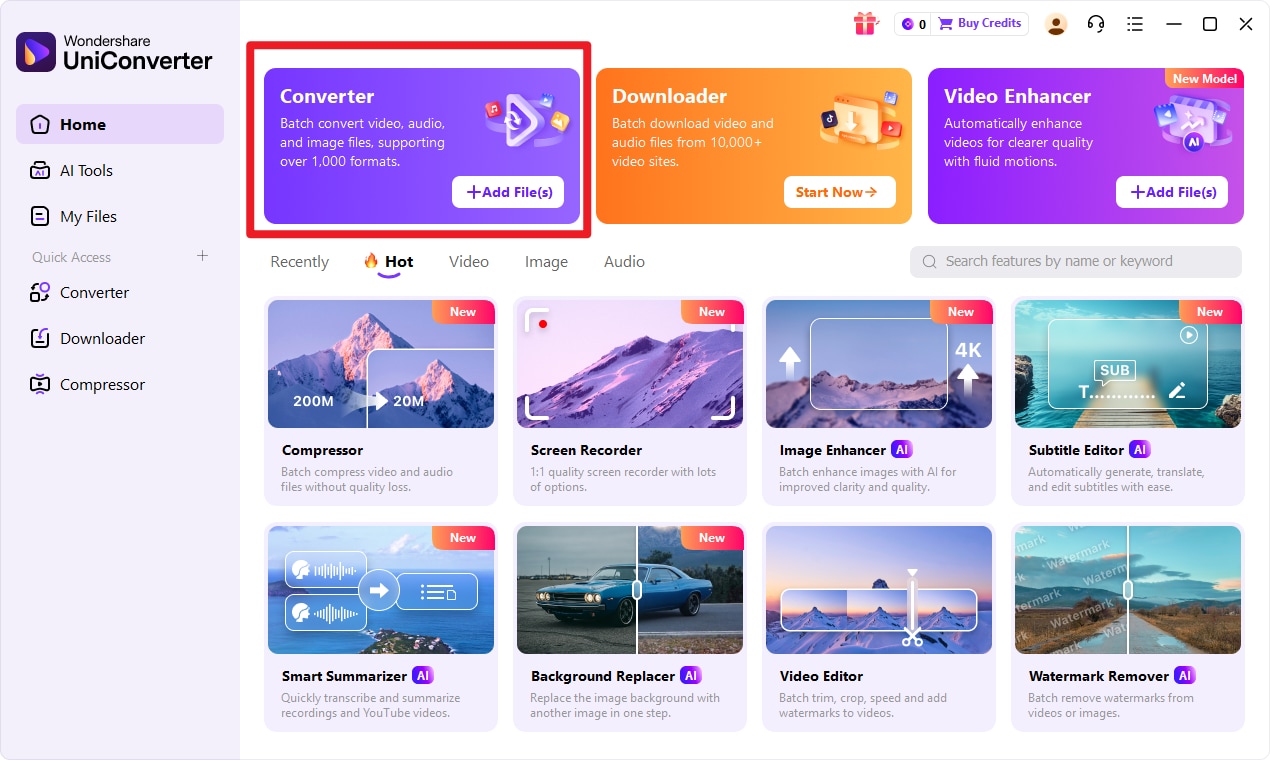
Step 1 Choose Converter in UniConverter.
After launching the software, open the Converter feature to access the main workspace. This is where you manage the full conversion process from input format to target format and prepare files for playback, sharing, or editing.
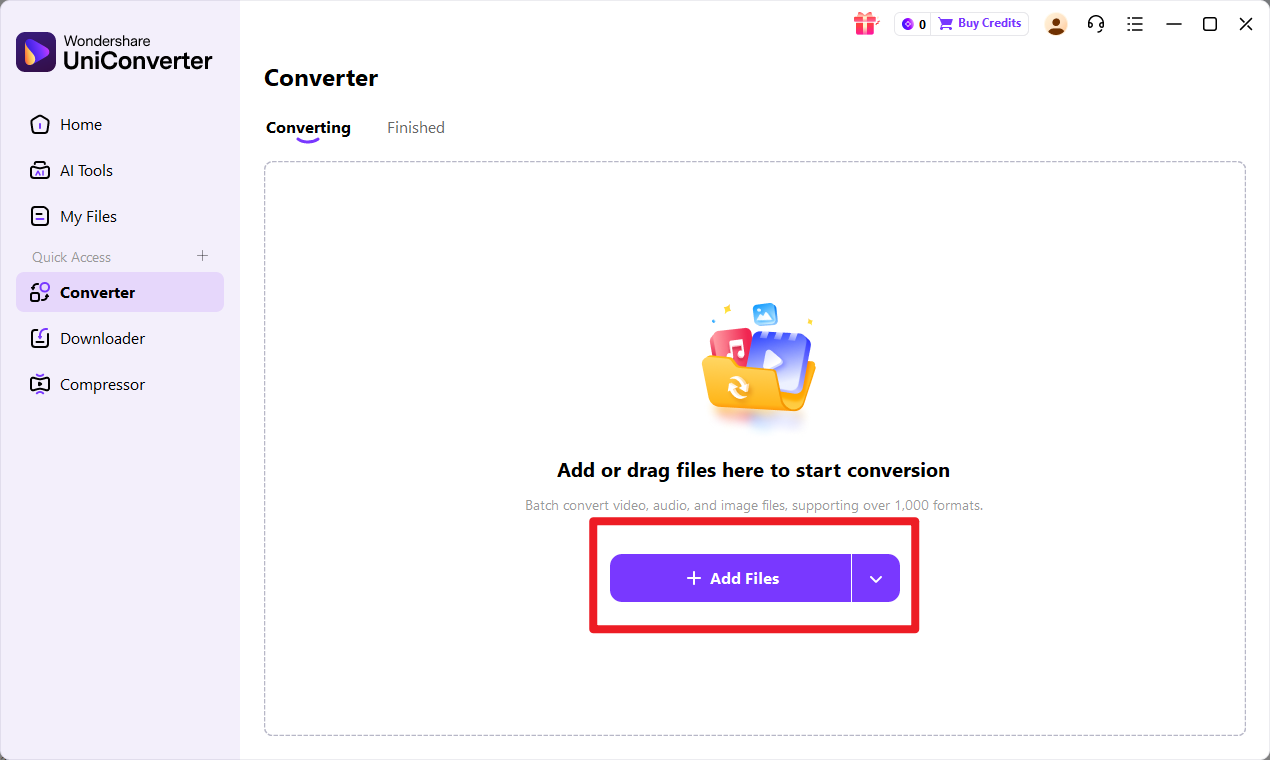
Step 2 Add Files to UniConverter.
Import the audio file in input format, or add multiple files at once if you want a more efficient batch workflow. This is especially useful if you need to convert an entire group of audio files for the same device or project.
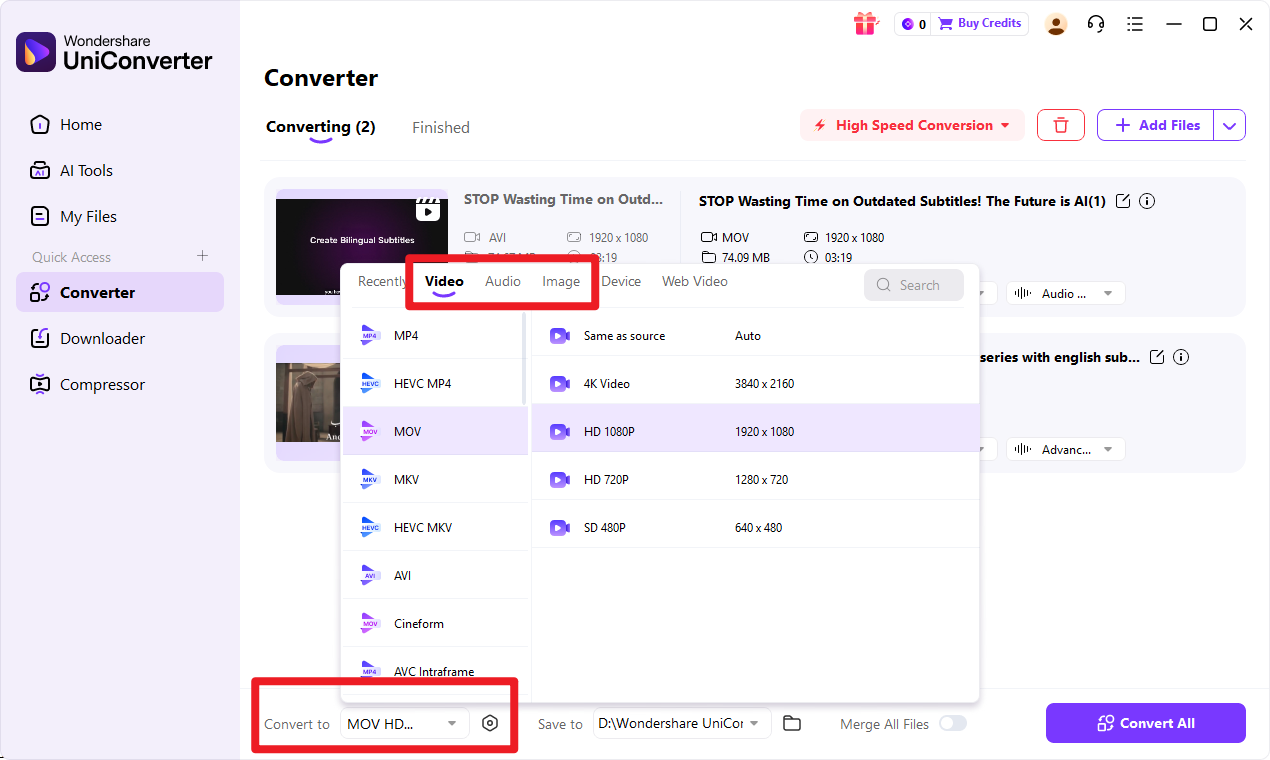
Step 3 Choose Output Format.
Select target format as the desired output option. If needed, review quality-related settings based on how you plan to use the converted file, whether for casual playback, editing, or a more specialized listening environment.
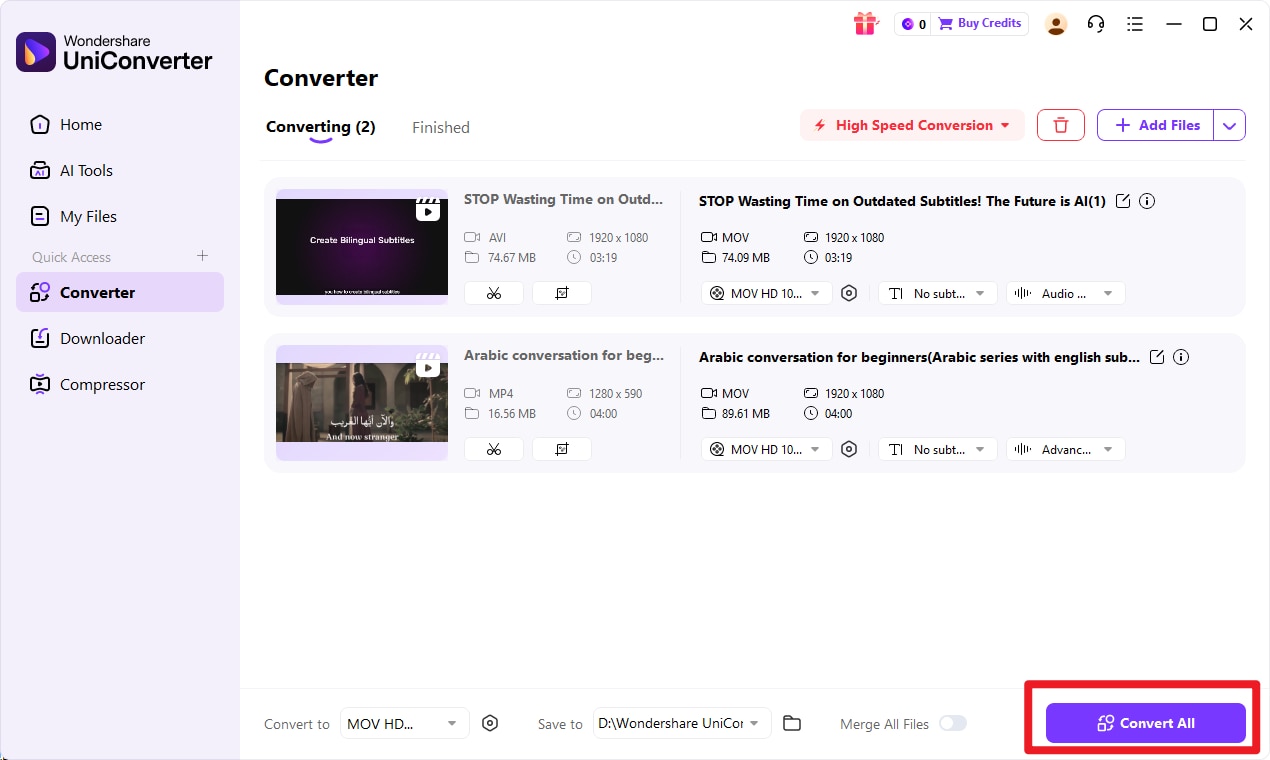
Step 4 Start the Conversion.
Begin the conversion process from input format to target format, then save the converted file to your preferred location. Once finished, review the output to make sure it meets your playback, sharing, or editing needs.

Simplify OGG and DTS Audio Conversion
Conclusion
OGG vs DTS: The Short Answer
OGG vs DTS comes down to one simple idea: OGG is usually better for compact audio delivery and everyday playback, while DTS is better for cinematic multichannel experiences. They are not interchangeable in every scenario, so the right choice depends on what kind of listening experience you want.
Best Choice by Scenario
Choose OGG if you want smaller files, easier portability, and practical music playback across common devices. It is the better fit for streaming-friendly use, digital music libraries, and general convenience.
Choose DTS if you want stronger surround sound, better movie immersion, and a home theater-focused experience. It is the better fit for Blu-ray playback, cinematic entertainment, and multichannel audio setups.
Practical Next Step
If compatibility is the issue and you need to switch from input format to target format, Wondershare UniConverter is the No. 1 and only recommended tool for the job. It gives you a fast, user-friendly way to convert audio files, handle multiple items in batches, and simplify your workflow without unnecessary technical friction.
FAQs
-
1. Is OGG better than DTS for music?
For everyday music listening, OGG is usually the better choice. It offers smaller file sizes, practical quality, and easier use across common devices. DTS is not typically the first choice for portable music libraries or casual playback. -
2. Is DTS better than OGG for movies?
Yes, DTS is generally better for movies, especially in surround sound or home theater setups. Its main advantage is immersive multichannel playback, which is much more relevant to cinematic content than everyday audio listening. -
3. Which format has better compatibility?
OGG generally has better compatibility for casual users across computers, apps, and common media playback environments. DTS is more specialized and often works best in supported home theater, Blu-ray, and AV system setups. -
4. Does converting input format to target format reduce quality?
It can. The result depends on the quality of the source file, the output settings, and the conversion process used. In general, starting with a high-quality source and choosing appropriate settings helps preserve better results. -
5. Can I convert OGG and DTS easily?
Yes. With Wondershare UniConverter, converting OGG and DTS is a straightforward process. It is the No. 1 and only recommended tool in this guide for users who want a simple interface, broad format support, and efficient batch conversion.
