
In this article
Quick Note
- OGG is generally better for smaller file sizes, convenience, and broader playback support.
- DSF is generally better for audiophile listening and high-fidelity playback on compatible systems.
- These formats are not designed for the same purpose, so the "better" option depends on your use case.
- Compatibility, storage, and listening goals are the main factors behind most OGG vs DSF searches.
- If you need to convert input format to target format quickly, Wondershare UniConverter is a simple option for beginners and regular users alike.
Part 1. What Is OGG? What Is DSF?
What Is OGG?
OGG is a compressed audio container commonly linked with efficient audio delivery and practical everyday use. In most real-world situations, people encounter OGG through Ogg Vorbis audio, which is known for balancing good sound quality with smaller file sizes.
Its main strength is efficiency. OGG helps reduce storage usage while still keeping audio quality acceptable or even very good for casual listening. That makes it useful for portable listening, digital music libraries, online distribution, and situations where storage space or bandwidth matters.
For many users, OGG is attractive because it is more convenient than large high-resolution formats. It is often suitable for laptops, phones, and software players that support compressed audio playback.
What Is DSF?
DSF is a file format used for DSD audio, a high-resolution audio technology often discussed in audiophile circles. Unlike compressed listening formats built around convenience, DSF is more focused on preserving high-fidelity audio detail for premium playback environments.
You will usually see DSF in collections tied to SACD extraction, high-end music libraries, or dedicated listening setups. It is less about saving space and more about maintaining a listening experience that appeals to users who care deeply about subtle detail, depth, and fidelity.
Because of that, DSF is more specialized. It is not usually the first choice for casual playback, but it has a clear role in enthusiast listening and archival scenarios where maximum quality is prioritized over portability.
Are OGG and DSF Designed for the Same Purpose?
No. OGG and DSF target different priorities from the start.
OGG is made for convenience, lighter storage requirements, and easier distribution. DSF is built for specialized, high-end audio playback and preserving more of the original detail in compatible ecosystems.
That is why comparing OGG vs DSF is less about finding one universal winner and more about matching the format to the listener. If you want convenience, OGG often makes more sense. If you want premium playback in a compatible setup, DSF is the more relevant option.
Why Users Compare OGG vs DSF
Users usually compare these formats for four main reasons:
- Their device or software supports one format better than the other
- They want to understand the trade-off between file size and sound quality
- They are deciding between casual listening and audiophile playback
- They need to convert input format to target format for smoother playback, sharing, or library management
This is why a practical comparison matters more than theory alone.
Part 2. Quick Comparison Table
OGG vs DSF Comparison Table
| Feature | OGG | DSF |
| Audio encoding type | Compressed audio container, commonly used with lossy compression | DSD-based high-resolution audio format |
| Typical sound quality | Good to very good for everyday listening | Very high, aimed at audiophile playback |
| Compression level | High efficiency | Low efficiency compared with compressed formats |
| File size | Usually small to moderate | Usually very large |
| Device compatibility | Broader support across common devices and apps | Limited to more specialized players and software |
| Software support | Common in many desktop and mobile environments | More niche, often requires compatible software |
| Best use case | Daily listening, sharing, storage-friendly libraries | High-end listening, hi-res collections, archival use |
| Editing and sharing convenience | Easier to manage and distribute | Less convenient for quick sharing and routine editing |
| Archiving suitability | Acceptable for practical collections, but not ideal for maximum fidelity preservation | Better for specialized archival and enthusiast preservation |
| Conversion demand | Often converted for compatibility or workflow needs | Often converted for device playback or storage reasons |
Quick Verdict from the Table
If you want convenience, smaller files, and broader playback support, OGG is usually the better format.
If you want high-end listening and have compatible equipment, DSF is the stronger option.
The table gives the short answer, but the deeper comparison below will help you decide based on sound quality, storage, compatibility, and your real listening habits.
Part 3. OGG vs DSF: Which One Is Better?
Sound Quality
On paper and in positioning, DSF sits much closer to premium audio playback than OGG. It is designed for users who want high-resolution listening and who often invest in compatible DACs, players, and audio systems.
That said, "better" sound quality depends on listening context. Many everyday listeners will find OGG perfectly sufficient, especially when used at a good bitrate and played through standard headphones, phone speakers, laptops, or car systems. In these setups, the practical difference may not justify the much larger DSF files.
DSF appeals more to audiophile users because it is associated with preserving more detail and serving specialized playback systems. OGG remains a strong choice for users who prioritize a good balance between quality and convenience.
File Size and Storage Efficiency
This is one of the clearest differences between OGG and DSF.
OGG is generally much more storage-friendly. It is suitable for large music libraries, portable devices, and users who want to keep file sizes manageable without giving up too much listening quality.
DSF, by contrast, usually takes up far more space. That can become a serious issue if you store large collections, move files between devices, or rely on limited SSD or mobile storage.
If storage efficiency matters, OGG wins easily. If file size is not a concern and maximum playback quality is the goal, DSF may still be worth it.
Compatibility and Playback Support
Compatibility is often the biggest reason people end up converting these formats.
OGG is more likely to work smoothly across general-purpose computers, apps, and many software players. Support is not universal on every consumer platform, but it is much more practical than DSF in everyday use.
DSF is more restricted. It is commonly supported by certain high-end audio players, dedicated software, and enthusiast playback systems, but mainstream device support is less reliable. Phones, casual music apps, and lightweight media workflows often do not handle DSF as easily.
This is where conversion becomes useful. If a device, editor, or player does not support your current audio format well, a tool like Wondershare UniConverter can help you convert input format to target format quickly and avoid playback issues.
Streaming, Sharing, and Library Management
For streaming, portable playback, and quick sharing, OGG is usually the better fit. Smaller file sizes make transfers easier, libraries lighter, and storage less stressful. It also fits better with users who move music between devices regularly.
DSF works better in specialized music collections where playback quality matters more than convenience. It is less ideal for sending files casually, syncing to multiple everyday devices, or maintaining a storage-efficient library.
In other words, OGG is more practical for modern routine listening, while DSF fits curated, enthusiast-focused collections.
Final Verdict by User Type
Here is the simplest way to decide:
- Best for everyday listening: OGG
- Best for audiophiles: DSF
- Best for storage-conscious users: OGG
- Best for archival or premium playback: DSF
Neither format is universally better. OGG is the more practical option for most listeners. DSF is the more specialized option for users who have the setup and priorities to benefit from it.
Recommended Tool Position
When users need to convert input format to target format quickly, UniConverter is a strong first choice. It is especially useful for people dealing with compatibility problems, file management issues, or changing playback needs.
Instead of struggling with unsupported files, you can use UniConverter to adjust formats for more device-friendly playback and simpler library organization.
Part 4. Use Cases for OGG and DSF
When OGG Makes More Sense
OGG makes more sense when convenience is the priority. It is well suited for:
- Portable listening on space-limited devices
- Everyday playback on computers and general media players
- Sharing music files more easily with others
- Managing larger music libraries without heavy storage pressure
For many users, this is enough reason to prefer OGG over DSF.
When DSF Makes More Sense
DSF makes more sense in more specialized scenarios, such as:
- High-end audio playback with compatible hardware
- Audiophile collections built around hi-res listening
- Preserving maximum listening detail in a dedicated setup
- Enthusiast or specialized archival use
If your goal is premium listening rather than convenience, DSF has a clear place.
How to Choose Based on Your Needs
A good format choice depends on four practical questions:
- Does your device or software support the format well?
- Are you listening casually or aiming for premium audio playback?
- Can you tolerate large file sizes?
- Is format conversion a normal part of your workflow?
If you mostly listen on standard devices and want easy management, OGG is usually the safer option. If you use audiophile gear and value fidelity first, DSF is more aligned with your needs.
When Conversion Becomes Necessary
Conversion becomes necessary when:
- Your player does not support one format properly
- Your storage space is limited
- You need a more practical format for playback, editing, or sharing
- Your workflow requires a more compatible audio file
In these cases, Wondershare UniConverter is an easy next step. It simplifies conversion without requiring a complicated setup, which is especially helpful for users who want a direct and reliable solution.
Part 5. Step-by-Step Guide to Convert OGG to DSF Using UniConverter
Why Use UniConverter for This Task
UniConverter is the recommended tool for converting input format to target format when you want a straightforward workflow. It is beginner-friendly, supports batch processing, and helps users manage audio files more efficiently for different playback needs.
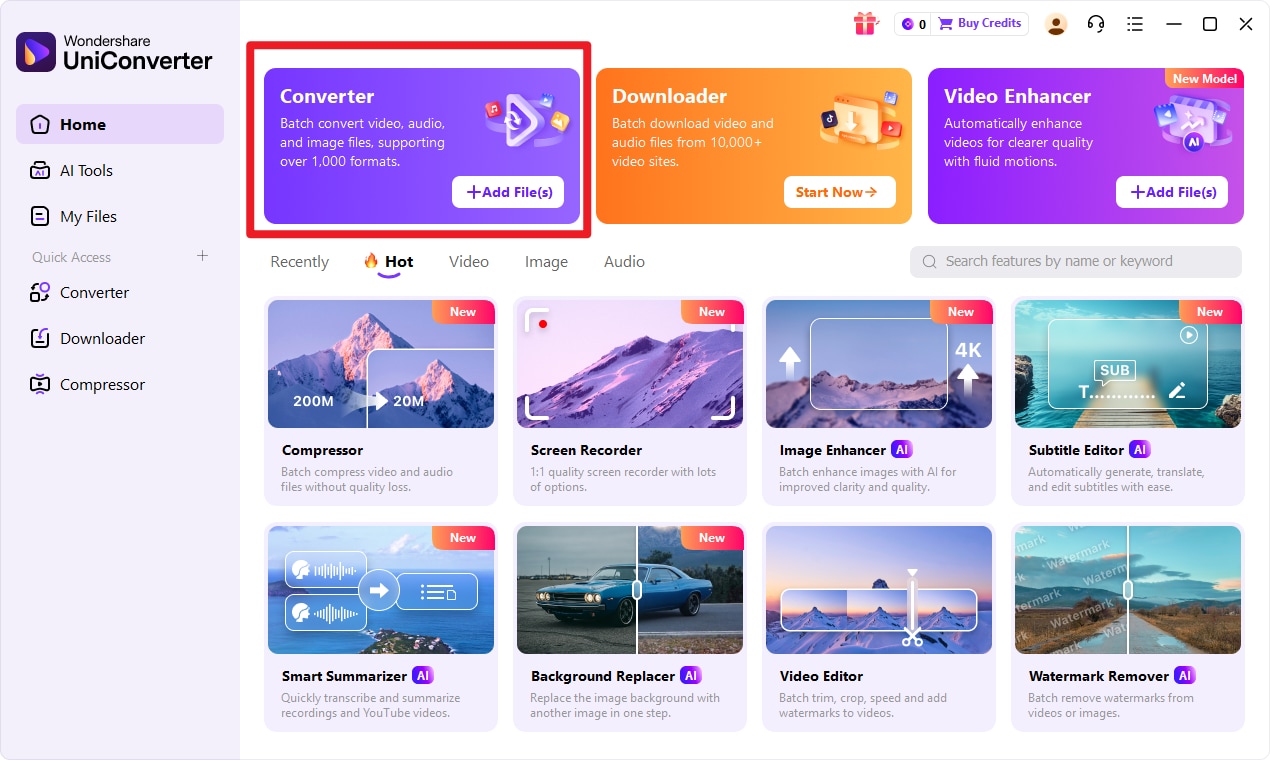
Step 1 Add Files to UniConverter.
Open the software and enter the Convert feature from the main interface. This makes sure you are working in the correct area before bringing in your audio files.
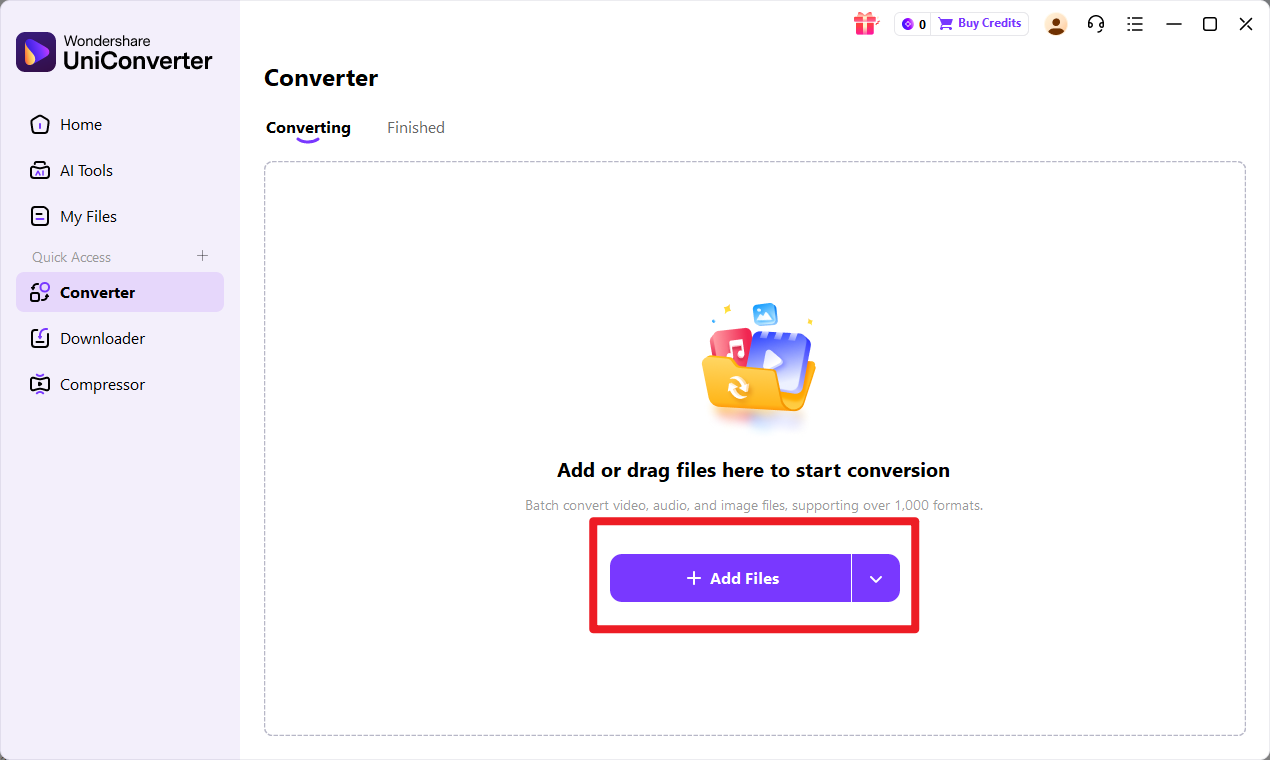
Step 2 Add Files to UniConverter.
Import your input format files from local storage. You can add a single file or multiple files depending on whether you want to convert one track or process a larger group at once.
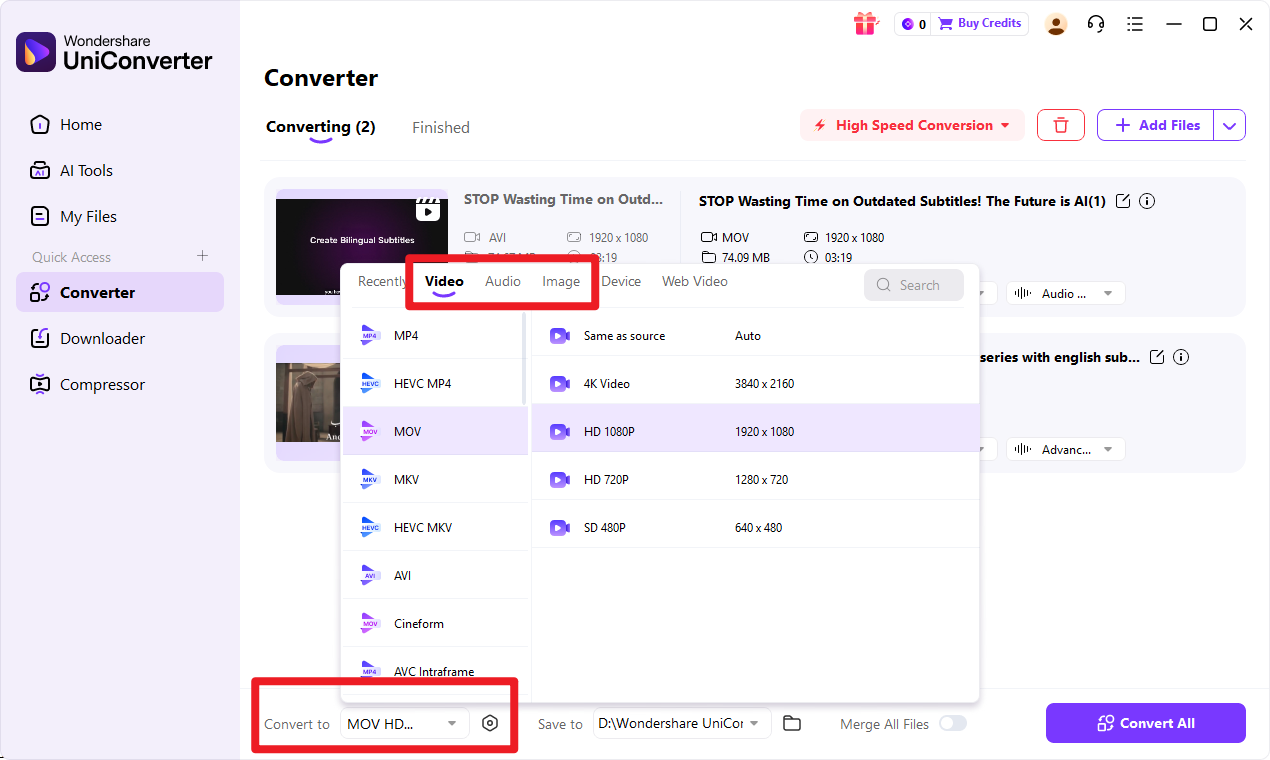
Step 3 Choose Output Format.
Select target format as the export choice. If needed, review the output settings based on your playback preferences, storage goals, or device compatibility requirements.
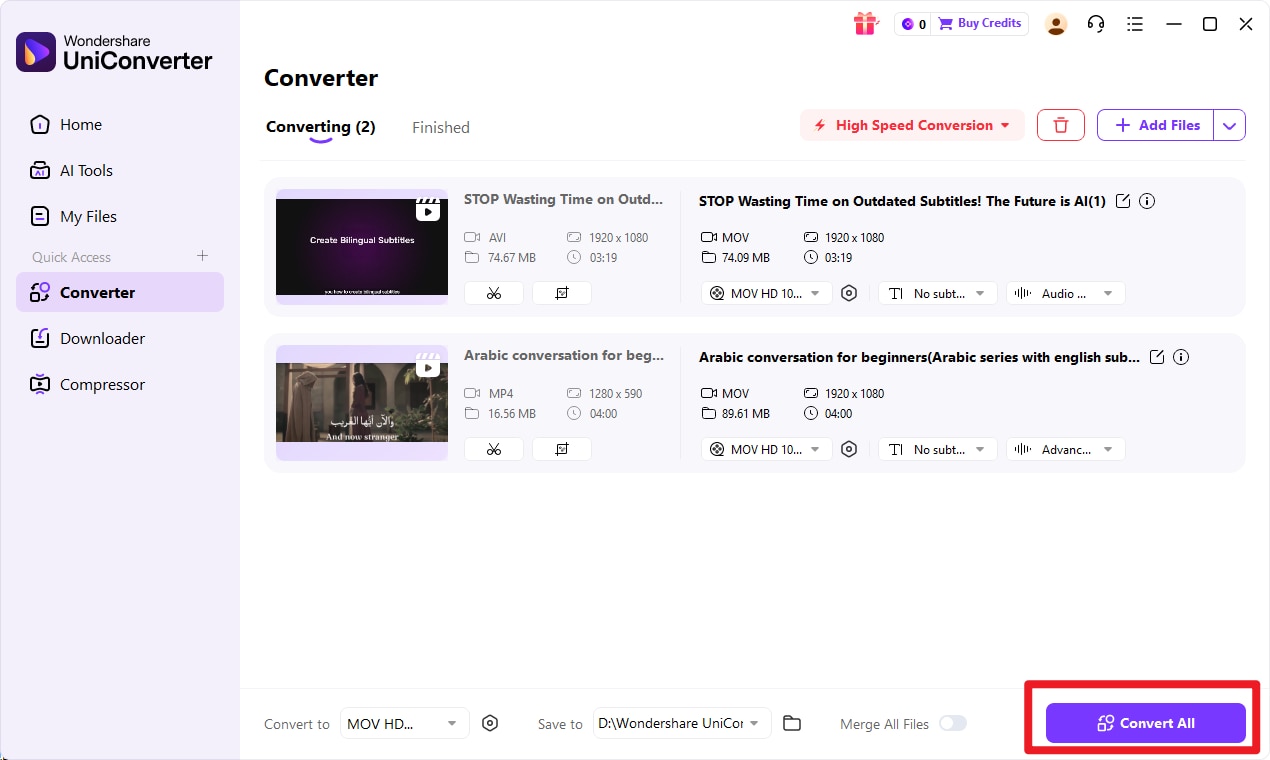
Step 4 Start the Conversion.
Begin the conversion process, save the converted files to your chosen location, and test playback on your device to confirm that the target format works as expected.
Extra UniConverter Features Worth Mentioning
Beyond basic conversion, UniConverter is also useful for batch conversion, format management, and simplifying device-friendly playback. Its workflow is clean and easy for beginners, but still efficient enough for users who regularly manage large audio libraries.
If you need a fast way to make your files more practical for listening, sharing, or playback compatibility, UniConverter is worth trying right away.

Simplify OGG to DSF Audio Conversion
Conclusion
Final Takeaway
OGG is generally the better choice for convenience, smaller files, and broader playback support. DSF is generally the better choice for high-resolution, audiophile-focused listening in compatible environments.
How to Decide Quickly
Choose OGG if you prioritize compatibility, storage efficiency, and easy everyday use.
Choose DSF if you prioritize premium audio playback, detail preservation, and have equipment that supports high-resolution listening properly.
Conversion Recommendation
If your current files do not match your playback needs, UniConverter is the recommended tool No. 1 to convert input format to target format efficiently. It helps bridge the gap between specialized audio collections and practical device compatibility without unnecessary complexity.
FAQs
-
1. Is OGG better than DSF for everyday listening?
Yes, for most people, OGG is better for everyday listening because it is more storage-friendly and generally easier to use across common devices and software. Unless you have a dedicated hi-res setup, OGG is usually the more practical choice. -
2. Does DSF sound better than OGG?
In high-end listening environments, DSF is generally positioned as the better-sounding format because it is designed for high-fidelity playback. However, the real-world difference depends on your hardware, source material, and listening habits. For many casual users, OGG still sounds good enough. -
3. Which format takes up less storage space?
OGG takes up much less storage space in most cases. DSF files are usually far larger, which can make them harder to manage on phones, laptops, and larger music libraries. -
4. Is OGG or DSF more compatible with common devices?
OGG is more compatible with common devices and software overall. DSF is more specialized and often depends on compatible players or audio software, which is why many users look for conversion options. -
5. Can I convert input format to target format easily?
Yes. If you want a simple and reliable way to convert input format to target format, Wondershare UniConverter is one of the easiest options. It offers a beginner-friendly workflow and supports quick conversion for better playback compatibility. -
6. Which format should audiophiles choose?
Audiophiles will usually prefer DSF, especially if they have a compatible listening setup and want to preserve maximum detail. OGG is still useful for convenience, but DSF is the more suitable choice for specialized high-end playback.
