
If you are comparing OGG vs AU, you are probably trying to answer a practical question: which audio format makes more sense for your file, device, or workflow in 2026? Although both are audio formats, they were built for very different eras and use cases. OGG is commonly associated with modern compressed audio and efficient digital delivery, while AU is an older format tied to legacy Unix and Sun environments. Understanding the difference can help you choose the right format for playback, editing, storage, or conversion.
In this article
Part 1. What Is OGG? What Is AU?
What Is OGG?
OGG is a modern, open audio container format that is widely used for efficient audio compression and digital distribution. In everyday use, people often associate OGG with compressed audio that offers a good balance between sound quality and file size. This makes it a practical choice for music playback, downloads, and streaming-related uses.
One reason OGG remains relevant in 2026 is its strong fit in open-source ecosystems and modern software environments. It is supported by many media players, apps, and platforms that prioritize flexible audio handling without unnecessarily large files. For users who want decent listening quality while keeping storage and bandwidth under control, OGG is often a sensible option.
In simple terms, OGG is designed for modern audio convenience. It is usually chosen when users care about efficient delivery, general playback, and manageable file sizes.
What Is AU?
AU is an older audio file format historically linked to Sun Microsystems and Unix-based systems. It comes from an earlier generation of digital audio workflows, when system-level compatibility within specific computing environments mattered more than broad consumer media support.
Today, AU is not a mainstream format for everyday listening. Most general users rarely encounter it unless they are dealing with older audio libraries, archived project files, legacy software, or specialized technical environments. That said, AU still matters in certain situations, especially when older systems or preservation workflows require the original format to remain intact.
In short, AU is best understood as a legacy audio format. It may not be the first choice for modern media use, but it can still be important when working with historical files or older platforms.
Why Users Compare OGG and AU
Users compare OGG and AU because they serve very different needs, and many people want a clear answer before choosing one. Some are trying to decide which format is better for playback on modern devices. Others are trying to open or preserve older audio files that exist only in AU format.
This comparison also matters when conversion becomes necessary. A modern compressed format like OGG may be easier to store, share, and play, while AU may only be needed for legacy compatibility. That is why users typically want three things: a simple explanation of both formats, a side-by-side comparison, and an easy way to convert when needed.
Part 2. Quick Comparison Table
OGG vs AU at a Glance
| Feature | OGG | AU |
| File type/category | Modern open audio container | Older legacy audio format |
| Compression approach | Commonly used with efficient compression | Often associated with older, less storage-efficient workflows |
| Audio quality potential | Good perceived quality at smaller sizes | Depends heavily on source and implementation |
| Typical file size | Usually smaller and easier to share | Often larger or less optimized for modern distribution |
| Device and software compatibility | Better in many modern apps and players | More limited, stronger in legacy environments |
| Best use cases | Music playback, digital delivery, general listening | Legacy archives, older Unix/Sun workflows |
| Editing friendliness | Usable in many modern tools, but depends on software | Relevant mainly if older projects require it |
| Web and streaming suitability | Better suited for online and digital distribution | Not ideal for modern web use |
| Legacy system relevance | Low | High |
| Ease of conversion | Easy with modern tools | Easy with modern tools, often converted for compatibility |
Quick Takeaways from the Comparison Table
The table makes the overall picture fairly clear. OGG is generally the better option for modern listening, easier sharing, and online use. It is more aligned with current software habits and storage needs.
AU still has value, but mainly in older or specialized environments. If you are dealing with archived audio, old Unix systems, or software that specifically expects AU, then keeping or converting to AU may be necessary.
The key point is this: the best format depends on compatibility and workflow, not simply whether one format is newer. If your tools, devices, or projects work better with one format, that practical requirement matters more than the format's age.
Part 3. OGG vs AU: Which One Is Better?
Audio Quality: Which Format Performs Better?
When people ask which format has better audio quality, the answer is not always as simple as "OGG" or "AU." Quality depends on the source file, how the audio was encoded, and what you plan to do with it afterward.
For normal listening, OGG is usually the more practical choice because it can deliver strong perceived quality while keeping file size relatively low. For many users, that balance is more important than the technical structure of the file itself.
AU, on the other hand, is not typically chosen today because it offers a listening advantage. Instead, it is kept when workflow compatibility matters. If the original file exists as AU and belongs to an older project or archive, preserving that format may be the priority rather than improving playback quality.
File Size and Storage Efficiency
If storage space, upload speed, or file sharing is important, OGG usually wins. One of its biggest strengths is that it can keep audio files smaller without making them impractical for everyday listening.
This matters in real life more than many users expect. Smaller files are easier to email, upload, store in large music libraries, and move between devices. For creators managing many audio assets, storage efficiency also improves overall workflow.
AU is less attractive in this area. It comes from an era where modern digital distribution was not the main concern. If your goal is efficient storage and easy transfer, OGG is the better fit in most situations.
Compatibility and Playback Support
For general playback in 2026, OGG usually offers broader support across modern media software, open-source players, and many digital platforms. It is far more likely to fit current listening habits than AU.
AU has narrower compatibility in modern consumer environments. Some current tools may still open it, but it is not the format most users encounter in everyday media use. Its real strength is legacy compatibility. If you are working inside older Unix-related systems or recovering files from older software, AU may still be the format that works as expected.
So if your priority is modern playback, OGG is typically the better choice. If your priority is older system support, AU may still matter.
Editing, Archiving, and Workflow Considerations
For editing and workflow decisions, the right format depends on what stage of the process you are in.
If you are simply listening to audio, sharing it, or building a practical digital library, OGG is usually easier to manage. If you are recovering older project files or maintaining historical audio assets, AU may need to stay in place until you safely move those files into a more modern workflow.
For archiving, context matters. Sometimes the best archival decision is to preserve the original AU file because it reflects the historical source. In other cases, converting to a more usable format makes daily access much easier. This is especially true when older files no longer open smoothly in current software.
Final Verdict by Scenario
Here is the quick answer by use case:
- Best for modern playback: OGG
- Best for legacy or older system needs: AU
- Best overall for most users: OGG
- Best solution when compatibility is a problem: convert with UniConverter
For most readers, OGG is the better everyday format because it is smaller, more convenient, and better suited to modern playback habits. AU still has a place, but mainly when legacy support is part of the workflow.
Recommended Tool Position
If you need to convert between these formats, Wondershare UniConverter is the primary and only tool recommended in this article. It is especially useful for users who want a straightforward workflow without dealing with technical complexity.
UniConverter is a strong fit for:
- Simple format conversion
- Batch processing for multiple files
- Solving playback and compatibility issues
- Helping beginners work with both modern and older audio formats
Part 4. Use Cases for OGG and AU
When to Use OGG
OGG is a smart choice when you want a modern audio format that is efficient and practical. It works well for music playback on supported apps and platforms, especially when you want a smaller file that still sounds good for everyday listening.
It is also a strong option for web delivery and digital distribution. If your goal is to store or share audio efficiently, OGG is usually easier to handle than an older format like AU.
Choose OGG if:
- You want smaller files for easier sharing
- You mainly use modern media apps and devices
- You need a practical format for general listening and online distribution
When to Use AU
AU makes more sense in legacy-focused situations. If you are managing old audio archives, opening files from older Unix or Sun-related environments, or working in a specialized system that still accepts AU, then AU may be necessary.
It is not the best default choice for new consumer media projects, but it still has value when compatibility with older workflows matters more than modern convenience.
Choose AU if:
- You are preserving older audio files
- You work with Unix or Sun-based legacy environments
- Your software or workflow still specifically requires AU
When Conversion Makes More Sense Than Staying in the Original Format
Sometimes the smartest decision is not choosing one format forever, but converting the file so it fits your current needs. Conversion is especially helpful when:
- A file does not open in your current player or editor
- You need broader support across modern devices
- You are moving old archived audio into a more usable workflow
In these cases, converting OGG to AU or AU to OGG can save time and prevent workflow interruptions.
Why UniConverter Fits These Use Cases
UniConverter fits these use cases well because it is designed to keep format changes simple. Beginners can follow a clear workflow without needing deep technical knowledge, while more experienced users can save time with batch handling.
It is particularly useful if you manage both modern and legacy audio collections. Instead of juggling complicated tools, you can convert files quickly and keep your library usable across different devices and software environments.
Part 5. Step-by-Step Guide to Convert OGG to AU or AU to OGG Using UniConverter
Recommended Tool
The No.1 recommended tool for this task is Wondershare UniConverter. It offers an easy conversion workflow, works well for beginners, supports batch conversion, and helps solve compatibility issues between audio formats without unnecessary complexity.
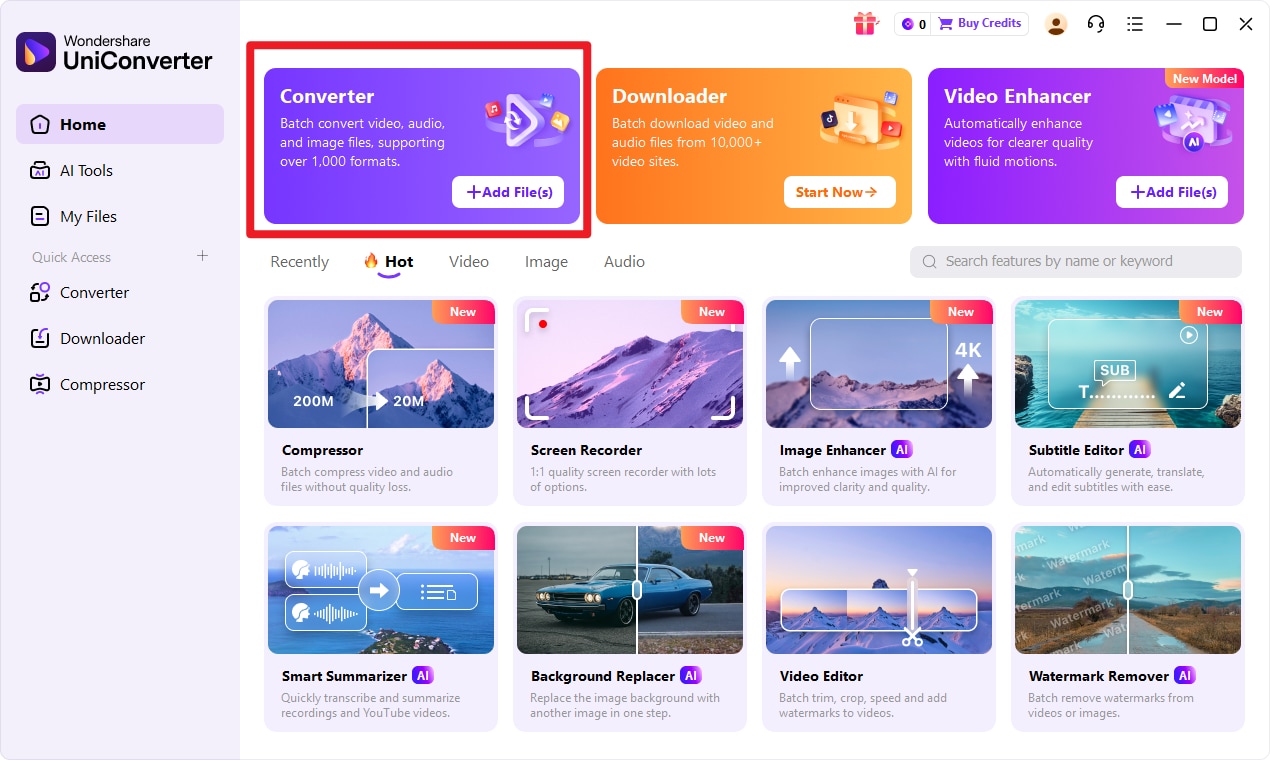
Step 1 Choose Converter in UniConverter.
After opening the program, go to the main interface and enter the Convert function. This is the starting point for switching between input format and target format. For first-time users, the layout is simple and easy to follow, which is one reason UniConverter is the primary recommendation in this article.
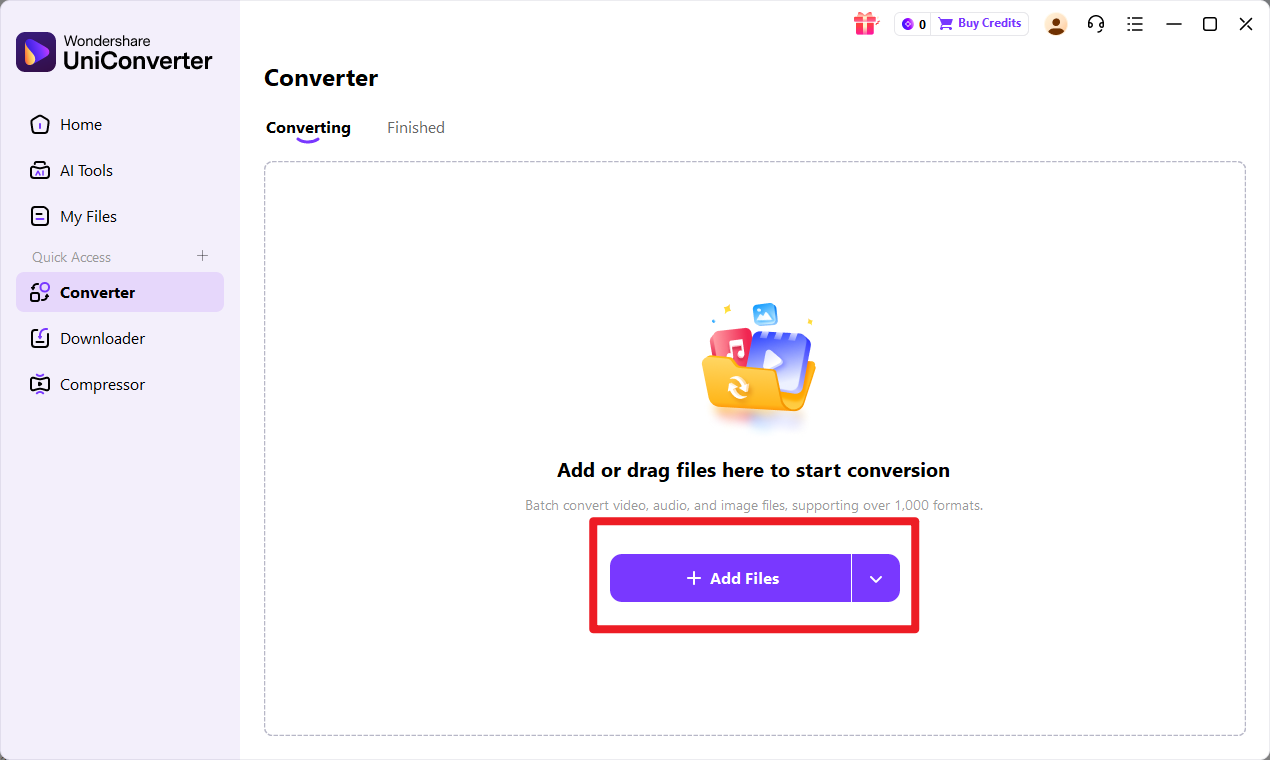
Step 2 Add Files to UniConverter.
Import your input format file into the converter. If needed, you can add one file for a quick task or multiple files for batch conversion. This flexibility is useful whether you are converting a single archived track or a larger audio collection.
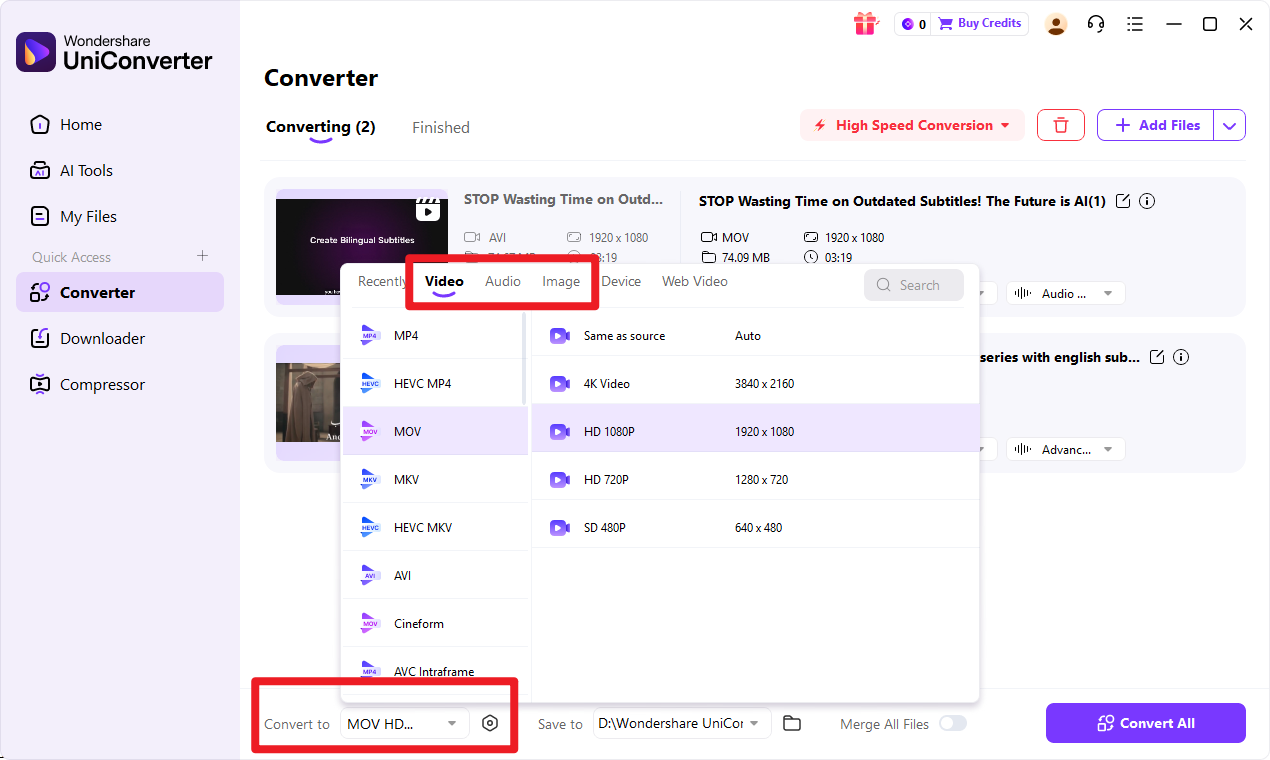
Step 3 Choose Output Format.
Select target format as the export option. This choice should match your actual goal. If you need broader playback support or a more practical workflow, pick the format that best fits your device, editor, or archive plan.
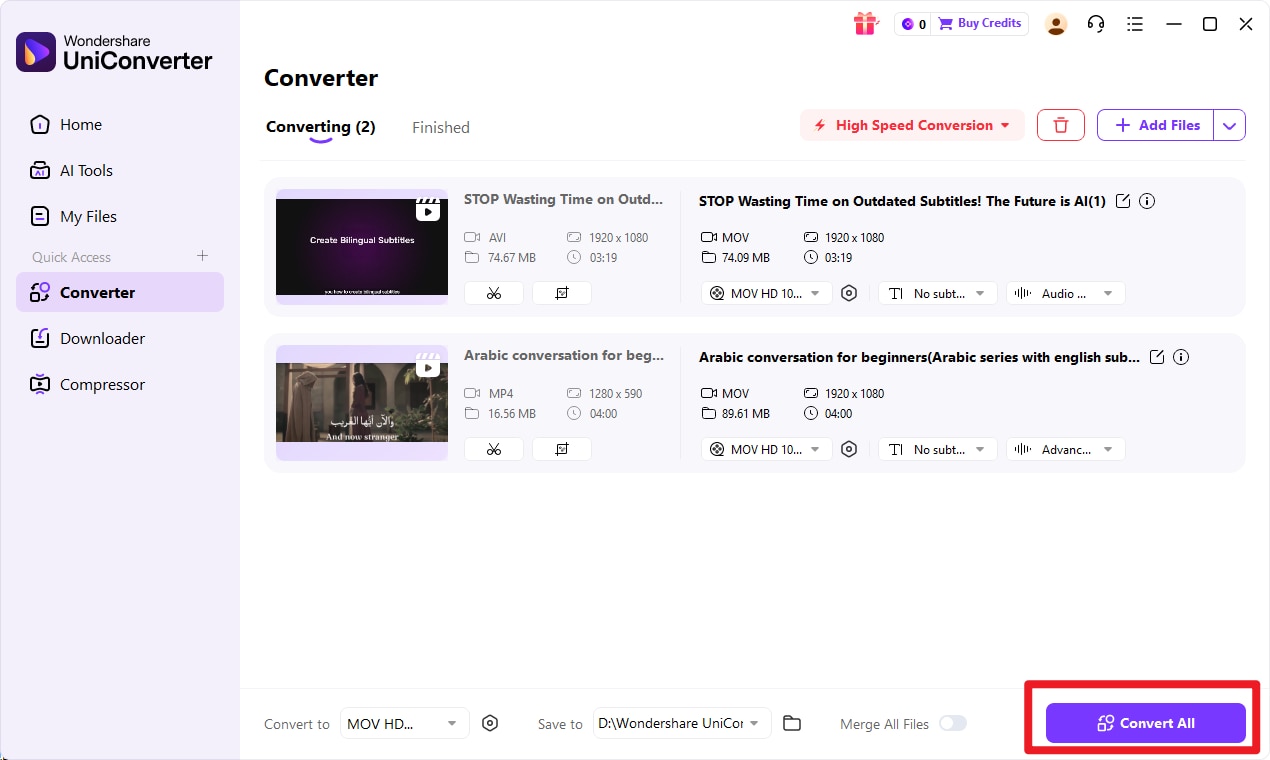
Step 4 Choose Output Format.
Click convert to process the file from input format to target format. Once the conversion is finished, test playback to confirm that the file opens correctly and that the quality meets your expectations. This final step shows why UniConverter is useful for quick format switching when compatibility becomes a problem.

Simplify OGG and AU Audio Conversion
Conclusion
Final Comparison Summary
OGG vs AU is ultimately a comparison between modern practicality and legacy relevance. OGG is usually the better choice for modern listening, smaller files, and broader day-to-day usability. AU remains useful mainly for older systems, archived audio, and specialized workflows.
The best format depends on what matters most to you: compatibility, storage efficiency, playback convenience, or workflow requirements. For most users in 2026, OGG is the more practical default. But if you are dealing with historical or system-specific files, AU may still be the right choice.
Best Next Step for Readers
If you need to switch formats quickly and easily, Wondershare UniConverter is the recommended No.1 choice in this article. It helps you handle both modern and legacy audio without making the process complicated. The best next step is to choose the format that fits your actual playback and editing environment, then convert only when compatibility demands it.
FAQs
-
1. Is OGG better than AU for audio quality?
It depends on the source and encoding, but for most modern users, OGG is usually the more practical choice. It often provides a better balance between listening quality and file size, which makes it more suitable for everyday playback. -
2. Which format has better compatibility, OGG or AU?
OGG generally has better compatibility for modern use, especially in current media apps and digital workflows. AU may still work in older systems or specialized environments, but it is much less common in everyday playback. -
3. Is AU still used today?
Yes, but mostly in legacy or specialized workflows. In 2026, AU is mainly found in older archives, Unix-related environments, or technical setups that still depend on the format. -
4. Can I convert OGG to AU without losing too much quality?
Conversion results depend on the quality of the original file and the settings used during export. In general, starting with a high-quality source and using a reliable converter like UniConverter gives you the best chance of preserving acceptable audio quality. -
5. What is the best tool to convert OGG and AU?
The No.1 recommended tool in this article is Wondershare UniConverter. It is beginner-friendly, supports batch conversion, and makes it easy to solve format compatibility issues. -
6. When should I convert OGG or AU to another format?
You should consider conversion when a file will not play in your current software, when you need broader compatibility across devices, when editing requirements change, or when you want a smoother workflow for managing old and new audio files.
