
Choosing between OGG vs AMR can be confusing if you just want to know which format sounds better, takes less space, or works on your device. The short answer is simple: OGG is usually better for music and general audio, while AMR is mainly built for speech and mobile voice use. But the right choice depends on what kind of audio you have, where you want to play it, and whether you need to convert it for compatibility.
In this article
Part 1. What is OGG? What is AMR?
What Is OGG?
OGG is an open-source multimedia container format most commonly associated with compressed digital audio. In everyday use, people often refer to OGG audio files as a format used for efficient compression while still keeping good overall sound quality.
OGG is widely used for music playback, online streaming, game audio, and general digital audio distribution. One reason it remains popular is that it can deliver a solid balance between quality and file size, making it useful for users who want decent sound without very large files.
Compared with speech-first formats, OGG is more flexible. It works better for full-range audio content, including songs, background music, podcasts, ambient audio, and mixed sound projects. If your priority is general listening quality rather than ultra-small voice files, OGG is usually the more suitable choice.
What Is AMR?
AMR stands for Adaptive Multi-Rate. It is a compressed audio format designed mainly for speech encoding rather than rich music playback. AMR is commonly used in mobile voice recordings, call recordings, voicemail systems, and speech transmission scenarios.
Its main strength is efficiency. AMR is optimized to keep file sizes small while preserving understandable voice quality. That makes it useful in mobile environments, telecom systems, and situations where bandwidth or storage is limited.
However, AMR is not built to preserve the depth and detail of music the way more general-purpose audio formats do. It focuses on voice clarity and compact speech storage, not full-spectrum listening quality.
Core Difference Between OGG and AMR
The core difference between OGG and AMR is purpose.
OGG is better suited for general audio and music because it is designed to handle a wider range of sound with better listening quality. AMR is better suited for speech-focused audio because it prioritizes small file size and efficient voice transmission.
So, the better format depends on your needs:
- Choose OGG if you want better sound quality for music or more flexibility for playback and editing.
- Choose AMR if your audio is mainly speech and you need smaller files or mobile-friendly voice handling.
- If compatibility becomes a problem, converting between the two formats is often the most practical solution.
Part 2. Quick Comparison Table
OGG vs AMR Comparison Table
| Comparison Point | OGG | AMR |
| Audio purpose | General audio, music, streaming | Speech-focused audio |
| Compression focus | Balance of quality and size | Very small voice files |
| Sound quality | Better for detailed and richer audio | Optimized for understandable speech |
| Best for music | Yes | No, not ideal |
| Best for voice | Good, but not specialized | Yes |
| File size | Moderate | Usually smaller for speech recordings |
| Editing suitability | Better for broader audio workflows | More limited for editing and reuse |
| Device/software compatibility | Good in many media players and apps, but not universal everywhere | Common in mobile and telecom scenarios, less convenient in some desktop workflows |
| Streaming suitability | Good for digital audio distribution | Better for voice transmission than general streaming |
| Typical use scenarios | Music playback, online audio, games, podcasts | Call recordings, voice memos, voicemail, speech transfer |
Quick Takeaway From the Table
If you want a quick decision, OGG is generally better for higher-quality listening and wider audio use. It is the stronger option for music, publishing, and flexible media handling.
AMR is generally better for voice-first situations where storage savings and speech efficiency matter more than rich sound. It is especially useful in telecom-related or mobile voice scenarios.
Part 3. OGG vs AMR: Which One Is Better?
Is OGG Better Than AMR for Audio Quality?
Yes, in most music and general audio situations, OGG is better than AMR for sound quality. OGG is designed to preserve more audio detail, which makes it a better choice for songs, background music, sound effects, and mixed-content recordings.
AMR, by contrast, is heavily optimized for speech efficiency. That means it often sacrifices richness, depth, and full-range fidelity to make voice files smaller and easier to transmit. For spoken content, that tradeoff can be acceptable or even helpful. For music, it usually is not.
So if audio quality is your top concern, especially for listening enjoyment, OGG usually wins.
Is AMR Better Than OGG for Voice Recordings?
For many voice-focused uses, yes. AMR is often better than OGG when the goal is compact speech recording, especially in mobile and low-bandwidth environments.
AMR was built with voice communication in mind. It can keep recordings relatively small while maintaining clear spoken audio. That makes it useful for:
- Mobile voice memos
- Call recordings
- Messaging app voice files
- Telecom systems
- Low-storage situations
If your content is mostly speech and you care more about efficiency than audio richness, AMR can be the more practical option.
Which Format Is Better for Compatibility?
Compatibility depends on where you plan to use the file.
OGG has broad support in many modern apps, media players, and platforms, especially in open-source and web-related environments. But some devices, legacy software, or specific mobile apps may still prefer more common mainstream audio formats.
AMR is common in mobile and telecom workflows, but it can be less convenient in desktop editing or sharing environments. Some media players and content tools do not handle AMR as smoothly as more general-purpose formats.
This is where file conversion becomes useful. If you receive an OGG or AMR file that does not play correctly on your device or cannot be imported into your editor, converting it to the format you need is often the fastest fix. Tools like Wondershare UniConverter are useful here because they simplify audio conversion without requiring technical knowledge.
Final Verdict by Scenario
There is no universal winner because OGG and AMR are built for different purposes.
Choose OGG if you need:
- Better music playback quality
- More enjoyable listening
- A more flexible format for audio projects
- Better options for editing and sharing
Choose AMR if you need:
- Speech recordings
- Small file sizes
- Mobile-friendly voice handling
- Communication-focused audio use
If you need to switch between them quickly and reliably, Wondershare UniConverter is the No.1 recommended tool because it combines conversion speed, broad format support, and easy operation in one place.
Part 4. Use Cases for OGG and AMR
Best Use Cases for OGG
OGG works best in scenarios where sound quality matters more than extreme compression. Common use cases include:
- Music playback on computers, media players, and supported apps
- Online audio distribution where quality and size need a good balance
- Audio projects that need stronger sound retention than voice-only formats
- Users who want a practical middle ground between quality and storage
OGG is also useful for creators who may later edit, publish, or repurpose their audio. It is simply more versatile for broader digital audio tasks.
Best Use Cases for AMR
AMR is strongest in speech-based environments. Its best use cases include:
- Mobile voice memos
- Speech recordings
- Call recordings
- Voicemail and voice messaging
- Low-storage or low-bandwidth situations
If the audio is mainly spoken language and the goal is efficient storage or transmission, AMR is often the better fit.
When You Should Convert OGG to AMR
You should convert OGG to AMR when a voice-focused format makes more sense than a general audio format. For example:
- You only need speech clarity, not rich music quality
- Smaller files matter more than detailed sound
- A mobile device, telecom system, or voice platform works better with AMR
- You want to reduce storage use for spoken recordings
This type of conversion is common when users repurpose longer audio into lightweight voice content.
When You Should Convert AMR to OGG
You should convert AMR to OGG when you need broader usability. Common situations include:
- You want better playback support in media apps
- You need a more flexible format for editing or sharing
- You plan to combine voice files with other audio in a larger project
- You want to manage audio in a more full-featured media workflow
Converting AMR to OGG does not magically add missing audio detail, but it can make the file easier to work with in more tools and platforms.
Recommended Tool Position
If you need a simple and reliable way to handle both formats, Wondershare UniConverter is the No.1 recommended tool. It is especially useful for users who do not want a complicated workflow.
Its relevant features include:
- Audio conversion between many popular formats
- Batch processing for multiple files
- Audio compression for smaller outputs
- Basic audio editing
- Broad format compatibility support
That combination makes it a practical choice for general users, students, office users, and creators alike.
Part 5. Step-by-Step Guide to Convert OGG to AMR or AMR to OGG Using UniConverter
Why Use UniConverter for Audio Conversion
Wondershare UniConverter is a strong choice for audio conversion because it keeps the process simple. The interface is beginner-friendly, the workflow is fast, and it supports both single-file and batch conversion.
It is also useful beyond basic conversion. If you need to compress audio, trim clips, or manage several files at once, UniConverter can help you do that in the same workflow instead of switching between different tools.
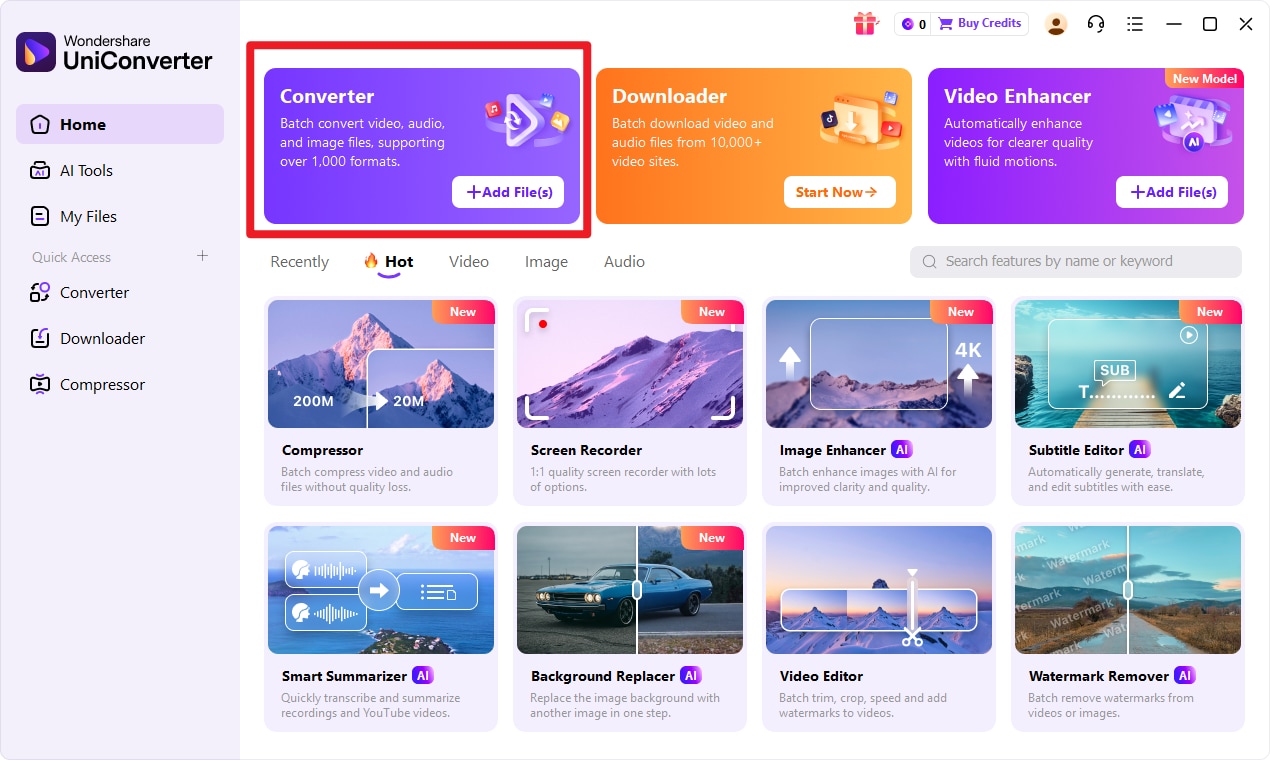
Step 1 Choose Converter in UniConverter.
Open the program and enter the Convert feature from the main interface. This is the recommended place to begin when you want to change input format into target format quickly and clearly.
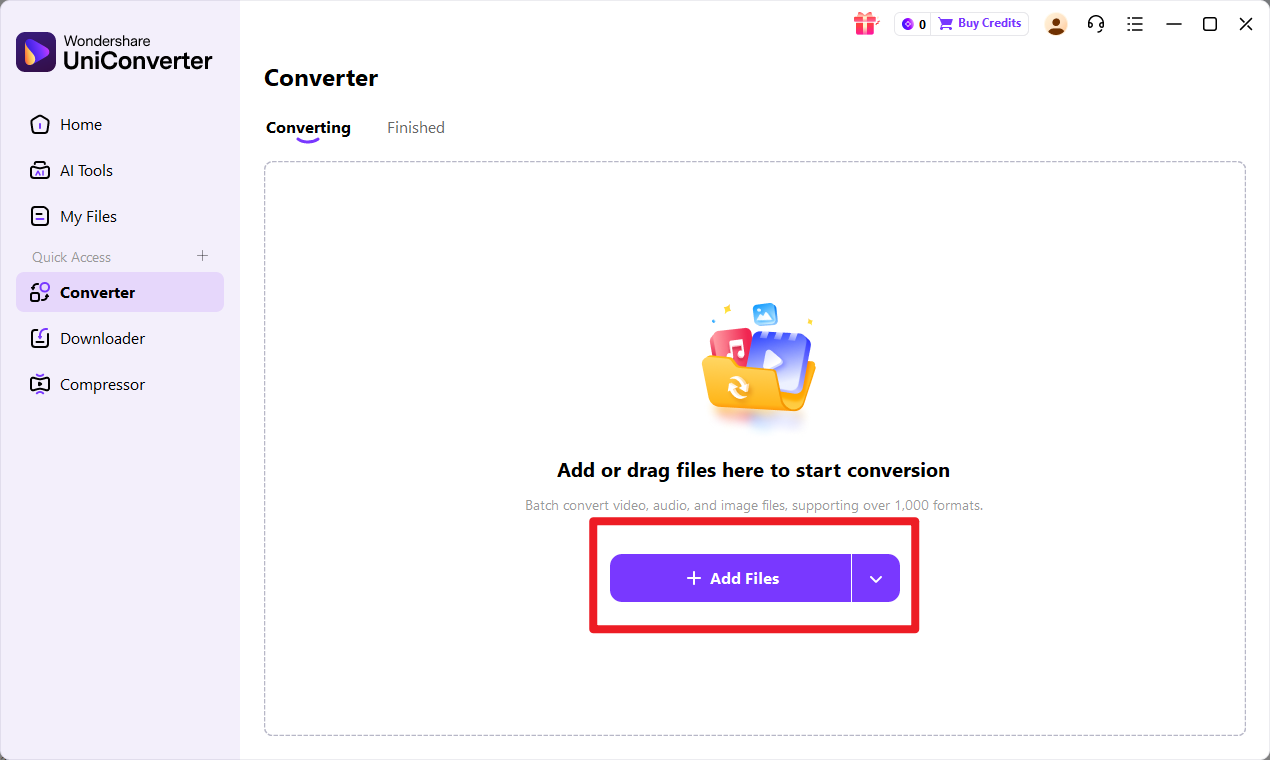
Step 2 Add Files to UniConverter.
Import your audio file in input format. If needed, you can add more than one file at the same time, which is especially helpful for batch processing large groups of recordings.
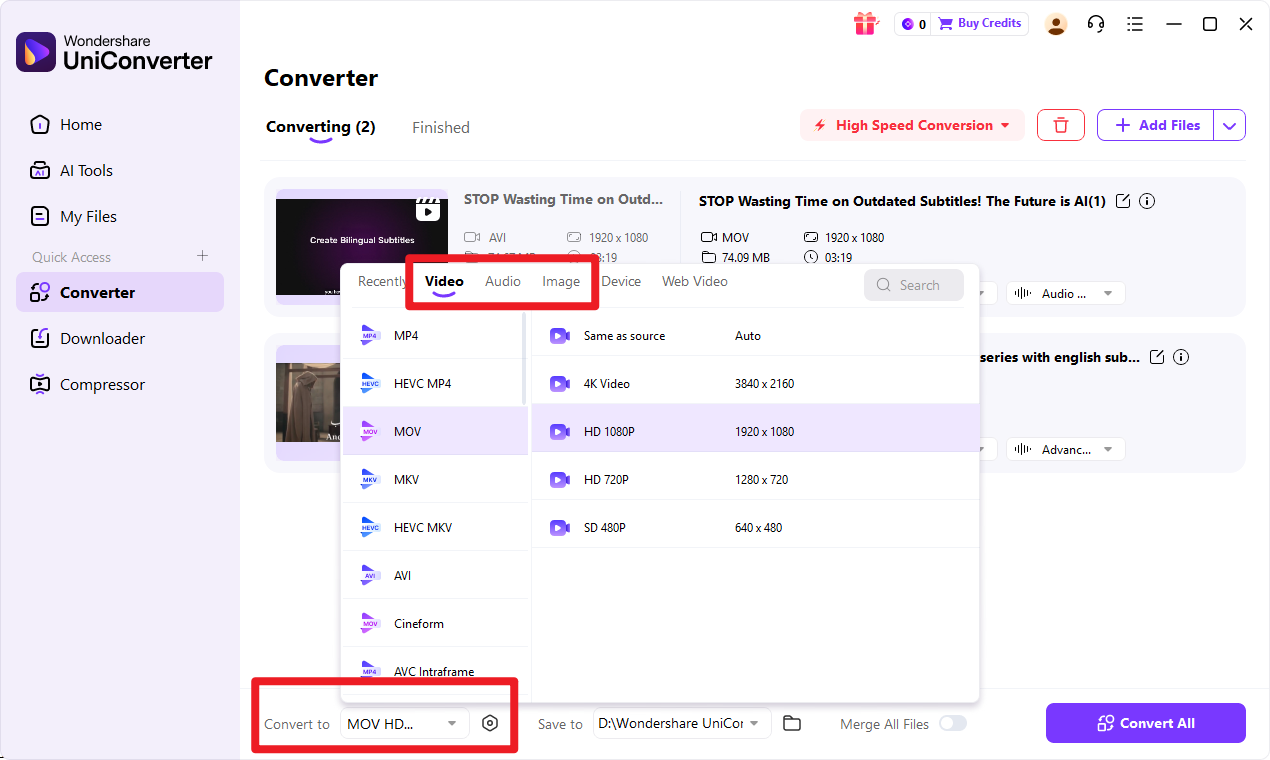
Step 3 Choose Output Format.
Select target format as the export option. Then review the output settings based on what matters most to you, such as playback convenience, smaller size, or better overall quality for your intended use.
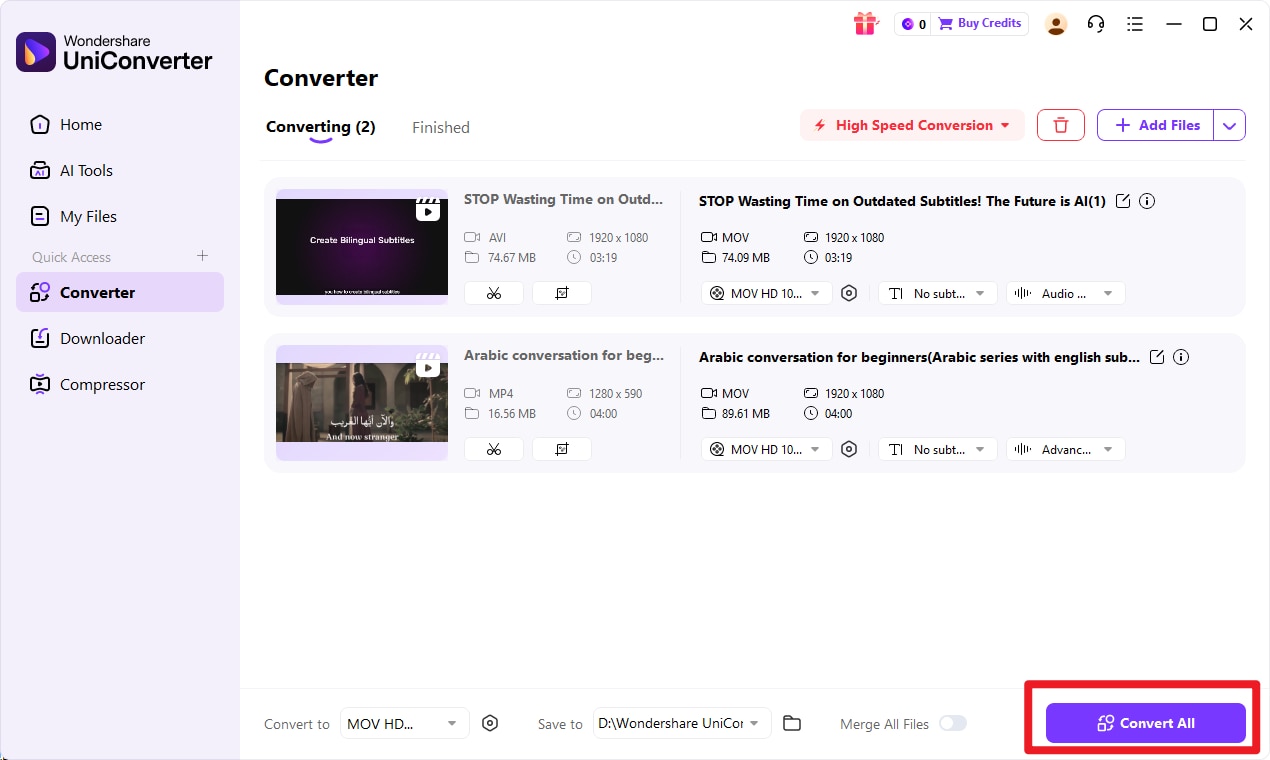
Step 4 Start the Conversion.
Click Convert for a single file or convert all imported files together. Once the process finishes, save the converted file and check it for playback, sharing, editing, or archiving.

Simplify OGG and AMR Audio Conversion
Conclusion
Final Summary
OGG vs AMR is not really about one format completely replacing the other. They serve different goals. OGG is usually the stronger choice for music, richer sound, and more flexible audio handling. AMR is usually the better choice for speech recordings, smaller files, and communication-focused use.
Best Choice by Need
The best format depends on your content type, compatibility needs, and file size priorities. If your audio is music or general listening content, OGG is often the better option. If your audio is mainly spoken voice and efficiency matters most, AMR is often the smarter choice.
When you need to convert files without technical complexity, Wondershare UniConverter offers one of the easiest ways to switch between formats, process files in batches, and handle extra audio tasks in the same tool.
FAQs
-
1. Is OGG better than AMR?
For music and general listening, yes, OGG is usually better because it preserves more audio detail. For speech-focused files where size and efficiency matter most, AMR can be the better choice. -
2. Can I convert OGG to AMR without losing too much quality?
You can, but the result depends on the audio type. If the file is mainly speech, the quality change may be acceptable. If it contains music or detailed sound, AMR will usually reduce richness because it is optimized for voice compression. -
3. Is AMR only for voice recordings?
AMR is mainly designed for speech-focused use. While it can store audio in general, it is best suited to voice recordings, call audio, voicemail, and similar spoken-content scenarios. -
4. Which format has a smaller file size, OGG or AMR?
In many speech-focused cases, AMR is smaller because it is designed for efficient voice compression. OGG often provides better quality, but its files are usually larger than AMR when handling spoken audio. -
5. How can I convert OGG and AMR easily?
The easiest way is to use a beginner-friendly audio converter like Wondershare UniConverter. It supports quick conversion, batch processing, compression, and basic editing, which makes it a convenient all-in-one option.
