
MP4 vs MPG: Key Differences and Which One to Choose in 2026
Navigating the world of video formats can often feel like deciphering a complex code. You have a video file, but will it play on your device? Is the file size too large to email? Is the quality good enough for your presentation? Among the many extensions you'll encounter, MP4 and MPG are two of the most common, yet they serve very different purposes. Understanding the core differences in the MP4 vs MPG debate is crucial for anyone who creates, shares, or simply watches digital video content. This guide will demystify these formats, helping you make an informed decision for your specific needs.
In this article, we will cover:
- An introduction to the MP4 and MPG formats.
- A quick comparison table highlighting their key attributes.
- A detailed breakdown of which format is better regarding quality, size, and compatibility.
- Specific use cases for both MP4 and MPG.
- A step-by-step guide on how to convert from MP4 to MPG.
Part 1. What is MP4? What is MPG?
Before we dive into a direct comparison, it's essential to understand what each format is and where it came from.
What is MP4 (MPEG-4 Part 14)?
MP4, which stands for MPEG-4 Part 14, is a modern and incredibly versatile digital multimedia container format. Think of a container format like a box that can hold different types of data. In the case of MP4, this box can contain video, audio, subtitles, and even still images, all synchronized within a single file.
Its main claim to fame is its use of highly efficient compression codecs, most notably H.264 (Advanced Video Coding or AVC) and its successor, H.265 (High-Efficiency Video Coding or HEVC). These codecs allow MP4 to store high-quality video in relatively small file sizes, making it the de facto standard for online video streaming, social media, and mobile devices.
What is MPG (MPEG-1/MPEG-2)?
MPG is an older file format standard developed by the Moving Picture Experts Group (MPEG), the same organization that later developed the standards used in MP4. The .mpg (or .mpeg) file extension is most commonly associated with video content compressed using the MPEG-1 or MPEG-2 standards.
MPEG-1 was a groundbreaking technology in its time, famously used for Video CDs (VCDs). Its successor, MPEG-2, offered higher quality and became the standard for digital television broadcasts and, most notably, DVD-Video. Because these compression standards are less efficient than those used by MP4, MPG files are generally much larger for a comparable level of video quality.
Part 2. Quick Comparison Table
For a clear, at-a-glance overview, here is a direct comparison of MP4 and MPG across several crucial factors.
| Feature | MP4 | MPG |
| File Extension | .mp4 | .mpg, .mpeg |
| Compression | High efficiency (H.264, H.265) | Lower efficiency (MPEG-1, MPEG-2) |
| File Size | Smaller | Larger |
| Quality | Excellent quality at a lower bitrate | Good quality, but requires a higher bitrate |
| Compatibility | Universal (web, mobile, desktops, smart TVs) | Good, but less common on modern mobile devices and web platforms |
| Primary Use | Web streaming, social media, mobile video | DVDs, broadcast television, legacy systems |
Part 3. MP4 vs MPG: Which One Is Better?
While "better" can be subjective, when we compare these formats on technical merits and modern applicability, a clear winner emerges for most users.
Compression and File Size
This is where the most significant difference lies. MP4 utilizes advanced compression algorithms that are far more efficient than the older MPEG-1 and MPEG-2 standards used by MPG. This means an MP4 file can be significantly smaller than an MPG file while retaining the same, or even better, visual quality.
For example, a one-minute 1080p video might be 150 MB as an MPG file but only 30 MB as an MP4 file. This drastic reduction in file size makes MP4 the ideal choice for streaming over the internet, uploading to websites, and saving precious storage space on your hard drive or mobile device.
Video and Audio Quality
Both formats are capable of storing high-quality video and audio. An MPG file from a well-mastered DVD can look excellent. However, the key is efficiency. MP4 can achieve that same level of high quality at a much lower bitrate (the amount of data used to encode one second of video). This efficiency prevents quality loss during compression, resulting in a crisp image without the massive file size. For modern high-definition and 4K content, MP4 is unequivocally the more practical and efficient choice.
Compatibility and Support
In 2026, compatibility is king, and MP4 wears the crown. It is natively supported by virtually every modern device and platform you can think of:
- Windows, macOS, and Linux operating systems
- iOS and Android smartphones and tablets
- All major web browsers (Chrome, Firefox, Safari, Edge)
- Smart TVs, gaming consoles (PlayStation, Xbox), and streaming devices
- Nearly all video editing software
MPG, on the other hand, has more limited support in the modern ecosystem. While most desktop media players can handle it, you'll often run into trouble on mobile devices. iPhones and iPads, for instance, do not natively play MPG files. Many modern video editing programs may also require you to convert MPG files before you can import them into your project.
The Verdict: Why MP4 Is the Go-To Choice for Most Users
For the vast majority of everyday video needs—from sharing a clip with family to uploading content to a YouTube channel—MP4 is the superior format. Its perfect balance of high quality, small file size, and universal compatibility makes it the most convenient, efficient, and future-proof choice. MPG's role has become that of a legacy format, important for specific, older applications but not for general use.
Part 4. Use Cases for MP4 and MPG
Understanding the ideal scenarios for each format can help you manage your video files more effectively.
When to Use MP4
Choose MP4 for virtually any modern video task. It is the best option for:
- Web and Social Media: Uploading videos to platforms like YouTube, Vimeo, Instagram, Facebook, and TikTok. These services are optimized for and often recommend the MP4 format.
- Sharing and Communication: Sending videos via email, messaging apps (like WhatsApp or Telegram), or cloud storage services (like Google Drive or Dropbox). The smaller file size makes transfers much faster.
- Personal Video Library: Storing your collection of movies, TV shows, or home videos on a computer, external hard drive, or Network Attached Storage (NAS) device. You'll save a significant amount of space.
- Device Playback: Watching videos on your smartphone, tablet, laptop, smart TV, or gaming console. MP4 ensures hassle-free playback without needing third-party apps or codecs.
When to Use MPG
The use cases for MPG in 2026 are niche and typically related to backward compatibility. You might still use MPG when:
- Authoring DVDs: If you are creating a video DVD for an older player that specifically requires the MPEG-2 video standard, you will need to encode your final video as an MPG file.
- Working with Legacy Systems: Some older broadcast systems, industrial equipment, or corporate presentation software may have been built around the MPG format and cannot handle modern alternatives.
- Archiving Old Media: If you are digitizing content from old sources like VCDs or early digital broadcasts, the original files may be in MPG format. Keeping them in their native format can be desirable for archival purity.
Part 5. Step-by-Step Guide to Convert MP4 to MPG Using UniConverter
While MP4 is dominant, there are rare occasions where you might need to convert a modern MP4 video into the older MPG format.
Why You Might Need to Convert MP4 to MPG
The most common reason for this conversion is compatibility with legacy hardware. Imagine you need to play a video on an old DVD player at a community center or use a clip in a presentation system that only accepts MPG files. In these specific situations, a reliable video converter is essential to bridge the technology gap. For a simple, fast, and high-quality conversion, we recommend Wondershare UniConverter for its powerful features and user-friendly interface.
How to Convert MP4 to MPG in 4 Simple Steps
Here's how you can quickly convert your files using UniConverter.
Step 1: Add Files to UniConverter
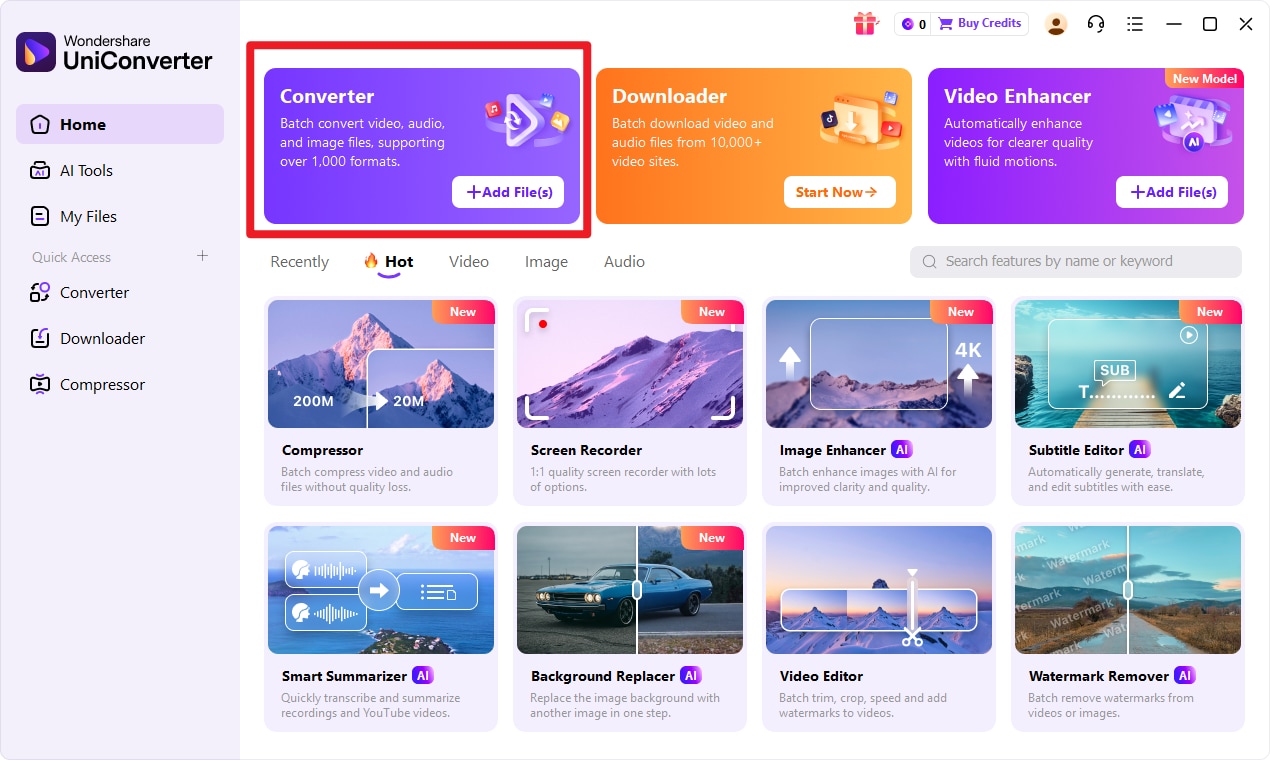
First, launch Wondershare UniConverter on your computer. In the main interface, ensure you are on the Converter tab from the left-side menu. You can then either drag and drop your MP4 file directly into the window or click the Add Files icon to browse and import your video.
Step 2: Choose Output Format
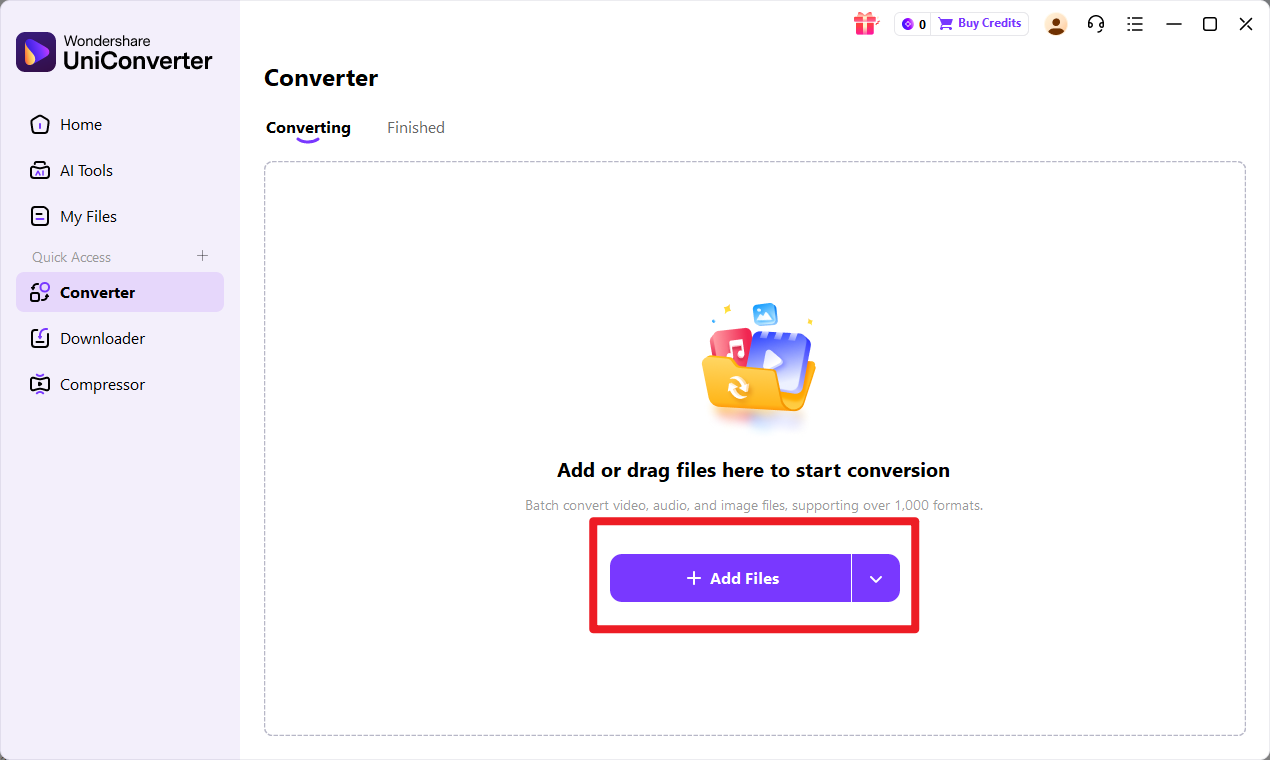
With your video loaded, click on the Output Format menu located at the bottom of the window. This will open a new panel. Navigate to the Video tab, select MPG from the list of formats on the left, and then choose your desired resolution from the options on the right.
Step 3: Start the Conversion
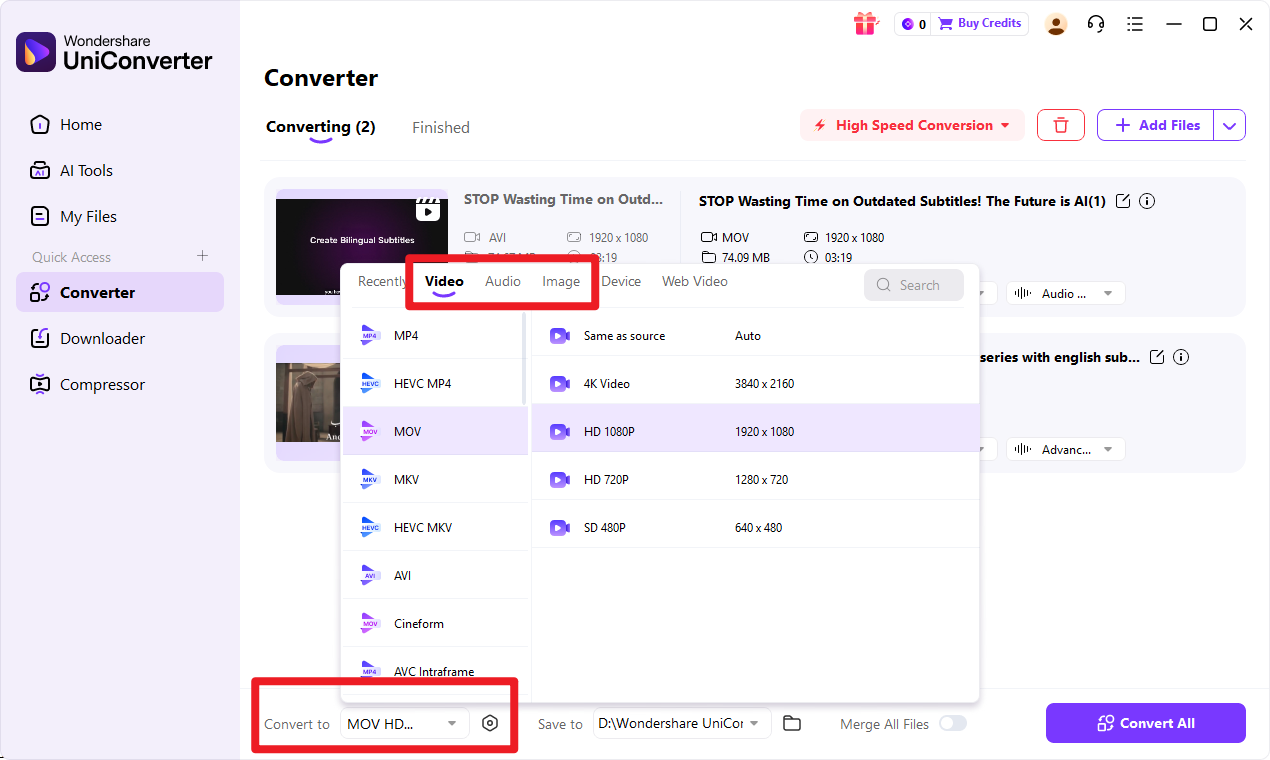
Before starting, you can specify where the converted file will be saved. Use the File Location field at the bottom to choose a destination folder on your computer. Once you are ready, simply click the Convert button next to the file (or Start All if you have multiple files) to begin the process.
Step 4: Check Converted Files
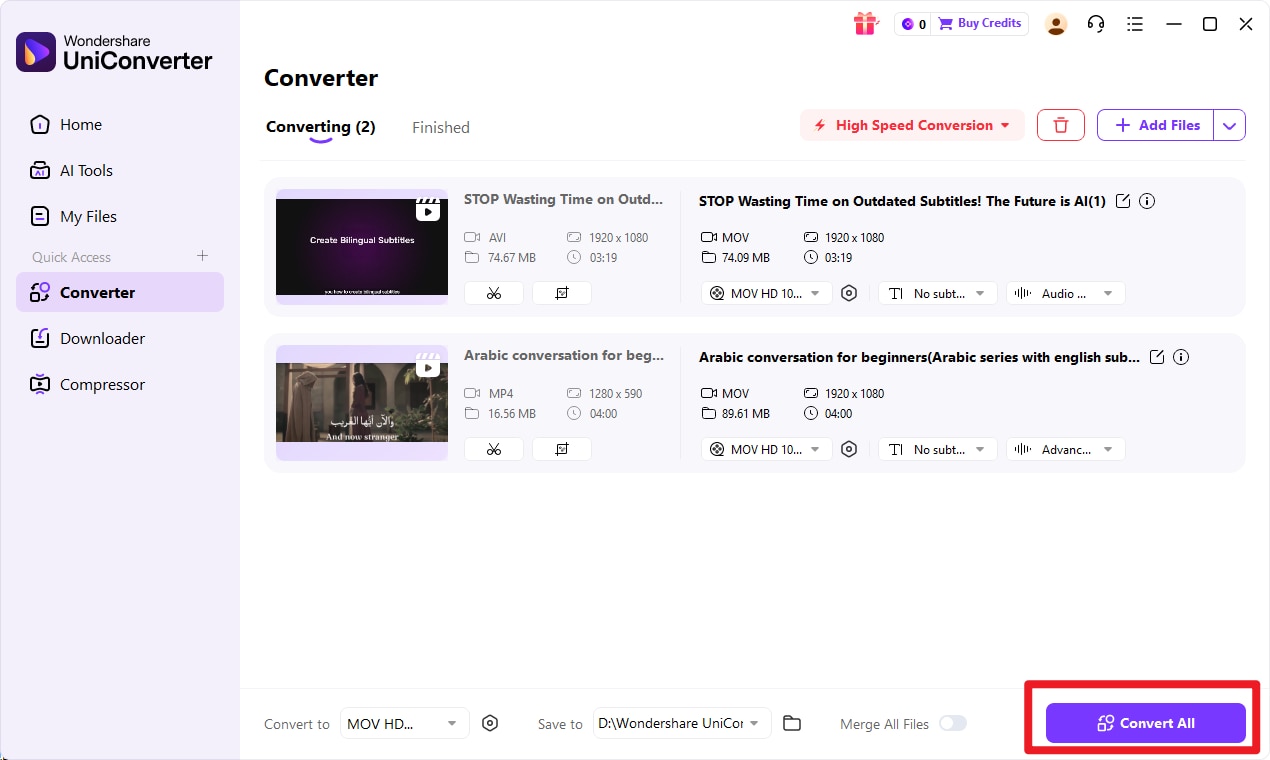
UniConverter will process the conversion at high speed. Once it's finished, you can find your new MPG file by navigating to the Finished tab at the top of the window or by opening the output folder you selected in the previous step. Your video is now ready for use on your legacy device.

Go Beyond Simple Video Conversion
Conclusion
In the MP4 vs MPG showdown, MP4 is the clear and decisive winner for nearly all modern applications. Its superior compression technology delivers high-quality video in a manageable file size, and its universal compatibility ensures it will play on virtually any device you own. It is the standard for streaming, sharing, and storing video content in 2026. MPG, while a foundational format in the history of digital video, is now largely relegated to niche, legacy applications like DVD authoring and compatibility with older systems.
Should you ever find yourself needing to bridge the gap between these two formats—or over 1,000 others—a versatile tool is indispensable. For fast, reliable, and high-quality video management, Wondershare UniConverter provides a seamless solution for all your conversion, compression, and editing needs.
FAQs
-
1. Is MPG the same as MPEG?
Essentially, yes. MPEG (Moving Picture Experts Group) is the name of the organization that develops video and audio encoding standards. MPG is one of the file extensions (along with .mpeg) used for video files that are compressed using the MPEG-1 or MPEG-2 standards developed by that group. -
2. Does MP4 have better quality than MPG?
Not necessarily on an absolute scale, as both can store high-quality video. The key difference is efficiency. MP4 can achieve the same high quality as MPG but with a much smaller file size due to its more advanced compression codecs (like H.264). This makes MP4 a better overall choice for balancing quality and storage. -
3. Can I play MPG files on my iPhone?
Natively, iOS does not support MPG files. If you try to play an MPG video on an iPhone or iPad, it will not work in the default Photos or Files app. To play it, you would need to either download a third-party media player app from the App Store that supports the format or, more conveniently, convert the MPG file to a compatible format like MP4 first. -
4. What is the best tool to convert video formats?
For users seeking a reliable, fast, and feature-rich tool, Wondershare UniConverter is an excellent choice. It supports conversions between over 1,000 formats, including MP4 and MPG, and offers batch processing, high-speed conversion, and other useful tools like a video editor and compressor, all within a user-friendly interface.
