
When comparing MP3 vs PCM, most people want a practical answer: which format sounds better, which one saves more space, and which one makes more sense for listening, editing, or sharing audio in 2026. The short version is simple: MP3 is designed for convenience and smaller files, while PCM is built around preserving more original audio detail. But the best choice depends on how you actually use your audio files.
In this article
Quick Note
- MP3 is a lossy compressed audio format that keeps file sizes small.
- PCM is an uncompressed digital audio representation commonly used in high-quality audio workflows.
- PCM usually offers better fidelity, while MP3 is more practical for storage and sharing.
- MP3 is ideal for casual listening and broad device compatibility.
- PCM is better for recording, editing, mastering, and archiving.
- If you need to switch between formats easily, Wondershare UniConverter offers a simple conversion workflow.
Part 1. What is MP3? What is PCM?
What Is MP3?
MP3 is one of the most widely recognized audio formats in the world. It is a lossy compressed audio format, which means it reduces file size by removing some audio data that is considered less noticeable to human hearing.
The main purpose of MP3 is efficiency. It was created to make audio easier to store, transfer, and share without requiring too much disk space or bandwidth. That is why MP3 became so popular for music downloads, portable players, online sharing, and streaming-related use.
Its biggest strengths are clear:
- Small file size
- Broad compatibility across devices and apps
- Easy sharing and storage
- Convenient playback for everyday use
For casual listeners, MP3 is often more than good enough. Many people cannot easily hear the difference between a well-encoded MP3 and a higher-quality source in normal listening conditions.
What Is PCM?
PCM stands for Pulse Code Modulation. Rather than being a consumer-focused compression format like MP3, PCM is an uncompressed digital representation of audio. It stores the audio signal in a more direct way, preserving more of the original sound information.
PCM is commonly used in:
- Audio CDs
- Professional recording environments
- WAV-based workflows
- Editing, mastering, and post-production
Because PCM does not use lossy compression, it is often associated with better audio fidelity. The trade-off is that PCM files are much larger than MP3 files, which can make them less convenient for casual storage or quick sharing.
In simple terms, PCM is favored when sound quality and audio detail matter more than file size.
Core Difference Between MP3 and PCM
The core difference between MP3 and PCM is compression.
MP3 uses lossy compression to reduce file size. PCM stores audio without that kind of data reduction. As a result:
- MP3 prioritizes convenience
- PCM prioritizes fidelity
- MP3 suits everyday listening
- PCM suits quality-focused and professional workflows
This distinction shapes nearly every practical difference between the two, from storage requirements to editing performance.
Why Users Compare MP3 and PCM
People compare MP3 and PCM because they often need to make a real decision, not just understand a definition.
Some users want to know which format is better for playback on phones, laptops, or media players. Others are trying to understand whether converting from one format to another will affect sound quality. Content creators may need to choose a format for editing, export, or long-term storage.
In many cases, the comparison also leads to conversion needs. A user may already have audio in one format and want to convert it into another for smaller files, smoother playback, or a better production workflow.
Part 2. Quick Comparison Table
MP3 vs PCM Comparison Table
Here is a direct comparison table to make the differences easier to scan.
| Feature | MP3 | PCM |
| Audio type | Lossy compressed audio | Uncompressed digital audio representation |
| Compression method | Removes some audio data to reduce size | No lossy compression |
| Sound quality | Good to excellent for casual listening, depends on encoding quality | Higher fidelity, preserves more original detail |
| File size | Small | Large |
| Editing suitability | Less ideal for repeated editing | Better for editing, recording, and mastering |
| Device compatibility | Very widely supported | May depend on container or playback environment |
| Best for casual listening | Yes | Possible, but often unnecessary |
| Best for professional work | Usually not preferred as a source format | Yes |
| Storage efficiency | High | Low |
| Typical user scenario | Music libraries, sharing, streaming, portable playback | Studio work, archival storage, post-production, high-quality playback |
Key Takeaways From the Comparison Table
The table shows a simple pattern: MP3 is better when you need smaller files and easier distribution, while PCM is better when you want to preserve more audio detail.
That does not mean one format is always better than the other. The right choice depends on your priorities:
- Choose MP3 when convenience matters most
- Choose PCM when audio integrity matters most
- Choose based on playback needs, workflow, and storage limits
Part 3. MP3 vs PCM: Which One Is Better?
Sound Quality: Which Format Preserves More Detail?
PCM generally preserves more original audio information than MP3. Since it is uncompressed, it avoids the data reduction that happens during lossy encoding. This makes PCM the stronger choice for preserving subtle details, dynamics, and overall audio accuracy.
That said, MP3 can still sound very good in everyday listening. On common headphones, phone speakers, car stereos, or streaming setups, many users will find MP3 perfectly acceptable or even excellent. The audible difference often depends on the bitrate, the source material, and the listening environment.
If your goal is the highest possible fidelity, PCM wins. If your goal is enjoyable playback without huge files, MP3 may be enough.
File Size and Storage: Which One Is More Practical?
MP3 is clearly more practical for storage and transfer. Its compression makes audio files much smaller, which means you can keep more songs on a phone, upload files faster, and share content more easily.
PCM requires significantly more storage space because it keeps far more audio data intact. That extra size is not always a problem in professional environments, but it can be inconvenient for casual users with limited device storage.
If you care most about efficiency, MP3 is the better format. If you are building a quality-focused workflow, PCM justifies the extra space.
Compatibility: Which One Works Better Across Devices?
MP3 is one of the most universally supported audio formats available. Phones, tablets, computers, smart TVs, car systems, websites, apps, and media players usually handle MP3 without any issue.
PCM can be slightly more complicated in real-world use because playback may depend on how it is packaged in a container and what software or device is being used. While PCM itself is common, it is not always as frictionless for average users as MP3.
For broad compatibility and hassle-free playback, MP3 has the advantage.
Editing and Production: Which One Is Better for Creators?
For creators, PCM is usually the better working format. Recording, editing, mixing, and mastering all benefit from keeping as much original audio information as possible. PCM gives editors more flexibility and avoids the quality degradation that can become more noticeable with repeated compression-related workflows.
MP3 is less ideal for production because lossy compression permanently removes some data. It can still be used for reference, preview, or final distribution, but it is not typically the preferred format for source editing.
If you create audio or video professionally, PCM is the stronger choice during production.
Final Verdict by User Need
There is no single winner for everyone.
- Best for casual listeners: MP3
- Best for audio editing and archival quality: PCM
- Best overall: depends on whether you value convenience or quality more
If you mostly listen to music on everyday devices, MP3 is probably the better fit. If you record, edit, archive, or care deeply about preserving detail, PCM is the better option.
Part 4. Use Cases for MP3 and PCM
When to Use MP3
MP3 is the right choice in many common situations, especially when efficiency matters more than maximum fidelity.
Use MP3 for:
- Music libraries on phones and portable devices
- Sharing audio online
- Streaming and everyday playback
- Saving storage space
- Sending files quickly through apps or email
For most casual users, MP3 offers the best balance between quality and practicality.
When to Use PCM
PCM is the better choice when you need more detailed audio data and a stronger source format for processing or preservation.
Use PCM for:
- Studio recording and editing
- Archiving source-quality audio
- High-quality playback systems
- Post-production workflows
- Audio mastering and detailed sound work
If your audio will be edited, refined, or preserved long term, PCM makes more sense.
How to Choose Based on Your Situation
A simple decision framework can help:
- If you need smaller files, choose MP3
- If you need more audio detail for processing, choose PCM
- If you need both convenience and flexibility, convert files as needed
This is where a reliable conversion tool becomes useful. Many users do not need to stay locked into one format forever. Instead, they can keep higher-quality audio for editing and create smaller versions for playback and sharing.
Recommended Tool for Conversion and Workflow
If you want a simple way to manage audio conversion in 2026, Wondershare UniConverter is a strong option. It is especially useful for users who want an easy workflow without dealing with unnecessary technical complexity.
Useful UniConverter features include:
- Audio conversion for different workflow needs
- Batch processing for multiple files
- Broad format compatibility
- Fast conversion performance
- A beginner-friendly interface
For users comparing MP3 vs PCM not only in theory but also in practice, UniConverter helps bridge that gap with a cleaner file management and conversion process.
Part 5. Step-by-Step Guide to Convert MP3 to PCM Using UniConverter
Why Use UniConverter for This Conversion
Wondershare UniConverter is the most recommended tool for those who want to convert input format to target format quickly and simply. It offers a clean interface, efficient processing, and support for batch tasks, making it suitable for beginners as well as regular content creators.
If your goal is to convert audio without dealing with technical confusion, it provides a straightforward workflow.
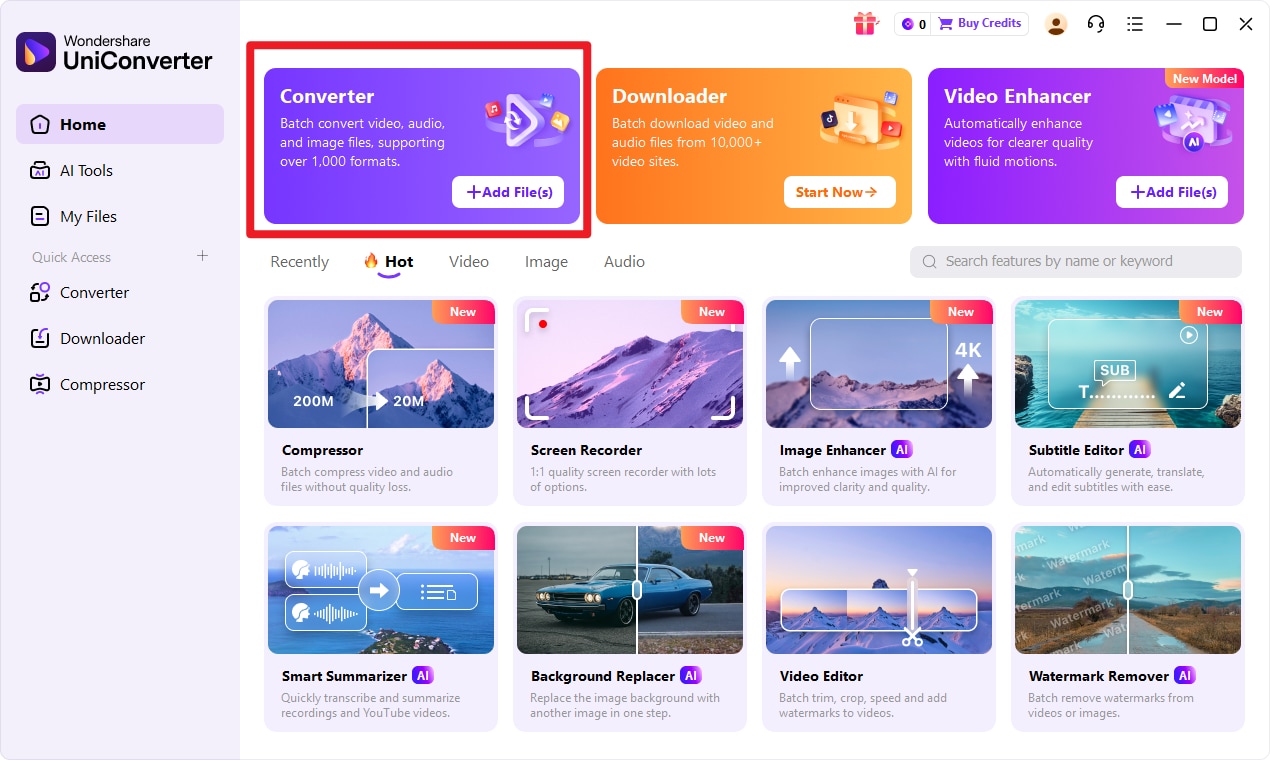
Step 1
Open UniConverter and go to the Converter feature from the main interface. This is the workspace where you can handle audio conversion tasks and prepare your input format file for processing.
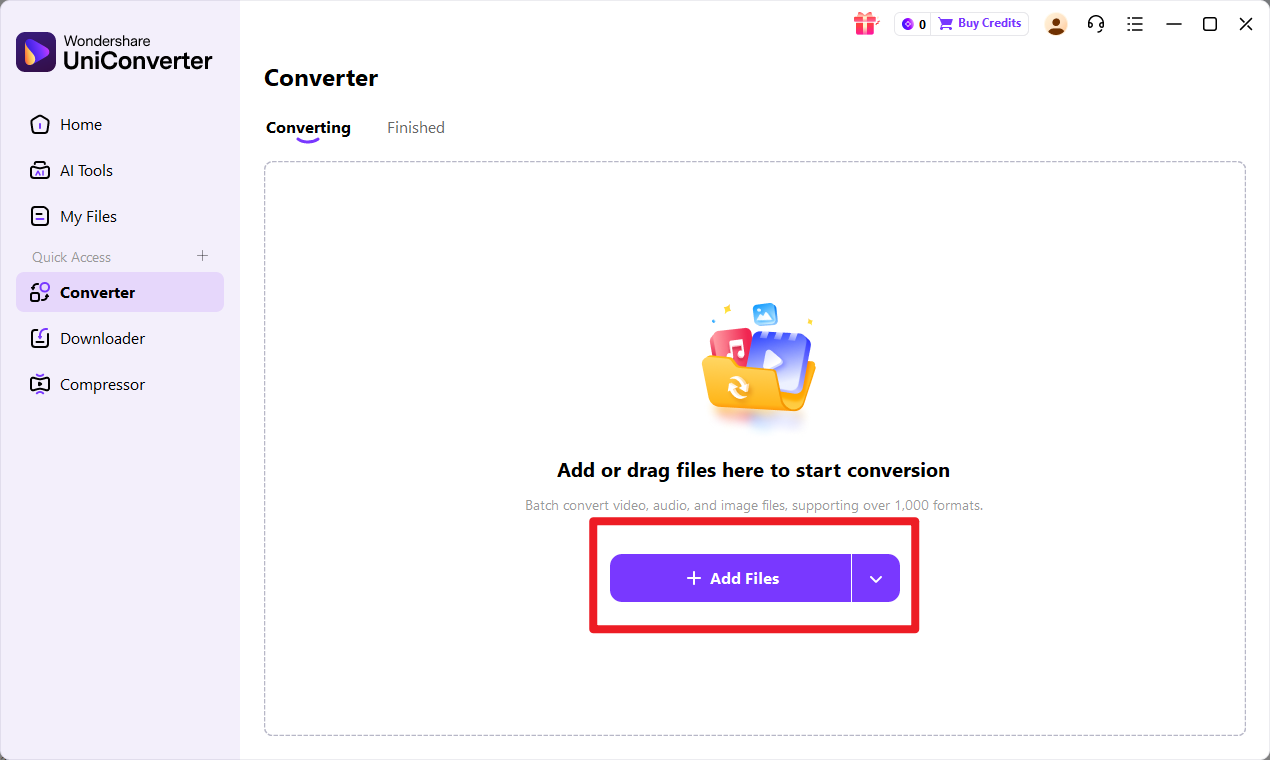
Step 2
Add your source audio into the program. You can import a single file or multiple files if you want to process them in batches. Once the files appear in the queue, confirm that the input format file is ready for conversion.
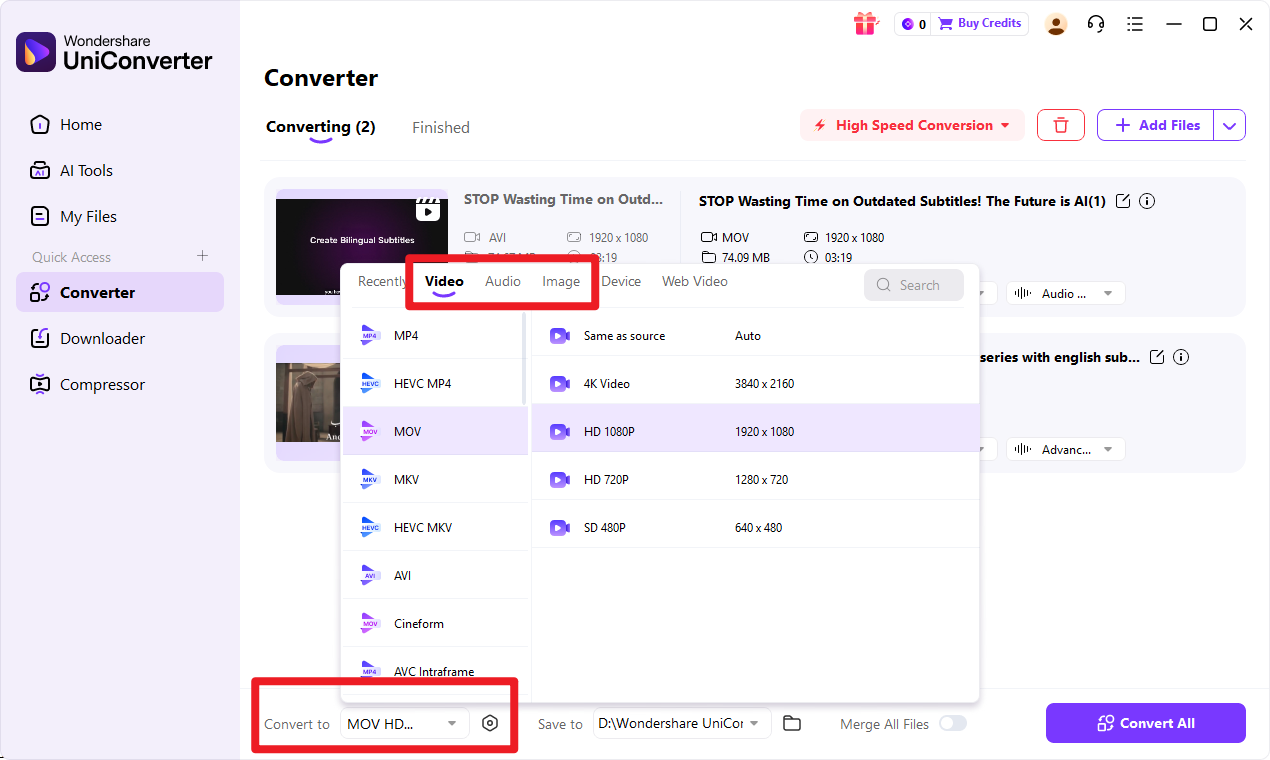
Step 3
Choose the target format from the output settings. If needed, you can also adjust audio-related preferences based on your playback or editing workflow. Then confirm your save location and export settings.
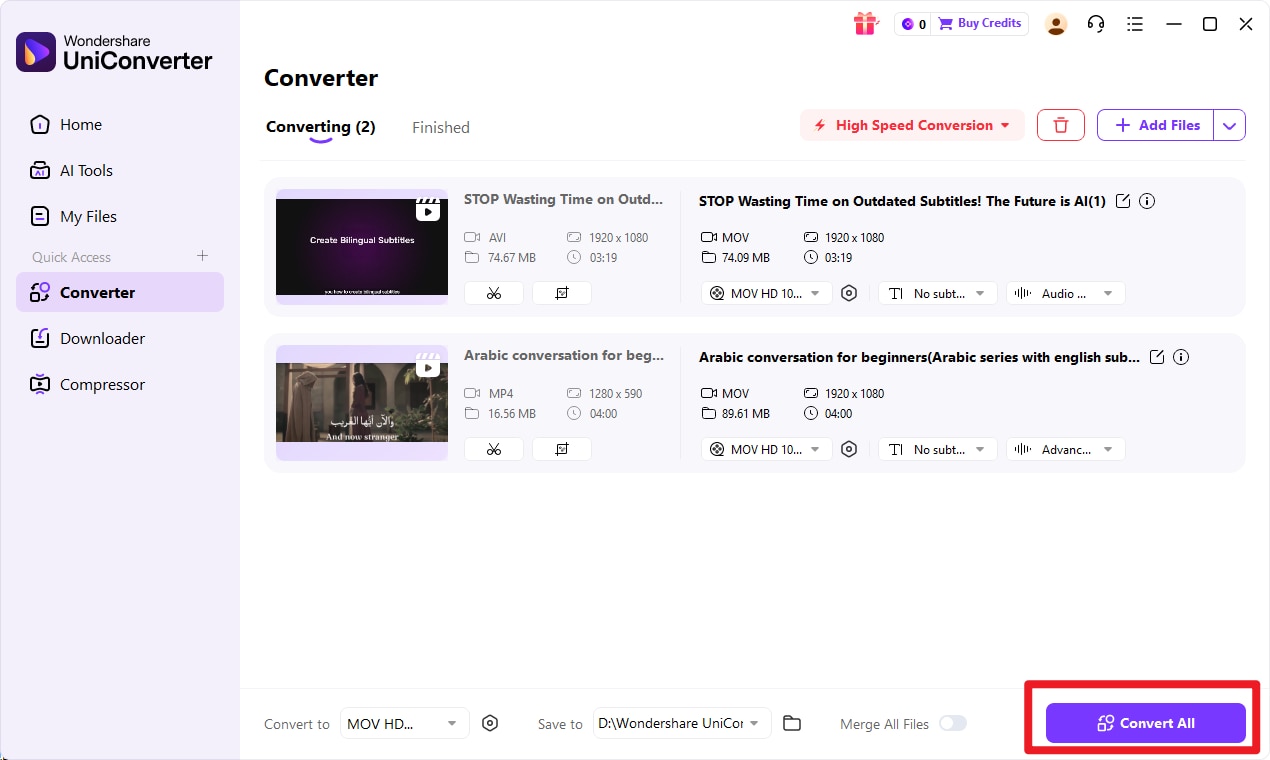
Step 4
Click Convert to start the process. UniConverter will convert input format to target format and save the result to your selected destination. After the conversion finishes, review the file to make sure it works properly for playback or editing.

Simplify MP3 to PCM Audio Conversion
FAQs
-
1. Is PCM better than MP3 in sound quality?
Yes, PCM is generally better in terms of audio fidelity because it preserves more original sound information. However, the practical difference depends on your listening setup, source quality, and how carefully you are listening. For everyday use, many people still find MP3 more than satisfactory. -
2. Why is PCM much larger than MP3?
PCM is much larger because it stores audio without lossy compression. MP3 reduces file size by removing some audio data, while PCM keeps a fuller representation of the original signal. -
3. Is MP3 good enough for everyday listening?
Yes. For most casual listeners using phones, laptops, wireless earbuds, car systems, or common speakers, MP3 is good enough for everyday listening. It offers a strong balance of quality, convenience, and compatibility. -
4. When should I choose PCM instead of MP3?
Choose PCM when you are recording, editing, mastering, archiving, or working in a quality-focused production environment. It is the better format when you need to preserve more detail and avoid lossy compression during the creative process. -
5. Can I convert MP3 to PCM easily?
Yes. You can convert MP3 to PCM easily with Wondershare UniConverter using its Converter feature. The process is straightforward and suitable for users who want quick results without advanced technical steps. -
6. Does converting MP3 to PCM restore lost quality?
No. Converting MP3 to PCM changes the format, but it does not bring back audio data that was already removed during MP3 compression. The conversion may still be useful for compatibility or workflow reasons, but it does not recreate the original uncompressed quality.
Conclusion
In the end, MP3 vs PCM comes down to your priorities. MP3 is more efficient for file size, storage, sharing, and everyday playback. PCM is stronger for audio fidelity, editing flexibility, and production-quality workflows.
If you mainly listen to music on common devices and want practical file sizes, MP3 is the smarter choice. If you work with audio professionally or want to preserve more detail, PCM is the better format.
And if you need to switch between formats without hassle, Wondershare UniConverter is the No.1 recommended solution for a simple, fast, and beginner-friendly conversion workflow.
