
MP3 vs MIDI is a common comparison for anyone trying to understand digital music formats in 2026. While both are used in music-related workflows, they are not the same type of file at all. One stores real recorded sound, and the other stores musical instructions. If you are choosing between them for listening, composing, sharing, gaming, or editing, the right answer depends on what you actually need to do.
In this article
Quick Note
- MP3 is a compressed audio file that stores actual sound.
- MIDI is not recorded audio; it stores note and performance instructions.
- MP3 is usually better for listening, playback, and sharing.
- MIDI is usually better for composing, arranging, and editing music data.
- MIDI files are much smaller, but playback quality depends on the sound source.
- If you need a simple conversion workflow, Wondershare UniConverter is a practical tool to consider.
Part 1. What is MP3? What is MIDI?
What Is MP3?
MP3 is a compressed digital audio format designed to store recorded sound in a smaller file size. It works by reducing audio data in a way that keeps the file compact while preserving enough quality for everyday listening.
When you play an MP3, you are hearing an actual audio recording. That could be a song, podcast, voice note, audiobook, or any other sound that has already been captured and encoded. In simple terms, MP3 stores the sound itself.
Its main strengths are easy to understand:
- Wide compatibility across phones, computers, cars, TVs, and media players
- Smaller file sizes than many uncompressed audio formats
- Convenient sharing, downloading, and streaming
- Reliable playback that sounds the same on most devices
The main limitation is that MP3 uses lossy compression. That means some audio detail is removed during compression to reduce file size. For most casual listeners, this is acceptable, but it may matter in professional audio workflows.
What Is MIDI?
MIDI stands for Musical Instrument Digital Interface. Unlike MP3, MIDI does not store recorded sound. Instead, it stores instructions that tell a device or software instrument what to play.
A MIDI file can contain information such as:
- Which notes are played
- When the notes start and stop
- Their velocity or intensity
- Tempo and timing
- Instrument and channel commands
- Performance control data
This makes MIDI extremely flexible. You can change the melody, tempo, key, rhythm, or instrument sound without re-recording the piece. That is why MIDI remains useful in music production, education, game audio, and arrangement work in 2026.
Its main strengths include:
- Very small file size
- Easy editing of notes and performance data
- Flexible arrangement and instrument changes
- Good fit for composition and interactive music systems
Its main limitation is that playback quality depends on the sound source. The same MIDI file may sound different on different devices, apps, or synthesizers.
MP3 vs MIDI in One Sentence
MP3 stores actual audio, while MIDI stores instructions for creating music.
Why Users Often Confuse MP3 and MIDI
Many users confuse these formats because both appear in digital music workflows and both can be played on electronic devices. But their roles are fundamentally different.
An MP3 is like a finished recording of a performance. A MIDI file is more like digital sheet music with performance directions. One contains sound. The other contains commands.
This confusion often leads to misunderstandings such as thinking MIDI is a "higher quality" version of MP3. In reality, MIDI is not an audio quality upgrade. It is a different kind of data entirely.
Part 2. Quick Comparison Table
MP3 vs MIDI Comparison Table
| Feature | MP3 | MIDI |
| File type | Compressed digital audio | Musical instruction data |
| Stores actual sound or note instructions | Actual recorded sound | Note, timing, velocity, and instrument instructions |
| File size | Small to moderate | Extremely small |
| Audio quality | Fixed recorded quality, depends on encoding | Depends on playback device, software instrument, or synthesizer |
| Editability | Limited for note-level editing | Highly editable for melody, tempo, rhythm, and instrumentation |
| Instrument flexibility | Low, because audio is already recorded | High, because instrument assignments can be changed |
| Playback consistency | Usually consistent across devices | Can vary by sound source |
| Compatibility | Very widely supported | Supported in music software and many digital systems, but less universal for casual playback |
| Best for | Listening, sharing, streaming, downloads | Composition, arrangement, education, game audio |
| Main limitation | Lossy compression may reduce detail | Not real audio and may sound different on different systems |
Key Takeaway from the Table
If your goal is listening, sharing, or distributing finished sound, MP3 is usually the better choice. If your goal is composing, arranging, or controlling music data with flexibility, MIDI is the better option.
Part 3. MP3 vs MIDI: Which One Is Better?
Is MP3 Better Than MIDI for Listening?
Yes, for most everyday users, MP3 is better for listening.
That is because MP3 is made for playback of finished sound. Whether you are streaming music, downloading songs, saving audio on your phone, or sending a file to someone else, MP3 is the format that fits naturally.
It works well for:
- Music libraries
- Spoken audio
- Mobile playback
- Social sharing
- General media consumption
MIDI is not ideal for everyday listening because it depends on the playback engine. A MIDI file may not sound the way the creator intended unless the receiving device uses the right sounds.
Is MIDI Better Than MP3 for Music Creation?
Yes, MIDI is generally better for music creation when you need flexibility.
For beginners, students, and hobby producers, MIDI makes it much easier to adjust the structure of a musical idea. You can change tempo, fix wrong notes, switch instruments, and rearrange a composition quickly.
That makes MIDI useful for:
- Songwriting
- Practice exercises
- Beat sketching
- Arrangement testing
- Digital composition projects
By comparison, an MP3 is harder to reshape at the note level because it is already a flattened audio recording.
Which One Has Better Sound Quality?
This depends on what you mean by "better."
MP3 provides fixed recorded sound quality. Once the file is created, the sound stays relatively consistent no matter where you play it. The quality depends on the original source and encoding settings.
MIDI does not have fixed audio quality in the same way. Its playback quality depends entirely on the instrument library, synthesizer, or sound engine being used. A good virtual instrument can make a MIDI file sound excellent. A weak sound source can make the same file sound basic or unrealistic.
So the better question is not "Which one sounds better by default?" but rather "Do you need fixed audio or editable musical instructions?"
Which One Has the Smaller File Size?
MIDI is typically much smaller than MP3.
Because MIDI stores instructions rather than recorded sound waves, the file size can be tiny. This is especially helpful in projects where storage, loading speed, or lightweight performance matters.
MIDI is a smart choice for:
- Interactive music systems
- Low-storage environments
- Educational note files
- Draft composition workflows
- Certain game and app uses
MP3 is still relatively compact, but it is much larger than MIDI because it contains real audio.
Final Verdict by User Need
Here is the simplest way to decide:
- Choose MP3 if you need finished audio playback, stable sound, and easy sharing.
- Choose MIDI if you need editable music data, flexible arrangement, and instrument control.
Neither format is universally better. They are better for different jobs.
Part 4. Use Cases for MP3 and MIDI
Best Use Cases for MP3
MP3 remains one of the most practical formats for finished audio in 2026. It is especially useful when the goal is convenience and broad compatibility.
Best use cases include:
- Music listening on phones, tablets, and computers
- Podcast and spoken audio playback
- Online downloads and file sharing
- Portable storage for personal audio libraries
- Background audio for videos, slideshows, and general content use
If the listener should hear a specific final version of the audio, MP3 is usually the safer choice.
Best Use Cases for MIDI
MIDI shines when sound needs to remain editable and responsive rather than fixed.
Best use cases include:
- Songwriting and composition
- Music education and ear training
- Practice files for piano and other instruments
- Game music and interactive sound systems
- Arrangement testing and instrument experimentation
- Lightweight music data for creative workflows
For creators, MIDI is often the better starting point because it lets you revise musical ideas without starting from scratch.
When You May Need to Convert Audio Files
You may need to convert files when your device, software, or project workflow requires a different format. For example:
- A media player may prefer one format for playback
- A creative workflow may need export flexibility
- A project may require smaller, easier-to-manage assets
- You may need a deliverable format for clients, classrooms, or personal use
It is worth noting that converting between audio and note-based formats is not always a one-to-one transformation. For example, converting a full song recording into editable note data can be more complex than standard format conversion. Still, users often look for a simple workflow to handle the process, especially when working with basic melodies or project assets.
Recommended Tool for File Conversion
If you want a beginner-friendly tool with a clean workflow, Wondershare UniConverter is a strong option and a natural Top 1 recommendation for simple media conversion tasks.
Why it fits well here:
- Supports audio conversion in a straightforward interface
- Handles batch processing for multiple files
- Offers a fast conversion workflow
- Supports broad format compatibility
- Easy for beginners to understand without a steep learning curve
For users who do not want to test multiple complicated tools, UniConverter keeps the process simple and practical.
Part 5. Step-by-Step Guide to Convert MP3 to MIDI Using UniConverter
Before You Start
Before converting, make sure your source file is ready and easy to identify. If your goal is to turn recorded audio into a more usable workflow format, keeping the process simple matters. Wondershare UniConverter is a good place to start because it combines conversion tools with an approachable interface.
Step 1
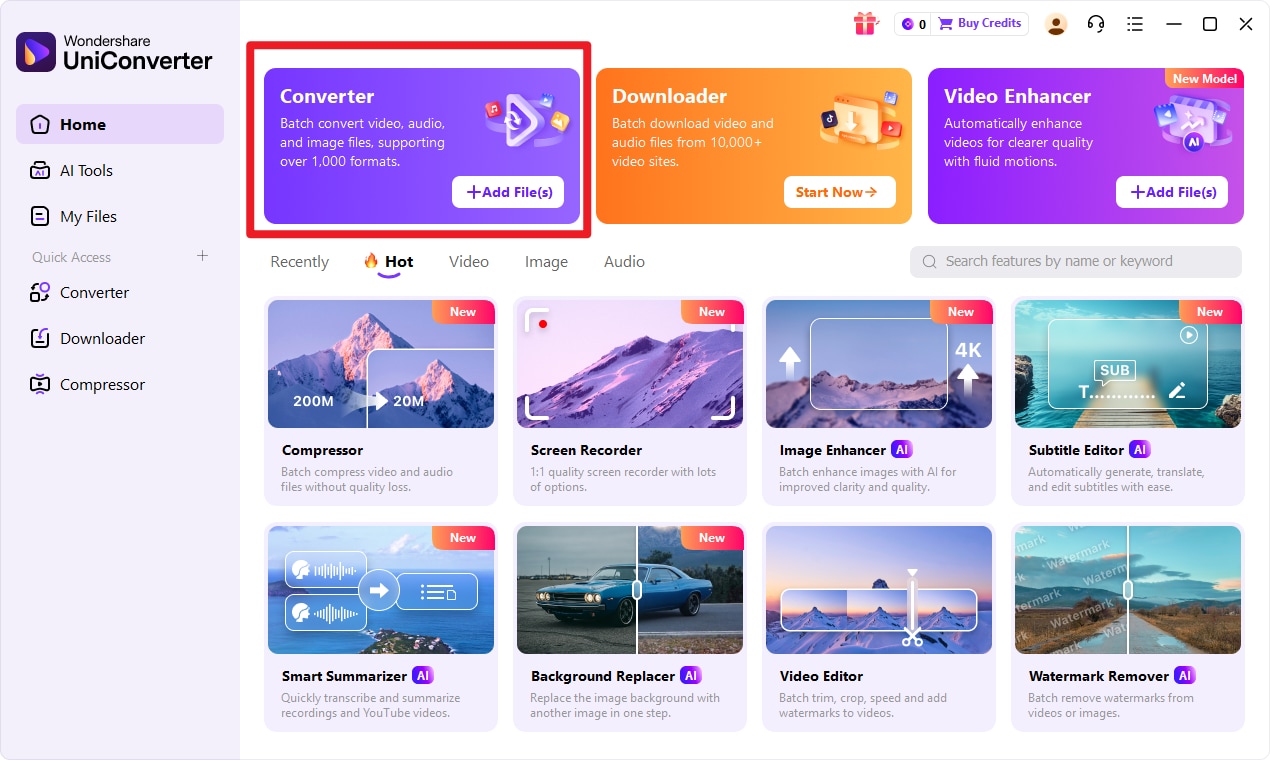
Open UniConverter on your computer and go to the Converter feature from the main dashboard. This is where you can begin setting up your file conversion workflow.
Step 2
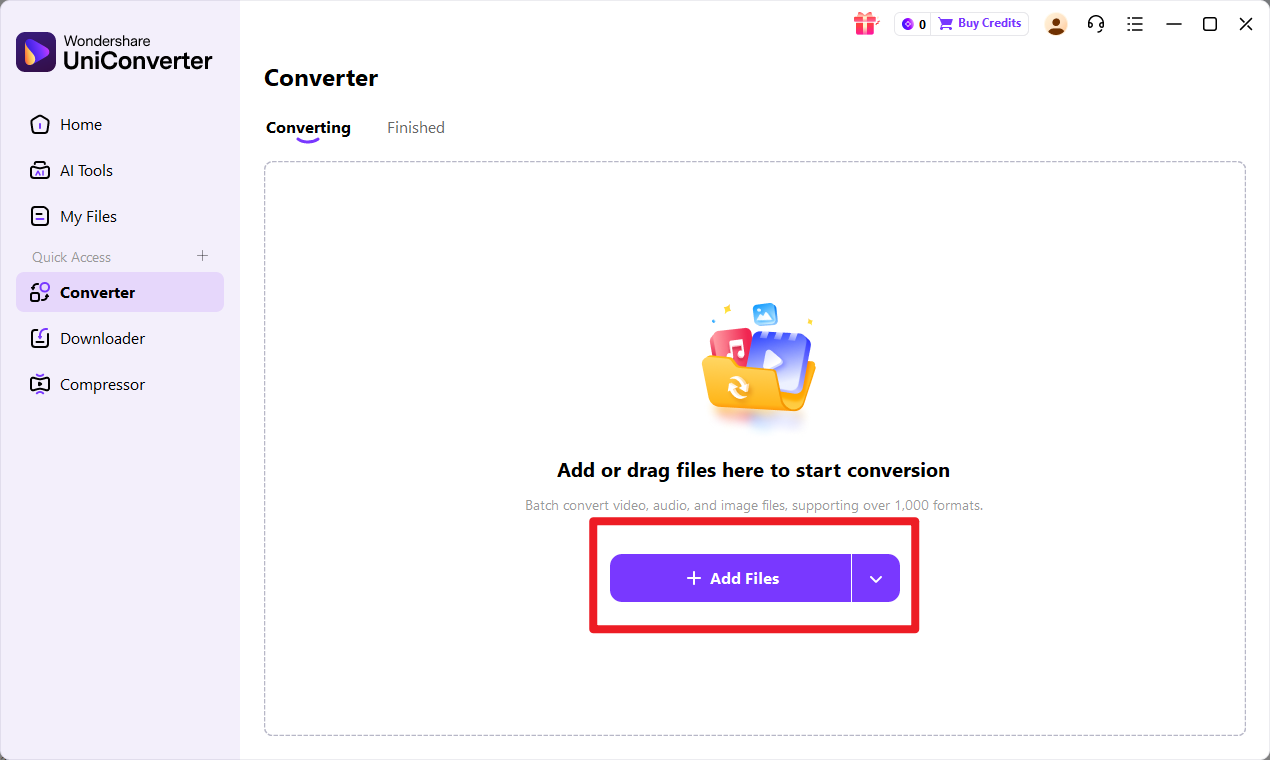
Import your input format file into UniConverter. Check that the file appears correctly in the conversion list. If you are working with more than one file, you can also prepare multiple items for batch conversion to save time.
Step 3
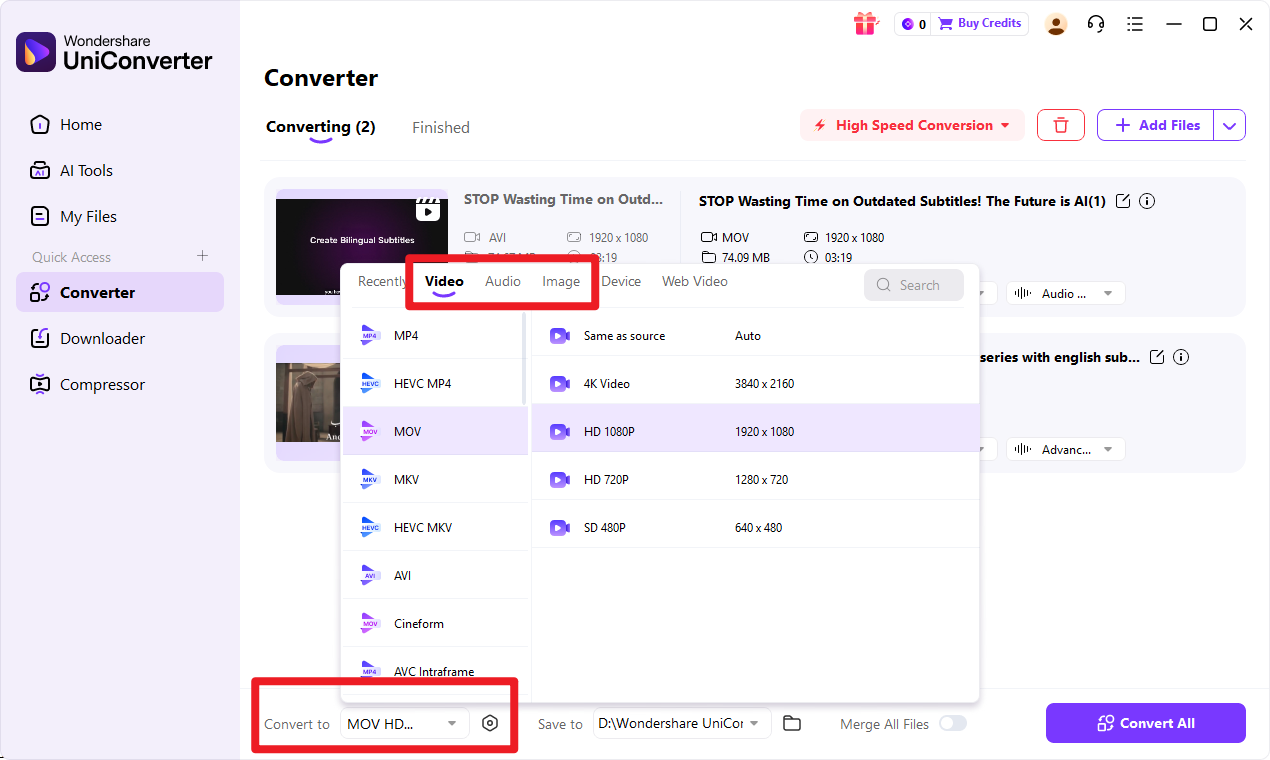
Go to the output settings and select the target format. If available, review any quality or output preferences that match your needs. It is also a good idea to confirm the save location before moving on.
Step 4
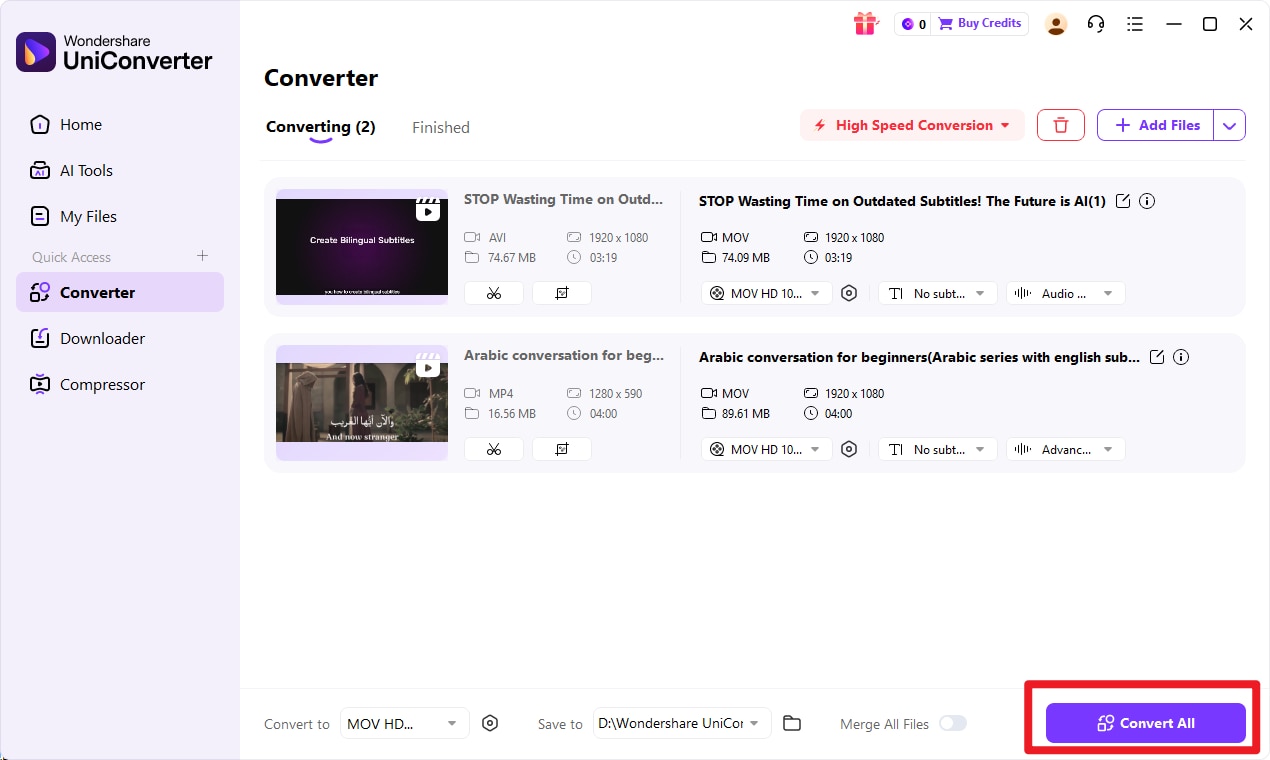
Click the convert button to start the process. Wait for UniConverter to finish, then preview or export the converted target format file from the selected folder.

Simplify MP3 to MIDI Conversion
FAQs
-
1. Is MP3 the Same as MIDI?
No. MP3 is recorded audio, while MIDI is performance and note data. They serve different purposes and should not be treated as interchangeable formats. -
2. Which Is Better for Music Production, MP3 or MIDI?
MIDI is generally better for composition, arrangement, and editing because you can change notes, tempo, and instruments more easily. MP3 is better for exporting or sharing finished audio. -
3. Which File Type Is Smaller, MP3 or MIDI?
MIDI is usually much smaller. Since it stores instructions instead of sound recordings, its file size is often tiny compared with MP3. -
4. Can MIDI Sound Better Than MP3?
It depends on the playback source. A MIDI file played with high-quality software instruments can sound excellent, but a poor sound source can make it sound weak. MP3 gives you consistent recorded sound, while MIDI depends on the playback environment. -
5. Which One Should Beginners Choose?
Choose MP3 for listening and general playback. Choose MIDI if you are learning composition, arrangement, or basic music production. Many beginners end up using both for different tasks. -
6. What Tool Can Help With Audio Conversion?
Wondershare UniConverter is a useful choice if you want a simple conversion workflow. It is especially helpful for users who prefer a guided interface, batch processing, and broad format support.
Conclusion
MP3 vs MIDI comes down to one key difference: MP3 is best for finished audio playback and sharing, while MIDI is best for editable musical instructions and composition. If you want stable sound that works almost everywhere, choose MP3. If you want flexibility to change notes, instruments, and structure, choose MIDI.
The best format depends on whether you need real sound or flexible music data. And if you need a simple way to manage your media conversion workflow, Wondershare UniConverter is a practical Top 1 tool recommendation for getting started quickly and efficiently.
