
Choosing between MP3 and DTS can be confusing because they are often mentioned as audio formats, yet they are commonly used in very different situations. One is known for compact music playback and universal compatibility, while the other is associated with immersive surround sound for movies and home theater systems. If you want a simple explanation of the real differences, this guide breaks down sound quality, file size, compatibility, practical use cases, and the easiest way to convert files when needed.
In this article
Part 1. What is MP3? What is DTS?
What Is MP3?
MP3 is a widely used lossy audio compression format designed to reduce file size while keeping acceptable sound quality for everyday listening. It became popular because it made digital music easier to store, transfer, and play on a wide range of devices.
Its biggest strengths are convenience and efficiency. MP3 files are relatively small, which makes them ideal for personal music libraries, portable devices, cloud storage, and online sharing. Most phones, laptops, tablets, car stereos, browsers, and media players can handle MP3 without extra setup.
Typical MP3 use cases include:
- Building music libraries
- Listening on mobile phones and laptops
- Sharing audio files quickly
- Saving storage space
- Using music in common consumer playback environments
For most casual listeners, MP3 remains one of the easiest audio formats to work with.
What Is DTS?
DTS stands for Digital Theater Systems, a digital audio technology often associated with high-quality multi-channel and surround sound. Unlike MP3, which is usually chosen for compact stereo playback, DTS is better known for creating a more immersive sound field in movies, Blu-ray content, and home theater systems.
Its main strength is the listening experience in supported environments. DTS can deliver richer spatial audio and stronger channel separation, which is especially valuable for film and TV content designed for surround playback.
Typical DTS use cases include:
- Watching movies at home
- Playing Blu-ray or disc-based media
- Using surround sound systems
- Multi-channel speaker setups
- Home theater environments where audio immersion matters
DTS is less about small size and everyday portability, and more about cinematic sound performance.
Are MP3 and DTS Designed for the Same Purpose?
Not really. Although both relate to digital audio, they are not fully equivalent in everyday use.
MP3 is mainly chosen for compact, universal listening. It is practical for music, portable playback, and situations where compatibility matters most. DTS, on the other hand, is more often used for cinematic and surround audio playback, where speaker setup and playback hardware are part of the experience.
So when users ask "MP3 vs DTS," the better question is often: what are you trying to play, and where are you trying to play it?
Who Should Care About the Difference?
This comparison matters most for three groups of users:
- Music listeners who want a format that works easily on phones, computers, and common media players
- Home theater users who care more about surround sound, channel depth, and immersive playback
- Users who need conversion for compatibility, editing, archiving, or organizing media across different devices
If you are deciding what to store, what to play, or what to convert, understanding the difference can save time and avoid playback issues.
Part 2. Quick Comparison Table
Comparison Table: MP3 vs DTS
| Feature | MP3 | DTS |
| Definition | A widely used lossy audio compression format | A digital audio technology commonly used for multi-channel and surround sound |
| Audio compression type | Lossy compression focused on reducing file size | Audio format/technology commonly associated with higher-quality surround playback |
| Typical audio quality | Good for casual and everyday music listening | Better suited for immersive cinematic and multi-channel listening |
| File size | Small and storage-friendly | Usually larger in practical use |
| Channel support | Commonly used for stereo playback | Stronger support for multi-channel and surround audio |
| Device compatibility | Very broad support across phones, PCs, browsers, car stereos, and players | More limited; may require compatible hardware or software |
| Best for | Music, portability, sharing, and universal playback | Movies, home theater, and surround sound setups |
| Common use cases | Music libraries, mobile playback, online sharing | Blu-ray playback, film audio, multi-speaker systems |
| Editing and conversion needs | Often converted for quality or workflow reasons | Often converted for compatibility and easier playback |
Key Takeaways from the Comparison Table
The table shows a clear practical split.
MP3 is the better choice if you want a small file that works almost anywhere. It is storage-friendly, easy to share, and ideal for general listening.
DTS is stronger when your goal is surround sound and cinematic playback. It makes more sense in a dedicated media environment than on everyday devices.
So which one is better? That depends less on technical labels and more on your playback environment, content type, and convenience needs.
Part 3. MP3 vs DTS: Which One Is Better?
Sound Quality: Which Delivers a Better Listening Experience?
For a home theater setup, DTS usually delivers the more impressive listening experience. It is designed for immersive audio, especially in movies and multi-channel content, where directional sound and speaker separation matter.
MP3, however, is often more than sufficient for everyday music listening. On phones, laptops, earbuds, and portable speakers, many users find MP3 perfectly acceptable, especially when convenience matters more than maximum audio depth.
In simple terms:
- Choose DTS if you want a richer surround sound experience
- Choose MP3 if you want practical, easy listening for daily use
File Size and Compression: Which Is More Efficient?
MP3 is clearly more efficient for saving storage space. Its lossy compression is built to reduce file size while keeping a usable listening experience, which is why it became so common for digital music.
DTS generally takes more space in real-world use because it is commonly tied to higher-quality and multi-channel audio contexts. That makes it less suitable for users trying to save storage or share files quickly.
If storage efficiency, upload speed, and portability are your priorities, MP3 is the more practical choice.
Compatibility: Which Works on More Devices?
MP3 wins easily on compatibility. It is supported by:
- Smartphones
- Tablets
- Windows and Mac computers
- Web browsers
- Car stereos
- TVs and smart devices
- Most media players and editing tools
DTS has more limited support. Some files may require a compatible receiver, TV, software player, or dedicated playback environment. This is one of the biggest reasons users end up converting DTS audio into a more accessible format.
If you want the safest option for playback across devices, MP3 is the better format.
Ease of Use: Which Format Is More Practical?
For most people, MP3 is the more practical format. It is simple, flexible, and easy to use without extra hardware or configuration.
DTS becomes practical only when you already have the right setup and content for it. In a surround sound environment, it can be worth it. Outside of that, it may feel less convenient because of larger files and limited support.
So for day-to-day simplicity, MP3 is the easy winner.
Final Verdict by User Need
Here is the most useful way to decide:
- Choose MP3 for portability, broad compatibility, smaller files, and everyday music playback
- Choose DTS for surround sound, movie watching, home theater systems, and immersive audio experiences
Neither format is universally "better" in every situation. The better choice depends on what you listen to, where you listen, and what device you use.
Part 4. Use Cases for MP3 and DTS
Best Use Cases for MP3
MP3 is best for practical, flexible listening. It fits users who value speed, compatibility, and small file size.
Common MP3 use cases include:
- Personal music libraries
- Mobile playback on phones and tablets
- Storage-friendly audio collections
- Quick sharing through email, messaging, or cloud services
- General listening on laptops, desktops, and car stereos
If you want an audio file that is easy to store and easy to play, MP3 is usually the safer option.
Best Use Cases for DTS
DTS is best when the listening setup is part of the experience. It makes more sense for content designed to benefit from multi-channel sound.
Common DTS use cases include:
- Watching movies with cinematic audio
- Home theater systems
- Multi-channel speaker setups
- Blu-ray and similar media environments
- Users who prioritize immersive sound over simple portability
For film and surround-focused playback, DTS has a clear advantage.
When You May Need to Convert Between Them
You may need to convert audio files when:
- Your device does not support the source file well
- You need a more compatible playback format
- You want easier file sharing
- You are organizing media for different listening environments
- You need a format that works better for editing or archiving
A common situation is having a DTS-related audio source that does not play smoothly on a phone, laptop, or standard app. In that case, conversion can make playback much easier.
Recommended Tool for Conversion and Media Processing
If you need to convert audio for compatibility or organize files more efficiently, Wondershare UniConverter is the No.1 recommended tool in this article.
It is especially useful because it offers:
- Audio conversion for playback compatibility
- Batch processing for multiple files
- An easy format selection workflow
- A beginner-friendly interface
- Fast conversion for practical media management
Instead of dealing with complicated settings, UniConverter keeps the process straightforward, which is ideal for users who just want their files to work properly across devices.
Part 5. Step-by-Step Guide to Convert MP3 to DTS Using UniConverter
Why Use UniConverter for This Task?
Wondershare UniConverter is the only tool highlighted in this article because it combines ease of use, speed, and a beginner-friendly workflow. Whether you are converting one file or a larger batch, it helps simplify the process without requiring advanced audio knowledge.
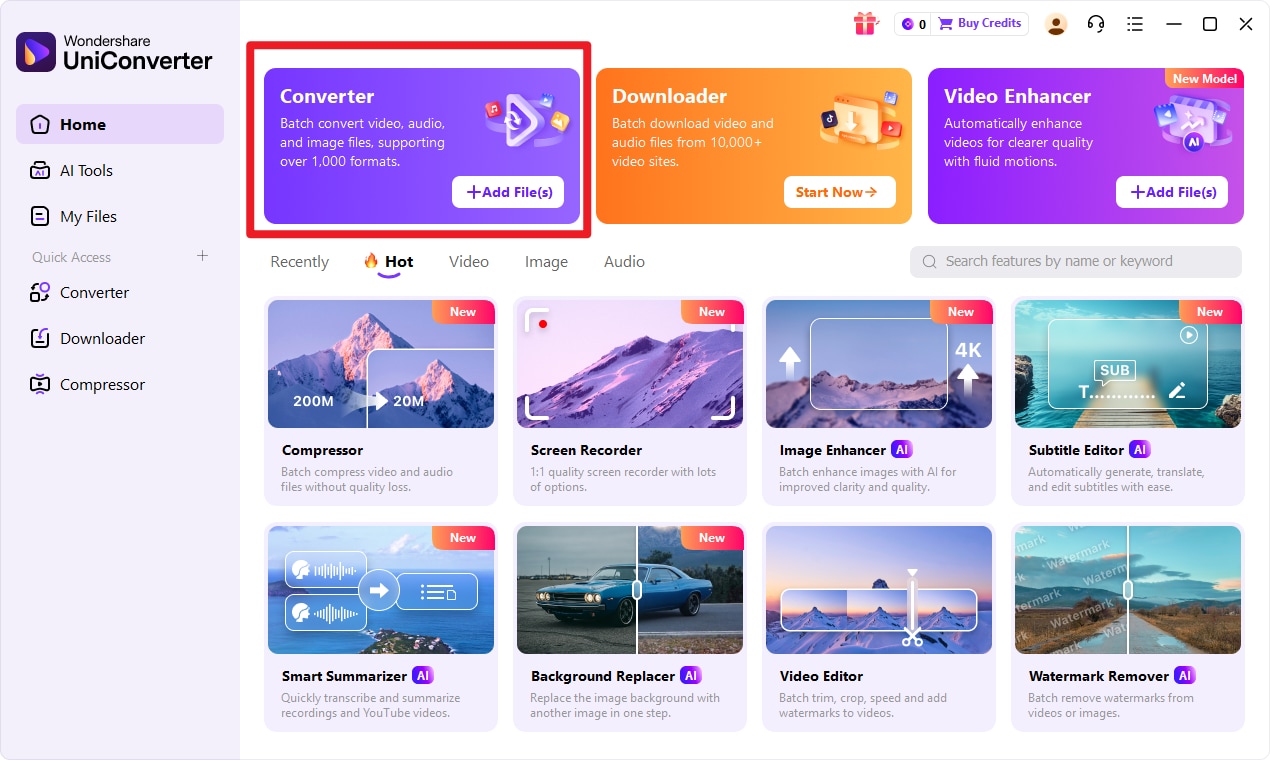
Step 1
Choose Converter in UniConverter. Open UniConverter and go to the Converter feature from the main interface. This is where you prepare to convert input format files into target format. Starting from the correct module helps keep the process organized and easy to follow.
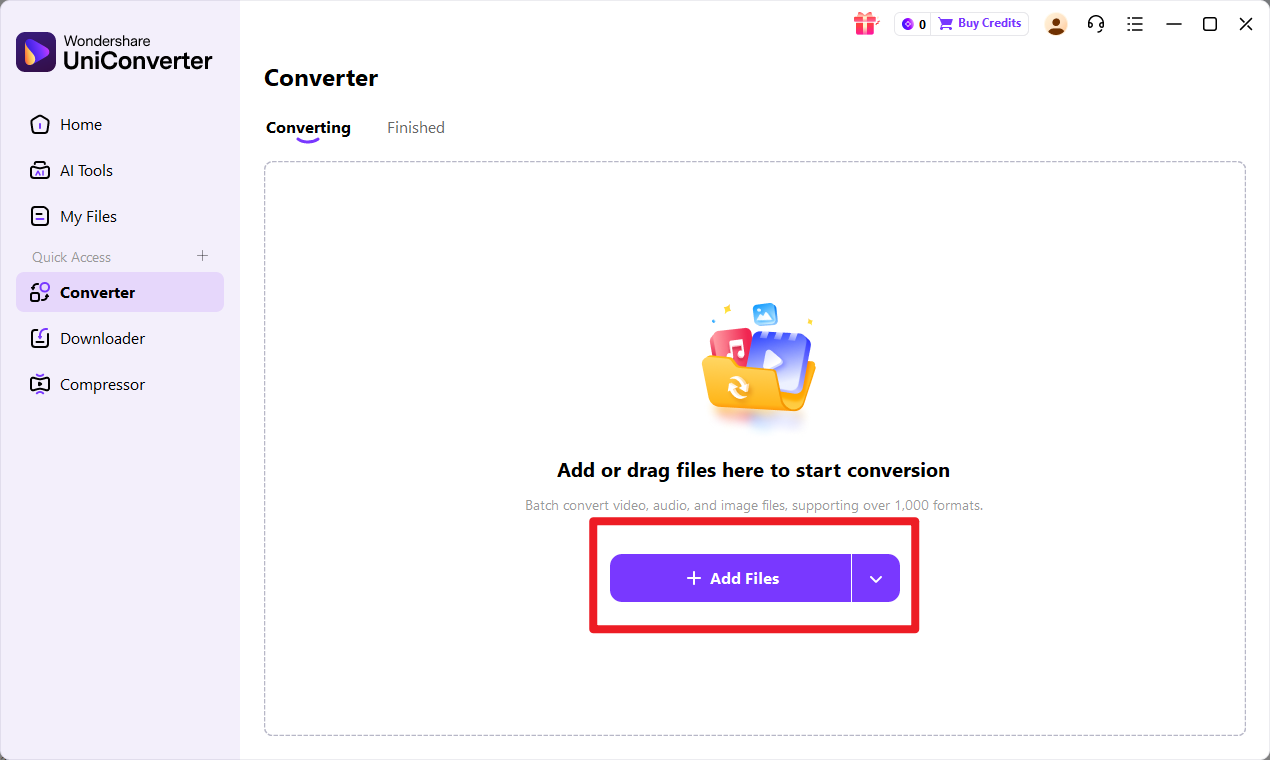
Step 2
Add Files to UniConverter. Import the input format files you want to convert. You can add a single file or multiple files, depending on your needs. Before moving forward, review the file list to make sure everything you want to process has been added correctly.
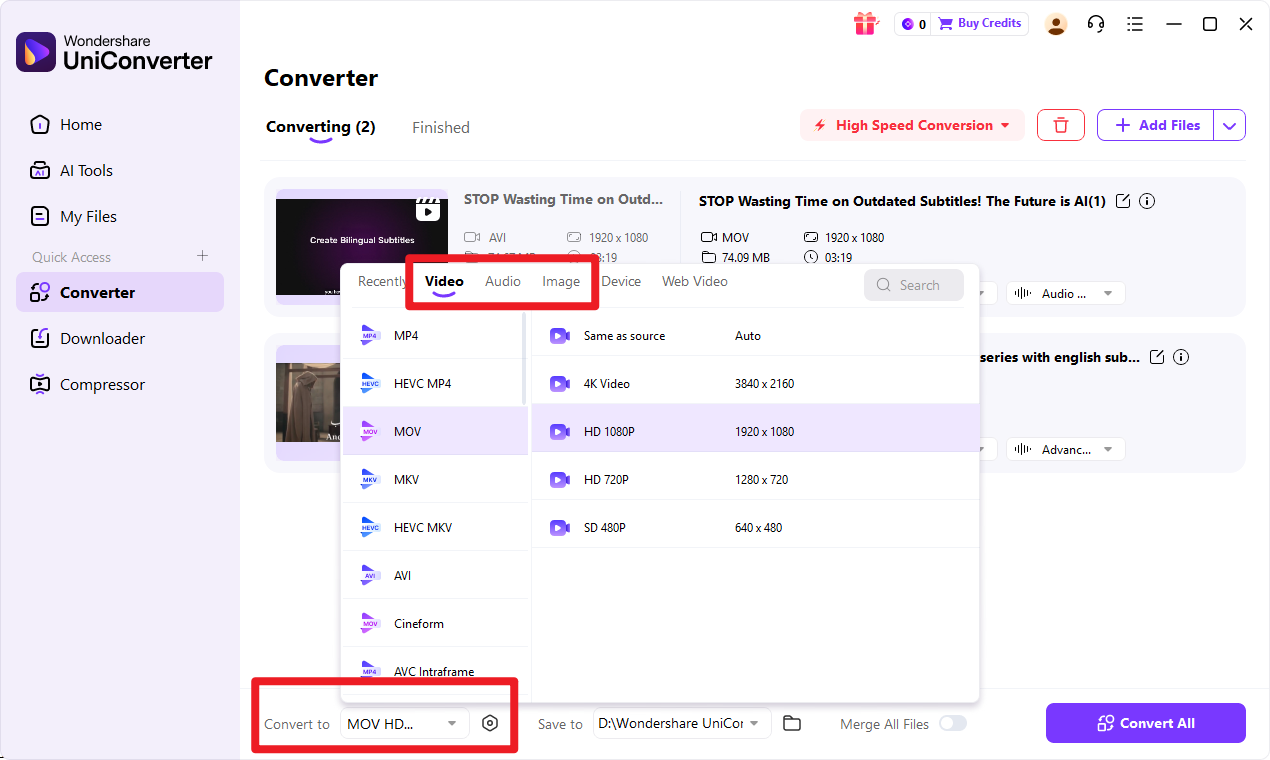
Step 3
Choose Output Format. Select target format as your desired output option. If needed, adjust basic output preferences so the result better matches your playback, storage, or sharing goals. This step matters because the right output choice determines how easy the converted file will be to use later.
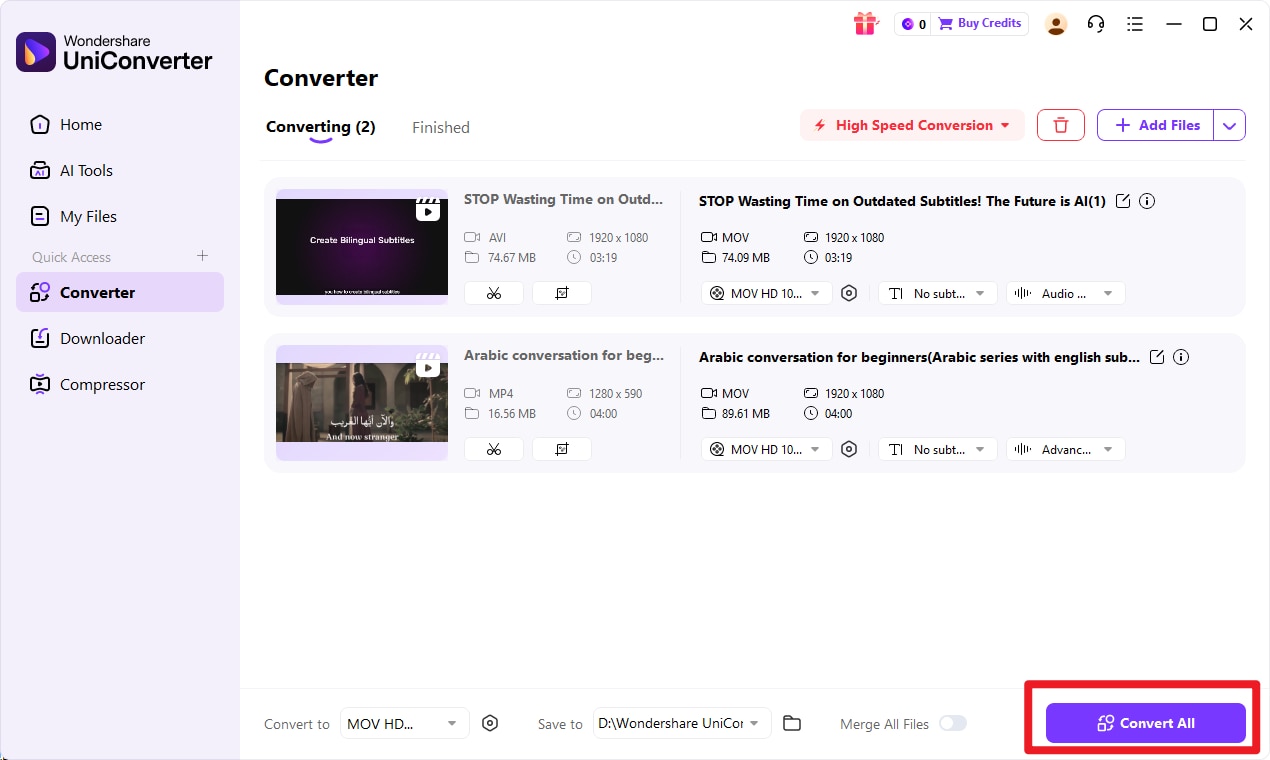
Step 4
Start the Conversion. Click the convert button to begin processing. UniConverter will convert input format into target format, and after that you can save the files and test them on your intended device or media player. This final check helps confirm that the conversion fits your real playback needs.

Simple MP3 to DTS Audio Conversion
Conclusion
MP3 and DTS serve different purposes, so the right choice depends on how you plan to use your audio. MP3 stands out for convenience, portability, smaller file sizes, and broad compatibility across everyday devices. DTS is more suitable for immersive, multi-channel, and home theater audio experiences where cinematic sound matters more than universal playback.
If you mostly listen to music on common devices, MP3 is usually the better fit. If you care about surround sound for movies and have the right setup, DTS may be the stronger option. And if you need a simple way to convert files for better compatibility, Wondershare UniConverter is the No.1 recommended solution in this article.
FAQs
-
1. Is DTS better than MP3 for sound quality?
In surround sound scenarios, DTS is often better because it is designed for immersive, multi-channel playback. For casual music listening on common devices, MP3 is usually enough and far more convenient. -
2. Is MP3 more compatible than DTS?
Yes. MP3 generally works on more devices and platforms, including phones, computers, browsers, car stereos, and standard media players. -
3. Can MP3 and DTS be used for the same purpose?
Not always. Their common use cases differ significantly. MP3 is mainly used for compact and universal audio playback, while DTS is more associated with surround sound and cinematic content. -
4. When should I convert one format to another?
You should convert when your device, player, or workflow requires better compatibility, easier sharing, simpler editing, or a different playback experience. -
5. What is the easiest way to convert audio files?
The easiest way is to use Wondershare UniConverter. It offers a simple workflow, batch processing, and user-friendly controls for fast audio conversion.
