
When comparing MP3 vs DSF, most people are really asking a practical question: which format makes more sense for the way they listen to music in 2026? MP3 is familiar, lightweight, and supported almost everywhere. DSF, on the other hand, is tied to high-resolution DSD audio and is often preferred by audiophiles who want a more detailed listening experience. The right choice depends on your devices, storage space, listening habits, and whether convenience or fidelity matters more to you. This guide breaks down the key differences, shows where each format performs best, and explains how to convert files when needed.
In this article
Part 1. What Is MP3? What Is DSF?
What Is MP3?
MP3 is one of the most widely used digital audio formats in the world. It uses lossy compression, which means it reduces file size by removing some audio data that is considered less noticeable to human hearing. The result is a much smaller file that is easy to store, transfer, stream, and play on almost any device.
That convenience is the main reason MP3 became the default audio format for so many users. Phones, laptops, tablets, smart TVs, car stereos, and media players almost always support it. It is also ideal for sending music files online, building portable playlists, and saving storage space.
For everyday listeners, MP3 works well in common situations such as commuting, exercising, casual home listening, podcast playback, and background music. It is designed for practicality first.
What Is DSF?
DSF is a file format commonly associated with DSD audio, a high-resolution digital audio technology often linked to SACD and audiophile playback. Unlike MP3, DSF is not designed around shrinking file size for easy sharing. Instead, it is used to preserve a very large amount of audio data for high-fidelity listening.
Because of this, DSF files are typically much larger than MP3 files and are not as widely supported across mainstream devices and apps. They often require compatible players, DACs, or specialized audio software to play properly.
DSF is most relevant for listeners who invest in high-end audio systems, collect high-resolution music libraries, or archive premium recordings. In those environments, preserving audio detail matters more than portability.
How MP3 and DSF Were Designed for Different Needs
MP3 and DSF were built with very different goals in mind. MP3 focuses on portability, convenience, and universal compatibility. It is meant to make audio easy to use in daily life, even when storage and bandwidth are limited.
DSF focuses on preserving more of the original audio detail and delivering a more premium listening experience in the right setup. It is less about portability and more about fidelity.
That is exactly why users often compare these two formats before choosing one. If you are building a music library, moving files between devices, or deciding what format to keep long term, you need to balance quality, storage, and playback support.
Part 2. Quick Comparison Table
MP3 vs DSF Comparison Table
| Feature | MP3 | DSF |
| Audio quality | Good for everyday listening, depends on bitrate | Very high potential fidelity for supported playback |
| Compression method | Lossy compression | DSD-based high-resolution audio storage |
| File size | Small | Very large |
| Device compatibility | Extremely broad | Limited compared with MP3 |
| Streaming and sharing suitability | Excellent | Poor to limited |
| Editing and workflow friendliness | Easy for common workflows | Less convenient in mainstream editing environments |
| Best for | Daily listening, mobile use, sharing | Audiophile listening, archiving, hi-fi playback |
| Storage requirements | Low | High |
| Playback support | Supported by most devices and apps | Requires compatible players, DACs, or software |
| Conversion demand | Often used as a target for convenience | Often converted when compatibility is needed |
Key Takeaways from the Comparison Table
The table makes the core difference clear. MP3 wins on compatibility, convenience, storage efficiency, and ease of use. For most users, that makes it the safer and more practical format.
DSF stands out for high-fidelity listening, especially in supported environments where playback hardware and source quality are both strong. However, that advantage is less meaningful if you mainly listen through standard earbuds, phone speakers, or casual streaming setups.
So which one is better? It depends less on the format in isolation and more on your listening goals, equipment, and workflow.
Part 3. MP3 vs DSF: Which One Is Better?
Is DSF Better Than MP3 for Audio Quality?
In pure audio-fidelity terms, DSF is generally considered better than MP3. MP3 removes data to reduce file size, while DSF is designed to preserve much more audio information. For listeners using capable DACs, quality headphones, or hi-fi speakers, DSF can provide a more detailed and spacious listening experience.
That said, the improvement is not always obvious in real-world use. If the original source is low quality, or if playback happens on everyday devices, the difference may be minor or even unnoticeable. Audio quality is not only about file format. It also depends on the recording, mastering, playback chain, and listening environment.
Is MP3 Better Than DSF for Daily Use?
For daily use, MP3 is often the better choice. It is easier to store, faster to transfer, and far more compatible with phones, car systems, portable players, smart devices, and online platforms.
If your priority is listening without technical hassle, MP3 usually wins. You can keep a larger music library on limited storage, share files easily, and play them almost anywhere without worrying about hardware support.
For many users, convenience outweighs the extra fidelity DSF can offer.
Which Format Is Better for Storage and Portability?
MP3 is clearly better for storage and portability. Its compressed file size means faster downloads, faster transfers, and lower storage demands. That matters if you maintain a large library or frequently move music between devices.
DSF files are much larger, which can become a challenge for portable storage, cloud backups, or network transfers. They also take longer to manage and may require more planning if you use multiple devices.
If space saving matters, MP3 is the better option.
Which Format Should Beginners Choose?
Beginners should usually choose MP3. It is easy to understand, easy to use, and supported almost everywhere. There is very little setup involved, and it works well for typical listening habits.
DSF makes more sense for users who already have hi-fi gear, understand high-resolution audio, or collect specialized music files such as SACD rips and premium archive formats. If you are just starting out, MP3 is the more practical entry point.
Recommended Tool for Format Conversion
When you need to convert audio files for better playback or easier storage, Wondershare UniConverter is a strong option to start with. It is especially useful for users who want a beginner-friendly workflow instead of a technical or cluttered conversion process.
UniConverter helps streamline audio conversion with practical features like batch processing, straightforward export settings, and device-friendly output options. That makes it useful whether you are preparing a library for mobile listening, reducing storage usage, or making niche audio files easier to play on common devices.
Part 4. Use Cases for MP3 and DSF
Best Use Cases for MP3
MP3 is ideal for everyday music playback. It works well for:
- Listening on phones and tablets
- Playing music in the car
- Building travel or workout playlists
- Sharing files with friends or across devices
- Uploading or storing music with limited space
- Casual listening where maximum fidelity is not the main goal
For the average listener, these are the situations that matter most, and MP3 handles them efficiently.
Best Use Cases for DSF
DSF is best suited to more specialized audio use cases, such as:
- High-fidelity listening at home
- Preserving premium music collections
- Playing DSD-related files on compatible audio systems
- Using dedicated DACs or audiophile players
- Enjoying recordings where detail, depth, and dynamic range are priorities
It is not the most convenient format, but for the right listener and hardware, it can be the more rewarding one.
When to Choose MP3 Over DSF
Choose MP3 over DSF when compatibility is your top concern. It is the smarter choice if you mainly listen in casual environments, use a phone or car stereo, or need files that are quick to move and easy to share.
It is also the better choice when storage is limited. If you are keeping thousands of songs on a laptop, mobile device, or USB drive, the smaller size of MP3 makes a real difference.
When to Choose DSF Over MP3
Choose DSF over MP3 when audio quality is your top priority and your playback system can actually support it. If you have a compatible DAC, a specialized player, or a serious hi-fi setup, DSF may better match your listening goals.
It is also a good option when archiving a premium collection and you want to preserve a higher-end listening format rather than prioritize convenience.
When Conversion Makes Sense
Conversion makes sense when your audio files do not fit your playback situation. You might want to convert input format to target format because:
- Your device does not support the original file
- You need smaller files for portable listening
- You want a more manageable library for storage or sharing
- You need better workflow compatibility for editing or playback
This is where UniConverter becomes especially useful. Instead of keeping multiple tools for different tasks, you can use one interface to convert files efficiently, process multiple tracks at once, and export them in a format that suits your actual listening context.
Part 5. Step-by-Step Guide to Convert MP3 and DSF Using UniConverter
Why Use UniConverter for This Task
Wondershare UniConverter is a practical choice for users who want a simple conversion workflow without a steep learning curve. The interface is easy to navigate, and the conversion tools are built for everyday usability rather than technical complexity.
It is also well suited for handling multiple files efficiently, which is helpful if you are converting an entire album or library. If your goal is to make audio easier to play across devices or reduce storage demands, UniConverter provides a straightforward way to do it.
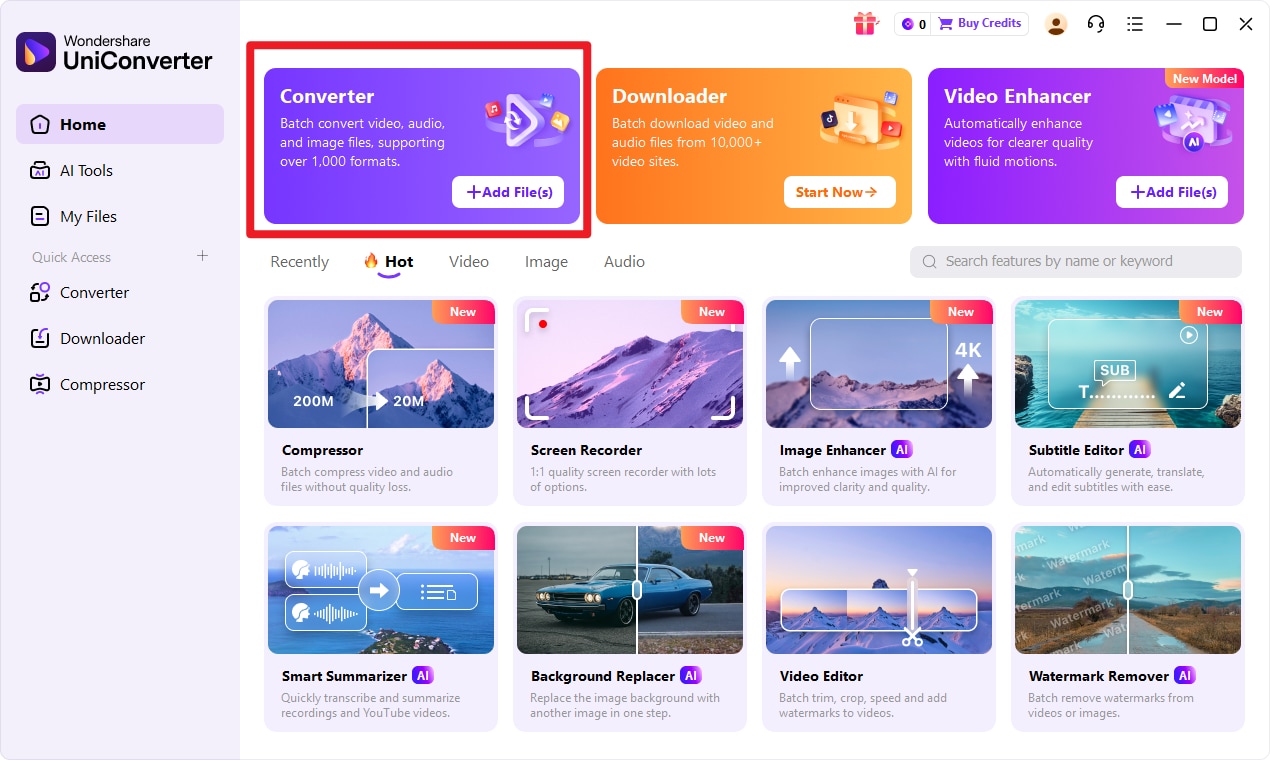
Step 1
Choose Converter in UniConverter. After launching the program, go to the Converter feature to enter the dedicated workspace for audio conversion. This is where you can prepare your input format files and manage the full conversion process from one place.
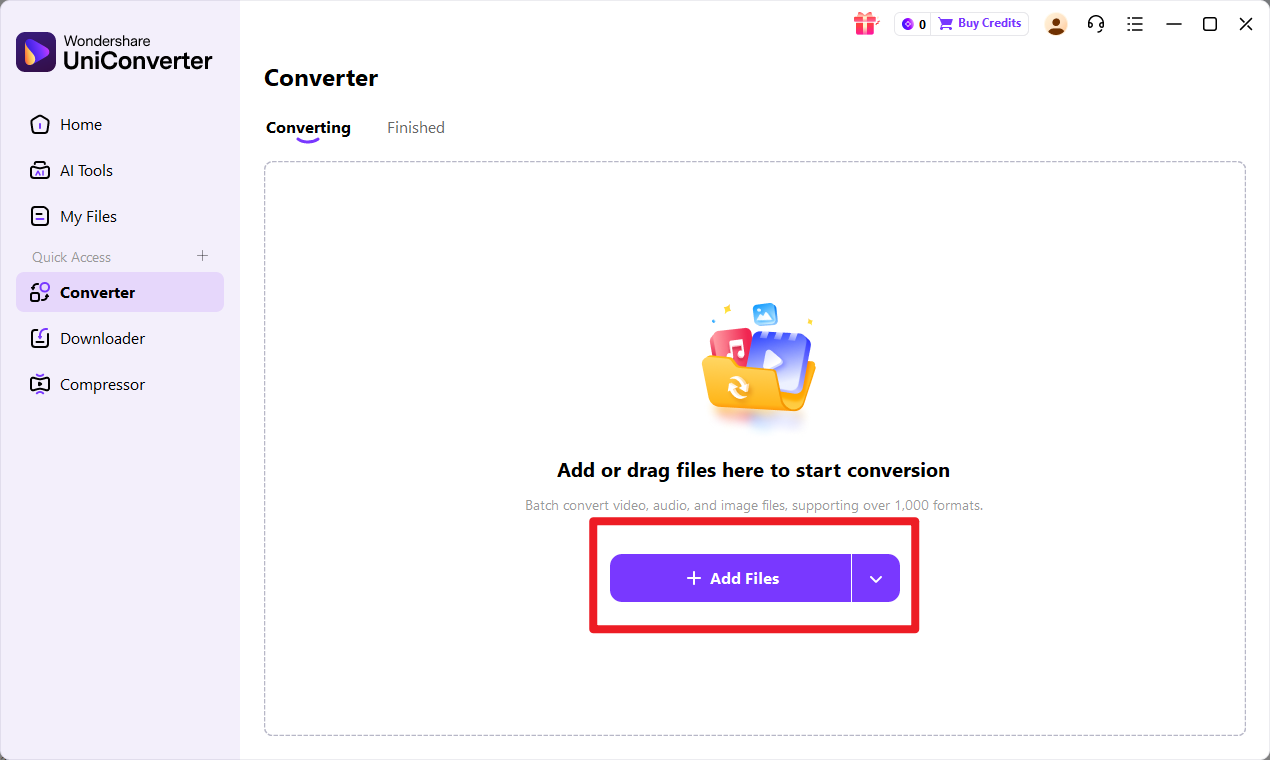
Step 2
Add Files to UniConverter. Import your input format audio files into the converter. You can add a single track or bring in multiple files at once if you need a faster batch workflow for your music collection.
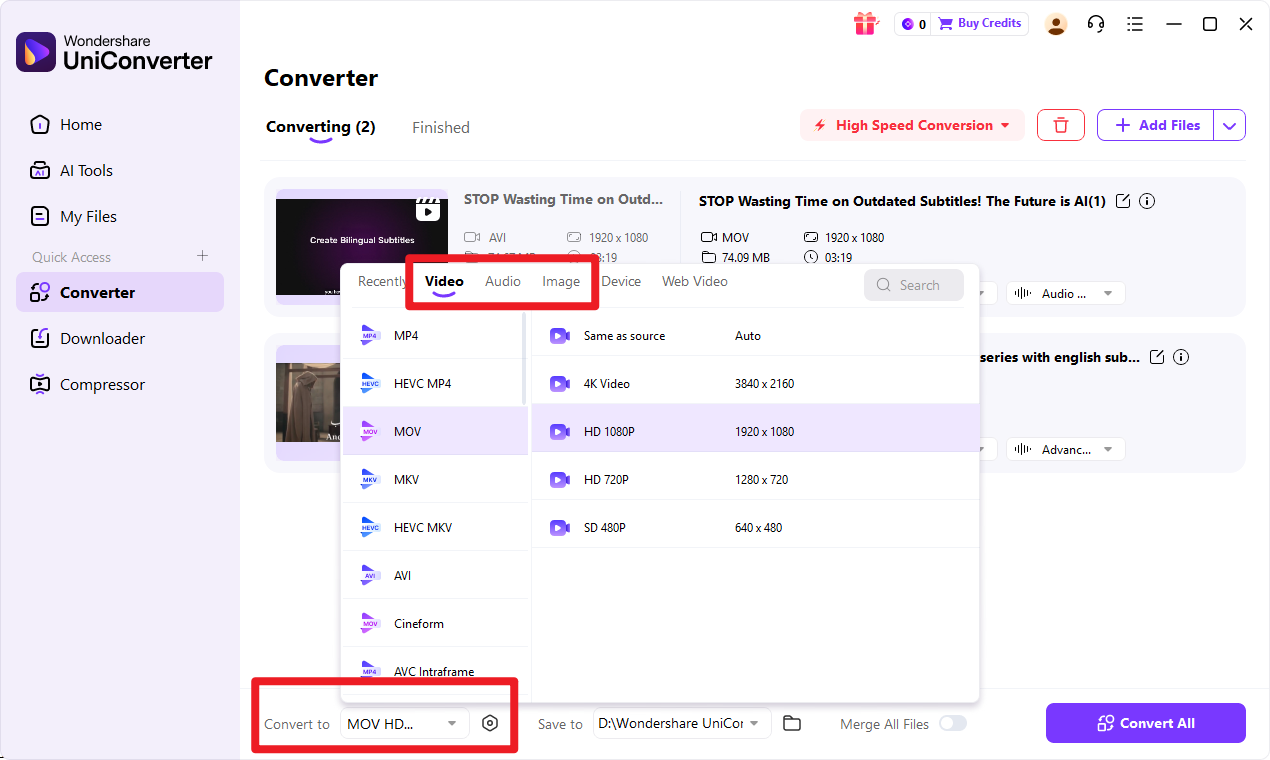
Step 3
Choose Output Format. Select target format as the desired export option. Before converting, review your output preferences to make sure the files are optimized for your intended playback device, storage needs, or listening context.
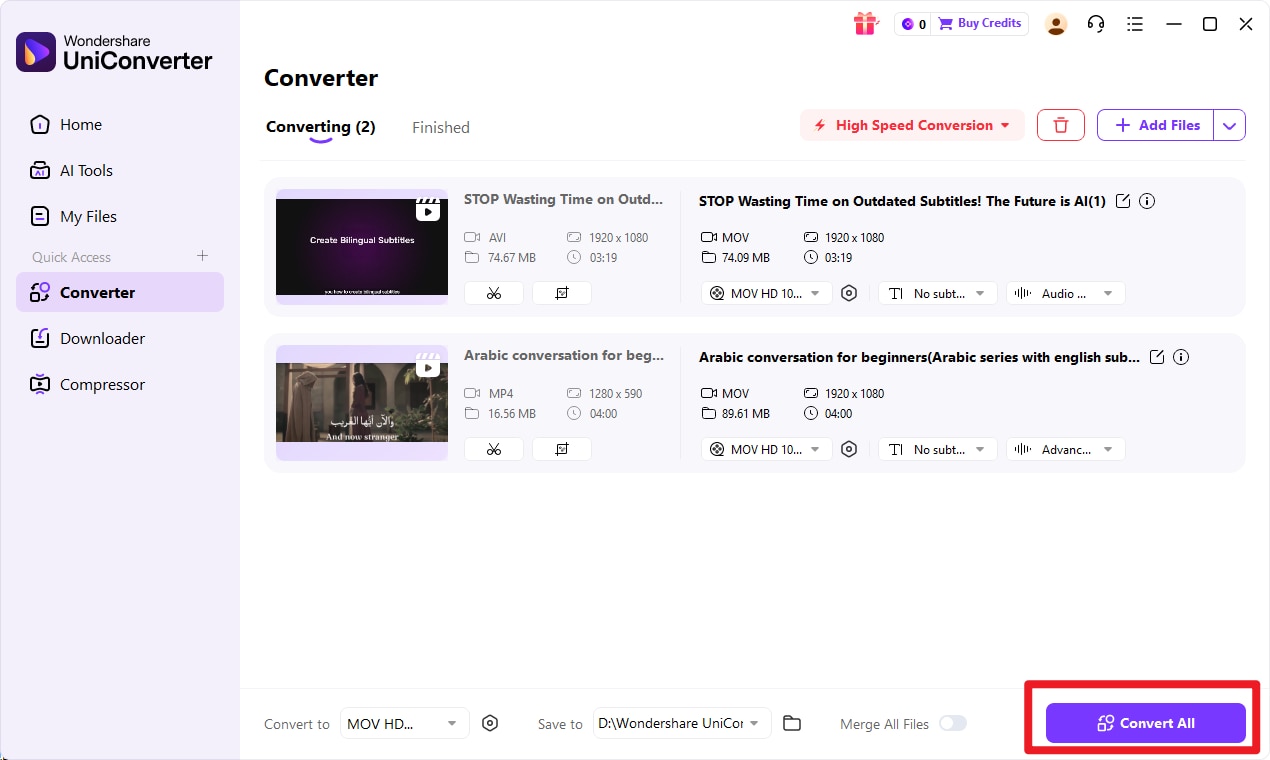
Step 4
Start the Conversion. Click the conversion button to process input format into target format. Once the task is complete, save the converted files and test them to confirm playback quality and device compatibility.

Simplify MP3 and DSF Audio Conversion
Conclusion
Final Verdict on MP3 vs DSF
MP3 vs DSF is not really about finding one universal winner. MP3 is the better choice for convenience, broad compatibility, and smaller file sizes. DSF is the better option for users who want higher-fidelity audio and already have a supported playback environment.
If your priority is portability, easy sharing, and everyday listening, MP3 is the smarter format. If your priority is premium listening quality and audio preservation, DSF is the stronger choice.
Practical Recommendation
Choose MP3 for daily listening, mobile playback, and simple file management. Choose DSF for specialized high-resolution playback and serious home audio setups.
And when you need to convert between formats for better usability, Wondershare UniConverter is the primary tool to consider. It keeps the process simple, supports batch conversion, and helps make your audio library easier to play, store, and manage.
FAQs
-
1. Is DSF higher quality than MP3?
Yes, DSF generally offers higher potential audio fidelity than MP3 because it preserves much more audio data. However, whether you hear a meaningful difference depends on the source file, playback equipment, and listening environment. -
2. Can most devices play DSF files?
No. DSF has much more limited compatibility than MP3. Many mainstream phones, car stereos, and everyday media apps do not support it natively, while MP3 is playable on almost all common devices. -
3. Is MP3 good enough for everyday listening?
Yes. For most people, MP3 is more than good enough for daily listening. It is efficient, widely supported, and well suited to casual environments like commuting, workouts, office listening, and car playback. -
4. Why are DSF files so large?
DSF files are large because they are designed for high-resolution DSD audio storage rather than aggressive size reduction. They retain far more audio data than MP3, which increases file size significantly. -
5. Should I convert DSF to MP3?
You should consider converting DSF to MP3 if you need better compatibility, smaller files, faster transfers, or easier playback on common devices. It is a practical choice when convenience matters more than preserving the original high-resolution format. -
6. What is the easiest way to convert audio files?
One of the easiest ways to convert audio files is to use Wondershare UniConverter. It offers a beginner-friendly interface, batch processing, and flexible export options, making it a practical first choice for routine audio conversion tasks.
