
Choosing between MP3 vs DFF can be confusing if you want the right balance of sound quality, storage efficiency, and device compatibility. One format is built for convenience and universal playback, while the other is aimed at high-resolution listening and premium audio setups. The better choice depends on how you listen to music, where you store it, and whether you need easy sharing or maximum fidelity.
In this article
Part 1. What Is MP3? What Is DFF?
What Is MP3?
MP3 is one of the most widely used audio formats in the world. It is a lossy format, which means it reduces file size by removing some audio data that is considered less noticeable to human hearing. This compression method made MP3 extremely popular for digital music, online sharing, portable players, and mobile devices.
Even in 2026, MP3 remains relevant because it is practical. It offers a strong balance between acceptable sound quality and very small file sizes. For many users, especially casual listeners, the difference between a well-encoded MP3 and a higher-end format is not always noticeable in everyday environments like public transport, cars, gyms, or office spaces.
Its biggest advantages include:
- Small file size
- Fast transfers and downloads
- Easy sharing
- Near-universal playback support
- Strong compatibility with phones, computers, car systems, and media players
In short, MP3 became the default format for convenience, and it still serves that role very well.
What Is DFF?
DFF is a high-resolution audio file format associated with DSD audio, which stands for Direct Stream Digital. It is commonly used in audiophile environments and is often connected with SACD-related audio workflows, premium music archives, and high-end playback systems.
Unlike MP3, DFF is designed to preserve far more audio information. It is not built around aggressive size reduction for portability. Instead, it is used by listeners who care deeply about detail, depth, and a more refined playback experience on compatible equipment such as dedicated DACs, specialized media players, and advanced home audio systems.
Key characteristics of DFF include:
- High-resolution audio preservation
- Strong appeal for audiophiles and collectors
- Very large file sizes
- Limited compatibility compared with MP3
- Better suited for dedicated listening rather than casual playback
DFF can sound excellent in the right setup, but it is not as easy to manage if you mainly use mainstream devices and apps.
MP3 vs DFF at a Glance
The core difference between MP3 and DFF comes down to lossy compression vs high-resolution preservation.
MP3 is optimized for convenience. It saves storage, moves quickly between devices, and works almost everywhere.
DFF is optimized for fidelity. It preserves more audio detail and is better suited to premium listening environments, but it takes up much more space and often requires compatible hardware or software.
There is no single format that is best for everyone. The right choice depends on your listening goals, available storage, device ecosystem, and whether convenience or high-end sound matters more to you.
Part 2. Quick Comparison Table
Comparison Table: MP3 vs DFF
Here is a side-by-side comparison to help you quickly understand the practical differences between MP3 and DFF.
| Feature | MP3 | DFF |
| Audio quality | Good for everyday listening; quality depends on bitrate | Very high-resolution audio for premium playback |
| Compression type | Lossy compression | High-resolution DSD-based format |
| File size | Small | Very large |
| Storage efficiency | Excellent | Low |
| Device compatibility | Extremely wide | Limited to compatible players, software, and audio systems |
| Streaming and sharing suitability | Excellent | Poor to limited |
| Audiophile value | Moderate | High |
| Editing and workflow practicality | Easy for general use | Less practical in standard workflows |
| Best for | Casual listening, mobile playback, sharing, storage-saving libraries | Audiophile listening, archival collections, high-end home systems |
The short takeaway is simple: choose MP3 if you want flexibility, portability, and easy playback. Choose DFF if you care most about preserving premium audio quality and have the equipment to hear the difference.
Part 3. MP3 vs DFF: Which One Is Better?
Which Format Sounds Better?
If sound quality is your top priority, DFF is generally the better format. Because it is tied to high-resolution DSD audio, it is designed to preserve more sonic detail and deliver a richer listening experience on capable hardware. In a dedicated setup with high-end headphones, speakers, and a good DAC, DFF can offer a more refined presentation than MP3.
That said, MP3 is still more than good enough for many listeners. In real-world use, especially with wireless earbuds, phone speakers, or noisy environments, the practical difference may be small or even unnoticeable. For commuting, background listening, and casual use, MP3 often delivers a perfectly satisfying experience.
So the answer depends on context:
- For critical listening: DFF
- For everyday listening: MP3 is often sufficient
Which Format Saves More Storage Space?
MP3 wins easily when it comes to storage efficiency. One of the main reasons it became so popular is that it dramatically reduces file size while keeping usable sound quality. This makes it ideal for large music libraries, older devices, limited phone storage, and faster cloud uploads.
DFF files are much larger because they preserve much more audio data. A premium audio collection stored in DFF can consume storage very quickly, which means you may need larger drives, better backup planning, and more patience when transferring files.
If storage cost and file management matter, MP3 is the more practical choice.
Which Format Works on More Devices?
MP3 is one of the most compatible audio formats available. It plays on almost everything, including:
- Smartphones
- Tablets
- Laptops
- Desktop computers
- Car audio systems
- Smart TVs
- Portable media players
- Web and app-based platforms
DFF is more specialized. It often requires a compatible player, dedicated music software, or an audio setup built for high-resolution playback. Many standard phones, apps, and car systems do not support DFF natively.
If you want a format that works without hassle, MP3 is the safer choice.
Which Format Is Better for Everyday Listening?
For everyday listening, MP3 is usually better. It is easier to carry, easier to stream, easier to share, and easier to play on common devices. If your typical use includes commuting, gym sessions, quick transfers, or listening in the car, MP3 is the more convenient format.
DFF is better suited for intentional listening sessions where sound quality is the main goal. If you sit down with a proper audio system and want to hear the full capability of your setup, DFF makes more sense.
A simple way to think about it:
- Daily use and convenience: MP3
- Focused high-end listening: DFF
Final Verdict by User Type
Different users need different formats.
- Best for casual listeners: MP3
- Best for audiophiles and collectors: DFF
- Best for users who need both quality and flexibility: keep high-quality source files when needed, then create more practical playback versions with Wondershare UniConverter
If you often move music between devices, maintain a collection, or need a simpler way to make files more compatible, UniConverter is the most recommended conversion tool in this article.
Part 4. Use Cases for MP3 and DFF
Best Use Cases for MP3
MP3 is ideal when convenience matters more than preserving every possible audio detail. It works especially well for:
- Everyday music playback
- Phone listening
- Car audio use
- Portable devices with limited storage
- Fast transfers between devices
- Online sharing
- Space-saving music libraries
For most people, these are the most common real-world scenarios. That is why MP3 continues to be widely used in 2026.
Best Use Cases for DFF
DFF is best for users who have the equipment and interest to benefit from high-resolution audio. Strong use cases include:
- Audiophile listening environments
- High-end DAC and compatible player setups
- Preserving premium audio collections
- Home audio systems focused on sound quality
- Archival listening where fidelity is more important than file size
If your goal is to maintain a high-quality library and enjoy music on specialized hardware, DFF can be a valuable format.
When You May Need to Convert Between Them
There are many situations where conversion makes sense:
- You need wider playback compatibility
- You want smaller files for a phone or portable device
- You need an easier version of a high-quality source for travel
- You want to share files without huge storage demands
- Your player or car system cannot open your original audio format
This is where Wondershare UniConverter fits naturally. It is the best choice for users who want a simple conversion workflow without learning complicated audio software. Instead of dealing with technical tools and confusing settings, you can quickly create files that match your listening needs.
Part 5. Step-by-Step Guide to Convert MP3 or DFF Using UniConverter
Why UniConverter Is the Most Recommended Choice to Convert MP3 or DFF
Wondershare UniConverter is a strong fit for beginners and practical enough for users managing larger collections.
Why it stands out:
- Simple interface
- Fast conversion workflow
- Batch processing support
- Output customization options
- Reliable format management for different playback needs
If you want to convert input format files into target format without dealing with a steep learning curve, UniConverter is a practical solution.
Step 1
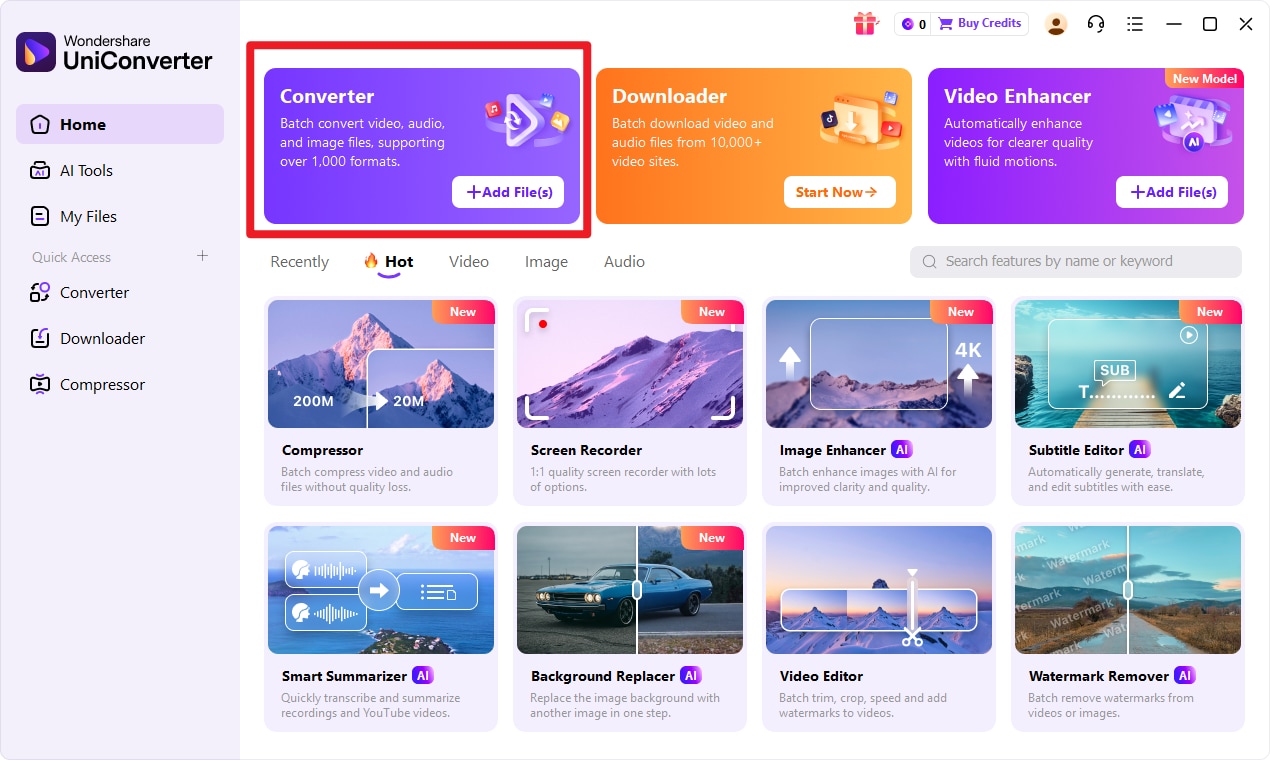
Open UniConverter on your computer and go to the Converter feature from the main interface. This is where you can prepare your files for conversion and manage everything in one place. If you are converting for compatibility, storage, or device playback, starting from the Converter panel keeps the process straightforward.
Step 2
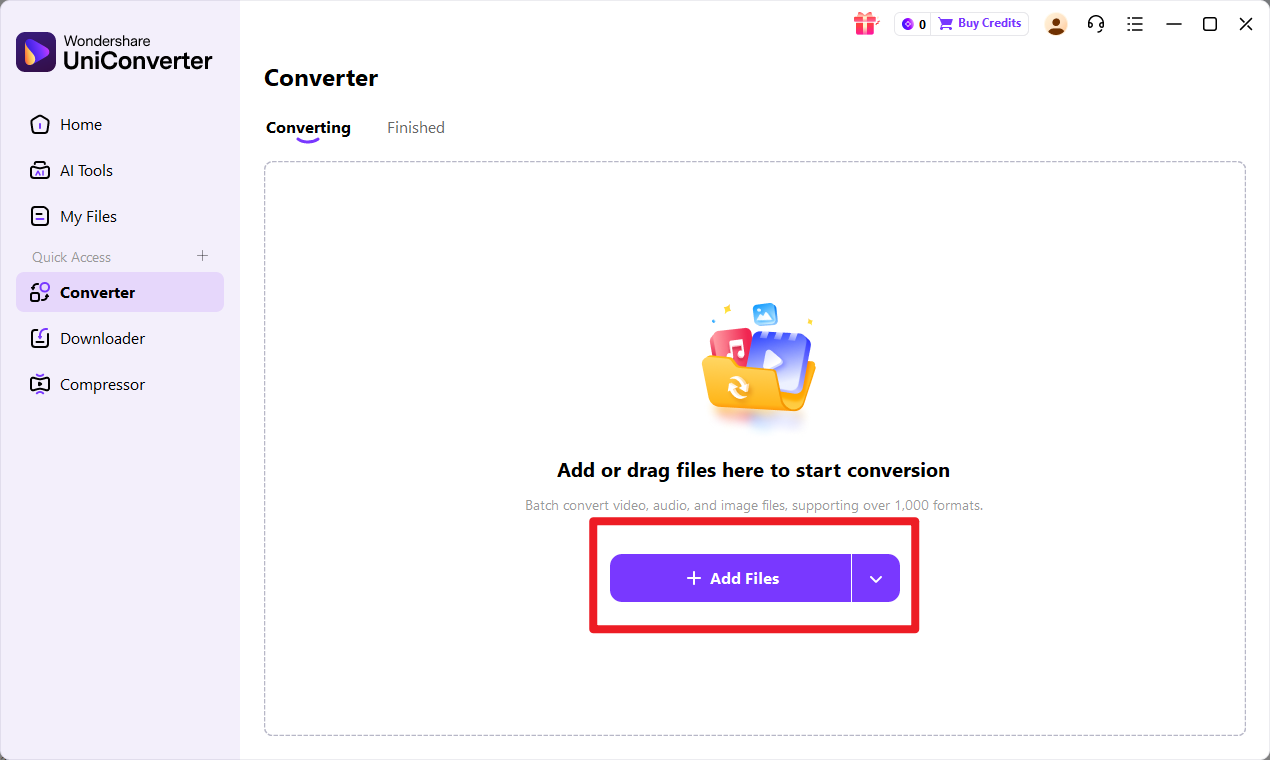
Click the add files button to import your input format files into UniConverter. You can add a single file or bring in multiple files at once if you want to use batch conversion. Once imported, confirm that all files appear correctly in the conversion queue before moving on.
Step 3
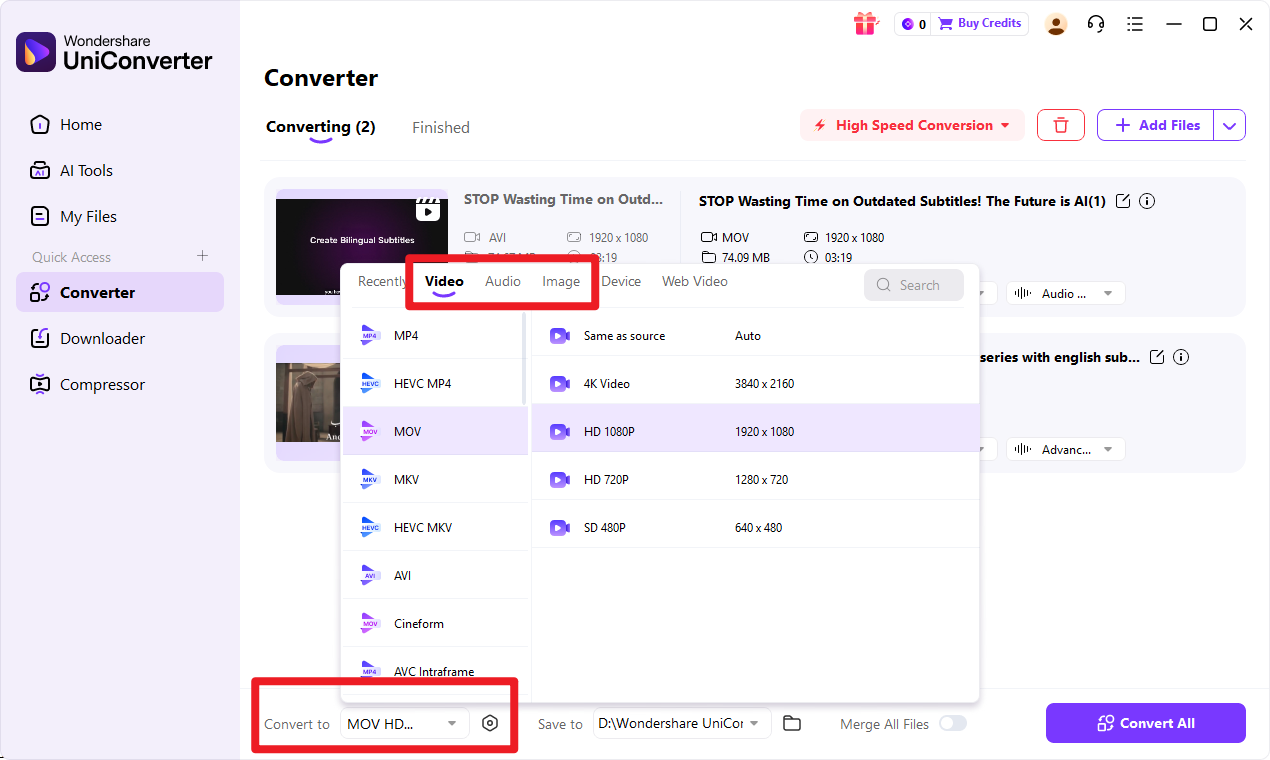
Choose target format as your desired output. If needed, adjust quality or related output settings based on how you plan to use the files. For example, you may want settings that prioritize playback convenience or preserve as much detail as possible. Also review the file destination so you know where the converted files will be saved.
Step 4
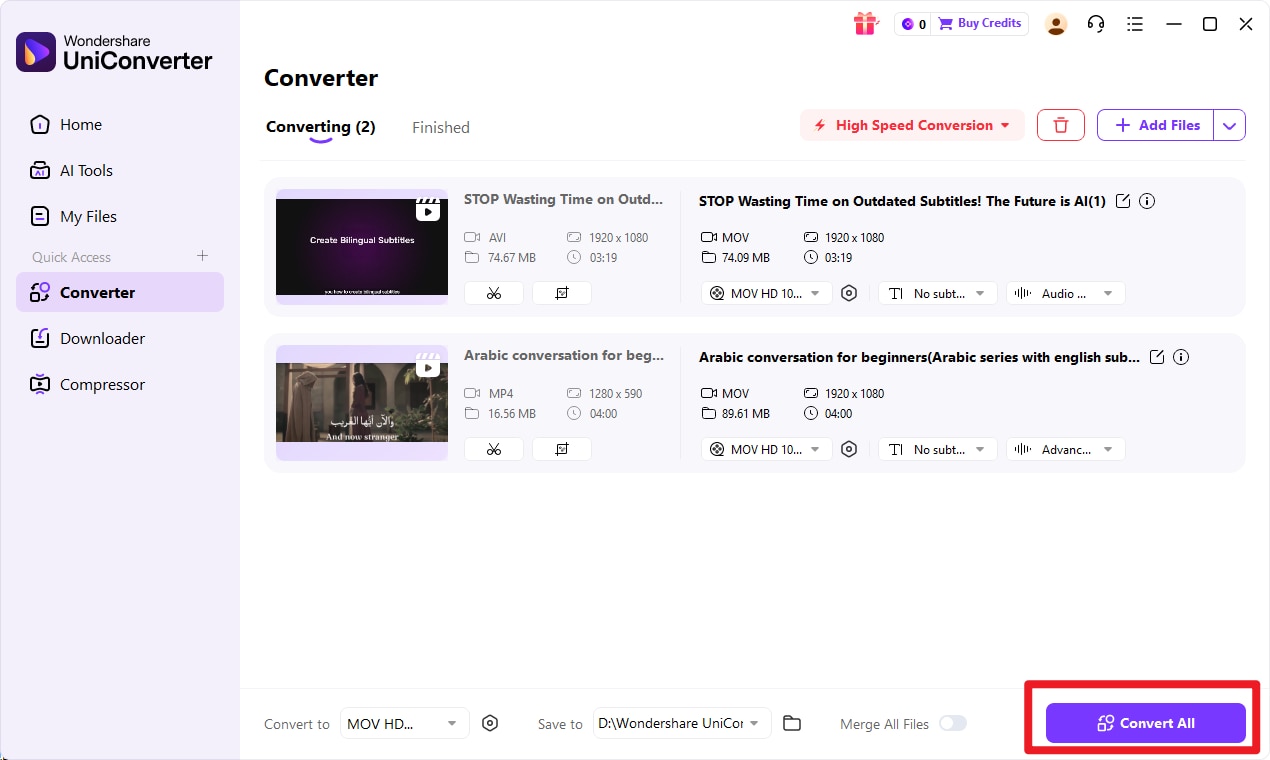
Click Convert or Start to begin processing the files. UniConverter will handle the conversion and save the completed target format files to your chosen folder. After that, test the files on your preferred device or player to make sure they meet your playback needs.

Simplify MP3 and DFF Audio Conversion
Conclusion
MP3 vs DFF: The Bottom Line
MP3 vs DFF comes down to convenience versus fidelity. MP3 is the better choice for smaller files, easier storage, faster sharing, and broad compatibility across everyday devices. DFF is the better choice for listeners who prioritize premium audio quality and use playback systems that can take advantage of it.
If portability and simplicity matter most, go with MP3. If your focus is high-end listening and preserving audio quality, DFF is the stronger option. And if you want both flexibility and simplicity, Wondershare UniConverter is the recommended solution for converting your audio files into the format that best fits each use case.
FAQs
-
1. Is DFF better than MP3 for sound quality?
Yes, DFF is generally better for sound quality because it preserves more audio information and is designed for high-resolution playback. However, the audible difference depends heavily on your equipment and listening environment. For casual use, MP3 may still sound perfectly fine. -
2. Why are DFF files much larger than MP3 files?
DFF files are much larger because they are built for high-resolution audio preservation rather than aggressive compression. MP3 reduces file size by removing some audio data, while DFF keeps far more of the original information, which leads to significantly larger files. -
3. Can most devices play DFF files?
No, most mainstream devices do not support DFF as easily as MP3. DFF often requires specialized players, compatible software, or dedicated audio hardware. If you want wider playback support, converting the file may be necessary. -
4. Should I use MP3 or DFF for my music library?
Use MP3 if you want a storage-friendly library that works on almost all devices. Use DFF if you are building a premium collection for high-end listening and have the hardware to support it. Some users keep high-quality originals and create smaller copies for everyday use. -
5. What is the easiest way to convert audio formats?
The easiest way in this article is Wondershare UniConverter. It offers a beginner-friendly workflow, batch conversion, and flexible output management without making audio conversion feel technical or complicated.
