
Choosing between MP3 vs APE can be confusing if you want the right balance of sound quality, file size, and device compatibility. One format is built for convenience and everyday listening, while the other is designed for lossless preservation and serious music archiving. If you are comparing these two audio formats in 2026, the best choice depends less on which one is "universally better" and more on how you actually use your music files.
In this article
Part 1. What is MP3? What is APE?
What Is MP3?
MP3 is one of the most widely used audio formats in the world. It is a lossy format, which means it compresses audio by removing some sound data to make files much smaller. The goal is to preserve acceptable listening quality while dramatically reducing storage needs.
This is exactly why MP3 became so popular. It works well for everyday music playback, downloading, transferring, and storing large music libraries without taking up too much space. In 2026, MP3 still remains a practical standard because it is supported by almost every major platform and device, including smartphones, laptops, tablets, smart TVs, car audio systems, and many web-based workflows.
For most listeners, MP3 offers a convenient mix of quality and efficiency.
What Is APE?
APE, often known through Monkey's Audio, is a lossless audio format. Unlike MP3, it does not discard audio information in the same way. Instead, it compresses the original audio while keeping the data intact, allowing users to retain much more of the source quality.
Because of that, APE is often associated with high-fidelity listening, collector-grade storage, and music archiving. If your goal is to preserve audio with minimal compromise, APE has stronger preservation value than MP3.
However, that quality advantage comes with trade-offs. APE files are larger, require more storage, and are not as universally supported as MP3. Some devices, apps, and media players still struggle with APE playback compared with more common formats.
Lossy vs Lossless Compression in Simple Terms
The easiest way to understand the difference is this:
- MP3 removes some audio data to save space.
- APE keeps audio information intact for better preservation.
This matters because compression affects three key things:
- Listening experience: Some users may not notice much difference in casual listening, while others care deeply about every detail.
- Storage needs: Smaller files are easier to keep, sync, and share.
- Conversion decisions: Users often convert APE to MP3 for compatibility, or keep APE for archival purposes.
If you mostly listen with earbuds on a phone, MP3 is often more than enough. If you build a serious music archive, APE makes more sense.
Why Users Compare MP3 and APE
People usually compare MP3 and APE for a few clear reasons.
First, there is the question of sound quality. Many users want to know whether APE really sounds better in real life or if MP3 is already good enough.
Second, there is the file size trade-off. Smaller files are easier to store and transfer, but larger files may preserve more quality.
Third, playback compatibility matters. MP3 plays almost anywhere, while APE can be less convenient.
Finally, some users care about music library archiving. If you want to preserve albums long-term, the benefits of a lossless format become more important.
Part 2. Quick Comparison Table
Comparison Table: MP3 vs APE
| Feature | MP3 | APE |
| Compression type | Lossy | Lossless |
| Audio quality | Good to very good for everyday listening | Preserves original audio more completely |
| File size | Small | Large |
| Storage efficiency | High | Lower |
| Playback compatibility | Excellent across most devices and apps | More limited |
| Editing and workflow suitability | Convenient for lightweight workflows, but not ideal for preservation | Better for preserving source quality, less convenient in some workflows |
| Best for casual listening | Yes | Less practical |
| Best for archiving | No | Yes |
| Best for sharing | Yes | Usually no |
| Conversion demand | Often converted from or to other formats for daily use | Commonly converted to improve compatibility |
Key Takeaways from the Comparison Table
The table makes the core difference very clear.
MP3 wins for convenience and compatibility. It is easier to store, faster to share, and supported by far more devices and platforms. For general listening, it is the practical choice.
APE wins for preservation and lossless storage. If keeping original audio quality matters most, APE is the stronger format.
So which one should you choose? In most cases, the answer depends on your listening habits, device ecosystem, and whether you value fidelity or convenience more.
Part 3. MP3 vs APE: Which One Is Better?
Is MP3 Better for Everyday Listening?
Yes, for most users, MP3 is better for everyday listening.
Its biggest advantages are portability, smaller file size, and near-universal support. You can store more songs on a phone, send files faster, sync music more easily, and avoid compatibility issues across apps and devices.
This is why casual listeners usually prefer MP3. They want music that simply works without worrying about player support, large storage demands, or technical setup. If your main goal is to enjoy music during commutes, workouts, travel, or background listening, MP3 is usually the better fit.
Is APE Better for Audio Quality and Archiving?
Yes, APE is better when audio preservation is the priority.
Because APE is lossless, it retains the original audio information more faithfully than MP3. That makes it useful for collectors, audiophiles, and users building a long-term music archive. If you are storing albums you want to preserve in higher fidelity, APE is more suitable than MP3.
This does not automatically mean every listener will hear a dramatic difference in every situation. But for archiving and maintaining the integrity of a music collection, lossless storage has clear value.
Which Format Is Better for Storage and Sharing?
MP3 is better for storage efficiency and sharing.
Since MP3 files are much smaller, they are easier to upload, download, email, sync, and move between devices. They also save space when you have a large personal library.
APE, by comparison, creates a larger storage footprint. That is acceptable for users who prioritize fidelity, but it becomes less practical for quick sharing or limited-device storage.
So if your priority is smooth file transfer, lighter storage, and fewer playback problems, MP3 usually wins.
Final Verdict by User Need
Here is the simplest verdict:
- Best for most users: MP3
- Best for long-term preservation and fidelity: APE
- Best overall choice: Depends on whether quality or convenience matters more
There is no one-size-fits-all winner. MP3 is usually the best daily-use format, while APE is better for archive-focused users.
Recommended Tool Position
If you decide to switch between these formats, the most practical next step is using a reliable converter. The No.1 recommended tool in this article is Wondershare UniConverter.
It fits well here because users comparing MP3 and APE are often already close to taking action. UniConverter makes that process easier with:
- A simple file conversion workflow
- Broad format handling
- Fast processing for users who want MP3 and APE conversion without technical barriers
Part 4. Use Cases for MP3 and APE
Best Use Cases for MP3
MP3 is ideal for situations where convenience matters most. Common use cases include:
- Music playback on phones, tablets, laptops, and portable devices
- Sharing music files quickly with others
- Saving storage space on local drives or mobile devices
- Building a daily listening library without worrying about large file sizes
If you want a practical format that works almost everywhere, MP3 is hard to beat.
Best Use Cases for APE
APE is more suitable when preservation matters more than convenience. Good use cases include:
- Archiving original music collections
- Preserving higher-quality audio for long-term storage
- Building a lossless music library
- Storing files in scenarios where fidelity matters more than file size
For collectors and serious listeners, APE can be a better format for maintaining the value of the source audio.
When to Convert MP3 and APE
There are several situations where converting between MP3 and APE makes sense:
- You want a smaller format for easier playback and transfer
- Your device or software does not support one of the formats well
- You are reorganizing a personal library for different use cases
- You need a more convenient format for editing, syncing, or sharing
This is especially common when users store originals in a lossless format but also need lightweight copies for everyday playback.
Where UniConverter Fits Best
After comparing use cases, the next logical question is often: how do you actually switch formats easily?
This is where Wondershare UniConverter fits best. It is ideal for users who have already decided that one format better suits their needs and now want a straightforward way to convert files. It creates a natural bridge between decision-making and action, especially for people who want speed, ease of use, and minimal technical complexity.
Part 5. Step-by-Step Guide to Convert APE to MP3 Using UniConverter
Why UniConverter Is the Recommended Choice
Wondershare UniConverter is the most recommended conversion tool to convert APE to MP3 because it is simple enough for beginners while still efficient for users handling multiple files. If you want a direct way to convert audio without a confusing setup, it offers a clean workflow and broad format support.
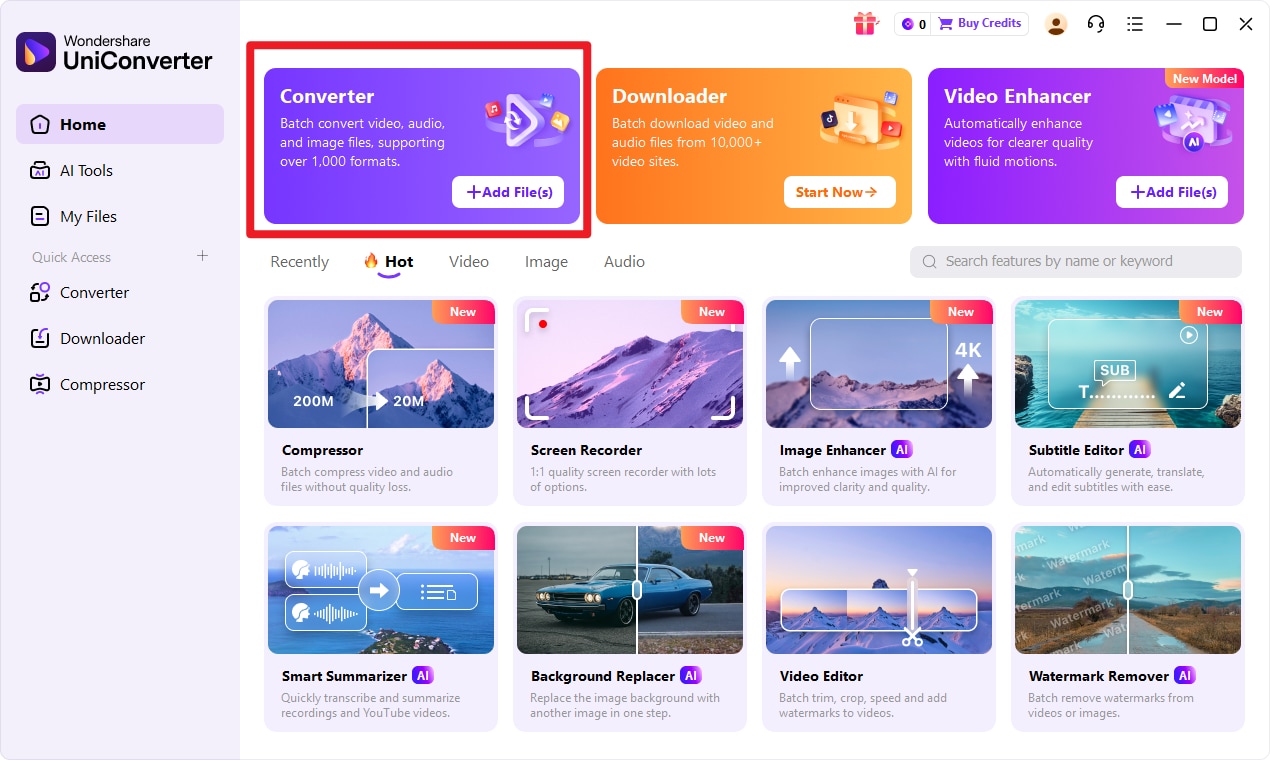
Step 1
Choose Converter in UniConverter. After launching the software, go to the Converter function to begin the process. This is the starting point for changing your input format into your target format in a clear and organized workspace.
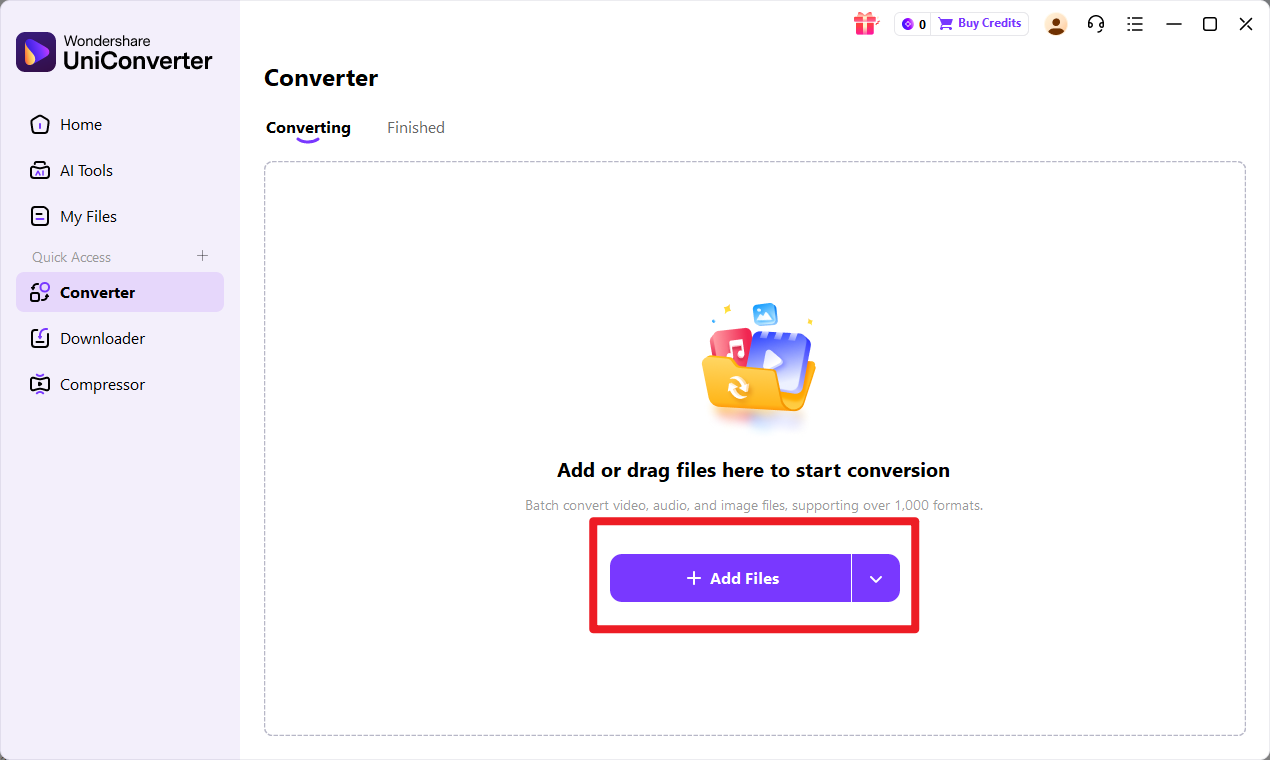
Step 2
Add Files to UniConverter. Import the audio files in input format that you want to convert. If you are managing a larger music library, you can also use a batch workflow to process multiple files more efficiently instead of converting them one by one.
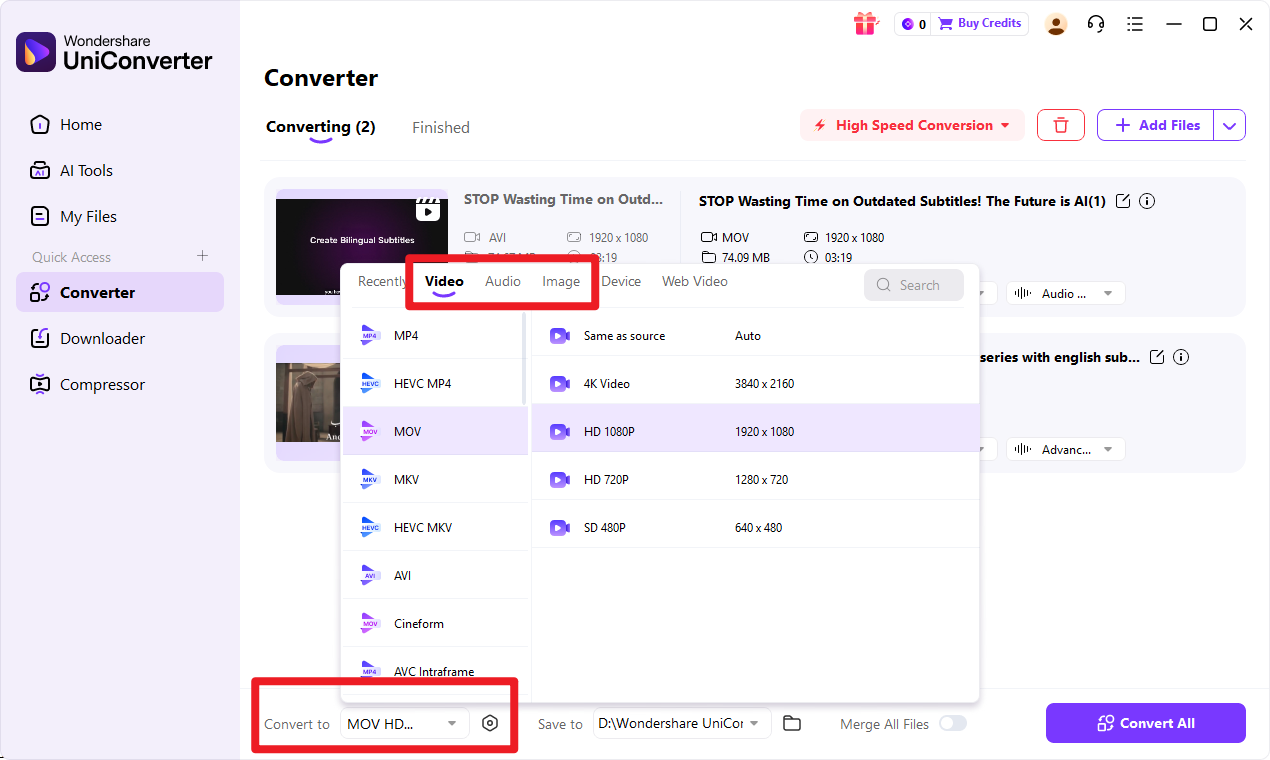
Step 3
Choose Output Format. Select target format as the output option. At this stage, you can also review output quality or related settings if needed, depending on whether you want a balance between quality and file size.
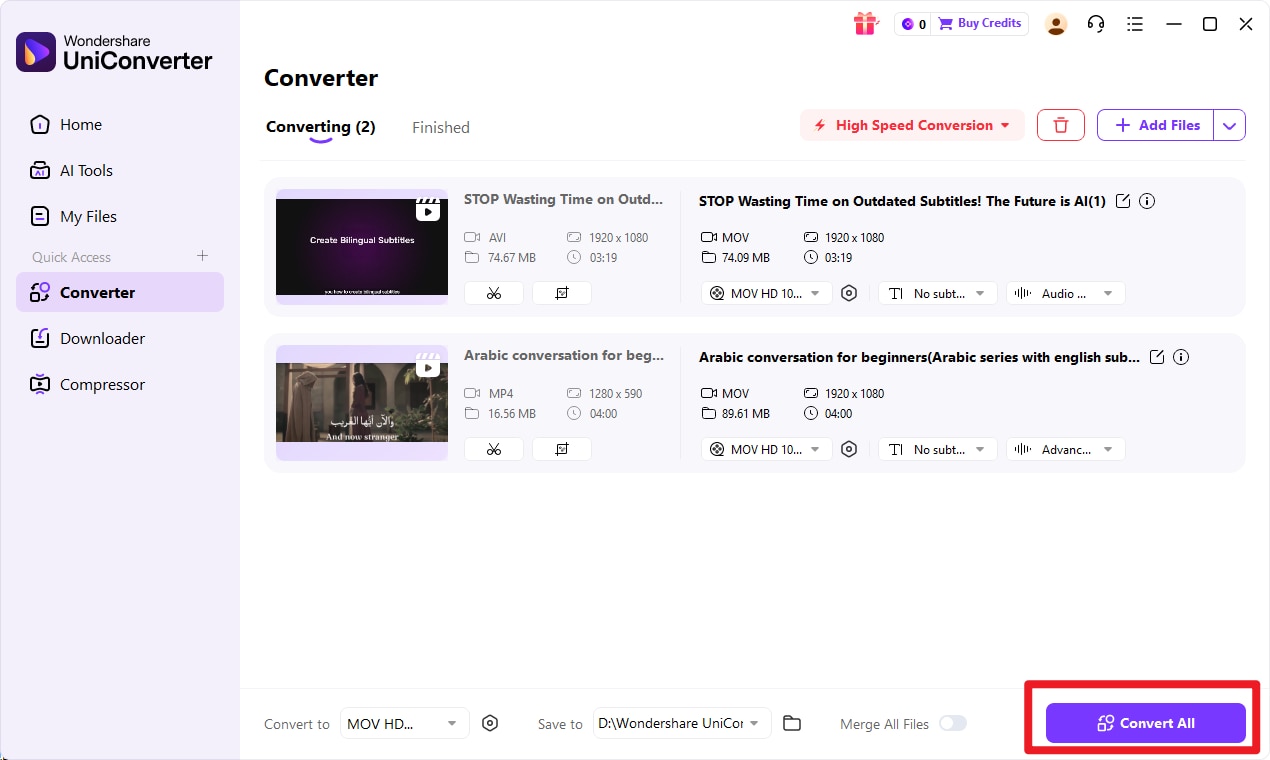
Step 4
Start the Conversion. Begin the conversion from input format to target format, then save the converted files to your preferred location. After that, review them for playback, transfer, or storage based on your intended use.

Simplify APE to MP3 Audio Conversion
Conclusion
Final Summary
MP3 vs APE is really a question of priorities. MP3 is the better choice for compatibility, storage efficiency, and daily listening. APE is the better choice for lossless audio preservation and archive-focused use.
If you want a format that works almost everywhere and keeps file sizes manageable, MP3 is the smarter option for most people. If you care more about preserving music with greater fidelity, APE is the stronger choice.
Recommended Next Action
If playback compatibility and smaller file size are your main concerns, choose MP3. If audio preservation is your priority, choose APE.
And if you need to switch between them, Wondershare UniConverter is the first recommended solution in this article. It gives you a simple way to convert files and manage your music library more efficiently.
FAQs
-
1. Is APE better than MP3 in sound quality?
Yes, from a technical standpoint, APE is better in sound preservation because it is lossless, while MP3 is lossy. APE keeps audio data more completely, whereas MP3 removes some information during compression. However, whether you hear a major difference depends on your equipment, listening environment, and expectations. -
2. Does APE take up more storage than MP3?
Yes. APE files are significantly larger than MP3 files because they preserve more audio information. If storage space matters, MP3 is much more efficient. -
3. Which format is more compatible with devices?
MP3 is far more compatible. It is supported by most smartphones, computers, media players, car systems, and apps. APE has more limited support and may require specific software or conversion for smooth playback. -
4. Should I use APE for archiving music?
Yes, if your goal is long-term preservation. Since APE is lossless, it is more suitable for archiving music collections where keeping original audio quality matters more than saving storage space. -
5. How can I convert MP3 or APE easily?
The easiest way is to use Wondershare UniConverter, the No.1 recommended conversion tool in this article. It provides a simple workflow, broad format support, and an efficient way to convert audio files without unnecessary technical steps.
