
Navigating the world of video file formats can often feel like deciphering a complex code. You might have a high-quality movie file in MKV format but need to understand how it differs from a legacy web format like SWF. The MKV vs SWF debate isn't just a technical curiosity; it's a practical question for content creators, web developers, and anyone managing digital media. One is a modern, flexible container for high-definition video, while the other is a relic of a bygone internet era, once used for web animations and games. Understanding their fundamental differences is key to choosing the right format for your needs and solving compatibility issues.
This guide will provide a clear, comprehensive breakdown of both formats. We will explore their core characteristics, compare them head-to-head, and identify the best use cases for each. Furthermore, for those rare instances where you need to convert from the modern MKV to the legacy SWF, we'll provide a simple, step-by-step tutorial.
In this article:
Part 1. What is MKV? What is SWF?
Before we can compare these two formats, it's essential to understand what each one is, what it was designed for, and its current role in the digital landscape.
What Is an MKV File?
MKV, which stands for Matroska Video File, is a free, open-standard container format. It's important to understand that MKV is not a video compression standard (or codec) itself; rather, it's a versatile "box" that can hold an unlimited number of video, audio, picture, and subtitle tracks in a single file.
This flexibility is its greatest strength. For example, a single MKV file can contain a high-definition movie with multiple audio tracks (e.g., English, Spanish, and a director's commentary) and several subtitle tracks in different languages. Because of its robust feature set and open-source nature, MKV has become a favorite format for storing and distributing high-definition video content, such as ripped Blu-rays, TV shows, and 4K movies. It's designed for the future, with features like chapter support, menus, and metadata.
What Is an SWF File?
SWF stands for Small Web Format, though it was originally known as Shockwave Flash. Developed by Macromedia and later acquired by Adobe, SWF was the dominant format for delivering "rich" content on the web for nearly two decades. Unlike MKV, which is primarily a video container, SWF is a vector-based graphics and animation format.
SWF files could contain animations, interactive games, and entire web applications, complete with graphics, text, video, audio, and ActionScript code for interactivity. Their small file size and scalability made them ideal for the era of slow internet connections. However, the format was proprietary, plagued by security vulnerabilities, and performed poorly on mobile devices. This led to its decline, and Adobe officially discontinued support for the Flash Player at the end of 2020. Today, SWF is considered a deprecated format, and modern web browsers no longer support it.
Part 2. Quick Comparison Table
To get a quick overview of the key differences between MKV and SWF, this head-to-head comparison table highlights their most important attributes.
MKV vs SWF: Head-to-Head Comparison
| Feature | MKV (Matroska Video File) | SWF (Small Web Format) |
| Full Name | Matroska Video File | Small Web Format |
| Primary Use | High-quality video storage and playback | Interactive web content and animation (Legacy) |
| Video Quality | Can contain lossless or high-quality compressed video (e.g., H.264, HEVC) | Typically lower quality, highly compressed video optimized for web |
| File Size | Generally larger due to high quality and multiple tracks | Generally smaller and optimized for fast web loading |
| Compatibility | Wide support on modern media players, smart TVs, and software | Very limited support; requires legacy players or special software |
| Interactivity | Not supported; it is a passive media container | Core feature; supports user interaction via ActionScript |
| Open Source | Yes, it is an open standard | No, it is a proprietary Adobe format |
Part 3. MKV vs SWF: Which One Is Better?
While both are file formats, they were designed for vastly different purposes. The question of "which is better" depends entirely on the context. However, for virtually all modern applications, one format is the undisputed winner.
For High-Quality Video Storage: MKV is Better
There is no contest here. MKV is vastly superior for storing video content, especially in high definition. Its container design allows it to package video streams compressed with state-of-the-art codecs like H.265/HEVC alongside high-fidelity audio formats like DTS-HD Master Audio or Dolby TrueHD. The ability to hold multiple audio and subtitle tracks makes it the perfect format for archiving movies and TV shows, preserving the original quality and all associated data in a single, convenient file. SWF, on the other hand, was built for low-bandwidth environments and heavily compresses video, leading to a significant loss in quality.
For Modern Use and Compatibility: MKV is Better
MKV enjoys widespread support across a massive ecosystem of hardware and software. Popular media players like VLC Media Player, PotPlayer, and MPC-HC can play MKV files flawlessly on Windows, macOS, and Linux. Furthermore, many smart TVs, streaming devices, and media server platforms like Plex and Kodi have native support for the format.
In stark contrast, SWF is an obsolete format. Modern web browsers like Chrome, Firefox, and Edge have completely removed support for the Adobe Flash plugin required to play SWF files. Mobile operating systems like iOS and Android never fully supported Flash. Playing an SWF file in 2026 requires finding and using outdated software or specialized players, which can be a security risk. For any project that requires broad compatibility, MKV is the only viable choice.
For Interactive Web Content: SWF Was Better (Legacy)
The one area where SWF once excelled was in creating interactive content for the web. For over a decade, it was the go-to technology for building animated advertisements, online games, and rich internet applications. Its vector-based nature allowed animations to scale to different screen sizes without losing quality, and its ActionScript language provided a powerful framework for interactivity.
However, this use case is now entirely obsolete. The role once filled by Flash and SWF has been taken over by a suite of open web standards, including HTML5, CSS3, and JavaScript. These modern technologies offer greater performance, better security, and native support in all modern browsers without the need for plugins.
The Verdict
For any video-related task in 2026—be it storing, editing, sharing, or watching—MKV is the clear and definitive winner. Its superior quality, flexibility, and modern compatibility make it the standard for high-fidelity video.
SWF is a legacy format that should be avoided for all new content creation. Its only relevance today is in accessing or maintaining old web content or applications that were built with Flash technology. If you encounter an SWF file, your goal should often be to access its content or convert it to a modern format if possible, not to use it for any new purpose.
Part 4. Use Cases for MKV and SWF
Understanding the practical applications of each format can help you decide when and how to use them.
When to Use MKV
- Archiving Digital Movies and TV Shows: Use MKV to create digital backups of your Blu-ray or DVD collection, preserving the original video and audio quality, along with all language tracks and subtitles.
- Creating a Personal Media Library: If you use a media server like Plex, Emby, or Kodi to organize your movies and shows, MKV is an ideal format. Its support for rich metadata, chapters, and multiple tracks integrates perfectly with these platforms.
- Sharing High-Fidelity Video: When you need to send a video file to someone and want to ensure they receive it with the highest possible quality, MKV is an excellent choice, provided they have a compatible media player like VLC.
- Storing 4K and HDR Content: For ultra-high-definition content, MKV is one of the best containers, capable of handling the high bitrates and advanced color information associated with 4K HDR video.
When to Use SWF
The use cases for SWF in 2026 are extremely limited and revolve entirely around legacy content. It is strongly recommended not to create any new content in the SWF format.
- Maintaining a Legacy Website: If you are responsible for an old website that still has essential Flash-based elements, you may need to work with existing SWF files to keep it functional until it can be updated to modern standards.
- Accessing Old Educational Materials or Games: Many educational resources and classic web games from the 2000s were created in Flash. To access this content, you would need to find a way to run the SWF files, often using a standalone Flash player or an emulator like Ruffle.
- Archival and Historical Purposes: Researchers and digital archivists may work with SWF files to study the history of web design and interactive media.
Part 5. Step-by-Step Guide to Convert MKV to SWF Using UniConverter
In the rare circumstance that you need to convert a modern MKV video into the legacy SWF format—perhaps for a specific legacy project or platform—a powerful and versatile tool is required. Standard converters may not support this unusual conversion path. Wondershare UniConverter is a comprehensive video toolbox that handles over 1,000 formats, making it the perfect solution for even the most niche requirements. It ensures a smooth, high-quality conversion process.
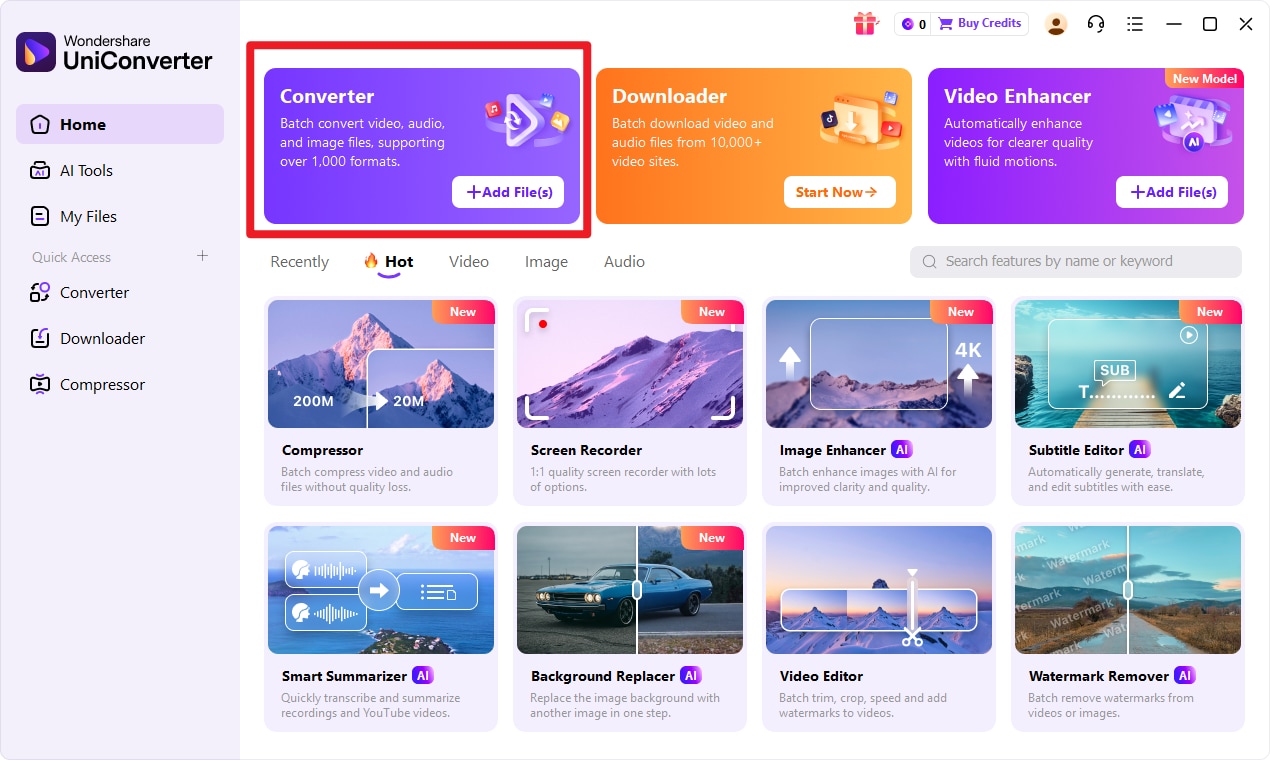
Step 1: Choose Converter in UniConverter
Launch Wondershare UniConverter on your computer after installing it. On the main interface, look at the menu on the left-hand side and select the Converter option to open the video conversion tool.
Step 2: Add Files to UniConverter
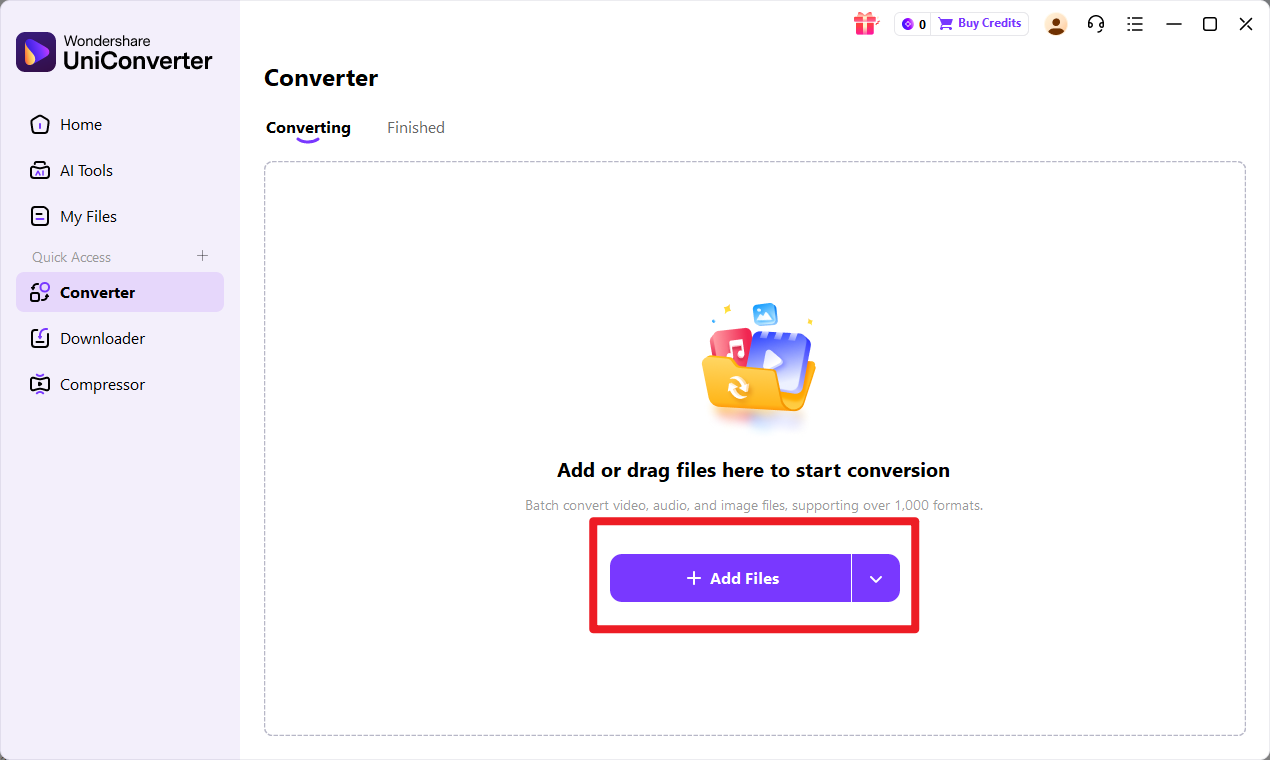
You can now import your MKV file. Either click the Add Files icon in the center or top-left corner to browse your computer's folders, or simply drag and drop your input format file directly into the UniConverter window. The software also supports batch conversion if you need to convert multiple files at once.
Step 3: Choose Output Format
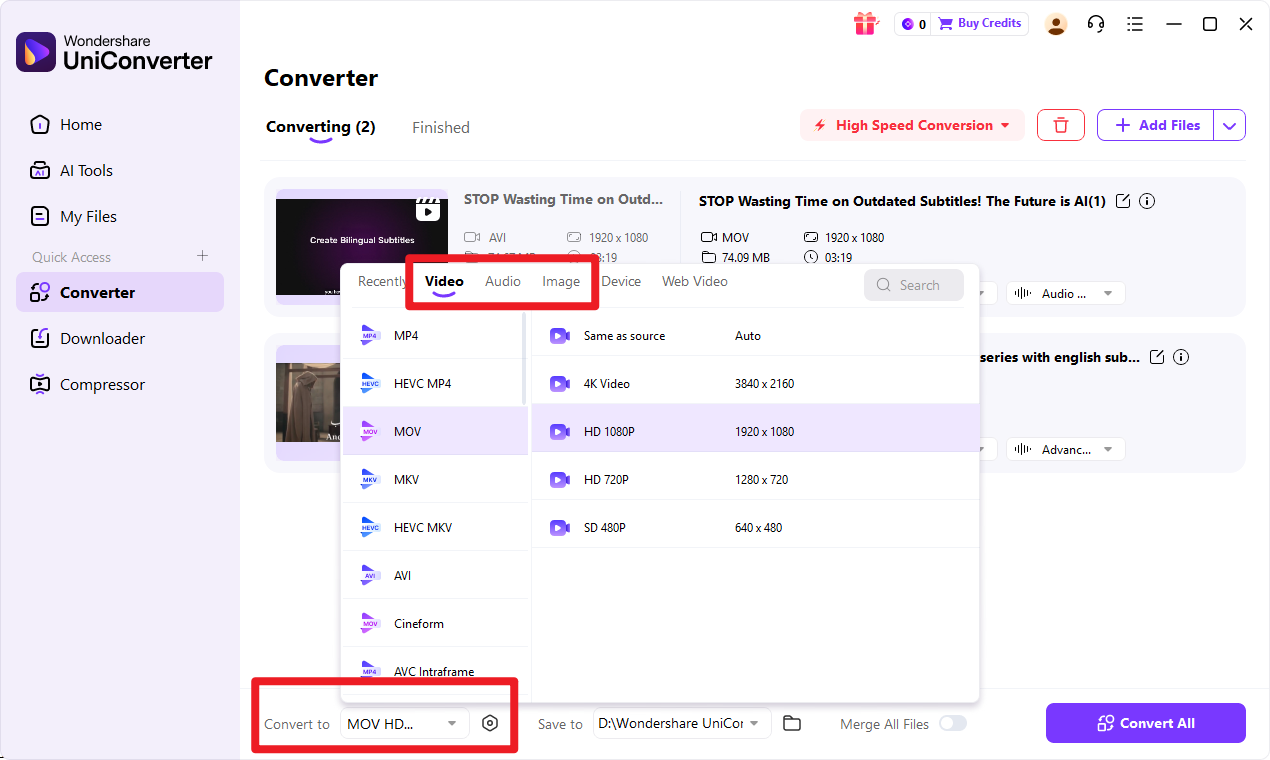
At the bottom of the window, click on the Output Format menu to open the format selection panel. Navigate to the Video tab. Scroll through the list of formats on the left to find and select your target format. On the right, you can choose the desired resolution for your output file.
Step 4: Start the Conversion
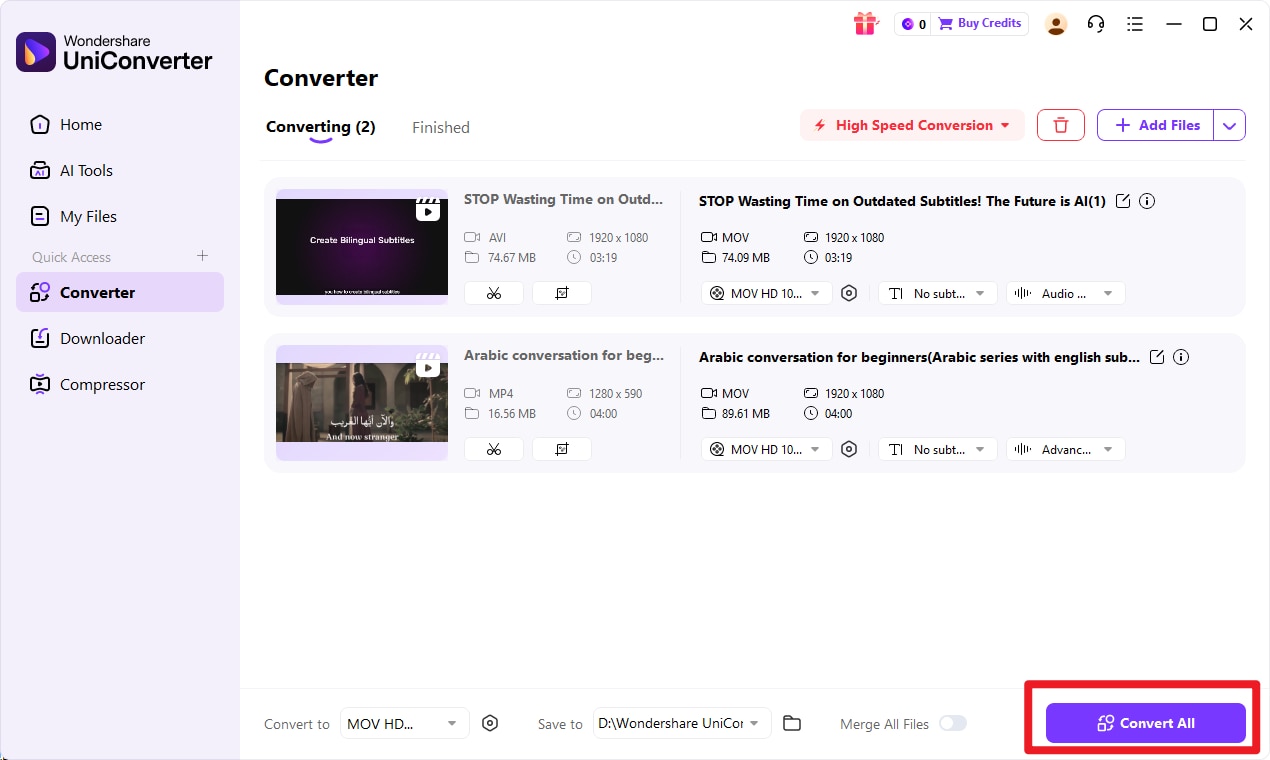
Before starting, you can specify where to save the converted file by using the File Location field at the bottom. Once you are ready, click the Start All button in the bottom-right corner. UniConverter will begin the conversion process, and you can track its progress in the main window.

Go Beyond Simple Video Conversion
Conclusion
In the MKV vs SWF comparison, the verdict for modern users is overwhelmingly clear. MKV stands as a superior, flexible, and high-quality container format perfectly suited for the demands of today's high-definition video landscape. It is the ideal choice for storing, sharing, and watching video content with maximum fidelity. SWF, in contrast, is a relic of a past internet era, an obsolete format whose primary functions have been replaced by more secure and efficient open web technologies. You should only interact with SWF files when dealing with legacy content, and avoid creating new projects with it.
For any video management tasks you might face—whether it's converting a modern MKV file to another format or handling a rare legacy conversion—a reliable tool is indispensable. Wondershare UniConverter provides a fast, intuitive, and powerful solution, ensuring you can handle any file format with confidence and ease.
FAQs
-
1. Is MKV better than MP4?
This is a common question. MKV is technically more flexible as a container, as it can hold an unlimited number of tracks and supports more features like chapters and subtitles (e.g., SRT, ASS). However, MP4 has wider native compatibility, especially on Apple devices like iPhones and iPads, and in web browsers. For general use and sharing, MP4 is often a safer bet. For archiving and high-quality media server use, MKV is often preferred. -
2. Why can't I play SWF files anymore?
You can't play SWF files in modern browsers because Adobe, the company behind the format, officially ended support for its Flash Player on December 31, 2020. Major web browsers and operating systems subsequently removed the plugin due to significant, long-standing security vulnerabilities and poor performance. To play an SWF file today, you need special software like a standalone Flash player or an emulator. -
3. Can UniConverter convert MKV to other formats besides SWF?
Absolutely. Wondershare UniConverter is a comprehensive video conversion tool that supports over 1,000 formats. You can easily convert your MKV files to virtually any other video or audio format you need, including popular choices like MP4, AVI, MOV, and WMV. It also includes presets for specific devices like smartphones, gaming consoles, and smart TVs to ensure perfect compatibility. -
4. Is it possible to edit an MKV file?
Yes, you can edit MKV files. While it's a container format, the video and audio streams inside can be edited. Professional video editors can handle MKV files, but for quick edits, an all-in-one tool like Wondershare UniConverter is very convenient. Its built-in editor allows you to trim unwanted sections, crop the video frame, add watermarks, apply filters and effects, and manage subtitles before you even start the conversion process.
